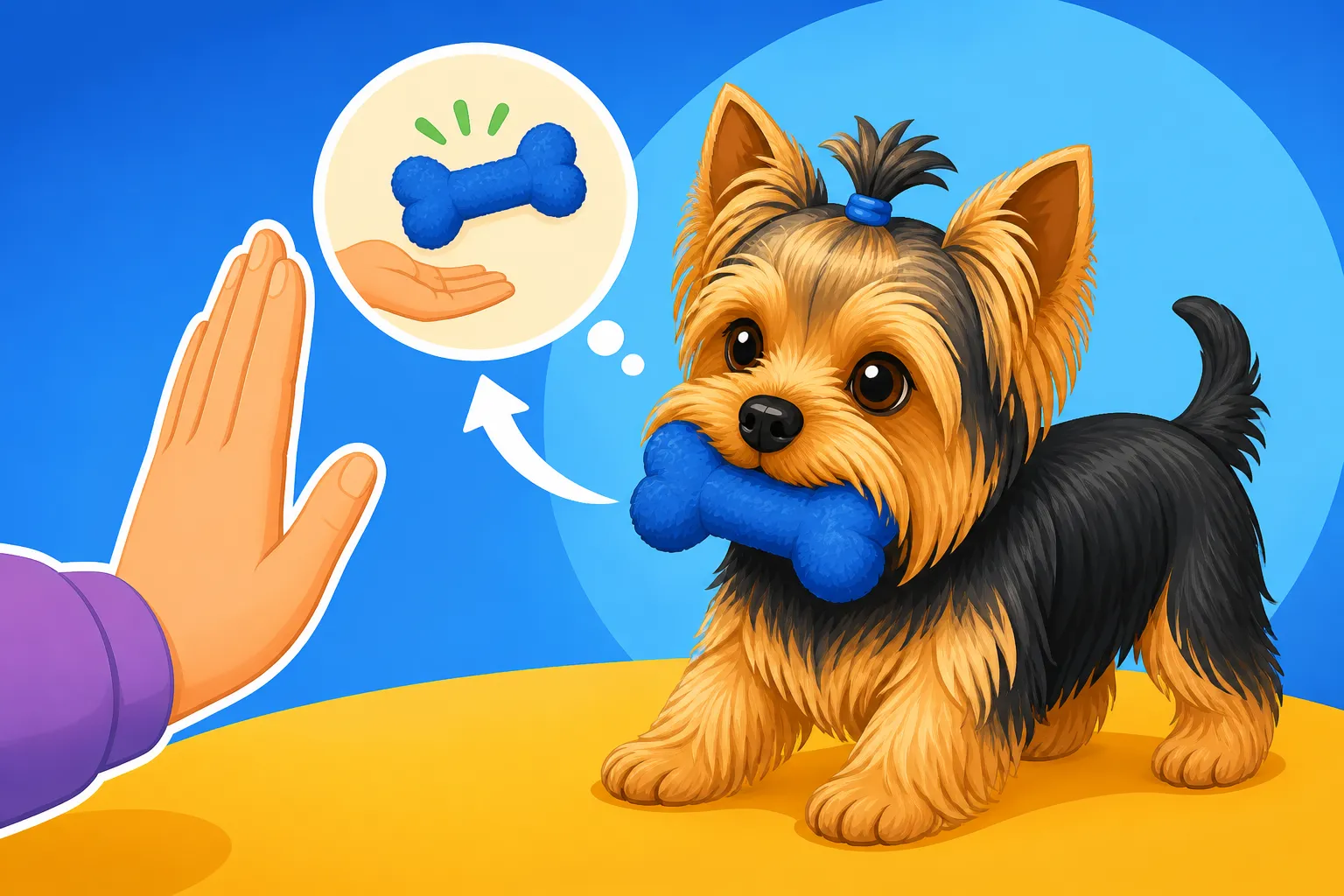
How to Teach a Yorkie to Drop It
It's incredibly frustrating, isn't it? You love your little Yorkshire Terrier, but sometimes their curiosity gets the best of them, and suddenly they've got something in their mouth they really shouldn't have. Whether it's a dropped pill, a tiny piece of plastic, or even your favorite earring, getting your Yorkie to safely release an item on command can feel like a Herculean task. This comprehensive guide is here to walk you through the effective methods for teaching your Yorkie the crucial "Drop It" command, ensuring both their safety and your peace of mind.
Why "Drop It" is More Than Just a Trick for Yorkies
For a tiny dog like a Yorkshire Terrier, the "Drop It" command isn't just about showing off fancy tricks. It's a fundamental safety skill that can genuinely save their life and prevent a lot of stress for you. Their small size makes them particularly prone to hazards that might not even register as a threat for larger breeds, and their curious nature means they're always exploring with their mouths.
Safety First: Preventing Ingestion of Harmful Items
Imagine this: you accidentally drop a small button, a discarded chicken bone from the counter, or even a toxic houseplant leaf, and before you can react, your lightning-fast Yorkie has it in their mouth. This scenario is a real-life nightmare for many Yorkie parents. Their small airways mean choking is a serious risk, and their sensitive digestive systems are easily upset by foreign objects or toxic substances. The "Drop It" command allows you to intervene swiftly and safely, getting them to release the item before it becomes a medical emergency.
Without this command, your only option might be to pry open their mouth, which can be terrifying for both of you, potentially leading to a bite, or worse, causing them to swallow the item out of fear. A well-trained "Drop It" makes these dangerous encounters manageable and minimizes stress. It's an indispensable part of comprehensive Yorkshire Terrier Health Problems to Know knowledge, as prevention is always better than a trip to the emergency vet.
Protecting Valuables and Your Sanity
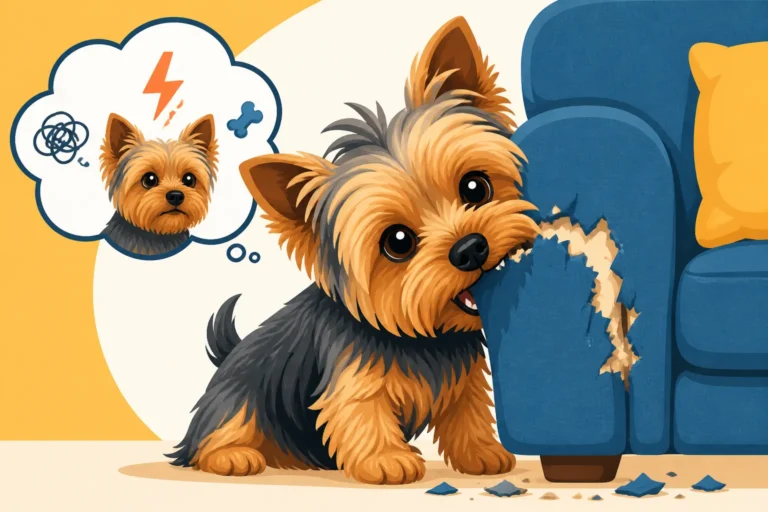
Beyond immediate safety, "Drop It" is a lifesaver for your household items. Yorkies, with their terrier instincts, can be quite tenacious. They might pick up socks, remote controls, expensive eyewear, or even a child's small toy and decide it's their new prized possession. Trying to retrieve these items can turn into a game of chase, or worse, lead to resource guarding behaviors where your Yorkie might growl or snap to protect their "treasure."
Teaching "Drop It" means you can recover your belongings without conflict, preventing damage and fostering a more harmonious relationship with your pup. It removes the need for you to constantly supervise every second, although vigilance is still important. It helps manage common Yorkshire Terrier Behavior Problems and Solutions by establishing clear boundaries and teaching them to defer to your commands rather than their own impulses when it comes to coveted items.
Building Trust and Respect
Training, especially with positive reinforcement, builds a stronger bond between you and your Yorkie. When your dog learns that releasing something they have in their mouth leads to a reward from you (like a super yummy treat or another, more appropriate toy), it teaches them that listening to you is always worthwhile. This isn't about dominance; it's about clear communication and mutual understanding.
When your Yorkie trusts that giving up an item won't result in punishment or the loss of all good things, they'll be much more willing to comply. This respect for your commands will spill over into other areas of their training, making them a more confident and obedient companion overall. It reinforces the idea that you are a benevolent leader who provides good things, rather than someone who takes things away.
Preparing for "Drop It" Training Success
Before you even utter the words "Drop It," laying the groundwork is essential. Like any good chef knows, mise en place (everything in its place) is critical for a smooth cooking experience, and it's no different for dog training. Having the right tools and a clear understanding of your Yorkie's motivations will set you up for success.
Essential Supplies You'll Need
You don't need a whole arsenal of equipment, but a few key items will make your training sessions much more effective and enjoyable for both of you.
- High-Value Treats: These are the gold standard for your Yorkie. Think tiny pieces of cooked chicken, cheese, or specialized training treats that your dog absolutely goes crazy for. These treats should be small enough to be consumed quickly, so they don't get distracted. Brands like BAXTER & Bella offer excellent, small-sized training treats perfect for a Yorkie's mouth and calorie count. You'll want to have these readily available in a treat pouch or a small container.
- Low-Value Item: This is the "bait" item your Yorkie will hold in their mouth during the initial stages. It needs to be something they find mildly interesting but not so captivating that they refuse to let go. Old, clean socks, a soft, well-worn toy, or a safe chew toy that isn't their absolute favorite are good choices. The key is that it's safe for them to put in their mouth, even if you don't want them to keep it forever.
- Clicker (Optional but Recommended): A clicker acts as a precise marker for the exact moment your Yorkie performs the desired behavior. It's an excellent tool for Positive Reinforcement Training for Yorkies because it clearly communicates "Yes! That's exactly what I wanted!" before the treat arrives. If you don't have a clicker, a consistent verbal marker like "Yes!" or "Good!" can also work.
- Leash (for controlled environments): A lightweight leash can be helpful in the initial stages to prevent your Yorkie from running off with the item, especially if they are prone to turning it into a game of keep-away. This ensures you maintain control without needing to physically grab them. You can find excellent, safe leashes and harnesses suitable for Yorkies on platforms like Amazon.
Choosing the Right Training Environment
Where you train can significantly impact your success. Start in a quiet, distraction-free area. This might be your living room when no one else is around, or a quiet bedroom. The goal is to minimize anything that could compete for your Yorkie's attention when they're learning this new, important skill.
As your Yorkie becomes more proficient, you can gradually introduce more distractions. Moving to a different room, then perhaps a quiet backyard, and eventually a park where there are other sounds and sights, will help generalize the command. This gradual increase in difficulty ensures that your Yorkie understands "Drop It" means "Drop It" no matter where they are or what's going on around them. Remember, consistency in environment is crucial in the beginning.
Understanding Yorkie Motivation: Treats and Toys
Yorkies are intelligent but can also be notoriously stubborn. To successfully teach them "Drop It," you need to understand what truly motivates them. For most Yorkies, this means finding the highest-value treats possible. If they drop a boring old sock for a piece of dry kibble, they're probably not going to drop your stolen car keys for the same reward. The treat needs to be better than whatever they're holding.
Think of it as a trade: "Give me this okay thing, and I'll give you something amazing!" This positive association is what makes the command stick. Experiment with different treats to see what makes your Yorkie's eyes light up. Small pieces of cheese, boiled chicken, or commercially prepared soft training treats are often big hits. You can refer to our guide on Best Treats for Training a Yorkie for more ideas.
Similarly, sometimes a favorite toy can be a motivator. If your Yorkie loves squeaky toys, you might use a less exciting toy for the "drop" item and offer their beloved squeaker as the reward. The goal is to make the "drop" experience consistently rewarding and positive, so they eagerly anticipate your command.
Step-by-Step Guide to Teaching "Drop It"
Now that you’re all set up with your supplies and a quiet space, let’s dive into the actual training. The core of teaching "Drop It" effectively lies in the "swap" method, which is based on positive reinforcement and avoids any force or intimidation.
The "Swap" Method: Foundation of Success
This method is incredibly effective because it leverages your Yorkie's natural desire for good things. You're not taking something away; you're offering something better in exchange.
- Start with a Low-Value Item: Choose one of your predetermined low-value items. Let your Yorkie pick it up. Don't throw it for them to fetch yet; simply place it on the floor or gently offer it. The goal is just for them to have it in their mouth.
- Offer a High-Value Treat: The moment your Yorkie has the item, bring a high-value treat right up to their nose. Don't hold it out of reach; make it appealing and accessible. As they open their mouth to investigate or take the treat, the low-value item will naturally fall out.
- Mark and Reward Immediately: The instant the low-value item drops from their mouth, say your verbal marker ("Yes!" or "Good!") or click your clicker. Then, immediately give them the high-value treat. It's crucial that the reward happens the moment the item is dropped.
- Retrieve the Dropped Item: While your Yorkie is happily munching on their treat, calmly pick up the low-value item. Don't make a big deal out of it.
- Repeat, Repeat, Repeat: Do this process several times in short, positive training sessions (2-5 minutes) throughout the day. The more repetitions, the faster your Yorkie will make the connection between dropping the item and receiving a fantastic reward.
At this stage, we're building the association: "Item in mouth -> treat appears -> item drops -> get treat!" We're not using the verbal cue "Drop It" yet. This ensures your Yorkie understands the action first.
Introducing the Verbal Cue
Once your Yorkie is consistently dropping the low-value item the moment the treat appears, it's time to add the verbal command.
- Your Yorkie Has the Item: As before, let your Yorkie pick up the low-value item.
- Say "Drop It": The moment before you bring the high-value treat to their nose, clearly say "Drop It" in a calm, encouraging tone.
- Offer Treat and Mark/Reward: Immediately follow with bringing the treat to their nose, marking (click/verbal cue) the instant they drop the item, and then giving them the treat.
- Practice: Continue this, always saying "Drop It" right before you offer the treat that causes them to drop the item. Your Yorkie will begin to associate the sound of "Drop It" with the action of releasing the item and receiving a reward.
Remember to keep training sessions short and fun. If your Yorkie seems frustrated or distracted, end the session on a positive note and try again later. This gentle approach is key when you How to Train a Yorkshire Terrier.
Phasing Out the Lure and Reinforcing the Command
The goal is for your Yorkie to drop the item on command without needing to see the treat first.
- Verbal Cue First: Once your Yorkie is reliably dropping the item when you say "Drop It" and then offer the treat, start to delay the visual presentation of the treat slightly. Say "Drop It," and wait just a fraction of a second before you bring the treat to their nose.
- Reward for Anticipation: If they drop the item just from your verbal cue (even before seeing the treat), that's fantastic! Mark and reward immediately.
- Increase Distance and Delay: Gradually increase the distance you hold the treat from their nose, and the slight delay between the command and the treat's appearance. Eventually, you want them to drop the item on the verbal command alone, then you'll reach into your treat pouch to reward them.
- Vary the Rewards: While high-value treats are crucial initially, you can start to mix in other rewards once the command is solid. Sometimes it might be a quick game of tug with a favorite toy after they drop the initial item, or enthusiastic verbal praise. This helps keep them engaged and less reliant on only food.
- Introduce New Items: Once they are consistent with low-value items, gradually introduce items of slightly higher value. Never start with something extremely precious or dangerous until the command is rock-solid. Always ensure the "swap" treat is more appealing than whatever they are holding.
Common Challenges and Troubleshooting
Even with the best intentions, training doesn't always go smoothly. Yorkies can be clever, and they might try to outsmart you or simply get confused. Here are some common hurdles and how to overcome them.
My Yorkie Won't Let Go: High-Value vs. Low-Value Items
This is probably the most common sticking point. If your Yorkie isn't dropping the item, it's usually because your "high-value" treat isn't high-value enough compared to what they're holding. Or, you're trying to teach them "Drop It" with an item that is too valuable for them in the initial stages.
Solution:
- Re-evaluate your treats: Are you sure that boiled chicken is the absolute best thing in your Yorkie's world? Maybe it's a tiny bit of hot dog, a dollop of peanut butter on a spoon (xylitol-free!), or a specific commercial treat that drives them wild. The reward needs to be undeniably better than the item.
- Decrease the value of the item: If they're guarding a brand-new squeaky toy, switch to an old sock or a bland chew toy. You must start with something they don't care that much about so the "swap" is an obvious win for them.
- Go back a step: If you've introduced the verbal cue and they're not responding, go back to just the silent "swap" method until that is flawless before reintroducing the word.
Here's a quick comparison of item values:
| Item Value Category | Description | Examples for Yorkies | Training Use |
|---|---|---|---|
| Low-Value | Items your Yorkie has mild interest in, easily traded for a better reward. | Old sock, small fabric toy, bland chew stick | Initial "Drop It" training, building the swap association. |
| Medium-Value | Items they enjoy playing with but will usually give up for a good treat. | Favorite (but not ultimate) squeaky toy, small rope toy | Intermediate "Drop It" practice, introducing verbal cue. |
| High-Value | Coveted items they love and are reluctant to part with. | New squeaky toy, stolen forbidden item (e.g., shoe), stick | Advanced "Drop It" practice, real-world application (requires high reward). |
My Yorkie Snaps at Me When I Reach for an Item
This is resource guarding, and it's a serious behavior that needs to be addressed carefully. Never punish your Yorkie for growling or snapping; that just teaches them to hide their warnings, making bites more likely. Punishing them for guarding can also undermine the trust you're trying to build when teaching a command like "Drop It." For more on this, check out our guide on Yorkie Aggression: Causes and Solutions.
Solution:
- Avoid confrontation: Don't physically try to take the item from their mouth. This will only escalate the guarding behavior.
- Super high-value treats are crucial here: The treat you offer for the "swap" needs to be so incredibly good that they choose to drop the item, rather than being forced.
- Desensitization: If resource guarding is severe, work with a professional dog trainer or behaviorist. They can guide you through desensitization and counter-conditioning protocols, teaching your Yorkie that your approach means good things (treats!) and not that you're going to steal their treasure.
- "Drop It" becomes even more vital: A solid "Drop It" command taught through positive reinforcement is the best way to bypass resource guarding situations entirely, as it encourages them to willingly give up the item.
Consistency is Key: Practice Makes Perfect
Just like humans learning a new skill, Yorkies need consistent practice in various scenarios to truly master "Drop It." It's not a one-and-done command.
Solution:
- Short, frequent sessions: Aim for several short training sessions (2-5 minutes) throughout the day rather than one long, tedious one. This keeps your Yorkie engaged and prevents boredom or frustration.
- Practice in different locations: Once they're proficient in a quiet room, move to the kitchen, then the backyard, then a park. Each new environment is like a new level of difficulty.
- Vary the items: Gradually introduce different safe items for them to drop, ranging in value. This teaches them the concept of "Drop It," not just "Drop that specific toy."
- Be patient: Some Yorkies pick it up faster than others. Don't get discouraged if progress seems slow. Every successful drop is a step forward. Even when you're not actively training, you can reinforce the command when they spontaneously pick up something appropriate. For overall guidance, consider exploring resources on How to Train a Yorkshire Terrier.
Advanced "Drop It" Scenarios and Real-World Application
Once your Yorkie is a "Drop It" pro in controlled environments, it's time to take their skills to the next level. Real life throws unexpected items and distractions your way, so generalizing the command is paramount.
Dropping Items on Command Outdoors
The great outdoors is a treasure trove of fascinating, often dangerous, items for a curious Yorkie. From discarded food scraps to potentially toxic plants or even small pieces of litter, you need your "Drop It" command to be reliable when you're out and about.
- Start on Leash: Begin practicing in a quiet park or your backyard while your Yorkie is on a leash. This gives you control and prevents them from running away with a newly acquired "treasure."
- Use Strategic Drops: "Accidentally" drop a safe, appealing item (like a piece of dried fruit or a low-value chew) and let your Yorkie pick it up. Immediately issue the "Drop It" command and reward with your high-value treat.
- Increase Distractions Gradually: As they improve, move to areas with more distractions – gentle background noise, distant people, or other dogs. Gradually work up to busier environments. The key is to set them up for success, so don't jump into a dog park too soon.
- Practice with "Found" Items: Once they understand, you can practice with items they genuinely find on a walk. This is where the command truly shines. If they sniff out something questionable, be ready with your "Drop It" and a fantastic reward.
This outdoor practice is crucial. A Yorkie's natural curiosity means they're always exploring, and sometimes that means sniffing out things that could make them sick. A reliable "Drop It" outside could save you a frantic trip to the vet.
Dropping Forbidden Household Items
Your Yorkie might know "Drop It" for their own toys, but what about when they snatch your reading glasses or a sock from the laundry pile? These are often higher-value items in your Yorkie's mind because they're forbidden.
- Simulate Real-Life Scenarios: Instead of directly giving them a forbidden item, "accidentally" leave one within reach. For instance, put a single sock on the floor and let them grab it.
- High-Value Always: For forbidden items, your reward must be exceptionally high-value. This reinforces that letting go of something they're not supposed to have is always worth it.
- Consistency is King: Ensure everyone in the household uses the "Drop It" command consistently and rewards generously. If one person punishes the Yorkie for taking an item while another rewards for dropping it, your dog will become confused and less likely to obey.
- "Leave It" as a Preventative: While "Drop It" is for when they already have an item, the "Leave It" command is for preventing them from picking it up in the first place. Teaching How to Teach a Yorkie to Leave It alongside "Drop It" creates a powerful two-pronged approach to impulse control. For example, if you see them eyeing a dropped pill, "Leave It" can prevent them from even touching it, while "Drop It" is your backup plan if they manage to grab it.
Combining "Drop It" with "Leave It"
These two commands are like superhero siblings, working together to keep your Yorkie safe and your home intact. "Leave It" teaches them not to touch an item, and "Drop It" teaches them to release an item they've already picked up. Mastering both provides ultimate control.
- Teach Them Separately First: Ensure your Yorkie has a solid understanding of both "Drop It" and "Leave It" independently before attempting to combine them.
- Practice Sequence: Start by showing your Yorkie an item on the floor. Give the "Leave It" command. If they ignore it and go for the item, then immediately follow with "Drop It" once they have it in their mouth. Reward generously if they obey the "Drop It."
- Reinforce the Correct Choice: If they successfully "Leave It," reward them for that command. The goal is to encourage "Leave It" as the primary response, but "Drop It" is always there as a safety net.
- Real-World Integration: When you're out walking and your Yorkie spots something interesting, use "Leave It." If they manage to snatch it, immediately transition to "Drop It." This dynamic use of both commands will become second nature to you and your Yorkie with practice.
Remember, every time your Yorkie successfully drops an item, you're not just getting your stuff back or preventing a mishap; you're reinforcing a critical life skill and strengthening the incredible bond you share. Keep training positive, consistent, and full of those high-value rewards, and you'll have a Yorkie who's a master of "Drop It" in no time.
Disclaimer
Please note that while this guide provides comprehensive advice, it is not a substitute for professional veterinary care or a certified dog trainer's consultation. If your Yorkie exhibits severe resource guarding, aggression, or if you suspect they have ingested something harmful, please consult your veterinarian or a professional behaviorist immediately.