How to Stop a Yorkie from Barking At Strangers
It's incredibly frustrating, isn't it? You love your little Yorkshire Terrier, but the moment a stranger walks past your window, or heaven forbid, actually comes to your door, it's like a tiny, furry alarm goes off. The incessant yapping can be embarrassing, stressful, and sometimes even makes you want to hide in the back room. You're not alone in this struggle, and this guide is here to offer empathetic, practical, and realistic strategies to help you manage and significantly reduce your Yorkie's barking at strangers, so you can both enjoy a calmer, more peaceful home.
Understanding Why Your Yorkie Barks at Strangers
Before we can even think about tackling the barking, it's absolutely crucial to understand why your Yorkie feels the need to voice their opinions so loudly. It’s rarely out of malice; it’s usually rooted in instinct, fear, or learned behavior.
The Terrier Temperament and Instincts
Yorkshire Terriers might be small, but they pack a huge personality into their tiny frames. They descend from working dogs, bred to hunt rats in textile mills, which means they were selected for their tenacity, alertness, and courage. These aren't lapdogs that were bred to be quiet and docile; they were bred to be feisty and vocal when they sensed something amiss.
Think about it from your Yorkie's perspective: their home is their territory, and you are their most cherished possession. When a "stranger" (anyone unfamiliar, really) approaches, their ancient instincts kick in. They might perceive themselves as little guardians, sounding the alarm to protect their family and turf. Their incredible hearing and sharp senses mean they often detect an approaching person long before you do, leading to that sudden, startling burst of barks. This innate alertness, combined with a strong sense of self-importance, often manifests as them wanting to assert their presence, regardless of their size. It’s a classic case of "small dog, big bark" where they compensate for their diminutive stature with vocality. If you've ever wondered about their core nature, understanding the general traits of a Yorkshire Terrier Temperament and Personality can shed a lot of light on these behaviors.
Lack of Socialization or Negative Experiences
Sometimes, the barking isn't about guarding; it's about fear or anxiety. If your Yorkie puppy wasn't exposed to a wide variety of people, sounds, and sights during their critical socialization period (roughly 3-16 weeks), strangers can become a huge source of apprehension. A new face, a different gait, or an unfamiliar smell can trigger a "fight or flight" response, and for many Yorkies, "fight" often means barking.
Even well-meaning interactions can go awry. Imagine a large, unfamiliar person looming over your tiny Yorkie and reaching out quickly to pet them. To a small dog, this can feel incredibly intimidating and even threatening. A single negative experience, like being accidentally stepped on or startled by a loud stranger, can create a lasting fear-based reaction. This fear can then generalize, causing them to bark at all strangers, even if most mean no harm. It’s heartbreaking to see, but their barking is often their way of saying, "Stay away! I'm scared!"
Reinforcement and Learned Behavior
Here's the tough truth: sometimes, we unintentionally teach our Yorkies that barking at strangers is an effective strategy. When your Yorkie barks at the mail carrier, and the mail carrier eventually leaves, your dog learns, "Success! My barking made them go away." This positive reinforcement, even if it's coincidental, solidifies the behavior.
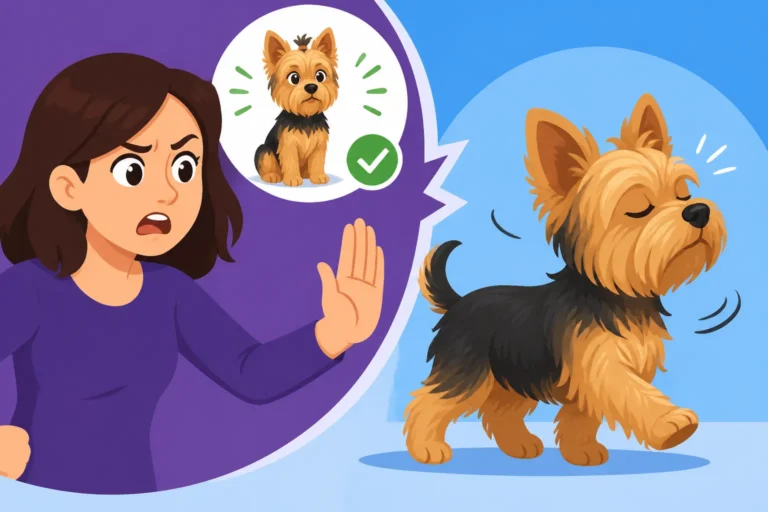
We can also reinforce it more directly without realizing. If your Yorkie starts barking at a guest, and you immediately pick them up to comfort them, you're essentially rewarding the barking with attention and affection. Similarly, yelling "Quiet!" might seem like a correction, but to some dogs, it just sounds like you're barking along with them, intensifying the commotion. Even trying to physically stop them by grabbing them might inadvertently add to their excitement or fear, reinforcing the idea that a stranger's presence leads to a high-energy interaction. The trick is understanding that any reaction from you or the stranger can become a form of reinforcement, even if it's negative attention.
Proactive Steps: Early Socialization and Prevention
While some behaviors are ingrained, many can be shaped or prevented, especially if you start early. Prevention is always easier than correction, and a well-socialized Yorkie is generally a happier, calmer dog.
Puppyhood is Key for Positive Associations
If you have a Yorkie puppy, you have a golden opportunity to prevent many barking issues before they even begin. The period between 8 and 16 weeks is crucial for socialization. During this time, your puppy's brain is like a sponge, soaking up every experience and forming lasting impressions. The goal is to expose your puppy positively to as many different types of people, environments, sounds, and sights as safely possible.
This means inviting friends and family over, taking your puppy for short, controlled walks (once fully vaccinated, of course), and exposing them to people of all ages, genders, and appearances—people with hats, glasses, beards, uniforms, strollers, wheelchairs. Every positive interaction builds confidence. Pair each new experience with high-value treats and praise. For example, when a new person approaches, immediately offer a treat and cheerful praise. The idea is for your puppy to associate strangers with good things. Attending a well-run puppy class can also be invaluable, as it offers controlled exposure to new people and dogs. To dive deeper into ensuring your little one grows up well-adjusted, check out our guide on How to Socialize a Yorkie Puppy for comprehensive tips.
Controlled Introductions and Desensitization
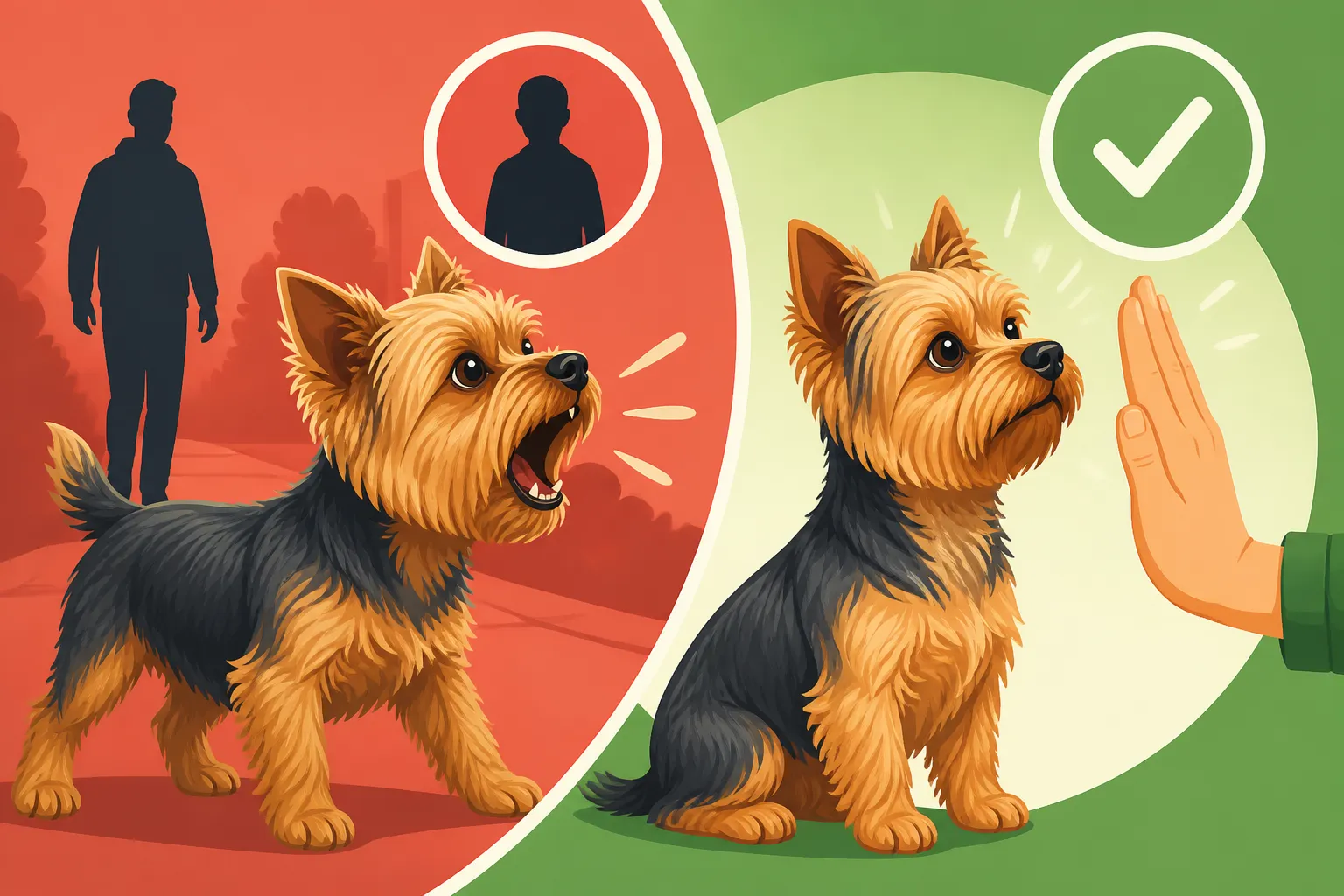
For both puppies and adult Yorkies, controlled introductions are vital. You can't just throw them into a crowded room and expect them to be calm. Start small and build up. Ask a friend or family member who your Yorkie doesn't know well to help you. Begin by having them stand at a distance where your Yorkie notices them but doesn't start barking. The moment your Yorkie looks at the person without barking, immediately reward them with a super tasty treat and calm praise.
Repeat this process, gradually decreasing the distance over several sessions, always staying below the barking threshold. If your Yorkie barks, you've moved too close, too fast. Reset and try again from a greater distance. When the stranger is close enough for an introduction, ask them to approach calmly, avoid direct eye contact initially, and let your Yorkie come to them. Have the stranger gently offer a high-value treat (if your dog isn't fearful of taking it from a hand). The goal is to create a positive emotional response, changing their internal dialogue from "Oh no, a stranger!" to "Oh, a stranger! Maybe I'll get a treat!" This technique is a cornerstone of desensitization and counter-conditioning.
Managing the Environment
Sometimes, the best offense is a good defense. If your Yorkie barks relentlessly at passersby from the window, consider managing their access to those triggers. Applying privacy film to lower windows can block their view while still allowing light in. Using white noise machines or playing calming music can help muffle outdoor sounds that might trigger an alert bark.
When guests are coming over, consider putting your Yorkie in a safe, comfortable space like a crate or a room with a baby gate before guests arrive. This prevents the initial burst of territorial barking at the door and allows them to adjust to the presence of strangers more calmly. They can hear and smell the new people, but they aren't forced into immediate, overwhelming interaction. Once they settle, you can introduce them to your guests one by one in a controlled manner, as described above. A well-established routine with their crate can make this a much smoother process; learn more about it in our Yorkshire Terrier Crate Training Guide article.
Training Strategies for Managing and Modifying Barking
Even if your Yorkie has a history of barking at strangers, it's never too late to teach them new habits. Patience and consistency are your most powerful tools here.
Teaching the "Quiet" Command
This is one of the most useful commands for any vocal dog. The trick is to teach "speak" first, then "quiet."
- Trigger the Bark: Find something that reliably makes your Yorkie bark, like knocking on a door, or having a friend stand outside your window.
- Add the "Speak" Command: As soon as they start barking, say "Speak!" and let them bark 2-3 times.
- Introduce "Quiet": Hold a high-value treat right up to their nose. Most dogs will stop barking to sniff the treat. The moment they are quiet, even for a second, say "Quiet!" and immediately reward them with the treat and praise.
- Practice and Extend: Repeat this many times. Once they understand "Speak," gradually extend the duration of silence required before you say "Quiet!" and reward. Start with one second of silence, then two, then three.
- Fade the Treat Lure: As they get better, you won't need to put the treat right to their nose. Just give the "Quiet!" command. If they stop, reward. If they don't, go back to luring.
The beauty of this is that you’re teaching them control over their barking, rather than just suppressing it. You're giving them an appropriate outlet (barking on command) and then teaching them to stop. For a more detailed walkthrough, refer to our guide on How to Teach a Yorkie to Quiet for specific steps.
Counter-Conditioning and Desensitization for Triggers
This technique aims to change your Yorkie's emotional response to strangers from negative (fear, anxiety, aggression) to positive (excitement for a reward).
- Identify the Trigger: Pinpoint what makes your Yorkie bark—e.g., someone approaching the door, walking by the window, or passing on a walk.
- Find the Distance: Determine the distance at which your Yorkie notices the stranger but doesn't bark. This is their "threshold."
- Positive Association: As soon as your Yorkie sees a stranger at that safe distance, immediately give them a high-value treat (something they absolutely adore, like cooked chicken or cheese). The key is that the treat appears with the stranger and disappears when the stranger is gone.
- Repeat, Repeat, Repeat: Do this over and over again. Your Yorkie will start to associate the sight of a stranger with receiving a delicious treat. Their brain literally rewires to think, "Stranger = yummy food!"
- Gradually Reduce Distance: Once they are consistently calm and looking to you for a treat when a stranger is at the initial distance, slowly move closer to the trigger (or let the trigger get a little closer to you). Always stay below their barking threshold. If they bark, you've gone too fast; move back to a greater distance and try again.
This isn't a quick fix, but it's incredibly effective because it addresses the underlying emotion.
Managing Doorbell and Window Barking
The doorbell is a classic trigger for many Yorkies. Here's how to tackle it:
- Doorbell Desensitization: Record your doorbell sound or find a similar one online. Play it at a very low volume throughout the day. Each time it rings, immediately give your Yorkie a treat and praise. The sound becomes a cue for something good, not a frantic alert. Gradually increase the volume over days or weeks.
- "Go to Your Place": Teach your Yorkie to go to a designated mat or bed when the doorbell rings or someone is at the door. Practice this command frequently with high-value rewards. When a real guest comes, ask your Yorkie to go to their place before opening the door. They might still whine or bark a little at first, but they'll be in a controlled space.
- Window Management: As mentioned earlier, physical barriers like privacy film or even simply closing curtains or blinds can be very effective. If your Yorkie has a favorite window perch where they "guard" the neighborhood, consider blocking access to it entirely or placing their crate there with a chew toy, so they learn that spot is for quiet relaxation, not barking alerts. You can also teach a "leave it" command when they notice something outside and redirect them with a treat or toy. For specific tactics on curbing doorbell alerts, our guide on How to Stop a Yorkie from Barking at the Doorbell is an excellent resource.
Leash Training and Public Encounters
Walks can be particularly challenging if your Yorkie barks at every person they see.
- Equipment Choice: First, ensure you're using the right equipment. A harness is almost always better than a collar for a Yorkie, as their delicate tracheas are prone to collapse. A well-fitting, comfortable harness (such as those you can find on Amazon) gives you better control without putting pressure on their neck. Check out our detailed article on Why Harnesses Are Better Than Collars for Yorkies for more insights.
- "Look at Me" Command: Teach your Yorkie to make eye contact with you on command. Practice this in quiet environments first, rewarding generously. Then, introduce it on walks. When you see a stranger approaching, before your Yorkie notices them or starts barking, say "Look at me!" and reward them for making eye contact. This redirects their attention to you and away from the trigger.
- Manage Distance: Just like with home introductions, maintain a distance on walks where your Yorkie is aware of strangers but remains calm. If a stranger is too close and your Yorkie is getting agitated, simply change direction or cross the street. It's okay to avoid triggers while you're training; it sets your dog up for success.
- Reward Calmness: Whenever your Yorkie passes a stranger without barking, even if they just sniff quietly, praise them and give a treat. You want to reinforce that calm, quiet behavior is what you desire.
| Barking Type | Primary Cause | Common Triggers | Training Approach | Key Takeaway |
|---|---|---|---|---|
| Alert/Territorial | Instinct to protect home/family | Doorbell, people walking past windows, strangers at the door | "Quiet" command, desensitization to triggers, environmental management | Teach them when to stop, not never to start. |
| Fear-Based | Negative past experiences, lack of socialization | Unfamiliar people, sudden movements, loud voices | Counter-conditioning (stranger = good things), positive reinforcement, gradual exposure | Change their emotional association with strangers from fear to positive anticipation. |
| Attention-Seeking | Learned behavior, desire for interaction | Barking gets owner's attention, stranger's reaction | Ignore unwanted barking, reward calm behavior, teach alternative polite greetings | Ensure you're not accidentally reinforcing the barking. |
| Excitement/Frustration | Over-arousal, inability to greet | Stranger approaching quickly, inability to get to a person | Impulse control training, "wait" command, calm greetings | Help them manage their excitement and understand polite ways to interact. |
Practical Tools and Resources to Support Your Training
You don't have to go it alone! There are plenty of tools and resources that can make your training journey smoother and more effective.
Training Aids and Equipment
- High-Value Treats: These are non-negotiable for counter-conditioning and positive reinforcement. Forget the dry biscuits for this work; think small pieces of cooked chicken, cheese, hot dogs, or store-bought training treats like Zuke's Mini Naturals or Pupford Freeze-Dried Training Treats. You can find a great selection of high-value training treats on Amazon that are perfectly sized for a tiny Yorkie.
- Harnesses: As mentioned, a comfortable, well-fitting harness is essential. Look for brands like Ruffwear or Easy Walk on Amazon for reliable options that won't put pressure on your Yorkie's neck.
- Management Tools:
- Privacy Film: Easy to apply to windows to block visual triggers. Again, Amazon offers many affordable options.
- White Noise Machines: Can help mask outdoor sounds, available at most electronics or home goods stores.
- Baby Gates: Useful for confining your Yorkie to a safe space away from the front door during visitor arrivals.
- Enrichment Toys: A mentally stimulated Yorkie is often a calmer Yorkie. Puzzle toys, snuffle mats, or chew toys filled with peanut butter can keep them occupied and reduce anxiety-driven barking. Kong and West Paw make durable options.
Online Training Programs and Professional Help
Sometimes, you need a little more guidance than a single article can provide.
- Online Courses: Platforms like BAXTER & Bella offer comprehensive online puppy and dog training programs that can be incredibly helpful for addressing specific behavioral issues like barking. They often provide structured lessons, videos, and even live Q&A sessions, allowing you to learn at your own pace from the comfort of your home. These programs can be particularly beneficial for busy Yorkie parents who can't commit to in-person classes.
- Professional Trainers: If your Yorkie's barking is severe, accompanied by aggression, or if you feel completely overwhelmed, don't hesitate to seek help from a certified professional dog trainer or a veterinary behaviorist. Look for trainers who use positive reinforcement methods. They can offer personalized assessments and tailor a training plan specifically for your Yorkie's needs. Group classes can also be a fantastic way to continue controlled socialization for both puppies and adult Yorkies, while working on obedience in a distracting environment. If you're struggling with severe behavioral problems, it might be time to delve into broader strategies covered in Yorkshire Terrier Behavior Problems and Solutions for a deeper understanding.
Consistency and Patience Are Your Best Friends
Let's be real: changing a deeply ingrained behavior like barking doesn't happen overnight. It takes time, unwavering consistency, and a whole lot of patience. There will be days when you feel like you've made no progress, and that's okay. Don't get discouraged! Every small victory—a shorter barking session, a moment of silence when a stranger passes, a calm interaction—is a step forward.
Ensure that everyone in your household is on the same page with the training methods. If one person allows the barking and another tries to correct it, your Yorkie will become confused, and progress will stall. Consistency across all interactions and situations is key. Remember, your Yorkie isn't barking to annoy you; they're communicating. It's up to us to teach them a more appropriate way to express themselves and to feel safe and secure around new people. For common pitfalls and how to avoid them during training, reading up on Yorkie Training Mistakes to Avoid can save you a lot of headaches.
Disclaimer
The information provided in this guide is for general educational purposes only and should not be considered a substitute for professional veterinary advice. Always consult with a qualified veterinarian or certified professional dog trainer for any health concerns or before implementing any new training regimen for your Yorkshire Terrier.