Why Does My Yorkie Keep Peeing Inside
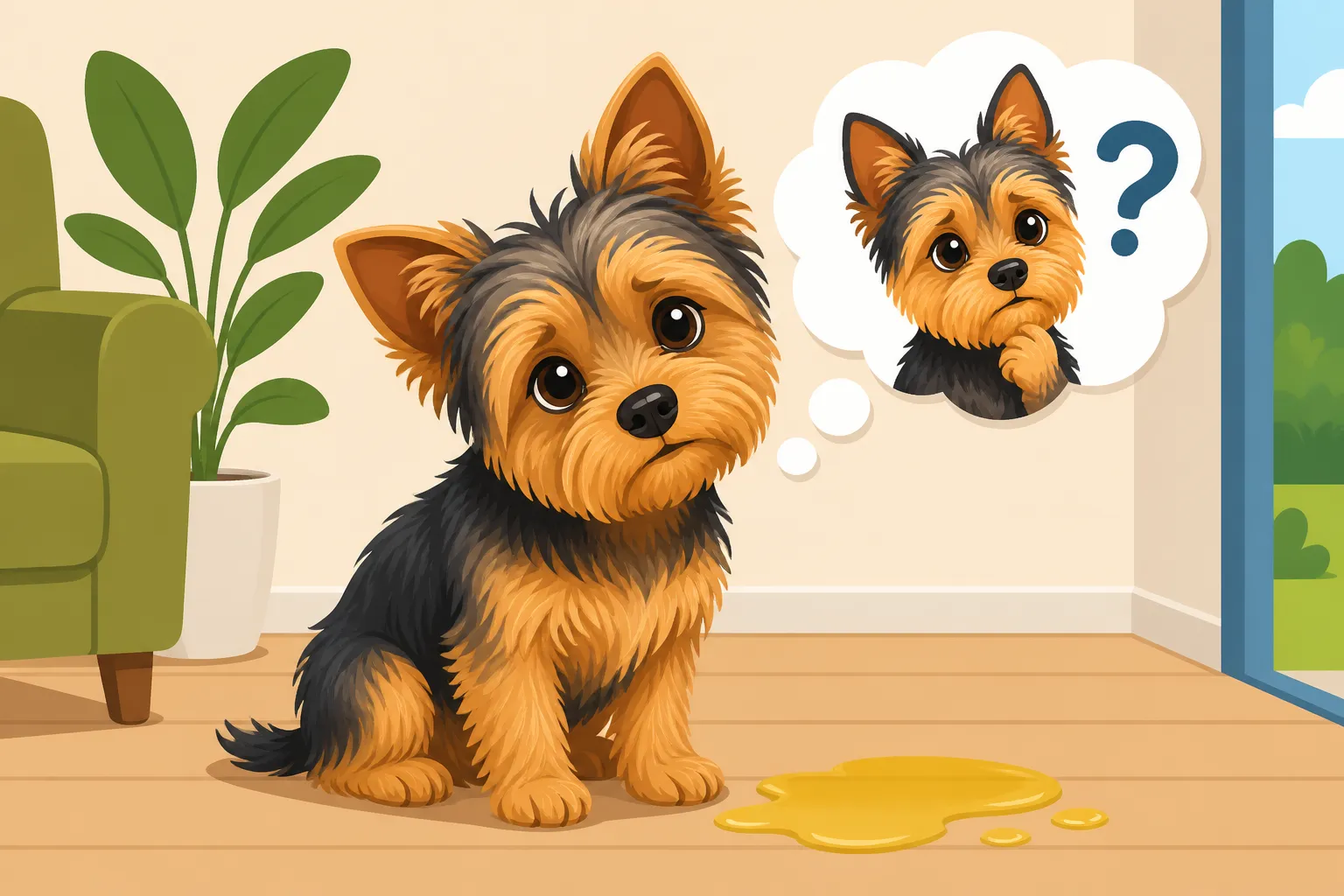
It’s incredibly frustrating when you come home to a fresh puddle or discover your beloved Yorkshire Terrier has used the carpet as their personal restroom, especially when you thought they were fully potty trained. You clean it up, sigh, and wonder what went wrong this time. This guide is here to shed light on the many reasons why your Yorkie might be peeing inside and, more importantly, offer realistic, empathetic solutions to help you achieve a dry home.
Understanding the Root Causes of Indoor Accidents
When your Yorkie starts peeing inside, it’s rarely out of spite or a lack of understanding. More often than not, there’s an underlying reason – be it medical, behavioral, or environmental – that needs to be identified and addressed. Trying to solve the problem without knowing the cause is like trying to fix a leaky faucet with a band-aid; it just won't work long-term.
Medical Reasons for Inappropriate Urination
The very first thing you should do when your Yorkie starts having accidents indoors, particularly if it's a sudden change in behavior, is to schedule a visit with your veterinarian. Small breeds like Yorkshire Terriers are prone to certain health issues that can manifest as inappropriate urination. Ignoring these signs could delay crucial treatment.
Urinary tract infections (UTIs) are incredibly common and can make it painful or difficult for your dog to hold their bladder. Your Yorkie might feel an urgent need to go, or they might simply be unable to control their muscles, leading to accidents. Other signs of a UTI might include frequent attempts to urinate, straining, or even blood in the urine. Similarly, bladder stones can cause similar discomfort and urgency. These tiny crystals or stones irritate the bladder lining, causing inflammation and increasing the frequency and urgency of urination. Conditions like kidney disease, diabetes, or even Cushing's disease, which affects hormone production, can also increase thirst and urination, making it harder for your Yorkie to stay dry. Even seemingly unrelated issues, like certain types of arthritis or joint pain, can make it difficult for an older Yorkie to get to their designated potty spot quickly enough, especially if it involves stairs or going outside in cold weather. This is why a thorough check-up is paramount; your vet can perform a urinalysis, blood tests, or imaging to rule out or diagnose these potential health problems. Understanding common Yorkshire Terrier Health Problems to Know can help you be proactive.
Behavioral and Environmental Factors
Once medical causes have been ruled out, it’s time to play detective with your Yorkie’s behavior and environment. Many indoor accidents stem from misunderstandings, anxiety, or simply a lack of a clear routine. It's not about them being "stubborn"; it's about unmet needs or signals you might be missing.
One of the most common culprits, especially with a previously house-trained dog, is incomplete or regressed potty training. Maybe the initial training wasn't as solid as you thought, or perhaps a change in routine has caused a setback. A new living situation, a different work schedule, or even just moving their potty area can confuse a Yorkie. They thrive on consistency, and any deviation can throw them off. Then there's anxiety, a big one for these little dogs. Yorkshire Terriers can be prone to separation anxiety, especially if they are left alone for long periods. The stress and panic of being alone can manifest as urination, often combined with other destructive behaviors or excessive barking. Submissive urination can also occur, where a Yorkie might pee a little when excited, scared, or when greeting people. This isn't about marking; it's an involuntary response to an emotional state. Territorial marking is another distinct behavioral issue, typically seen in unneutered males but can also occur in females. They might lift a leg on furniture, walls, or new items to assert their presence. This is different from a full bladder emptying; it’s usually smaller amounts in specific, often vertical, locations. Lastly, environmental factors such as a lack of consistent access to an appropriate potty area, an unappealing outdoor space (e.g., too cold, too wet, scary noises), or simply not being taken out frequently enough can all contribute to indoor accidents. You might find that some Yorkies are particular about the surface they pee on, preferring grass over concrete, for instance. If you're struggling, a resource like Why Is My Yorkie So Hard to Potty Train might offer additional insights.
| Category | Common Causes | Key Indicators | Recommended First Step |
|---|---|---|---|
| Medical | Urinary Tract Infection (UTI) | Frequent urination, straining, blood in urine, sudden onset of accidents, pain during urination. | Immediate vet visit for urinalysis. |
| Bladder Stones | Similar to UTI, recurrent issues, visible crystals in urine. | Vet diagnosis via X-ray or ultrasound. | |
| Kidney Disease | Increased thirst, increased urination, lethargy, poor appetite. | Vet blood tests and urinalysis. | |
| Diabetes | Excessive thirst and urination, weight loss despite good appetite. | Vet blood tests. | |
| Cushing's Disease | Increased thirst/urination, pot-bellied appearance, hair loss. | Vet blood tests. | |
| Joint Pain/Arthritis | Difficulty moving, reluctance to go outside, slower to get to potty spot. | Vet exam for pain management. | |
| Behavioral | Incomplete Potty Training | Accidents continue despite some training, confusion about where to go. | Review and restart potty training basics. |
| Separation Anxiety | Accidents only when left alone, destructive behavior, excessive vocalization. | Consult a behaviorist, implement training. | |
| Excitement/Submissive Urination | Urination during greetings, play, or when scared, usually small puddles. | Avoid intense greetings, build confidence. | |
| Territorial Marking | Small amounts of urine on vertical surfaces, often by unneutered males. | Neutering/spaying, thorough cleaning. | |
| Lack of Routine | Inconsistent potty breaks, changes in schedule. | Establish and stick to a strict schedule. | |
| Fear/Phobias | Accidents when scared (e.g., thunderstorms, fireworks). | Create safe space, consider calming aids. |
Training and Management Strategies to Stop Indoor Pottying
Once you've ruled out medical issues, it's time to roll up your sleeves and implement some solid training and management strategies. Consistency is your best friend here, and patience is essential. Yorkies are smart but can be notoriously stubborn, so don't get discouraged if progress isn't immediate.
Reinforcing Consistent Potty Training
The foundation of a dry home is consistent, clear potty training. If your Yorkie is having accidents, it often means there’s a breakdown in this fundamental understanding. We need to go back to basics, reinforcing good habits until they become second nature.
Start by establishing a rigid potty schedule. This means taking your Yorkie out at specific times, regardless of whether they "ask" to go. Common times include first thing in the morning, after waking from naps, after meals and drinks, before bedtime, and every 2-4 hours in between, especially for puppies or older dogs. When you take them out, always go to the same designated potty spot. This helps them associate that particular area with relieving themselves. Use a leash, even in your own yard, to keep them focused. Once they go, immediately offer enthusiastic praise and a high-value treat. Timing is critical here – the reward needs to happen within seconds of them finishing their business. If you wait until you get back inside, they won't connect the reward to the act of peeing outdoors. If they don't go within 5-10 minutes, bring them back inside and keep them closely supervised, then try again in 15-20 minutes. Never scold them for an accident indoors; it only teaches them to hide their urination from you, making the problem worse. For puppies, a detailed How to Potty Train a Yorkie Puppy guide can be incredibly helpful. Using a command like "go potty" consistently can also help, as it creates an association that can be useful when you need them to go on cue, say, before a car ride.
Addressing Anxiety and Stress
Anxiety is a significant underlying cause for many indoor accidents, particularly separation anxiety. These little dogs form incredibly strong bonds with their people, and being left alone can be genuinely distressing for them. Recognizing the signs of anxiety is the first step.
If your Yorkie pees inside specifically when you're not home or after you've left, and perhaps also exhibits behaviors like destructive chewing, excessive barking, or pacing, separation anxiety might be at play. Crate training can be a fantastic tool for managing anxiety and preventing accidents. A properly introduced crate should be a safe, den-like space, not a punishment. Start with short periods, making it a positive experience with treats and toys. The crate should be just large enough for them to stand up, turn around, and lie down comfortably. A crate that is too large allows them to potty in one corner and sleep in another. For high-anxiety dogs, consider calming supplements or pheromone diffusers. Brands like Adaptil offer diffusers that release synthetic pheromones mimicking those a mother dog produces, which can have a calming effect. Enriching their environment with mental stimulation before you leave can also help. Puzzle toys filled with a smear of peanut butter or a few pieces of their favorite kibble can keep them occupied and distract them from your departure. For more in-depth guidance, check out articles on Yorkie Separation Anxiety: Signs and Fixes and How to Crate Train a Yorkie. It's crucial not to make a big fuss when you leave or return, as this can heighten their anxiety. Keep departures and arrivals low-key and calm.
Managing Marking Behavior
Territorial marking is a behavior driven by instinct, and it's quite different from a dog who simply can't hold it. Yorkies, despite their small size, have big personalities and can be quite territorial.
The most effective way to reduce or eliminate marking behavior, especially in male Yorkies, is neutering. This often significantly reduces the hormonal drive behind marking, though it’s not a guaranteed fix if the behavior has become deeply ingrained. For female Yorkies, spaying can also reduce marking associated with heat cycles. If your dog is already spayed or neutered, or if marking persists, management becomes key. Invest in a good quality enzymatic cleaner to thoroughly clean any marked spots. Regular household cleaners often won't break down the enzymes in the urine, leaving a scent that encourages your Yorkie to mark the same spot again. Products available on Amazon, like Nature's Miracle or Rocco & Roxie Supply Co., are highly effective at eliminating these odors. For persistent markers, belly bands (for males) or doggie diapers (for females) can be a temporary solution. These wraps absorb urine, preventing damage to your home and acting as a deterrent, as many dogs dislike peeing into their own soiled wrap. They are widely available online and at pet stores. When introducing new items or guests into your home, supervise your Yorkie closely and offer frequent outdoor potty breaks to minimize opportunities for marking.
Practical Tips and Tools for a Dry Home
Beyond understanding the 'why' and retraining, there are practical steps and tools that can make a huge difference in keeping your home clean and reinforcing good habits. It's about creating an environment where your Yorkie is set up for success, not failure.
Effective Cleaning and Odor Elimination
This might sound obvious, but it’s often overlooked: if you don’t thoroughly clean previous accident spots, your Yorkie will be drawn back to them by scent, reinforcing the idea that it's an acceptable potty area. Their sense of smell is far superior to ours, and what smells clean to you might still be a giant "toilet here" sign to them.
As mentioned before, enzymatic cleaners are non-negotiable. These specialized cleaners contain enzymes that break down the uric acid crystals in urine, completely neutralizing the odor rather than just masking it. Without this, your Yorkie will continue to smell the spot and be tempted to mark or relieve themselves there again. Brands like Nature's Miracle, Simple Solution, and Rocco & Roxie Supply Co. are popular and effective, and you can easily find them on Amazon or at local pet stores. When you clean, don't just blot the surface. You need to saturate the area, often much larger than the visible stain, and let the cleaner soak in according to the product's instructions. You might even want to use a black light to locate dried urine stains that aren't visible to the naked eye – it's often surprising how many hidden spots there are! For soft furnishings or carpets, consider renting a carpet cleaner or hiring a professional if accidents have been widespread.
Setting Up a Successful Environment
Creating an environment that supports your Yorkie's potty training efforts is crucial. It’s about minimizing opportunities for accidents and maximizing opportunities for success.
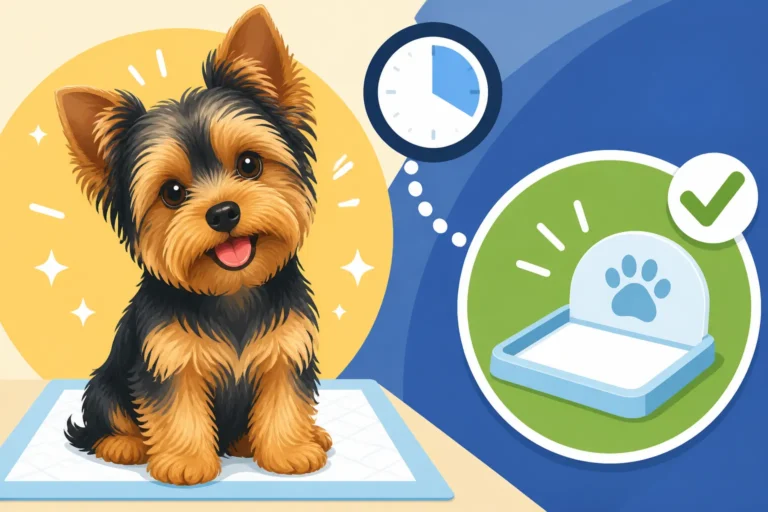
Close supervision is key, especially during retraining periods. This means either keeping your Yorkie on a leash near you or confining them to a safe, puppy-proof area like a playpen or crate when you can't actively watch them. A good rule of thumb: if you can't watch them, they should be in their crate or a contained space. For puppies or dogs with regression, a small, appropriately sized crate provides a den-like space where dogs are naturally reluctant to soil themselves. You can find excellent crates and playpens on Amazon that are perfectly suited for a small Yorkshire Terrier. For those who live in apartments or have limited outdoor access, or for tiny Yorkies who might struggle with extreme weather, consider designated indoor potty areas. This could be a potty pad or an artificial grass patch. While training an indoor potty area can sometimes conflict with outdoor training, for some Yorkies and their owners, it's a practical solution. Training platforms like BAXTER & Bella offer comprehensive online puppy training programs that cover everything from potty training to obedience, which can be invaluable for establishing good habits and consistency, regardless of your chosen potty method. Remember, the goal is to prevent accidents, not just clean them up.
Consistency and Patience are Key
Bringing an end to indoor accidents requires a sustained, consistent effort. There's no magic wand, and setbacks can happen.
It’s easy to get frustrated, especially after cleaning up yet another mess. But remember, your Yorkie isn't doing it to spite you. They are communicating a need or an issue, whether medical or behavioral. Your patience and consistency will pay off in the long run. Stick to your potty schedule religiously. Reward every successful outdoor potty trip like it's the biggest accomplishment in the world. Continue to use enzymatic cleaners. If you have multiple family members, ensure everyone is on the same page with the training protocols and schedule. Inconsistent rules can be very confusing for a dog. If you've tried everything and are still struggling, don't hesitate to consult with a professional dog trainer or a veterinary behaviorist. They can offer tailored advice and help identify specific triggers you might be missing. Resources like Best Treats for Training a Yorkie can help you find high-value rewards to keep your pup motivated. It's a journey, not a sprint, and with dedication, you and your Yorkie can achieve a dry, happy home.
Disclaimer
The information provided in this article is for general informational purposes only and is not a substitute for professional veterinary advice. Always consult with a qualified veterinarian regarding any health concerns or before making any decisions about your pet's health or medical care.