Best Seat Belt Harness for a Yorkshire Terrier
Traveling with your beloved Yorkshire Terrier can be a joy, but it often comes with a nagging worry: how do you keep your tiny companion safe in the car? The open road, even short trips to the vet or park, presents real hazards for our pint-sized pals. This guide is dedicated to cutting through the confusion and helping you choose the absolute best seat belt harness to ensure your Yorkie's safety and your peace of mind on every journey.
Why a Dedicated Seat Belt Harness is Non-Negotiable for Yorkies
It’s easy to think a quick trip doesn't warrant full safety measures, but that couldn't be further from the truth, especially for a small, delicate breed like the Yorkshire Terrier. Many people don't realize the sheer force involved even in a minor fender bender, let alone a sudden stop. Your little Yorkie, unrestrained, can become a projectile, facing severe injury or worse.
The Risks of Unrestrained Travel
Imagine driving along, and suddenly you have to brake hard. If your Yorkie is on your lap, they could be thrown into the dashboard, the windshield, or even out of an open window. Even if they're just loose in the backseat, a sudden stop can send them tumbling, causing fractures, concussions, or internal injuries. Beyond the physical danger, an unrestrained dog is a massive distraction for the driver. A quick glance at a barking, excited, or anxious pup in the back can be enough to miss something critical on the road. Many states and even some local municipalities are starting to enforce laws against unrestrained pets, not just for the pet's safety, but for human safety too. An airbag, designed to protect humans, can be incredibly dangerous, even fatal, for a small dog if it deploys with your Yorkie in its path.
Harness vs. Crate: Pros and Cons
When it comes to car safety, the two main options for Yorkshire Terriers are a seat belt harness or a travel crate. Both have their merits, and the "best" choice often comes down to your individual Yorkie's temperament and your car's setup. A crash-tested car seat or carrier offers a contained space, which can be comforting for anxious dogs. It prevents them from moving around and potentially distracting the driver. However, some Yorkies prefer to see out the window or feel closer to their humans, which a harness allows for.
A properly secured crate, especially one that is crash-tested, offers robust protection, essentially creating a safe cocoon for your dog. Brands like Sleepypod and Gunner Kennels produce highly rated crash-tested crates, though they can be bulky and more expensive. Crates can also double as a safe space in a hotel or while visiting friends. On the flip side, some Yorkies simply detest crates, making travel stressful. They might bark, whine, or become anxious, making the journey less pleasant for everyone. Furthermore, larger crates can take up significant space in smaller vehicles, which many Yorkie owners drive.
A seat belt harness, on the other hand, allows your Yorkie to sit or lie down on the seat, often giving them a better view and a sense of being part of the journey. For Yorkies who get easily car sick or who enjoy looking out the window, a harness can be a game-changer. It also means you don't have to lug a bulky crate in and out of the car. However, not all harnesses are created equal, and it's crucial to choose one specifically designed and tested for car safety, as an everyday walking harness will not provide adequate protection in a collision.
Unique Yorkie Considerations
Yorkshire Terriers, with their small stature and delicate bone structure, have some particular vulnerabilities that make car safety even more critical. Their tiny necks are susceptible to injury, especially conditions like Yorkshire Terrier Collapsing Trachea Signs and Care, meaning any harness that puts pressure solely on the throat is a definite no-go. You want a design that distributes force across their chest and shoulders. Their lightweight nature also means they are more easily tossed around in an impact. What might be a minor jolt for a larger breed could be devastating for a Yorkie.
Beyond physical fragility, their temperament often plays a role. Many Yorkies are true "lap dogs" who thrive on human contact. Being able to sit securely on a car seat next to a human can reduce anxiety and make travel more enjoyable for them. However, this also means they might be more prone to trying to climb into your lap if not properly restrained. Finding a harness that is both secure and comfortable, without being overly restrictive or anxiety-inducing, is key to successful car travel with your Yorkshire Terrier.
Key Features to Look for in a Yorkie Seat Belt Harness
Choosing a seat belt harness for a Yorkshire Terrier isn't just about picking the cutest one or the cheapest one. It's about safety, plain and simple. There are crucial features that differentiate a genuinely safe car harness from a regular walking harness. Don't compromise when it comes to your pup's protection.
Crash-Tested Certification
This is, without a doubt, the most important factor. Just because a product is marketed as a "car harness" doesn't mean it offers real protection. Look for harnesses that have been crash-tested by independent organizations. The Center for Pet Safety (CPS) is the gold standard in the U.S. for certifying pet travel products. They perform rigorous crash tests using lifelike dog dummies of various weights, ensuring the products can withstand forces similar to a real-world collision. A CPS-certified harness means it has met strict safety standards, keeping your Yorkie securely restrained and minimizing the risk of injury. Avoid anything that doesn't explicitly state it's crash-tested, or only "manufacturer tested," as these tests can vary greatly in rigor. Investing in a truly crash-tested product, even if it costs a bit more, is an investment in your Yorkie's life.
Fit and Comfort
A harness can't protect your Yorkie if it doesn't fit properly or if your Yorkie won't wear it. For tiny breeds like Yorkshire Terriers, finding the right size is paramount. Too loose, and your Yorkie can wiggle out or be inadequately protected in a crash. Too tight, and it can cause chafing, restrict breathing, or put undue pressure on delicate areas. Look for harnesses made from soft, durable materials with ample padding, especially across the chest and stomach areas. Neoprene, padded mesh, or soft nylon are good choices.
Adjustability is another key component. A good harness will have multiple adjustment points, often around the neck, chest, and sometimes the belly, allowing for a snug, custom fit. Remember, your Yorkie will be wearing this for potentially extended periods, so it needs to be comfortable enough that they can sit, lie down, and move a little without discomfort. Regularly check for any signs of rubbing or irritation, especially during initial wear.
Attachment Points and Hardware
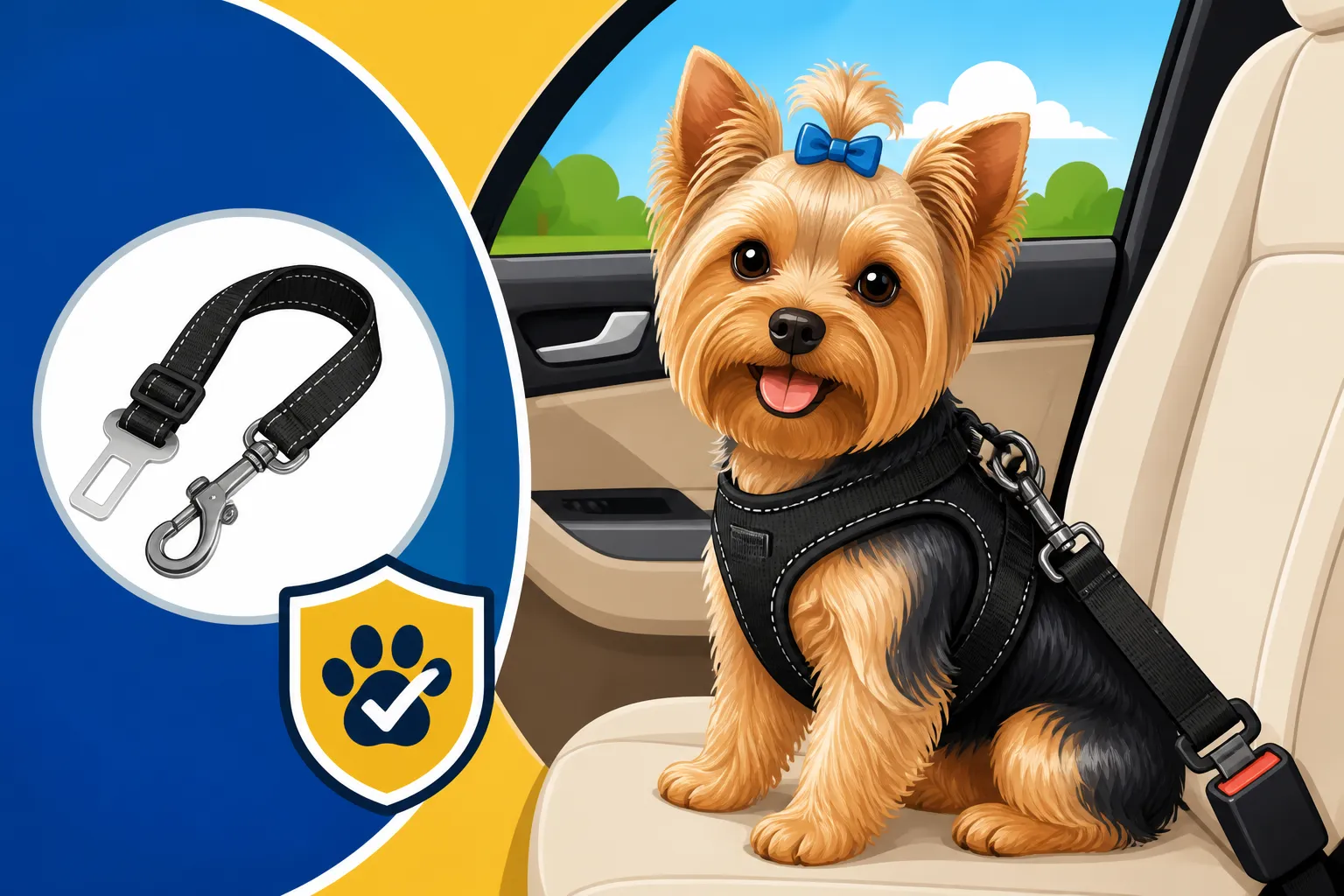
The way the harness connects to your car's seat belt system is critical. Most car safety harnesses come with a strap or tether that attaches directly to the vehicle's seat belt system, either by looping through the seat belt itself, clipping into the seat belt buckle receiver (like a human seat belt), or attaching to the LATCH system anchors found in many backseats. Ensure the attachment method is robust and compatible with your car.
The hardware on the harness itself—buckles, D-rings, and sliders—should be made of strong, durable materials like metal or high-quality, heavy-duty plastic. Flimsy plastic buckles or weak stitching are red flags. The D-ring where the car's tether connects should be reinforced. Remember, in an impact, these components are under immense stress, so their integrity is non-negotiable. It’s also wise to check the length of the tether. You want enough slack for your Yorkie to comfortably change positions, but not so much that they can reach the dashboard or fall off the seat in a sudden stop. A good rule of thumb is that they should be able to stand, sit, and lie down naturally within their designated seat area.
Design Specifics for Small Breeds
Yorkies aren't just smaller versions of large dogs; they have unique anatomical needs. Look for harness designs that distribute force broadly across the chest and torso, rather than concentrating it on the neck. A "Y-front" or vest-style harness that has a wide chest plate is ideal. These designs prevent pressure on the delicate trachea, which is especially important for breeds prone to Yorkshire Terrier Tracheal Collapse Signs and Care.
Avoid traditional harnesses with thin straps that cross directly over the throat. The goal is to keep them secure without risking injury to their neck or throat, which can happen with sudden movement. For Yorkies, the harness should also be lightweight enough not to be burdensome, yet substantial enough to provide protection. Some brands even offer specific small-breed lines that take these considerations into account. When browsing options, you might find a good selection of specialized small-dog harnesses on sites like Chewy, making it easier to compare features.
Top Recommendations for Yorkshire Terrier Seat Belt Harnesses
With so many options on the market, narrowing down the best seat belt harness for your Yorkie can feel overwhelming. The key is to prioritize proven safety, a comfortable fit, and durability. While specific models change, certain brands consistently produce high-quality, crash-tested products suitable for small dogs.
Harness Brands Known for Safety
When it comes to car safety, a few names consistently rise to the top for their commitment to crash-testing and rigorous design standards. These brands understand that a pet travel product isn't just a accessory; it's a safety device.
- Sleepypod Clickit Sport: This harness is widely regarded as one of the safest options available, earning a 5-star crash test rating from the Center for Pet Safety. It's designed to absorb and dissipate crash forces, preventing forward excursion and rotation of your pet. The Clickit Sport features a broad, padded vest design that distributes pressure across your Yorkie's chest, avoiding sensitive neck areas. It connects to your car's seat belt using three points, making it incredibly secure. While it might look a bit substantial for a tiny Yorkie, it's available in extra-small sizes that fit them well, ensuring full protection without sacrificing comfort. It’s a premium product with a price tag to match, but many owners consider it a worthwhile investment for unparalleled safety.
- Kurgo Tru-Fit Enhanced Strength Harness: Another popular choice, the Kurgo Tru-Fit has also passed crash tests, though typically with a 4-star rating from CPS (depending on the specific model and size tested). It features a robust design with a padded chest plate and comes with a carabiner and seat belt loop tether, allowing you to secure your Yorkie safely. The design is versatile enough for both car travel and daily walks, offering good value. It comes in various sizes, so finding one that fits a Yorkie snugly without being restrictive is usually easy. Always ensure you are looking at the "Enhanced Strength" version for car safety, as Kurgo offers other harnesses for walking only.
- Ruffwear Load Up Harness: Ruffwear is known for its durable outdoor gear, and their Load Up Harness is specifically engineered for vehicle safety. It’s a crash-tested, all-metal hardware harness designed to keep dogs secure in the car. The harness is built to withstand impact, with strong webbing and a comfortable fit that allows for natural movement while restrained. It secures to your vehicle's seat belt system via a single attachment point on the back, offering a straightforward setup. Ruffwear products are generally well-made and durable, designed for active dogs, and their sizing is typically good for smaller breeds, including some Yorkies, with careful measurement.
When considering these options, remember that while these brands are highly rated, always double-check the specific model's crash-test certification and ensure it's appropriate for your Yorkie's weight and measurements. You can often find a wide array of these reputable brands and their various models on large online pet retailers like Chewy, allowing you to read reviews and compare features effectively.
Understanding Harness Types
Beyond specific brands, it's helpful to understand the general types of harnesses available and how they interact with seat belts:
- Vest Harnesses: These are often the safest option for car travel, especially for small dogs like Yorkies. They cover a larger surface area of your dog's chest and back, distributing crash forces more evenly across their body rather than concentrating them on a narrow strap. Many crash-tested harnesses, like the Sleepypod Clickit Sport, utilize a vest-style design. They tend to be very comfortable and secure.
- Step-In Harnesses: These are usually easier to put on, as your Yorkie just "steps into" the leg holes, and then it buckles over their back. While convenient for walking, most standard step-in harnesses are not designed or tested for car safety. If you find a crash-tested step-in harness, ensure it has broad, padded straps and a secure attachment mechanism that minimizes neck pressure.
- H-Harnesses (Standard Walking Harnesses): These harnesses typically have straps that form an "H" shape on the dog's back or chest. While fine for walks, the thin straps and often less robust hardware are not suitable for car safety. They can cause significant injury by concentrating force on small areas during a collision. Always ensure your "car harness" is explicitly designed and tested for vehicle safety, not just general restraint.
For a Yorkshire Terrier, the best type will almost always be a vest-style or a modified H-harness with a broad chest plate that is specifically crash-tested. This design minimizes the risk of injury, particularly to their fragile necks, a common concern for Yorkie owners.
Proper Sizing and Fitting
Even the best, most expensive harness won't do its job if it doesn't fit correctly. This is paramount for Yorkshire Terriers, given their small and sometimes varying dimensions. Here’s how to get it right:
- Measure Your Yorkie: You'll need two main measurements:
- Chest Girth: Use a soft measuring tape to measure around the widest part of your Yorkie's rib cage, just behind their front legs.
- Neck Girth: Measure around the base of their neck, where a collar would typically sit.
- Weight: Have an accurate weight for your Yorkie, as many manufacturers use weight alongside measurements for sizing.
- Consult the Size Chart: Every reputable harness brand will have a detailed size chart. Do not guess. Compare your Yorkie's measurements to the chart. If your Yorkie is between sizes, it's generally safer to size up, assuming the harness has enough adjustability to cinch it down securely without being too loose.
- Try It On: Once you receive the harness, try it on your Yorkie. The fit should be snug, but not tight. You should be able to comfortably slip two fingers between the harness and your Yorkie's body, especially under the straps. Pay close attention to the neck and armpit areas, ensuring there's no chafing or restriction.
- Observe Movement: Let your Yorkie walk around in the harness at home for a bit. Watch for any signs of discomfort, restricted movement, or if they're able to wiggle out. They should be able to sit, stand, and lie down naturally.
- Adjust as Needed: Take advantage of all adjustment points. The harness should feel secure without putting excessive pressure on any single point. The chest strap should sit low on the breastbone, away from the throat.
Remember, a growing Yorkshire Terrier Puppy Health Guide means they will likely outgrow their first harness, so be prepared to re-measure and potentially purchase a larger size as they mature. Getting the fit just right is a critical step in ensuring your Yorkie is safe and comfortable during car rides.
| Feature | Importance for Yorkies | Key Details to Look For |
|---|---|---|
| Crash-Tested | Crucial. Yorkies are fragile; untested harnesses offer minimal protection in an accident. Reduces risk of severe injury. | Look for "Center for Pet Safety (CPS) Certified" 5-star or 4-star rating. Avoid "manufacturer-tested" claims without independent verification. |
| Fit & Comfort | Essential. Ill-fitting harnesses can cause chafing, restrict breathing, or allow escape. Proper fit is key to function. | Snug but not tight (two-finger rule). Multiple adjustment points (neck, chest, belly). Soft, breathable, padded materials (e.g., neoprene, mesh). Available in XS/XXS sizes. |
| Pressure Distribution | High. Yorkies are prone to Yorkshire Terrier Tracheal Collapse: Signs and Care. Pressure on the neck is dangerous. | Vest-style or Y-front design that spreads force across the chest and shoulders, away from the throat. Wide straps rather than thin ones. |
| Hardware Durability | Vital. Flimsy components will fail under impact, rendering the harness useless. | Metal or heavy-duty, reinforced plastic buckles and D-rings. Strong stitching. Robust tether attachment that integrates with car's seat belt or LATCH system. |
| Tether Length | Moderate. Too long, and Yorkie can become a projectile or reach dangerous areas. Too short, and restricts natural movement. | Allows your Yorkie to comfortably sit, stand, and lie down on the seat without being able to reach the dashboard or fall off the seat in a sudden stop. Adjustable length is a bonus. |
| Ease of Use | Helpful. A harness that's easy to put on and take off makes consistent use more likely. | Simple buckle systems, clear instructions for securing to the car. Your Yorkie shouldn't dread putting it on, which ties into How to Train a Yorkshire Terrier for positive associations. |
| Breathability | Important. Yorkies can overheat, especially in cars. | Breathable fabrics like mesh or lightweight, moisture-wicking materials. |
Integrating the Harness into Your Yorkie's Travel Routine
Once you've chosen the perfect seat belt harness for your Yorkshire Terrier, the next step is to introduce it positively and integrate it seamlessly into your travel routine. A little patience and positive reinforcement can go a long way in making car rides a safe and enjoyable experience for your furry friend.
Acclimating Your Yorkie to the Harness
Don't just spring the new harness on your Yorkie five minutes before a long road trip. That's a recipe for stress and resistance. Instead, take your time and make it a positive experience.
- Initial Introduction: Let your Yorkie sniff and explore the harness. Place it on the floor with some high-value treats around it. Let them associate the harness with good things. You can even dab a bit of peanut butter or another favorite soft treat on the harness itself for them to lick off.
- Short Wear Sessions: Start by putting the harness on for very short periods inside the house, just for a few minutes. Distract them with play or give them a special chew toy while wearing it. As soon as you take it off, offer another treat. Gradually increase the duration. The goal is for them to forget they're even wearing it.
- Harness + Car = Fun: Once they're comfortable wearing the harness, introduce it in conjunction with the car. Start by simply sitting in the parked car with them, harness on, and give treats. Don't even start the engine at first. Then, try starting the engine, then short drives around the block. Always make sure there's a positive outcome, like a trip to the park for Yorkshire Terrier Exercise Needs or a visit to a friend they love. This helps them build a positive association with both the harness and the car.
- Practice Securing: Practice buckling your Yorkie into the car with the harness. Do this a few times while the car is parked, so they get used to the sensation of being tethered before you actually drive. Reward calm behavior. This is a great way to reinforce Yorkshire Terrier Obedience Training Basics.
Remember that every Yorkie is different. Some will adapt quickly, while others might need more time and patience. Never force the harness or car experience, as this can create negative associations and make future travel even harder.
Securing Your Yorkie in the Car
Properly securing your Yorkie with their new seat belt harness is just as important as choosing the right one. This isn't just about restraining them; it's about making sure the safety features of the harness can actually do their job in an emergency.
- Choose the Right Seat: For a Yorkie, the back seat is almost always the safest place. Front airbags can be deadly for small dogs. If your car has a middle back seat with a lap belt, that can sometimes offer the most secure restraint, but any back seat location where they are not interfering with driver visibility or controls is appropriate.
- Attach the Harness Tether: Most crash-tested harnesses come with a special tether or loop that connects to your car's existing seat belt system.
- Seat Belt Loop/Carabiner: Some harnesses have a loop or carabiner that the vehicle's seat belt passes through or clips into, effectively creating a direct connection. Fasten the vehicle's seat belt securely around the harness's attachment point.
- Seat Belt Buckle Attachment: Other tethers have a buckle end that clicks directly into your car's seat belt receiver, just like a human seat belt.
- LATCH System: Certain harnesses or car seats for pets can utilize the LATCH (Lower Anchors and Tethers for Children) system points, often found in the crease of your back seats. This offers an incredibly sturdy anchor.
- Adjust Tether Length: Ensure the tether is adjusted so your Yorkie can comfortably sit, stand, and lie down on the seat without being able to reach the floor, jump off the seat, or interfere with the driver. Too much slack can defeat the purpose of the harness in a sudden stop.
- Double-Check Everything: Before you even put the car in drive, do a quick check. Is the harness snug? Is the tether securely fastened to both the harness and the car? Can your Yorkie move comfortably within their safe zone? This quick check prevents last-minute fumbling and ensures maximum safety.
It's also worth noting that some owners use a combination of a car seat/booster and a harness. The car seat elevates your Yorkie so they can see out the window, which can reduce anxiety for some. The harness then tethers them directly to the car's seat belt or the car seat itself, providing a layered approach to safety. Consider also what other Best Carrier for a Yorkshire Terrier options exist and how they compare.
Additional Car Safety Tips
A good seat belt harness is a fundamental part of car safety, but it's not the only consideration when traveling with your Yorkie. A holistic approach will ensure every trip is as safe and stress-free as possible.
- Never Leave Your Yorkie Unattended: This is non-negotiable, especially in a car. Temperatures can soar (or plummet) rapidly, leading to heatstroke or hypothermia in minutes. Even on a mild day, a car can quickly become an oven. Plus, an unattended dog is vulnerable to theft.
- Hydration and Potty Breaks: Always carry fresh water and a bowl, offering it regularly, especially on longer trips. Plan frequent potty breaks. For a small dog like a Yorkie, their bladder capacity isn't huge, and they'll appreciate the chance to stretch their legs and relieve themselves. Even for short trips, ensuring they’ve had a chance to relieve themselves beforehand can prevent accidents.
- Avoid Feeding Immediately Before Travel: Some Yorkies can get car sick. Giving them a full meal right before a trip can exacerbate this. Offer a smaller meal a few hours before, or wait until you arrive. If your Yorkie is prone to car sickness, talk to your vet about remedies or preventative measures.
- Keep Windows Safe: While Yorkies often love to feel the breeze, resist the urge to let them stick their head all the way out the window. Debris, insects, or even another car can cause serious eye or head injuries. A partially open window is fine, but always ensure they are secured in a way that prevents them from jumping or falling out.
- Pack an Emergency Kit: Always have a small emergency kit that includes first-aid supplies for your Yorkie, their medication if applicable, a copy of their vaccination records, and your vet's contact information. This can be invaluable in unexpected situations. Knowing the signs of when to call for Yorkie Emergency Symptoms to Never Ignore can be crucial.
- Secure Loose Items: Any loose items in the car, from groceries to water bottles, can become projectiles in a sudden stop. Secure everything, ensuring nothing can fall on or hit your Yorkie.
- Consider Pet Insurance: While not directly a safety tip, pet insurance can be a lifesaesaver if an accident does occur. Companies like Healthy Paws can help cover unexpected vet costs related to injuries from car accidents or other unforeseen health issues. Thinking about Yorkshire Terrier Vet Costs and Health Budget ahead of time is always a good idea.
By combining the right seat belt harness with these common-sense safety practices, you can make sure every adventure with your Yorkshire Terrier is not only fun but also truly safe.
Disclaimer
The information provided in this guide is for general informational purposes only and does not constitute veterinary advice. Always consult with a qualified veterinarian for any health concerns or before making any decisions about your pet's care, diet, or training. Product recommendations are based on widely accepted safety standards and public information but should be verified by the individual user.