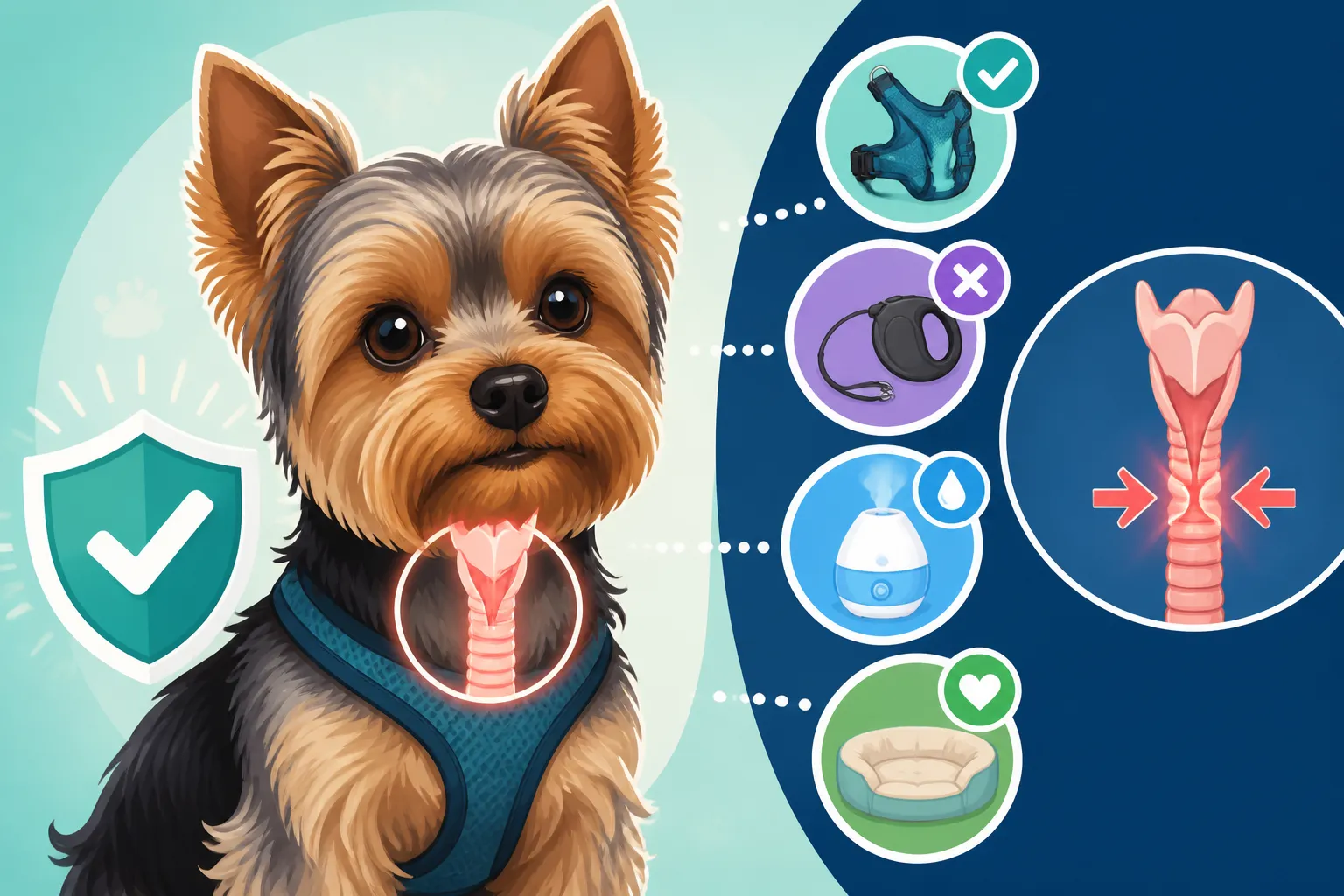
How to Prevent Tracheal Collapse in Yorkies
It's absolutely heartbreaking to hear your beloved Yorkshire Terrier struggling with that distinctive, unsettling cough often associated with tracheal collapse. As pet parents, we want nothing more than to see our little ones thrive, and facing a potential or existing health issue like this can be incredibly stressful and scary. The good news is, while some factors are genetic, there are many proactive steps you can take to significantly reduce the risk and even manage the progression of tracheal collapse in your Yorkie. This comprehensive guide will walk you through practical, empathetic strategies to protect your tiny companion’s airway.
Understanding Tracheal Collapse: A Vulnerable Airway
Tracheal collapse is a progressive respiratory condition that primarily affects toy breeds like our dear Yorkshire Terriers. It's not just a fancy medical term; it’s a real, physical vulnerability in their windpipe that can make every breath a struggle.
What Exactly Is Tracheal Collapse?
Imagine your Yorkie’s windpipe, or trachea, not as a rigid pipe, but as a series of C-shaped cartilage rings connected by a membrane. In a healthy dog, these rings are strong and keep the airway open. With tracheal collapse, these cartilage rings weaken and flatten, often flattening into more of a D-shape, allowing the membrane to sag. When your Yorkie inhales or exhales, especially with force (like during excitement, exercise, or coughing), the weakened trachea can flatten even further, making it harder for air to pass through. This can lead to that characteristic honking cough, wheezing, and in severe cases, respiratory distress. It's a bit like trying to breathe through a squashed straw, and it's certainly not a pleasant experience for them or for us to witness.
Why Yorkies Are Especially Prone to This Condition
It often feels unfair that such a tiny, spirited breed like the Yorkshire Terrier faces so many specific health challenges, and tracheal collapse is unfortunately one of the most common. There's a strong genetic predisposition at play here; it's simply how some of their delicate little bodies are built. Their cartilage rings can naturally be weaker or malformed from birth. Beyond genetics, their small size means their trachea itself is tiny and more susceptible to external pressure or internal inflammation. Other factors that increase risk include obesity, exposure to irritants, and even dental disease which can lead to inflammation near the trachea. Understanding that this isn't usually due to something you did wrong but rather an inherent vulnerability can help alleviate some of that common owner guilt. You can learn more about specific issues in our comprehensive guide on Yorkshire Terrier Health Problems to Know.
Early Signs to Watch For
While our goal is prevention, knowing the subtle early signs can help you act quickly if prevention isn't 100% effective or if you've adopted a Yorkie with pre-existing issues. This isn't about panicking, but about being an observant and informed pet parent.
The most classic symptom is a dry, harsh, "honking" cough, often described as sounding like a goose. You might notice it most when your Yorkie is excited, playing vigorously, drinking water too quickly, pulling on their leash, or even waking up from a nap. Sometimes, it's just a mild, occasional cough that seems innocent enough. Other signs can include wheezing, gagging, difficulty breathing, a blue tinge to their gums (a serious emergency sign), or a reduced tolerance for exercise. If your Yorkie, who once loved long walks, now lags behind or tires quickly, it's worth noting. Early intervention can make a significant difference in their long-term comfort and quality of life. Our guide on Yorkie Breathing Problems Explained goes into more detail.
Environmental and Lifestyle Adjustments for Prevention
When it comes to protecting your Yorkie's delicate trachea, many of the most impactful changes are about creating a supportive and safe daily environment. These aren't complicated changes, but they require consistency and a bit of mindful planning.
Harness Over Collar: The Golden Rule
This is probably the single most critical preventative measure you can take, and it’s one that often gets overlooked by new Yorkie owners. A traditional neck collar, even a seemingly soft one, puts direct pressure on your Yorkie’s trachea every time they pull, lunge, or even just strain against it. Over time, this constant pressure can weaken those already vulnerable cartilage rings, making collapse more likely.
Switching to a well-fitting harness distributes pressure across your Yorkie's chest and shoulders, completely bypassing the neck. It's a simple change, but it's paramount. Look for a harness that is a "Y-front" style, meaning it doesn't cross horizontally across the chest in a way that could restrict shoulder movement, and ensures the straps sit well away from the throat area. Brands like Ruffwear and Kurgo offer excellent options that are designed for comfort and safety. When fitting, make sure you can comfortably fit two fingers between the harness and your dog's body, but no more, to prevent chafing or escape. If you're wondering which one to choose, our article on the Best Harness for a Yorkshire Terrier can provide some excellent recommendations.
Weight Management: Keeping Them Lean and Light
It might seem unrelated, but excess weight is a significant contributor to tracheal collapse risk and severity. Imagine your Yorkie carrying extra pounds: this weight puts additional strain on all their systems, including their respiratory system. Fat deposits around the neck and chest can also compress the trachea externally, making it even harder for air to flow freely.
Maintaining a healthy weight is crucial. This involves a balanced diet with appropriate portion control and regular, gentle exercise. Don't fall into the trap of thinking a slightly chubby Yorkie is "cute"; it's actually detrimental to their long-term health, especially regarding conditions like tracheal collapse and patellar luxation. Work with your vet to determine your Yorkie's ideal weight and create a feeding plan. If you suspect your furry friend might be carrying a few too many pounds, checking out our guide on Is My Yorkie Overweight can give you some useful insights, and we also have resources on How to Help an Overweight Yorkie.
Air Quality and Irritant Avoidance
Just like humans, Yorkies need clean air to breathe easily. Their small, delicate respiratory systems are particularly sensitive to airborne irritants. Think about how a dusty or smoky room might make you cough – it's far worse for a tiny Yorkie.
- Smoking: This is a big one. If you smoke, doing so indoors creates a constant irritant that can inflame your Yorkie’s airways, significantly increasing their risk of tracheal issues. Even third-hand smoke on clothes and furniture can be problematic. The best preventative measure is to smoke outdoors and change your clothes before interacting with your dog.
- Strong Scents and Chemicals: Be mindful of air fresheners, scented candles, cleaning products, and even strong perfumes or hairsprays. These can contain volatile organic compounds (VOCs) that irritate the respiratory tract. Opt for pet-safe, unscented cleaning products and ensure good ventilation when using any household chemicals.
- Dust and Allergens: Keep your home as dust-free as possible. Regular vacuuming (with a HEPA filter, if possible) and dusting can reduce airborne allergens. Consider using an air purifier, especially in rooms where your Yorkie spends a lot of time.
- Weather Extremes: Extreme heat and humidity or very cold, dry air can also be challenging for Yorkies with compromised airways. Limit outdoor exposure during peak heat or cold, and provide a humidified environment indoors if the air is very dry, especially in winter.
Dietary and Supplemental Support for Tracheal Health
Beyond environmental changes, what goes into your Yorkie’s body plays a vital role in supporting their overall health, including the strength and integrity of their cartilage.
Choosing the Right Food
A high-quality, nutritious diet is the foundation of good health for any dog, and it's especially important for breeds prone to specific conditions. For Yorkies, look for dog food that lists real meat (like chicken, turkey, or lamb) as the first ingredient. Avoid fillers, artificial colors, flavors, and excessive preservatives.
The right food helps maintain a healthy weight, provides essential nutrients for tissue repair and immune function, and can even reduce inflammation. Brands like Royal Canin often have breed-specific formulas, including those for Yorkshire Terriers, that consider their unique needs and sensitivities. If your Yorkie has a sensitive stomach, opting for easily digestible ingredients can also reduce stress on their system. You can explore options and detailed advice in our Yorkshire Terrier Feeding Guide by Age. Always introduce new foods gradually to avoid upsetting their digestive system.
Supplements for Cartilage and Respiratory Health
While diet is primary, certain supplements can offer additional support, especially for breeds with known cartilage weaknesses. However, always discuss any supplements with your veterinarian before introducing them, as they can interact with medications or not be suitable for all dogs.
- Glucosamine and Chondroitin: These are well-known for their benefits to joint health, but they also play a role in maintaining the integrity of cartilage throughout the body, including the tracheal rings. They help support the structure and elasticity of connective tissues. Many joint supplements formulated for small dogs contain these ingredients.
- Omega-3 Fatty Acids (Fish Oil): Omega-3s, particularly EPA and DHA, are powerful anti-inflammatory agents. Reducing systemic inflammation can be beneficial for the respiratory tract. They also contribute to healthy skin and coat. Look for high-quality fish oil supplements that are tested for purity and free from heavy metals.
- Antioxidants: Vitamins C and E, and other antioxidants, can help protect cells from damage caused by free radicals, supporting overall cellular health, including that of the respiratory system.
- Herbal Remedies: Some owners explore natural anti-inflammatory herbs like marshmallow root or slippery elm, often in consultation with a holistic vet, as they can have soothing properties for irritated airways. Again, veterinary guidance is crucial here.
It's about a holistic approach, providing the building blocks for strength and reducing factors that contribute to weakening.
Proactive Monitoring and Regular Veterinary Care
Even with the best preventative measures, sometimes genetics or unforeseen circumstances mean your Yorkie might still face tracheal issues. That's why being vigilant and maintaining a strong relationship with your veterinarian is paramount.
The Importance of Routine Check-ups
Regular veterinary visits aren't just for vaccinations; they're crucial for monitoring your Yorkie’s overall health and catching potential problems early. During a routine exam, your vet will listen to your Yorkie's heart and lungs, palpate their trachea (gently feel it) for any signs of abnormalities, and assess their general condition, including weight.
If your Yorkie has a history of a cough or breathing issues, inform your vet immediately. They might recommend specific diagnostic tests, such as X-rays (radiographs) of the neck and chest, fluoroscopy (a moving X-ray to watch the trachea as they breathe), or even a tracheoscopy (inserting a tiny camera into the trachea) to accurately diagnose the severity of any collapse. Early diagnosis allows for earlier intervention, which can often slow the progression of the disease and improve your Yorkie's comfort. Considering the potential costs of such investigations, many pet parents find that pet insurance, such as through providers like Healthy Paws, can be incredibly helpful in managing unexpected veterinary expenses, ensuring you can always make the best health decisions for your furry family member without financial stress being the primary concern. For more on managing pet healthcare costs, see our article on Yorkshire Terrier Vet Costs and Health Budget.
Stress Reduction and Calm Environments
Stress and excitement can trigger or worsen episodes of coughing and breathing difficulty in Yorkies, particularly those with a sensitive or already compromised trachea. When a dog gets overly excited, they tend to pant rapidly and sometimes pull against a leash or strain, which puts extra pressure on their airway.
Creating a calm and predictable environment for your Yorkie is a wonderful preventative and management strategy.
- Gentle Exercise: Instead of high-impact games, opt for several shorter, gentle walks throughout the day using that chest harness. Avoid over-exercising, especially in warm weather. Indoor play, like gentle fetch in a carpeted area, can be good.
- Positive Reinforcement: Use positive training methods to reduce anxiety and create a happy, confident dog. Avoid yelling or harsh corrections, which can induce stress.
- Quiet Spaces: Ensure your Yorkie has a quiet, comfortable "safe space" where they can retreat when things get too overwhelming or noisy. This might be their crate with a cozy bed or a dedicated corner.
- Identify Triggers: Pay attention to what situations cause your Yorkie to get overly excited or anxious. Is it the doorbell, visitors, or seeing other dogs? Once you identify triggers, you can work on desensitization or management strategies. For example, practicing the "quiet" command when the doorbell rings can help reduce barking and subsequent tracheal irritation. You can also explore calming aids, such as pheromone diffusers or vet-recommended supplements, if anxiety is a persistent issue.
Being proactive about your Yorkie's environment and emotional well-being goes hand-in-hand with their physical health.
Here’s a quick overview of key preventative actions:
| Category | Preventative Action | Description |
|---|---|---|
| Equipment | Switch to a Chest Harness | Eliminates direct pressure on the trachea from collars, distributing force across the chest and shoulders. Essential for walks and restraint. |
| Diet & Weight | Maintain Ideal Weight | Reduces external pressure on the trachea from fat deposits and lessens the strain on the respiratory system. Consult your vet for optimal caloric intake. |
| Environment | Improve Air Quality | Avoid smoking, strong chemical cleaners, air fresheners, and perfumes. Use air purifiers and maintain a dust-free home to reduce irritants and allergens. |
| Activity | Moderate Exercise | Engage in gentle, short walks and indoor play. Avoid over-exertion, especially in extreme weather, which can stress the respiratory system. |
| Veterinary Care | Regular Vet Check-ups | Allows for early detection of any tracheal abnormalities or progression of the condition. Discuss any coughing or breathing changes promptly. |
| Stress Management | Create a Calm Environment | Minimize situations that cause excessive excitement or anxiety, as rapid panting and straining can exacerbate tracheal issues. Provide a quiet retreat. |
| Supplements (Vet-Approved) | Consider Cartilage Support Supplements | Discuss with your vet the use of glucosamine, chondroitin, and Omega-3 fatty acids to support cartilage health and reduce inflammation. |
What to Do if Symptoms Appear Despite Prevention
Even with all your best efforts, sometimes tracheal collapse can still manifest or progress. If you notice persistent coughing, wheezing, blue-tinged gums, or significant difficulty breathing, it's crucial to seek veterinary attention immediately. Do not wait. This could be a Yorkie Emergency Symptoms to Never Ignore.
While there's no "cure" for tracheal collapse, management options exist. These can range from medications (like cough suppressants, anti-inflammatories, or bronchodilators) to help alleviate symptoms, to more advanced treatments like tracheal stents or surgery for severe cases. Your vet will assess the severity and work with you to create the best treatment plan for your Yorkie, focusing on improving their quality of life.
Remember, prevention is always better, but early and consistent management is key if the condition develops. Being an informed, proactive, and compassionate owner is the very best thing you can do for your precious Yorkshire Terrier.
Disclaimer
The information provided in this article is for general informational purposes only and is not a substitute for professional veterinary advice. Always consult with a qualified veterinarian for any health concerns or before making any decisions related to your pet's health or treatment.