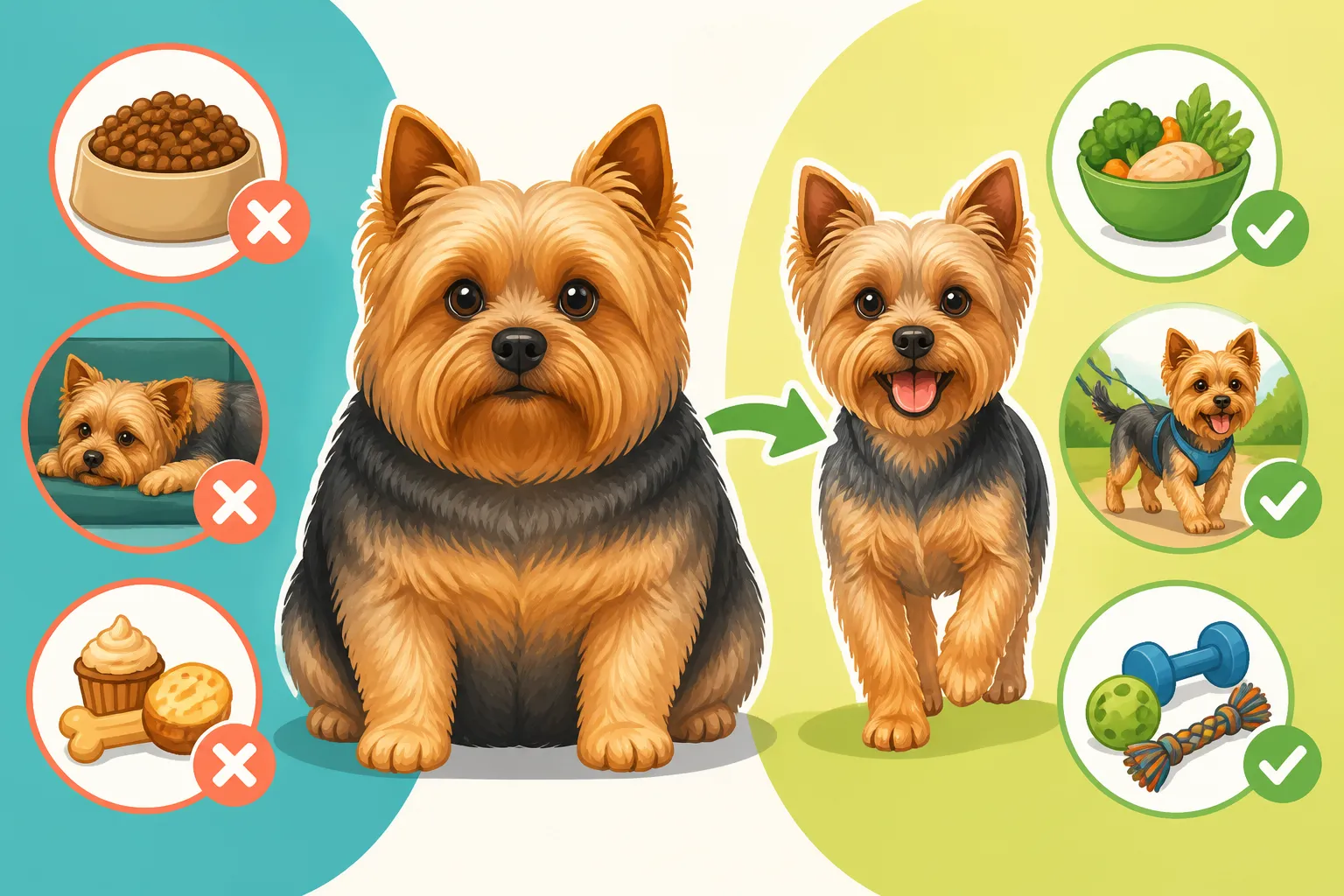
How to Help an Overweight Yorkie
It's heartbreaking to see our little Yorkies struggling with extra weight, knowing it impacts their joyful bounces and spirited zooms around the house. If your beloved Yorkshire Terrier has put on a few too many pounds, you're certainly not alone in feeling worried or unsure how to effectively help. This comprehensive guide is here to walk you through practical, empathetic steps to get your furry friend back to a healthy weight, full of energy and vitality, and ready for all life's adventures.
Understanding Yorkie Weight Challenges
When you look at your adorable Yorkie, it's easy to dismiss a few extra ounces as "fluff" or just part of their charm. But for a breed as small as the Yorkshire Terrier, even a little excess weight can have significant health implications. These tiny dogs have small frames, and their joints, heart, and other organs are not designed to carry extra strain. Recognizing the signs early and understanding why weight gain happens are the first crucial steps toward helping your beloved companion.
Recognizing the Signs of an Overweight Yorkie
It can be surprisingly tricky to tell if your Yorkie is truly overweight, especially if they have a long, flowing coat that hides their true shape. However, there are some tell-tale signs you can look for, both visually and by touch. A healthy Yorkie should have an easily palpable waist, and you should be able to feel their ribs without pressing too hard, almost like feeling the back of your hand. If you have to dig through a layer of fat to find those ribs, or if their waistline seems to have disappeared, it’s a strong indicator that they might be carrying too much weight.
Another sign to look for is a change in their energy levels or behavior. An overweight Yorkie might be less enthusiastic about walks or playtime, tire more quickly, or even become lethargic. You might notice them struggling to jump onto furniture they once easily scaled, or panting excessively after minimal exertion. These are not just signs of aging; they can be direct consequences of carrying extra weight. If you're wondering if your furry friend fits the criteria, you can explore resources like those detailing if your Yorkie is overweight, which often provide helpful visual charts to compare your dog's body condition. Knowing the ideal Yorkie Weight: Healthy Range by Age is also crucial for setting realistic goals.
Common Causes of Weight Gain in Yorkies
There's no single villain when it comes to Yorkie weight gain; often, it's a combination of factors. One of the most common culprits is simply overfeeding. Because Yorkies are so small, it's easy to underestimate just how little food they truly need. Those extra kibbles, table scraps, and treats, while given with love, add up quickly for a tiny metabolism. Think about it: a single piece of cheese for a human is a small snack, but for a 5-pound Yorkie, it's like eating an entire pizza!
Another major factor is insufficient exercise. Yorkies are often considered lap dogs, and while they do love to cuddle, they still have terrier energy and need regular physical activity. If they're not getting enough opportunities to burn off calories through walks, play, or mental stimulation, those calories are stored as fat. Age can also play a role; as Yorkies get older, their metabolism naturally slows down, and they tend to be less active, making them more prone to weight gain. Certain medical conditions, like hypothyroidism, can also contribute to weight gain, which is why a vet check-up is always recommended when you notice a significant change.
Crafting a Healthy Diet Plan for Your Yorkie
The foundation of helping an overweight Yorkie shed pounds starts in their food bowl. It’s not just about feeding less; it’s about feeding smarter. A well-structured diet plan that focuses on quality nutrition, appropriate portions, and healthy treat alternatives is paramount for their success and long-term well-being. This requires a bit of detective work into their current eating habits and a commitment to making gradual, positive changes.
Choosing the Right Food and Portions
Selecting the best food for an overweight Yorkie involves looking for options that are lower in calories, fat, and carbohydrates, but still rich in protein and fiber. Many pet food brands offer "weight management," "light," or "senior" formulas specifically designed to help dogs feel full without consuming excess calories. When choosing, always read the ingredient list carefully. Look for real meat as the first ingredient, and avoid fillers like corn, wheat, and soy, which offer little nutritional value and can contribute to weight gain and digestive issues. Brands like Hill's Science Diet, Royal Canin, and Purina Pro Plan often have veterinary-recommended weight management formulas that are appropriate for small breeds. For more in-depth advice on what to look for, check out our guide on the Best Dog Food for Yorkshire Terriers.
Once you’ve chosen the right food, portion control is absolutely critical. This is where most pet parents unintentionally go wrong. The feeding guidelines on the back of dog food bags are often just a starting point and might be too generous for a less active or older Yorkie. A good rule of thumb is to start by feeding the amount recommended for your Yorkie's ideal weight, not their current weight, and then adjust based on their progress. Using a measuring cup precisely for every meal is non-negotiable. For a deeper dive into exact amounts, refer to our article on How Much to Feed a Yorkshire Terrier and consider establishing a consistent Yorkie Feeding Schedule by Age to avoid overfeeding.
Smart Snacking and Treat Strategies
Let's be honest, those puppy-dog eyes when they beg for a treat are hard to resist! But treats, even small ones, can quickly derail a weight loss plan for a tiny Yorkie. Instead of eliminating treats entirely, which can feel harsh and impact your bonding, focus on making smarter choices. Replace high-calorie, sugary, or fatty commercial treats with healthier, low-calorie alternatives. Single-ingredient options like small pieces of cooked chicken breast (plain, no seasoning), green beans, baby carrots, or apple slices (without seeds) are fantastic choices. Just ensure they are cut into tiny, manageable pieces to prevent choking.
Another great strategy is to use a portion of your Yorkie’s daily kibble as treats for training or rewards. This way, you’re not adding extra calories, but merely redistributing their daily allowance. Consider investing in puzzle feeders or slow-feeder bowls. These make mealtime a mental exercise, slowing down consumption and making your Yorkie feel more satisfied with less food. For a comprehensive list of healthy options, our guide on Best Low-Calorie Treats for Yorkies can offer excellent suggestions. Remember, moderation is key; even healthy treats should be given sparingly.
Hydration and Its Importance
While not directly a weight loss solution, proper hydration is an unsung hero in maintaining a Yorkie's overall health and can subtly support their weight management journey. Ensuring your Yorkie always has access to fresh, clean water is fundamental. Water helps with metabolism, digestion, and keeps their internal systems running smoothly. Sometimes, a dog might feel "hungry" when they're actually just a bit dehydrated, similar to how we might confuse thirst for hunger.
If your Yorkie isn't a big water drinker, consider adding a little low-sodium chicken or beef broth to their water bowl to entice them, or invest in a pet water fountain, which can encourage more drinking by keeping water circulating and fresh. Feeding wet food (or mixing a little wet food with their dry kibble) can also increase their daily water intake. Adequate hydration also supports kidney function and helps flush toxins from the body, which is essential for a healthy, active metabolism.
Incorporating Effective Exercise Routines
Diet is a huge piece of the puzzle, but it’s only half the equation. To truly help your overweight Yorkie, you need to get them moving! Exercise is crucial not only for burning calories but also for building muscle, improving cardiovascular health, boosting mood, and preventing future weight gain. For a small breed like a Yorkie, exercise doesn't necessarily mean marathon runs; it means consistent, appropriate activity tailored to their size and current fitness level.
Daily Walks and Playtime Activities
Even though Yorkies are tiny, they still benefit immensely from regular walks. Aim for at least two 15-20 minute walks a day, if your Yorkie's health permits. Start slow if they’re very overweight, and gradually increase the duration and intensity as their stamina improves. A brisk pace, where they're trotting happily rather than meandering, is ideal. Always use a harness instead of a collar for walks, as collars can put undue strain on their delicate trachea, especially for a breed prone to Yorkshire Terrier Tracheal Collapse: Signs and Care.
Beyond structured walks, incorporate dedicated playtime into your daily routine. Yorkies love to chase, fetch, and interact with their humans. Engage them with toys like small balls, squeaky toys, or tug ropes. A flirt pole can be a fantastic way to get them to chase and jump safely. Remember, consistency is more important than intensity initially. A little bit of exercise every day is far more effective than sporadic, intense bursts. Over time, you'll see their energy levels increase and their enthusiasm for activity return. Our guide on Yorkshire Terrier Exercise Needs offers more insights into tailoring activity for your furry friend.
Indoor Exercise Ideas for Small Spaces
Sometimes, due to weather, busy schedules, or simply living in an apartment, outdoor exercise isn't always feasible. But that doesn't mean your Yorkie can't get their much-needed activity indoors! There are plenty of creative ways to keep them moving and mentally stimulated. Hide-and-seek with treats (using their low-calorie options!) or their favorite toys can be a fun game that gets them moving from room to room.
You can also create an indoor agility course using household items – pillows for jumps, tunnels made from blankets, or weave poles from broomsticks. Even simple fetch games down a hallway or up and down a few stairs (if their joints are healthy) can provide a good workout. Interactive toys that dispense treats when manipulated can keep them engaged and active, burning both mental and physical energy. For more ideas tailored to compact living, explore our article on Indoor Exercise Ideas for Yorkies. Mental stimulation is just as important as physical, helping to reduce boredom-related behaviors and keep them happy and engaged.
Monitoring Progress and Seeking Veterinary Support
Embarking on a weight loss journey for your Yorkie is a commitment, and like any journey, it requires careful navigation, regular check-ins, and knowing when to ask for expert help. Monitoring your Yorkie's progress not only keeps you motivated but also allows you to make necessary adjustments to their diet and exercise plan. And remember, your veterinarian is your best partner in ensuring this journey is safe and successful.
Tracking Weight and Body Condition
Regularly monitoring your Yorkie’s weight is vital. The safest and most accurate way to do this is with a small pet scale at home. Weigh them once a week at the same time of day (e.g., before breakfast) and record the results. This allows you to track trends and see if your efforts are paying off. Aim for a gradual weight loss of about 1-2% of their body weight per week – for a Yorkie, this might be just a few ounces, which is a healthy and sustainable rate. Rapid weight loss can be dangerous and indicates that the caloric restriction might be too severe.
Beyond the numbers on the scale, regularly assess your Yorkie’s body condition score (BCS). This involves feeling their ribs, spine, and waist. You want to feel their ribs easily without seeing them, and they should have a discernible waist when viewed from above and a slight tuck in their belly from the side. Take photos of your Yorkie every few weeks to visually track their progress. Sometimes, a subtle change in shape is more noticeable than a small change on the scale. Celebrating these small victories will keep you motivated.
When to Consult Your Vet
Before starting any new diet or exercise regimen for an overweight Yorkie, the very first step should always be a visit to your veterinarian. They can accurately assess your Yorkie's current weight and body condition, rule out any underlying medical conditions that might be contributing to weight gain (like a thyroid issue), and help you set realistic weight loss goals. Your vet can also recommend a specific diet plan and appropriate exercise levels based on your dog's age, health status, and breed-specific needs. This professional guidance is invaluable and ensures you're approaching weight loss in a safe and effective manner.
Throughout the weight loss journey, schedule regular follow-up appointments with your vet, perhaps every 4-6 weeks, to reassess their weight and overall health. They can make adjustments to the plan as needed and offer encouragement. Remember, managing pet health, especially for specific breeds like Yorkies, can come with costs, so having a good understanding of Yorkshire Terrier Vet Costs and Health Budget can help. Pet insurance providers, such as Healthy Paws, can also be a significant help in covering unexpected vet bills related to health issues that can be exacerbated by or even caused by obesity, ensuring you can always provide the best care without financial stress. Taking a proactive approach to their health by understanding How to Choose a Vet for a Yorkie and keeping up with regular check-ups is one of the best ways to ensure a long, healthy life for your furry friend. Ultimately, your goal is to help your Yorkie achieve and maintain a healthy weight, paving the way for a vibrant and joyful life, contributing significantly to How to Keep a Yorkshire Terrier Healthy.
| Strategy | Key Actions | Expected Benefits | Considerations |
|---|---|---|---|
| Dietary Changes | Switch to low-calorie/high-protein food. | Reduced calorie intake, improved satiety. | Consult vet for specific food recommendations. |
| Measure food precisely with a cup. | Accurate portion control, prevents overfeeding. | Adjust based on weight loss progress. | |
| Replace high-calorie treats with healthy options. | Fewer empty calories, better nutrition. | Use tiny pieces; avoid human foods without vet approval. | |
| Exercise Routines | Daily brisk walks (15-20 mins, 2x daily). | Burns calories, improves cardiovascular health. | Start slow, gradually increase intensity, use a harness. |
| Engage in active playtime (fetch, chase). | Mental and physical stimulation, calorie burn. | Use appropriate toys; ensure safe play area. | |
| Incorporate indoor games for bad weather. | Consistent activity regardless of outside conditions. | Puzzle feeders, hide-and-seek, homemade obstacle courses. | |
| Monitoring | Weekly weight checks on a pet scale. | Tracks progress, allows for timely adjustments. | Weigh at the same time; aim for gradual loss (1-2% BW/wk). |
| Regular body condition score assessment. | Visual and tactile gauge of fat loss. | Learn how to feel ribs, spine, and check waistline. | |
| Vet Support | Initial vet visit for assessment & plan. | Rules out medical issues, sets safe goals. | Discuss diet, exercise, and potential underlying conditions. |
| Follow-up vet visits (e.g., monthly). | Monitors health, adjusts plan, provides support. | Essential for safe and effective weight management. |
Disclaimer
The information provided in this article is for general informational purposes only and is not a substitute for professional veterinary advice. Always consult with a qualified veterinarian for any health concerns or before making any changes to your Yorkie's diet, exercise, or medical care.