15-Year-Old Yorkshire Terrier Health Checklist
Watching your beloved Yorkshire Terrier gracefully enter their senior years is a bittersweet journey. While their boundless energy might soften, the love and companionship they offer only deepen. However, with age comes a host of unique health challenges that can feel overwhelming to navigate. This comprehensive guide is designed to equip you with a vital 15-year-old Yorkshire Terrier health checklist, ensuring you can provide the best possible care as they cherish their golden years.
Understanding the Golden Years of Your Yorkie
Reaching 15 years old is a wonderful milestone for a Yorkshire Terrier! It means they've lived a long and generally happy life, a testament to the care they've received. But let's be realistic: a 15-year-old Yorkie isn't a puppy anymore. Their bodies and minds are undergoing significant changes, and what worked for them even a few years ago might not be suitable now. Acknowledging these changes is the first step in providing truly effective senior care.
The Reality of Senior Yorkie Aging
Just like humans, dogs experience a decline in various bodily functions as they age. For a small breed like a Yorkshire Terrier, 15 years is truly a venerable age, equivalent to well over 70 or 80 human years, depending on which conversion chart you use. You might notice their once glossy coat becoming a bit duller or thinner, their gait a little slower, or their hearing and eyesight not quite as sharp. They might sleep more, have less tolerance for long walks, and generally prefer a quieter, more predictable routine. These aren't necessarily signs of illness, but rather the natural progression of aging. However, it's crucial to differentiate between normal aging and emerging health issues. For a deeper dive into the overall health landscape, you might find our article on Yorkshire Terrier Health Problems to Know very insightful.
Why a Checklist for a 15-Year-Old is Crucial
A dedicated health checklist for a 15-year-old Yorkie isn't about panicking; it's about empowerment. It’s a proactive tool that helps you stay on top of potential issues before they become major problems. Early detection is a game-changer for senior dogs, often leading to more effective treatment options, better quality of life, and sometimes even extending their precious time with you. Without a structured approach, it's easy to miss subtle cues that could indicate an underlying condition. This checklist will guide you through all the vital aspects, from vet visits to daily home observations, so you can champion your senior Yorkie's well-being.
Essential Veterinary Care for Your Senior Yorkie
When your Yorkie reaches 15, regular veterinary care transforms from a routine necessity into a critical partnership. Your veterinarian becomes an even more invaluable resource in managing the complexities of senior health. It's not just about addressing problems as they arise, but about preventative measures and early intervention.
The Importance of Bi-Annual Vet Visits
While annual check-ups might have sufficed for their younger years, a 15-year-old Yorkie truly benefits from bi-annual (twice a year) veterinary visits. Why the increased frequency? Senior pets' health can change rapidly. A condition that's minor in January could become advanced by December. These more frequent visits allow your vet to monitor chronic conditions, catch new issues like Yorkshire Terrier Liver Shunt: Signs and Care or Yorkie Eye Problems Explained earlier, and adjust medications or care plans as needed. It also builds a more comprehensive health record, allowing your vet to spot trends or subtle deteriorations that might otherwise be overlooked. Think of it as preventative maintenance for a beloved antique car – more frequent checks keep it running smoothly.
Key Diagnostic Tests and Screenings
Beyond a physical exam, a senior Yorkie's vet visit should include a robust panel of diagnostic tests. These tests provide a snapshot of their internal health, revealing issues that aren't visible from the outside.
- Comprehensive Blood Work: This includes a Complete Blood Count (CBC) to check for anemia, infection, or inflammation, and a chemistry panel to assess organ function (kidneys, liver, pancreas). Changes in these values can indicate early stages of disease.
- Urinalysis: A simple urine test can detect urinary tract infections, kidney disease, diabetes, and other metabolic issues.
- Thyroid Function Tests: Hypothyroidism can affect older dogs, leading to weight gain, lethargy, and coat problems.
- Dental Exam and Cleaning: Dental disease is incredibly common in Yorkies, and by 15, it can be severe. Anesthesia-free cleanings are rarely effective for significant dental problems, so discussing safe anesthesia protocols for deep cleaning and extractions is vital. You can learn more in our dedicated guide to Yorkshire Terrier Dental Care Guide.
- Blood Pressure Check: Hypertension can lead to kidney damage, heart disease, and blindness.
- Imaging (X-rays, Ultrasound): If your vet suspects issues with organs, joints, or has found abnormal lumps, imaging can provide more detailed information. This is particularly useful for assessing common senior issues like arthritis or potential tumors.
Here's a quick overview of essential senior Yorkie vet checks:
| Check-up Component | Frequency Recommended | Purpose |
|---|---|---|
| Full Physical Exam | Every 6 months | Overall health assessment, palpation for lumps, joint evaluation |
| Comprehensive Blood Work | Every 6-12 months | Organ function (kidney, liver), blood cell counts, metabolic health |
| Urinalysis | Every 6-12 months | Kidney function, urinary tract infections, diabetes screening |
| Thyroid Panel | Annually | Detects hypothyroidism |
| Dental Exam | Every 6 months | Assess for Yorkshire Terrier Dental Disease: Signs and Care, plan for cleaning/extractions |
| Blood Pressure | Annually | Screens for hypertension (high blood pressure) |
| Fecal Exam | Annually | Checks for intestinal parasites |
Daily Health Monitoring and Home Care
Your role as a pet parent becomes even more hands-on during your Yorkie's senior years. You are their primary observer, the one who knows their quirks and routines best. Daily monitoring at home can provide invaluable insights that even frequent vet visits might miss. It's about being observant and knowing what subtle changes to look for.
Observing Behavioral Changes
Behavioral shifts are often the first indicators of underlying health issues in older dogs. It's easy to dismiss them as "just getting old," but many times, these changes warrant closer investigation.
- Appetite and Thirst: Is your Yorkie eating less or more than usual? Are they suddenly ravenous or refusing meals? An increase in thirst can signal kidney disease or diabetes. A decrease in appetite might indicate dental pain, nausea, or a more serious illness. If you're noticing your Why Is My Yorkie Not Eating then it's time for a vet visit.
- Mobility and Gait: Do they struggle to get up, hesitate before jumping (even small jumps onto the sofa), or limp after a short walk? These could be signs of arthritis or joint pain, common in older Yorkies, particularly conditions like Yorkshire Terrier Patellar Luxation: Signs and Care.
- Sleep Patterns: Are they sleeping excessively during the day but restless at night? This could be a sign of cognitive dysfunction, pain, or even something like an overactive bladder.
- Elimination Habits: Accidents in the house, increased frequency of urination or defecation, or straining to go can indicate kidney issues, urinary tract infections, or digestive problems.
- Changes in Interaction: Are they less enthusiastic about greetings, avoiding touch, or becoming withdrawn? Sometimes this is a sign of pain or discomfort. Conversely, increased clinginess can also be a sign of anxiety or discomfort.
Keeping a small journal or a note on your phone to track these observations can be incredibly helpful for your vet. Details like "She usually drinks two bowls a day, but for the last week, it's been four" can make a big difference in diagnosis.
Routine Physical Checks You Can Do
Beyond observation, you can perform simple physical checks at home. These don't replace a vet's expertise but can help you identify potential problems early.
- Mouth and Gums: Gently lift their lips and examine their gums. They should be pink and moist. Pale gums can indicate anemia, while red, swollen, or bleeding gums point to dental disease. Check for any missing teeth, excessive tartar buildup, or foul odor.
- Skin and Coat: Run your hands over their entire body daily. Feel for any new lumps, bumps, or tender spots. Check for flaky skin, hair loss, or excessive scratching. Don't forget to check under their armpits and in their groin area.
- Eyes: Look for clear, bright eyes. Any redness, discharge, cloudiness (which could be cataracts), or squinting should be noted. Our article on Yorkie Eye Problems Explained offers a comprehensive look at common issues.
- Ears: Gently inspect their ears for redness, discharge, or an unusual odor, which can indicate an ear infection.
- Paws: Check their paw pads for cracks, cuts, or overgrown nails. Longer nails can affect their gait and cause discomfort.
- Weight: Weigh your Yorkie regularly. Sudden weight loss or gain can be a significant indicator of health problems.
Nutrition and Hydration Strategies for Longevity
As your Yorkie ages, their nutritional needs shift dramatically. What once kept them spry and energetic might now contribute to weight gain or fail to provide the necessary support for their aging bodies. Getting their diet right is a cornerstone of senior care.
Tailoring Diet to Senior Needs
A 15-year-old Yorkie needs a diet specifically formulated for senior dogs. These diets typically have:
- Fewer Calories: Older dogs are generally less active and have slower metabolisms, so they require fewer calories to prevent unhealthy weight gain. Obesity can exacerbate joint problems and put a strain on their heart and other organs.
- Higher-Quality Protein: While calorie intake might decrease, maintaining muscle mass is crucial for senior dogs. High-quality, easily digestible protein helps prevent muscle wasting. Look for senior formulas with excellent protein sources.
- Joint Support Supplements: Many senior dog foods include glucosamine and chondroitin, which are beneficial for joint health. If your vet recommends, you might also consider additional supplements, which you can read more about in our guide to Yorkie Joint Supplements Explained.
- Increased Fiber: Fiber can aid digestion and help manage constipation, a common issue in older dogs.
- Omega-3 Fatty Acids: These are great for skin and coat health, reducing inflammation, and supporting cognitive function.
- Antioxidants: Ingredients like Vitamin E and C can help combat cellular damage and support the immune system.
Consider smaller, more frequent meals. An older Yorkie's digestive system might not handle large meals as well as it used to. If your Yorkie has specific health conditions, your vet might recommend a prescription diet. Always discuss any dietary changes with your veterinarian to ensure they meet your Yorkie's individual needs.
Ensuring Adequate Hydration
Hydration is often overlooked but is absolutely critical for senior dogs. Older Yorkies are more prone to kidney issues, and proper hydration supports kidney function, helps with digestion, and maintains overall cellular health.
- Multiple Water Bowls: Place several bowls of fresh, clean water around your home. This makes it easier for your senior Yorkie to access water without having to travel far, especially if they have mobility issues.
- Elevated Bowls: For dogs with arthritis in their neck or back, elevated food and water bowls can make drinking more comfortable.
- Add Water to Food: If your Yorkie is a reluctant drinker, try adding a little warm water, low-sodium broth, or even some wet food to their kibble to increase their water intake.
- Consider a Water Fountain: Some dogs are enticed to drink more by the moving water of a pet fountain.
- Monitor Water Intake: Keep an eye on how much they're drinking. A sudden increase or decrease could signal a health problem like diabetes or kidney disease.
Maintaining Mobility and Comfort
Mobility is often one of the first things to decline in senior Yorkies, leading to decreased activity and potentially a lower quality of life. Addressing pain and providing support can make a huge difference in their daily comfort and happiness.
Supporting Joint Health
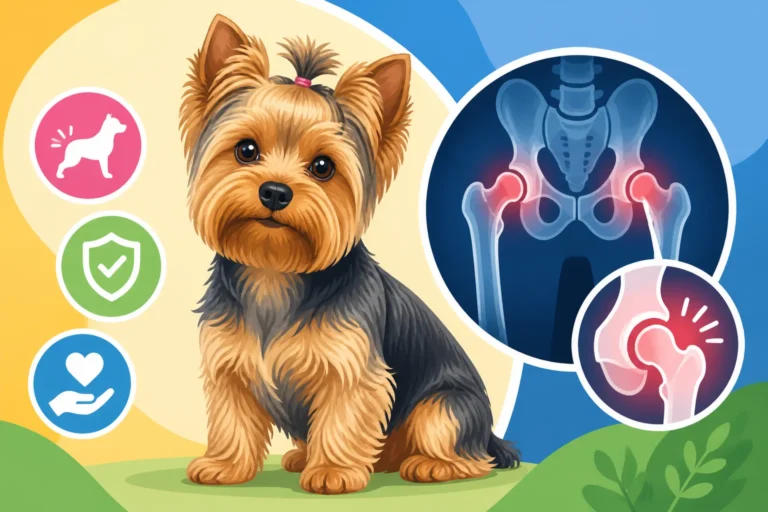
Arthritis and other joint issues are incredibly common in 15-year-old Yorkies.
- Supplements: As mentioned, glucosamine, chondroitin, and omega-3 fatty acids are excellent for joint health. Your vet might also recommend other supplements specifically tailored to your dog's needs.
- Gentle Exercise: While they can't go on long hikes anymore, short, gentle walks are still important to maintain muscle tone, joint flexibility, and mental stimulation. Avoid slippery surfaces and jumping.
- Weight Management: Keeping your Yorkie at a healthy weight is paramount. Excess weight puts incredible strain on already compromised joints.
- Physical Therapy: For some Yorkies, gentle massage, passive range of motion exercises, or even hydrotherapy can be beneficial. Discuss these options with your vet.
Creating a Senior-Friendly Environment
Making your home accessible and comfortable for your aging Yorkie can significantly improve their quality of life.
- Ramps or Steps: Provide ramps or pet stairs for accessing furniture (like the sofa or bed) they used to jump onto. This reduces strain on their joints and prevents injuries.
- Orthopedic Beds: Invest in a high-quality orthopedic dog bed. These beds provide better support for their joints and bones, relieving pressure points and ensuring a more comfortable rest.
- Non-Slip Surfaces: If you have hardwood or tile floors, consider placing non-slip rugs or runners, especially in high-traffic areas. This helps prevent slips and falls, which can be devastating for an older dog.
- Warmth: Older dogs can get chilly more easily. Ensure they have warm, draft-free resting spots. A soft blanket or even a dog sweater can provide extra comfort during colder months.
- Easy Access to Essentials: Make sure their food, water, and potty areas are easily accessible. For outdoor potty breaks, consider a path that is easy to navigate, perhaps with a gradual ramp if you have steps.
Cognitive Health and Mental Stimulation
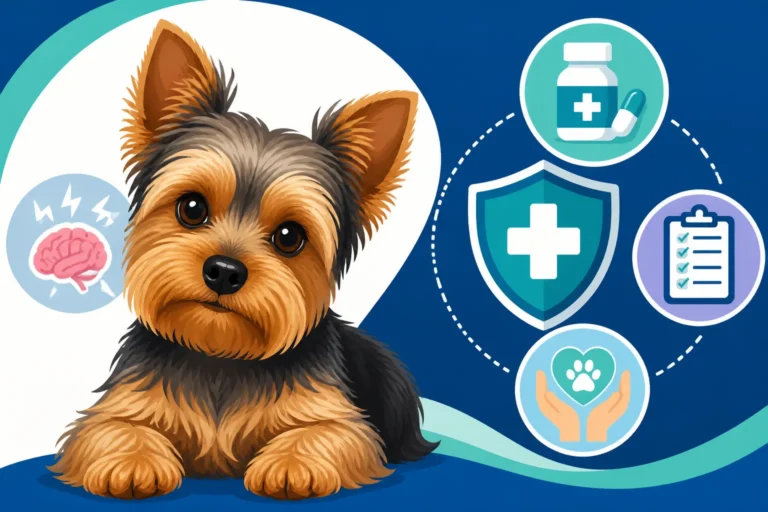
It's not just their bodies that age; their minds do too. Cognitive dysfunction syndrome (CDS), similar to Alzheimer's in humans, can affect senior dogs. Keeping their minds engaged can help slow cognitive decline.
Recognizing Signs of Cognitive Decline
Spotting the signs of CDS can be tricky, as they often mimic normal aging. Look for the "DISHA" acronym:
- Disorientation: Getting lost in familiar places, staring blankly at walls, not recognizing family members.
- Interactions: Changes in how they interact with you or other pets – becoming more withdrawn or irritable.
- Sleep-Wake Cycle Changes: Sleeping more during the day, pacing or whining at night.
- House-Soiling: Accidents indoors, even if they were perfectly house-trained their whole life.
- Activity Level Changes: Decreased interest in playing, restlessness, or repetitive behaviors.
If you notice any of these, don't dismiss them. Discuss them with your vet. Medications and supplements are available that can help manage the symptoms and improve quality of life.
Engaging Their Minds
Mental stimulation is as important as physical exercise for a senior Yorkie.
- Puzzle Toys: Use puzzle feeders or treat-dispensing toys that make them work a little for their food. This provides mental enrichment and slows down eating.
- Gentle Training/Review Commands: Continue to practice simple, familiar commands like "sit" or "stay." This keeps their brain active without being too strenuous. Keep sessions short and positive.
- New Scents and Environments: Even if they can't walk far, take them to new, safe places in a stroller or carrier so they can experience new sights and smells. A slow sniff walk in the backyard can be incredibly stimulating.
- Interactive Play: Keep playtime gentle and short. A soft toss of a favorite toy, a brief game of tug, or simply engaging them with gentle petting and praise can keep them connected and happy.
Grooming and Hygiene for the Older Yorkie
Grooming might seem purely cosmetic, but it's an essential part of your 15-year-old Yorkie's health and comfort, especially as they become less able to groom themselves effectively.
Gentle Grooming Practices
Regular grooming sessions provide an excellent opportunity to perform those physical checks we discussed earlier, allowing you to feel for any lumps or changes in their skin.
- Brushing: Daily gentle brushing not only keeps their coat free of mats (which can be painful and lead to skin infections) but also stimulates blood flow and distributes natural oils. Use a soft brush appropriate for their delicate skin.
- Bathing: Bathe your Yorkie only as needed, using a mild, moisturizing shampoo. Over-bathing can dry out their older skin. Ensure the water is warm and the process is as stress-free as possible. Dry them thoroughly afterward, especially in colder weather. Our guide on How Often to Bathe a Yorkshire Terrier can offer more specific advice.
- Nail Trimming: Overgrown nails can make walking painful and can lead to foot deformities. Trim their nails regularly, or have your groomer or vet do it. Be extra careful as older dogs may have thicker, more brittle nails, and quicks that are harder to see.
- Eye and Ear Cleaning: Gently clean around their eyes to remove any discharge, and clean their ears regularly with a vet-approved cleaner to prevent infections.
Dental Health Remains Paramount
Even at 15, dental health is incredibly important. Many senior dogs suffer from severe dental disease, which can cause chronic pain, make eating difficult, and lead to systemic infections affecting the heart, kidneys, and liver.
- Professional Cleanings: While the thought of anesthesia for an older dog is daunting, sometimes a professional dental cleaning under carefully monitored anesthesia is the best option for their overall health. Your vet will conduct pre-anesthetic blood work to ensure they are a good candidate.
- Daily Brushing (if tolerated): If your Yorkie tolerates it, continue to brush their teeth daily with dog-specific toothpaste. Even a few days a week can make a difference.
- Dental Chews and Water Additives: Discuss appropriate dental chews or water additives with your vet. Some products, like those from Greenies or Virbac C.E.T., can help reduce plaque and tartar buildup.
Financial Planning for Senior Yorkie Health
Let's be honest, excellent senior pet care can be expensive. As our Yorkies age, their veterinary needs tend to increase, and being prepared financially can alleviate stress during an already emotional time.
Budgeting for Increased Vet Care
Routine bi-annual visits, diagnostic tests, potential medications for chronic conditions like arthritis or heart disease, and dental cleanings all add up. It’s a good idea to create a dedicated "senior pet fund" if you haven't already.
- Medications: Many senior Yorkies will require daily medications for pain, heart conditions, or cognitive support. These prescriptions can become a regular monthly expense.
- Specialized Diets: Prescription diets for kidney disease, liver issues, or joint support are often more expensive than regular kibble.
- Emergency Fund: While we hope for the best, senior pets are more prone to unexpected emergencies. Having a savings account earmarked for these "just in case" scenarios can be a lifesaver. Our guide on Yorkshire Terrier Vet Costs and Health Budget offers a detailed breakdown.
Considering Pet Insurance
Pet insurance can be a fantastic way to mitigate the financial burden of senior pet care, though it's important to understand how it works. Providers like Healthy Paws offer comprehensive plans that can cover accidents, illnesses, and even some alternative therapies. While pre-existing conditions won't be covered, getting a policy before new conditions develop can provide peace of mind.
Research different plans and understand their deductibles, reimbursement percentages, and annual limits. A good policy from a reputable provider like Healthy Paws could save you thousands of dollars over your Yorkie's senior years, making tough medical decisions a little easier. Even if you've never had pet insurance before, it's worth exploring for your senior Yorkie now.
When to Seek Immediate Veterinary Attention
While routine care and monitoring are vital, there are certain symptoms that signal an emergency and warrant immediate veterinary attention for your 15-year-old Yorkie. Never hesitate if you feel something is seriously wrong; it’s always better to be safe than sorry.
Recognizing Urgent Symptoms
Knowing these critical signs can truly make a difference in an emergency situation.
- Severe Pain: Whining, crying, yelping when touched, limping that prevents weight-bearing, or hiding.
- Difficulty Breathing: Persistent coughing (especially if it sounds like Yorkie Coughing: Trachea or Something Else or gasping, labored breathing, blue-tinged gums.
- Collapse or Seizures: Any sudden loss of consciousness, uncontrolled shaking, or seizure activity.
- Persistent Vomiting or Diarrhea: Especially if accompanied by lethargy, blood, or repeated episodes within a few hours. This can quickly lead to dehydration in small dogs.
- Extreme Lethargy or Weakness: Unable to stand, completely unresponsive, or significant decrease in activity level.
- Changes in Gum Color: Gums that are very pale, blue, or bright red.
- Swollen Abdomen: A suddenly distended or hard belly can indicate a serious internal issue.
- Inability to Urinate or Defecate: Straining without producing anything can be a medical emergency.
- Signs of Yorkie Hypoglycemia: Emergency Signs: Weakness, confusion, trembling, collapse, especially if they haven't eaten. This is particularly crucial for tiny Yorkies.
If you observe any of these "red flag" symptoms, contact your veterinarian or an emergency veterinary clinic immediately. Don't wait to see if it improves. Our detailed article, Yorkie Emergency Symptoms to Never Ignore, provides further essential information on this topic.
Taking care of a 15-year-old Yorkie is a huge responsibility, but also an immense privilege. By being prepared, vigilant, and working closely with your vet, you can help your senior companion live out their golden years with comfort, dignity, and all the love they deserve. Remember, a proactive approach and a strong partnership with your vet, potentially supported by pet insurance like Healthy Paws, are your best tools in ensuring their continued well-being.
Disclaimer
This article is intended for informational purposes only and does not constitute medical advice. Always consult with a qualified veterinarian for any health concerns or before making any decisions about your pet's health or treatment plan.