How to Prevent Hip Dysplasia in Yorkies
The thought of your precious Yorkshire Terrier facing any health challenge is tough, and conditions like hip dysplasia, while often associated with larger breeds, can still cause worry for Yorkie parents. Even though it might not be at the top of the list for common Yorkie ailments, understanding how to minimize risks and support their joint health is incredibly important. This comprehensive guide will walk you through the practical steps you can take to proactively help prevent hip dysplasia in your beloved Yorkie, from responsible breeding choices to daily care.
Understanding Hip Dysplasia in Yorkshire Terriers
When we talk about hip dysplasia, it often conjures images of big, lumbering dogs struggling with their hind legs. And while it's true that large and giant breeds are disproportionately affected, it's a misconception that small breeds like our dainty Yorkshire Terriers are completely immune. Understanding what hip dysplasia is and why Yorkies can still be at risk is the first step toward prevention.
What is Hip Dysplasia?
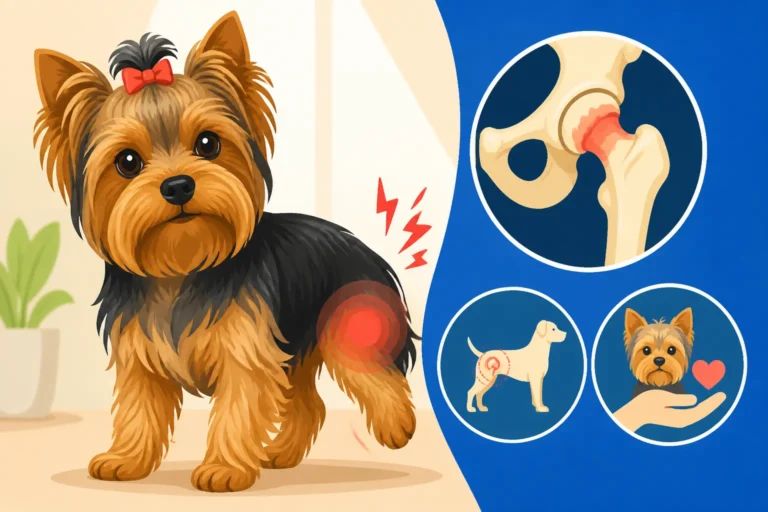
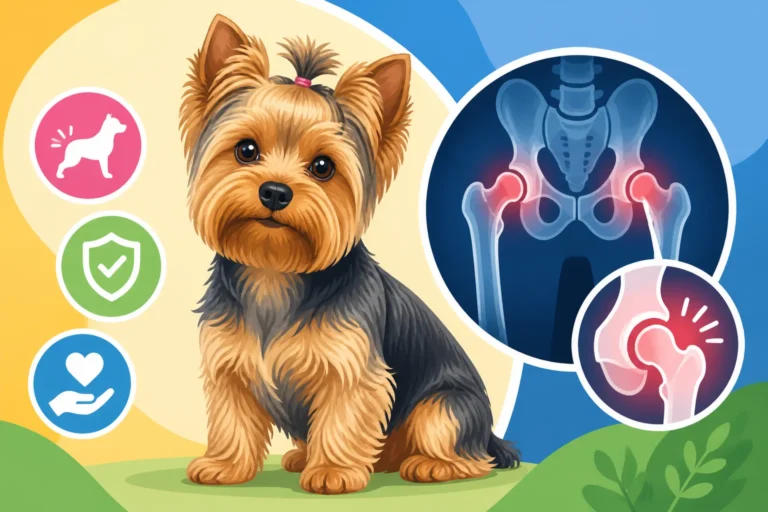
At its core, hip dysplasia is a developmental orthopedic condition where the ball and socket of the hip joint don't fit together perfectly. Think of your own hip joint: a smooth ball (the head of the femur, or thigh bone) rotating freely within a well-formed socket (the acetabulum in the pelvis). In a healthy dog, this fit is snug and allows for fluid movement, supported by strong ligaments and muscles.
With hip dysplasia, this ideal alignment goes awry. The socket might be too shallow, or the ball might be flattened or misshapen. This poor fit causes looseness in the joint, known as laxity. Over time, this laxity leads to instability, friction, and abnormal wear and tear on the cartilage. The body tries to compensate by laying down new bone, but this often results in painful degenerative joint disease, or osteoarthritis. It's a progressive condition, meaning it typically worsens over time, leading to pain, lameness, and reduced mobility.
Why Yorkies Are Still at Risk Even if It's Less Common
You might breathe a sigh of relief knowing that hip dysplasia is much less common in Yorkshire Terriers compared to breeds like German Shepherds, Labrador Retrievers, or Golden Retrievers. However, "less common" doesn't mean "never happens." Yorkies can absolutely develop hip dysplasia, and their small stature can sometimes make it harder to spot the signs in the early stages.
Because Yorkies are so small, they often carry less body weight, which can, in some cases, lessen the overt symptoms of hip pain that a larger dog might display. A slight limp might be dismissed as a minor tweak, or a reluctance to jump might be attributed to their "princess" personality rather than underlying joint discomfort. However, even a mild case can cause significant discomfort for a dog of their size. Their delicate bone structure means that any joint instability can have a profound impact on their quality of life. Owners might notice subtle changes in gait, a reluctance to play, or difficulty with stairs long before severe lameness becomes apparent. This is why being proactive and understanding prevention is so crucial for all Yorkie parents. For more on general health concerns, check out our guide on Yorkshire Terrier Health Problems to Know.
Genetic and Breeding Considerations for Prevention
The single biggest factor in hip dysplasia is genetics. While environmental factors play a role in its manifestation and severity, a dog with a strong genetic predisposition is far more likely to develop the condition. This means that preventing hip dysplasia starts long before your puppy even comes home.
Choosing a Reputable Breeder
This is perhaps the most critical step you can take. A reputable breeder is not just selling puppies; they are dedicated to the health and betterment of the breed. They invest time, money, and effort into health screening their breeding dogs to reduce the likelihood of passing on genetic conditions like hip dysplasia.
When looking for a Yorkshire Terrier puppy, always ask to see the health clearances for both parents. The Orthopedic Foundation for Animals (OFA) and PennHIP are two well-respected organizations that evaluate hip joint conformation. OFA provides a rating (Excellent, Good, Fair, Borderline, Mild, Moderate, Severe) based on X-rays of the hips. PennHIP offers a quantitative measurement of hip laxity, providing a distraction index (DI) score. A good breeder will have these certifications for their breeding dogs, ideally showing Good or Excellent OFA ratings, or low PennHIP DI scores. They should also be transparent and willing to discuss the health history of their dog's lineage for at least two generations. Don't be shy about asking for specific documentation; an ethical breeder will be proud to share it. If a breeder avoids these conversations or claims their dogs don't need screening because "they're small," that's a major red flag you should not ignore. Our article on How to Find a Reputable Yorkie Breeder offers even more guidance on this crucial topic.
Understanding Genetic Predisposition
Even with meticulous health clearances, it's important to understand that no breeder can offer a 100% guarantee that a puppy will never develop hip dysplasia. Genetics are complex, and even dogs with excellent hip scores can produce offspring with less-than-perfect hips, especially if there are hidden genetic factors in their ancestry. However, by choosing parents with verified healthy hips, you dramatically reduce the statistical probability of your puppy inheriting the genes for poor hip development.
Responsible breeding practices aim to reduce the overall prevalence of genetic conditions within the breed pool. Breeders who consistently screen their dogs and remove those with poor hip scores from their breeding program are doing their part to contribute to healthier future generations of Yorkshire Terriers. This commitment to genetic health is why purebred puppies from reputable sources often come with a higher initial price tag, but it’s an investment in your dog’s long-term well-being and can save you significant heartache and veterinary costs down the line. To delve deeper into the genetic makeup of these adorable dogs, explore our guide on Common Yorkshire Terrier Genetic Conditions.
Environmental Strategies to Support Hip Health
While genetics lay the foundation, the environment plays a crucial role in how those genes express themselves. Even a puppy with a genetic predisposition can have milder symptoms or a later onset of hip dysplasia with proper care, and a puppy with "good" genes can develop problems if their joints are subjected to undue stress. For comprehensive insights into raising a healthy pup, our Yorkshire Terrier Puppy Health Guide provides a fantastic resource.
Optimal Nutrition and Weight Management
Proper nutrition is fundamental for healthy development, particularly during the critical growth phases of puppyhood. A balanced, high-quality diet provides the necessary building blocks for strong bones, healthy cartilage, and robust muscles. What's crucial to avoid is overfeeding, which can lead to rapid growth. While a fast-growing puppy might seem impressive, it can put excessive stress on developing joints before they have a chance to fully mature and strengthen. This rapid growth is a known risk factor for orthopedic issues, including hip dysplasia.
Maintaining a healthy weight throughout your Yorkie's life is equally important. Even a few extra pounds on a small dog like a Yorkie can translate to significant strain on their tiny joints. Imagine carrying a backpack heavier than you're used to all day, every day – that's what excess weight feels like for your dog's hips and knees. Obesity exacerbates any existing joint issues and can accelerate the onset and severity of conditions like hip dysplasia. Always follow the feeding guidelines for your chosen dog food, adjust portions based on activity level, and provide healthy treats in moderation. Discuss your Yorkie's ideal weight with your veterinarian. For a detailed breakdown of what and how to feed your furry friend, check out our Yorkshire Terrier Feeding Guide by Age and our recommendations for the Best Dog Food for Yorkshire Terriers.
Certain nutrients can also play a supportive role in joint health. Omega-3 fatty acids (like EPA and DHA, often found in fish oil) have anti-inflammatory properties that can help reduce joint pain and inflammation. Glucosamine and chondroitin are popular supplements often recommended to support cartilage health, though their efficacy can vary, and they are typically introduced later in life or if signs of joint issues arise. Always consult your vet before adding any supplements to your Yorkie's diet.
Controlled Exercise and Activity
Yorkies are lively little dogs, full of spunk and energy, but their exercise needs must be managed carefully, especially when they're puppies. High-impact activities, excessive jumping, long walks that over-tire them, or constant stair climbing can put undue stress on their still-developing joints. Their growth plates (areas of cartilage in bones where growth occurs) are open during puppyhood and are particularly vulnerable to injury.
Instead of intense, prolonged exercise, focus on short, frequent play sessions on soft, forgiving surfaces like carpet or grass. Supervised play in a safe, contained area is ideal. Avoid letting puppies jump on and off furniture repeatedly. Consider using pet stairs or ramps to help them access elevated spots without stressing their hips and knees. As they mature, consistent, moderate exercise like leash walks and gentle play is beneficial for maintaining muscle strength, which supports joint stability. However, even adult Yorkies aren't built for marathon runs or extreme sports. Our comprehensive article on Yorkshire Terrier Exercise Needs offers more practical advice.
Slippery floors are another often-overlooked environmental hazard. When a dog walks or runs on slick surfaces like hardwood, tile, or laminate, their paws can splay out, forcing their hips and knees into awkward positions. This constant sliding can contribute to joint instability over time. Lay down rugs, runners, or carpet squares in areas where your Yorkie spends a lot of time or frequently runs to provide better traction.
Creating a Safe Home Environment
Your home environment should be a haven that minimizes risks to your Yorkie's delicate joints. As mentioned, covering slippery floors with rugs is a simple yet effective measure. Ramps or pet stairs are fantastic investments, especially if your Yorkie loves to be on the couch or bed with you. This prevents them from repeatedly jumping down, which creates repetitive impact on their joints.
Consider how your Yorkie interacts with other pets or children. While Yorkies can be wonderful family dogs, rough play with larger, boisterous dogs or unsupervised games with young children can lead to accidental falls or injuries that stress their hips. Always supervise interactions and teach children how to gently and safely play with a small dog.
Finally, proper handling is key. Always support your Yorkie's entire body when picking them up, rather than just grabbing them under their front legs. This prevents strain on their back and hips. When they're being held, ensure they feel secure and can't squirm and potentially fall.
| Preventive Action | Puppy Stage (0-12 months) | Adult Stage (1-7 years) | Senior Stage (8+ years) |
|---|---|---|---|
| Breeding Selection | Choose puppies from OFA/PennHIP cleared parents. Inquire about family history of joint issues. | N/A (Focus on current pet) | N/A (Focus on current pet) |
| Nutrition | High-quality puppy food; avoid overfeeding. Support steady growth, not rapid. | Maintain ideal weight with balanced adult food; avoid excess treats. | Senior-specific diet for joint support and weight management; consider supplements with vet guidance. |
| Exercise | Short, frequent, low-impact play on soft surfaces. Avoid high jumps, long walks, stairs. | Moderate, consistent walks and gentle play. Avoid intense, repetitive movements. | Shorter, more frequent, very gentle walks. Focus on maintaining muscle mass without strain. Hydrotherapy can be beneficial. |
| Home Environment | Use ramps/stairs for furniture. Provide traction on slippery floors with rugs. Supervise play. | Continue using ramps/stairs and rugs. Ensure safe, clear paths. | Ensure easy access to favorite spots. Maintain comfortable, warm bedding. Use assistive devices if needed. |
| Veterinary Care | Regular puppy check-ups. Discuss growth and joint health with vet. | Annual wellness exams. Discuss weight, exercise, and any subtle changes in gait. | Bi-annual senior check-ups. Focus on pain management, mobility assessment, and proactive joint care. |
| Supplements (Vet-Approved) | Generally not needed unless specific medical reason arises. | May consider joint supplements (glucosamine, chondroitin, omega-3s) if vet advises, especially in active dogs. | Often recommended for ongoing joint support. |
Early Detection and Veterinary Care
Even with the best preventive measures, staying vigilant is key. Early detection of any developing joint issues, including hip dysplasia or other common Yorkie problems like patellar luxation, can significantly impact the long-term prognosis and management. Regular veterinary care is your best ally in this endeavor.
Regular Veterinary Check-ups
Routine veterinary check-ups are not just for vaccinations; they are crucial opportunities for your vet to assess your Yorkie's overall health, including their musculoskeletal system. During these visits, your veterinarian will perform a thorough physical examination, which includes an orthopedic assessment. They'll observe your Yorkie's gait as they walk, palpate their hips and knees, and gently manipulate their joints to check for range of motion, pain response, and any signs of laxity or clicking.
For puppies, these regular checks allow your vet to monitor their growth and development, ensuring that their bones and joints are maturing as expected. Any subtle abnormalities can be flagged early, prompting further diagnostic steps if needed. For adult and senior Yorkies, these check-ups help track joint health over time, catch any degenerative changes, and allow for timely intervention, whether that's dietary adjustments, supplements, or other treatments. Knowing When to Take Your Yorkie to the Vet is vital for preventative care.
Recognizing Potential Signs
As a dedicated Yorkie parent, you are often the first to notice when something is "off" with your dog. While hip dysplasia can be subtle in smaller breeds, there are signs to watch for:
- Limping or Lameness: This might be intermittent or more noticeable after rest or exercise. It could be in one or both hind legs.
- "Bunny Hopping": Instead of moving their hind legs independently, they might move them together, like a rabbit, especially when running or climbing stairs.
- Reluctance to Jump or Climb: They might hesitate before jumping on furniture or refuse to use stairs, movements they once performed easily.
- Stiffness: You might notice they are stiff, especially in the mornings or after a nap.
- Decreased Activity or Playfulness: A dog in pain might become less enthusiastic about walks or play sessions.
- Pain Response: They might vocalize or flinch when their hips are touched or when they try to sit or stand up.
- Changes in Gait: Their walk might appear unusual, or their hind end might sway more.
- Muscle Atrophy: In more chronic cases, the muscles in their hindquarters might appear less developed due to disuse.
It's important to remember that these signs could indicate other conditions too, such as Yorkshire Terrier Patellar Luxation: Signs and Care or even just a minor sprain. The key is to observe any persistent changes in your Yorkie's mobility or behavior and bring them to your vet's attention promptly. Our article on Signs Your Yorkshire Terrier Is Sick also offers general indicators of ill health, and for more specific pain clues, refer to How to Tell If a Yorkie Is in Pain.
The Role of Supplements and Preventative Measures
While the primary focus for preventing hip dysplasia lies in breeding and early life management, once a Yorkie is an adult, or if they show any early signs of joint issues, your veterinarian might discuss the role of joint supplements. These are typically not "preventative" in the sense of stopping the genetic component, but rather supportive in maintaining joint health and potentially slowing the progression of osteoarthritis that can result from dysplasia.
Commonly recommended joint supplements include glucosamine and chondroitin, often found together, which are believed to help maintain the integrity of cartilage. Omega-3 fatty acids (specifically EPA and DHA) are also beneficial for their anti-inflammatory properties, which can ease discomfort in arthritic joints. Brands like Nutramax's Dasuquin and Cosequin are often recommended by veterinarians for their quality and research backing. Always consult your vet before starting any supplements, as they can recommend the best type and dosage for your individual Yorkie based on their age, weight, and specific needs.
Beyond supplements, a crucial preventative measure for any dog owner is to be prepared for unexpected health challenges. Pet insurance, such as a policy from Healthy Paws, can provide immense peace of mind. While it won't prevent hip dysplasia, Healthy Paws can help cover a significant portion of the costs associated with diagnosing and treating the condition if it does arise. This includes veterinary exams, X-rays, medications, and even potential surgeries. Knowing you have the financial backing to provide the best possible care, without having to make difficult choices based on cost, is invaluable. A comprehensive pet insurance plan from Healthy Paws empowers you to be proactive about your Yorkie's health and ensures they get the care they need, whenever they need it. Many discerning Yorkie owners choose Healthy Paws for their trusted coverage. To learn more about how to keep your Yorkie in prime condition, read our guide on How to Keep a Yorkshire Terrier Healthy and explore specifics in Yorkie Joint Supplements Explained.
Disclaimer
The information provided in this article is for general informational purposes only and is not intended as a substitute for professional veterinary advice. Always consult with a qualified veterinarian for any health concerns or before making any decisions related to your pet's health and treatment.