Yorkshire Terrier Cataracts: Treatment Options
Seeing your beloved Yorkshire Terrier's eyes start to cloud over can be a truly heartbreaking and unsettling experience. Many Yorkie parents feel a surge of panic, wondering if their furry friend is losing their sight and what that means for their quality of life. The good news is that cataracts, while common, don't always mean a permanent loss of vision, and there are often effective treatment options available to help your little companion see clearly again. This comprehensive guide will walk you through everything you need to know about managing and treating cataracts in your Yorkshire Terrier, from understanding the condition to exploring surgical and non-surgical pathways.
Understanding Yorkshire Terrier Cataracts
Cataracts are not just a human affliction; they're a surprisingly common eye condition in dogs, especially in breeds like our beloved Yorkshire Terriers, who can be predisposed to certain ocular issues. It's a condition that can gradually steal your Yorkie's vision, leading to a decrease in their quality of life if left unaddressed.
What Exactly Are Cataracts in Yorkies
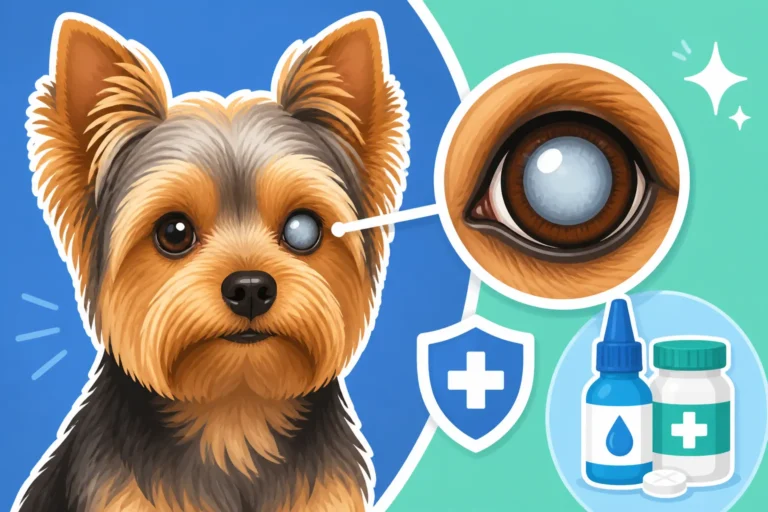
At its core, a cataract is an opacity or cloudiness that develops in the lens of the eye. Think of the lens as a clear window that focuses light onto the retina, allowing your Yorkie to see the world around them. When a cataract forms, the proteins within that lens start to clump together, turning this clear window opaque. It's like trying to look through a foggy or frosted glass pane; as the cataract grows, less and less light can pass through, leading to blurred vision, and eventually, blindness in severe cases.
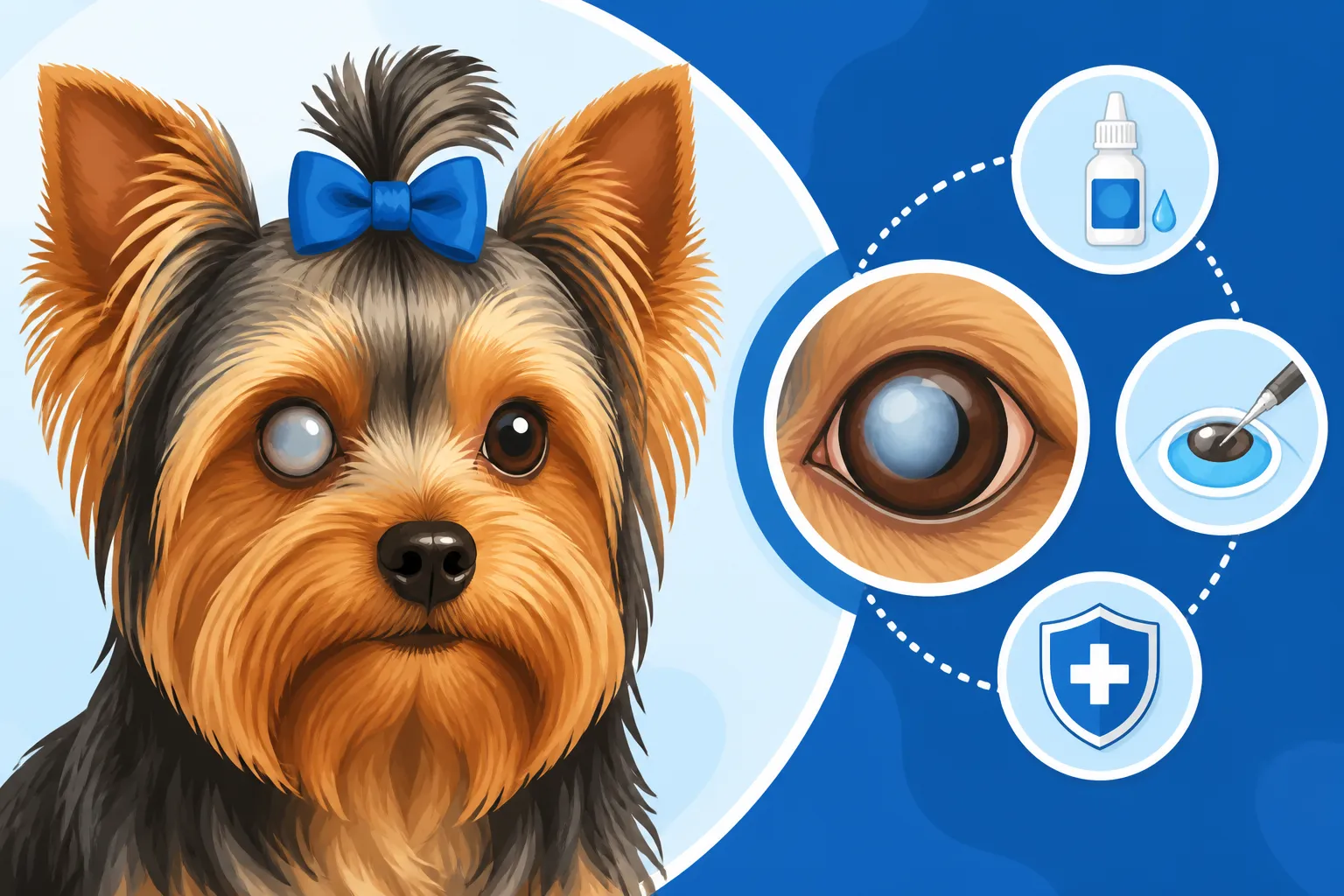
It's a gradual process, often starting as a small, almost imperceptible cloud, and then slowly progressing. Many Yorkie parents first notice it as a bluish-white haze in the center of their dog's pupil. This isn't just a superficial issue; it directly impacts their ability to perceive depth, track movement, and navigate their environment. While cataracts can occur in older dogs as part of the natural aging process, it's crucial to understand that for breeds like Yorkshire Terriers, they can also develop much earlier due to genetic predispositions or other underlying health conditions.
Identifying the Signs of Cataracts
Catching cataracts early is key to exploring the most effective treatment options and preserving your Yorkie's vision. Sometimes, the signs can be subtle, especially in the initial stages. The most obvious indicator is often a change in the appearance of your Yorkie's eye itself. You might start to notice a hazy, whitish, or bluish cloudiness in the center of their pupil. This cloudiness can become more pronounced over time, eventually appearing solid white or gray.
Beyond visual cues in the eye, pay close attention to changes in your Yorkie's behavior. They might start to hesitate when navigating stairs or jumping off furniture, especially in dim lighting, as their depth perception is compromised. Bumping into familiar objects, walls, or furniture, or being generally more clumsy, is another significant sign. You might also observe that they are more tentative when walking, sticking closer to you or known paths. Some Yorkies might become less playful, less eager to retrieve toys, or even show signs of anxiety in new environments because they can't see clearly. It's a good idea to monitor these changes and if you suspect anything is amiss, schedule a visit to your vet. Don't dismiss these behavioral shifts as merely "getting older"; they could be critical indicators of a treatable condition. For more information on potential health issues, consider reading about Yorkshire Terrier Health Problems to Know.
Causes and Risk Factors for Yorkie Cataracts
While age is a common factor for cataracts across many breeds, Yorkshire Terriers have specific risk factors that make them particularly susceptible. Genetics play a huge role. Yorkies are one of the breeds with a known predisposition to hereditary cataracts, meaning they can inherit the condition from their parents. These genetic cataracts can develop at various ages, from puppyhood (congenital cataracts) to early adulthood or later in life. If you're considering a Yorkie puppy, always ask the breeder about the ophthalmic health history of the parent dogs.
Another significant risk factor for cataracts in Yorkies, and indeed all dogs, is diabetes mellitus. Dogs with diabetes are highly prone to developing cataracts, often rapidly, as high blood sugar levels can damage the lens. If your Yorkie has been diagnosed with diabetes, regular eye checks are absolutely essential. Other, less common causes include trauma to the eye, inflammation (uveitis), nutritional deficiencies in puppies (though rare with modern dog foods), or exposure to certain toxins or radiation. Understanding these causes helps reinforce the importance of regular veterinary check-ups and a healthy lifestyle to mitigate risks where possible. It's also wise to be aware of Common Yorkshire Terrier Genetic Conditions.
Non-Surgical Treatment Approaches
When it comes to cataracts, the term "treatment" can be a bit misleading for non-surgical options. It's crucial for Yorkie owners to understand that currently, there is no proven non-surgical method that can completely dissolve or reverse existing cataracts in dogs. While this might sound discouraging, non-surgical approaches still play a vital role in managing the condition, slowing its progression, or addressing secondary complications.
Eye Drops and Medications
You might encounter various eye drops or oral medications marketed for cataracts. It's important to approach these with realistic expectations. Over-the-counter or prescribed eye drops containing antioxidants or anti-inflammatory agents do not "cure" cataracts or make them disappear. Their primary use is often to manage any secondary inflammation within the eye (a condition called uveitis) that can sometimes accompany cataracts. Uveitis can be painful and lead to further eye damage, so managing it is important.
For instance, drops like non-steroidal anti-inflammatory drugs (NSAIDs) or corticosteroids might be prescribed to reduce inflammation and discomfort. Antioxidant drops, while popular, have limited scientific evidence to support their ability to reverse or even significantly slow cataract progression once they are established. Some holistic veterinarians might recommend specific supplements or homeopathic remedies, but again, their effectiveness in dissolving cataracts remains unproven by scientific studies. Always consult with your veterinarian or a veterinary ophthalmologist before administering any eye drops or medications to ensure they are appropriate and won't cause harm. They can provide guidance on Yorkie Eye Problems Explained.
Dietary Adjustments and Supplements
The idea of using diet and supplements to combat cataracts is appealing, and while they can play a supportive role in overall eye health, they are not a standalone cure. A balanced, high-quality diet is always fundamental for your Yorkie's well-being, and this extends to their eyes. Some nutrients are known for their antioxidant properties, which are thought to help protect cells from damage, including those in the eyes.
Supplements that contain antioxidants like Vitamin C, Vitamin E, Lutein, Zeaxanthin, and Omega-3 fatty acids are often suggested for general eye health. These can theoretically help reduce oxidative stress, which is implicated in cataract formation. For example, foods rich in berries, leafy greens, and certain fish oils can provide these beneficial compounds. However, if a cataract is already formed, these supplements are highly unlikely to reverse the opacity. Their potential benefit lies more in potentially slowing the progression of very early cataracts or supporting overall ocular health. Before introducing any new supplements to your Yorkie's diet, always discuss it with your vet to ensure it's safe and appropriate for their specific needs, especially since Yorkies can be prone to sensitive stomachs.
Environmental Management for Visual Impairment
If your Yorkie's cataracts are advanced to a point where vision is significantly impaired, or if surgical intervention isn't an option, environmental management becomes incredibly important to maintain their quality of life. Dogs are remarkably adaptable, and with a little help, they can navigate their world with reduced sight. The key is consistency. Try to keep furniture and object placement in your home as consistent as possible to create a predictable environment. Moving things around frequently can cause confusion and anxiety for a visually impaired dog.
Utilize consistent verbal cues and sounds to guide your Yorkie. For example, a cheerful "step up!" before a curb or a specific whistle to call them. You can also use different textures of rugs or mats to mark important areas, like the approach to their food bowl or the door to the outside. Good lighting can also help, as some dogs with cataracts may still have some light perception. Keep pathways clear and consider gating off stairs or other hazardous areas. Remember, your patience and understanding are their greatest assets. A visually impaired Yorkie still deserves a full and joyful life, and adapting their environment can make a world of difference. For senior Yorkies, these adaptations are particularly important, so learning How to Care for a Senior Yorkie can be very helpful.
Surgical Intervention for Yorkie Cataracts
When cataracts significantly impair a Yorkie's vision and impact their quality of life, surgical removal is typically the most effective and often the only way to restore sight. This is a specialized procedure performed by a veterinary ophthalmologist.
Phacoemulsification Surgery Explained
The gold standard for cataract removal in dogs is a procedure called phacoemulsification, often simply referred to as "phaco surgery." This technique is very similar to how cataracts are removed in humans. During the procedure, your Yorkie will be under general anesthesia. A tiny incision is made in the cornea, and a small ultrasonic probe is inserted into the eye. This probe emits high-frequency sound waves that gently break up the cataract into tiny fragments. These fragments are then carefully suctioned out of the eye.
Once the cataract material is removed, an artificial intraocular lens (IOL) is usually implanted. This new lens replaces the natural lens, restoring the eye's ability to focus light onto the retina, much like replacing a camera lens. The incision is so small that it often self-seals or requires just one or two fine sutures. Phacoemulsification has a very high success rate in restoring functional vision when the retina and optic nerve are healthy. The surgery is precise, and the goal is not just to remove the cloudy lens but to give your Yorkie clear vision back.
Pre-Operative Assessment: Ensuring Success
Before any cataract surgery, a thorough pre-operative assessment is absolutely crucial. This isn't just about ensuring your Yorkie is healthy enough for anesthesia, but also about determining if the surgery will actually be beneficial for their vision. The veterinary ophthalmologist will perform a comprehensive eye exam, which often includes several specialized tests.
One critical test is an electroretinogram (ERG), which measures the electrical activity of the retina. This helps determine if the retina, the light-sensing tissue at the back of the eye, is healthy and functional. If the retina is severely damaged (e.g., from retinal detachment or advanced retinal atrophy), even a successful cataract removal won't restore vision. Another important test is an ocular ultrasound, which allows the ophthalmologist to visualize the structures behind the cataract, ensuring there are no other hidden problems like tumors or retinal detachments that would compromise the surgical outcome. Blood tests will also be performed to assess overall health and organ function. Only after these assessments confirm a good prognosis for vision restoration will surgery be recommended. It's a significant decision, and your vet will help you understand When to Take Your Yorkie to the Vet.
Post-Operative Care and Recovery
The surgery is only half the battle; meticulous post-operative care is just as critical for a successful outcome. Your Yorkie will likely go home with an Elizabethan collar (the "cone of shame") to prevent them from rubbing or scratching their eyes, which could cause serious complications. You'll also have a strict schedule of multiple eye drops and possibly oral medications (antibiotics, anti-inflammatories) to administer for several weeks, if not months. This can be challenging for both you and your Yorkie, but consistency is key to preventing infection and controlling inflammation.
Activity will be restricted for a period. No strenuous play, jumping, or roughhousing. Short, gentle leash walks are usually okay, but your Yorkie needs quiet rest to heal. Regular follow-up appointments with the veterinary ophthalmologist are essential to monitor healing, adjust medications, and check for any complications. While complications are relatively rare, they can include glaucoma (increased eye pressure), retinal detachment, or infection. Early detection of these issues is vital for successful management. The recovery period requires dedication and patience, but for many Yorkies, the return of their sight makes it all worthwhile.
Financial Considerations and Support
The idea of cataract surgery for your Yorkie can feel overwhelming, not just emotionally, but financially too. It's no secret that specialized veterinary care can be costly, and being prepared for these expenses can alleviate some stress during an already difficult time.
Cost of Cataract Surgery
The cost of canine cataract surgery, particularly phacoemulsification, can be a significant investment. Prices can vary widely based on your geographic location, the veterinary ophthalmologist's fees, the severity of the cataracts, and whether one or both eyes need surgery. Typically, you can expect the cost for unilateral (one eye) cataract surgery to range from $2,500 to $4,000, and for bilateral (both eyes) surgery, it often falls between $4,000 and $7,000, or even higher in some urban areas or complex cases.
This estimate usually includes the pre-operative workup (like the ERG and ultrasound), the surgery itself, the anesthesia, the intraocular lens, and initial post-operative medications and follow-up visits. However, it's always wise to get a detailed estimate from your chosen veterinary ophthalmologist, as some clinics might have different packages or charge for certain components separately. Don't let the numbers scare you away immediately; understanding the full scope helps you plan. To better grasp overall pet ownership expenses, you might want to look into Yorkshire Terrier Vet Costs and Health Budget.
Pet Insurance and Financial Aid Options
Facing a large veterinary bill for cataract surgery can be daunting, but there are resources available to help. This is where pet insurance can truly be a lifesaver. Many pet insurance plans, including those offered by providers like Healthy Paws, cover a significant portion of the costs for accidental injuries and illnesses, which typically includes cataract surgery. If you've had a policy in place before your Yorkie developed cataracts, your coverage could dramatically reduce your out-of-pocket expenses. It’s always best to review your specific policy details or contact your provider like Healthy Paws directly to understand what is covered, waiting periods, and deductibles.
For those without pet insurance, or if your policy doesn't cover the full amount, several financial aid options exist. Many veterinary offices offer payment plans, or you can explore third-party financing options like CareCredit, which provides credit cards specifically for health and wellness expenses with deferred interest options. There are also non-profit organizations and foundations that offer financial assistance for pet owners in need of costly veterinary treatments. A quick search for "veterinary financial aid" or "pet assistance programs" in your area can yield several possibilities. Remember, you're not alone in this, and help is often available. Consider exploring Pet Insurance for Yorkshire Terriers for future peace of mind.
Here's a quick comparison of treatment approaches for Yorkshire Terrier cataracts:
| Feature | Non-Surgical Treatment | Surgical Treatment (Phacoemulsification) |
|---|---|---|
| Primary Goal | Manage symptoms, slow progression, prevent secondary issues. | Restore functional vision. |
| Effectiveness on Cataract | Does not dissolve or remove existing cataracts. | Removes cataracts; high success rate for vision restoration. |
| Typical Cost | Lower (eye drops, supplements: $50-$200/month). | High (typically $2,500-$7,000 per eye/bilateral). |
| Invasiveness | Non-invasive. | Highly invasive (requires general anesthesia and eye incision). |
| Recovery Period | No specific recovery; ongoing management. | Intensive 4-8 week post-op care (meds, cone, activity restriction). |
| Risk Factors | Minimal risks from drops, no surgery risks. | Risks include anesthesia, infection, glaucoma, retinal detachment. |
| Best For | Early cataracts (to potentially slow), managing secondary inflammation, when surgery isn't an option. | When cataracts significantly impair vision and retina is healthy. |
Making the Decision: Quality of Life
Deciding on the best course of action for your Yorkie's cataracts is a deeply personal choice. It’s a balance between your pet’s quality of life, their overall health, your financial capabilities, and the advice of your veterinary ophthalmologist. If your Yorkie is suffering from significant vision loss that's impacting their ability to eat, play, or navigate their surroundings, and they are otherwise healthy, surgery often provides a dramatic improvement. Seeing a dog regain their sight and their zest for life after surgery is incredibly rewarding for both pet and owner.
However, surgery isn't always the right path. For very elderly Yorkies with multiple other health issues, or those with underlying conditions that make anesthesia risky, the stress of surgery and intensive post-operative care might outweigh the benefits. In such cases, focusing on environmental management and supportive care to enhance their comfort becomes paramount. Discuss openly with your vet the pros and cons, potential outcomes, and what vision level is truly achievable. Ultimately, the goal is to ensure your beloved Yorkie has the happiest, most comfortable life possible, whether that's with restored vision or with your loving support to navigate their world without it. Keeping them How to Keep a Yorkshire Terrier Healthy will always be a top priority.
Disclaimer
This article provides general information and is not a substitute for professional veterinary advice. Always consult with a qualified veterinarian or veterinary ophthalmologist for any health concerns or before making any decisions about your Yorkshire Terrier's medical care.