Yorkshire Terrier Progressive Retinal Atrophy: Treatment Options
It can be heartbreaking to notice subtle changes in your beloved Yorkshire Terrier's eyes, especially when those changes hint at something more serious than just a little irritation. Many Yorkie parents become frustrated and worried as their furry companions start bumping into furniture or becoming hesitant in dimly lit rooms, fearing the worst. This guide will walk you through understanding Progressive Retinal Atrophy (PRA) in Yorkshire Terriers and, most importantly, explore the available treatment and management options to help your Yorkie live its best life possible, even with declining vision.
Understanding Progressive Retinal Atrophy in Yorkshire Terriers
Progressive Retinal Atrophy, often simply called PRA, is a term that strikes fear into the hearts of many dog owners. It's a progressive, inherited disease that ultimately leads to blindness. For Yorkie parents, recognizing the signs and understanding the progression of this condition is the first crucial step in providing the best possible care for their furry family member.
What is PRA and How Does It Affect Yorkies?
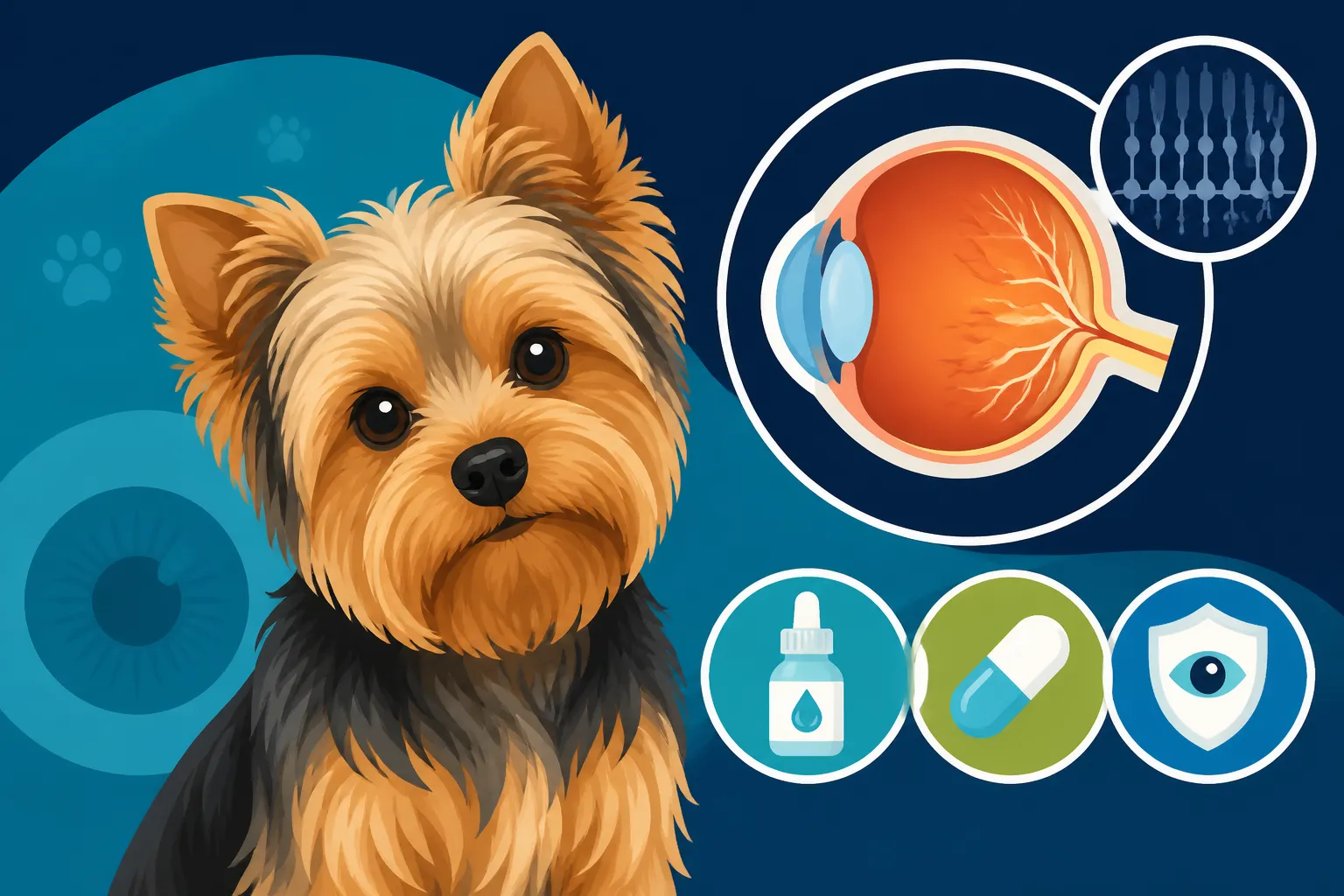
At its core, PRA is a group of genetic diseases that cause the degeneration of the photoreceptor cells (rods and cones) in your Yorkie's retina. Think of the retina as the "film" in a camera, responsible for capturing light and sending images to the brain. Rods handle vision in low light and detect motion, while cones are responsible for daytime vision and color perception. In Yorkies, like many other breeds, PRA is typically a recessive inherited condition, meaning a puppy must inherit a copy of the defective gene from both parents to be affected. If they only get one copy, they might be a carrier but won't develop the disease themselves.
Initially, the rods are usually affected, leading to "night blindness." This means your Yorkie might struggle to navigate familiar spaces in the dark, bump into things during evening walks, or become unusually hesitant to go outside when the sun goes down. As the disease progresses, the cones also begin to degenerate, leading to complete blindness, usually over several months to a few years. It's a slow, insidious process, and watching your vibrant, curious Yorkie lose its sight can be incredibly difficult. This is one of the more devastating Common Yorkshire Terrier Genetic Conditions that owners need to be aware of.
Early Signs and Diagnosis of PRA
Catching PRA early can make a significant difference in how you prepare and manage your Yorkie's care, even though the disease itself isn't curable. The initial signs can be subtle, easily mistaken for general clumsiness or aging. One of the earliest indicators is indeed that night blindness we just talked about. Your Yorkie might seem disoriented in low light, refuse to go into dark rooms, or suddenly become very clingy at dusk. You might also notice their pupils appearing more dilated than usual, even in normal light, as their eyes try to gather as much light as possible to compensate for the degenerating rods.
As the disease progresses, you may observe your Yorkie's eyes developing a cloudy or reflective appearance, often described as "tapetal hyperreflectivity." This is due to the thinning of the retina, allowing more light to reflect off the tapetum lucidum behind it. In later stages, cataracts can also form as a secondary complication, making the lens appear opaque and further obscuring vision. If you start noticing these Yorkie Eye Problems Explained, it’s crucial to seek veterinary attention promptly.
Diagnosing PRA typically involves a thorough ophthalmic examination by a veterinary ophthalmologist. They'll use specialized equipment to look deep into your Yorkie's eyes to assess the health of the retina. An electroretinogram (ERG) is the most definitive diagnostic tool; it measures the electrical activity of the retinal cells in response to light, much like an EKG measures heart activity. A diminished or absent ERG response confirms PRA. Additionally, genetic testing is available for certain forms of PRA in specific breeds, and for Yorkies, this can confirm whether they carry the gene for the condition. This is especially important for breeders to help prevent passing the disease on.
Navigating the Emotional Impact and Accepting the Diagnosis
Receiving a diagnosis of Progressive Retinal Atrophy for your beloved Yorkshire Terrier can feel like a punch to the gut. It's perfectly normal to experience a whirlwind of emotions – sadness, anger, confusion, and a deep sense of worry for your pet's future. This journey isn't just about managing a physical condition; it's also about navigating the emotional landscape for both you and your Yorkie.
Coming to Terms with a Progressive Condition
The reality that PRA is a progressive disease with no known cure can be a tough pill to swallow. You might find yourself grappling with guilt, wondering if you missed earlier signs or if there was something you could have done differently. Please understand, this is a genetic condition, and it's absolutely not your fault. The most important thing now is to accept the diagnosis and focus your energy on providing the best possible quality of life for your Yorkie as their vision declines. It’s a process of grieving the loss of their full sight while celebrating the incredible dog they still are.
Talk to your vet, reach out to support groups online or in person, and allow yourself to feel these emotions. Your Yorkie will pick up on your stress, so finding ways to manage your own feelings will ultimately benefit them. Remember, your Yorkie still has you, their loving family, and their other senses are still intact. They rely on you for comfort, reassurance, and guidance during this challenging time. Focusing on their remaining senses and creating a secure, predictable environment will be paramount in helping them adapt. Many aspects of Yorkshire Terrier Senior Care Guide can be applied here, even if your Yorkie isn't technically a senior yet, as the care focuses on comfort and safety.
Creating a Safe and Predictable Environment
As your Yorkie's vision deteriorates, their home environment becomes their sanctuary. Maintaining consistency and creating a safe space are critical for their confidence and well-being. Avoid rearranging furniture or changing the layout of your home drastically once your Yorkie begins to lose its sight. Every change introduces new obstacles and anxiety for a dog that relies on memory and scent cues to navigate.
Consider setting up soft barriers around sharp corners or areas that could be dangerous. Use baby gates to block off stairs or rooms that aren't dog-proofed. Lay down textured rugs or mats to help them feel different areas, like indicating they are approaching a doorway or a food bowl. Non-slip runners can be a lifesaver on slick floors. Scent markers can also be incredibly helpful – a dab of essential oil (diluted and dog-safe, like lavender or chamomile) on a doorway or bed can act as a guidepost. Think about putting bells on other pets in the house so your Yorkie can hear them coming. These small adjustments can dramatically reduce stress and prevent accidents, allowing your Yorkie to move about their familiar territory with greater confidence.
Current Treatment and Management Options for Yorkie PRA
It's a hard truth, but currently, there is no direct cure for Progressive Retinal Atrophy in Yorkshire Terriers. This can be incredibly frustrating for devoted owners who simply want to fix what's wrong with their beloved pet. However, "no cure" doesn't mean "no hope" or "no treatment." Instead, the focus shifts entirely to supportive care, symptom management, and enriching your Yorkie's life despite their vision loss.
The Reality of No Cure and the Focus on Supportive Care
When a veterinarian delivers the news that PRA is incurable, it's natural to feel devastated. You might immediately think of all the adventures and joys your Yorkie will miss out on. However, it's vital to shift that perspective. While the scientific community hasn't yet found a way to halt or reverse the degeneration of retinal cells, there is so much you can do to enhance your Yorkie's quality of life. The emphasis moves from "treating the disease" to "treating the dog" and making sure their remaining years are filled with comfort, security, and happiness. This often involves a multi-faceted approach, combining environmental adaptations, nutritional support, and emotional reassurance.
Your veterinary ophthalmologist will be your best ally in understanding the progression and offering tailored advice. They can help you prepare for what's ahead and guide you on how to best support your Yorkie through each stage of vision loss. Remember, blindness doesn't equate to a poor quality of life for a dog, especially when they have a loving and adaptable owner by their side. Their other senses, particularly smell and hearing, are incredibly keen and will naturally heighten to compensate for lost sight.
Supplementation and Nutritional Support
While no supplement can cure PRA, some might help slow its progression or support overall eye health, especially when started early. These are not magic bullets, but rather supportive measures that, in conjunction with veterinary advice, could potentially offer some benefit. Always consult with your vet before introducing any new supplements to your Yorkie's diet, as dosages and interactions are important considerations.
- Antioxidants: Vitamins C and E, Lutein, Zeaxanthin, and Beta-carotene are powerful antioxidants. They help neutralize free radicals, which are unstable molecules that can damage cells, including those in the retina. Some studies suggest that a diet rich in antioxidants might play a role in slowing down cell damage. Think of it as giving the existing cells the best chance to stay healthy for as long as possible.
- Omega-3 Fatty Acids: Specifically EPA and DHA, found in fish oil, are known for their anti-inflammatory properties and their role in brain and eye health. While they won't reverse PRA, they support the overall health of the nervous system and could potentially help maintain the integrity of remaining eye tissues.
- Taurine: This amino acid is crucial for retinal function in some species. While not directly linked to PRA prevention in Yorkies, ensuring adequate levels through a balanced diet is always a good practice for overall health.
Reputable dog food brands often include these ingredients in their formulas. For instance, Royal Canin, known for its breed-specific formulas, has diets tailored for small breeds that include beneficial antioxidants. Discussing a specialized eye health diet with your vet can be beneficial.
Environmental Adjustments and Daily Routine Modifications
Adapting your home and routine is perhaps the most impactful "treatment" you can provide. Your Yorkie's world will shrink if not managed thoughtfully.
- Consistency is Key: Keep furniture in the same place. If you must move something, guide your Yorkie around the new arrangement several times until they are familiar with it.
- Sound and Scent Cues: Use verbal cues consistently for everything: "step up," "watch out," "this way." Scent diffusers or even dabs of pet-safe essential oils can mark doorways, stairs, or their bed.
- Safe Zones: Create a "safe zone" or "den" for your Yorkie where they can always feel secure and know their surroundings perfectly. This could be their crate or a specific corner with their bed and toys.
- Bell on Other Pets: If you have other pets, consider putting a small bell on their collars so your visually impaired Yorkie can hear them approaching, avoiding startling encounters.
- Texture Paths: Lay down different textured rugs to create paths to important areas like their food bowl, water, or the door to the yard.
- Secure Outdoor Area: Ensure your yard is fully fenced and free of hazards. Always supervise your Yorkie outside, even in familiar spaces. A long lead can give them a sense of freedom while keeping them safe.
- Enrichment: Don't stop playing! Squeaky toys, scented toys, and puzzle toys that dispense treats are wonderful for engaging their other senses. Interactive games that involve scent work can be incredibly stimulating.
- Patience and Understanding: This is a big adjustment for your Yorkie. There will be good days and bad days. Your patience, calm demeanor, and reassuring voice are the most powerful tools you have. Remember that maintaining their routine and ensuring they feel loved and secure can greatly improve their overall quality of life.
Exploring Emerging Therapies and Research
While we just discussed the current reality of no cure, it's important to acknowledge that the field of veterinary medicine is constantly advancing. There's ongoing research into various ophthalmic conditions, and some of this research may eventually offer hope for dogs with PRA.
Scientists are exploring cutting-edge therapies like gene therapy and stem cell therapy. Gene therapy aims to introduce healthy copies of genes into the retinal cells to replace or correct the faulty ones responsible for PRA. This approach is highly complex and still largely experimental, with clinical trials in the early stages for certain forms of PRA in specific breeds. Stem cell therapy involves injecting stem cells into the eye, hoping they might differentiate into new, healthy photoreceptor cells or protect existing ones from further degeneration. Again, these are not mainstream treatments yet and come with significant research, ethical, and cost considerations.
It's natural to cling to any glimmer of hope, but it's crucial to have realistic expectations. These therapies are often years, if not decades, away from becoming widely available and proven safe and effective for all dogs with PRA. However, staying informed about research breakthroughs can be empowering. Your veterinary ophthalmologist is the best resource for updates on any legitimate clinical trials or advancements that might become relevant for your Yorkie in the future.
Living a Full Life with a Visually Impaired Yorkie
A diagnosis of PRA doesn't mean your Yorkie's life is over. Far from it! While their world may become darker, their capacity for joy, love, and companionship remains undimmed. With your thoughtful support and adaptation, they can continue to live a fulfilling and happy life.
Maintaining Quality of Life and Mental Stimulation
The key to a happy visually impaired Yorkie is engaging their other senses and ensuring they feel mentally stimulated and loved. They might not be able to chase a ball across a field, but they can still "hunt" for treats using their powerful nose.
- Scent Games: Hide-and-seek with treats is a fantastic game. Start easy by hiding a high-value treat just a foot or two away, then gradually increase the distance and difficulty. Snuffle mats are also excellent for nose work, keeping them engaged as they search for kibble or treats.
- Sound Toys: Toys that squeak, crinkle, or have bells inside can still be exciting. Roll them across the floor and let your Yorkie track them by sound.
- Interactive Toys: Puzzle toys that require them to manipulate parts to get a reward are wonderful for mental exercise. Kongs filled with peanut butter or frozen treats can keep them occupied and content for extended periods.
- Consistent Routines: Predictability reduces anxiety. Stick to a regular feeding, potty, and playtime schedule.
- "Talking" to Your Yorkie: Narrate your actions. "Mommy is going to the kitchen now," or "Let's go for a walk outside." This helps them anticipate changes and feel more connected.
- Gentle Touch and Massage: Physical touch is more important than ever. Gentle petting, brushing, and even massages can be incredibly comforting and a great way to bond. This also lets you check for any lumps, bumps, or tender spots that might otherwise go unnoticed.
Regular Veterinary Check-ups and Monitoring
Even without a cure, regular vet visits are incredibly important for a Yorkie with PRA. These appointments aren't just about their eyes; they're about monitoring their overall health and ensuring they're adapting well.
Your vet will want to check for secondary complications, such as cataracts or glaucoma, which can sometimes develop in dogs with PRA and cause pain or further discomfort. They can also assess your Yorkie's general well-being, weight, and any signs of stress or anxiety related to their vision loss. These visits are also a perfect opportunity for you to discuss any new challenges you're facing or get advice on further adaptations. Remember, managing Yorkshire Terrier Health Problems to Know often requires ongoing communication with your veterinary team. Getting a good grasp on your Yorkshire Terrier Vet Costs and Health Budget early on will help you manage these long-term care needs.
The Role of Pet Insurance in Managing Long-Term Care
Dealing with any chronic condition can put a strain on your finances, and PRA is no exception, especially with regular specialist visits, potential medications for secondary issues, and the cost of diagnostic tests like ERG. This is where pet insurance can truly be a lifesaver.
Having a robust pet insurance plan in place before a diagnosis like PRA can significantly ease the financial burden. Plans from companies like Healthy Paws often cover a wide range of veterinary expenses, including specialist consultations, diagnostic tests, and accident and illness treatments. While a pre-existing condition like PRA generally wouldn't be covered if diagnosed before enrollment or after a waiting period, having insurance can help with all other health issues that might arise, ensuring you don't have to choose between your Yorkie's vision care and other necessary medical treatments.
For example, if your Yorkie with PRA later develops a urinary tract infection or a case of pancreatitis, Healthy Paws could help cover those unexpected costs, allowing you to focus on their overall health without worrying about the bill. It's always a good idea to look into Pet Insurance for Yorkshire Terriers early in your Yorkie's life, ideally before any conditions develop, to ensure the broadest coverage.
Preventing PRA and Responsible Breeding Practices
While dealing with PRA in an affected Yorkie means focusing on compassionate care, it's equally important to address the root cause for the breed as a whole: genetics. Preventing the transmission of PRA through responsible breeding practices is the ultimate long-term solution.
Genetic Testing for Breeding Yorkies
Because Progressive Retinal Atrophy is a genetic condition, the most effective way to prevent future generations of Yorkies from suffering is through genetic testing of breeding stock. Reputable breeders are committed to improving the health of the breed, and this includes screening their dogs for known genetic diseases.
There are specific DNA tests available that can identify whether a Yorkshire Terrier is clear of the PRA gene, a carrier (meaning they have one copy of the gene but won't develop the disease), or affected (meaning they have two copies and will likely develop PRA). Breeders should only breed dogs that are genetically clear or, at the very least, breed a carrier only with a clear dog to ensure no affected puppies are produced. Breeding two carriers together, or an affected dog, significantly increases the risk of producing puppies with PRA. This diligent testing and selective breeding are crucial steps in reducing the prevalence of this heartbreaking condition in the Yorkshire Terrier population.
Choosing a Reputable Breeder
For anyone looking to bring a Yorkshire Terrier into their family, choosing a reputable breeder is paramount. An ethical breeder does more than just sell puppies; they are dedicated to the health, temperament, and welfare of their dogs. When you're searching for a Yorkie puppy, especially if you're concerned about genetic conditions like PRA, here are some things to look for and questions to ask:
- Health Clearances: Ask to see proof of health clearances for the puppy's parents, including genetic testing for PRA. A reputable breeder will be transparent and proud to show you these documents. They often use genetic testing services like OptiGen or OFA (Orthopedic Foundation for Animals) for eye certifications.
- Openness and Questions: A good breeder will ask you a lot of questions to ensure their puppy is going to a good home. They will also be happy to answer all of yours, from details about the puppy's parents to their socialization practices.
- Visitation: Whenever possible, visit the breeder's facility. Observe the living conditions of the puppies and their parents. Are they clean, well-socialized, and healthy-looking?
- No Red Flags: Be wary of breeders who sell multiple breeds, don't allow you to see the parents, offer puppies too young, or don't provide health guarantees. These can be signs of a backyard breeder or puppy mill, which are notorious for neglecting health screening.
Making an informed choice and selecting a puppy from a breeder who actively tests for and works to prevent genetic diseases like PRA is one of the most powerful ways you can contribute to the long-term health and well-being of the Yorkshire Terrier breed. Knowing How to Find a Reputable Yorkie Breeder is invaluable in this process.
Disclaimer
This article is intended for informational purposes only and does not constitute medical advice. Always consult with a qualified veterinarian or veterinary ophthalmologist for any health concerns or before making any decisions about your Yorkshire Terrier's care, diet, or treatment plan.