Yorkshire Terrier Hip Dysplasia: Treatment Options
It’s absolutely heartbreaking to see your beloved Yorkshire Terrier struggle with pain, especially when it’s something as debilitating as hip dysplasia. The worry can be all-consuming, watching them limp, hesitate, or just not be their usual bouncy selves. You might feel overwhelmed by the diagnosis, wondering if your little companion will ever feel comfortable again, or what the road ahead looks like. This comprehensive guide is here to walk you through the various treatment options available for Yorkshire Terrier hip dysplasia, offering clarity and practical advice to help you make informed decisions for your furry family member.
Understanding Hip Dysplasia in Yorkshire Terriers
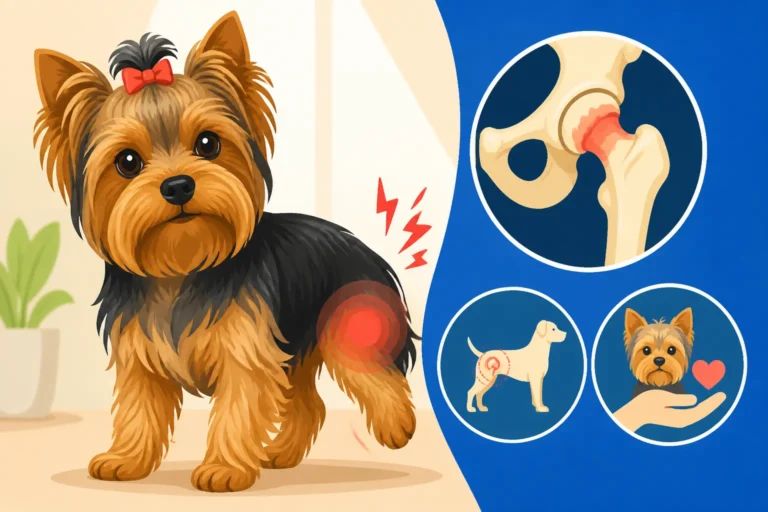
Hip dysplasia, while often associated with larger breeds, can absolutely affect smaller dogs like our precious Yorkies. It’s a genetic condition where the ball and socket joint of the hip doesn't form properly, leading to a loose, unstable joint. Over time, this abnormal development causes friction and grinding, which results in pain, inflammation, and degenerative joint disease (osteoarthritis). Seeing your tiny Yorkie in such discomfort can be incredibly distressing, and it’s important to understand that while it’s not always as severe as in, say, a German Shepherd, it still significantly impacts their quality of life. Early detection and intervention are key to managing this condition effectively and ensuring your Yorkie can enjoy a happy, active life.
How Hip Dysplasia Manifests in Small Breeds
In larger breeds, hip dysplasia often presents with a noticeable "bunny hop" gait or severe lameness. For a smaller dog like a Yorkshire Terrier, the signs might be more subtle, making it easy to miss in the early stages. You might notice a reluctance to jump onto furniture they once easily scaled, a decrease in playful activity, or perhaps a slight limp after exercise. Some Yorkies might even become irritable or vocalize when their hips are touched or when they try to get up after resting. It's not uncommon for owners to first attribute these signs to just "getting old" or a minor sprain, which is why a thorough veterinary examination, including X-rays, is crucial for an accurate diagnosis. Understanding the nuances of how this condition appears in tiny dogs is the first step toward effective treatment.
Diagnosing Hip Dysplasia in Your Yorkie
The diagnostic process for hip dysplasia typically involves a combination of a physical examination and imaging, most commonly X-rays. During the physical exam, your veterinarian will manipulate your Yorkie’s hips to check for looseness in the joint, pain, and a decreased range of motion. They’ll also observe your dog’s gait. To confirm the diagnosis and assess the severity, X-rays are usually taken. Your Yorkie will likely need to be sedated for these X-rays to ensure proper positioning, which is critical for clear, accurate images of the hip joints. This allows the vet to visualize the bone structure, the fit of the femoral head in the acetabulum (hip socket), and any signs of degenerative changes. Sometimes, specific techniques like PennHIP evaluations can provide a more precise measurement of hip laxity, even in younger dogs. Don't hesitate to ask your vet about the different diagnostic methods and what they recommend for your particular situation.
Non-Surgical Treatment Options for Hip Dysplasia
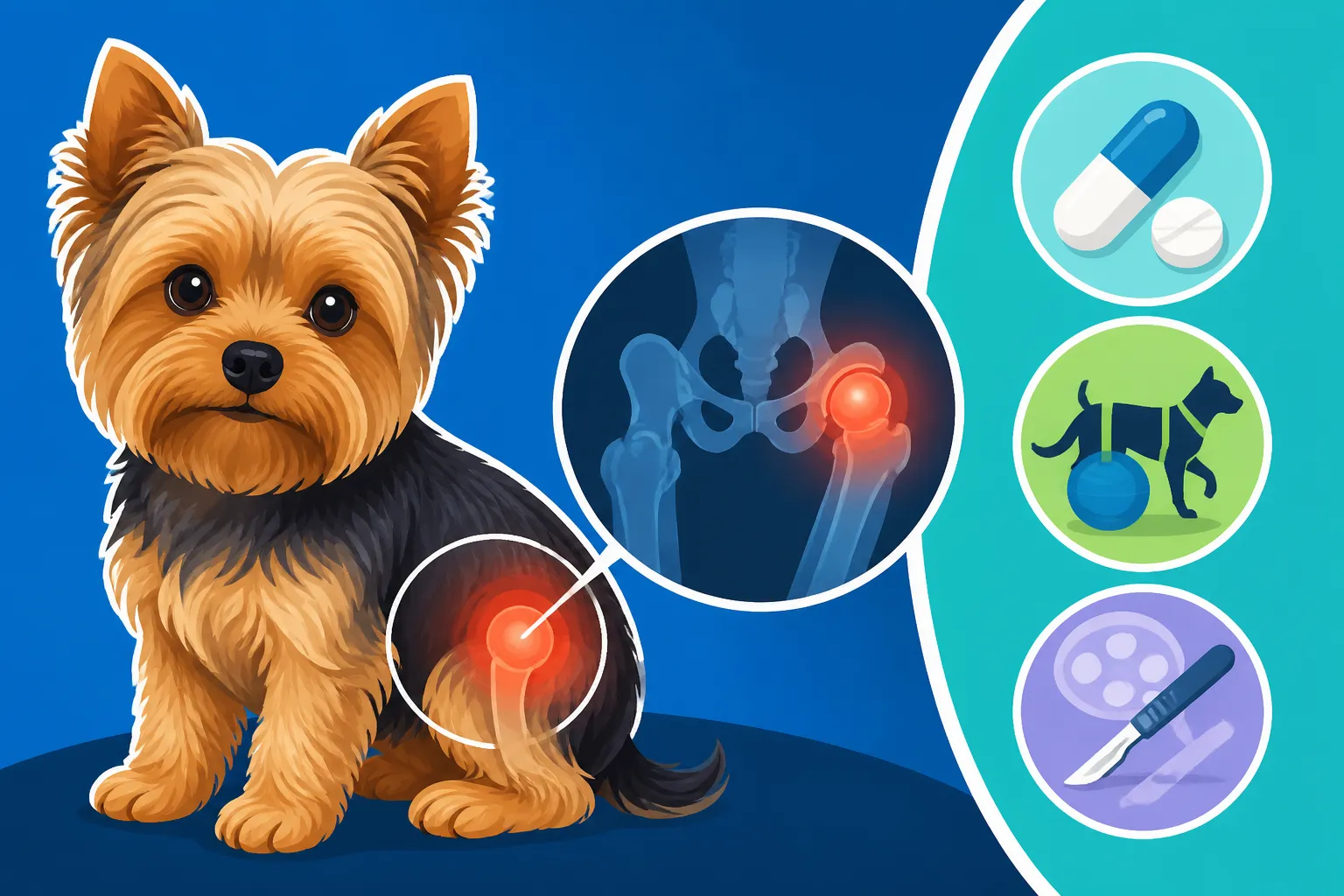
When a Yorkie is diagnosed with hip dysplasia, the immediate thought often jumps to surgery, but many cases can be managed effectively with a combination of non-surgical, or conservative, treatments. These approaches focus on pain relief, reducing inflammation, and supporting joint health, ultimately aiming to improve your dog's comfort and mobility without invasive procedures. For many owners, especially when the condition isn’t severe or if surgery isn’t a viable option, a conservative management plan is the first and best course of action. It often requires a dedicated, consistent effort, but the payoff in your Yorkie's quality of life can be immense.
Pain Management and Anti-Inflammatory Medications
One of the cornerstones of non-surgical treatment is managing the pain and inflammation associated with hip dysplasia. Your veterinarian will likely prescribe non-steroidal anti-inflammatory drugs (NSAIDs) such as carprofen (Rimadyl), meloxicam (Metacam), or firocoxib (Previcox). These medications help reduce swelling and pain, allowing your Yorkie to move more comfortably. It’s crucial to administer these exactly as prescribed and to monitor for any side effects, as long-term use can sometimes affect the liver or kidneys. Your vet might also suggest other pain relievers, like gabapentin, which can be particularly effective for neuropathic pain, or amantadine, which helps with chronic pain.
Beyond daily medications, some vets might recommend periodic injections of corticosteroids into the joint to reduce inflammation, though this is typically a short-term solution due to potential side effects with repeated use. Another increasingly popular option is Librela (bedinvetmab), a monoclonal antibody injection that targets nerve growth factor, a key mediator of pain in osteoarthritis. This can be administered monthly and offers a novel way to manage chronic pain. Always discuss all medication options and their potential risks and benefits thoroughly with your veterinarian.
Joint Supplements and Nutritional Support
Supporting joint health from the inside out is a vital part of conservative management. Joint supplements often contain ingredients like glucosamine, chondroitin sulfate, and MSM, which are believed to help repair cartilage and reduce inflammation. While not a cure, consistent use can often slow the progression of arthritis and improve joint function. Omega-3 fatty acids, found in fish oil, are also excellent natural anti-inflammatories and can contribute to overall joint health and a healthy coat. Many reputable brands offer specific formulations for small dogs, so talk to your vet about the best options.
Beyond supplements, maintaining an ideal body weight is paramount. Excess weight puts additional strain on already compromised hip joints, exacerbating pain and accelerating degenerative changes. Your vet can help you determine the ideal weight for your individual Yorkie and recommend a suitable diet plan, perhaps a prescription weight management food or a controlled portion of their regular high-quality kibble. A balanced diet rich in essential nutrients can also bolster overall health, which is critical for any dog managing a chronic condition. For a deeper dive into diet, you might find our guide on Best Food for Yorkie Weight Loss helpful.
Physical Therapy and Rehabilitation
Just like in humans, physical therapy can work wonders for dogs with hip dysplasia. A certified canine rehabilitation therapist can develop a tailored program for your Yorkie, focusing on strengthening the muscles around the hip joint to provide better support and stability. This often includes a combination of exercises like controlled walks, swimming or hydrotherapy (walking on an underwater treadmill), therapeutic massage, and passive range of motion exercises. Hydrotherapy is particularly beneficial because the buoyancy of the water reduces weight-bearing stress on the joints while still allowing for effective muscle strengthening.
Beyond structured therapy sessions, there are things you can do at home to help. Gentle stretching and massage can be incorporated into your daily routine, always making sure your Yorkie is comfortable and never pushing them into painful positions. Regular, low-impact exercise, such as short, leashed walks, is important to maintain muscle mass and joint flexibility. However, avoiding high-impact activities like jumping or prolonged running is crucial. It’s a delicate balance, and your therapist will guide you on the appropriate level of activity.
Environmental Modifications and Lifestyle Adjustments
Making changes to your home environment can significantly improve your Yorkie's comfort and safety. Non-slip rugs or carpets on hard floors can prevent slips and falls that might aggravate their hips. Ramps or pet stairs can help your Yorkie access furniture or beds without needing to jump, reducing stress on their joints. A supportive, orthopedic dog bed can provide much-needed comfort for resting joints.
Consider also how your Yorkie interacts with other pets or children. While Yorkies are often good family dogs, interactions might need to be supervised to prevent rough play that could lead to injury. Limiting stairs or assisting your Yorkie up and down them can also make a big difference. These small, thoughtful adjustments can dramatically improve your Yorkie’s daily life and reduce the chances of painful incidents, especially as they age. For more advice on how to care for older dogs, check out our guide on Yorkshire Terrier Senior Care Guide.
| Treatment Type | Description | Key Benefits | Considerations |
|---|---|---|---|
| NSAIDs | Oral medication to reduce pain and inflammation. | Quick pain relief, improved mobility. | Potential side effects (GI upset, kidney/liver issues), requires vet monitoring. |
| Joint Supplements | Oral supplements (glucosamine, chondroitin, Omega-3s). | Supports cartilage health, reduces inflammation over time. | Not a quick fix, effectiveness can vary, long-term commitment. |
| Physical Therapy | Hydrotherapy, therapeutic exercises, massage. | Strengthens muscles, improves range of motion, reduces pain. | Requires commitment to sessions, can be costly, needs certified therapist. |
| Weight Management | Controlled diet, appropriate exercise. | Reduces stress on joints, slows arthritis progression. | Requires consistent effort, diet changes might be challenging for picky eaters. |
| Environmental Mods | Ramps, orthopedic beds, non-slip surfaces. | Prevents injury, improves comfort and accessibility. | May require household adjustments, initial investment in products. |
| Injections (Librela) | Monthly injectable pain relief. | Targeted pain reduction, convenient, good for long-term. | Newer treatment, cost, requires vet visits for administration. |
Surgical Treatment Options for Hip Dysplasia
When conservative measures aren’t enough to manage a Yorkie’s hip dysplasia, or if the condition is particularly severe, surgical intervention may be the best path forward. This can sound daunting, especially for such a small dog, but advancements in veterinary surgery offer several options that can significantly alleviate pain and improve mobility. The decision to pursue surgery is a major one and should be made in close consultation with your veterinarian and potentially a veterinary orthopedic specialist. Factors like your Yorkie’s age, size, the severity of the dysplasia, and your family's lifestyle will all play a role in determining the most appropriate surgical approach. Understanding the different procedures can help you feel more confident in discussing these options.
Femoral Head Ostectomy FHO
The Femoral Head Ostectomy, or FHO, is a salvage procedure commonly performed on smaller dogs, including Yorkshire Terriers, when other surgical options might be too invasive or cost-prohibitive. In an FHO, the femoral head (the "ball" part of the hip joint) is surgically removed. The goal isn't to recreate a perfect joint but to remove the painful bone-on-bone contact. After the surgery, the body forms a "false joint" (a fibrous tissue connection) where the femoral head used to be. The surrounding muscles then provide support, and the dog learns to function without a true ball-and-socket joint.
Recovery from an FHO involves extensive physical rehabilitation to build muscle mass and strengthen the limb. While it doesn't create a "normal" hip, a successful FHO can dramatically reduce pain and restore a good level of function, often allowing your Yorkie to run and play again, albeit with a slightly altered gait. This procedure is generally considered effective for dogs under 50 pounds, making it a viable option for most Yorkies struggling with severe hip pain. It's a procedure focused on pain relief and improving quality of life, which is often what we ultimately want for our furry friends.
Total Hip Replacement THR
A Total Hip Replacement, or THR, is the most comprehensive and often the most successful surgical treatment for hip dysplasia, as it aims to restore normal hip function. In this procedure, both the damaged femoral head and the hip socket (acetabulum) are replaced with artificial implants, typically made of metal and plastic components. This effectively reconstructs a healthy, pain-free hip joint. While historically more common in larger breeds, miniature THR systems are now available, making this a possibility for some smaller dogs like Yorkies.
THR is a complex and expensive surgery, and it requires a highly skilled veterinary orthopedic surgeon. However, the success rates are very high, with many dogs returning to full, pain-free activity. The recovery period is significant, requiring strict activity restriction and dedicated rehabilitation. Given the cost and complexity, many owners consider pet insurance options from providers like Healthy Paws to help cover such major surgical expenses. It's truly an investment in your Yorkie's long-term comfort and mobility, offering the closest thing to a "cure" for hip dysplasia.
Juvenile Pubic Symphysiodesis JPS
Juvenile Pubic Symphysiodesis, or JPS, is a preventative surgical option that is only suitable for very young puppies, typically between 12 and 20 weeks of age, who are genetically predisposed to hip dysplasia but haven't yet developed significant signs. The procedure involves fusing a portion of the pubic bone (part of the pelvis) through heat. This causes the remaining parts of the pelvis to grow in a way that encourages the hip socket to rotate and cover the femoral head more effectively, reducing hip laxity as the puppy grows.
The ideal candidates for JPS are young puppies with mild to moderate hip laxity and no existing signs of osteoarthritis. It's a less invasive procedure than FHO or THR and has a shorter recovery time. However, timing is critical. If your Yorkie puppy is diagnosed with early signs of hip laxity, your vet might discuss JPS as a way to potentially prevent the full development of hip dysplasia later in life. This proactive approach can save your Yorkie from years of discomfort and potentially more invasive surgeries down the line.
Post-Treatment Care and Long-Term Support
Successfully treating hip dysplasia, whether through conservative management or surgery, doesn’t end when your Yorkie leaves the vet’s office. The post-treatment period and ongoing long-term support are absolutely critical for ensuring a successful outcome, maximizing comfort, and maintaining your Yorkie's quality of life. This phase requires patience, consistency, and a deep commitment to your dog's well-being. It’s a marathon, not a sprint, and your active involvement will make all the difference in your Yorkie's recovery and future health.
Rehabilitation and Physical Therapy After Surgery
Following any hip surgery, a structured rehabilitation program is non-negotiable. This isn't just about getting your Yorkie moving again; it’s about carefully rebuilding strength, restoring range of motion, and preventing compensatory injuries that can arise from favoring a limb. A typical rehab program will likely involve gentle, controlled exercises, therapeutic massage, and often hydrotherapy. The aquatic environment is particularly beneficial post-surgery as it supports their body weight, reducing impact while allowing for strengthening.
Your veterinary rehabilitation specialist will provide a detailed schedule and demonstrate exercises you can safely do at home. It’s vital to adhere strictly to these instructions and avoid pushing your Yorkie too hard, too fast. This gradual progression helps protect the healing tissues and ensures the best possible outcome from the surgery. Remember, while you might be eager to see your Yorkie playing again, rushing the recovery process can lead to setbacks or even permanent damage. Consistency with appointments and at-home exercises will be key to your Yorkie's full recovery. Our article on How to Protect a Yorkie’s Joints emphasizes the importance of protecting a Yorkie's joints throughout their life.
Medication Management and Follow-Up Visits
Whether your Yorkie has undergone surgery or is on a conservative management plan, medication management will be an ongoing part of their care. This can include pain medications, anti-inflammatories, and joint supplements. It's imperative to administer all medications as prescribed and to never alter dosages without consulting your vet. Keeping a log of medication times and any observed effects can be helpful information for your vet.
Regular follow-up appointments with your veterinarian are also crucial. These visits allow your vet to monitor your Yorkie's progress, adjust medication dosages as needed, and check for any potential complications. For surgical patients, follow-up X-rays might be taken to ensure proper healing and implant stability. Don't hesitate to reach out to your vet if you notice any changes in your Yorkie's behavior, appetite, or pain levels between scheduled visits. Being proactive is one of the best ways to ensure their continued comfort.
Maintaining a Healthy Lifestyle
Long-term management of hip dysplasia involves committing to a healthy lifestyle for your Yorkie. This includes maintaining an ideal body weight through a balanced diet and appropriate exercise. Even after successful surgery, excess weight can strain the hips and lead to secondary issues. Talk to your vet about the best food for your Yorkie and how much to feed them daily.
Regular, moderate exercise, like daily walks, is essential to keep muscles strong and joints flexible. Avoid high-impact activities that put sudden stress on the hips, such as jumping or prolonged, strenuous running. Continue to implement environmental modifications like ramps and orthopedic beds. Think of it as a lifelong commitment to supporting your Yorkie's joint health. For insights into their daily needs, consider our guide on Yorkshire Terrier Daily Care Routine. This holistic approach ensures your Yorkie can live their happiest, most comfortable life possible despite the challenges of hip dysplasia.
Financial Considerations and Pet Insurance
Let's be real, providing top-notch medical care for a condition like hip dysplasia can be a significant financial undertaking. The costs for diagnostics, medications, physical therapy, and especially surgery, can quickly add up, leaving many owners feeling overwhelmed. This is a common and completely valid concern for anyone with a beloved pet. Planning for these potential expenses is a crucial part of responsible pet ownership, and understanding your options can help alleviate some of that financial stress.
Estimating Costs for Treatment
The cost of treating Yorkshire Terrier hip dysplasia can vary widely depending on the chosen treatment path, the severity of the condition, your geographic location, and the specific veterinary clinic.
- Diagnosis: X-rays and consultations can range from a few hundred dollars.
- Conservative Management: Monthly costs for NSAIDs, supplements, and regular vet check-ups can be several hundred dollars per year. Physical therapy sessions can add another $50-$150 per session, with multiple sessions often needed.
- Surgical Options:
- FHO: Typically ranges from $1,500 to $4,000 per hip, including surgery, anesthesia, and initial post-operative care. Extensive rehabilitation costs will be additional.
- THR: This is the most expensive option, often costing between $4,000 and $8,000 per hip, and potentially more for specialized miniature systems. This also includes surgery, anesthesia, and initial recovery, with significant rehab costs afterward.
- JPS: Generally less expensive than FHO or THR, ranging from $1,000 to $3,000, but only an option for very young puppies.
These figures are estimates, and it’s always best to get a detailed quote from your veterinarian. The prospect of these costs is often what drives owners to seek solutions for funding their pet's care. For a deeper understanding of overall pet care expenses, our article on Yorkshire Terrier Vet Costs and Health Budget provides a helpful overview.
The Role of Pet Insurance
This is where pet insurance can be an absolute lifesaver. Many owners realize too late, after a diagnosis, that their current policy either doesn't cover pre-existing conditions or that they don't have insurance at all. Having pet insurance in place before a diagnosis of hip dysplasia (or any other chronic condition) can significantly reduce your out-of-pocket expenses. Companies like Healthy Paws offer comprehensive plans that can cover a large percentage of veterinary costs for accidents, illnesses, surgeries, and even some rehabilitation therapies.
When choosing a pet insurance plan, it’s vital to understand what's covered, what the deductibles and reimbursement percentages are, and importantly, the waiting periods. Some plans might have a waiting period for orthopedic conditions. While it's generally best to enroll your Yorkie when they are young and healthy to avoid pre-existing condition exclusions, even if your Yorkie has already been diagnosed, it's worth exploring if there are any plans that might offer partial coverage or help with future related conditions. Pet insurance can provide invaluable peace of mind when facing unexpected and costly treatments for conditions like hip dysplasia. Our guide on Pet Insurance for Yorkshire Terriers offers detailed insights into choosing the right plan.
Conclusion
Navigating a diagnosis of hip dysplasia in your Yorkshire Terrier can feel overwhelming, but it's important to remember that there are many effective treatment options available to help your furry friend live a comfortable and happy life. Whether you choose a conservative approach focused on pain management and physical therapy, or opt for a surgical intervention like an FHO or THR, the goal remains the same: to alleviate pain and restore mobility. Your veterinarian will be your most important partner in this journey, guiding you through the choices and tailoring a treatment plan specific to your Yorkie's needs and your family's circumstances. With patience, dedication, and the right care, your beloved Yorkie can continue to bring joy and companionship for years to come.
Disclaimer
This article is intended for informational purposes only and does not constitute veterinary advice. Always consult with a qualified veterinarian for any health concerns or before making any decisions about your pet's medical care.