Best Food for Yorkie Weight Loss
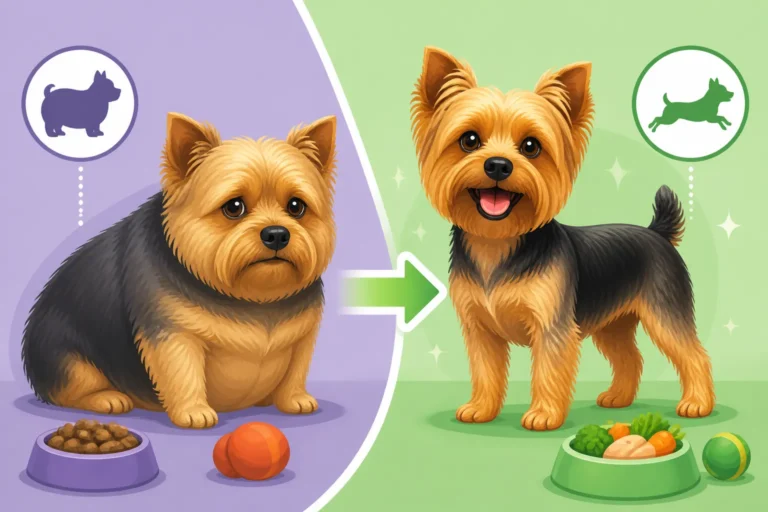
It's a familiar sight for many Yorkie parents: that adorable little fluffball starting to look a bit, well, fluffier than usual. You see them waddling just a tiny bit more, maybe struggling on stairs, and a wave of concern washes over you. Figuring out the right path to help your precious Yorkshire Terrier shed those extra pounds can feel overwhelming with so many options out there. This comprehensive guide will walk you through everything you need to know about selecting the best food for Yorkie weight loss, ensuring a healthier, happier life for your furry friend.
Understanding Why Your Yorkie Might Gain Weight
Before we dive into specific food recommendations, it's really helpful to understand why our little Yorkies sometimes pile on the pounds. It's often not because we're intentionally overfeeding them – sometimes it just happens, and it's a frustration many pet parents share. Yorkies are small dogs, and their caloric needs are much lower than larger breeds, which means even a tiny extra treat or a slightly larger portion can tip the scales.
The Impact of Lifestyle and Metabolism
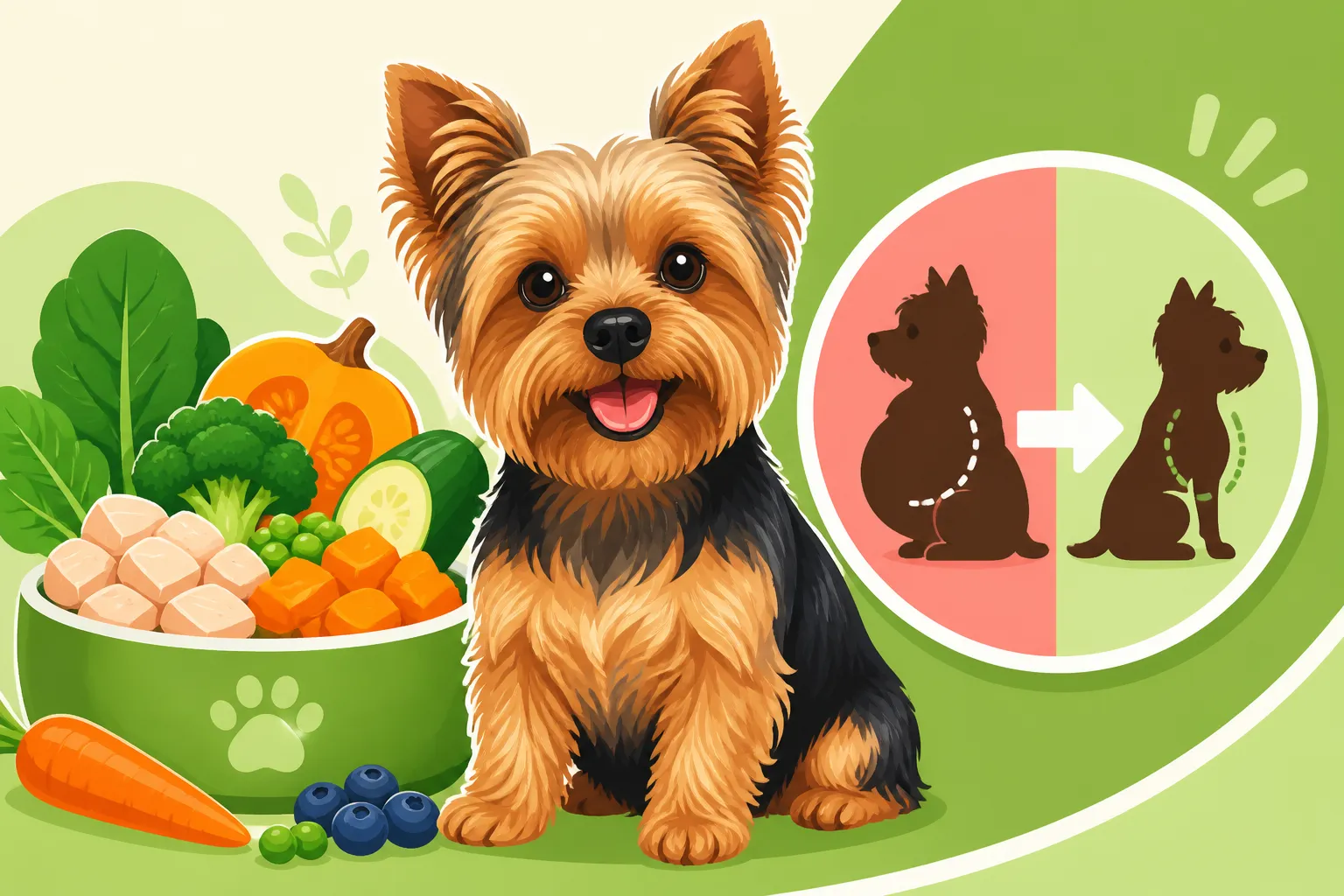
Just like people, dogs' metabolisms can vary. Some Yorkies are naturally more active, while others prefer to be lap dogs. A sedentary lifestyle, coupled with a diet that isn't perfectly calibrated for their energy output, is a recipe for weight gain. It’s not just about a few extra pounds; for a tiny Yorkie, even a pound or two can be a significant percentage of their ideal body weight. Imagine a person gaining 15-20% of their body weight – it's a big deal! This excess weight puts strain on their joints, heart, and other organs, increasing the risk of serious health issues. If you're wondering, "Is My Yorkie Overweight," a good rule of thumb is that you should be able to easily feel, but not necessarily see, their ribs without a thick layer of fat over them.
Another common factor is a gradual decrease in activity as a Yorkie ages. A spry young pup might burn off calories effortlessly, but an older, less energetic senior Yorkie might not. Their metabolism naturally slows down, and if their food intake isn't adjusted accordingly, weight gain is almost inevitable. It’s important to stay proactive and regularly assess your Yorkie’s activity levels and body condition as they mature.
The Sneaky Culprits: Treats and Table Scraps
Let’s be honest, those soulful Yorkie eyes are hard to resist! Many of us are guilty of giving in to their adorable begging. However, treats and table scraps are often the biggest hidden sources of extra calories. A single piece of cheese or a bite of your dinner might seem minuscule to us, but for a 5-pound Yorkie, it could be equivalent to a human eating an entire candy bar or a slice of pizza. These extras often aren't nutritionally balanced and contribute empty calories, making it harder for your Yorkie to feel full from their regular meals.
The quality of treats also matters. Many commercial treats are high in fat and sugar. Even seemingly healthy options, if given too liberally, can add up quickly. It's a tough habit to break, but understanding the impact of these small indulgences is crucial. The good news is, there are plenty of healthy, low-calorie treat options available, which we'll discuss later, allowing you to still spoil your furry friend without compromising their health.
What Makes a Good Weight Loss Food for Yorkies
When you're ready to tackle your Yorkie's weight, choosing the right food is paramount. This isn't just about feeding them "less" of their current food, which can lead to nutrient deficiencies. It's about feeding them smarter. A truly effective weight loss diet is designed to provide all essential nutrients while safely reducing calorie intake.
Calorie-Controlled and Nutrient-Dense Formulas
The best weight loss foods for Yorkies are specifically formulated to be lower in calories per serving but still rich in essential nutrients. This means your Yorkie can eat a satisfying amount of food without consuming excess calories. Look for foods labeled "weight management," "lite," or "healthy weight." These formulas typically achieve their lower calorie count by reducing fat content and increasing fiber.
The key here is nutrient density. You don't want a food that's just "filler." Your Yorkie still needs a balanced blend of protein, vitamins, and minerals to maintain muscle mass and overall health while losing fat. Premium brands often formulate these diets with specific L-carnitine levels, an amino acid that helps the body convert fat into energy, aiding in the weight loss process. Understanding the Yorkie Weight: Healthy Range by Age can also help you determine appropriate goals.
The Power of Protein and Fiber
When it comes to shedding pounds, protein and fiber are your Yorkie's best friends. High-quality protein helps your Yorkie feel fuller for longer and supports the maintenance of lean muscle mass during weight loss. Losing muscle along with fat isn't the goal; we want them to be strong and healthy. Look for animal-based protein sources like chicken, turkey, or salmon as the first ingredient.
Fiber, on the other hand, adds bulk to the food without adding many calories. This helps your Yorkie feel satisfied after meals, preventing that constant feeling of hunger that can lead to begging. Fiber also aids in healthy digestion. Many weight management foods will include ingredients like beet pulp, peas, or various grains (if your Yorkie tolerates them well) to boost fiber content. A good balance means your Yorkie won't feel deprived, making the transition to a healthier diet much smoother for everyone involved.
Top Food Choices for Helping Your Yorkie Lose Weight
Now that we understand the science behind effective weight loss diets, let's explore some of the best food options available. It's worth remembering that what works best can vary for each individual dog, so working closely with your veterinarian is always the smartest first step.
Veterinary Prescription Weight Loss Diets
For Yorkies with significant weight to lose, or those with underlying health conditions, a veterinary prescription diet is often the most effective and safest option. These foods are scientifically formulated with precise caloric restrictions and nutrient profiles to promote healthy weight loss under a vet's supervision. Brands like Royal Canin Veterinary Diet, Hill's Prescription Diet, and Purina Pro Plan Veterinary Diets offer excellent options.
These diets are not just about fewer calories; they are crafted to optimize metabolism and satiety. For instance, many will have elevated levels of dietary fiber to help dogs feel full, along with specific protein levels to preserve muscle mass. Your vet can accurately calculate your Yorkie's target weight and daily caloric needs, providing a tailored recommendation. You can often purchase these specialized foods directly from your vet's office or through authorized online retailers, sometimes requiring vet authorization, making sure your dog gets exactly what they need for a healthy weight journey.
Over-the-Counter Weight Management Foods
If your Yorkie only needs to lose a few pounds, or if your vet agrees, several excellent over-the-counter weight management foods are available. These foods are designed with lower calorie counts and higher fiber to help dogs maintain a healthy weight or slowly shed excess pounds. When browsing options, always check the guaranteed analysis and calorie content per cup.
Many reputable brands offer "light" or "healthy weight" versions of their regular formulas. For instance, Blue Buffalo Life Protection Formula Healthy Weight or Wellness Complete Health Healthy Weight are popular choices that you can find at most pet supply stores or online through retailers like Chewy and Amazon. It's essential to compare brands and ingredients to find one that suits your Yorkie's preferences and any sensitivities they might have. Remember, just because it's "light" doesn't mean you can free-feed; portion control is still absolutely vital.
Fresh and Gently Cooked Dog Food Options
For pet parents who prefer fresh food, several services offer pre-portioned, gently cooked meals that can be customized for weight loss. Brands like Ollie and The Farmer's Dog formulate meals with human-grade ingredients, and you can often adjust the calorie count based on your dog's specific needs and weight goals. This can be a fantastic option for picky eaters or Yorkies with sensitivities to common kibble ingredients.
The advantage of fresh food is its often higher moisture content, which can contribute to a feeling of fullness. The transparency of ingredients also appeals to many owners. When opting for fresh food, ensure the company provides a detailed nutritional analysis and that the diet is balanced and complete for adult maintenance or weight loss, as advised by your veterinarian. You can easily set up a subscription that delivers these meals right to your doorstep, making healthy eating convenient for your little one.
Here’s a quick comparison of different types of weight loss foods:
| Food Type | Key Characteristics | Best For | Pros | Cons |
|---|---|---|---|---|
| Veterinary Prescription Diet | Strictly controlled calories, high protein/fiber, specific nutrients. | Significant weight loss, dogs with medical conditions. | Scientifically formulated, vet-approved, highly effective, often includes L-carnitine. | Requires vet prescription, can be more expensive, limited flavor options. |
| Over-the-Counter Weight Control | Lower calories, moderate protein/fiber, widely available. | Mild to moderate weight loss, weight maintenance. | Easily accessible (e.g., on Chewy or Amazon), variety of brands, often more affordable. | Calorie density varies, owner must be diligent with portion control, may not be as aggressive. |
| Fresh/Gently Cooked | Human-grade ingredients, customized portions, high moisture. | Picky eaters, dogs with sensitivities, owners preferring natural food. | Highly palatable, easy to digest, customized calorie plans (e.g., Ollie), no artificial ingredients. | Higher cost, requires refrigeration, careful monitoring of nutritional balance. |
Practical Steps for a Successful Weight Loss Journey
Simply switching to a new food isn't enough; true success comes from a holistic approach that combines the right diet with consistent management and lifestyle adjustments. This is where your dedication as a pet parent truly shines.
Gradual Food Transition
Suddenly changing your Yorkie's food can lead to an upset stomach, diarrhea, or vomiting – definitely not fun for anyone! Always transition to a new food gradually over 7-10 days. Start by mixing a small amount of the new food with their old food, gradually increasing the proportion of the new food each day while decreasing the old.
For example, on day 1-2, use 25% new food and 75% old. Days 3-4, go to 50/50. Days 5-6, 75% new, 25% old. By day 7, they should be fully on the new food. Watch for any signs of digestive upset, and if they occur, slow down the transition. Remember, patience is key, and your Yorkie's comfort is paramount. For detailed guidance, check out our article on How to Switch a Yorkie's Food.
Precise Portion Control and Feeding Schedule
This is arguably the most critical component of any weight loss plan. Even the best weight loss food won't work if you're overfeeding it. Use a measuring cup designed for pet food or, even better, a kitchen scale to accurately portion out your Yorkie's meals. Follow the guidelines on the food package, but always confirm with your vet, as package recommendations are often for ideal weight and average activity, not specifically for weight loss.
It's often helpful to divide their daily allowance into two or three smaller meals throughout the day. This can help keep them feeling fuller and more satisfied, reducing begging. Avoid free-feeding, where food is left out all day. This makes it impossible to monitor intake and often leads to overeating. A consistent feeding schedule helps regulate their metabolism and expectations. For more on this, our guide on How Much to Feed a Yorkie and Monthly Cost provides invaluable insights.
Regular Monitoring and Adjustments
Weight loss is rarely a straight line. Regularly weigh your Yorkie (weekly or bi-weekly) and keep a log of their progress. Many vets have small scales you can use, or you can weigh yourself, then weigh yourself holding your Yorkie, and subtract the difference. It's often easier to do this than trying to coax a tiny, wiggly dog onto a standard scale at home.
If they're not losing weight after a few weeks, or if they're losing too quickly, consult your vet. They might suggest slightly adjusting the food quantity or exploring other options. Also, regularly assess their body condition score (BCS) – a visual and tactile assessment of fat reserves – which helps you evaluate progress beyond just the number on the scale. Remember, the goal is slow, steady, and sustainable weight loss, typically 1-2% of their body weight per week.
Beyond Food: A Holistic Approach to Yorkie Weight Management
While diet is a huge piece of the puzzle, it's only one part of creating a truly healthy and active lifestyle for your Yorkshire Terrier. A holistic approach ensures lasting success and a happier, more energetic companion.
Tailored Exercise Routines
Exercise is just as vital as diet. Yorkies are small, but they still need regular physical activity to burn calories, build muscle, and maintain joint health. This doesn't mean marathon runs, but consistent, moderate activity. Aim for two to three short walks daily, perhaps 15-20 minutes each, weather permitting. Indoor play sessions with toys, fetch, or even learning new tricks can also be great calorie burners.
The type and intensity of exercise should be appropriate for your Yorkie's age, current fitness level, and any health conditions. If your Yorkie is significantly overweight, start slowly to avoid injury or overexertion. A brisk walk around the block or playing chase in the living room for a few minutes can be a good starting point. As they lose weight and build stamina, you can gradually increase the duration and intensity. Pairing the right food with adequate Yorkshire Terrier Exercise Needs is non-negotiable for success.
Smart Snacking and Treat Alternatives
We know it's hard to cut out treats entirely, and you don't have to! The trick is to be smart about what you offer. Opt for low-calorie, healthy alternatives. Small pieces of plain, cooked chicken breast, green beans, carrots, or apple slices (without seeds) can be excellent choices. Many commercial brands also offer specific low-calorie training treats.
Always factor treats into your Yorkie's daily caloric intake. If you're giving treats, reduce their meal portion slightly to compensate. Interactive feeder toys or puzzle toys can also be a fantastic way to extend mealtime and provide mental stimulation, making your Yorkie work a little for their food instead of gobbling it down in seconds. For specific recommendations, check out our guide on Best Low-Calorie Treats for Yorkies.
Regular Veterinary Check-ups and Professional Guidance
Partnering with your veterinarian is crucial throughout your Yorkie's weight loss journey. They can rule out any underlying medical conditions that might contribute to weight gain, such as hypothyroidism, and help you set realistic goals. They can also provide a precise calorie target, recommend specific prescription diets, and monitor your Yorkie's progress safely.
Your vet isn't just there for emergencies; they're your best resource for preventative care and maintaining overall well-being. Regular check-ups allow them to catch potential issues early and provide tailored advice. Remember, the goal is not just weight loss, but truly learning How to Keep a Yorkshire Terrier Healthy for their entire life. Ultimately, finding the Best Dog Food for Yorkshire Terriers that supports a healthy weight is key.
Disclaimer
Please remember that the information provided in this article is for general informational purposes only and is not a substitute for professional veterinary advice. Always consult with a qualified veterinarian regarding any health concerns or before making any changes to your Yorkshire Terrier's diet, exercise, or medical treatment plan.