How to Switch a Yorkie’s Food
Bringing a Yorkshire Terrier into your life is an absolute joy, but it also comes with a unique set of responsibilities, especially when it comes to their delicate health. One common hurdle many Yorkie parents face is the anxiety around switching their beloved pup's food. Maybe your vet recommended a new diet, your Yorkie is showing signs of allergies, or perhaps they're just getting older and need different nutrients. Whatever the reason, suddenly changing their kibble can feel like navigating a minefield, given their sensitive stomachs and propensity for issues like hypoglycemia. This guide will walk you through everything you need to know to make the transition as smooth and stress-free as possible for your tiny companion.
Why Switching Your Yorkie's Food Requires Special Care
Yorkshire Terriers are precious little dogs, but their small size often comes with certain sensitivities, particularly concerning their digestive systems. Unlike larger breeds that might tolerate a sudden change with minimal fuss, a Yorkie can react quite strongly to an abrupt dietary shift. This isn't just about a bit of an upset tummy; it can lead to more serious concerns like dehydration, nutrient imbalance, and even, in extreme cases, a drop in blood sugar levels, especially in puppies or those prone to Yorkshire Terrier Hypoglycemia: Signs and Care.
Understanding Your Yorkie's Digestive System
Yorkies, with their petite stature, also have proportionately small stomachs and intestines. This means they process food differently and can be more susceptible to digestive upset from new ingredients, different protein sources, or even varying fat content. Their digestive enzymes need time to adjust to breaking down new formulations. Imagine trying to run a marathon without training; your Yorkie’s system needs a gradual warm-up before it can fully adapt to a new diet. An immediate swap can shock their system, leading to uncomfortable symptoms that are distressing for both of you.
When a Yorkie's diet changes too quickly, their gut microbiome—the delicate balance of good and bad bacteria in their intestines—can be thrown out of whack. This imbalance can manifest as vomiting, diarrhea, gas, or a general reluctance to eat. For such a small dog, even a single bout of diarrhea can lead to significant fluid loss, putting them at risk. It’s a bit like giving a baby a plate of spicy curry – their system just isn't ready for it!
Common Reasons for a Food Switch
There are plenty of valid reasons why you might need to change your Yorkie’s food, and knowing these can help you understand why the change is necessary, making the process feel more purposeful.
One of the most frequent reasons is a vet recommendation. This could be due to a newly diagnosed health condition, such as kidney disease, pancreatitis, or even a Yorkie Liver Shunt: Diet and Care. Your vet might prescribe a therapeutic diet formulated to manage specific conditions. Another common reason is age. As Yorkies transition from energetic puppies to adults, and then into their senior years, their nutritional needs shift dramatically. A puppy needs more calories and different nutrient ratios for growth, while a senior Yorkie might require fewer calories, more joint support, or easier-to-digest ingredients. You can find more specific advice in a Yorkshire Terrier Puppy Health Guide or a Yorkshire Terrier Senior Care Guide.
Allergies or sensitivities are also a big one. You might notice your Yorkie scratching excessively, developing skin rashes, or having persistent digestive issues like diarrhea. This could indicate a food allergy or intolerance, prompting a switch to a limited ingredient diet or a novel protein source. Sometimes, it’s simply about improving their overall health. You might realize the current food isn't providing the best nutrition, perhaps their coat isn't as shiny, or their energy levels aren't ideal. Upgrading to a higher-quality food can make a world of difference. Lastly, there are practical reasons like a particular brand becoming unavailable, or you might just want to try a new option recommended by a friend or found through extensive research on platforms like Chewy or Amazon.
The Golden Rule: A Gradual Transition Method
The absolute cornerstone of successfully switching your Yorkie's food is a slow, gradual transition. Rushing this process is the biggest mistake you can make. Think of it as slowly introducing a new friend to your shy Yorkie – you wouldn't just throw them together, right? You'd take your time, let them sniff each other out, and build trust. The same applies to their tummy.
Step-by-Step Transition Plan
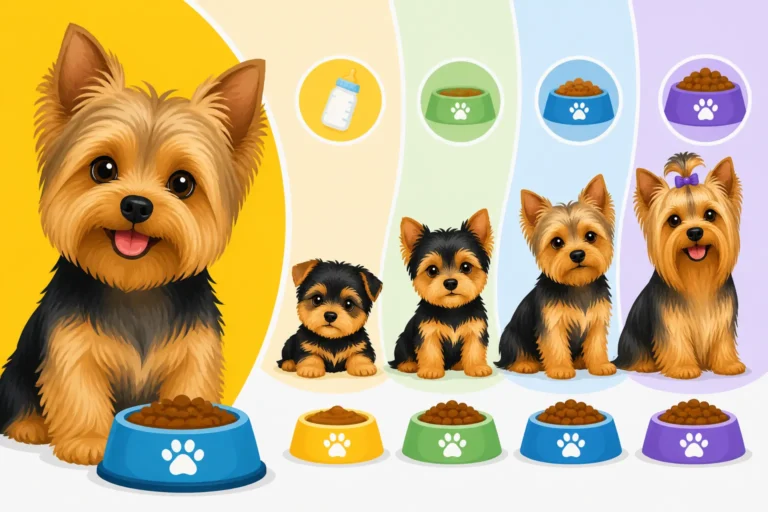
A typical food transition should take at least 7 to 10 days, but for a particularly sensitive Yorkie, stretching it out to two weeks or even longer can be beneficial. The goal is to slowly increase the proportion of the new food while decreasing the old food, giving their digestive system ample time to adjust.
Here’s a general guideline, but always be ready to slow down if your Yorkie shows any signs of upset:
-
Days 1-3: 25% New Food, 75% Old Food
Start by replacing just a quarter of their regular meal with the new food. Mix it thoroughly so they can't easily pick out the familiar bits. Observe their stool consistency and overall demeanor closely. Are they still eating with enthusiasm? Is their poop normal? If everything seems fine, you're ready to move on. If not, stick to this ratio for a few more days until they've adjusted. -
Days 4-6: 50% New Food, 50% Old Food
If your Yorkie handled the first stage well, you can now increase the new food to half of their meal. Again, mix it well. This is a significant jump for their digestive system, so pay extra attention. Some mild gas or slightly softer stools might be acceptable, but any vomiting, diarrhea, or loss of appetite means you should revert to the 25/75 ratio for a few more days before trying 50/50 again. -
Days 7-9: 75% New Food, 25% Old Food
At this stage, your Yorkie is predominantly eating the new food. They've had over a week to get used to the ingredients and texture. Continue to monitor them closely. This phase is usually where any underlying sensitivities will become more apparent. If they're doing well, you’re almost there! -
Day 10 Onward: 100% New Food
Congratulations! If your Yorkie has made it through the previous stages with no major issues, they can now fully transition to the new food. Continue to keep an eye on them for a few more days to ensure full adaptation.
Here's a handy table to visualize the transition:
| Day Range | Old Food Ratio | New Food Ratio | Observation Points | Action if Upset Occurs |
|---|---|---|---|---|
| Days 1-3 | 75% | 25% | Appetite, energy, stool consistency (firm, formed) | Revert to old food for a day, then restart 25% new food. |
| Days 4-6 | 50% | 50% | Monitor for increased gas, soft stools, mild vomiting | Go back to 25% new food ratio until symptoms resolve. |
| Days 7-9 | 25% | 75% | Check for consistent normal stools, sustained energy | Return to 50% new food ratio and hold longer. |
| Day 10+ | 0% | 100% | Full adaptation, continued wellness, good coat/skin | Consult vet if severe or prolonged issues, consider slower re-transition. |
Monitoring for Signs of Distress
During this transition, you are your Yorkie's best advocate. Their tiny bodies can't always tell you what's wrong, so you need to be vigilant. Keep a close eye on their behavior, energy levels, and especially their bathroom habits.
What to look for:
- Vomiting: More than once or twice, especially if it's projectile or contains blood, is a red flag.
- Diarrhea: Loose, watery stools, or frequent accidents inside the house. Remember, even a small amount of diarrhea can be serious for a Yorkie.
- Lethargy: If your normally spunky Yorkie is unusually tired, sluggish, or uninterested in play.
- Loss of Appetite: Refusing to eat, or eating significantly less than usual. A Yorkie skipping meals can be concerning.
- Excessive Gas or Bloating: While some gas can be normal with a diet change, excessive bloating or discomfort can indicate a problem.
- Changes in Hydration: Excessive thirst or refusal to drink, which could indicate dehydration from vomiting or diarrhea.
When to slow down or call the vet:
If you notice any significant signs of distress, immediately slow down the transition or even revert to the old food entirely for a day or two until symptoms subside. If the vomiting or diarrhea is severe, persistent, or accompanied by lethargy, fever, or pain, don't hesitate to call your veterinarian. These can be Yorkie Emergency Symptoms to Never Ignore, and a quick vet visit is always better than waiting. For severe cases, your vet might recommend a bland diet, like boiled chicken and rice, to settle their stomach before you attempt the food switch again.
Choosing the Right New Food for Your Yorkie
The decision to switch food often goes hand-in-hand with wanting to provide a better, more appropriate diet for your Yorkie. But with so many options out there, how do you choose? It's easy to get overwhelmed by the sheer volume of choices on platforms like Chewy or your local pet store.
Decoding Dog Food Labels
Understanding dog food labels is crucial. You want to look for quality ingredients that support your Yorkie's specific needs.
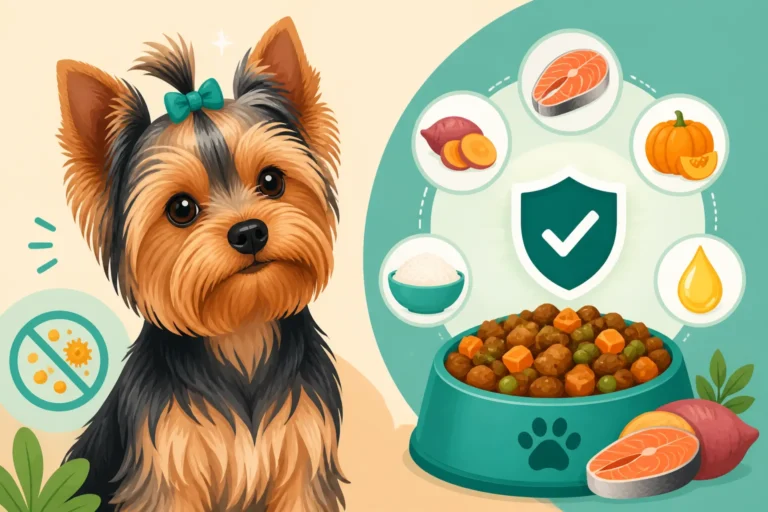
- High-Quality Protein Source: Look for a named meat (like chicken, lamb, salmon) as the first ingredient, not vague "meat by-products" or "meat meal." Yorkies thrive on good protein for their lean muscle mass and energy.
- Complex Carbohydrates: Ingredients like sweet potatoes, brown rice, or oats provide sustained energy. Avoid excessive corn, wheat, or soy, especially if your Yorkie has sensitivities.
- Healthy Fats: Essential fatty acids, often from chicken fat or fish oil, are vital for skin, coat health, and brain function. You might be interested in How to Keep a Yorkie's Coat Long and Silky, and diet plays a huge role.
- Fruits and Vegetables: These provide essential vitamins, minerals, and antioxidants.
- No Artificial Additives: Avoid artificial colors, flavors, and preservatives that can sometimes trigger allergies or digestive issues.
- Life Stage Appropriate: Ensure the food is formulated for your Yorkie's age – puppy, adult, or senior. A puppy needs higher fat and protein, while a senior needs easily digestible options. Check out our guide on Yorkie Feeding Schedule by Age for more details.
Some brands, like Ollie, offer fresh, human-grade dog food that can be excellent for sensitive stomachs and picky eaters due to its high-quality, easily digestible ingredients. Many Yorkie owners find this type of food reduces digestive upset and improves overall health. When exploring fresh food options, ensure they are nutritionally complete and balanced for your Yorkie's life stage.
Vet Consultation and Brand Considerations
Before making any big decisions, particularly if the food switch is due to a health concern or persistent issues, always consult your veterinarian. They can provide tailored advice based on your Yorkie's medical history, current health, and specific nutritional needs. Your vet might recommend specific therapeutic diets or suggest brands they trust.
When it comes to brands, popular and reputable ones often offer formulas specifically designed for small breeds or dogs with sensitive digestion. For example, Royal Canin and Hill's Science Diet are often recommended by vets for their science-backed formulations. However, there are many excellent options available. When shopping, whether at a specialized pet store or online on platforms like Chewy or Amazon, always read reviews, check ingredient lists, and consider brands that emphasize quality control and transparency in their sourcing. Don't be afraid to ask questions from store staff or even directly from the brand manufacturers.
Troubleshooting Common Issues During the Switch
Even with the most careful transition, sometimes your Yorkie might present a challenge. Don't worry, you're not alone! Many Yorkie parents have faced similar hurdles.
When Your Yorkie Refuses the New Food
Yorkies are notoriously intelligent and can also be quite stubborn, especially when it comes to their meals. If your Yorkie turns up their nose at the new food, even in small quantities, it can be frustrating.
- Slow Down Further: The most common reason for refusal is that you've simply increased the new food too quickly. Revert to a smaller percentage of the new food and hold that ratio for several more days.
- Make it Appetizing: Sometimes, the smell or texture of new food is off-putting. Try warming canned or fresh food slightly in the microwave (ensure it's not hot, just lukewarm) to enhance the aroma. You can also add a tiny amount of low-sodium chicken broth (check ingredients carefully) or a spoonful of plain pumpkin puree (not pie filling) to make it more enticing.
- Hand-Feeding: For truly stubborn pups, sometimes a little extra attention can help. Try hand-feeding a few bites of the mixed food to get them started.
- Mix it Well: Ensure the new and old foods are thoroughly mixed. If your Yorkie is smart, they might be picking out the familiar kibble and leaving the rest.
- Limit "Extras": While tempting to add irresistible toppers, try to avoid too many extras that could unbalance the diet or make them even pickier. If you need to add something, make it a simple, plain, and vet-approved option. Our guide on How to Help a Picky Yorkie Eat has even more strategies for this common problem.
- Patience is Key: Don't get discouraged. Some Yorkies take longer than others. Stay consistent and positive.
What to Do If Digestive Upset Persists
Despite your best efforts, some Yorkies might continue to experience digestive upset like persistent diarrhea or occasional vomiting even with a slow transition. This is when your detective skills come into play.
- Revert and Re-evaluate: If symptoms persist beyond a day or two at any stage, fully revert to their old food. Once their system has settled (usually 24-48 hours with normal stools), start the transition process over, but much slower. Consider extending each stage from 3 days to 5 or even 7 days.
- Bland Diet Break: For persistent upset, your vet might recommend a temporary bland diet of plain boiled chicken (skinless, boneless) and white rice. This can give their digestive system a chance to rest and recover. Once they are stable on the bland diet for a few days, you can slowly reintroduce the old food, and then much, much slower, begin the transition to the new food again.
- Consider a Different New Food: If, after a very slow transition and perhaps a bland diet break, your Yorkie still can't tolerate the new food, it might simply not be the right fit. There could be an ingredient they're particularly sensitive to. This is where your vet's input is crucial again. They might suggest a different protein source, a hydrolyzed protein diet, or another formula entirely. Finding the Best Food for a Yorkie with a Sensitive Stomach can sometimes involve a bit of trial and error.
- Probiotics: Your vet might suggest adding a canine-specific probiotic supplement. These can help rebalance the gut flora, which can be disrupted during a food change and contribute to digestive issues. Brands like Purina FortiFlora are widely available and often recommended.
- Vet Intervention: If your Yorkie is showing severe symptoms, losing weight, or seems genuinely unwell, a trip to the vet is non-negotiable. They can rule out underlying medical conditions, provide medication to help with nausea or diarrhea, and guide you through the next steps. It’s always best to be cautious with your tiny friend. You can read more about When to Take Your Yorkie to the Vet to understand critical signs.
Switching your Yorkie's food successfully requires patience, observation, and a methodical approach. By following a gradual transition, paying close attention to their unique needs, and consulting your vet when necessary, you can ensure your little companion thrives on their new diet.
Disclaimer
The information provided in this article is for general informational purposes only and is not a substitute for professional veterinary advice. Always consult with a qualified veterinarian for any health concerns or before making any decisions related to your pet's health and treatment.