How Long Do Teacup Yorkies Live
Bringing a tiny Teacup Yorkshire Terrier into your life is an absolute joy, but it often comes with a unique set of worries, especially regarding their delicate health and how long they'll be by your side. It's heartbreaking to think about our furry companions having a shorter life, and the truth is, Teacup Yorkies do face different challenges than their standard-sized cousins. This comprehensive guide is here to shed light on the realistic lifespan of these miniature marvels, explore the common factors that influence their longevity, and equip you with practical strategies to help your beloved little one live the longest, happiest life possible.
Understanding the Teacup Yorkie Phenomenon
Before we dive into numbers and health concerns, it's crucial to understand what a "Teacup Yorkie" truly represents. Many new owners are captivated by their undeniable cuteness and tiny stature, but often aren't fully aware of the origins or potential implications of their diminutive size. It's not just a cute nickname; it often signifies a dog bred specifically for extreme smallness, which can come with significant health considerations.
What Defines a Teacup Yorkie
A standard Yorkshire Terrier, according to the American Kennel Club (AKC) breed standard, typically weighs no more than seven pounds. A "Teacup Yorkie," on the other hand, is a much smaller version, often weighing between two and four pounds, sometimes even less, when fully grown. This isn't an officially recognized breed distinction by major kennel clubs; rather, it's a descriptive term used by breeders and owners. This tiny size is usually achieved by breeding the smallest dogs in a litter, sometimes even breeding "runts," or by introducing other smaller breeds into the lineage, though reputable breeders of purebred Yorkshire Terriers would never do the latter. The allure of these pint-sized pups is understandable, as they fit perfectly into a handbag and are endlessly adorable, but their small scale can mean a more fragile constitution.
The Health Implications of Extreme Smallness
The very characteristics that make Teacup Yorkies so appealing – their tiny bones, miniature organs, and delicate systems – are precisely what can make them more susceptible to health issues. Their small size isn't always naturally occurring; it's often a result of selective breeding aimed solely at reducing size, sometimes at the expense of robust health. This can lead to a higher incidence of certain conditions that might be less common or less severe in larger dogs. Think of it like a delicate piece of porcelain compared to a sturdy ceramic mug; one is simply more prone to breaking under stress. This inherent fragility means that owners need to be extra vigilant and proactive about their care, understanding that their little friend might require more specialized attention throughout their life.
Average Lifespan of Teacup Yorkshire Terriers
It's natural to wonder how many years you can expect to share with your Teacup Yorkie. While it's tough to give an exact number, we can look at averages and understand why they might differ from their standard counterparts. The reality is often a bit sobering compared to the healthy longevity of a well-bred standard Yorkshire Terrier.
Realistic Lifespan Expectations
A standard Yorkshire Terrier, with proper care and good genetics, typically enjoys a lifespan of 11 to 15 years, and sometimes even longer. For Teacup Yorkies, however, the average lifespan tends to be shorter, often ranging from 7 to 12 years. This isn't a hard and fast rule, of course, and many factors can influence an individual dog's longevity. Some exceptionally healthy Teacups might live longer, while others, unfortunately, might succumb to health complications at a much younger age. It’s important to manage expectations and understand that their extreme smallness inherently brings higher risks that can impact their time with us. Every year with these precious pups is a gift, and understanding this realistic range helps prepare you for their specific needs.
Comparing Teacup to Standard Yorkie Lifespan
The difference in lifespan between Teacup and standard Yorkies isn't just anecdotal; it's rooted in physiological realities. Standard Yorkies generally have more developed internal organs, stronger bone structures, and a genetic lineage that prioritizes overall health and breed standards. Teacup Yorkies, by virtue of their scaled-down anatomy, often struggle with issues that larger dogs can more easily overcome. Their tiny bodies have less reserve to cope with stress, illness, or injury. For instance, a small bout of diarrhea might be inconvenient for a standard Yorkie, but it can quickly lead to life-threatening dehydration and Yorkie Hypoglycemia: Emergency Signs in a tiny Teacup. This vulnerability means that what might be a minor ailment for a larger dog can become a major emergency for a Teacup, directly impacting their potential longevity.
Health Challenges Unique to Teacup Yorkies
The delicate nature of Teacup Yorkies makes them particularly susceptible to a range of health issues. These aren't necessarily conditions exclusive to them, but they tend to manifest more frequently, more severely, or with greater risk due to their miniature size. Understanding these potential pitfalls is the first step in proactive care. You can also dive deeper into some of these concerns in our guide on Yorkshire Terrier Health Problems to Know.
Hypoglycemia Low Blood Sugar
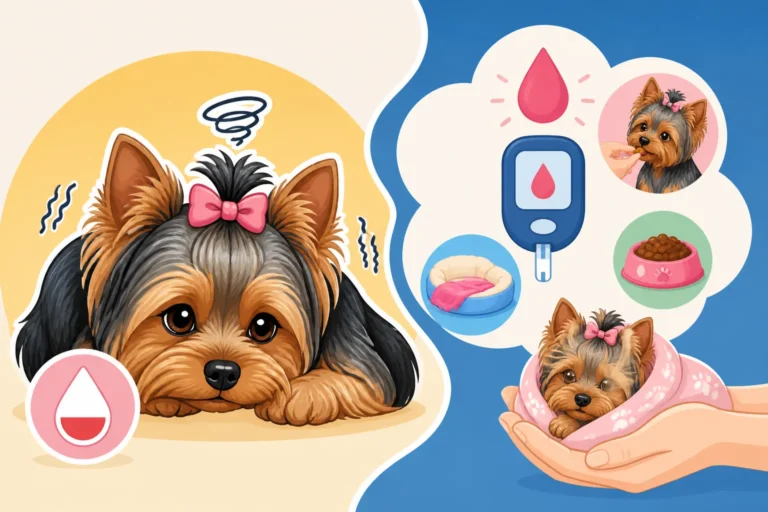
One of the most common and dangerous conditions in Teacup Yorkies, especially as puppies, is hypoglycemia. Their tiny bodies have less fat and muscle mass to store glycogen, which is crucial for maintaining stable blood sugar levels. They burn through energy incredibly fast, and if they don't eat regularly or experience stress, their blood sugar can plummet. This can lead to symptoms like lethargy, trembling, confusion, seizures, and in severe cases, even coma and death. It’s a frightening experience for any owner to witness, and requires immediate intervention, often involving administering a sugar source like Karo syrup or honey. Preventing this means strict feeding schedules, minimizing stress, and always having an emergency sugar source on hand.
Fragile Bones and Injuries
Imagine a tiny, delicate bird's bones – that's often what a Teacup Yorkie's skeletal structure can feel like. Their bones are much more fragile than those of a standard dog, making them prone to fractures and injuries from everyday activities that wouldn't faze a larger dog. A simple fall off a couch, a misstep during play, or even being accidentally stepped on can result in serious bone breaks. Conditions like Yorkshire Terrier Patellar Luxation: Signs and Care, where the kneecap slips out of place, are also more prevalent and can be exacerbated by their small, delicate joints. Owners must be incredibly careful, "puppy-proofing" their homes for a lifetime, using ramps for furniture access, and closely supervising playtime, especially with children or other pets.
Organ Underdevelopment and Disease
Due to the selective breeding for smaller size, some Teacup Yorkies can suffer from organ underdevelopment or malformation. Their hearts, lungs, kidneys, and liver might not be fully formed or function as efficiently as they should. For example, some Teacups are more prone to Yorkshire Terrier Liver Shunt: Signs and Care, a congenital condition where blood bypasses the liver, preventing toxins from being filtered properly. This can lead to a host of neurological and gastrointestinal problems. Heart conditions, such as patent ductus arteriosus (PDA), where a blood vessel fails to close after birth, can also be more common. These internal issues can be silent killers, often not showing obvious symptoms until the condition is advanced, making regular veterinary check-ups and early diagnostic testing absolutely critical for these tiny pups.
Dental Problems
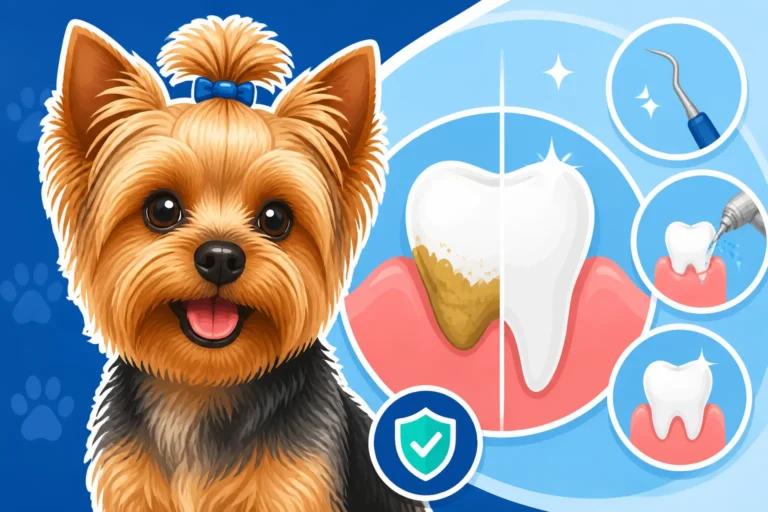
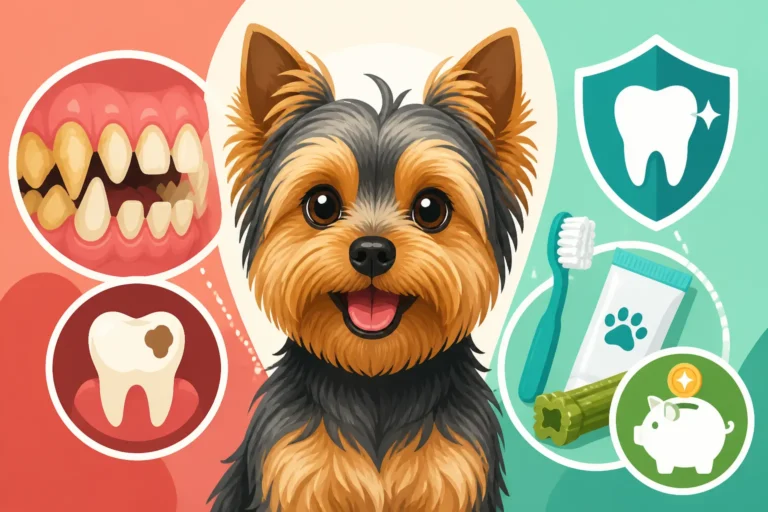
Yorkshire Terriers are already predisposed to dental issues due to their small mouths and crowded teeth, but Teacup Yorkies face an even greater challenge. Their mouths are even tinier, leading to severe crowding, retained puppy teeth, and a higher risk of periodontal disease from a very young age. This isn't just about bad breath; dental disease can lead to painful infections, tooth loss, and systemic health problems as bacteria from the mouth enter the bloodstream and affect vital organs like the heart and kidneys. Proactive Yorkie Dental Disease Prevention is non-negotiable, often involving daily brushing with a vet-approved toothpaste, dental chews, and regular professional cleanings under anesthesia. Owners need to be prepared for the higher frequency and potential costs associated with dental care for these miniature mouths.
Other Common Ailments
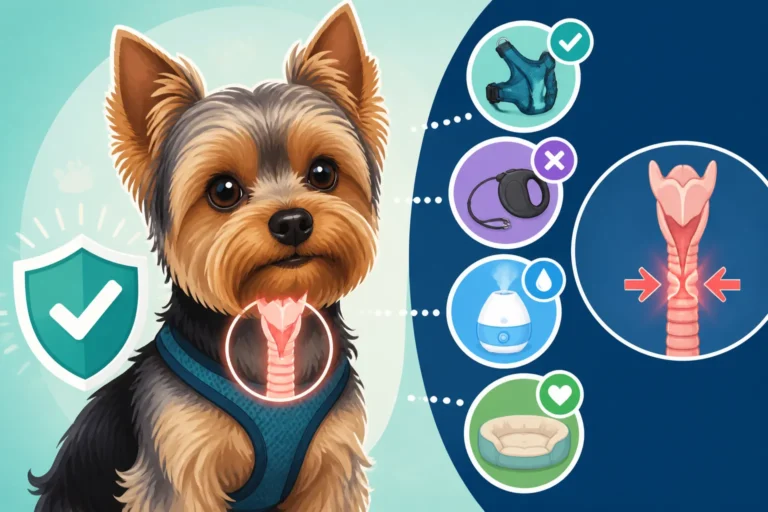
Beyond these significant issues, Teacup Yorkies are also often more vulnerable to other Common Yorkshire Terrier Genetic Conditions. They can suffer from Yorkshire Terrier Tracheal Collapse: Signs and Care, a weakening of the windpipe that causes a characteristic honking cough, exacerbated by their delicate respiratory systems. Eye problems like Yorkshire Terrier Cataracts: Signs and Care or Yorkshire Terrier Dry Eye: Signs and Care can also be more prevalent due to genetics or general fragility. Digestive sensitivities are also common, making them prone to vomiting and diarrhea, which can quickly become dangerous due to their small size and risk of dehydration. This means finding the Best Dog Food for Yorkshire Terriers that suits their sensitive stomachs is paramount. Being aware of these additional vulnerabilities helps owners provide comprehensive care.
Factors Influencing Teacup Yorkie Longevity
While genetics play a huge role in a Teacup Yorkie's potential lifespan, they aren't the only determinant. Many environmental and care-related factors are entirely within an owner's control, offering opportunities to positively impact their dog's health and extend their time with you. It's a holistic approach that truly makes a difference.
Responsible Breeding Practices
The single biggest factor influencing a Teacup Yorkie's long-term health and lifespan starts long before they even arrive in your home: responsible breeding. Unfortunately, the desire for "teacup" size can sometimes lead to unethical breeding practices. Breeders who prioritize extreme smallness over health, breeding two undersized dogs just to get smaller puppies, or breeding runts, often perpetuate genetic weaknesses. A truly responsible breeder will focus on health, temperament, and adherence to breed standards (even if aiming for a smaller end of the spectrum) rather than just size. They will conduct genetic health screenings for common Yorkie ailments, provide health guarantees, and be transparent about the parents' lineage and health history. Choosing a reputable breeder is paramount; avoid puppy mills or backyard breeders who cannot provide this transparency. Our guide on How to Find a Reputable Yorkie Breeder offers excellent advice here.
Nutrition and Diet
For such tiny dogs, proper nutrition is not just important; it's critical. Teacup Yorkies have very fast metabolisms and can easily become hypoglycemic if their blood sugar drops. This means they often require frequent, small meals throughout the day, rather than just one or two large ones. The quality of their food is also crucial; they need a high-quality, nutrient-dense diet specifically formulated for small breeds. Avoid cheap fillers, artificial ingredients, and ensure the food has a good balance of protein, fat, and carbohydrates. Consult your vet for the best feeding schedule and type of food. Treats should be healthy and given in moderation. Keeping them at a healthy weight is also vital; being either underweight or overweight can significantly strain their tiny bodies. Check out our Yorkshire Terrier Feeding Guide by Age for more detailed information.
Veterinary Care and Prevention
Regular, proactive veterinary care is arguably the most impactful factor an owner can control. Because Teacup Yorkies are prone to so many health issues, routine check-ups are not just about vaccinations; they are about early detection and prevention. Annual (or even bi-annual for seniors) exams, blood work, and dental check-ups can catch problems before they become critical. It’s important to find a veterinarian experienced with toy breeds, as their needs can be different from larger dogs. Being diligent about Yorkie Vaccination Schedule and parasite prevention is also vital. Remember, the cost of preventative care, including potential pet insurance like that offered by Healthy Paws, is far less stressful and often less expensive than emergency treatments for advanced diseases.
Environment and Safety
A Teacup Yorkie's environment needs to be meticulously safe and nurturing. Their delicate bones and small size mean they are at higher risk of accidental injury. This means:
- Preventing Falls: Blocking access to stairs, providing ramps or steps for furniture, and never leaving them unsupervised on high surfaces.
- Supervision: Always supervising interactions with children and larger pets.
- Temperature Regulation: Their tiny bodies struggle to regulate temperature, making them susceptible to both overheating and chilling. Providing appropriate clothing in cold weather and ensuring access to shade and water in heat is essential.
- Toxic Substances: Keeping all household chemicals, medications, and toxic foods completely out of reach.
- Outdoor Safety: Using a secure harness (not a collar, to protect their delicate trachea) and leash, and being extra cautious of larger dogs or predators when outdoors. You can read more about Why Harnesses Are Better Than Collars for Yorkies.
Creating a safe, comfortable home minimizes stress and the risk of injury, allowing your Teacup Yorkie to thrive.
Stress Management
Believe it or not, stress can also impact a Teacup Yorkie's lifespan. These tiny dogs can be prone to Yorkshire Terrier Separation Anxiety Solutions or general anxiety due to their perceived vulnerability and strong bond with their owners. Chronic stress can weaken their immune system, making them more susceptible to illness. Providing a consistent routine, a secure and loving environment, gentle socialization, and plenty of positive reinforcement can help manage stress levels. If your Teacup Yorkie shows signs of chronic anxiety, consulting with a vet or a certified professional dog trainer can provide strategies to help them feel more secure and calm.
Maximizing Your Teacup Yorkie's Lifespan
While the thought of their fragility can be overwhelming, there's so much you can do to help your Teacup Yorkie live a full and vibrant life. It's all about diligent, loving care that addresses their specific needs.
Proactive Health Monitoring
You know your dog best, and you are their first line of defense. Pay close attention to any changes in their behavior, appetite, energy levels, or bathroom habits. Since Teacups are so small, even minor changes can indicate a serious problem.
- Daily Health Checks: A quick daily check of their eyes, ears, nose, teeth, and overall demeanor can help you spot issues early. Look for any redness, discharge, unusual odors, or sensitivity.
- Weight Monitoring: Regularly weighing your Teacup Yorkie is critical. Even a small weight loss or gain can be significant for such a tiny dog.
- Emergency Preparedness: Know the signs of hypoglycemia and keep a fast-acting sugar source (like Karo syrup) readily available. Understand Yorkie Emergency Symptoms to Never Ignore and when to seek immediate veterinary care. Having pet insurance, like a plan from Healthy Paws, can also provide peace of mind in emergencies, ensuring you can afford the best care without financial stress.
Specialized Nutritional Approach
Because of their fast metabolism and predisposition to hypoglycemia, Teacup Yorkies benefit from a specific feeding strategy:
- Frequent Small Meals: Instead of two large meals, offer three to five smaller meals throughout the day. This keeps their blood sugar stable.
- High-Quality Food: Invest in premium dog food formulated for small breeds or puppies, even for adult Teacups, as these often have higher calorie density.
- Supplementation (with Vet Approval): Sometimes, a vet might recommend supplements, such as Best Fish Oil for Yorkshire Terriers for coat and joint health, or specific vitamins, but always consult your veterinarian first.
- Hydration: Always ensure access to fresh, clean water. You might even consider a pet fountain to encourage drinking, as dehydration can quickly become serious.
Creating a Safe Home Environment
Beyond the general safety tips, think specifically about how a home designed for humans (or even larger dogs) can be hazardous for a Teacup Yorkie.
- Stair Gates and Barriers: Treat stairs like dangerous cliffs. Use baby gates to block access.
- Furniture Access: Provide pet stairs or ramps to allow them to safely get on and off couches and beds without jumping, which can lead to leg and back injuries.
- Floor Hazards: Regularly sweep for tiny dropped items (coins, pills, small toy parts) that could be choking hazards or toxic.
- Secure Play Zones: If you have larger dogs or young children, consider a playpen or a designated "safe zone" where your Teacup can relax without fear of accidental rough play or being stepped on.
Regular Grooming and Hygiene
Grooming for a Teacup Yorkie is more than just aesthetics; it's a vital part of their health regimen.
- Coat Care: Their long, silky hair, if left untended, can easily mat, leading to skin infections and discomfort. Daily brushing is often necessary. Consider a "puppy cut" to keep their fur short and manageable. Check out our guide on Yorkshire Terrier Grooming Guide.
- Ear Cleaning: Their small ears can be prone to infections. Regular, gentle cleaning with a vet-approved solution can prevent issues.
- Nail Trimming: Overgrown nails can be painful and affect their gait. Trim them regularly, or have a groomer or vet do it.
- Eye Care: Many Yorkies experience tear staining. Keeping the area around their eyes clean can prevent irritation and infection.
Exercise and Mental Stimulation
Even though they're tiny, Teacup Yorkies need exercise and mental stimulation to stay healthy and happy.
- Short, Frequent Walks: Several short walks throughout the day are better than one long one, especially considering their delicate respiratory systems and tiny bladders.
- Indoor Play: Interactive toys, puzzle feeders, and games of fetch (indoors or in a secure yard) can provide plenty of physical and mental exercise. This is especially important for Indoor Exercise Ideas for Yorkies.
- Socialization: Gentle, positive socialization with other small, calm dogs and people can prevent behavioral issues and build confidence, which contributes to their overall well-being.
| Health Challenge | Impact on Lifespan | Key Preventative Measures |
|---|---|---|
| Hypoglycemia | Can be fatal, especially in puppies | Frequent small meals, emergency sugar source, manage stress, vet consultation for diet. |
| Fragile Bones/Injuries | Risk of chronic pain, mobility issues | "Puppy-proof" home, supervise play, use ramps/steps, harness instead of collar. |
| Organ Underdevelopment | Chronic illness, organ failure | Choose reputable breeder, regular vet check-ups, early diagnostic screening, appropriate medication/diet. |
| Dental Disease | Systemic infections, pain, tooth loss | Daily teeth brushing, dental chews, professional cleanings, check for retained puppy teeth. |
| Tracheal Collapse | Breathing difficulties, chronic cough | Use harness (not collar), avoid pulling on leash, manage weight, avoid irritants like smoke. |
| Eye Conditions | Vision loss, discomfort | Regular eye cleaning, prompt vet attention for redness or discharge, genetic screening for PRA/cataracts. |
| Digestive Sensitivity | Dehydration, nutrient malabsorption | High-quality, consistent diet, avoid table scraps, prompt vet care for vomiting/diarrhea. |
Pet Insurance Consideration
Given the increased health risks and potential for higher veterinary bills, investing in pet insurance is a wise decision for Teacup Yorkie owners. Companies like Healthy Paws offer various plans that can cover accidents, illnesses, and even hereditary conditions, significantly easing the financial burden of unexpected health issues. This allows you to focus on getting your tiny companion the best possible care without worrying about crippling costs. It’s a proactive step that protects both your pet and your wallet throughout their precious, albeit potentially shorter, life. When considering Pet Insurance for Yorkshire Terriers, it's wise to research providers and plans carefully to find the best fit for your needs.
Knowing When to Seek Vet Care
Don't hesitate to contact your vet if you notice anything unusual. Due to their small size, Teacup Yorkies can deteriorate rapidly. What might seem like a minor issue in a larger dog can quickly become an emergency for a Teacup. Trust your instincts. If something feels off, it probably is. Being overly cautious is always better than waiting until it's too late. Our article, When to Take Your Yorkie to the Vet, can help guide your decision-making.
Caring for a Teacup Yorkie is a profound commitment, and while they may face more health hurdles than other breeds, the love and companionship they offer are immeasurable. With diligent care, a safe environment, and a proactive approach to their health, you can help your precious Teacup Yorkie thrive and maximize their time with you.
Disclaimer
The information provided in this article is for general informational purposes only and is not a substitute for professional veterinary advice. Always consult with a qualified veterinarian for any health concerns or before making any decisions related to your pet's health and treatment.