Yorkshire Terrier History and Origins
It's easy to look at our fluffy, pint-sized Yorkshire Terriers today and imagine they’ve always been pampered lapdogs, living a life of luxury. But if you think that, you're missing out on a truly fascinating, and frankly, rather gritty origin story. These aren't just pretty faces; they come from a lineage of tough, working-class dogs who earned their keep with grit and determination. This guide will take you on a journey back in time, unraveling the surprising history of how the Yorkshire Terrier became the beloved companion we know today.
The Industrious Roots: A Gritty Beginning in the Mills
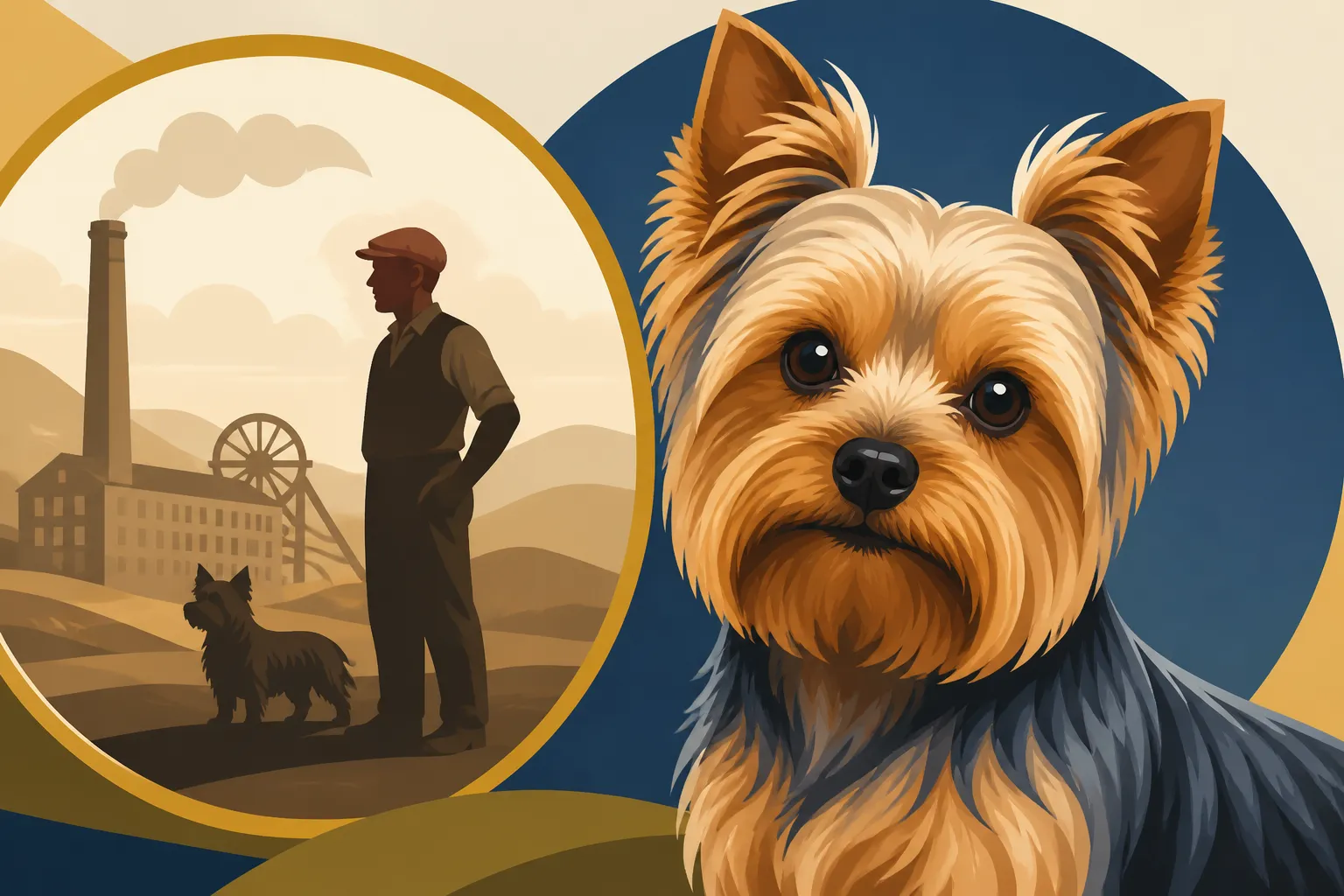
The story of the Yorkshire Terrier is deeply intertwined with the Industrial Revolution in England, specifically in the northern county of Yorkshire. This wasn't a breed developed in grand estates for aristocratic owners; quite the opposite. These dogs were born out of necessity, companions to the hard-working men and women who migrated from Scotland to England in the mid-19th century, seeking work in the burgeoning textile mills and coal mines.
Imagine the bustling, noisy environment of a 19th-century textile mill in towns like Huddersfield or Leeds. These were not pristine workplaces. They were damp, often unsanitary, and a prime breeding ground for rats and mice. These vermin not only caused damage to valuable machinery and raw materials but also posed a significant health risk to the workers. This is where small, fearless dogs became invaluable. They weren't just pets; they were essential members of the workforce, tasked with keeping the rodent population in check.
The Need for Ratters in Mills and Mines
The primary role of these early terriers was to hunt rats. Life in the industrial era was tough, and every penny counted. A dog that could protect a family's meager food supply from rodents, or prevent damage to their livelihood in the mills, was a dog worth its weight in gold. These early ancestors of the Yorkie were bred for their tenacity, their quick reflexes, and their small size, which allowed them to navigate tight spaces where larger dogs couldn't go. They were fearless in the face of vermin, traits that still surface in many modern Yorkies today when they encounter a squirrel or a stray mouse.
Beyond the mills, many also found work in coal mines. Here, their small stature was an advantage, allowing them to squeeze into narrow tunnels and retrieve items or alert miners to dangers like gas leaks. Their keen senses and intelligent nature made them versatile working dogs, far removed from the dainty image many hold of the breed today. This historical context helps explain why, despite their delicate appearance, Yorkies can possess such a strong-willed, determined, and sometimes even bossy personality. They had to be tough to survive and thrive in those challenging conditions.
The Working-Class Companions and Their Value
These dogs were more than just pest control; they were integral parts of working-class families. They offered companionship, protection, and even a sense of pride. Dog fighting, though illegal, was also a grim reality of the era, and these feisty terriers were sometimes unfortunately used in "rat-baiting" pits, further solidifying their reputation for courage and determination. While a dark chapter, it speaks volumes about the perceived toughness of these small dogs.
The people who owned these dogs were often living on tight budgets, and their animals reflected their practical needs. There wasn't a focus on aesthetics or fancy pedigrees initially, but rather on the dog's ability to perform its job. This shared hardship forged a deep bond between owner and dog, a loyalty that still defines the Yorkshire Terrier's attachment to its human family. They were truly working-class heroes, a testament to the resilience of both the dogs and their human companions.
From Scotland to Yorkshire: The Weavers' Dogs Migrate
The foundational dogs that would eventually become the Yorkshire Terrier didn't originate solely in Yorkshire. Their story begins further north, in the Scottish Highlands. When the textile industry boomed in England, a significant number of Scottish weavers and other workers migrated south, bringing with them their small, hardy terriers. These were not yet "Yorkshire Terriers" in the modern sense, but rather a collection of different terrier types, each contributing their unique genetics to what would eventually become a distinct breed.
These Scottish immigrants were often skilled laborers, and they sought to establish new lives in the industrial towns of Yorkshire. Their dogs traveled with them, serving the same vital roles they had played in Scotland: pest control, companions, and sometimes even hunters of small game like rabbits or foxes, helping to supplement the family's meager diet. The blend of these various Scottish terriers with local English terriers in Yorkshire created a melting pot of genetic material, setting the stage for the emergence of a new breed.
The Role of Scottish Weavers and Their Terriers
The specific terriers brought from Scotland are believed to have included various types of "Paisley Terriers" (a finer-coated version of the Skye Terrier), "Clydesdale Terriers," and other small, sturdy working terriers. These dogs were known for their long, silky coats, which provided protection against the harsh Scottish weather, and their tenacious dispositions. As these Scottish dogs intermingled with local terriers in Yorkshire, such as the Old English Black and Tan Terrier (now extinct), the distinct characteristics of the future Yorkshire Terrier began to emerge.
It's fascinating to think about these early dogs, perhaps trotting alongside their owners on long migrations, or curled up at their feet in cramped, industrial housing. They were survivors, adaptable and loyal, embodying the spirit of their human companions. Without the mass migration of Scottish workers and their furry friends, the Yorkshire Terrier as we know it might never have come to be. Their journey was one of necessity and hope, a true rags-to-riches story for a canine breed.
The Waterside Terrier and Other Ancestors
Among the various breeds believed to have contributed to the Yorkie's genetic makeup, the "Waterside Terrier" holds a significant, albeit somewhat nebulous, place. This was a small, blue-grey coated dog, often depicted with a rougher coat than today's Yorkies, commonly found along the rivers and canals of Yorkshire, particularly in the manufacturing districts. Their name suggests a role in hunting rats and other vermin around watery environments, a common task for working dogs in industrial areas.
Other breeds rumored to have played a part include the Maltese, whose long, silken white coat might have been introduced to refine the Yorkie's texture and add to its distinctive hair. It's also possible that Dandie Dinmont Terriers and even some early varieties of the Skye Terrier contributed to the mix. The exact recipe for the Yorkshire Terrier's creation remains a bit of a mystery, a testament to its humble, un-pedigreed beginnings. What we do know is that a diverse blend of small, intelligent, and fearless terriers came together in the challenging landscape of 19th-century Yorkshire, culminating in a dog truly unique. Understanding these diverse origins helps us appreciate the complexity of their genetics and the range of traits, from fierce independence to cuddly affection, that a Yorkie can possess.
The Early Days of the Breed Standard: Defining the Yorkie
As these various terrier types interbred in Yorkshire, a recognizable type of dog began to solidify. Breeders and enthusiasts in the region started to take notice of a particularly attractive and effective small terrier. This was the era when the formal concept of a "breed" began to take shape, moving from utilitarian working dogs to animals appreciated for their specific characteristics and appearance. This transition wasn't immediate, but rather a gradual process driven by the desire to refine and reproduce desirable traits.
The push for a breed standard wasn't just about aesthetics; it was about consistency. Owners who had dogs that excelled in ratting or simply made wonderful companions wanted to be able to reliably produce more dogs with those same qualities. This informal selection gradually led to more deliberate breeding practices, with certain individuals gaining prominence as foundational figures in the development of what would eventually be named the Yorkshire Terrier.
Huddersfield Ben: The Father of the Breed
No discussion of Yorkshire Terrier history is complete without mentioning Huddersfield Ben. Born in 1865, he was owned by a woman named Mrs. M. A. Foster, who lived in Huddersfield, Yorkshire. Ben was a celebrated dog in his time, known for his prowess in rat-killing competitions – a popular sport back then, albeit a harsh one – and for his striking good looks. He won numerous prizes in dog shows, not just for ratting, but also for his conformation and appearance.
Huddersfield Ben became the definitive sire for the emerging breed. He was bred extensively, and his offspring consistently displayed the desirable characteristics that people associated with the "Yorkshire Terrier" type: a small, compact body, a rich blue and tan coat, and that unmistakable confident demeanor. It's said that virtually every modern Yorkshire Terrier can trace its lineage back to Huddersfield Ben, a true testament to his profound influence. His legacy cemented the look and temperament that would define the breed for generations to come, moving the Yorkie from a collection of similar working dogs to a distinct, recognized breed. His impact was so significant that some early enthusiasts would even market puppies as "descendants of Huddersfield Ben" to denote quality and lineage.
Formal Recognition and Naming the Yorkshire Terrier
Initially, these dogs were simply known as "broken-haired Scotch Terriers" or "rough and smooth-haired terriers," reflecting their varied origins. As they became more uniform in appearance and solidified their presence in dog shows, the need for a more specific name arose. It was in 1870 that a correspondent for "The Field" magazine, a Mr. Angus Sutherland, suggested the breed be officially named the "Yorkshire Terrier," given that most of their development and refinement had taken place in that county. The name stuck, recognizing their geographical origin and acknowledging the dedicated breeders in Yorkshire who had championed their development.
The Kennel Club of England formally recognized the Yorkshire Terrier in 1886. This was a pivotal moment, marking the breed's official acceptance into the canine world. This recognition brought with it a written breed standard, a detailed description of the ideal Yorkshire Terrier's physical traits, temperament, and movement. This standard provided a blueprint for breeders to follow, ensuring consistency and guiding the breed's future development. From humble working dogs, they had ascended to the ranks of recognized purebreds, a journey that speaks volumes about their charm and appeal. For modern owners seeking supplies for their beloved companions, knowing this history, you can find a wide array of specialized products on platforms like Chewy, from delicate brushes for their silky coats to nutritious small-breed food that caters to their specific needs.
The Victorian Era and Rising Popularity
As the 19th century progressed, England, under Queen Victoria's reign, experienced a period of immense social and economic change. The emerging middle class and expanding aristocratic circles developed a growing interest in purebred dogs, not just as working animals, but as symbols of status, fashion accessories, and cherished companions. This shift in societal values provided fertile ground for the Yorkshire Terrier to transition from its working-class roots to a more fashionable existence.
The Victorian era was characterized by an explosion of interest in all things domestic, including pets. Dog shows became increasingly popular events, drawing large crowds and eager participants. These shows offered a platform for breeders to showcase their best specimens, driving competition and refinement within breeds. The Yorkshire Terrier, with its striking appearance and confident personality, was perfectly positioned to capture the hearts of the Victorian public.
From Working Dog to Lapdog
The transformation of the Yorkshire Terrier from a tenacious ratter to a beloved lapdog was a significant shift. While their ratting abilities were still admired, their small size, beautiful long coats, and endearing personalities made them irresistible as house pets. Victorian ladies, in particular, took a liking to these dainty yet spunky companions. They were perfectly sized to be carried, to sit on laps, and to adorn opulent drawing rooms. This newfound status meant that breeding priorities slowly began to shift. While tenacity remained, an emphasis on a long, silky coat, a small size, and a refined appearance became paramount.
This period saw the breed being intentionally bred to be smaller and to have an even longer, more luxurious coat than their working ancestors. This wasn't just a matter of aesthetics; it was a testament to the changing role of dogs in society. They were no longer solely tools for survival but had become cherished members of the family, bringing joy and companionship. The Yorkie's adaptability allowed them to thrive in this new role, showcasing their versatility.
The Rise of Dog Shows and Breed Recognition
Dog shows played a crucial role in elevating the Yorkshire Terrier's profile. These events, often held in grand venues, brought the breed to public attention and fueled its popularity. Winning at a prestigious show like Crufts, which began in 1891, could significantly increase a dog's value and the demand for its puppies. This competitive environment encouraged breeders to strive for excellence, adhering closely to the official breed standard.
The table below illustrates some key milestones in the Yorkie's journey to recognition:
| Year | Event/Milestone | Significance |
|---|---|---|
| Mid-19th Century | Scottish weavers migrate to Yorkshire with their terriers | Blending of various terrier types, foundational period. |
| 1865 | Birth of Huddersfield Ben | Becomes the definitive sire, "father of the breed." |
| 1870 | "Yorkshire Terrier" name proposed by Mr. Angus Sutherland | Official naming of the breed, gaining distinct identity. |
| 1873 | Kennel Club of England founded | Establishes framework for breed recognition and standards. |
| 1886 | Yorkshire Terrier recognized by the Kennel Club (England) | Formal acknowledgment of the breed, first official breed standard. |
| Late 1800s | Increased presence in Victorian dog shows | Boosts popularity and refinement of breed characteristics. |
| 1880s | First Yorkshire Terriers imported to the United States | Introduces the breed to North America. |
| 1904 | American Kennel Club (AKC) recognizes the Yorkshire Terrier | Solidifies the breed's place in the American purebred dog world. |
The consistent appearance and winning streaks of certain Yorkshire Terriers at these shows helped to define the breed in the public consciousness. People saw these beautiful, confident little dogs and wanted one for themselves. This public appeal, combined with dedicated breeders, ensured the Yorkie's place as one of the most beloved breeds, a status they have maintained to this day. This period was crucial in shaping their image from a tough worker to a glamorous companion, a legacy that continues to influence Yorkshire Terrier Size, Weight, and Appearance discussions.
Crossing the Atlantic: Yorkies in America
The charm of the Yorkshire Terrier was simply too great to be contained within the borders of England. As their popularity surged in Victorian Britain, it was only a matter of time before these captivating little dogs made their way across the Atlantic to the burgeoning United States. The late 19th and early 20th centuries saw a significant increase in the popularity of purebred dogs in America, and the Yorkie was poised to become a star.
Bringing dogs across the ocean in those days was no small feat. It involved lengthy sea voyages and considerable expense, making them a luxury item. This further contributed to the breed's image as a dog for the affluent, a stark contrast to their working-class beginnings. However, once they arrived on American shores, their endearing qualities quickly won over a new legion of admirers.
Early American Imports and Influential Breeders
The first Yorkshire Terriers are believed to have arrived in the United States in the early 1880s. These initial imports were likely brought over by affluent individuals or dog enthusiasts who had seen the breed's success and appeal in England. One of the most prominent early figures in American Yorkie history was a man named August Belmont Jr., a wealthy financier and horse breeder, who was also a key figure in the early days of the American Kennel Club (AKC). He imported several notable Yorkshire Terriers, helping to establish the breed in the United States.
These early American breeders faced the challenge of establishing a strong gene pool from a relatively small number of imported dogs. They had to carefully manage breeding programs to maintain the quality and characteristics of the breed while avoiding inbreeding. Their dedication laid the groundwork for the Yorkie's eventual widespread popularity. Without these pioneering efforts, the breed might have struggled to gain a foothold in the competitive American dog scene. For new owners or those looking to deepen their understanding of their Yorkie’s care, exploring resources like "Yorkshire Terrier Puppy Health Guide" can be incredibly beneficial.
American Kennel Club Recognition
The American Kennel Club (AKC) officially recognized the Yorkshire Terrier breed in 1904. This was a significant milestone, solidifying the breed's place in the American purebred dog community. AKC recognition meant that Yorkies could be officially registered, participate in conformation shows, and have their pedigrees formally recorded. This provided a framework for consistent breeding practices and helped to standardize the breed's characteristics across the country.
The establishment of breed clubs, such as the Yorkshire Terrier Club of America, further promoted responsible breeding, education, and camaraderie among owners. These clubs played a vital role in protecting the breed's integrity and ensuring its continued health and well-being. Today, the Yorkshire Terrier remains one of the most popular breeds in the United States, consistently ranking high in AKC registration statistics. This enduring popularity is a testament to their captivating personalities and adaptability, allowing them to fit seamlessly into diverse households, from bustling city apartments to quiet suburban homes. Many owners today still rely on established pet retailers like Chewy to find everything from the perfect harness to Best Dental Chews for Yorkies that cater to their specific breed needs.
Evolution of Appearance and Temperament
The Yorkshire Terrier we see today, with its perfectly parted, long silky coat and confident swagger, is a product of deliberate breeding and refinement over many generations. While the foundational traits of tenacity and alertness were present from the beginning, the breed's physical appearance and even some aspects of its temperament have certainly evolved since its early working-dog days. This evolution wasn't accidental; it was driven by changing societal preferences and the dedicated efforts of breeders to meet those desires.
The journey from a rugged mill dog to a refined show dog involved careful selection for specific traits. Early photographs and descriptions suggest that the original Waterside Terriers and their ilk had coarser, possibly wirier coats, and may have been slightly larger than the modern standard. The emphasis was on function, not just form. However, once the breed gained popularity as a companion animal, aesthetics began to play a much larger role.
Coat Changes Over Time: From Coarser to Silkier
One of the most striking evolutionary changes in the Yorkshire Terrier is the development of its distinctive coat. The early terriers of Yorkshire and Scotland likely had coats that were functional: dense, water-resistant, and providing insulation against the elements. While some may have had softer textures, the hallmark long, flowing, silky, blue and tan coat we associate with the breed today took time to develop. Breeders selectively bred for dogs with finer, longer hair, ultimately achieving the luxurious texture that is now a key characteristic of the breed standard.
This emphasis on coat quality has led to the need for meticulous grooming, something that would have been far from the minds of the early mill workers. Today, a show-quality Yorkie's coat can reach floor length, requiring daily brushing and careful maintenance. Even for pet Yorkies, regular grooming, whether at home or professionally, is essential to prevent matting and maintain skin health. This evolution also led to unique grooming styles, such as the Yorkie Top Knot: What to Know, which is both practical for keeping hair out of their eyes and aesthetically pleasing.
Size and Structure: The Refinement Process
The average size of the Yorkshire Terrier has also seen a refinement. While always a small dog, the early working terriers might have been a bit more robust than the delicate 4 to 7-pound standard we typically see today. As the breed transitioned into a companion role, there was a desire for smaller, more portable dogs, leading breeders to select for decreased size. This refinement has also impacted the bone structure, making them more delicate than their ancestors.
Despite their small stature, the Yorkie retains a sturdy, well-proportioned body, a testament to its terrier heritage. Their confident, upright carriage and alert expression are also traits that have been preserved and even enhanced through selective breeding. While physically refined, the breed's inherent terrier "gameness" – their courage, determination, and sometimes independent streak – remains very much intact, proving that you can take the dog out of the mill, but you can't take the terrier out of the dog. This tenacity is often what charms their owners, but it also necessitates consistent training, as outlined in articles like Yorkshire Terrier Potty Training Guide and How to Train a Yorkshire Terrier.
The Modern Yorkshire Terrier: A Cherished Companion
Today's Yorkshire Terrier stands as a testament to its remarkable journey, a blend of rugged history and refined elegance. From humble beginnings in the smoky mills of 19th-century England to becoming one of the most popular companion dogs worldwide, the Yorkie has truly adapted and thrived. They are no longer scrambling through factory floors chasing rats, but rather, gracing homes with their vibrant personalities and undeniable charm.
The breed's small size, combined with a big personality, makes them incredibly versatile companions. They fit into various lifestyles, from city apartment dwellers to families in larger homes, as long as they receive adequate attention and care. Their intelligence and eagerness to please, when properly channeled, make them delightful pets, though their terrier stubbornness can sometimes peek through.
Global Appeal and Adaptability
The Yorkshire Terrier's appeal is truly global. They are beloved in North America, Europe, Asia, and beyond, transcending cultural boundaries to become cherished members of families worldwide. This widespread popularity can be attributed to several factors. Their compact size makes them ideal for modern living, especially in urban environments where space can be at a premium. They are portable, often travel-friendly, and their relatively low shedding coat is a plus for many allergy sufferers (though no dog is truly 100% hypoallergenic).
Beyond their practical attributes, it's their personality that truly wins hearts. Yorkies are known for their lively, affectionate, and sometimes mischievous nature. They are fiercely loyal to their families and often form strong bonds, sometimes even picking a "favorite" human. Their adaptability also means they can thrive as the sole pet or live happily alongside other animals, provided proper introductions and socialization, a topic explored in depth in resources like How to Socialize a Yorkshire Terrier. Their spirit and intelligence make them suitable for various dog sports and activities, from obedience to agility, proving they are much more than just pretty faces.
The Enduring Charm: What Makes Them So Beloved
What is it about the Yorkshire Terrier that continues to captivate so many? It's a combination of factors, a unique blend of sass and sweetness. Their beautiful, flowing coats and expressive eyes are undeniably attractive, but it's their "big dog in a small body" attitude that truly seals the deal for many owners. They are brave, confident, and utterly devoted, often acting as tiny guardians of their homes and families.
Their playful antics, their loving cuddles, and their unwavering loyalty create an irresistible package. They often possess a keen intelligence, making them engaging companions who are always ready for an adventure or a snuggle on the sofa. While they can be vocal, barking to alert their owners of perceived threats (a nod to their watchdog ancestors), they are equally content to be lavished with affection. For anyone considering bringing a Yorkie into their life, understanding their Yorkshire Terrier Temperament and Personality is key to a harmonious relationship. Many pet parents find great joy in providing the best for these cherished companions, from specialty foods to cozy beds, all readily available through trusted pet supply sources like Chewy.
Preserving the Legacy: Responsible Breeding and Care
The enduring popularity and well-being of the Yorkshire Terrier breed depend heavily on responsible breeding practices and informed owner care. While their history is one of resilience and adaptation, it also highlights the importance of thoughtful stewardship to ensure the breed continues to thrive for generations to come. The goal is to celebrate their unique characteristics while safeguarding their health and temperament.
Responsible breeding goes beyond simply producing puppies; it involves a deep understanding of the breed's history, health concerns, and genetic predispositions. It means making ethical choices that prioritize the health and welfare of the dogs above all else. For prospective owners, choosing a responsible breeder is one of the most critical decisions they will make, impacting their Yorkie's health and longevity.
The Importance of Ethical Breeding
Ethical breeders are passionate about the Yorkshire Terrier breed and commit to upholding the breed standard while focusing on health and temperament. They conduct thorough health screenings for common genetic conditions that Yorkies are prone to, such as Yorkshire Terrier Patellar Luxation: Signs and Care or Yorkshire Terrier Liver Shunt: Signs and and Care. They understand the importance of genetic diversity within their lines and prioritize breeding healthy dogs that will contribute positively to the future of the breed.
A reputable breeder will be transparent about their breeding practices, openly discuss health clearances, and provide a health guarantee for their puppies. They will also be a lifelong resource for new owners, offering guidance and support. They carefully vet prospective buyers to ensure their puppies go to loving, appropriate homes. Conversely, unethical breeders or puppy mills, driven solely by profit, often disregard health testing, proper socialization, and good breeding practices, leading to puppies with potential health problems and behavioral issues. Therefore, knowing How to Find a Reputable Yorkie Breeder is paramount.
Ongoing Health Considerations for Yorkies
Due to their small size and genetic predispositions, Yorkshire Terriers can be prone to certain health issues. Throughout their history, breeders have worked to mitigate these, but ongoing vigilance is key. Conditions like tracheal collapse, dental disease, and hypoglycemia are more common in small breeds. Understanding these potential challenges allows owners to provide proactive care and recognize symptoms early. Regular veterinary check-ups are crucial, starting with a comprehensive Yorkshire Terrier Puppy Health Guide and continuing through their senior years, as covered in topics such as Yorkshire Terrier Senior Care Guide.
Proper nutrition, consistent dental care (Yorkies are notoriously prone to Yorkshire Terrier Dental Disease: Signs and Care), and appropriate exercise are all vital components of a healthy life for a Yorkie. Owners should be prepared for potential vet costs and consider pet insurance to help manage unforeseen health expenses. By being informed and proactive, we can honor the resilient spirit of the Yorkshire Terrier's ancestors and ensure that our modern companions live long, happy, and healthy lives. The breed's rich history has given us these wonderful dogs; it's our responsibility to cherish and protect them.
Disclaimer
Please remember that the information provided in this article is intended for general informational purposes only and not as a substitute for professional veterinary advice. Always consult with a qualified veterinarian or animal healthcare professional for any health concerns or before making any decisions about your pet's health or treatment.