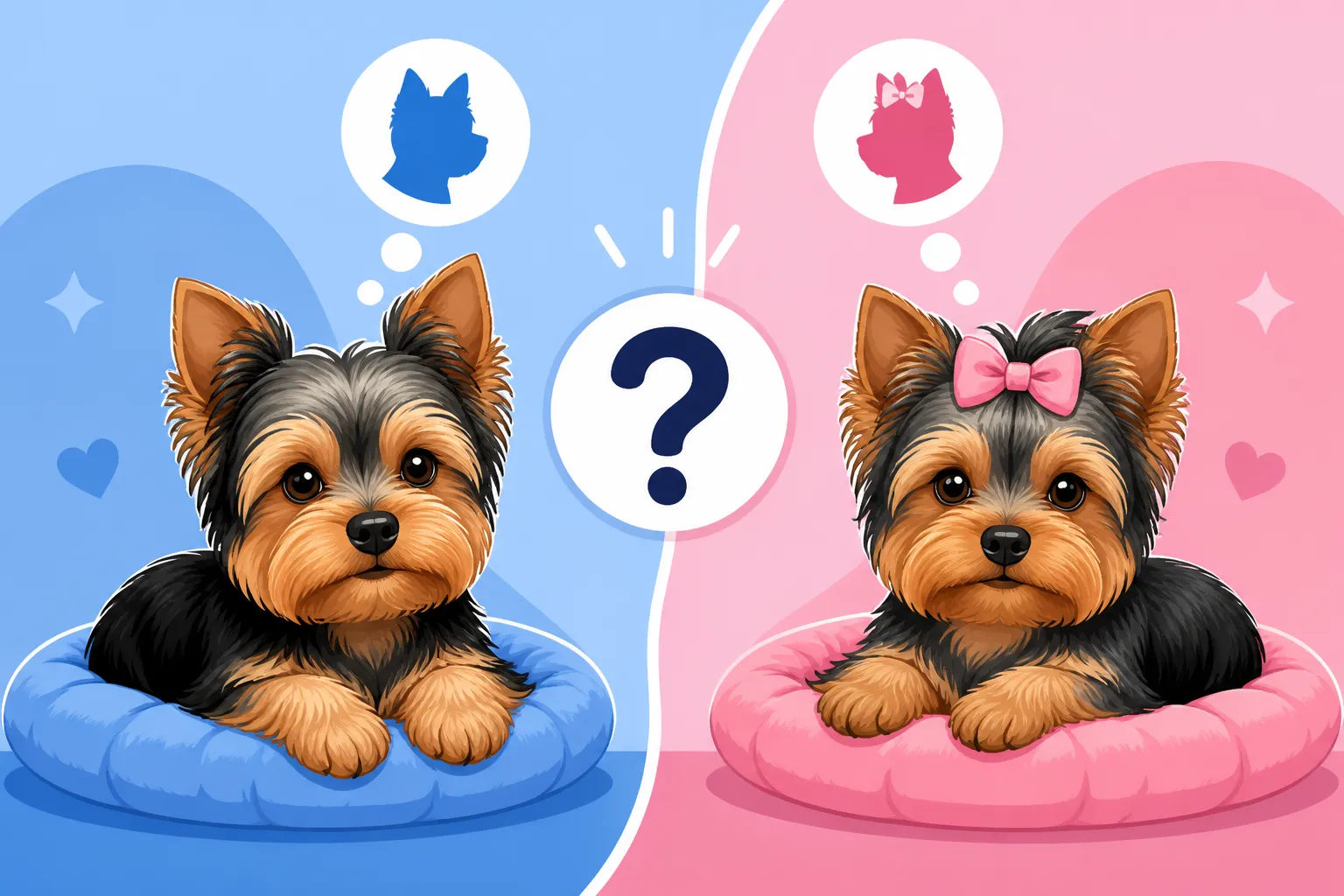
Are Male or Female Yorkies Calmer
It’s a common scenario: you’re dreaming of adding a tiny, spirited Yorkshire Terrier to your family, and you start wondering if there's a difference between male and female pups when it comes to their overall demeanor. Many prospective pet parents grapple with the question of whether one gender is inherently calmer, more affectionate, or easier to train. This guide aims to shed light on these very valid concerns, helping you navigate the charming personalities of Yorkies and discover what truly shapes their behavior.
Understanding the Core Yorkshire Terrier Personality
Before we dive into the specifics of male versus female traits, it’s crucial to understand the foundational personality of a Yorkshire Terrier. These aren't just small lapdogs; they are terriers through and through, boasting a bold, confident, and often feisty spirit wrapped up in a pint-sized package. They were originally bred to hunt rats in textile mills, so they come with a natural prey drive and a surprisingly tenacious attitude for their size.
The Energetic and Curious Nature of Yorkies
Yorkies are renowned for their lively energy. They love to play, explore, and be at the center of attention. This isn't a breed content to sit quietly on the sidelines; they thrive on interaction and mental stimulation. Even though they're small, they possess a big personality and require adequate Yorkshire Terrier Exercise Needs to keep them happy and well-behaved. Without proper outlets for their energy and curiosity, any Yorkie, regardless of gender, can develop undesirable behaviors like excessive barking or destructive chewing. They are intelligent dogs, quick to learn, but sometimes their stubborn streak, typical of terriers, can make Are Yorkshire Terriers Easy to Train a bit of a challenge for first-time owners.
Affectionate and Loyal Companions
One of the most endearing qualities of Yorkshire Terriers is their deep loyalty and affection for their human families. They often form incredibly strong bonds with their primary caregivers and thrive on companionship. This intense bond is why they can sometimes be prone to Yorkshire Terrier Separation Anxiety Solutions if left alone for extended periods without proper training and preparation. They love to cuddle, be held, and participate in family activities, often preferring to be wherever their favorite people are. This inherent need for closeness is a consistent trait across the breed, though the way they express it might vary slightly.
Exploring Temperament Traits in Male Yorkies
Many people come into the world of Yorkies with preconceived notions about male dogs in general, often fearing they might be more prone to marking or aggression. While some general trends exist, it’s rarely as black and white as you might think.
The "Mama's Boy" Stereotype and Affection
Male Yorkies often get a reputation for being more outwardly affectionate and what some affectionately call "mama's boys." While this isn't a universal truth, many male Yorkies do seem to gravitate towards a single person in the household, showering them with unwavering devotion and demanding constant attention. They might be the ones who are always underfoot, following you from room to room, and readily offering cuddles. This intense bond can be incredibly rewarding, creating a dog that feels like your shadow and best friend.
However, this doesn't mean they're aloof with others. A well-socialized male Yorkie will generally be friendly and welcoming to other family members and trusted visitors, although their primary affection might remain focused on their chosen person. This isn't aggression; it's just a deep, singular attachment. If you're looking for a dog that will be your constant companion and cuddle buddy, a male Yorkie might just fit the bill.
Training and Marking Behaviors
When it comes to training, male Yorkies are just as intelligent and capable of learning as their female counterparts. They respond very well to How to Train a Yorkshire Terrier using positive reinforcement, especially when treats are involved. However, one common concern with male dogs is marking. Intact (unneutered) males are more likely to display marking behaviors, both indoors and outdoors, as a way to communicate their presence. This is a natural instinct, but it can be frustrating for owners.
Neutering a male Yorkie significantly reduces or eliminates this behavior, especially if done early. Even then, consistent Yorkshire Terrier Potty Training Guide and supervision are key. If you are diligent with potty breaks and reward good behavior, male Yorkies can be just as reliably house-trained. Consider practical solutions like belly bands (available on sites like Chewy) for transitional periods if marking is an issue. It’s less about their inherent calmness and more about managing their natural instincts through responsible ownership.
Exploring Temperament Traits in Female Yorkies
Female Yorkies are often perceived as being a bit more independent or even "sassy." Like their male counterparts, they come with their own set of delightful traits and considerations.
Independence and Selective Affection
While male Yorkies might be your constant shadow, female Yorkies are sometimes described as being a bit more independent. This doesn't mean they're not affectionate; far from it! They love their families deeply, but they might be more inclined to cuddle on their own terms or enjoy some quiet time in their bed rather than being perpetually in your lap. They can be incredibly loving but might express it in a slightly more reserved way.
This perceived independence can sometimes translate into a "queen bee" mentality, especially if they are the only dog in the household. They know what they want and aren't afraid to communicate it, often with that characteristic Yorkie sass. This personality trait, which some find endearing, means they might be slightly less prone to constantly seeking attention, though they will certainly let you know when they desire a good belly rub or a play session.
Heat Cycles and Social Dynamics
A significant difference with female Yorkies, especially if they are not spayed, is the experience of heat cycles. A female Yorkie typically goes into heat twice a year, which involves a period of bleeding and heightened hormonal activity. During this time, their temperament can shift. They might become more anxious, clingy, or irritable, and their desire to roam to find a mate will increase. This period can be stressful for both the dog and the owner, requiring extra vigilance and management.
Spaying a female Yorkie eliminates heat cycles, reduces the risk of certain health issues like mammary cancer and pyometra, and often helps to stabilize their temperament, making them generally more consistent in their behavior. When considering Male vs Female Yorkshire Terrier: Which to Choose, the presence or absence of these heat cycles is a major practical consideration for many families. Socially, unspayed females can also sometimes exhibit more territoriality or rivalry with other female dogs, though proper How to Socialize a Yorkshire Terrier can mitigate many of these issues.
Beyond Gender: What Really Shapes a Yorkie's Disposition
While there are some general tendencies between male and female Yorkies, it's a huge oversimplification to say one is definitively "calmer" than the other. In reality, a multitude of factors play a far more significant role in shaping a Yorkie's temperament than their sex.
Genetics and Early Socialization
Perhaps the most impactful factor is genetics. A Yorkie puppy inherits temperament traits from its parents and its lineage. A puppy from calm, well-adjusted parents is more likely to have a stable temperament itself. This is why choosing a How to Find a Reputable Yorkie Breeder is paramount. A responsible breeder will prioritize health and temperament, ensuring their breeding dogs have good dispositions. They also typically provide a nurturing environment during the critical early weeks of a puppy's life.
Beyond genetics, early socialization is absolutely vital. The experiences a Yorkie puppy has between 3 and 16 weeks of age heavily influence how they view the world. Exposure to various sights, sounds, people, and other friendly animals during this period helps them develop into confident, well-adjusted adults. Puppies that miss out on this crucial period can become fearful or reactive, regardless of their sex. A great breeder will ensure their puppies get a head start on this, and owners must continue this process with their Yorkshire Terrier Puppy Training Schedule.
Training, Environment, and Individual Personality
Consistent training is another cornerstone of a well-behaved Yorkie. How to Train a Yorkshire Terrier covers everything from basic commands to addressing behavioral issues. A dog that understands boundaries and expectations, and is rewarded for good behavior, will naturally be calmer and more responsive. Lack of training can lead to frustration for both dog and owner, resulting in behavioral problems that might be mistakenly attributed to gender. You can find many helpful training tools and guides on platforms like Chewy to support your efforts.
The home environment also plays a massive role. A chaotic, high-stress household can make any dog anxious. Conversely, a calm, consistent, and loving home fosters a secure and relaxed Yorkie. Furthermore, every dog is an individual. Just like people, Yorkies have their own unique personalities. Some male Yorkies are more reserved, and some females are incredibly outgoing. It's a spectrum, and sometimes you just get a truly unique character that defies all typical gender expectations!
Making Your Choice: Considering Your Lifestyle
When deciding between a male or female Yorkie, instead of fixating on which is "calmer," consider which traits align best with your lifestyle and family dynamics.
Factors to Consider for Your Household
Think about what you're truly looking for in a companion. Do you spend a lot of time at home and want a constant shadow? A male Yorkie might lean that way. Are you looking for a dog that's a bit more independent but still deeply loving? A female might fit. Do you have other pets? Sometimes, having two dogs of opposite sexes can lead to fewer dominance issues, but this is not a hard and fast rule.
Consider the time commitment involved. If you're opting for an unspayed female, you'll need to be prepared for heat cycles and the responsibility of preventing accidental pregnancies. If you're getting a male, understanding that intact males may be more prone to marking and having a plan to address it (e.g., neutering, training, belly bands from Chewy) is important. Ultimately, dedication to Yorkshire Terrier Daily Care Routine and consistent training matters far more than gender.
| Trait / Characteristic | General Tendencies of Male Yorkies (Unneutered) | General Tendencies of Female Yorkies (Unspayed) |
|---|---|---|
| Affection Display | Often very overtly affectionate, "shadows" owner, seeks constant attention. | Can be affectionate but often more on their own terms, may be slightly more independent. |
| Marking Behavior | More prone to marking territory, especially if intact. | Less prone to marking, though it can occur. |
| Hormonal Cycles | No heat cycles, can be consistently focused. | Experiences heat cycles (approx. twice a year) which can cause behavioral shifts (anxiety, clinginess, restlessness). |
| Social Dynamics | Can be playful with other dogs; intact males might show dominance with other males. | Can be selective; intact females might show rivalry with other females. |
| Training Pace | Generally quick learners, food motivated. | Generally quick learners, can sometimes be more stubborn. |
| Energy Level | High energy, loves play. | High energy, loves play. |
The Importance of Individual Assessment
When you meet a specific Yorkie, whether it's a puppy or an adult, spend time observing their individual personality. Don't let gender be the sole deciding factor. Is the puppy shy or outgoing? Does it seem playful or reserved? Does it approach you confidently or hang back? A reputable breeder will often be able to guide you towards a puppy whose temperament matches your family's lifestyle.
For example, a male Yorkie who is confident and well-socialized will likely be calmer and better-behaved than a female Yorkie who has been poorly socialized or comes from a lineage of anxious dogs. Focus on the individual dog's history, the breeder's practices, and your commitment to training and socialization. A well-adjusted, well-trained Yorkie, regardless of sex, is the calmest and most joyful companion you can have. Delving into guides like Yorkshire Terrier Temperament and Personality and Common Yorkshire Terrier Genetic Conditions can provide an even broader understanding of what makes these dogs tick.
Ultimately, both male and female Yorkshire Terriers can make incredible, loving, and certainly spirited companions. Their gender is just one small piece of a much larger, more complex puzzle that makes up their unique personality. Your commitment to their care, training, and environment will be the biggest determinant of how calm and well-behaved your little Yorkie companion truly is.
Disclaimer
Please remember that the information provided in this guide is for educational purposes only and should not replace professional veterinary advice. Always consult with a qualified veterinarian or professional dog trainer for any specific concerns regarding your pet's health or behavior.