Blue And Tan Yorkshire Terrier: What to Know
Many aspiring Yorkshire Terrier owners are captivated by the breed's signature beautiful coat, but the nuances of colors, especially the "blue and tan," can be quite confusing. You might see puppies advertised with all sorts of intriguing color descriptions, leaving you wondering what's truly standard and what to expect as your little one grows. This comprehensive guide aims to demystify the blue and tan Yorkshire Terrier, explaining what this coloration means, how it develops, and what you should know about these charming dogs.
Understanding the Standard Blue and Tan Yorkshire Terrier Coloration
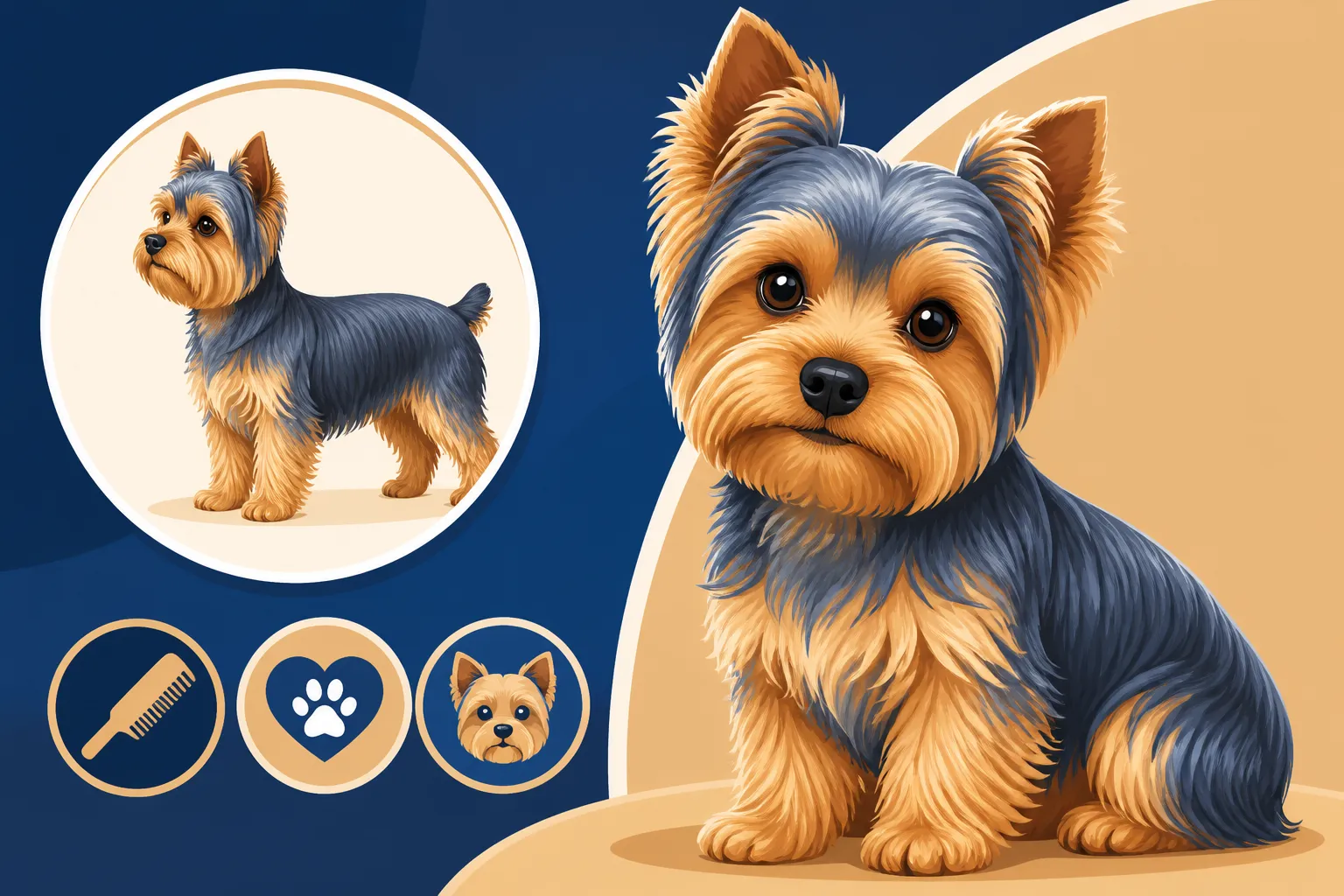
When we talk about a "blue and tan" Yorkshire Terrier, we're not referring to a dog that's literally the color of the sky or a deep navy. Instead, "blue" in the Yorkie world describes a specific shade of steel gray that is quite distinct from black. This unique coloration, coupled with bright tan markings, is the hallmark of the breed as recognized by the American Kennel Club (AKC) and other major kennel clubs worldwide. It’s a classic look that defines the breed's elegant appearance.
The Standard Color Progression from Puppy to Adult
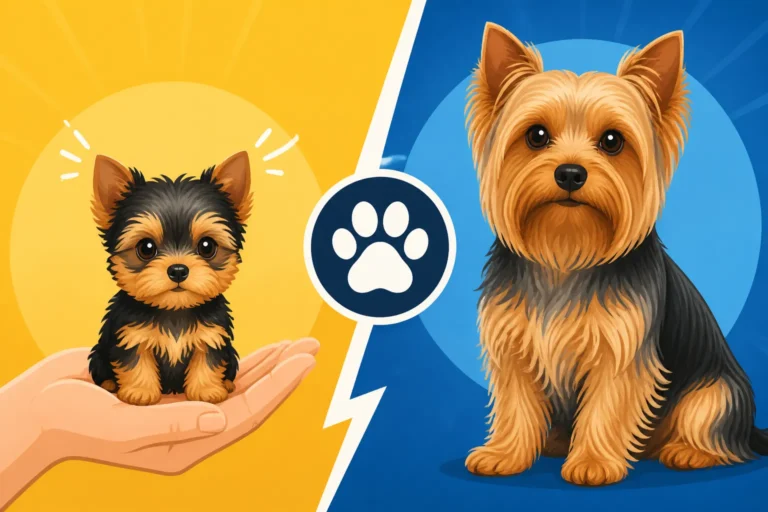
One of the most fascinating aspects of a Yorkshire Terrier's coat is its development. Yorkie puppies are almost never born "blue and tan." Instead, they typically arrive with black and tan markings. This can sometimes lead to confusion for new owners who might expect their puppy to retain its initial dark coat. The transformation from black to blue is a gradual process, often referred to as "breaking" or "clearing" of the coat, and it's completely normal and expected for a purebred Yorkie.
Imagine bringing home a tiny, adorable Yorkie puppy with a rich black saddle and vibrant tan points. Over the next year or two, sometimes even longer, you'll start to notice the black hairs slowly lightening. They won't just turn gray; they'll transform into that distinctive, glossy steel blue that the breed is famous for. This change usually begins around the head and works its way down the body. The tan markings, which are typically found on the head, chest, and legs, also undergo a change, often deepening from a paler fawn to a richer, more golden tan. This process can take anywhere from six months to three years to fully complete, and no two Yorkies will clear exactly the same way or at the same pace. It’s truly a unique journey for each dog, making their coat development a delightful thing to observe. For a deeper dive into their appearance, check out our Yorkshire Terrier Size, Weight, and Appearance guide.
The Genetic Basis of Yorkie Coat Color
The specific "blue" coloration in Yorkshire Terriers isn't due to a blue pigment gene, but rather a dilution gene that affects black pigment. Genetically, the Yorkie carries genes for black and tan, but also a progressive graying gene. This gene causes the black pigment to dilute over time, resulting in the steel blue shade. The tan markings, however, remain vibrant and unaffected by this particular dilution. This is why you don't typically see a "blue" version of the tan, but rather a steel blue body coat paired with golden tan points.
Breeders, especially those focused on maintaining the breed standard, pay close attention to the genetic lines to ensure they produce puppies with the correct clearing genes. While a puppy might look black and tan at birth, a knowledgeable breeder can often predict if it will clear to the correct blue and tan based on its parentage and the history of their bloodlines. This genetic predisposition is what makes the blue and tan such a defining characteristic and a fascinating aspect of the Yorkshire Terrier breed.
Distinguishing Blue and Tan from Other Yorkie Colors
Navigating the world of Yorkshire Terrier colors can be tricky, especially with the rise of "designer" or non-standard colors. While the AKC recognizes only blue and tan as the standard, you'll encounter a variety of other coat descriptions. It's crucial to understand the difference, particularly if you're looking for a dog that conforms to breed standards or if you simply want to know what to expect from your furry companion.
Blue and Tan vs. Black and Tan
The most common point of confusion arises between a puppy's initial "black and tan" coat and the adult "blue and tan" standard. As mentioned, all standard Yorkies start life looking black and tan. The distinction lies in whether that black will clear to blue. A true blue and tan Yorkie will have a steel blue body coat, often described as a dark, metallic gray, contrasting beautifully with bright golden tan points on their head, chest, and legs.
A Yorkie that remains truly "black and tan" throughout its adult life does not meet the AKC breed standard for color. While still a Yorkshire Terrier in every other aspect, and certainly no less lovable, their coat color would be considered a deviation from the ideal. The difference can be subtle when the dog is young, but as they mature, the contrast becomes evident. A black and tan dog will retain its deep, solid black color on its body, without the characteristic steel gray sheen of a properly cleared blue coat. Observing the parents of a puppy can often give you a good indication of how their coat will develop, as the clearing process is largely genetic.
Understanding Non-Standard Yorkie Colors
Beyond the blue and tan and persistent black and tan, you might come across other captivating Yorkie colorations. These include "Parti," "Chocolate," and "Golden" Yorkies, among others. While these dogs are genetically Yorkshire Terriers, their colors are considered non-standard by major kennel clubs and would disqualify them from conformation shows.
- Parti Yorkies: These are characterized by a tri-color coat of white, black (or blue), and tan. They have a piebald gene that results in patches of white fur. Many people find Parti Yorkies incredibly beautiful, and they are gaining popularity as pets, but they are not considered standard.
- Chocolate Yorkies: These dogs have a brownish body coat instead of black or blue, paired with tan markings. This is due to a recessive gene that dilutes black pigment to brown.
- Golden Yorkies: Also known as "blonde" or "red" Yorkies, these dogs have an all-tan or golden coat without the characteristic black/blue saddle. This is a very rare coloration and is also considered non-standard.
It's important to understand that these non-standard colors are simply variations in coat pigment. They do not indicate a lack of purebred status, nor do they suggest any inherent health problems or temperament differences. A Parti Yorkie, for instance, is still 100% Yorkshire Terrier. The key difference is simply the adherence to a specific aesthetic standard set by breed clubs. If you're considering a Yorkie with one of these unique coats, you might want to learn more about Parti Yorkshire Terrier Explained or Golden Yorkshire Terrier Explained to understand their specific traits.
Care and Considerations for Blue and Tan Yorkies
Caring for a blue and tan Yorkshire Terrier is largely the same as caring for any other Yorkie. Their specific coat color doesn't dictate unique health needs or temperament traits. However, maintaining that beautiful, silky coat does require consistent attention, and understanding their general needs is paramount to keeping them healthy and happy.
Grooming to Maintain Coat Health and Color
The Yorkshire Terrier's coat is often compared to human hair, known for its fine, silky texture. For a blue and tan Yorkie, proper grooming is essential to keep that signature steel blue and golden tan looking its best. This means a daily brushing routine to prevent mats and tangles, which can easily form in their long, flowing hair.
When it comes to bathing, use a high-quality shampoo and conditioner specifically formulated for long-haired dogs. Products designed to enhance coat color can sometimes help bring out the vibrancy of their blue and tan, but the most important thing is to keep the coat clean, moisturized, and free from buildup. After bathing, thoroughly dry their coat to prevent skin irritation and matting. Many owners opt for a professional groomer every 4-6 weeks, especially if they prefer a specific cut, like a puppy cut, to manage length and prevent tangles. However, home grooming is definitely doable with the right tools and a little practice. You can find excellent grooming tools, shampoos, and conditioners from reputable retailers like Chewy, making it easy to keep your Yorkie looking pristine. For more detailed tips, check out our Yorkshire Terrier Grooming Guide.
Here's a quick comparison of standard vs. non-standard Yorkie colors:
| Color Type | Body Color (Adult) | Tan Markings | AKC Standard | Common Perception |
|---|---|---|---|---|
| Blue & Tan | Steel Blue (dark gray) | Golden Tan | Yes | Classic Yorkie |
| Black & Tan | Persistent Black | Golden Tan | No | Puppy color retained |
| Parti | White with Black/Blue & Tan patches | Yes (on patches) | No | Unique, tri-color |
| Chocolate | Brown | Tan | No | Rare, brown dilution |
| Golden | All Tan/Gold | N/A | No | Rare, no black/blue |
Health and Temperament
It's a common misconception that certain coat colors are linked to specific health issues or temperament traits in dogs. For blue and tan Yorkshire Terriers, this is not the case. Their coloration is purely cosmetic and has no bearing on their overall health or personality. A blue and tan Yorkie is just as susceptible or resilient to common Yorkie health problems as any other Yorkie.
Yorkshire Terriers, regardless of coat color, are generally known for being intelligent, feisty, and affectionate little dogs. They possess a big personality in a small package, often exhibiting a brave and confident demeanor. They can be prone to certain genetic conditions, such as patellar luxation, tracheal collapse, and dental disease, but these are breed-wide concerns, not specific to the blue and tan coloration. Regular vet check-ups, a balanced diet, and an active lifestyle are crucial for keeping your Yorkie healthy. Brands like Royal Canin and Hill's Science Diet offer breed-specific or small-breed formulas that can be beneficial. It's also wise to consider a range of supplements for joint health, available on platforms like Chewy, especially as they age. Understanding Yorkshire Terrier Health Problems to Know is vital for any owner. Their temperament, described in more detail in Yorkshire Terrier Temperament and Personality, is also universal across the breed.
The Show Ring and Ethical Breeding Implications
For those interested in the world of dog shows, or simply ensuring they acquire a healthy, well-bred Yorkie, understanding the significance of the blue and tan coloration within breed standards and ethical breeding practices is crucial. This color is not just pretty; it’s a defining characteristic for the breed.
AKC Standards and Showing
The American Kennel Club (AKC) and other international kennel clubs, such as The Kennel Club (UK), maintain strict breed standards that dictate the ideal appearance and characteristics of a Yorkshire Terrier. For coat color, these standards unequivocally state that the body color must be "dark steel-blue," not silver-blue and never black, mingled with fawn or bronze hairs. The tan markings must be a "rich tan," darker at the roots than the ends, and not extend beyond specific areas like the head, chest, and legs.
This precise definition of "blue and tan" is why it's so important for show-quality Yorkies to exhibit the correct color progression. A dog that doesn't properly clear from black to blue, or one that displays non-standard colors like parti or chocolate, would be disqualified from conformation events. This doesn't mean they aren't wonderful pets, but simply that they don't meet the aesthetic criteria for judging in a show ring. Reputable breeders strive to produce dogs that not only have excellent health and temperament but also adhere closely to these physical standards. You can read more about what makes a Yorkie meet these criteria in Yorkshire Terrier Breed Standard Explained.
Ethical Breeding Practices for Color
Ethical breeders prioritize the health, temperament, and welfare of their dogs above all else. When it comes to coat color, an ethical breeder will focus on producing blue and tan Yorkies that conform to the breed standard without compromising on health. This means carefully selecting breeding pairs based on their genetic health screenings, temperament, and conformation, including their ability to produce correctly colored offspring.
You'll find that ethical breeders are transparent about their dogs' health histories, genetic testing, and the color progression of their puppies. They won't make exaggerated claims about rare or unusual colors, nor will they charge exorbitant prices for non-standard colored puppies, as these are deviations from the standard, not enhancements. They understand that while non-standard colors can be charming, the true value of a Yorkie lies in its overall health and adherence to the established breed characteristics. When searching for a puppy, always consult resources like How to Find a Reputable Yorkie Breeder and use a Yorkshire Terrier Puppy Buying Checklist to ensure you're working with someone who prioritizes the dog's well-being. Asking about the color development of previous litters or the parents themselves is a great question to pose to a breeder.
Living with a Blue and Tan Yorkie: What to Expect Daily
Bringing a Yorkshire Terrier into your life, especially a blue and tan one, means welcoming a vibrant personality and a dog that will require your time and attention. Beyond their beautiful coat, understanding their daily needs, from exercise to mental stimulation, will ensure a happy home for everyone.
Daily Routines and Exercise Needs
Yorkies are small dogs with surprisingly energetic dispositions. While they don't need marathon runs, daily exercise is crucial for their physical and mental well-being. A couple of short walks a day, combined with indoor playtime, usually suffices. Remember, they are terriers, so they have an inherent zest for life and love to explore. Leash training is essential, and because of their delicate trachea, a harness is almost always a better choice than a collar to prevent injury. Many excellent quality harnesses can be found readily on Chewy.
Their small size also means they adapt well to apartment living, provided they get their regular walks and opportunities to play. They love to be involved in family activities, whether it's a stroll around the neighborhood or a game of fetch in the living room. Mental stimulation is just as important as physical exercise; puzzle toys, training sessions, and interactive play can help keep their intelligent minds engaged and prevent boredom, which can sometimes lead to mischievous behaviors. If you're wondering about their overall exercise requirements, take a look at our Yorkshire Terrier Exercise Needs guide.
Personality and Companionship
The blue and tan Yorkshire Terrier is renowned for its charming, albeit sometimes stubborn, personality. They are fiercely loyal to their families and often form strong bonds, sometimes even developing a "one-person dog" tendency. They are intelligent and eager to please (when they want to be!), making them capable of learning a wide array of commands and tricks. Early socialization is key to ensuring they grow into well-adjusted adults, helping them feel comfortable around strangers, children, and other pets.
Despite their small stature, Yorkies possess a confident and sometimes bossy attitude, often unaware of their true size. This "small dog syndrome" can manifest if not properly managed with consistent training and boundaries. They make excellent companions for individuals and families who can provide them with plenty of love, attention, and consistent training. Their portable size makes them great travel partners, and they thrive on being close to their human companions. Remember, a well-socialized and trained Yorkie is a joy to live with, regardless of their specific shade of blue and tan.
Final Thoughts on Your Blue and Tan Companion
Choosing a Yorkshire Terrier means embracing a dog with a rich history, a distinctive appearance, and an undeniable personality. While the fascination with the "blue and tan" coat is understandable—it's truly a beautiful and iconic feature of the breed—it's just one piece of the puzzle. The journey of watching a Yorkie puppy's coat transform from black to that magnificent steel blue and golden tan is a unique joy.
Ultimately, whether your Yorkie perfectly matches the AKC's description of blue and tan, or possesses another unique coloration, the most important aspects are their health, temperament, and the unconditional love they bring into your life. Focus on finding a reputable breeder who prioritizes the well-being of their dogs, or consider adopting a rescue Yorkie who needs a loving home. With proper care, training, and affection, your blue and tan (or any other color!) Yorkshire Terrier will undoubtedly become a cherished member of your family, bringing years of joy and companionship. For a full rundown of their health journey, don't forget to read How Long Do Yorkshire Terriers Live to maximize their happy years with you.
Disclaimer
This article is intended for informational purposes only and is not a substitute for professional veterinary advice. Always consult with a qualified veterinarian for any health concerns or before making any decisions about your pet's health or treatment.