Black And Gold Yorkshire Terrier: What to Know
It’s easy to get swept up in the stunning variations of Yorkshire Terrier coat colors, especially when you see those captivating images online. Many aspiring Yorkie parents find themselves dreaming of a truly "black and gold" pup, often wondering if it’s a distinct breed variation or something else entirely. This guide is here to unravel the truth behind these beautiful coats, help you understand what's genuinely typical for the breed, and set realistic expectations for your future furry family member.
Understanding the Standard Yorkshire Terrier Coat Colors
When we talk about Yorkshire Terriers, their coat is one of their most defining features. It's not just about looking pretty; it’s a hallmark of the breed's heritage and genetic makeup. For many new owners, the idea of a "black and gold" Yorkie is incredibly appealing, and it's important to understand where this idea comes from and how it relates to the breed standard.
The AKC Breed Standard for Yorkshire Terrier Colors
The American Kennel Club (AKC) sets the official breed standard for Yorkshire Terriers, and this standard explicitly defines the acceptable coat colors. According to the AKC, a mature Yorkshire Terrier should have a steel blue (not silver blue) body coat, extending from the back of the neck to the tail. The head, chest, and legs should display a rich, bright tan color. This "steel blue and tan" is the hallmark we’re all familiar with. It's a very specific blue, a dark, steely gray, often with a subtle shimmer in sunlight, and not the pure black some might envision. The tan portions are typically found on the head, at the base of the ears, on the muzzle, and on the legs, usually fading to a lighter tan at the tips of the hair.
It's common for Yorkie puppies to be born with black and tan coats. In fact, almost all Yorkshire Terrier puppies start out this way. This is a completely normal part of their development. The transition from black to the mature steel blue typically begins around 6 to 12 months of age and can continue until they are 2-3 years old, or sometimes even longer. This color change is a fascinating aspect of the breed, and it’s why understanding the standard is so crucial. A puppy that appears truly "black and gold" in its early weeks is simply showcasing its youthful coat before the genetics kick in to transform it into the classic steel blue and tan.
Why "Black and Gold" is Often a Puppy Phase or a Misnomer
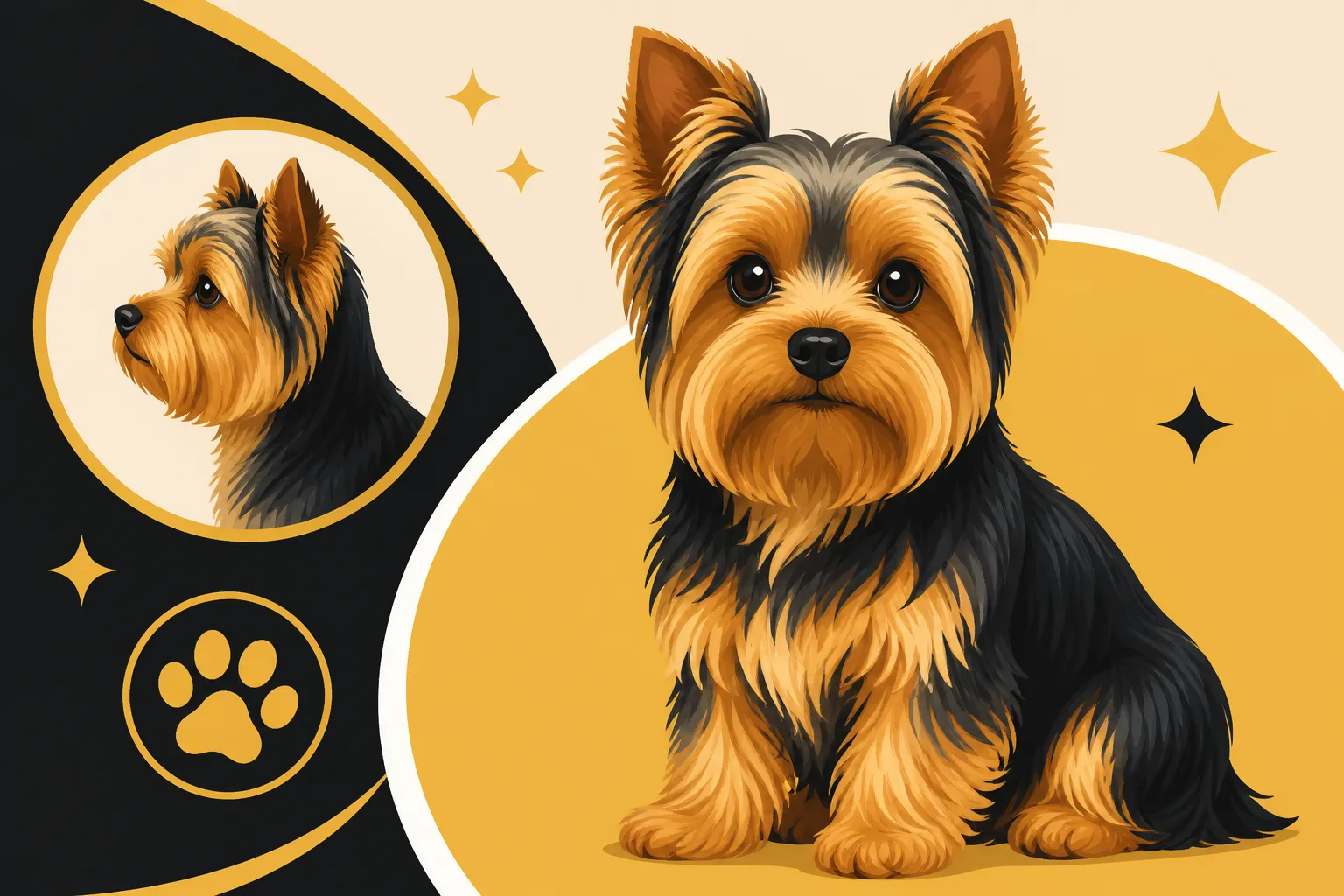
The term "black and gold Yorkshire Terrier" often refers to one of two scenarios. Firstly, it accurately describes the appearance of most Yorkshire Terrier puppies. Newborn Yorkies are generally born black with tan markings. The intensity of the black can vary, but it's distinctly black, not blue. As they mature, the black areas gradually lighten and dilute into the characteristic steel blue. This process is known as "clearing" and it's a genetic trait of the breed. If you're buying a puppy that's only 8-10 weeks old, it's very likely to appear black and tan, which you might interpret as "black and gold." This is perfectly normal and expected, and it's how you want your standard Yorkie puppy to look.
Secondly, sometimes the term "black and gold" is used to describe a Yorkie that retains a darker, almost black body coat even into adulthood, often accompanied by vibrant tan or "gold" markings. While stunning, if a mature Yorkie’s body coat remains truly black and doesn't lighten to steel blue, it deviates from the official AKC breed standard. This doesn’t mean the dog isn't a purebred Yorkshire Terrier, but it does mean its color pattern isn't what is recognized for show purposes. Ethical breeders focus on producing dogs that conform to the breed standard in all aspects, including color, as outlined in guides like the Yorkshire Terrier Breed Guide: Everything to Know. However, for pet owners, a dog with a persistent black and gold coat can be just as loving and wonderful a companion.
The Science of Yorkshire Terrier Coat Color Genetics
Understanding why a Yorkie's coat changes from black to steel blue isn't just trivia; it helps us appreciate the breed's unique genetic characteristics. It also explains why that adorable "black and gold" puppy won't stay that way forever.
The Progressive Greying Gene
The transformation from a black puppy coat to the adult steel blue color in Yorkshire Terriers is primarily due to a genetic phenomenon called "progressive greying" or sometimes referred to as the "G locus" gene. This gene causes a gradual lightening of the black pigment in the hair over time. It's not the same as diluting genes that affect the initial pigment at birth; rather, it’s about how that pigment expresses itself as the dog matures.
When a Yorkie puppy is born, it inherits genes that dictate its pigment. For the black areas, they have genes for eumelanin (black pigment). The progressive greying gene then essentially tells the body to progressively turn down the intensity of this black pigment as the dog grows. This is why you’ll notice the color change starting usually around the head and spreading down the back. It’s a slow and steady process, and the exact timing and final shade can vary significantly from one Yorkie to another, even within the same litter. Some Yorkies will achieve their adult coloration quite quickly, while others might take several years to fully develop their blue coat. This fascinating process is part of what makes each Yorkie so individual.
Variations in Tan and "Gold" Markings
While the "black" parts of a Yorkie's coat are expected to turn steel blue, the tan portions – which often appear as "gold" – are also subject to genetic variations. These markings are caused by another set of genes, known as the "A locus" or Agouti series, which determines the distribution of eumelanin (black/blue) and phaeomelanin (red/tan) pigments.
In a standard Yorkshire Terrier, these tan markings should be a rich, bright tan. However, variations exist. Some Yorkies might have a very light tan that appears almost creamy, while others can have a deep, almost reddish-gold. The "gold" in "black and gold Yorkie" usually refers to these tan markings. What's crucial to remember is that while the intensity of the tan can vary, its location is fairly consistent across the breed – on the head, chest, and legs. Environmental factors like sun exposure can also influence the richness of the tan, sometimes making it appear even more golden. Reputable breeders understand these nuances and can offer insights into the probable adult coat color of a puppy, although it’s never a 100% guarantee. You can learn more about these fascinating changes in Yorkshire Terrier Coat Color Changes.
What to Look for When Choosing a Yorkie Puppy
Finding the perfect Yorkshire Terrier puppy can be an exciting journey, but it’s one that requires careful consideration. Many people fall in love with a "black and gold" puppy, and while that initial look is adorable, understanding what to expect as they grow is key. Knowing how to spot a healthy puppy and an ethical breeder will make all the difference.
The Puppy Coat vs. Adult Coat
When you’re looking at Yorkshire Terrier puppies, almost all of them will have a predominantly black and tan coat. This is completely normal and expected. The "black" parts of their coat will eventually lighten to the distinctive steel blue, while the "tan" areas will become the rich golden tan that's characteristic of an adult Yorkie. It’s a gradual process, often starting with the hair around their face and progressing down their body. Some puppies might show hints of blue developing by 3-4 months, while others might not start significantly changing until 6-8 months or even later.
A good breeder will be upfront about this color transformation. They won't promise a "black and gold" adult Yorkie because they know the breed's genetics dictate a change to steel blue and tan. They might even show you pictures of the puppy’s parents or older siblings to give you an idea of what the adult coat might look like. Don't be swayed by breeders who market "rare" black and gold adult Yorkies, as this usually indicates a deviation from the breed standard for a purebred. Instead, focus on health and temperament, as outlined in a Yorkie Puppy Buying Checklist. Always prioritize ethical practices over unique color claims.
How to Find a Reputable Breeder for Healthy Yorkies
Finding a reputable breeder is paramount, regardless of the specific coat color you're interested in. An ethical breeder prioritizes the health, temperament, and adherence to the breed standard over fleeting trends or exaggerations. When searching, look for breeders who:
- Allow you to visit their facility: This lets you see the living conditions of the puppies and their parents. Are the areas clean? Do the dogs seem well-socialized and happy?
- Provide health clearances: Reputable breeders test their breeding stock for common genetic conditions in Yorkies, such as patellar luxation, eye diseases, and liver shunts. Don't be afraid to ask for these records. You can delve into common health issues in Yorkshire Terrier Health Problems to Know.
- Offer a health guarantee: This demonstrates their confidence in the health of their puppies.
- Are knowledgeable and ask you questions: A good breeder will want to ensure their puppies go to good homes and will ask about your living situation and experience with dogs.
- Don't have multiple litters available all the time: Breeding is a significant commitment. Overly frequent litters can be a red flag.
- Are registered with recognized kennel clubs: While not a guarantee of ethical practices, AKC registration (or similar national clubs) often indicates a commitment to breed standards.
Be wary of breeders who offer "rare" colors at inflated prices, use terms like "teacup" to suggest an unhealthy size, or push you to make a quick decision. Always remember that the initial cost of a Yorkshire Terrier puppy can vary, but responsible breeding contributes to a healthy start for your new family member. For more on finding a good breeder, check out How to Find a Reputable Yorkie Breeder.
Caring for Your Yorkshire Terrier
Whether your Yorkie transitions to a perfect steel blue and tan or retains some of its puppy-like darker tones, their care needs remain largely the same. These tiny dynamos have specific requirements that, when met, lead to a happy and healthy life.
Grooming Requirements for a Yorkie's Coat
Yorkshire Terriers are renowned for their long, silky coats, which are often compared to human hair rather than typical dog fur. This unique texture means they have very specific grooming needs. Regular grooming is crucial to prevent matting and keep their skin healthy. You'll need to brush your Yorkie daily, or at least every other day, to prevent tangles and remove loose hair. A good quality pin brush and a metal comb are essential tools. I personally find that products from brands like Chris Christensen or #1 All Systems, available on sites like Chewy, work wonders for keeping their coats smooth and manageable.
Beyond daily brushing, bathing your Yorkie every 2-3 weeks is generally recommended. Use a gentle, conditioning shampoo and conditioner formulated for dogs, as their skin can be sensitive. Always ensure you thoroughly rinse out all products to prevent skin irritation. After bathing, gently towel dry and then use a cool-setting hairdryer, brushing as you dry, to prevent matting and ensure their coat is completely dry. Regular trims are also necessary, especially around the face, paws, and sanitary areas, or if you opt for a shorter style like a puppy cut. Proper Yorkshire Terrier Coat Care and Haircuts are essential for their well-being.
Essential Nutrition and Health Checks
Nutrition plays a vital role in maintaining your Yorkie's overall health and the luster of their coat. A high-quality dog food specifically formulated for small breeds, like those offered by Royal Canin or Hill's Science Diet (also widely available on Chewy), is usually the best choice. Look for foods with real meat as the first ingredient and without excessive fillers or artificial additives. Their small size means they have fast metabolisms, so consistent meal times are important, and monitoring portion sizes to prevent them from becoming overweight is key. For more in-depth information, refer to Best Dog Food for Yorkshire Terriers.
Regular veterinary check-ups are non-negotiable for Yorkies. They are prone to certain health issues common in small breeds, such as dental disease, patellar luxation, and tracheal collapse. Your vet can advise on preventive care, vaccinations, and a proper deworming schedule. Dental care, in particular, is extremely important; brushing their teeth regularly and providing dental chews can help prevent plaque and tartar buildup. Early detection and intervention are crucial for managing any health concerns.
Socialization and Exercise for a Well-Adjusted Yorkie
Despite their small size, Yorkshire Terriers are spirited dogs with big personalities. They thrive on attention and interaction, and proper socialization from a young age is crucial for them to develop into well-adjusted adults. Expose your Yorkie puppy to a variety of sights, sounds, people, and other friendly dogs in a controlled and positive manner. This helps prevent timidity or aggression later in life.
While they don't require vast amounts of exercise, daily walks and playtime are essential. Two short walks a day, combined with indoor games, are usually sufficient to meet their physical and mental stimulation needs. They love interactive toys and puzzle feeders. Remember, Yorkies can be prone to "small dog syndrome" if not properly trained and socialized, leading to behaviors like excessive barking or unwarranted aggression. Consistent training and positive reinforcement, as explored in Yorkshire Terrier Temperament and Personality, will help them be the best companions they can be.
Table: Yorkie Coat Color Progression & Associated Traits
Understanding the typical journey of a Yorkie's coat color can help manage expectations and identify what's standard for the breed.
| Age / Stage | Body Coat Color | Tan/Gold Markings | Notes | AKC Standard Adherence |
|---|---|---|---|---|
| Puppy (0-6 months) | Predominantly Black, often intense | Rich Tan to Golden | True "Black and Gold" appearance, completely normal. | Developing |
| Young Adult (6-18 months) | Beginning to lighten, patches of steel blue appearing, especially on head/neck | Bright Tan, possibly deepening | Transition phase, color changes can be patchy or subtle. | Developing |
| Adult (18 months – 3+ years) | Clear, glistening Steel Blue | Rich, Bright Tan/Gold | Finalized coat color, often reaching its peak vibrancy and silkiness. | Standard |
| Mature Adult (5+ years) | Steel Blue (may lighten slightly with age) | Tan/Gold (may lighten slightly with age) | Coat may become finer, occasional graying around muzzle. | Standard |
| Non-Standard (Any Age) | Retains true Black body coat | Tan/Gold | Does not fully "clear" to steel blue. Often still a beautiful dog. | Non-Standard |
This table illustrates that while a "black and gold" look is common in puppies, the expectation for a standard adult Yorkshire Terrier is the beautiful steel blue and tan.
The Broader Spectrum of Yorkie Colors
Beyond the standard, it's worth noting that there are other recognized or developing color variations within the broader terrier family that sometimes get conflated with the Yorkshire Terrier. Breeds like the Biewer Terrier, which was once considered a variant of the Yorkie, do come in tri-color patterns including black, white, and gold/tan, but they are now recognized as a distinct breed by the AKC.
Differentiating Standard Yorkies from Other Breeds and Varieties
Sometimes, what people perceive as a "black and gold" Yorkshire Terrier that never changed color might actually be a different breed or a mixed breed. For example, a Biewer Terrier, which originated from a recessive piebald gene mutation in Yorkshire Terriers, typically displays a black, white, and gold/tan pattern. They are distinct from the traditional Yorkshire Terrier and have their own breed standard. Similarly, other small terrier mixes can exhibit black and tan coats that remain black into adulthood.
It's important to understand that while these dogs are beautiful, they are not standard Yorkshire Terriers. If you are specifically looking for a purebred Yorkshire Terrier that conforms to the traditional breed standard, then expecting the steel blue and tan adult coat is essential. If you simply love the black and gold aesthetic and are less concerned with breed standards, then exploring these other breeds or even mixed breeds could be an option. However, always ensure you are purchasing from a responsible source that provides clear information about the dog’s lineage and health.
The Beauty of Individuality in Your Yorkie
Ultimately, whether your Yorkie’s black puppy coat matures into a perfect steel blue or retains a darker, more "black" hue, their value as a beloved companion remains unchanged. Every Yorkie possesses a unique personality, a feisty spirit, and an undeniable charm that captivates their owners. The slight variations in color, while important for show standards, do not detract from the joy and companionship they bring to your life.
Caring for any Yorkie involves understanding their needs for proper nutrition, regular grooming (and yes, that means stocking up on good quality brushes and shampoos, perhaps even from Chewy), consistent health checks, and plenty of love and socialization. Focus on building a strong bond with your furry friend, providing them with a safe and loving home, and appreciating them for the wonderful individual they are. After all, the most beautiful thing about any dog is the unconditional love they offer.
Disclaimer
This article is intended for informational purposes only and does not constitute professional veterinary advice. Always consult with a qualified veterinarian for any health concerns or before making any decisions about your pet's health or treatment.