Common Yorkshire Terrier Genetic Conditions
It's incredibly tough when you realize your beloved Yorkshire Terrier might be facing health challenges that are simply part of their genetic makeup. No one wants to hear their furry family member has an inherited condition, and the sheer volume of information out there can be overwhelming and frankly, quite scary. This comprehensive guide is here to shed light on the most common genetic conditions that can affect Yorkshire Terriers, helping you understand what they are, how they manifest, and what steps you can take to provide the best possible care and support for your little companion.
Understanding Genetic Conditions in Yorkshire Terriers
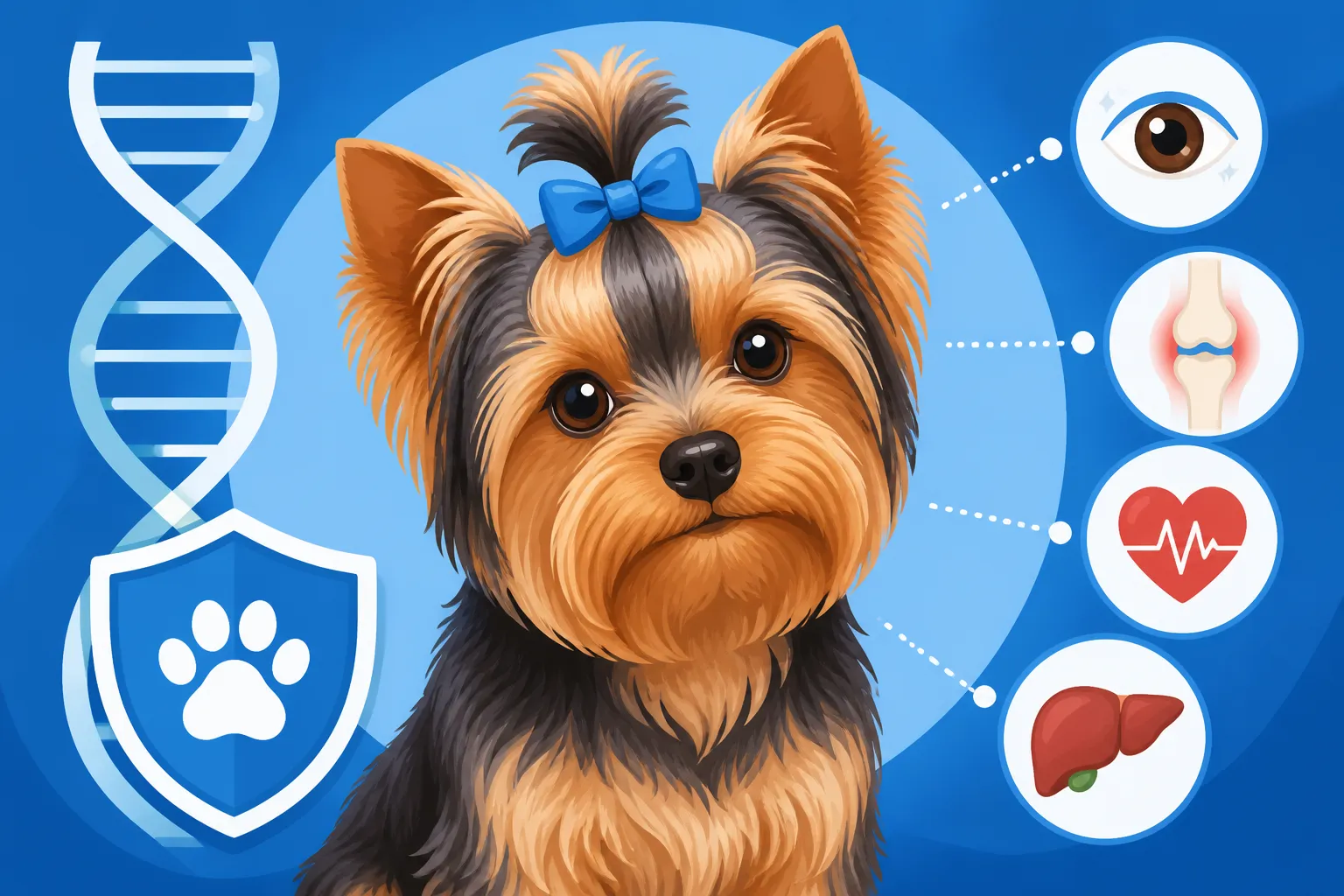
Yorkshire Terriers, with their spirited personalities and adorable size, bring immense joy into our lives. However, like many purebred dogs, they are predisposed to certain genetic conditions passed down through generations. It's not a flaw in their character or a sign of poor care; it's just a reality of their breed history and selective breeding practices. Understanding these predispositions is the first step in being a proactive and prepared Yorkie parent.
Why Yorkies Are Prone to Certain Conditions
The reason certain conditions are more prevalent in Yorkshire Terriers often comes down to their lineage and the intense breeding over decades to solidify specific breed traits. Breeders focused on aspects like their small size, beautiful silky coat, and distinctive temperament, sometimes inadvertently concentrating genes that also carried predispositions to various health issues. This isn't unique to Yorkies; many breeds face their own set of inherited challenges. For Yorkies, their small stature makes them particularly susceptible to issues like Yorkie Knee Problems Explained or Yorkie Breathing Problems Explained. Their delicate bone structure and rapid metabolism also play a role in some of the conditions we’ll discuss. It's a double-edged sword: the traits we adore can sometimes come with a higher risk of certain ailments.
The Role of Responsible Breeding
While genetics are at play, responsible breeding practices can significantly mitigate the risk of these conditions. A reputable breeder will go to great lengths to screen their breeding stock for common genetic diseases, ensuring that parents are healthy and unlikely to pass on problematic genes. This often involves genetic testing, hip and knee evaluations, and eye certifications. Without such screening, puppies are more likely to inherit these issues, leading to heartbreaking diagnoses and costly treatments down the line. When considering bringing a Yorkie into your home, always inquire about the health testing performed on the parent dogs. This due diligence is crucial for promoting the overall health and longevity of the breed and can save future owners a lot of heartache and expense.
Orthopedic Genetic Conditions
Orthopedic issues are unfortunately quite common in small breeds like Yorkshire Terriers, largely due to their delicate bone structure. These conditions can cause significant discomfort and impact a Yorkie's mobility, but many have effective management or treatment options.
Patellar Luxation
One of the most frequently diagnosed orthopedic problems in Yorkies is patellar luxation, often referred to as a "slipped kneecap." Imagine your knee joint; the patella (kneecap) is supposed to sit snugly in a groove at the end of the femur (thigh bone). In patellar luxation, the kneecap slips out of this groove, either to the inside (medial) or outside (lateral) of the leg. You might notice your Yorkie suddenly skip a step, hold one hind leg up for a few strides, and then seemingly return to normal. This temporary lameness is a classic sign.
The condition is graded from 1 (mild, occasional luxation) to 4 (severe, permanently luxated). While mild cases might only require pain management and joint supplements, more severe grades often necessitate surgery to deepen the groove, tighten or loosen surrounding tissues, or realign the patellar ligament. This surgical intervention can be quite effective in restoring normal function and preventing further arthritic changes. For a deeper dive into this specific issue, check out our guide on Yorkshire Terrier Patellar Luxation: Signs and Care. Early diagnosis is key to providing the best possible outcome and reducing long-term pain for your furry friend.
Legg-Calve-Perthes Disease
Legg-Calve-Perthes disease, or LCPD, is another orthopedic genetic condition that can affect Yorkshire Terriers, typically manifesting in puppies between 5 and 8 months of age. This condition involves the spontaneous degeneration of the head of the femur – the ball part of the ball-and-socket hip joint. Essentially, the blood supply to the femoral head is interrupted, causing the bone tissue to die and ultimately collapse. It's incredibly painful and leads to lameness, muscle atrophy in the affected leg, and severe arthritis.
Owners often first notice their puppy limping, showing reluctance to bear weight on the affected leg, or experiencing pain when the hip is manipulated. Diagnosis is usually confirmed with X-rays. Treatment for LCPD almost always involves surgery, specifically a femoral head ostectomy (FHO), where the diseased femoral head is removed. While this sounds drastic, smaller dogs like Yorkies can often recover remarkably well, forming a "false joint" of scar tissue that allows for relatively pain-free movement, though some degree of lameness or altered gait may remain. It's a challenging diagnosis, but with appropriate surgical intervention and physical therapy, Yorkies can still live full, happy lives. To understand more about the specifics of this condition, refer to our article on Yorkshire Terrier Legg-Calve-Perthes: Signs and Care.
Hip Dysplasia
While often associated with larger breeds, hip dysplasia can also affect Yorkshire Terriers, although it might present differently due to their smaller size. Hip dysplasia is a malformation of the hip joint where the ball (femoral head) and socket (acetabulum) don't fit together properly. This misalignment leads to friction, wear and tear, and eventually, painful degenerative joint disease and arthritis. The genetic component means that affected dogs are more likely to pass it on to their offspring, highlighting the importance of responsible breeding.
Symptoms in Yorkies might include a noticeable limp, reluctance to jump or climb stairs, stiffness, or a "bunny hopping" gait when running. Some Yorkies might compensate remarkably well due to their light weight, and the condition might only be noticed as they age and arthritis progresses. Diagnosis typically involves physical examination and X-rays of the hip joints. Treatment options range from conservative management with anti-inflammatory medications, joint supplements (like glucosamine and chondroitin), and physical therapy, to surgical interventions such as triple pelvic osteotomy (TPO) for younger dogs or femoral head ostectomy (FHO) in more severe or older cases. Prevention through careful breeding selection is paramount. If your Yorkie is limping, don't just assume it's a minor strain; it could be a sign of something more serious like Yorkie Limping: When to Worry.
Neurological Genetic Conditions
Neurological conditions can be particularly distressing for owners, as they often affect a Yorkie's behavior, coordination, or overall quality of life. Understanding these intricate issues is vital for early intervention and effective management.
Portosystemic Shunt (Liver Shunt)
A portosystemic shunt, often simply called a "liver shunt" or PSS, is a serious congenital condition seen in Yorkshire Terriers, making them one of the most predisposed breeds. Normally, blood from the digestive organs flows through the portal vein into the liver, where toxins are filtered out before the blood returns to general circulation. With a liver shunt, an abnormal blood vessel (the shunt) bypasses the liver, allowing unfiltered blood containing toxins to flow directly to the brain and other organs. This can lead to a range of neurological symptoms as toxins build up in the bloodstream.
Symptoms often appear in puppyhood and can include poor growth, vomiting, diarrhea, increased thirst and urination, and most alarmingly, neurological signs like disorientation, staring into space, aimless wandering, pressing their head against a wall, seizures, or even coma. These symptoms often worsen after meals when toxin levels are highest. Diagnosis involves blood tests to check liver function and bile acid levels, followed by imaging like ultrasound or CT scans to visualize the shunt. Surgical correction to close or constrict the shunt is often the best long-term solution, though some dogs may require lifelong dietary management and medication. This is a critical condition, and knowing the Yorkshire Terrier Portosystemic Shunt: Signs and Care is incredibly important.
Epilepsy and Seizures
Idiopathic epilepsy is a neurological disorder characterized by recurrent, unprovoked seizures, and it's a condition that can have a genetic component in Yorkshire Terriers. While a seizure can be a symptom of many underlying issues (like liver shunts, brain tumors, or low blood sugar), idiopathic epilepsy means there's no identifiable cause other than a presumed genetic predisposition. Watching your beloved Yorkie have a seizure can be terrifying, with symptoms ranging from mild tremors and drooling to full-body convulsions, loss of consciousness, and uncontrolled urination or defecation.
Seizures typically occur in phases: the aura (pre-seizure changes in behavior), the ictal phase (the actual seizure activity), and the post-ictal phase (the disorientation and recovery period after the seizure). If your Yorkie experiences a seizure, it's crucial to seek veterinary attention immediately to rule out other causes. If diagnosed with idiopathic epilepsy, management usually involves anticonvulsant medications, which help control the frequency and severity of seizures. While epilepsy cannot be cured, it can often be effectively managed, allowing affected Yorkies to lead a good quality of life. Understanding Yorkshire Terrier Seizures: Signs and Care can help you recognize and respond to this challenging condition.
Atlantoaxial Instability
Atlantoaxial instability (AAI) is a congenital condition that affects the neck (cervical spine) of many toy breeds, including Yorkshire Terriers, making them particularly vulnerable. It involves an abnormality or weakness in the joint between the first two cervical vertebrae (the atlas and axis) near the base of the skull. This instability can lead to the displacement of these vertebrae, compressing the spinal cord and causing severe pain and neurological deficits. In essence, the top two bones in their neck aren't holding together correctly.
Symptoms typically appear in young puppies, often after a minor trauma or even a sudden movement, but can also develop more gradually. They can range from neck pain and reluctance to move the head, to wobbly gait (ataxia), weakness in all four limbs, paralysis, or even sudden death due to spinal cord compression. Diagnosis requires specialized X-rays, often taken under sedation, or advanced imaging like MRI. Treatment can involve conservative management with neck braces and strict rest for very mild cases, but often, surgical stabilization of the joint is necessary to relieve spinal cord compression and prevent further damage. This is a serious condition that requires immediate veterinary attention if suspected.
Ocular Genetic Conditions
Eye health is crucial for a dog's quality of life, and unfortunately, several genetic conditions can affect the eyes of Yorkshire Terriers. Regular veterinary check-ups and paying close attention to your Yorkie's eyes can help with early detection.
Progressive Retinal Atrophy PRA
Progressive Retinal Atrophy (PRA) is a group of inherited degenerative eye diseases that affect the photoreceptor cells (rods and cones) in the retina, ultimately leading to blindness. In Yorkies, certain forms of PRA have a known genetic basis. Initially, the rod cells, responsible for vision in low light, are affected, leading to night blindness. Owners might notice their Yorkie becoming hesitant to navigate in dim lighting or bumping into objects after dusk. As the disease progresses, cone cells are also affected, leading to complete daytime blindness.
PRA is not a painful condition, but it is progressive and irreversible. Diagnosis is typically made through an ophthalmic exam, where a vet might notice changes in the retina, and can be confirmed with an electroretinogram (ERG) or genetic testing, if a specific gene mutation is known for the breed. While there is no cure or treatment to stop the progression of PRA, dogs generally adapt remarkably well to vision loss, especially if it's gradual. Creating a safe, predictable environment for your blind Yorkie is key, and they can continue to live happy and fulfilling lives with appropriate adjustments. It's one of the important Yorkie Eye Problems Explained.
Cataracts
Cataracts are another common eye condition that can have a genetic predisposition in Yorkshire Terriers, especially juvenile cataracts which appear in younger dogs. A cataract is an opacity or cloudiness within the lens of the eye, which obstructs light from reaching the retina and impairs vision. It's much like looking through a foggy window. While cataracts can be caused by injury, diabetes, or other diseases, hereditary cataracts are a significant concern in Yorkies.
Symptoms include a cloudy or bluish-white appearance in the pupil, and you might notice your Yorkie bumping into things, particularly in unfamiliar environments, or becoming more hesitant. The severity can range from small, non-vision-impairing opacities to complete lens clouding leading to blindness. A veterinary ophthalmologist can diagnose cataracts and assess their impact on vision. For cataracts that significantly impair vision, surgical removal of the cloudy lens and replacement with an artificial one is a highly successful treatment option, restoring vision in many cases. Understanding Yorkshire Terrier Cataracts: Signs and Care can help you determine when it's time to seek specialist advice.
Dry Eye Keratoconjunctivitis Sicca
Keratoconjunctivitis Sicca, more commonly known as dry eye, is a condition where the tear glands produce insufficient tears to properly lubricate the eyes. While it can be an acquired condition, an inherited predisposition is also recognized in Yorkshire Terriers. Tears are vital not just for lubrication, but also for flushing away irritants and providing nutrients to the cornea. Without enough tears, the eye becomes dry, irritated, and susceptible to infection and damage.
Signs of dry eye include chronic redness, discharge (often thick, yellowish mucus), frequent blinking or squinting, and a dull, sometimes cloudy appearance to the eye surface. Your Yorkie might rub their eyes excessively due to discomfort. Left untreated, chronic dry eye can lead to corneal ulcers, scarring, pain, and eventually vision loss. Diagnosis involves a simple Schirmer tear test, which measures tear production. Management usually involves lifelong eye drops or ointments to stimulate tear production (like cyclosporine or tacrolimus) and artificial tears to provide lubrication. Regular, consistent application of these medications is essential for managing the condition and preserving your Yorkie's vision and comfort.
Metabolic and Organ-Related Genetic Conditions
Some genetic predispositions in Yorkies affect their internal metabolic processes or the function of vital organs, demanding careful monitoring and sometimes lifelong management.
Hypoglycemia (especially in puppies)
Hypoglycemia, or low blood sugar, is a particularly dangerous condition for Yorkshire Terrier puppies, often with a genetic component or a predisposition due to their small size and rapid metabolism. Puppies, especially toy breeds, have limited reserves of body fat and can quickly burn through their glucose stores if they don't eat regularly or are stressed. While not strictly a direct genetic defect, the breed's metabolic characteristics make them highly susceptible to this potentially life-threatening issue.
Symptoms of hypoglycemia can come on suddenly and escalate rapidly. They include weakness, lethargy, confusion, uncoordinated gait, muscle tremors, seizures, and in severe cases, unconsciousness or coma. If you suspect your Yorkie puppy is experiencing low blood sugar, immediate action is required. You can rub a small amount of honey, corn syrup, or Karo syrup on their gums (never force liquid into their mouth if they are unresponsive) and seek immediate veterinary care. Prevention is crucial: ensure puppies eat small, frequent meals of high-quality food, manage stress, and limit strenuous play. Knowing the Yorkie Hypoglycemia: Emergency Signs can empower you to act quickly in a crisis. This is why proper feeding schedules are so important for Yorkie puppies.
Hypothyroidism
Hypothyroidism is a condition where the thyroid gland, located in the neck, doesn't produce enough thyroid hormones. These hormones are essential for regulating metabolism in almost every cell of the body. While it's more common in medium to large breeds, Yorkshire Terriers can still be genetically predisposed to this endocrine disorder. When thyroid hormone levels are low, the body's metabolic processes slow down.
Symptoms often develop gradually and can be subtle, making diagnosis challenging. You might notice your Yorkie gaining weight despite no change in diet, showing lethargy, seeking warmth constantly, experiencing hair loss (especially on the flanks and tail, often described as a "rat tail"), developing dry, brittle coat, or exhibiting skin infections. Behavioral changes like increased aggression or fear can also occur. Diagnosis involves blood tests to measure thyroid hormone levels. Fortunately, hypothyroidism is highly treatable with daily thyroid hormone replacement medication, typically given for the rest of the dog's life. Once on medication, most Yorkies show significant improvement in symptoms and can lead a completely normal life. Our guide on Yorkshire Terrier Hypothyroidism: Signs and Care provides more details.
Pancreatitis Susceptibility
While pancreatitis isn't strictly a direct genetic condition in the same way as, say, a liver shunt, Yorkshire Terriers are noted for having a higher predisposition to developing this inflammatory disease of the pancreas. The pancreas is a vital organ that produces enzymes for digestion and hormones like insulin. When the pancreas becomes inflamed, digestive enzymes can prematurely activate within the organ itself, leading to pain, tissue damage, and in severe cases, systemic inflammation that can be life-threatening. The exact genetic link is still being researched, but the breed's particular metabolism and dietary sensitivities often play a role.
Symptoms of pancreatitis can range from mild gastrointestinal upset to severe abdominal pain, vomiting (sometimes with bile), diarrhea, lethargy, fever, and a hunched posture. Attacks can be acute (sudden and severe) or chronic (recurrent and milder). Often, a high-fat meal or dietary indiscretion can trigger an episode. Diagnosis involves blood tests (including specific pancreatic enzyme tests like canine pancreatic lipase immunoreactivity, or cPLI) and sometimes ultrasound. Treatment focuses on supportive care: intravenous fluids, pain management, anti-nausea medications, and strict dietary modification, usually a very low-fat diet. Preventative measures include feeding a consistent, high-quality, low-fat diet and avoiding table scraps or fatty treats. Yorkshire Terrier Pancreatitis: Signs and Care offers more insights into managing this painful condition.
Cardiac and Respiratory Genetic Conditions
Heart and lung issues are particularly concerning, as they directly impact a Yorkie's ability to breathe and maintain energy. Early detection and careful management are crucial for these conditions.
Collapsing Trachea
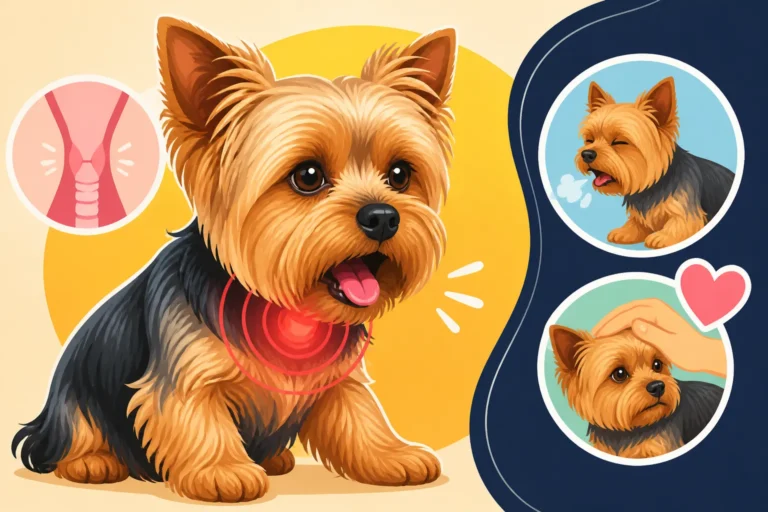
Collapsing trachea is an incredibly common and distressing genetic condition in Yorkshire Terriers, due to their inherently delicate tracheal rings. The trachea, or windpipe, is supported by C-shaped cartilage rings that keep it open for air to pass to and from the lungs. In dogs with collapsing trachea, these rings are weakened or malformed, causing the trachea to flatten, particularly when the dog breathes in or gets excited. This partial or complete collapse restricts airflow, leading to a characteristic honking cough.
Symptoms include a dry, harsh, "goose-honk" cough, especially when excited, pulling on a leash, eating or drinking, or in humid weather. You might also notice difficulty breathing, wheezing, or even blue gums in severe cases. Diagnosis involves physical examination, sometimes a "tracheal palpation" that induces a cough, and X-rays or fluoroscopy (a moving X-ray) to visualize the trachea during breathing. Management often includes weight control, avoiding neck collars in favor of harnesses (like a secure Best Harness for a Yorkshire Terrier), avoiding irritants like smoke, and medications such as cough suppressants, bronchodilators, and anti-inflammatories. In severe, debilitating cases, surgical intervention with tracheal stents can be considered. For a comprehensive overview, read our guide on Yorkshire Terrier Collapsing Trachea: Signs and Care.
Patent Ductus Arteriosus PDA
Patent Ductus Arteriosus (PDA) is one of the most common congenital heart defects found in dogs, and Yorkshire Terriers have a genetic predisposition to it. In fetal development, there's a blood vessel called the ductus arteriosus that shunts blood away from the lungs (which aren't yet functional). Normally, this vessel closes shortly after birth. In PDA, it fails to close, allowing a continuous flow of blood from the aorta (the main artery from the heart) to the pulmonary artery (leading to the lungs). This creates an overload of blood to the lungs and eventually puts a strain on the heart, leading to congestive heart failure if left untreated.
Symptoms often appear in puppyhood and can range from subtle to severe, depending on the size of the shunt. They might include stunted growth, exercise intolerance, coughing, difficulty breathing, or a characteristic "machinery-like" heart murmur that a vet can hear with a stethoscope. Diagnosis is made through a physical exam, chest X-rays, and an echocardiogram (ultrasound of the heart) to visualize the shunt and assess heart function. The good news is that PDA is highly treatable. Surgical ligation (tying off) or minimally invasive catheter-based occlusion of the PDA can permanently correct the defect, often with an excellent prognosis, especially if performed early before heart failure develops. This is one of the more serious Yorkshire Terrier Health Problems to Know.
Identifying Genetic Risk and Prevention
Understanding that your Yorkie might be prone to certain genetic conditions can feel daunting, but it also empowers you to take proactive steps. Prevention and early detection are your best allies in ensuring a long, healthy life for your furry companion.
Genetic Testing for Prospective Parents
For those considering breeding Yorkshire Terriers, or even those looking to purchase a puppy, genetic testing of the parent dogs is arguably one of the most powerful tools available to reduce the incidence of inherited diseases. DNA tests are available for several conditions that affect Yorkies, such as some forms of Progressive Retinal Atrophy (PRA) or von Willebrand's Disease (a bleeding disorder). These tests can identify carriers (dogs who carry the gene but don't show symptoms) as well as affected individuals.
Reputable breeders utilize these tests to make informed decisions about pairings, ensuring that two carriers for the same recessive genetic disease are not bred together, which would significantly increase the risk of producing affected puppies. If you are looking for a puppy, always ask the breeder about the specific genetic tests they conduct on their breeding dogs and ask to see the results. This transparency is a hallmark of ethical breeding practices and a strong indicator that they prioritize the health of their puppies.
Choosing a Reputable Breeder
The choice of where you get your Yorkshire Terrier puppy is arguably the most impactful decision you'll make regarding their future health. A truly reputable breeder does far more than just put two dogs together. They invest heavily in their breeding stock's health, temperament, and genetic soundness. This means:
- Health Testing: They perform extensive health screenings relevant to the breed, including evaluations for patellar luxation, Legg-Calve-Perthes, eye conditions, and possibly genetic tests for specific DNA-detectable diseases. They will be happy to share these results with you.
- Transparency: They are open about their breeding practices, allow you to visit their facility (or conduct thorough virtual tours), and let you meet the puppy's parents.
- Knowledge & Support: They are knowledgeable about the breed's health, temperament, and care, and offer lifelong support for their puppies.
- Contracts & Guarantees: They provide a written contract that includes a health guarantee against genetic diseases.
Avoiding puppy mills, pet stores (which often source from mills), and backyard breeders who do not conduct health testing is paramount. While the initial cost from a reputable breeder might be higher, it often pales in comparison to the potential veterinary bills for an unethically bred dog with multiple genetic conditions. For more guidance on this crucial decision, consult resources like How to Find a Reputable Yorkie Breeder and Yorkshire Terrier Puppy Buying Checklist.
Early Detection and Veterinary Screenings
Even with the most responsible breeding, genetic conditions can sometimes arise due to complex inheritance patterns or spontaneous mutations. This is where regular veterinary care and vigilance from you, the owner, become vital for early detection. Establishing a strong relationship with a veterinarian who understands toy breeds is key.
During routine check-ups, especially during puppyhood and early adulthood, your vet will perform thorough physical examinations, listening to the heart, palpating joints, and examining the eyes. If any subtle signs of a genetic condition are present, early detection allows for prompt diagnosis and intervention. For example, a vet might detect a heart murmur indicative of PDA, or notice the characteristic "skip" of a luxating patella. Don't hesitate to mention any changes you observe in your Yorkie's behavior, appetite, mobility, or appearance. You know your dog best, and your observations are invaluable. Regular check-ups are also vital for monitoring overall health and ensuring your Yorkie receives their Yorkie Vaccination Schedule and preventive care. If you are ever unsure, learning When to Take Your Yorkie to the Vet can provide clarity.
Managing and Treating Genetic Conditions
Receiving a diagnosis of a genetic condition for your Yorkshire Terrier can be heartbreaking, but it's important to remember that many conditions are manageable, and treatment options can significantly improve your Yorkie's quality of life. Your role as a dedicated owner becomes even more critical in providing consistent care and support.
Medical and Surgical Interventions
The approach to treating genetic conditions in Yorkies is highly dependent on the specific diagnosis and its severity. Many orthopedic conditions like severe patellar luxation or Legg-Calve-Perthes often benefit greatly from surgical intervention. For instance, patellar luxation surgery can involve deepening the trochlear groove, repositioning the patellar ligament, or stabilizing the joint to prevent future luxation. For Legg-Calve-Perthes, a femoral head ostectomy (FHO) can relieve pain and allow for a functional "false joint."
Neurological conditions such as liver shunts (PSS) are often surgically correctable, either by directly tying off the abnormal vessel or gradually constricting it to allow the liver to adapt. Epilepsy, while not curable, is managed medically with anticonvulsant drugs that help reduce the frequency and intensity of seizures. Respiratory conditions like collapsing trachea benefit from a combination of medical management (cough suppressants, anti-inflammatories) and sometimes surgical stenting in severe cases. Your veterinarian will guide you through the most appropriate and effective treatment plan, often involving specialists like orthopedic surgeons, neurologists, or cardiologists.
Long-Term Care and Quality of Life
Beyond immediate medical or surgical interventions, many genetic conditions require ongoing long-term care to maintain your Yorkie's comfort and quality of life. This can include:
- Medication Management: For conditions like hypothyroidism or epilepsy, daily medication for life is common. Adhering strictly to prescribed dosages and schedules is crucial.
- Dietary Modifications: For conditions like pancreatitis or chronic liver disease (after a shunt correction), a specialized diet (often low-fat or liver-supportive) is essential. For puppies prone to hypoglycemia, frequent, nutrient-dense meals are vital. Our guide on Yorkie Liver Shunt: Diet and Care offers more in-depth information.
- Physical Therapy & Exercise: Post-surgical recovery from orthopedic procedures often involves rehabilitation exercises to strengthen muscles and restore mobility. For conditions affecting joints, controlled, low-impact exercise is beneficial, combined with Yorkie Joint Supplements Explained.
- Environmental Adjustments: For dogs with vision loss from PRA or severe orthopedic issues, creating a safe, familiar home environment with non-slip surfaces and consistent furniture placement is important. Using ramps instead of stairs can help protect delicate joints.
- Regular Monitoring: Ongoing vet check-ups and diagnostic tests are necessary to monitor the progression of the condition, adjust medications, and address any new symptoms.
The goal is always to minimize pain, maximize function, and ensure your Yorkie can enjoy life to the fullest despite their challenges. Remember, a happy Yorkie, even one with special needs, brings immeasurable joy.
Financial Considerations and Pet Insurance
It's an unfortunate truth that managing genetic conditions can be financially demanding. Diagnostic tests, specialist consultations, medications, and potential surgeries can quickly add up, easily reaching into the thousands of dollars. For instance, patellar luxation surgery can cost anywhere from $1,500 to $4,000 per knee, while liver shunt surgery can be $5,000 to $10,000 or more. This is a significant burden for any pet parent.
This is where pet insurance can be a true lifesaver. Companies like Healthy Paws offer comprehensive plans that can cover a large percentage of veterinary costs for accidents and illnesses, including many genetic conditions (provided they are not pre-existing conditions before you enroll). While pet insurance doesn't cover pre-existing conditions, enrolling your Yorkie when they are young and healthy is the best strategy to ensure coverage if a genetic condition develops later. Having a reliable pet insurance plan in place, like one from Healthy Paws, can provide immense peace of mind, allowing you to focus on your Yorkie's health rather than worrying about the astronomical bills. It’s an investment in their future health and your financial stability. For a detailed look at planning your finances, consider reading our article on Yorkshire Terrier Vet Costs and Health Budget.
Here's a quick overview of some common genetic conditions in Yorkies:
| Condition | Type | Typical Onset | Primary Symptoms | Treatment Approaches |
|---|---|---|---|---|
| Patellar Luxation | Orthopedic | Puppyhood | Skipping steps, temporary lameness, hopping gait | Pain meds, joint supplements, surgery (grades 2-4) |
| Legg-Calve-Perthes | Orthopedic | 5-8 months | Limping, pain, muscle atrophy in hind leg | Femoral Head Ostectomy (FHO) surgery, physical therapy |
| Portosystemic Shunt | Neurological | Puppyhood | Poor growth, vomiting, neurological signs, seizures | Surgical correction, dietary management, medication |
| Idiopathic Epilepsy | Neurological | 6 months-6 yrs | Recurrent seizures, convulsions, disorientation | Anticonvulsant medication, management of triggers |
| Collapsing Trachea | Respiratory | Any age | Honking cough, difficulty breathing, wheezing | Weight control, harness, cough meds, bronchodilators, surgery |
| Progressive Retinal Atrophy | Ocular | Variable | Night blindness progressing to total blindness | No cure, environmental adaptation |
| Cataracts | Ocular | Variable | Cloudy lens, impaired vision, bumping into objects | Surgical removal of lens, artificial lens replacement |
| Hypoglycemia (puppies) | Metabolic | Puppyhood | Weakness, lethargy, tremors, seizures | Emergency sugar, frequent meals, dietary management |
Disclaimer
The information provided in this guide is intended for educational purposes only and should not be considered a substitute for professional veterinary advice. Always consult with a qualified veterinarian regarding any health concerns or before making any decisions about your Yorkshire Terrier's medical care. Genetic conditions can be complex, and accurate diagnosis and treatment require professional expertise.