Yorkie Bad Breath: Causes and Fixes
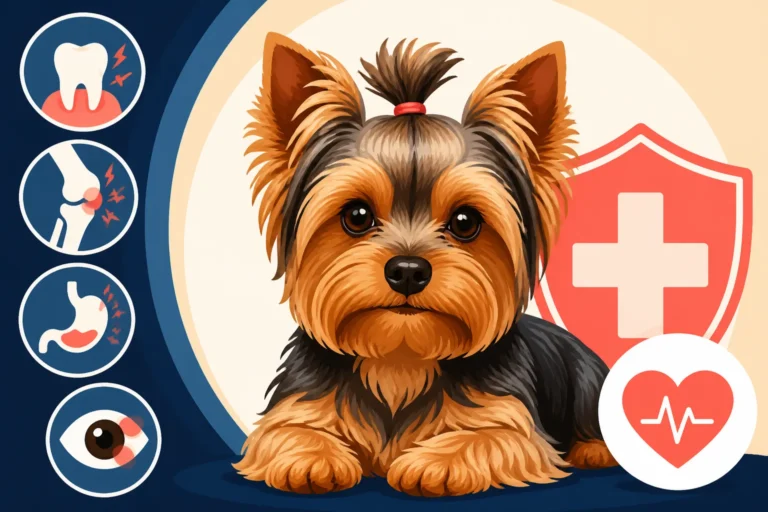
That distinct odor hitting you when your sweet Yorkshire Terrier gives you a loving lick can be quite jarring, can't it? It's often more than just "dog breath"—sometimes, it's a potent signal that something deeper is going on with your furry companion's health. You're not alone if you've wondered why your Yorkie's breath smells less than fresh, and this guide is here to walk you through the common culprits and practical solutions to get that delightful puppy breath back, or at least something much more pleasant!
Unpacking the Common Causes of Bad Breath in Yorkies
When your adorable Yorkie’s breath makes you wince, it’s usually not just a quirk of the breed; it’s a symptom pointing to an underlying issue. Understanding these causes is the first step toward finding a solution and ensuring your little friend’s well-being. It’s a common frustration for many Yorkie parents, and for good reason – these tiny dogs are particularly susceptible to certain health challenges that manifest as foul breath.
Dental Disease: The Primary Culprit
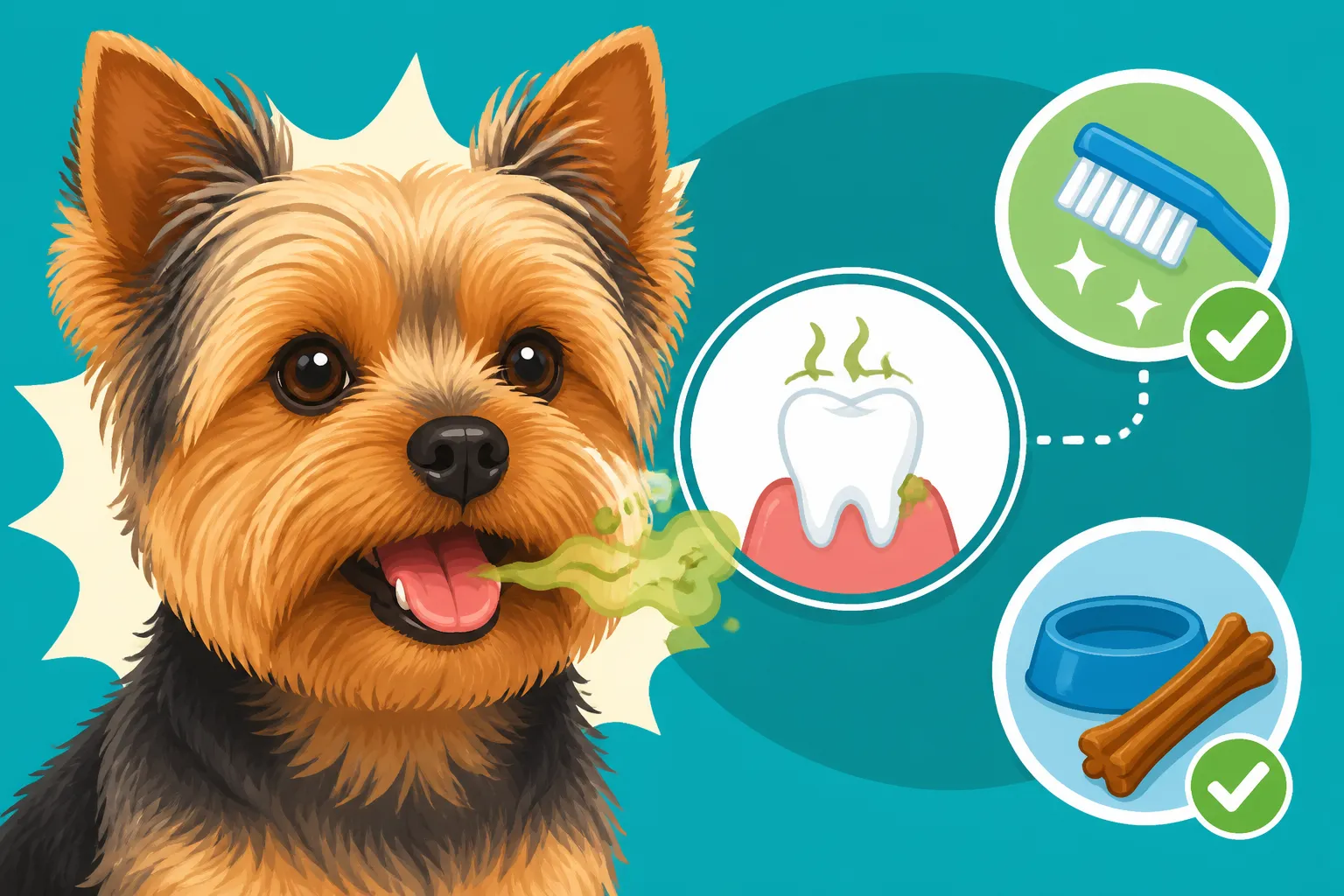
Let's be frank: dental disease is the single most common reason for bad breath in Yorkshire Terriers, and frankly, in most small breeds. Their tiny mouths often lead to overcrowding of teeth, which creates perfect little nooks and crannies for plaque and tartar to accumulate. You might think, "Well, my dog eats kibble, that cleans their teeth, right?" Unfortunately, for many dogs, kibble alone isn't enough, and for Yorkies, it's almost certainly not sufficient.
Plaque is a sticky film of bacteria that forms on the teeth. If it's not brushed away regularly, it hardens into tartar. This yellow or brown buildup isn't just unsightly; it irritates the gums, leading to gingivitis – inflamed, red, and often bleeding gums. As gingivitis progresses, it turns into periodontal disease, where the infection spreads below the gum line, damaging the bone and tissue supporting the teeth. This is where the truly foul odor comes from. It's a smell of decaying tissue and rampant bacteria. Left untreated, this can progress to full-blown dental disease, which is not only painful but can lead to more serious health issues as bacteria enter the bloodstream, potentially affecting organs like the heart, liver, and kidneys. This isn't just about bad breath; it's about systemic health.
Dietary Issues and Oral Residue
Sometimes, the cause of bad breath is a bit simpler, but no less impactful on your sniffing pleasure. What your Yorkie eats and how long food particles linger can contribute significantly to their breath. If food gets stuck between teeth or under the gumline, it can decompose, creating a distinct, unpleasant smell. Think of it like food stuck in your own teeth after a meal – eventually, it starts to smell.
Beyond just food particles, the type of food itself can play a role. Some lower-quality dog foods contain ingredients that can lead to digestive upset or simply leave a more pungent residue in the mouth. Additionally, if your Yorkie is prone to eating things they shouldn't – like old crumbs under the couch, discarded bits on a walk, or even their own poop (a condition known as coprophagia) – that can definitely manifest as a temporary, but very strong, bout of bad breath. It’s a gross thought, but a real possibility for inquisitive pups.
Underlying Health Conditions
While dental issues are usually the first thing vets check for, persistent bad breath, especially a sudden or unusually strong odor, can be a red flag for more serious internal health problems. This is where you really need to pay attention and consider a vet visit.
- Kidney Disease: If your Yorkie's breath has a distinct ammonia or urine-like smell, it could indicate kidney disease. When kidneys aren't functioning correctly, toxins build up in the bloodstream and are released through the breath.
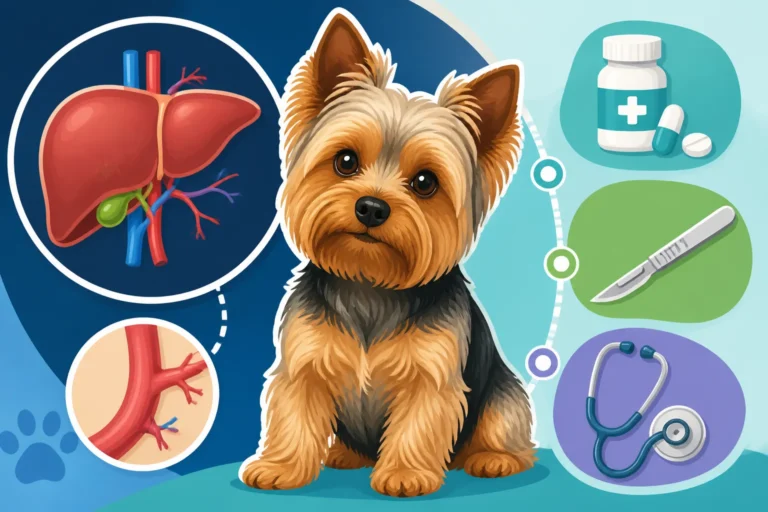
- Liver Disease: A particularly sweet or musty smell, sometimes described as a "dead animal" odor, can be a symptom of liver problems. The liver is crucial for detoxifying the body, and when it's compromised, various metabolic byproducts can accumulate and be expelled through the breath.
- Diabetes: If your Yorkie's breath smells sweet or fruity, almost like nail polish remover, it could be a sign of diabetes. This is due to the body breaking down fat for energy instead of glucose, producing ketones that are exhaled.
- Gastrointestinal Issues: Chronic digestive upset, acid reflux, or other GI problems can sometimes cause a foul odor that seems to originate from the stomach rather than just the mouth.
- Foreign Objects or Oral Growths: Less common but very serious, a foreign object lodged in the mouth (like a splinter, piece of bone, or toy fragment) or an oral tumor can cause localized infection and a terrible smell. Your Yorkie might also be pawing at their mouth, drooling excessively, or showing discomfort.
If your Yorkie's bad breath is suddenly severe, accompanied by other worrying symptoms, you need to understand when to worry and act fast.
Addressing the Root Causes: Solutions and Prevention
The good news is, by understanding the causes and implementing a solid dental care routine, you can often get that sweet puppy breath back. It takes commitment, but your Yorkie's health and your nose will thank you for it!
Establishing a Robust Dental Routine
For most Yorkies, home dental care is crucial. These small dogs really do need our help to keep their teeth healthy.
Daily Brushing Techniques
This is hands-down the most effective way to combat plaque buildup. Regular brushing is perhaps the most effective way to prevent dental disease at home. You need a pet-specific toothbrush (often a finger brush for tiny Yorkie mouths) and enzymatic toothpaste. Never use human toothpaste, as it contains ingredients toxic to dogs. Start slow, make it a positive experience with lots of praise and treats. Aim for daily brushing, or at least every other day. Focus on the outside surfaces of the teeth, as these are where plaque tends to accumulate most. Don't forget the importance of learning how to brush a Yorkie's teeth properly, as consistency is key.
Incorporating Dental Chews and Toys
While not a substitute for brushing, dental chews can be a helpful addition. When choosing snacks, look for dental chews specifically designed to reduce plaque and tartar. Brands like Greenies or Virbac C.E.T. VeggieDents are often recommended by veterinarians. Ensure the chew is appropriately sized for your Yorkie to prevent choking and supervise them while they chew. Hard rubber chew toys can also provide mechanical abrasion, helping to scrape off some plaque, but choose durable options that won't break into small, ingestible pieces.
Using Water Additives and Oral Rinses
These products can help reduce bacteria in the mouth and freshen breath, though they are supplementary, not primary, treatments. Look for veterinary-approved water additives that contain ingredients known to fight plaque and bacteria. Simply add the recommended amount to your Yorkie's fresh drinking water daily. Oral rinses can also be applied directly to the gums, but some Yorkies might resist this more than a water additive.
Strategic Diet Adjustments
What goes into your Yorkie’s mouth can greatly impact their breath. Making smart dietary choices can make a significant difference.
High-Quality Dog Food Choices
Feeding a high-quality, easily digestible dog food can reduce instances of gastrointestinal upset, which can sometimes contribute to bad breath. Look for foods with real meat as the first ingredient and avoid excessive fillers, artificial colors, and preservatives. Some specialized dental diets are available through veterinarians that have a unique kibble texture designed to scrape plaque off teeth as your dog chews. Consult your vet to see if such a diet would be beneficial for your Yorkie.
Managing Snacking and Scavenging
Be mindful of what treats you give your Yorkie, and avoid table scraps which can get stuck in teeth or upset their stomach. Train your Yorkie with a "leave it" command to prevent them from eating things off the ground during walks, which could introduce bacteria or foreign objects into their mouth. If coprophagia (eating poop) is an issue, discuss it with your vet, as there are supplements and training methods that can help address this habit.
The Critical Role of Regular Veterinary Check-ups
Even with the best home care, professional veterinary attention is indispensable for a Yorkie's oral health.
Professional Dental Cleanings
No amount of home brushing can fully remove hardened tartar. That's why professional dental cleanings under anesthesia are essential. During these cleanings, your vet or a veterinary technician will use specialized instruments to scale plaque and tartar from above and below the gum line, polish the teeth, and often take dental X-rays to assess the health of the tooth roots and jawbone. Getting a professional dental cleaning under anesthesia is often necessary to remove hardened tartar, and it's something your vet might recommend as part of a comprehensive treatment plan. Many Yorkie parents wonder, how often do Yorkies need dental cleaning? This largely depends on their individual dental health and home care, but for many Yorkies, annual or bi-annual cleanings might be necessary.
Addressing Underlying Health Issues
If dental disease has been ruled out, your vet will investigate other potential causes of bad breath. This might involve blood tests to check kidney and liver function, urine tests, or imaging like X-rays or ultrasound to look for internal problems. Catching conditions like kidney disease, liver disease, or diabetes early can make a huge difference in treatment success and your Yorkie’s quality of life. Understanding your vet costs and health budget is crucial, especially when considering comprehensive care plans that include both routine dental care and potential treatments for more serious conditions. Many pet parents also find that pet insurance, like plans offered by Healthy Paws, can significantly alleviate the financial burden of unexpected dental surgeries or chronic condition treatments, making it easier to afford the best care for your Yorkie.
When to See the Vet for Your Yorkie's Bad Breath
It's easy to dismiss a little bad breath as "just dog stuff," but for Yorkies, it's often a sign that professional intervention is needed. Knowing when to make that call to the vet can prevent minor issues from becoming major health crises.
Recognizing Red Flag Symptoms
While all bad breath warrants attention, some signs indicate it's time to stop Googling and start dialing your vet. If you observe any of the following alongside your Yorkie's halitosis, don't delay:
- Sudden Onset or Worsening: If your Yorkie's breath suddenly becomes overwhelmingly foul, or if a mild odor rapidly intensifies, it could signal an acute problem like an infection, a foreign object, or even a sudden internal health crisis. This isn't something to wait out.
- Changes in Eating Habits: Is your Yorkie reluctant to eat hard kibble, only picking at their food, or completely refusing to eat? Pain from dental disease, a broken tooth, or an oral tumor can make eating excruciating.
- Excessive Drooling: More drool than usual, especially if it's thick, discolored, or bloody, points to oral pain or infection. They might be trying to soothe a painful mouth.
- Pawing at the Mouth or Rubbing Face: This is a clear indicator of discomfort. Your Yorkie is trying to tell you something hurts in their mouth or face.
- Swelling Around the Face or Jaw: Any noticeable swelling could indicate an abscessed tooth or another serious oral infection that requires immediate veterinary attention.
- Bleeding Gums or Visible Oral Growths: If you see any blood when they chew a toy, or if you spot unusual lumps, bumps, or discolorations in their mouth, these are urgent signs.
- Lethargy, Vomiting, or Diarrhea: If bad breath is accompanied by systemic signs of illness, it suggests a more generalized health problem, such as kidney or liver disease, which needs prompt diagnosis and treatment.
- Fruity or Ammonia-like Smell: As mentioned earlier, these specific odors can point to diabetes, kidney failure, or liver disease respectively, and require immediate medical investigation.
When you observe persistent bad breath, especially if it appears suddenly or worsens rapidly, it’s definitely when to take your Yorkie to the vet. Early detection and intervention can significantly improve outcomes and prevent further suffering for your beloved pet.
Understanding Veterinary Procedures and Costs
When you bring your Yorkie to the vet for bad breath, expect a thorough oral examination. Often, a conscious exam only reveals the tip of the iceberg, as most dental disease hides below the gum line. Your vet may recommend a professional dental cleaning under general anesthesia.
This procedure typically involves:
- Pre-anesthetic Blood Work: To ensure your Yorkie is healthy enough for anesthesia and to identify any underlying issues, which is especially important for tiny breeds like Yorkies.
- Anesthesia: A safe anesthetic protocol is crucial. Your vet will monitor vital signs closely throughout the procedure.
- Full Oral Examination: Once under anesthesia, the vet can perform a detailed examination of every tooth and the surrounding tissues, looking for pockets, lesions, and other abnormalities.
- Dental X-rays: These are vital for revealing issues beneath the gum line, such as abscesses, bone loss, or unerupted teeth. Many problems are invisible to the naked eye.
- Scaling and Polishing: Ultrasonic scalers remove tartar from above and below the gum line, followed by polishing to smooth the tooth surfaces and deter future plaque buildup.
- Extractions: If teeth are severely diseased, painful, or irreversibly damaged, extraction may be necessary to relieve pain and prevent further infection.
- Antibiotics and Pain Medication: These may be prescribed post-procedure to manage infection and discomfort.
The cost of professional dental cleanings can vary widely based on location, the vet clinic, and the extent of dental disease. It usually includes pre-anesthetic blood work, anesthesia, the cleaning itself, and possibly extractions or medications. This is another area where investing in a good pet insurance policy, like those offered by Healthy Paws, can be incredibly beneficial. While routine cleanings might not always be covered, unexpected costs associated with severe periodontal disease, extractions, or treatment for systemic illnesses indicated by bad breath often are, providing a safety net for your Yorkie's health.
| Cause of Bad Breath | Characteristic Odor | Associated Symptoms | Recommended Action |
|---|---|---|---|
| Dental Disease | Foul, putrid, decaying | Red/bleeding gums, visible tartar, difficulty eating, pawing at mouth | Daily brushing, dental chews, professional vet cleaning |
| Kidney Disease | Ammonia-like, urine-like | Increased thirst/urination, lethargy, vomiting, weight loss | Immediate vet visit, blood/urine tests |
| Liver Disease | Sweetish, musty, "dead animal" | Yellow eyes/gums (jaundice), vomiting, diarrhea, lethargy, confusion | Immediate vet visit, blood tests |
| Diabetes | Sweet, fruity, nail polish remover | Increased thirst/urination, weight loss despite eating, lethargy | Immediate vet visit, blood glucose test |
| Gastrointestinal Issues | Sour, metallic | Vomiting, diarrhea, loss of appetite, burping | Vet visit, dietary changes, medication |
| Foreign Object/Oral Growth | Very foul, localized | Pawing at mouth, drooling, difficulty eating, swelling, visible object/growth | Immediate vet visit for removal/diagnosis |
Home Care Tips for Fresher Yorkie Breath
Beyond professional cleanings, the daily routine you establish at home is the backbone of preventing bad breath and maintaining your Yorkie's oral health. Consistent effort makes a world of difference.
Daily Brushing Techniques and Tools
You might feel a bit daunted by the idea of brushing your tiny Yorkie's teeth, but it’s more manageable than you think. Start early with puppies to get them accustomed to it.
- Introduce Gently: Begin by letting your Yorkie lick a tiny bit of pet toothpaste off your finger. Make it a positive, rewarding experience.
- Finger Brush First: A finger brush is often less intimidating for small mouths. Gently rub it along their gum line.
- Small Toothbrush: Once they're comfortable, transition to a small, soft-bristled pet toothbrush. Some people find success with an electric toothbrush designed for pets, as the vibrations can be more effective at dislodging plaque.
- Focus on the Outside: The most crucial areas are the outside surfaces of the upper canine teeth and the molars, as these are most prone to plaque and tartar buildup.
- Consistency is Key: Aim for daily brushing. Even a few times a week is better than none, but daily is ideal for preventing that foul breath from returning. Remember, learning how to brush a Yorkie's teeth effectively is an ongoing process of patience and positive reinforcement.
The Right Dental Chews and Toys
Not all dental chews are created equal. You want ones that actually work and are safe for your Yorkie.
- Veterinary-Approved: Look for chews that carry the Veterinary Oral Health Council (VOHC) seal of acceptance. This means they've met standards for reducing plaque and/or tartar. Brands like Greenies, Virbac C.E.T. VeggieDents, or Tartar Shield are good examples.
- Appropriate Size: Always choose chews designed for your Yorkie's small size. Anything too large could be a choking hazard, and anything too small won't offer enough chewing action.
- Chewing Time: The effectiveness of dental chews comes from the physical abrasion and sometimes active ingredients that are released. Your Yorkie needs to spend a good amount of time chewing them.
- Supervision: Always supervise your Yorkie when they're enjoying dental chews or toys to ensure they don't choke or break off large pieces.
- Interactive Chew Toys: Toys made from durable rubber that have nubs or ridges can also help clean teeth as your Yorkie chews. Stuffing them with a bit of peanut butter (xylitol-free!) can encourage longer chewing sessions.
Water Additives and Oral Care Supplements
These can be valuable tools in your arsenal, but they should complement, not replace, brushing and professional care.
- Dental Water Additives: These products work by releasing active ingredients into your Yorkie’s drinking water that help reduce oral bacteria and freshen breath. They’re tasteless and odorless, so most Yorkies won't notice them. Follow the dosing instructions carefully.
- Oral Gels and Sprays: If brushing is a battle, an oral gel or spray can be an alternative. These typically contain enzymes that break down plaque. You apply them directly to the teeth and gums. Again, look for VOHC-approved products.
- Probiotics: Sometimes, digestive issues contribute to bad breath. A veterinarian-recommended probiotic supplement can support a healthy gut microbiome, which can, in turn, positively impact overall digestion and potentially reduce breath odor from internal sources.
By consistently applying these home care strategies and partnering with your veterinarian, you can significantly improve your Yorkie's oral health and banish that dreadful bad breath, ensuring their kisses are sweet once more!
Disclaimer
This article is for general informational purposes only and does not constitute professional advice. Laws, prices and regulations vary by location and change over time. Consult a qualified professional for guidance on your specific situation.