How to Handle a Yorkie That Bites When Picked Up
It's incredibly disheartening when your sweet little Yorkshire Terrier, usually so affectionate, snaps or even bites when you try to pick them up. This isn't just frustrating; it can be genuinely frightening, leaving you hesitant to interact with your furry companion in a natural way. You're left wondering what went wrong and how to fix it without getting hurt. This comprehensive guide is here to help you understand why your Yorkie might be exhibiting this behavior and, more importantly, provide actionable steps to build trust and make pick-up time a positive experience for both of you.
Understanding Why Your Yorkie Bites When Picked Up
Before we can even begin to address the biting, we need to get to the bottom of why it's happening. Dogs don't bite out of malice; they bite because they're trying to communicate something, often related to fear, pain, or discomfort. Your Yorkie, despite their tiny stature, has a complex emotional world, and understanding their motivations is the first crucial step towards a solution.
Fear and Anxiety
One of the most common reasons a Yorkie might bite when being picked up stems from fear or anxiety. Think about it from their perspective: they are small creatures in a big world. Being suddenly lifted off the ground can feel like losing control, especially if it happens unexpectedly or from behind. They might feel vulnerable, exposed, and trapped. If a past experience was unpleasant—perhaps a clumsy pick-up, a fall, or being held too tightly—they can develop a strong negative association with the act of being lifted. This isn't about being "naughty"; it's a deeply ingrained self-preservation instinct. For a breed known for its spirited personality, sometimes that spunk can manifest as defensiveness when they feel threatened. Understanding the nuances of Yorkshire Terrier Temperament and Personality can shed light on these behaviors.
Imagine a small child who is suddenly picked up by a stranger without warning. Their natural reaction might be to squirm, cry, or even try to push away. A Yorkie's bite can be a similar desperate attempt to say, "Stop! I feel unsafe!" The quick movement, the towering human, the feeling of their feet leaving the ground—all of these can trigger a fear response. This is especially true if your Yorkie wasn't adequately socialized as a puppy, leading to general anxiety around new experiences or handling.
Pain or Discomfort
Another incredibly important, and often overlooked, reason for a Yorkie biting when picked up is pain. These little dogs are prone to several health issues that can cause discomfort, particularly in their joints or back. If you inadvertently touch a sensitive spot when lifting them, their natural reaction will be to snap to make you stop. This isn't aggression; it's a defensive reflex.
Conditions like Yorkshire Terrier Patellar Luxation: Signs and Care (a slipped kneecap), Legg-Calve-Perthes disease, or even arthritis in older dogs can make handling painful. A sudden movement that puts pressure on an affected joint could cause a sharp pain, leading to a quick bite. Even something as simple as a recent injury, a sore muscle, or dental pain (which can make their whole head sensitive) could be the culprit. If your Yorkie suddenly starts exhibiting this behavior when they didn't before, a vet visit is absolutely essential to rule out any underlying medical conditions. You need to know if you're dealing with a behavioral issue or if your little one is silently suffering. You might also want to consult guides on Yorkshire Terrier Health Problems to Know and Signs Your Yorkshire Terrier Is Sick for a broader understanding.
Lack of Proper Socialization or Handling
Sometimes, the issue isn't pain or deep-seated fear but simply a lack of positive exposure to being handled. A puppy who wasn't regularly and gently picked up and cuddled from a young age might not understand that being lifted is a normal, safe part of life. If their early experiences were inconsistent or rough, they never learned to trust human hands in this context.
Similarly, if they've only been picked up in stressful situations – perhaps to be put in their crate for a car ride they dislike, or to be restrained for nail trims – they'll associate the action with unpleasantness. This can be especially prevalent in dogs from puppy mills or rescues who may have had limited or negative human interaction in their formative weeks or months. Building a solid foundation with a Yorkshire Terrier Puppy Health Guide that includes proper handling is crucial. It’s all about creating positive associations, and if those were missed early on, we need to work on rebuilding that trust.
Resource Guarding of Self or Person
While less common specifically for pick-up biting, resource guarding can sometimes play a role, especially if your Yorkie is already sitting on your lap or another favored spot. Resource guarding isn't just about toys or food; a dog can guard a comfortable bed, a specific person, or even themselves. If your Yorkie views their current position as their "resource" or if they've bonded intensely with you and see you as their primary resource, they might lash out if they perceive the act of being picked up as a threat to that resource or connection.
For example, if they're nestled in their favorite blanket on the sofa, and you go to scoop them up, they might feel like you're trying to take away their comfort zone. Or, if they're particularly attached to you and another family member tries to pick them up, they might snap, feeling that their "person" is being threatened or that they are being taken away from their primary person. This is often an anxious behavior, not a malicious one, and requires careful desensitization.
Gentle Handling Techniques and Positive Reinforcement
Once you have a better idea of the potential "why," it's time to focus on the "how." The goal isn't to force your Yorkie to tolerate being picked up, but to teach them that it's a safe and even rewarding experience. This takes patience, consistency, and a whole lot of positive reinforcement. You're essentially retraining their emotional response.
Approaching and Picking Up Correctly
The way you approach and initiate the pick-up can make a huge difference. Sudden movements, looming over them, or grabbing them unexpectedly can exacerbate their fear or discomfort.
- Always Announce Yourself: Before you reach for them, speak to them gently. Say their name, use a calm, reassuring tone. This gives them a heads-up and helps them mentally prepare. "Hey, Fido, ready for a cuddle?"
- Approach from the Side or Front: Avoid swooping down on them from above or behind, which can feel predatory. Get down to their level, or at least approach where they can see your hands coming.
- Offer a Hand for Sniffing: Extend your hand slowly, palm down, and let them sniff it. This is an invitation, not a command. If they pull away or show any signs of stress, don't proceed.
- Gentle Touch First: Start with a gentle stroke on their back or chest, again, watching their body language for any tension.
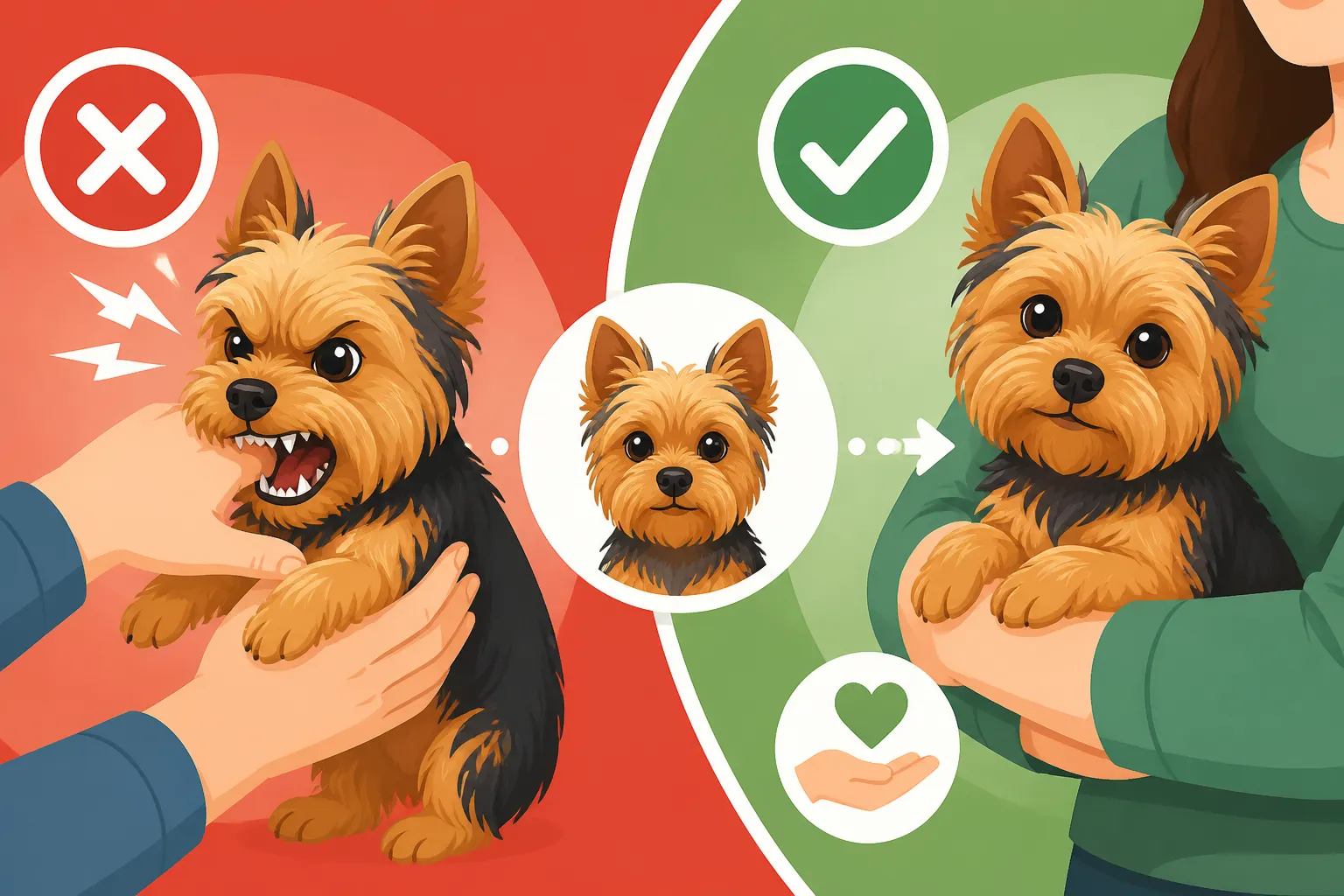
- Proper Lifting Technique: When they seem relaxed, use two hands. One hand should support their chest, just behind their front legs, and the other should support their hindquarters. Lift smoothly and close to your body. Avoid dangling them or putting pressure on their belly. The goal is to make them feel secure, not like they're falling. This is also important for joint health, especially with a breed prone to issues like Yorkie Knee Problems Explained.
- Immediate Reward: The moment you successfully lift them without a snap, give them a high-value treat and lavish praise in a calm voice. The treat should appear right as they are lifted. This creates a positive association: "Being picked up means yummy things!"
It's a process of baby steps. If they show any signs of discomfort (tensing, lip licking, head turning, growling, a quick snap), stop immediately, back off, and reassess. Never push past their warning signals.
Desensitization and Counter-Conditioning
This is the core of retraining your Yorkie's emotional response. Desensitization means gradually exposing them to the trigger (being picked up) at a low intensity, while counter-conditioning means changing their negative emotional response to a positive one using rewards.
- Start Small: Don't go straight for a full pick-up. Begin by just reaching towards them and offering a treat. Do this multiple times a day in various locations, keeping sessions short and positive.
- The "Touch" Game: Progress to gently touching their side, then their back, then slipping a hand partially under their chest, always followed by a treat. If they tolerate a chest touch, give a treat. If they tolerate a slight lift of a paw, give a treat. Work your way up.
- Practice Lifting Slightly: Once they are comfortable with your hands under their chest and hindquarters, try to lift them just an inch off the ground for a second, then immediately put them down and give a treat. Gradually increase the height and duration of the lift.
- Vary Locations: Practice this in different rooms, on different surfaces, and with different people (if your Yorkie is comfortable with them). The goal is for them to generalize that being picked up is safe, regardless of the context.
- Consistency is Key: Everyone in the household needs to use the same gentle techniques and offer rewards. Inconsistent handling will confuse your Yorkie and set back progress. This consistent approach is a foundational element of How to Train a Yorkshire Terrier.
Remember to keep these training sessions extremely short – just a few seconds – and end on a positive note. You want to build up a bank of good experiences.
Using Treats and Praise Effectively
Positive reinforcement is your most powerful tool. For it to be truly effective, the rewards need to be high-value and delivered immediately.
- High-Value Treats: Forget the dry kibble. For this kind of intense retraining, you need something truly irresistible. Think tiny pieces of cooked chicken, cheese, hot dogs, or commercially available soft training treats. The idea is to make the experience so positive that they want to be picked up. Many excellent options can be found on Amazon, often in bulk.
- Timing is Everything: The treat must be given the instant the desired behavior occurs (e.g., when your hands go under them, when they are lifted an inch, when they are fully lifted). If there's a delay, they won't associate the treat with the specific action.
- Verbal Praise: Combine treats with enthusiastic, but calm, verbal praise ("Good boy! So brave!"). Your voice is also a powerful reinforcer.
- Keep it Positive: Never scold or punish your Yorkie for growling or nipping. That will only increase their fear and worsen the problem. A growl is a warning; respect it. It's their way of saying, "I'm uncomfortable." If you punish the growl, they might learn to skip that warning and go straight to biting, which is far more dangerous. Instead, focus on rewarding the absence of undesirable behavior and the presence of calm acceptance. This philosophy aligns perfectly with Positive Reinforcement Training for Yorkies.
Addressing Underlying Issues and Seeking Professional Help
While the handling techniques are crucial, sometimes there's more to the puzzle. It's important to be proactive about both their physical and mental well-being.
Rule Out Medical Conditions
As mentioned, pain is a huge factor. Before you embark on any intensive behavioral training, schedule a full check-up with your veterinarian. Explain the biting behavior and specifically ask them to check for any sources of pain, especially in their back, neck, and joints. They might recommend X-rays or other diagnostics to rule out conditions like arthritis, spinal issues, or even a dental problem.
If your Yorkie does have a medical condition, managing that pain will be your top priority. Your vet might prescribe pain medication, anti-inflammatory drugs, or recommend joint supplements. Once the pain is addressed, you may find the biting behavior significantly decreases or even disappears. This is why a thorough vet check is always the first step. Knowing When to Take Your Yorkie to the Vet can help you recognize the signs that warrant a professional opinion. You should also be aware of Yorkie Emergency Symptoms to Never Ignore.
Consider Professional Dog Training
If you've tried consistent positive reinforcement and gentle handling for a few weeks and aren't seeing improvement, or if the biting is severe, don't hesitate to seek help from a certified professional dog trainer or a veterinary behaviorist. They have the expertise to assess your specific situation, identify subtle body language cues you might be missing, and develop a tailored training plan.
A good trainer will use force-free, positive reinforcement methods. They won't advocate for punishment, as that only creates more fear and aggression. They can guide you through the desensitization process, help you manage difficult situations, and provide hands-on demonstrations. Sometimes, an objective third party is exactly what you need to break through a behavioral barrier. Organizations like the Certification Council for Professional Dog Trainers (CCPDT) or the Association of Professional Dog Trainers (APDT) can help you find qualified professionals in your area. This can be a more structured approach than trying to figure things out alone, and there's a good discussion on Yorkie Obedience Class vs Home Training that might be helpful.
Essential Training Tools and Resources
Having the right tools can certainly make the process smoother and safer for both of you.
- High-Value Treats: As discussed, these are non-negotiable. You can find a huge variety of palatable options on platforms like Amazon. Look for soft, small treats that your Yorkie loves.
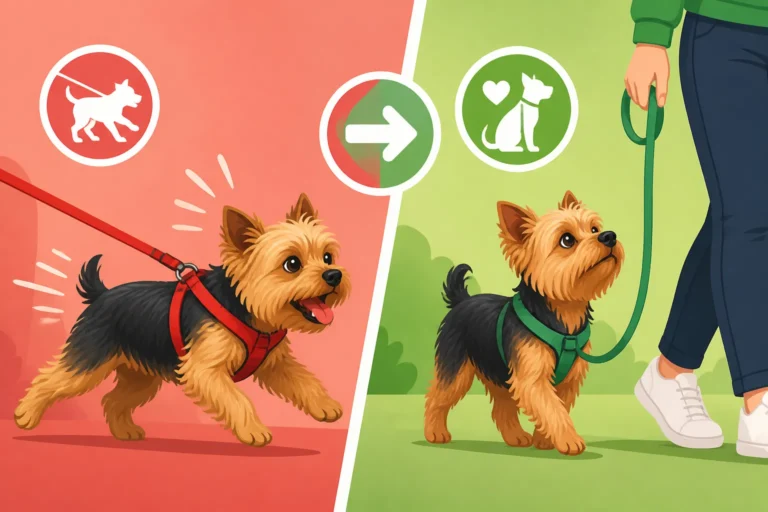
- Comfortable Harness: For tiny dogs like Yorkies, a harness is almost always preferable to a collar, especially if you need to guide them or pick them up in an emergency. It distributes pressure evenly and reduces strain on their delicate neck and trachea. There are many well-designed harnesses available on Amazon that are specifically made for small breeds. A good fit is crucial for their comfort and safety.
- Positive Reinforcement Resources: Online courses and books can provide a wealth of information and strategies. For instance, programs like BAXTER & Bella offer comprehensive online training courses that emphasize positive reinforcement and cover a wide range of puppy and dog behaviors, including proper handling. These resources can give you structured lessons and support, which can be invaluable when tackling a challenging behavior.
- Safe Handling Aids (Temporary): In rare cases, if the biting is severe and you absolutely must handle your dog (e.g., for vet visits), your vet might recommend a soft muzzle for safety. This is a temporary measure and should always be introduced positively with treats, never forced. The goal is to make the muzzle a comfortable tool, not a punishment.
Common Mistakes to Avoid When Handling a Biting Yorkie
When you're dealing with a challenging behavior, it's easy to fall into traps that can inadvertently make the situation worse. Being aware of these common pitfalls can save you a lot of frustration and protect your bond with your Yorkie.
Punishing or Scolding
This is perhaps the most critical mistake to avoid. When your Yorkie growls, snaps, or bites, their behavior is rooted in fear, pain, or anxiety. Punishing them – whether it's yelling, hitting, or even just scolding loudly – will only confirm their belief that being picked up is a negative, scary experience. They won't understand why they're being punished; they'll only associate your hands, the act of being lifted, and even your presence with fear and pain.
Punishment suppresses the warning signs (like growling), which means your Yorkie might eventually skip the growl and go straight to a bite without warning. This is far more dangerous. Instead of making them less likely to bite, you're making them more unpredictable and potentially more aggressive. Focus on teaching them what to do by rewarding positive responses, not punishing negative ones. This approach is paramount for managing Yorkshire Terrier Behavior Problems and Solutions.
Rushing the Process
Solving a deeply ingrained fear or pain response takes time, patience, and consistency. You cannot rush desensitization and counter-conditioning. Each dog progresses at their own pace, and setbacks are a normal part of the journey. If you try to push your Yorkie too fast, you risk overwhelming them, causing them to revert to their old biting behavior, and eroding any trust you've built.
Break down the training into tiny, manageable steps. If your Yorkie is comfortable with you merely reaching towards them, stay at that step for a few days before moving to a gentle touch. Celebrate small victories, even if it's just a moment of calm acceptance. Remember, it's a marathon, not a sprint. Trying to force them or expect instant results will only lead to frustration for both of you. Consistency and patience are key, much like teaching your Yorkie How to Teach a Yorkie to Come reliably.
Ignoring Warning Signs
Dogs communicate primarily through body language. Your Yorkie will give you subtle (and sometimes not-so-subtle) cues that they're uncomfortable before they resort to biting. Learning to read these signals is vital for preventing bites and understanding your dog's emotional state.
Common warning signs include:
- Lip licking: Often a sign of stress or anxiety.
- Yawning: In a non-sleepy context, it's a stress signal.
- Head turning/averting gaze: Trying to avoid interaction.
- Tensing their body: Muscles become stiff, tail might tuck.
- Ears flattened back: A clear sign of fear or anxiety.
- Whale eye: You can see the whites of their eyes, indicating stress.
- Growling: This is a loud and clear warning. Never punish a growl.
- Snapping: A quick air bite, often a final warning before a full bite.
If you see any of these signs, stop what you're doing immediately. Give your Yorkie space. Respect their communication. Ignoring these warnings forces them to escalate their signals, and the next step is often a bite. Learning to How to Socialize a Yorkshire Terrier also involves understanding their communication with you and others. By responding appropriately to their cues, you teach them that you understand and respect their boundaries, which builds trust over time.
Creating a Safe and Positive Pick-Up Experience
Overcoming a Yorkie's fear or pain response to being picked up is a journey, not a destination. It requires deep empathy, unwavering patience, and consistent positive reinforcement. Start by consulting your vet to rule out any underlying medical issues, as pain is a significant motivator for such behavior. Then, meticulously practice gentle handling, breaking down the act of being picked up into tiny, rewarding steps.
Remember to always approach your Yorkie calmly, offer reassurance, and reward even the slightest sign of acceptance with high-value treats. Avoid punishment at all costs, as it only erodes trust and makes the problem worse. If you find yourself struggling, don't hesitate to seek guidance from a certified professional dog trainer. With dedication and understanding, you can transform pick-up time from a moment of tension into another opportunity for positive connection and cuddles with your beloved Yorkshire Terrier.
Comparison of Approach Techniques
| Approach Aspect | Ineffective/Negative Approach | Effective/Positive Approach |
|---|---|---|
| Initial Contact | Sudden, looming over, grabbing | Calm, verbal cue, getting to their level, letting them sniff hand |
| Body Language | Stiff, fast movements, direct stare | Relaxed, slow movements, soft gaze |
| Lifting Technique | Jerky, one-handed, dangling | Smooth, two-handed, supporting chest & hindquarters, close to body |
| Reaction to Warnings | Scolding, punishment, forcing | Stopping, backing off, reassessing, rewarding calm |
| Emotional Goal | Toleration out of fear | Acceptance and enjoyment through positive association |
| Pace of Training | Rushing, expecting quick fixes | Gradual, patient, small steps, celebrating tiny victories |
| Tools Used | Negative reinforcement, force | High-value treats, praise, gentle harness, professional guidance |
Disclaimer
This article is intended for informational purposes only and does not constitute veterinary advice. If your Yorkshire Terrier is exhibiting biting behavior, especially if it's a new development or accompanied by other concerning symptoms, please consult with a qualified veterinarian to rule out any underlying medical conditions. Always prioritize the safety and well-being of your pet and seek professional guidance for severe behavioral issues.