How to Stop Two Yorkies from Fighting
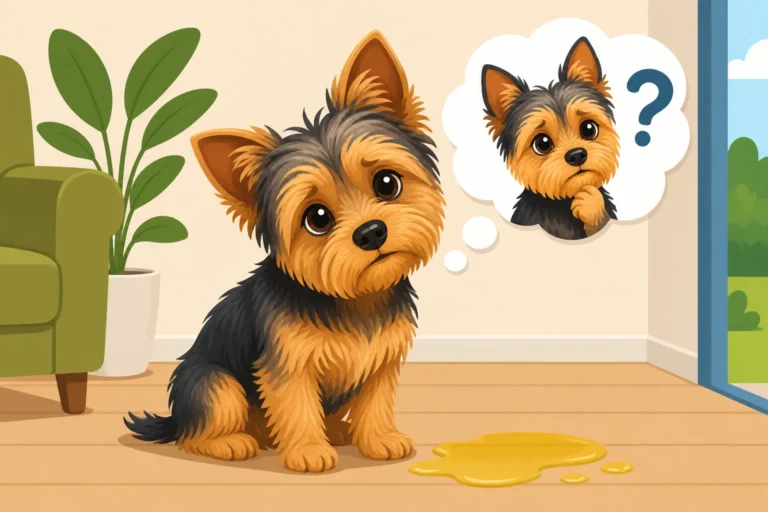
Having two spirited Yorkshire Terriers can be an absolute joy, filled with double the snuggles and double the antics. But when those playful moments escalate into full-blown squabbles or even serious fights, it can be incredibly distressing and leave you feeling helpless, wondering if your furry family will ever truly get along. This comprehensive guide is here to walk you through understanding the root causes of fighting between your Yorkies and, more importantly, equip you with actionable, empathetic strategies to restore peace and harmony in your home.
Understanding Why Yorkies Fight: More Than Just 'Being Feisty'
It’s easy to dismiss a Yorkie skirmish as just "terrier temperament" or "being feisty," but that really oversimplifies the complex emotional and behavioral reasons behind their conflicts. Just like people, dogs communicate their needs, fears, and frustrations, and sometimes that communication breaks down, leading to aggression. Understanding the why is the first crucial step to figuring out how to stop two Yorkies from fighting effectively.
Resource Guarding: Protecting Prized Possessions
One of the most common reasons two dogs living together might fight is resource guarding. This isn't about greed; it's an instinctual behavior where a dog feels the need to protect something valuable from another dog (or even a person). For a Yorkie, a "resource" can be anything they value highly: food, treats, favorite toys, a cozy bed, a prime spot on the couch, or even your attention.
Imagine one of your Yorkies, let's call him Pip, is happily gnawing on a prized dental chew. If your other Yorkie, Daisy, approaches with curiosity or an attempt to join in, Pip might growl, stiffen, or even snap to communicate, "This is mine, stay away." This often happens subtly at first, escalating over time if not addressed. It’s a natural canine behavior, but one that can lead to dangerous confrontations, especially between small breeds like Yorkies where injuries can occur quickly. If you notice one Yorkie becoming possessive over a specific item or even a person's lap, that’s a huge red flag that resource guarding is in play.
Status and Dominance: Who's the Top Dog?
While the concept of "dominance" has been widely debated and often misunderstood in dog training, there's no denying that dogs establish social structures within their household. Sometimes, fights erupt as Yorkies try to figure out their place in the pecking order. This isn't necessarily about one dog trying to "dominate" the other in a malicious way, but rather a series of interactions to establish boundaries and roles.
You might see this manifest as one Yorkie constantly trying to go through doorways first, always pushing to be the first one to get attention, or attempting to physically displace the other from a resting spot. If the other Yorkie doesn't accept this "challenge" or tries to assert their own perceived status, conflicts can arise. These can be particularly stressful because they often involve a lot of posturing, staring, growling, and sometimes quick, intense lunges. For pet parents, it feels like constant tension, a low hum of potential conflict just beneath the surface, and figuring out how to stop Yorkie aggression is key in these situations.
Fear and Anxiety: Lashing Out When Overwhelmed
Just like humans, dogs can lash out when they are feeling scared, anxious, or overwhelmed. A Yorkie might initiate a fight not because they are inherently aggressive, but because they are reacting defensively to a situation they perceive as threatening. This could be due to pain, a past negative experience with another dog, feeling trapped, or simply being overstimulated.
Consider a scenario where one Yorkie is already a bit anxious – maybe they're not feeling well, or a loud noise just startled them. If the other Yorkie bounces up to them suddenly or tries to play too roughly, the anxious dog might react with a snap or growl out of fear, which can then be misinterpreted as aggression by the other dog, sparking a fight. Recognizing the subtle signs of stress or anxiety in your Yorkies is crucial to preventing these fear-driven altercations. Sometimes, issues like Yorkshire Terrier Separation Anxiety Solutions can manifest as irritability towards housemates.
Play Gone Wrong: When Fun Turns Frightening
Yorkies are known for their playful, energetic nature. They love to chase, tumble, and engage in mock battles. Most of the time, this play is healthy and helps them bond. However, sometimes play can accidentally escalate into a real fight, especially if one dog isn't reading the other's signals correctly or if one becomes overly excited or rough.
Think about two puppies wrestling: one might nip a little too hard, or accidentally pin the other down in a way that feels threatening rather than playful. If the "victim" reacts defensively, the play can quickly turn serious. This is particularly common in young dogs or when there's a significant size or energy mismatch between the two Yorkies. It's important to differentiate between healthy play (loose bodies, play bows, taking turns, self-handicapping) and play that's on the verge of turning sour (stiff bodies, whale eyes, constant pinning, one dog always being "the victim"). Understanding Yorkshire Terrier Behavior Problems and Solutions can offer broader insights into managing these kinds of interactions.
Immediate Steps When a Fight Breaks Out: Safety First
When your Yorkies are in the midst of a fight, it's a terrifying moment. Your first instinct might be to rush in and separate them, but doing so without a plan can put you at risk of being bitten. Prioritizing safety—yours and your dogs'—is paramount.
Safe Interruption Techniques
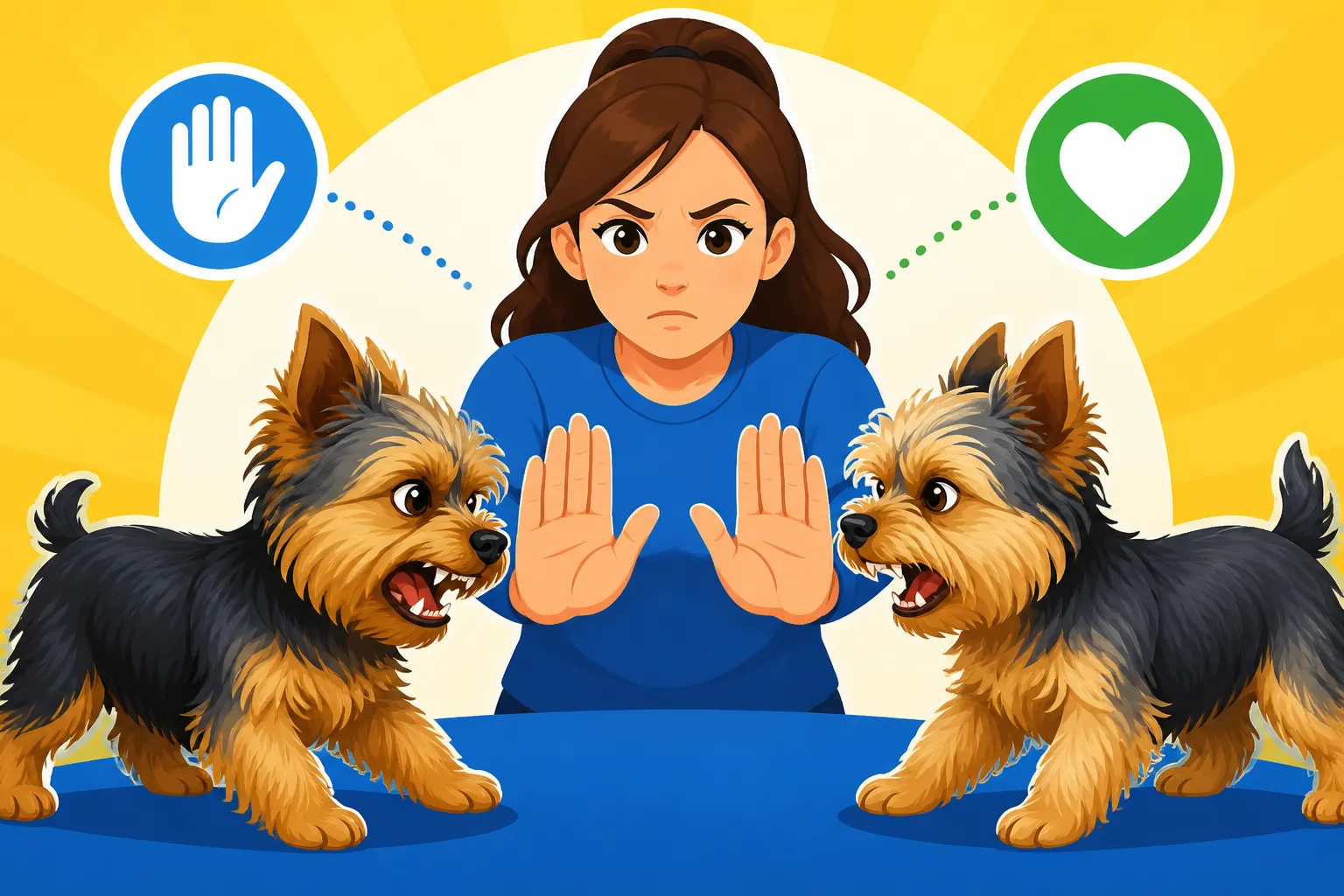
The golden rule for breaking up a dog fight is never put your hands directly between fighting dogs. Yorkies, despite their small size, can inflict painful bites, especially when they are in a highly aroused state. Instead, you need to think about how to create a physical barrier or a sudden, startling distraction.
One of the most effective methods is to use a barrier. Keep a sturdy piece of cardboard, a throw blanket, or even a broomstick handy in areas where fights tend to occur. You can use these items to physically wedge between the dogs and push them apart. Another good technique is to make a loud, sudden noise – a clap, a shout, or dropping a metal baking sheet on the floor – can sometimes startle them enough to disengage. As soon as they separate, immediately try to put a barrier between them or scoop one up to remove them from the immediate vicinity.
If you have another person available, a "wheelbarrow" method can be used as a last resort: each person grabs a dog by their hind legs and pulls them backward, away from the conflict, like pushing a wheelbarrow. The critical part is to then immediately turn the dogs around so they can’t see each other and quickly remove them to separate rooms. The goal isn't to punish during the fight, but to safely separate. Once they are separated, give them time to calm down in their individual spaces before attempting any further interaction.
Assessing for Injuries
Once the immediate danger has passed and your Yorkies are safely separated, your next step is to carefully assess them for injuries. Even quick skirmishes can result in bites, scratches, or other wounds, especially since Yorkies have delicate skin and small frames.
Take each dog to a quiet, well-lit room and gently examine them from nose to tail. Look for punctures, lacerations, scrapes, and excessive licking of a particular area, which can indicate pain. Pay close attention to ears, paws, and the face, as these are common areas for nips. If you see any open wounds, excessive bleeding, limping, or if your dog is exhibiting signs of pain (whining, reluctance to be touched, hiding), it's crucial to contact your veterinarian immediately. Even small puncture wounds can become seriously infected if not treated promptly. A quick call to your vet can help determine if an emergency visit is needed or if you can manage minor scrapes at home. This is an important part of knowing When to Take Your Yorkie to the Vet.
Long-Term Strategies to Prevent Future Conflicts: Building Harmony
Preventing fights between your Yorkies requires a proactive, consistent approach that addresses the underlying causes of their conflicts. This isn't a quick fix, but a commitment to building a more harmonious environment and strengthening your bond with both dogs individually.
Implementing a "Nothing in Life is Free" Protocol
One highly effective strategy to help establish clear leadership and reduce competitive behaviors is the "Nothing in Life is Free" (NILIF) protocol. The basic premise is simple: your Yorkies must "work" for everything they want, from food to cuddles to going outside. This doesn't mean being harsh; it means using positive reinforcement to teach them impulse control and that you are the provider of all good things.
For example, before feeding them, have them sit. Before giving them a treat, ask for a "down." Before opening the door for a walk, have them wait calmly. This consistent structure helps reinforce your role as the benevolent leader and teaches them that calm, polite behavior gets them what they want. It also reduces the likelihood of them seeing each other as rivals for resources or attention. Using a positive reinforcement training program, perhaps one like the online BAXTER & Bella program, can provide a structured framework for implementing NILIF and other foundational obedience skills that can greatly improve canine-to-canine manners. Consistent training helps ensure they see you as the one who controls the flow of good things, reducing the competitive edge they might feel toward each other. You can learn more by exploring How to Train a Yorkshire Terrier.
Managing Resources Effectively
If resource guarding is at the heart of your Yorkies' conflicts, managing their access to valuable items is paramount. This means making sure each dog has their own space, their own food bowls, and their own toys, and that these are presented in a way that doesn't invite conflict.
Here’s how to manage resources:
- Separate Feeding: Always feed your Yorkies in separate rooms or crates. This eliminates any competition over food, allowing them to eat in peace.
- Individual Toys and Chews: Provide each Yorkie with their own set of toys and chews. When giving out high-value items, do so simultaneously and in separate areas. Supervise closely and pick up all high-value items once they are done, especially if you notice tension.
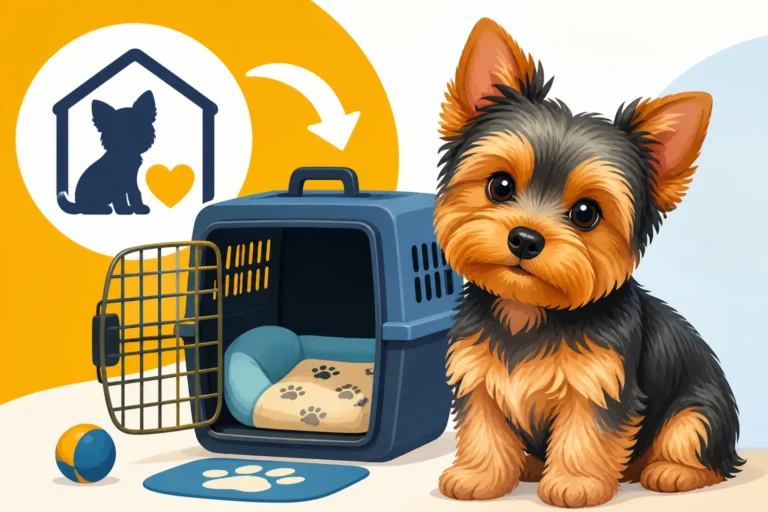
- Designated Resting Spots: Ensure each Yorkie has their own bed or crate where they can retreat and feel safe without being bothered. This is vital for their sense of security. You might find a great selection of durable, comfortable beds and crates on Amazon. Having designated individual spaces for your Yorkies can significantly reduce friction. For tips on choosing the right space, check out a Yorkie Crate Size Guide.
| Resource Type | Management Strategy | Benefits |
|---|---|---|
| Food & Water | Separate feeding areas, multiple water bowls | Eliminates mealtime competition, reduces guarding |
| High-Value Treats | Given simultaneously in separate, secure locations | Prevents guarding of chews, promotes calm enjoyment |
| Toys | Multiple, distinct toys; rotate to keep interest | Reduces possessiveness over single prized items |
| Beds & Crates | Each dog has their own safe, personal retreat | Provides individual space, reduces territorial disputes over resting |
| Owner Attention | Structured, equal individual attention | Prevents competition for affection, reinforces positive associations |
Structured Supervision and Separate Spaces
Supervision is not about constantly hovering, but about being present and aware, ready to intervene before a fight escalates. When your Yorkies are together, be watchful for subtle signs of tension: stiff postures, hard stares, growling, excessive licking of lips, or one dog trying to get away from the other.
If you can't actively supervise them (e.g., you're busy with chores, on a phone call, or leaving the house), it's best to separate them. This might mean crating one or both, using baby gates to create distinct zones in your home, or keeping them in separate rooms. The goal isn't to punish them but to prevent situations where conflicts can arise unsupervised. Establishing clear, safe boundaries with baby gates or playpens, easily found on Amazon, can be a lifesaver. Over time, as their relationship improves and you implement other strategies, you may be able to gradually reduce the amount of direct supervision needed. For related insights, consider reading How to Leave a Yorkie Home Alone.
Importance of Individual Attention and Training
It might seem counterintuitive when trying to foster a good relationship between two dogs, but providing each Yorkie with dedicated, individual attention and training is incredibly important. This helps prevent jealousy and strengthens your bond with each dog, making them less likely to compete for your affection.
Spend quality one-on-one time with each Yorkie every day. This could be a solo walk, a short training session practicing commands like "How to Teach a Yorkie to Leave It" or "stay," or simply some focused cuddle time on their own. This reinforces that they don't have to compete with their housemate for your love and attention. Regular individual training sessions can also boost each dog's confidence and reinforce good manners. Consistency with training, perhaps through an online module from BAXTER & Bella, can significantly impact their individual behavior and, by extension, their behavior towards each other.
Professional Help: When to Call in the Experts
While these strategies can go a long way, some inter-dog aggression issues are deeply ingrained or complex and might require professional intervention. If you've tried these methods consistently and still see frequent or escalating fights, or if you feel unsafe breaking up conflicts, it's definitely time to bring in a professional.
A certified professional dog trainer specializing in behavior, or a veterinary behaviorist, can assess your specific situation, identify the precise triggers for your Yorkies' fights, and develop a tailored behavior modification plan. They can teach you advanced techniques, guide you through structured introductions, and help you understand canine body language to a deeper degree. Investing in professional help is not a sign of failure; it's a responsible step towards ensuring the safety and well-being of all members of your household, furry and human alike. Sometimes, understanding "Yorkie Aggression: Causes and Solutions" means accepting that expert guidance is the best path forward. You might even consider if Yorkie Obedience Class vs Home Training is right for your situation.
Disclaimer
This article provides general information and recommendations. Every dog is an individual, and behavioral issues can be complex. Always consult with a qualified veterinarian or certified professional dog trainer for personalized advice regarding your specific Yorkshire Terriers and their health and behavior needs.