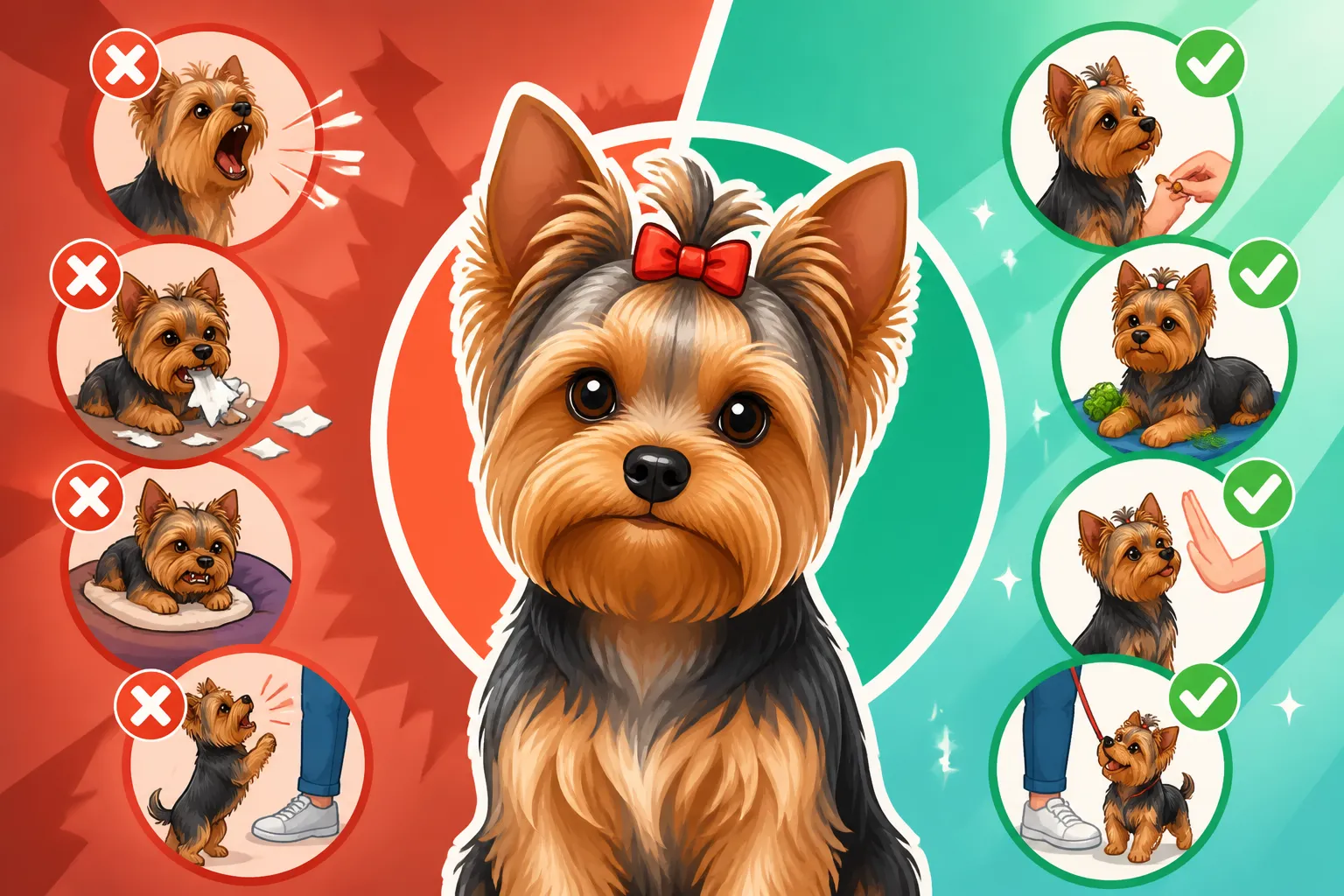
Yorkshire Terrier Behavior Problems and Solutions
Oh, the joys of living with a Yorkshire Terrier! They’re these tiny, elegant bundles of sass and spirit, and we adore them for it. But let’s be real, sometimes that big personality in a small body can manifest as some pretty frustrating behaviors. If you've ever felt like you're constantly battling a barking alarm system, cleaning up unexpected "presents," or trying to calm a clingy shadow, you're not alone. This comprehensive guide is here to walk you through the most common Yorkshire Terrier behavior problems and, more importantly, equip you with realistic, empathetic solutions to bring harmony back into your home.
Understanding the Yorkshire Terrier Temperament
Before we dive into fixing behaviors, it’s really helpful to understand why Yorkies act the way they do. They weren't just born fluffy lapdogs; they carry a strong working terrier heritage that heavily influences their personalities and, yes, their potential quirks.
The Terrier Spirit: Boldness in a Small Package
Think about it: Yorkies were originally bred to hunt rats in textile mills in 19th-century England. That's not a job for a shy, retiring dog! They needed to be tenacious, brave, and incredibly determined. Even today, centuries later, these traits are deeply ingrained in their DNA. Your little Yorkie might weigh only a few pounds, but in their mind, they're a fearless protector, a cunning hunter, and the boss of the house.
This inherent terrier spirit means they're often quite confident, sometimes bordering on bossy. They're quick to alert you to anything they perceive as an intrusion – be it the mail carrier, a squirrel in the yard, or even just a leaf blowing past the window. Their determination also means they can be quite stubborn when it comes to training if they don't see the immediate benefit or if you're not consistent. It’s easy to underestimate them because of their size, but that's a mistake. They thrive on having a "job" to do, whether it's chasing dust bunnies or guarding your lap, and they need mental engagement just as much as larger, more obviously "working" breeds. Understanding this fierce independence and intelligence is the first step to truly connecting with your Yorkie and addressing their behaviors effectively.
Why Size Doesn't Dictate Personality
It’s a tale as old as time, or at least as old as small dog breeds: the concept of "small dog syndrome." This isn’t a psychological diagnosis for dogs; it's a human-created phenomenon where owners often treat their small dogs differently than they would a larger dog. We might laugh off a tiny Yorkie jumping on guests or snapping at other dogs, behaviors we'd never tolerate from a Golden Retriever. This can inadvertently reinforce problematic behaviors, making our little pups think they can get away with anything.
Because Yorkies are so small and, let's face it, incredibly cute, it’s tempting to coddle them, carry them everywhere, and protect them from every perceived threat. While our intentions are good, this can actually prevent them from developing confidence and good social skills. A Yorkie who is constantly picked up when another dog approaches might never learn appropriate dog-to-dog greetings. A Yorkie who is never corrected for barking at the doorbell might escalate the behavior. The truth is, all dogs, regardless of size, benefit from clear boundaries, consistent training, and proper socialization. Treat your Yorkie like a capable, intelligent dog who needs guidance, not a fragile accessory, and you'll be amazed at how much they can learn and how much better their behavior becomes.
Common Yorkie Behavior Problems
Living with a Yorkie means embracing their unique personality, but sometimes that personality comes with a few challenges. Let's dig into some of the most common behavior issues Yorkie owners face and why they might be happening.
Excessive Barking: The Tiny Watchdog's Loud Voice
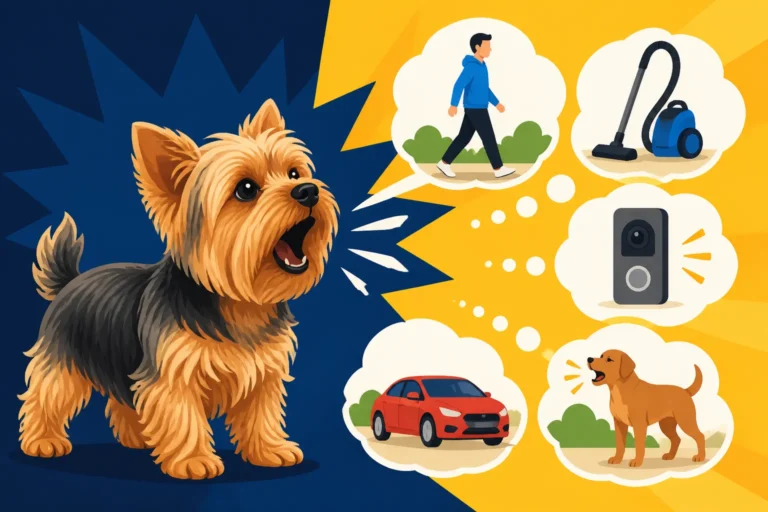
If there's one thing Yorkies are famous for, it's their barking. They are incredibly vocal dogs, and while a little alert barking is fine, it can quickly become excessive and truly grating on your nerves (and your neighbors'). This isn't just a random act; there's always a reason behind it.
Causes and Scenarios: Your Yorkie might bark furiously at the sound of the doorbell, convinced that every delivery person is an intruder. They might see a person or dog walking by outside and launch into a territorial frenzy. Many Yorkies also bark from boredom, using their voice to signal that they're under-stimulated and need something to do. Then there's the attention-seeking bark – the persistent "woof" that means "Hey, look at me! I want something!" This is often reinforced inadvertently when we respond to stop the barking, even if it’s with a frustrated "Quiet!" or a push. Lastly, anxiety, especially Yorkshire Terrier Separation Anxiety Solutions, can manifest as incessant barking when they are left alone, signaling distress rather than an alert. For a deep dive into curbing this common issue, check out our guide on How to Stop a Yorkie from Barking.
Potty Training Challenges: The Elusive Goal
Potty training a Yorkie can feel like a never-ending battle, making many owners throw their hands up in exasperation. It's often cited as one of the most difficult aspects of owning this breed, but it's not impossible, nor is your Yorkie doing it out of spite.
Reasons for the Struggle: One major factor is their small size. Yorkies have tiny bladders, meaning they physically need to relieve themselves more frequently than larger dogs. If you're not taking them out often enough, accidents are bound to happen. Inconsistent training is another huge culprit; if the rules aren't clear, or if different family members have different expectations, your Yorkie will get confused. Some Yorkies, particularly males, might also engage in marking behavior, especially if they're intact or if there are other pets in the house. This isn't about emptying their bladder; it's about claiming territory. Lastly, some Yorkies can develop a strong aversion to going outside, especially in bad weather or if they've had a negative experience. They might prefer the comfort and safety of an indoor potty pad, which can be a double-edged sword: convenient but also hindering outdoor training progress. For comprehensive advice, our Yorkshire Terrier Potty Training Guide offers detailed strategies.
Separation Anxiety: The Velcro Dog Dilemma
Yorkies are deeply bonded to their people, often earning them the nickname "Velcro dogs." While this devotion is endearing, it can sometimes escalate into severe separation anxiety, which is heartbreaking for both dog and owner.
Symptoms and Causes: When a Yorkie with separation anxiety is left alone, they might exhibit a range of distress signals. This could include frantic, Why Does My Yorkie Keep Barking At Night incessant barking or howling, destructive chewing of furniture or doorframes, frantic pacing, or even house-soiling accidents, even if they're otherwise perfectly potty trained. They might try to escape their crate or home, sometimes injuring themselves in the process. This isn't naughtiness; it's panic. Yorkies are very sensitive and thrive on companionship. If they haven't been gradually taught to cope with being alone, or if they have a history of being rehomed or insecure attachments, separation anxiety can develop. It’s a genuine fear response to being isolated from their primary attachment figure, and it requires a gentle, patient, and consistent approach to resolve. Learn more about managing this common issue in How to Leave a Yorkie Home Alone.
Nipping and Biting: More Than Just Play
While a Yorkie's bite might not be as dangerous as a Rottweiler's, it can still be painful and certainly isn't an acceptable behavior. Distinguishing between puppy nipping and more serious biting is crucial.
Understanding the Behavior: Puppy nipping is a normal part of development. Puppies explore the world with their mouths, and they learn bite inhibition from their littermates and mother. If they nip too hard, their sibling yelps, and play stops. When puppies come to our homes, we need to continue this education. However, if unaddressed, this puppy nipping can escalate or transition into more problematic biting. More concerning forms of biting can stem from fear aggression (a Yorkie might bite if they feel cornered or threatened), resource guarding (biting to protect their food, toys, or even their human), or pain. If your Yorkie suddenly starts biting, a vet visit is essential to rule out any underlying medical issues. It’s vital to address any biting behavior promptly and consistently to prevent it from becoming a deeply ingrained habit. Our guide on How to Stop a Yorkie from Biting offers actionable advice.
Resource Guarding: "Mine!" Mentality
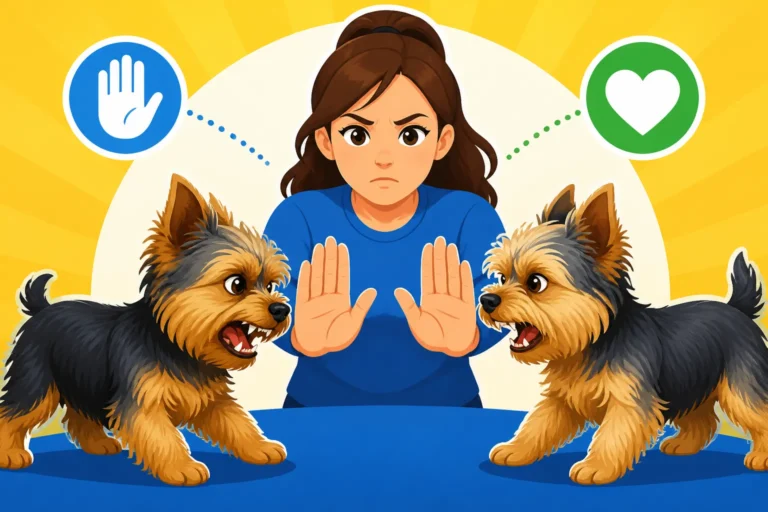
Resource guarding is when a dog becomes possessive of an item—be it food, toys, a bed, or even a person—and displays aggression (growling, snapping, biting) when someone approaches or tries to take it away. With Yorkies, because they’re small, it’s often dismissed as cute or quirky, but it's a serious behavior that needs to be addressed.
What it Looks Like and Why it Develops: You might see your Yorkie growl softly if you get too close to their food bowl while they're eating, or they might snatch a toy and quickly retreat to a corner, flashing their teeth if you try to retrieve it. Some Yorkies even resource guard their favorite human, growling at other family members or pets who dare to get too close. This behavior often stems from an insecurity about losing valuable items. It can be particularly prevalent in rescue dogs who may have experienced scarcity, but it can also develop in pampered pets if boundaries aren't set early on. It's not about being "mean"; it's a deeply ingrained canine instinct to protect what they perceive as vital for their survival or well-being. Ignoring it allows the behavior to escalate, potentially leading to injuries. For comprehensive solutions, read our article on How to Stop Yorkie Resource Guarding.
Leash Pulling and Reactivity: The Urban Explorer's Struggle
Even a tiny Yorkie can pull surprisingly hard on a leash, making walks a frustrating experience. Beyond just pulling, many Yorkies are also reactive, meaning they bark, lunge, or growl at other dogs, people, or environmental stimuli while on a walk.
Why Walks Become a Battle: For a Yorkie, the world is a giant, exciting place full of smells, sounds, and sights. Their innate terrier curiosity and energy often translate into a desire to forge ahead, exploring everything. If they haven't been taught loose-leash walking from a young age, they'll quickly learn that pulling gets them where they want to go. As for reactivity, this can stem from a variety of reasons: fear (they're scared of the approaching dog and want to make it go away), frustration (they want to greet but are restrained), or over-excitement. Small dogs are often overlooked in the leash-training department, with owners assuming their size makes pulling less of an issue. However, a Yorkie constantly straining against their collar can put undue pressure on their delicate trachea, which is already prone to issues like Yorkshire Terrier Collapsing Trachea: Signs and Care. Addressing both pulling and reactivity is crucial for enjoyable and safe walks. Our article on How to Stop Yorkie Leash Pulling can help.
Proactive Strategies for Prevention and Early Intervention
When it comes to behavior, an ounce of prevention is truly worth a pound of cure. By implementing proactive strategies from the moment your Yorkie joins your family, you can lay the groundwork for a well-behaved, happy companion.
Early Socialization: The Foundation of Good Behavior
Socialization is not just about letting your puppy play with other dogs; it's about exposing them to a wide variety of positive experiences during their critical developmental period, roughly between 3 to 16 weeks of age. This helps them learn that the world isn't a scary place and that new things can be exciting and safe.
Importance and Activities: A well-socialized Yorkie is less likely to develop fear-based behaviors like excessive barking at strangers or aggression towards other dogs. This means exposing your puppy to different types of people (men with hats, children, people in wheelchairs), various sounds (traffic, vacuums, thunderstorms played softly), different environments (parks, pet stores, vet offices), and a range of friendly, vaccinated dogs of different sizes. Always ensure these experiences are positive and not overwhelming. Short, positive exposures are key. For instance, have friends with calm dogs visit, or take your Yorkie to a puppy socialization class where interactions are supervised. If your Yorkie is already older, it’s never too late to work on socialization, but it might require a more gradual and carefully managed approach. Thinking about how to properly introduce your tiny pup to the big world? Our guide on How to Socialize a Yorkie Puppy has all the details you need.
Consistent Training and Structure: Setting Clear Boundaries
Yorkies, like all dogs, thrive on routine, predictability, and clear expectations. Without them, they're left to make up their own rules, which often leads to behaviors we find undesirable. Consistency is the cornerstone of effective training.
Positive Reinforcement and Consistency: This means everyone in the household needs to be on the same page regarding rules and commands. If one person allows the Yorkie to jump on them, but another punishes it, the dog gets confused and the behavior won't improve. Positive reinforcement, using treats, praise, and toys to reward desired behaviors, is incredibly effective for Yorkies. They are intelligent and eager to please (when they want to be!), and they respond wonderfully to rewards. Basic obedience commands like "sit," "stay," "come," and "leave it" aren't just tricks; they're vital communication tools that establish you as the benevolent leader and give your Yorkie a sense of security and purpose. Consider enrolling in an online training program like BAXTER & Bella, which offers lifetime access to resources, or finding a local puppy class. These resources can provide structured lessons and support, helping you implement consistent training from day one. To get started on building a strong foundation, read our article on Yorkshire Terrier Obedience Training Basics.
Meeting Exercise and Mental Stimulation Needs
It's easy to assume a tiny dog like a Yorkie doesn't need much exercise or mental stimulation. This couldn't be further from the truth. While they might not need miles of running, they are energetic and intelligent, and a bored Yorkie is often a destructive or vocal Yorkie.
Beyond Walks: Daily walks are important for physical exercise and sniffing opportunities, but Yorkies also need mental challenges. Puzzle toys, where they have to work to get a treat, can keep their minds engaged. Training sessions, even short 5-10 minute bursts several times a day, can be incredibly tiring for them mentally. Learning new tricks, playing hide-and-seek with their favorite toy, or even just having dedicated playtime where they can chase a flirt pole can prevent boredom. A Yorkie who is physically and mentally satisfied is much less likely to bark excessively, chew inappropriately, or demand attention in annoying ways. Think of it this way: if your Yorkie has expended their energy constructively, they'll be much happier to curl up quietly with you rather than inventing their own (often problematic) entertainment.
Step-by-Step Solutions for Specific Problems
Now that we understand the 'why,' let's get into the 'how.' Tackling specific behavior problems requires patience, consistency, and the right approach.
Taming the Bark: Practical Techniques
Dealing with excessive barking can test the patience of even the most devoted Yorkie parent. The key is to address the root cause and consistently redirect the behavior.
Techniques for Bark Management:
First, identify why your Yorkie is barking. Is it attention-seeking? Boredom? Reactivity? Once you know the trigger, you can tackle it.
- "Quiet" Command: Start by teaching the "quiet" command. When your Yorkie barks at something, let them bark once or twice, then say "Quiet" and immediately distract them with a high-value treat. As soon as they stop barking, even for a second, praise them and give the treat. Gradually increase the duration they need to be quiet before getting the treat.
- Desensitization: For barking at external triggers (doorbell, people passing by), you can desensitize them. Start by playing doorbell sounds at a very low volume, rewarding your Yorkie for remaining calm. Gradually increase the volume over days or weeks. For outdoor triggers, practice "look at that" – reward your Yorkie for simply looking at the trigger without barking, then looking back at you.
- Management Strategies: For severe cases, management is crucial. Use white noise machines or classical music to mask outdoor sounds. If they bark at the window, use frosted window film or blinds to block their view. When you leave the house, leave them with a stimulating puzzle toy to keep them occupied, rather than bored and barking.
- Deterrents: While not a primary training method, some owners find certain deterrents helpful for managing persistent barking, especially when they can't actively train. For example, some anti-bark devices emit an ultrasonic sound that only dogs can hear, startling them when they bark. These can be found on platforms like Amazon. However, these should always be used as a management tool alongside positive reinforcement training, not as a replacement for it. They don't teach your dog what you want them to do, only what you don't.
Mastering Potty Training: A Realistic Approach
Potty training a Yorkie demands extreme consistency and vigilance, but it's absolutely achievable. Remember, it's a process, not an overnight fix.
Comprehensive Potty Training Plan:
- Crate Training: A properly sized crate (just big enough for them to stand up, turn around, and lie down) can be your best friend. Dogs naturally don't want to soil their sleeping area. This helps them learn bladder control and provides a safe den. They shouldn't be left in the crate for too long – a general rule is one hour per month of age, plus one hour (e.g., a 3-month-old can hold it for 4 hours).
- Consistent Schedule: Take your Yorkie out frequently, especially after waking up, after eating or drinking, after playtime, and before bedtime. Use a specific spot outside and reward them lavishly with praise and a small treat immediately after they finish.
- Positive Reinforcement: Never punish accidents. Your Yorkie won't understand why they're being reprimanded after the fact, and it can make them afraid to go in front of you. If you catch them in the act, calmly interrupt them ("Oops!") and immediately take them outside to their designated spot.
- Thorough Cleaning: Use an enzymatic cleaner (like Nature's Miracle or Rocco & Roxie Supply Co.) to clean up accidents. Regular household cleaners might remove the smell for humans, but dogs can still detect it, which encourages them to go in the same spot again.
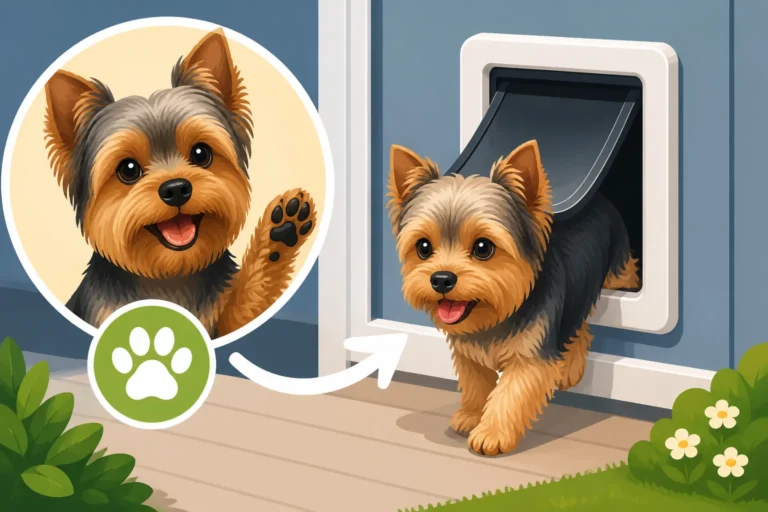
- Bell Training: Some Yorkie owners have great success with bell training. Hang a set of bells by the door your Yorkie uses to go outside. Every time you take them out, gently tap their paw against the bells while saying "Potty outside." Eventually, they'll learn to ring the bells to signal their need to go. For detailed steps, refer to How to Potty Train a Yorkie Puppy.
Addressing Separation Anxiety: Building Confidence
Separation anxiety is distressing for everyone. The goal isn't just to stop the symptoms but to help your Yorkie feel truly comfortable and secure when you're not around.
Strategies for Comfort and Confidence:
- Gradual Desensitization: This is the core of treatment. Start with very short absences that don't trigger anxiety. Leave for literally 10 seconds, then return calmly. Gradually increase the duration. The key is to leave before your Yorkie gets anxious and return before they get anxious. This teaches them that you always come back.
- Crate Training (Positive Association): If your Yorkie is crate trained and views their crate as a safe den, it can be a valuable tool. However, if they become frantic in the crate, it's not helpful. Build positive associations with the crate by feeding meals and giving high-value treats and toys inside.
- Departure Cues: Avoid making a big fuss when you leave or return. This can heighten anxiety. Keep arrivals and departures calm and low-key.
- Calming Aids: Consider natural calming aids like Adaptil pheromone diffusers or calming treats (many reputable brands are available on Amazon). Some dogs also benefit from Thundershirts or compression wraps. These are not cures but can help reduce anxiety levels during training.
- Enrichment When Alone: Leave your Yorkie with engaging chew toys or puzzle feeders stuffed with high-value treats (like frozen Kongs). This helps distract them and associate your absence with something positive.
- Professional Help: For severe cases, working with a certified professional dog trainer or veterinary behaviorist is highly recommended. They can provide a tailored plan and, if necessary, discuss medication in conjunction with behavior modification.
Curbing Nipping and Biting: Gentle but Firm
Nipping and biting require a clear and consistent response to teach your Yorkie appropriate mouth manners.
Techniques for Bite Inhibition:
- Bite Inhibition Training: When your puppy nips too hard during play, let out a sharp "Yip!" or "Ouch!" and immediately withdraw your hand, ending playtime for a few seconds. This mimics how littermates teach each other not to bite too hard. Resume play after a short break. If the hard nipping continues, end the play session entirely.
- Redirection: Always have appropriate chew toys readily available. If your Yorkie starts to nip at your fingers or clothes, immediately redirect them to a toy. Praise them when they chew the toy instead.
- "Leave It" Command: Teach your Yorkie the "leave it" command. This is incredibly useful for preventing them from nipping at things they shouldn't or for stopping an undesirable behavior before it escalates. Practice by placing a treat on the floor, covering it with your hand, saying "Leave it," and then rewarding them with a different treat when they look away from the covered treat.
- Address Underlying Causes: If biting seems aggressive or fear-based, do not punish your Yorkie. This can make the aggression worse. Instead, consult with a professional. Fearful dogs need to build confidence and trust, often through controlled exposure and positive reinforcement. If it's resource guarding, follow the strategies mentioned previously for that specific issue. For more specific guidance, read How to Stop a Yorkie from Biting.
The Role of Professional Help and Resources
Sometimes, despite our best efforts, certain behaviors persist or even escalate. This isn't a sign of failure on your part, but rather an indication that it's time to bring in the cavalry. Professional help can offer invaluable guidance and expertise.
When to Seek a Professional Dog Trainer or Behaviorist
Knowing when to call in a professional is a crucial part of responsible pet ownership. There are situations where a DIY approach, however well-intentioned, just isn't enough.
Signs You Need Professional Intervention:
- Aggression: Any form of biting, snarling, or growling that seems unprovoked or is directed at people or other animals. This is a serious issue that requires expert handling to ensure safety.
- Severe Anxiety: If your Yorkie's separation anxiety is causing extreme distress, self-harm, or damage to your home, a professional can offer a structured behavior modification plan and potentially work with your vet on medication options.
- Sudden Changes in Behavior: If your previously well-behaved Yorkie suddenly becomes aggressive, fearful, or starts having accidents, it's always best to rule out a medical cause first with your vet, but then a behaviorist can help address the behavioral aspect.
- Lack of Progress: You've been consistent, you've tried different methods, but the problem behavior (like persistent potty accidents, barking, or pulling) isn't improving. A fresh pair of expert eyes can often identify what might be missed.
- Overwhelm: Sometimes, you just feel completely overwhelmed and frustrated. A good trainer can provide much-needed support, structure, and peace of mind.
What to Look for in a Good Trainer/Behaviorist:
Seek out certified professionals. Look for credentials like CPDT-KA (Certified Professional Dog Trainer – Knowledge Assessed) or behaviorists with veterinary degrees and board certifications (DACVB – Diplomate of the American College of Veterinary Behaviorists). Avoid trainers who advocate for harsh punishment, choke chains, prong collars, or e-collars, especially for a small, delicate breed like a Yorkie. Positive reinforcement, force-free methods are not only more humane but also more effective in the long run for building trust and a strong bond with your dog.
Veterinary Consultation: Ruling Out Medical Causes
It's absolutely critical to remember that many behavioral changes can have an underlying medical cause. A sudden onset of aggression, house soiling, increased barking, or lethargy should always prompt a visit to your veterinarian.
Why a Vet Visit is Essential:
Pain can make a normally docile dog snappish or withdrawn. Hormonal imbalances (like Yorkshire Terrier Hypothyroidism: Signs and Care) can affect mood and energy levels. Urinary tract infections can cause house-soiling accidents. Vision or hearing loss can lead to anxiety or confusion, manifesting as barking or fear. Cognitive dysfunction, often seen in older dogs, can cause disorientation and house-soiling. Even dental pain can make your Yorkie irritable.
For example, a Yorkie suddenly yelping when picked up and becoming defensive might be suffering from patellar luxation, a common Yorkie Knee Problems Explained where their kneecap slips out of place, rather than just being "grumpy." A vet can perform a thorough examination, run diagnostic tests, and either identify a medical issue that needs treatment or give you a clean bill of health, allowing you to focus solely on behavioral solutions with confidence. If you notice any sudden or concerning changes, don't hesitate to schedule an appointment. Our guide on When to Take Your Yorkie to the Vet can help you identify emergency signs.
Essential Tools and Products for Behavior Management
While training and patience are paramount, certain tools and products can significantly aid in managing and redirecting your Yorkie's behavior. They are not substitutes for training, but rather helpful companions on your journey.
Harnesses and Leashes: For Better Control and Comfort
For such a small breed, the choice of walking equipment is more critical than you might think. Given their delicate tracheas, traditional collars can pose a risk.
Why Harnesses are Preferred for Yorkies:
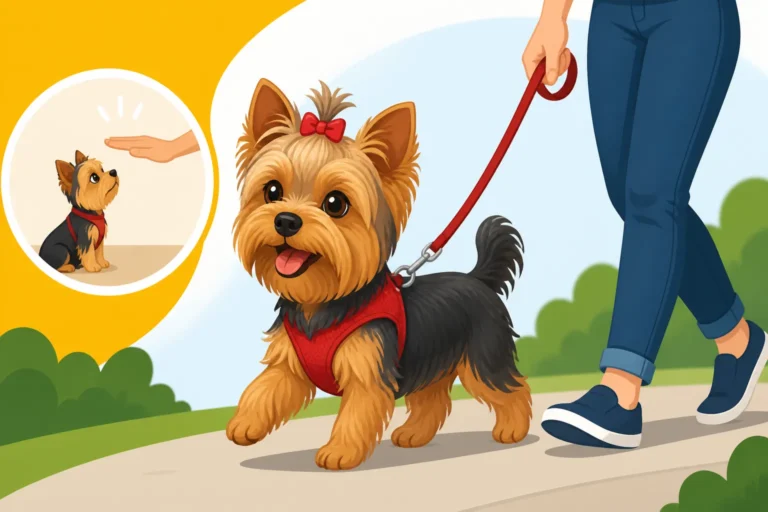
Yorkies are prone to Yorkshire Terrier Tracheal Collapse: Signs and Care, a condition where the windpipe weakens and collapses. A collar, especially if your Yorkie pulls, can put immense pressure on this area, exacerbating the problem or even causing it. A harness, particularly one that distributes pressure across their chest and shoulders, bypasses the neck entirely, making it a much safer and more comfortable option for walks.
- Front-Clip Harnesses: For Yorkies who are strong pullers, a front-clip harness (where the leash attaches at the dog's chest) can be incredibly effective. When your dog pulls, the leash attachment redirects them back towards you, making pulling less effective and more uncomfortable for them. This encourages them to walk by your side. Brands like Easy Walk or Freedom No-Pull Harness are popular choices and can be found on Amazon.
- Vest Harnesses: These are also excellent for comfort, distributing pressure evenly and often providing a cozy fit, especially for smaller dogs. Ensure any harness you choose is well-fitting – snug enough so they can't slip out, but not so tight that it restricts movement or causes chafing. Our guide on Why Harnesses Are Better Than Collars for Yorkies offers more insights.
Training Aids and Enrichment Toys
A well-equipped Yorkie owner knows that a few key items can make a huge difference in training and keeping a dog happy and out of trouble.
- Puzzle Feeders: These are brilliant for mental stimulation, especially for reducing boredom barking or keeping your Yorkie occupied when you need a moment. Instead of eating dinner in 30 seconds, your Yorkie has to work to get their kibble or treats out of a Kong Wobbler, Outward Hound puzzle feeder, or a snuffle mat. This taps into their natural foraging instincts.
- Durable Chew Toys: Yorkies love to chew, especially during puppyhood. Providing appropriate, durable chew toys (like KONG toys, Nylabones, or benebones) is essential. This redirects their chewing away from your furniture or shoes. Always choose toys that are appropriately sized for your Yorkie to prevent choking hazards. You can find a vast selection of these on Amazon.
- Playpens: For managing a new puppy or a Yorkie prone to accidents, a portable playpen or exercise pen can be a lifesaver. It creates a safe, contained space where they can't get into trouble, chew inappropriate items, or have accidents on your rugs when you can't actively supervise them.
Calming Aids and Supplements
For Yorkies prone to anxiety, especially separation anxiety or fear of loud noises, various calming aids can provide support.
- Pheromone Diffusers and Sprays: Products like Adaptil release synthetic dog-appeasing pheromones, which mimic the natural pheromones a mother dog releases to comfort her puppies. These can create a calming environment and are available as diffusers for your home or sprays for carriers.
- Calming Treats and Supplements: Many brands offer treats containing ingredients like L-theanine, chamomile, or valerian root, which can help promote relaxation. Always consult your vet before introducing any new supplements, especially if your Yorkie is on medication or has underlying health conditions.
- Thundershirts/Compression Wraps: These snug-fitting garments apply gentle, constant pressure, similar to swaddling a baby. This can have a remarkably calming effect on some dogs experiencing anxiety from thunderstorms, fireworks, or travel.
Quick Reference for Common Yorkie Behaviors
Sometimes you just need a quick reminder of what to look for and what to do. This table summarizes some of the most common Yorkie behavior issues.
| Behavior | Common Cause | Solution Strategy | When to Worry & Seek Help |
|---|---|---|---|
| Excessive Barking | Boredom, anxiety, territoriality, attention-seeking | Teach "Quiet," desensitize triggers, increase mental/physical stimulation, ignore attention-seeking barks. | Incessant barking, distress signs, or if behaviors escalate despite consistent training. |
| Potty Accidents | Small bladder, inconsistent training, marking, fear of outdoors, medical issue. | Strict potty schedule, crate training, positive reinforcement, enzymatic cleaners, rule out medical issues. | Sudden onset in a previously trained dog, or if accidents are paired with straining/pain (vet check needed). |
| Nipping/Biting | Puppy exploration, fear, resource guarding, pain. | Bite inhibition training, redirection to toys, "Leave it" command. | Biting breaks skin, is unprovoked, or shows aggression/fear. |
| Separation Anxiety | Over-attachment, lack of alone-time training, past trauma. | Gradual desensitization, calming aids, enriching alone time. | Extreme panic, self-harm, destructive behavior, or if symptoms don't improve. |
| Resource Guarding | Insecurity about losing possessions (food, toys, space, owner). | Teach "Drop it" and "Leave it," controlled exchanges, positive associations with approach. | Growling/snapping/biting when approaching guarded items or if it's directed at people. |
| Leash Pulling | Excitement, lack of training, desire to explore. | Front-clip harness, positive reinforcement for loose-leash walking, consistent practice. | If it's accompanied by severe reactivity (lunging/barking at others) or causing tracheal issues. |
Disclaimer
The information provided in this article is for general informational purposes only and is not intended as a substitute for professional veterinary advice. Always consult with a qualified veterinarian or certified professional dog trainer/behaviorist for any health or behavioral concerns your Yorkshire Terrier may have.