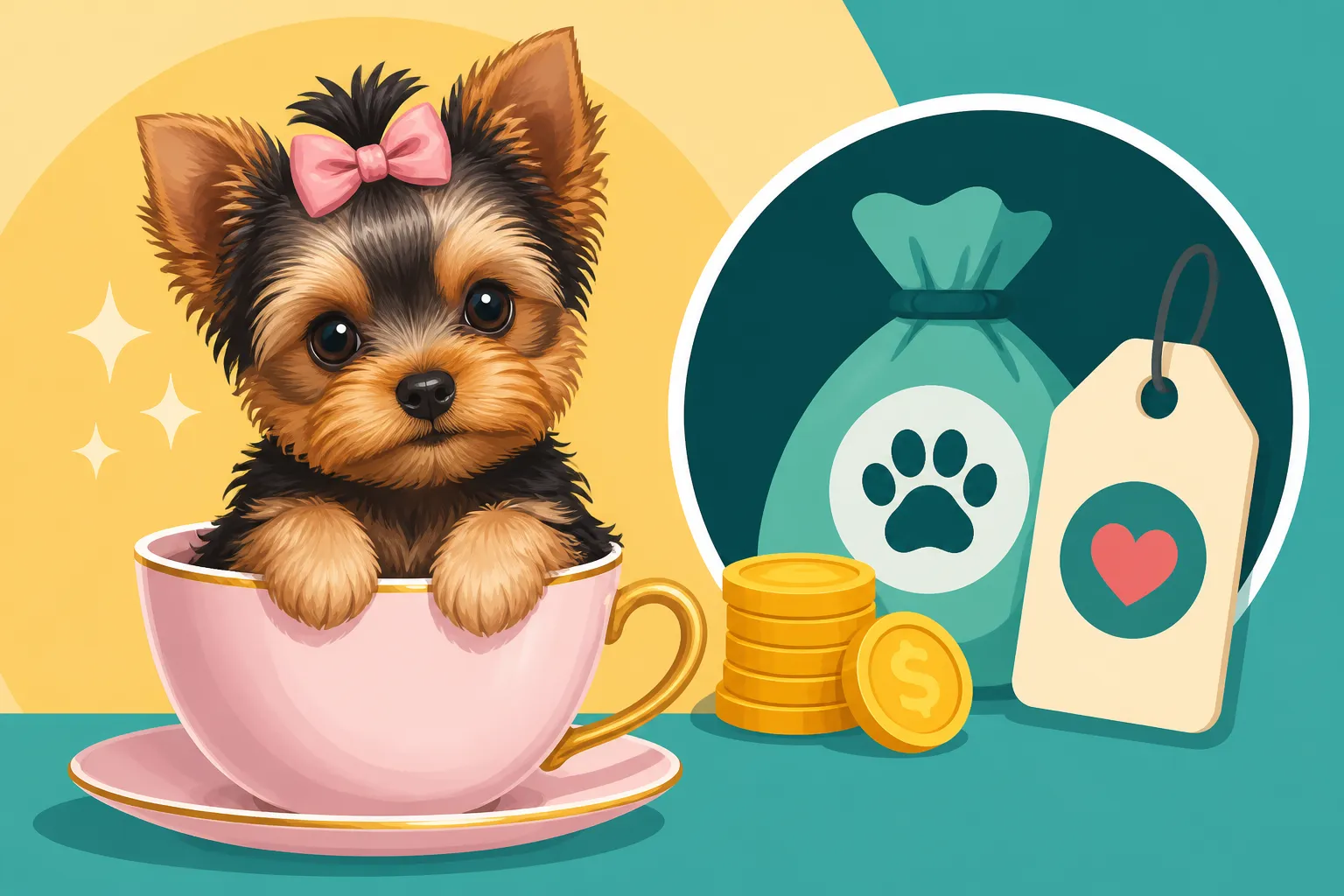
Teacup Yorkie Price Explained
It’s absolutely understandable to fall head over heels for the tiny, adorable charm of a Teacup Yorkie. Their miniature size makes them seem like the perfect purse-sized companion, but the term "Teacup" often comes with a hefty price tag and a lot of questions. This guide is here to shed light on what that price really entails, beyond just the initial purchase, and help you understand the true costs and considerations involved in bringing one of these tiny pups into your life.
Understanding the "Teacup Yorkie" Label
Before we even dive into pricing, it’s crucial to clarify what a "Teacup Yorkie" truly is, because honestly, it’s a bit of a misnomer that can lead to a lot of confusion and heartache. Many people envision a distinct, recognized breed, but that’s simply not the case. The American Kennel Club (AKC) breed standard for a Yorkshire Terrier specifies a weight not to exceed seven pounds. Any Yorkie marketed as "Teacup," "Micro," or "Tiny" is simply an undersized Yorkshire Terrier that falls below this standard.
The Marketing Hype vs. Breed Standard
The term "Teacup" is primarily a marketing strategy, used by breeders (both reputable and, unfortunately, disreputable) to describe exceptionally small puppies. It conjures images of delicate, dainty dogs that can fit into a teacup, and for many, that image is incredibly appealing. However, it's not a classification recognized by official kennel clubs like the AKC. When you see a breeder advertising "Teacup Yorkies," they are referring to Yorkshire Terriers that are likely to mature at weights significantly less than the standard 4-7 pounds, often in the 2-4 pound range. This isn't a separate breed; it's simply a smaller version of the standard.
The allure of these tiny pups is strong, but it’s important to remember that achieving such small sizes often comes with potential compromises. Ethical breeders will focus on health and temperament within the breed standard, while those prioritizing "Teacup" status might be inadvertently (or knowingly) breeding smaller, weaker dogs that are more prone to health issues. Don't be fooled into thinking you're getting a rare or special type of Yorkie; you're just getting a smaller one.
Health Implications of Extreme Small Size
This extreme small size, while undeniably cute, can open the door to a host of significant health concerns that you need to be aware of. Smaller dogs, especially those bred specifically for their diminutive stature, are often more fragile and susceptible to certain conditions. For example, conditions like Yorkshire Terrier Hypoglycemia: Signs and Care, or low blood sugar, are particularly common in tiny puppies and can be life-threatening if not managed properly. Their small bodies have less fat and muscle to store glucose, making them prone to these sudden drops.
Beyond hypoglycemia, these tiny pups also face increased risks of fragile bones, which can lead to fractures from even minor falls or bumps. Their organs are smaller and can be underdeveloped, leading to issues like Yorkshire Terrier Liver Shunt: Signs and Care or Yorkshire Terrier Portosystemic Shunt: Signs and Care. They also tend to be more sensitive to anesthesia, making routine vet procedures riskier. It's a sad truth that while their small size is what attracts many buyers, it's also what makes them medically vulnerable. Always prioritize a puppy's health over its size. For a more comprehensive understanding of potential issues, you might want to read about the Common Yorkshire Terrier Genetic Conditions.
Key Factors Driving Teacup Yorkie Prices
So, you're still set on a tiny Yorkie, understanding the potential health considerations. Now, let's talk about why their price tags can vary so wildly, from what seems like a steal to an astronomical sum. It’s not just about their size; several intertwined factors contribute to the final cost. These elements reflect everything from the breeder’s practices to the perceived rarity and location.
Breeder Ethics and Health Guarantees
One of the most significant factors influencing the price of any Yorkshire Terrier, especially a "Teacup" size, is the ethics and reputation of the breeder. A responsible, ethical breeder will invest heavily in their dogs' health, genetic testing, and proper care. This includes screening parent dogs for common genetic conditions like Yorkshire Terrier Patellar Luxation: Signs and Care or eye problems, ensuring they have good temperaments, and providing excellent prenatal and postnatal care for the mother and puppies. They will also provide a comprehensive health guarantee for their puppies. This level of dedication translates to higher prices, typically ranging from $2,500 to $5,000, and sometimes even more, especially in high-demand areas.
On the flip side, you might find "Teacup Yorkies" advertised for significantly less, sometimes as low as $800 to $1,500. These lower prices are often a huge red flag, indicating a breeder who may be cutting corners. They might not perform health screenings, might overbreed their females, or keep their dogs in subpar conditions, such as in puppy mills. While the lower initial cost might seem appealing, it almost always leads to much higher veterinary bills down the road due to underlying health issues. Finding a reputable breeder is crucial for a healthy pup. If you're wondering how to find such a person, our guide on How to Find a Reputable Yorkie Breeder offers invaluable advice.
Parentage and "Designer" Appeal
The lineage of a "Teacup Yorkie" can also play a major role in its price. Puppies from champion bloodlines, meaning their parents or grandparents have won titles in dog shows, will command a premium. This is because these dogs are considered to be excellent examples of the breed standard (even if the "Teacup" aspect technically falls outside it in terms of size), possessing desirable traits in appearance and temperament that breeders strive to reproduce. Such pups are often sold with limited registration, meaning they are sold as pets and not for breeding purposes, but their pedigree still adds to their value.
Moreover, the "designer dog" appeal sometimes attached to "Teacup" varieties can inflate prices. While "Teacup Yorkies" aren't designer breeds in the mixed-breed sense, the "Teacup" label itself creates a perception of exclusivity and novelty that allows breeders to charge more. It's an emotional purchase for many, and breeders know that the desire for something "special" can override practical considerations. The sheer demand for these tiny pups, driven by their perceived cuteness and Instagrammable appeal, also allows prices to remain high.
Geographic Location and Demand
Just like real estate, the price of a "Teacup Yorkie" can vary significantly based on your geographic location. In major metropolitan areas or regions with a high demand for companion animals, prices tend to be much higher. For example, a "Teacup Yorkie" in Los Angeles or New York City might easily fetch $4,000 to $6,000, while a similar puppy from a reputable breeder in a more rural area, like parts of Oklahoma or Kansas, might be closer to $2,500 to $3,500. This disparity is largely due to differences in cost of living, veterinary care expenses in the area, and local market demand.
The concentration of reputable breeders also plays a role. If there are fewer ethical breeders in a high-demand area, their prices will naturally be higher due to scarcity. Conversely, areas with a higher number of responsible breeders might see more competitive pricing. Always research the average prices in your specific region, but remember that the lowest price isn’t always the best deal, especially when a living creature's health is at stake.
Coat Color and Rarity
While purebred Yorkshire Terriers typically come in specific color combinations—blue and tan or black and tan—you might occasionally encounter breeders marketing "rare" colored Yorkies, such as chocolate or parti (white, black, and tan). While these colors can occur in Yorkies, they are not recognized by the AKC breed standard for show dogs. Some breeders might charge a premium for these "rare" colors, positioning them as unique and more desirable.
However, it's crucial to approach these claims with caution. Sometimes, these "rare" colors can be indicative of mixed breeding or backyard breeding practices that don't prioritize the health or genetic integrity of the breed. An ethical breeder will focus on healthy dogs that adhere to the established breed standard, rather than promoting unusual colorations as a selling point. If a breeder emphasizes a "rare" color over health clearances or proper socialization, it should raise a red flag. Stick to recognized colors if you're looking for a purebred Yorkshire Terrier from a reputable source, and remember that for true "Teacup" Yorkies, their small size is usually the primary "rarity" factor, not their coat.
A Realistic Look at Teacup Yorkie Costs
The initial price tag for a "Teacup Yorkie" can be a significant investment, but it’s just the beginning. To truly understand the financial commitment, you need to look beyond the purchase price and consider all the essential items and potential future expenses. Let’s break down what you can realistically expect to pay.
Initial Purchase Price Ranges
When it comes to the purchase price, "Teacup Yorkies" from reputable breeders generally fall into a higher bracket than standard-sized Yorkies. You can expect to pay anywhere from $2,500 to $6,000 for a healthy, well-socialized "Teacup" Yorkie puppy from an ethical breeder who provides health clearances for the parents, a health guarantee for the puppy, and has a strong reputation. This higher cost reflects the extensive care, genetic testing, and sometimes the simply increased demand for smaller dogs. Breeders who focus on health first will ensure even their smallest pups are given the best start possible.
However, it's not uncommon to see prices even higher in certain exclusive markets or for puppies with exceptional pedigrees. Conversely, if you encounter prices significantly lower than this range—say, under $1,500—exercise extreme caution. These "bargain" prices often come from puppy mills, internet scammers, or backyard breeders who prioritize profit over animal welfare, leading to pups with questionable health and genetics. This is where researching Yorkie Breeder Red Flags to Avoid becomes vital.
Beyond the Sticker Price: Essential Starter Supplies
Once you've secured your tiny new family member, the spending doesn't stop. You'll need to set up your home to be safe and comfortable for such a delicate little dog. This initial shopping spree for supplies can easily add another $500 to $1,000 to your immediate costs. Here’s a breakdown of what you’ll likely need:
- Crate or Playpen: A small, secure space for sleeping and training is crucial. Given their tiny size, a playpen is often preferred to keep them safe from accidental bumps and falls, especially during puppyhood.
- Bedding: Soft, comfortable beds suitable for their small size.
- Food and Water Bowls: Stainless steel or ceramic are generally preferred for hygiene.
- Harness and Leash: For a tiny Yorkie, a harness is absolutely essential as a collar can put dangerous pressure on their delicate trachea. Our guide Why Harnesses Are Better Than Collars for Yorkies explains this in detail.
- Food: High-quality puppy food specifically formulated for small breeds. Brands like Royal Canin or Hill's Science Diet offer excellent small-breed puppy formulas. Even better, you might consider fresh food options like Ollie, which can be great for picky eaters, common in tiny breeds.
- Toys: Small, durable toys that won't be a choking hazard.
- Grooming Supplies: A soft brush, puppy shampoo, nail clippers, and ear cleaner are must-haves for their delicate coats.
- Potty Training Supplies: Wee-wee pads, cleaning supplies for accidents, and maybe an enzymatic cleaner to eliminate odors.
- Carrier: A safe and comfortable carrier for vet visits and travel.
Thinking about all these initial items is part of preparing your home for a Yorkie, and you can find a good checklist in our Yorkie Puppy Starter Kit Essentials post.
The Deceptive Appeal of "Bargain" Teacups
It’s tempting, isn’t it? Seeing a "Teacup Yorkie" advertised for a price that seems too good to be true. Perhaps $500 or $800. In these situations, your alarm bells should be ringing. There’s almost always a hidden cost behind a suspiciously low price. These puppies often come from overcrowded, unsanitary conditions where they receive little to no veterinary care, proper nutrition, or socialization. They might be severely undersized due to malnourishment, rather than genetics.
These "bargain" pups are at a much higher risk for a myriad of health problems, from parasites and infectious diseases like Parvovirus (which is often fatal for tiny puppies) to more chronic conditions like Yorkshire Terrier Hypoglycemia: Emergency Signs, heart murmurs, or severe dental issues due to poor breeding. You might save a thousand dollars upfront, but you could easily spend five or ten times that amount in emergency vet visits within the first year. The emotional toll of caring for a sick puppy is also immense. Remember, the true cost of a puppy isn't just the price you pay to acquire it; it's the lifetime of care, and a healthy start is priceless.
| Cost Category | Low-End Estimate (Reputable Breeder) | High-End Estimate (Reputable Breeder) | Remarks |
|---|---|---|---|
| Purchase Price | $2,500 | $6,000 | Varies by breeder, lineage, location, and demand. |
| Initial Vet Visit | $100 | $300 | Includes first check-up, deworming, initial vaccinations (if not done by breeder). |
| Starter Supplies | $500 | $1,000 | Crate/playpen, bed, food/water bowls, harness, leash, food, toys, grooming tools, potty pads, carrier. |
| Total Initial Outlay | $3,100 | $7,300 | This is before any unexpected health issues arise. |
Ongoing Financial Commitments for Your Tiny Companion
Bringing a "Teacup Yorkie" home is a long-term commitment, and the financial responsibilities extend far beyond the initial purchase and setup. These tiny dogs, particularly due to their size, often have specialized needs that translate into ongoing costs. Being prepared for these expenses is vital for ensuring a happy, healthy life for your pint-sized pal.
Specialized Veterinary Care Needs
As we've touched upon, "Teacup Yorkies" are predisposed to a range of health issues due to their delicate physiology. This often means more frequent vet visits or specialized care throughout their lives. You should budget for regular check-ups, which might be more frequent than for a larger dog, especially during their first year. Vaccinations, deworming, and preventative medications for fleas and ticks are standard. However, be prepared for potential costs related to conditions like patellar luxation, tracheal collapse, or dental disease, all of which are common in small breeds. A good resource for understanding these potential costs is our article on Yorkshire Terrier Vet Costs and Health Budget.
For instance, a "Teacup" puppy might need more careful monitoring for Yorkshire Terrier Hypoglycemia: Signs and Care, requiring special dietary management or even emergency vet visits. As they age, they can develop Yorkshire Terrier Dental Disease: Signs and Care, which, if left untreated, can lead to serious health problems. Dental cleanings under anesthesia can be costly, often ranging from $500 to $1,000 or more, especially for tiny dogs who require extra monitoring. These specialized vet needs emphasize the importance of choosing a vet who has experience with toy breeds, and understanding When to Take Your Yorkie to the Vet.
Tailored Nutrition and Feeding Strategies
Feeding a "Teacup Yorkie" isn’t just about putting food in a bowl; it's about providing high-quality, nutrient-dense meals tailored to their unique metabolic needs. Due to their small stomachs and high metabolism, "Teacups" often need to eat small, frequent meals throughout the day to prevent hypoglycemia. This means you might go through food faster or need to invest in more premium brands. Brands like Royal Canin often have breed-specific formulas for Yorkshire Terriers that cater to their needs.
Many owners opt for higher-quality kibble, wet food, or even fresh food delivery services. For example, a company like Ollie delivers fresh, human-grade food directly to your door, which can be an excellent option for picky eaters or those with sensitive stomachs, but it comes at a higher monthly cost than traditional kibble. You might spend anywhere from $30 to $100+ per month on food, depending on the brand and type. Given their susceptibility to low blood sugar, consistent, high-quality nutrition is not just a luxury; it's a necessity.
Grooming Essentials for a Delicate Coat
Yorkshire Terriers are known for their long, luxurious, silky coats that resemble human hair, and "Teacup" varieties are no exception. This beautiful coat requires regular, diligent grooming to prevent mats, tangles, and skin issues. While you can learn How to Groom a Yorkshire Terrier at Home, many owners opt for professional grooming services, especially for maintaining specific cuts or if they struggle with the intricate nature of Yorkie grooming.
Professional grooming for a Yorkie typically costs $60 to $100 per session, and they usually need grooming every 4-6 weeks. That adds up to a significant annual expense. Between professional appointments, you’ll need to brush your Yorkie daily, clean their eyes to prevent tear stains, and regularly check their ears and trim their nails. Even if you do much of the grooming yourself, you'll still need to invest in quality brushes, shampoos, conditioners, and trimmers, which are ongoing costs. This regular maintenance is vital not just for aesthetics, but also for their skin health and comfort.
Considering Pet Insurance for Peace of Mind
Given the potential for significant health issues in "Teacup Yorkies," pet insurance is not just a good idea; it's often considered a financial lifesaver by many owners. A good pet insurance policy can help offset the high costs of unexpected veterinary emergencies, surgeries, chronic disease management, and even routine care if you choose a wellness plan. The peace of mind knowing you can provide the best care without facing crippling debt is invaluable.
Providers like Healthy Paws offer comprehensive coverage for accidents and illnesses, which can be particularly beneficial for breeds prone to specific conditions. The cost of pet insurance for a "Teacup Yorkie" can vary based on your location, the dog's age, and the coverage plan you choose, but typically ranges from $30 to $70 per month. While it's an additional monthly expense, it can prevent a single emergency situation from costing thousands of dollars out-of-pocket. For a detailed look at options, check out Pet Insurance for Yorkshire Terriers.
Navigating the Search for a Healthy Teacup Yorkie (or a Small Yorkie)
The desire for a tiny companion is strong, but the health risks associated with "Teacup" breeding make the search process critical. It's not just about finding a breeder; it's about finding the right breeder, one who prioritizes health, temperament, and ethical practices above all else. This section will guide you through identifying reputable sources and understanding alternatives.
Identifying Reputable Breeders: What to Look For
When you're looking for a "Teacup Yorkie," or any Yorkie for that matter, your first priority must be finding a truly reputable breeder. This is not just about avoiding scams; it's about ensuring you get a healthy puppy that has been given the best start in life. Start by looking for breeders who are members of national or local breed clubs, such as the Yorkshire Terrier Club of America. These breeders typically adhere to a strict code of ethics. They should be transparent about their breeding practices, health testing, and the lineage of their dogs.
A reputable breeder will allow you to visit their facility, meet the parent dogs (at least the mother), and observe the living conditions of the puppies. They should be able to provide clear documentation of health clearances for both parents, including screenings for common Yorkie ailments like Yorkshire Terrier Luxating Patella: Signs and Care and genetic eye diseases. They will also provide a written health guarantee for your puppy. Beware of breeders who refuse visits, always meet in public places, or constantly have puppies available. A good breeder often has a waiting list, as they breed responsibly and not for mass production. They will also ask you many questions, trying to ensure their puppy is going to a good home. This shows they care where their pups end up.
Questions to Ask Before Bringing a Puppy Home
Once you've found a potential breeder, it's essential to ask a lot of questions. Don't be shy; a good breeder will welcome your inquiries and be happy to educate you. Here are some key questions to ensure you're making an informed decision:
- "What is the expected adult weight of the puppy?" Be wary if they only emphasize "Teacup" and can't give a realistic weight range based on parents.
- "Can I see the health clearances for both parent dogs?" Specifically ask for proof of screenings for genetic conditions prevalent in Yorkies.
- "What kind of socialization have the puppies received?" Early socialization is crucial for developing a well-adjusted dog.
- "What is your health guarantee, and what does it cover?" Understand the terms and conditions.
- "Can you provide veterinary references?" A good breeder will have a long-standing relationship with their vet.
- "What food are the puppies currently eating, and what is their feeding schedule?" This helps prevent How to Prevent Hypoglycemia in Yorkie Puppies and ensures a smooth transition to your home.
- "Do you have a take-back policy?" Responsible breeders will always take a dog back if it doesn't work out, rather than it ending up in a shelter.
- "What is the puppy's vaccination and deworming schedule?" Make sure they are up-to-date. This is an important part of a Yorkshire Terrier Puppy Health Guide.
Be prepared for the breeder to ask you many questions as well. This is a sign of a responsible breeder who cares deeply about their puppies' future homes.
The Humane Alternative: Adopting a Small Yorkie
While the allure of a tiny puppy is strong, don't overlook the incredible option of adopting a small Yorkshire Terrier or Yorkie mix from a rescue organization. Many purebred Yorkie rescues, or general small breed rescues, have "Teacup" sized dogs available. These dogs, often surrendered due to owner circumstances, sometimes come with unknown histories but are typically thoroughly vetted by the rescue, microchipped, spayed/neutered, and up-to-date on vaccinations.
Adoption fees are usually significantly lower than breeder prices, typically ranging from $200 to $600, and include the costs of their initial medical care. More importantly, you're giving a deserving dog a second chance at a loving home. While they might not be an 8-week-old puppy, an adult "Teacup" Yorkie often comes with the added benefit of being past the most fragile puppy stage, and sometimes even already house-trained. You might even find a Senior Yorkshire Terrier Health Checklist available for older rescues, providing insight into their specific needs. Websites like Petfinder or Adoptapet, as well as breed-specific rescue groups, are excellent places to start your search. This can be a deeply rewarding experience, offering love to a dog who truly needs it.
Making an Informed Decision: Is a Teacup Yorkie Right for You?
Bringing any dog into your life is a big decision, but with a "Teacup Yorkie," the stakes are often higher due to their unique needs and potential fragilities. Before you commit, it's essential to take a realistic look at your lifestyle, your financial readiness, and what you're truly seeking in a canine companion.
Assessing Your Lifestyle and Time Commitment
"Teacup Yorkies" are not just tiny dogs; they have big personalities packed into small bodies, and their delicate nature demands a significant amount of attention and care. They are not dogs that can be left alone for long periods. Their small bladders mean they need frequent potty breaks – much more often than larger breeds – and their susceptibility to hypoglycemia means they often require regular, small meals throughout the day. If you work long hours away from home, a "Teacup Yorkie" might not be the best fit unless you have arrangements for a dog walker or someone to check on them.
Their fragility also means they require a very safe home environment. They can easily be stepped on, fall from furniture, or be injured during boisterous play with children or larger pets. If you have young children or other large, energetic dogs, you'll need to consider if you can consistently ensure the "Teacup Yorkie's" safety. They thrive in homes where they can be a central part of family life, receiving plenty of gentle handling, mental stimulation, and consistent training. Understanding Yorkshire Terrier Daily Care Routine will give you a better picture.
The Emotional vs. Financial Investment
It’s easy to get swept away by the undeniable cuteness of a "Teacup Yorkie," but it's crucial to balance this emotional appeal with the very real financial investment and the emotional commitment required. The potential for higher veterinary costs, specialized food, and ongoing grooming for these tiny dogs means you need to be financially prepared for the long haul. Our Yorkshire Terrier Price Guide: Puppy to Lifetime delves into this extensively. If unexpected medical expenses would cause significant financial strain, pet insurance becomes even more critical for a "Teacup" variety.
Beyond money, there's the emotional investment. Caring for a dog that is prone to health issues or requires constant vigilance can be emotionally taxing. While incredibly rewarding, it’s not for everyone. You need to be prepared for the possibility of more frequent vet visits, potential emergencies, and adapting your lifestyle to accommodate their delicate needs. The unconditional love and companionship they offer are immense, but it's vital to enter into this relationship with eyes wide open to the full scope of responsibility.
Prioritizing Health and Longevity
Ultimately, the most important factor when choosing any dog, especially a "Teacup Yorkie," should be health and the potential for a long, happy life. While the term "Teacup" might be appealing, it's critical to remember that this size often comes with inherent risks. A Yorkie that matures at 5-7 pounds, within the breed standard, is generally hardier and less prone to many of the severe health issues associated with extremely undersized dogs. An ethical breeder will always prioritize the health of their puppies over producing the absolute smallest size.
Focus on finding a puppy from a breeder who emphasizes health clearances, proper nutrition, and socialization, rather than solely on the "Teacup" label. Be prepared to ask tough questions and walk away if a breeder seems more interested in selling a "tiny" puppy than ensuring its well-being. A slightly larger, healthier Yorkie, even if it doesn't fit in a teacup, is likely to offer you many more years of joy and companionship with fewer heartaches and vet bills. After all, the goal is to maximize their Yorkie Lifespan: How to Maximize It, and that starts with a healthy beginning.
Disclaimer
This article is for general informational purposes only and does not constitute professional advice. Laws, prices and regulations vary by location and change over time. Consult a qualified professional for guidance on your specific situation.