How to Tell If a Yorkie Is in Pain
It's heartbreaking to see our beloved Yorkshire Terriers when they're not quite themselves, especially when we suspect they might be in pain but can't quite pinpoint why. Because Yorkies are such small and often stoic little dogs, they have a remarkable ability to mask discomfort, making it incredibly challenging for us pet parents to know exactly what's going on. This guide is designed to help you recognize the subtle and overt signs of pain in your Yorkie, empowering you to advocate for their health and get them the care they need.
Subtle Signs Your Yorkie Might Be Hiding Pain
Yorkies, like many prey animals, have an instinct to hide weakness or pain. In the wild, showing pain makes them vulnerable. While our homes are safe havens, this ingrained behavior means you often have to be a keen observer to notice changes. These subtle cues are your first line of defense in detecting if something is amiss with your furry companion.
Changes in Behavior and Temperament
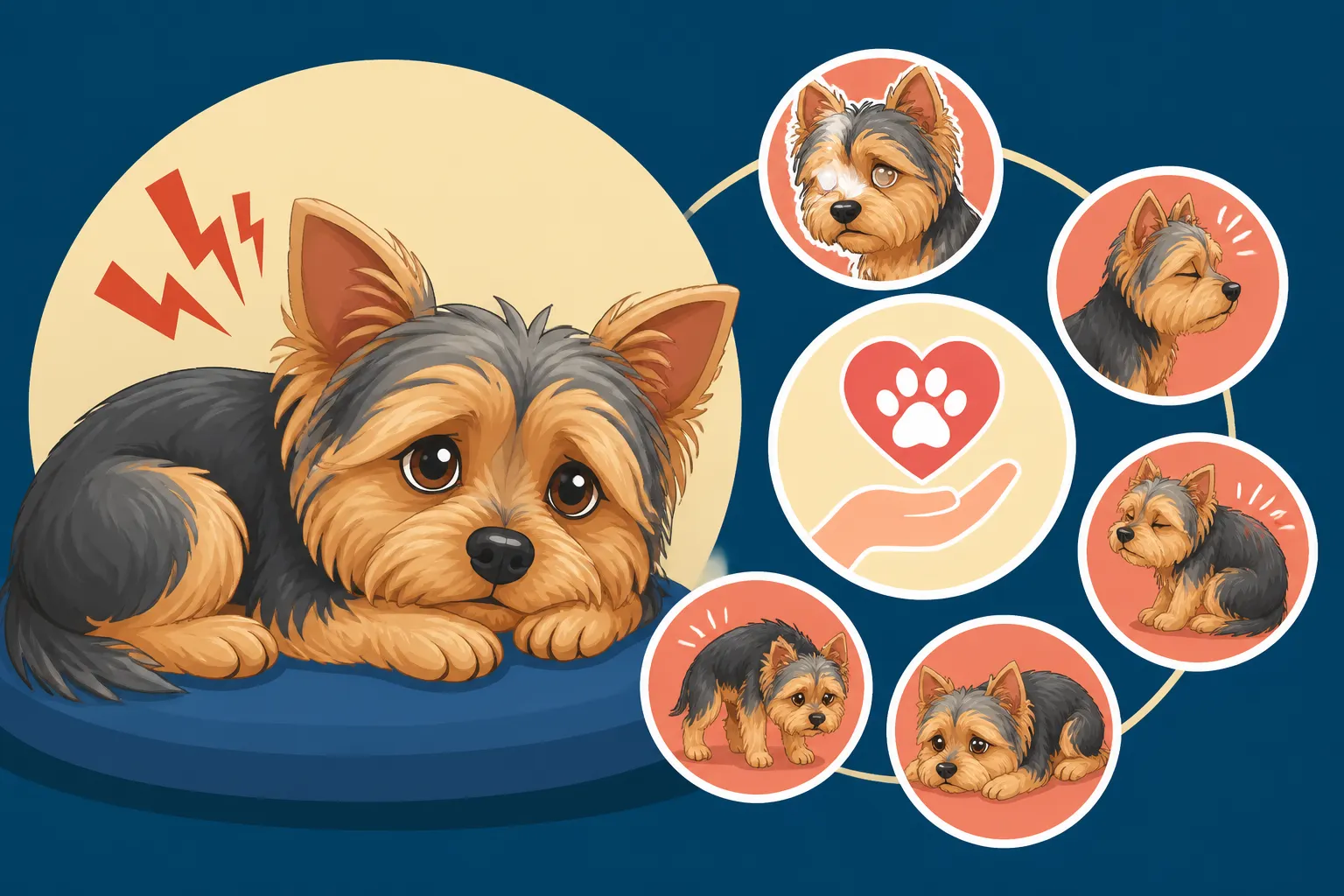
One of the most telling signs of pain in a Yorkie isn't always physical; it's often a shift in their usual personality. A happy, energetic Yorkie might become withdrawn, quiet, or even a bit snappy if they're hurting. It’s like when we humans feel unwell – we might not want to socialize, or we could become irritable with those around us.
For example, if your Yorkie, who usually greets you with enthusiastic wiggles and barks, starts to just lie there, perhaps giving a weak tail wag, that's a significant change. They might hide under furniture more often, refuse to play their favorite games, or generally seem less interested in activities they once loved. Conversely, some Yorkies might become overly clingy, seeking constant reassurance and comfort from their owner, as if trying to communicate their distress. If you notice your Yorkie suddenly avoids being picked up, or vocalizes when touched in certain areas, this could be a direct indication of localized pain.
Altered Eating, Drinking, and Sleeping Patterns
Pain can disrupt a Yorkie's most basic routines. A sudden decrease in appetite or a complete refusal to eat is a major red flag. If your Yorkie, who usually devours their meals, leaves food in their bowl or shows disinterest in treats, it could be due to abdominal pain, dental issues, or general malaise from discomfort. Similarly, changes in drinking habits – either drinking significantly more or less – can be indicators of underlying problems that may cause pain.
Sleeping patterns also offer clues. A Yorkie in pain might struggle to find a comfortable position, constantly shifting, or whining softly while trying to settle down. They might sleep more than usual, possibly due to exhaustion from constant discomfort, or less than usual if the pain is acute and prevents them from relaxing. Keep an eye on how they get into and out of their bed; any groaning, stiffness, or slow movements could signal joint or muscle pain, which is something many small breeds like Yorkies can be prone to, as discussed in our guide on Yorkshire Terrier Health Problems to Know.
Unusual Postures or Movement
Observing your Yorkie's posture and how they move can provide critical insights into their comfort levels. A hunched back, a tucked tail, or an unwillingness to stretch are common indicators of pain, particularly in the abdomen or spine. If your Yorkie typically loves to run and jump but now seems hesitant or clumsy, pay close attention. They might walk with a stiff gait, take shorter steps, or carry one paw slightly off the ground, even without a full limp.
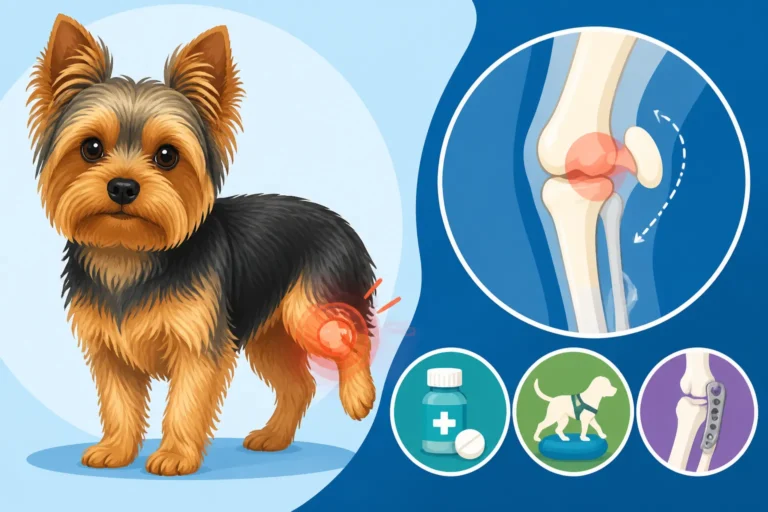
Sometimes, the signs are subtle, like a slight head tilt or a reluctance to turn their head fully in one direction. Difficulty getting up after lying down, or struggling to navigate stairs or jump onto furniture, can signal joint pain or an issue like Yorkshire Terrier Patellar Luxation: Signs and Care. Even trembling or shivering can be a sign of pain, not just cold or fear. It's essential to watch for these seemingly minor changes, as they often escalate into more obvious symptoms if left unaddressed.
Recognizable Physical Indicators of Pain in Yorkies
While Yorkies are masters at hiding discomfort, persistent or acute pain often leads to more overt physical signs that are harder to ignore. Learning to interpret these can help you act quickly and provide relief for your furry friend.
Vocalizations and Sound Cues
A Yorkie in severe pain may break their stoic facade and vocalize their distress. This could manifest as yelping or crying when touched, moved, or attempting to get comfortable. Even a low, continuous whine or a mournful howl, particularly if uncharacteristic for your dog, can signal significant discomfort. Some Yorkies might growl at you or other pets if they anticipate being touched in a painful area, or if they are guarding an injury.
Excessive panting, even when not hot or after strenuous exercise, can also be a sign of pain or stress related to pain. Short, shallow breaths or rapid breathing might indicate chest or abdominal pain. Conversely, some dogs become completely silent and withdrawn, losing their usual playful barks and chirps. Any deviation from your Yorkie's normal vocal repertoire warrants close investigation.
Body Language and Facial Expressions
A dog's face can communicate a lot if you know what to look for. Wide, darting eyes that avoid contact, or eyes that appear dull and glazed, can indicate pain or discomfort. They might excessively lick their lips or yawn, which are often stress signals related to pain rather than simple fatigue. A furrowed brow, flattened ears, or a tight-lipped expression can also be subtle indicators of pain.
Beyond the face, their entire body language can scream discomfort. A tucked tail, especially if it's usually held high, is a classic sign of fear, anxiety, or pain. Stiffness when walking, an unwillingness to lie down completely, or holding a paw up even when resting are all clear signals. Watch for muscle tremors or twitching, particularly around the area you suspect is painful. Any stiffness in movement, reluctance to turn their head, or favoring one side of their body are strong indications that something is genuinely bothering them.
Self-Mutilation or Excessive Licking
When a Yorkie experiences localized pain, they might try to self-soothe or alleviate the discomfort by excessively licking, chewing, or even biting at the affected area. This can lead to hot spots, skin irritation, or hair loss. For instance, if your Yorkie continuously licks their paw, they might have an injury, an allergy, or even internal bone pain that they're trying to address. If they're constantly grooming or gnawing at their hip or lower back, it could indicate arthritis or a spinal issue.
While some licking is normal grooming behavior, persistent, obsessive licking that targets a specific body part should be considered a potential sign of pain. It’s their way of telling you, "Hey, this spot hurts!" Sometimes, they might even scratch excessively at an ear if they have an ear infection, or rub their face against furniture if experiencing dental pain. These actions are often clearer indicators than generalized behavioral changes, pointing directly to the source of their distress. Our article on Yorkie Eye Problems Explained covers how specific discomfort around the face might present.
Common Health Issues in Yorkies That Cause Pain
Understanding the types of health problems Yorkies are prone to can help you anticipate potential sources of pain. These small but mighty dogs have a few genetic predispositions and common ailments that frequently lead to discomfort.
Joint and Musculoskeletal Problems
Yorkies are unfortunately predisposed to several joint and bone conditions that can cause significant pain. One of the most common is patellar luxation, where the kneecap slips out of place. This can cause intermittent limping, a skip in their step, or holding a leg up, which you can read more about in Why Is My Yorkie Limping. Another concern is Legg-Calve-Perthes disease, a condition affecting the hip joint, where the head of the femur deteriorates, leading to pain and lameness.
Intervertebral disc disease (IVDD) is also a risk, particularly in breeds with longer backs, even small ones like Yorkies. This occurs when the cushioning discs between the vertebrae bulge or rupture, pressing on the spinal cord and causing severe back pain, weakness, or even paralysis. Watching for signs like a hunched back, crying when picked up, or reluctance to move can be critical. Regular check-ups are vital to catch these issues early, and sometimes, joint supplements can be helpful, as detailed in our guide on Yorkie Joint Supplements Explained.
Dental Disease and Oral Pain
It might not be the first thing you think of when you imagine a dog in pain, but dental disease is incredibly common in Yorkies and can be a profound source of chronic discomfort. Their small mouths are often crowded, leading to plaque and tartar buildup at an accelerated rate. This can progress to gingivitis, periodontitis, and ultimately, tooth loss. Imagine having a severe toothache all the time – that's what many Yorkies experience.
Signs of oral pain include bad breath (Why Is My Yorkie Bad Breath), pawing at the mouth, reluctance to eat hard kibble or chew toys, drooling, or swelling on one side of the face. Some Yorkies might become irritable when you try to touch their face or simply pull away when you approach with food. Regular dental care, including brushing and professional cleanings, is paramount for preventing this often-overlooked source of pain, a topic we cover extensively in Yorkshire Terrier Dental Disease: Signs and Care.
Internal Organ Discomfort and Abdominal Pain
Internal issues can also cause significant pain that's harder to localize. Conditions like pancreatitis (inflammation of the pancreas), bladder stones, or liver shunts are all relatively common in Yorkies and can cause profound abdominal pain. Pancreatitis often presents with vomiting, diarrhea, lethargy, and a hunched posture. Bladder stones can lead to painful, frequent urination, straining, or even blood in the urine. Liver shunts, a congenital condition, can cause various neurological and gastrointestinal signs, including abdominal discomfort.
If your Yorkie exhibits a distended or tender abdomen, repeatedly stretches their front paws out while keeping their hind end high (often called the "prayer position," indicative of abdominal pain), or shows signs of general sickness like vomiting or diarrhea, it’s imperative to seek veterinary attention immediately. These signs can quickly escalate into serious health emergencies, as highlighted in Signs Your Yorkshire Terrier Is Sick.
When to Seek Veterinary Attention and What to Expect
Recognizing the signs of pain is just the first step. The next, and most crucial, step is to get your Yorkie to a veterinarian. Don't delay if you suspect your furry friend is in pain; early intervention can make a huge difference in their prognosis and comfort.
Preparing for Your Vet Visit
Once you've identified potential signs of pain, prepare for your vet visit by gathering as much information as possible. Jot down when you first noticed the symptoms, how they've progressed, what makes the pain seem better or worse, and any changes in appetite, thirst, or bathroom habits. Be specific about their behaviors – "My Yorkie yelps when I try to pick her up near her tail" is more helpful than "She's just not herself." You should also mention any recent changes in diet, exercise, or environment.
When transporting your Yorkie, ensure they are comfortable and secure in a carrier. If they are in severe pain, try to minimize movement of the affected area. Bring a familiar blanket or toy to help reduce stress. Don't hesitate to call your vet's office on the way to let them know your concerns, especially if you believe it's an emergency, which is covered in detail in Yorkie Emergency Symptoms to Never Ignore.
Diagnostic Tools and Treatment Approaches
Upon arrival, your veterinarian will conduct a thorough physical examination, observing your Yorkie's gait, posture, and reaction to palpation (gentle touching) of different body parts. They might perform specific orthopedic tests to check joint stability. To get a clearer picture of what's happening internally, the vet may recommend diagnostic tests.
Common diagnostic tools include X-rays to assess bones and joints for fractures, arthritis, or IVDD. Blood tests can check for inflammation, infection, or organ dysfunction. Sometimes, more advanced imaging like ultrasound, CT scans, or MRI might be necessary to visualize soft tissues or spinal issues in greater detail. Treatment will depend on the diagnosis but could range from pain medication (anti-inflammatories, analgesics), antibiotics for infections, dietary changes for digestive issues, or even surgery for severe conditions like luxating patellas or bladder stones. Your vet will discuss the best course of action to alleviate your Yorkie's pain.
The Role of Pet Insurance
Dealing with a Yorkie in pain often means unexpected veterinary costs, which can quickly add up, especially if advanced diagnostics or surgery are required. This is where pet insurance can be a real lifesaver. Companies like Healthy Paws offer various plans that can cover a significant portion of these expenses, from emergency visits and diagnostic tests to medications and rehabilitation. Having pet insurance means you can focus on getting your Yorkie the best possible care without having to make difficult financial decisions during an already stressful time.
For example, if your Yorkie needs an MRI for a suspected spinal injury or requires an operation for a severe dental infection, the costs can be substantial. A good pet insurance policy, like those from Healthy Paws, can help manage these unforeseen expenses. It's a proactive step that provides peace of mind, ensuring you're prepared for whatever health challenges your Yorkie might face throughout their lifespan. Planning for these costs is an important part of responsible pet ownership, as discussed in Yorkshire Terrier Vet Costs and Health Budget.
Creating a Comfortable Environment for a Yorkie in Pain
While professional veterinary care is paramount, there’s a lot you can do at home to support your Yorkie and help manage their pain, especially during recovery or for chronic conditions. Your home environment plays a huge role in their comfort.
Soft Bedding and Accessibility
A Yorkie in pain needs a comfortable, supportive place to rest. Invest in an orthopedic dog bed that provides good cushioning and support for their joints and muscles. These beds are designed to distribute weight evenly and relieve pressure points, which can be invaluable for dogs with arthritis or post-surgical pain. Ensure the bed is easily accessible; if it's on a raised platform, make sure there’s a small ramp or steps if your Yorkie struggles to jump.
Consider their access to other favorite spots. If they usually jump on the couch or bed to be with you, provide pet stairs or a ramp to prevent them from having to strain themselves. Avoid slippery floors, which can make movement difficult and potentially cause further injury. Lay down rugs or carpet runners in high-traffic areas to give them better traction. A warm, quiet spot away from household hustle and bustle can also provide a sense of security and allow them to rest undisturbed.
Managing Activity Levels
When a Yorkie is in pain, it’s crucial to adjust their activity level to prevent further injury and allow for healing. This doesn't necessarily mean complete crate rest for all conditions, but it does mean being mindful and often restricting strenuous activities. Follow your vet's specific recommendations, but generally, high-impact activities like jumping, running, and rough play should be avoided.
Instead, focus on gentle, short walks on a leash if appropriate, allowing them to do their business and get a little fresh air without overexertion. Mental stimulation with puzzle toys or gentle training sessions can still keep them engaged without physical strain. Remember that even if they seem to be feeling a bit better, it’s easy for small dogs to overdo it, especially if they are enthusiastic. Consistency in managing their activity is key to a smooth recovery and preventing flare-ups.
Pain Management at Home
Administering prescribed medications precisely as directed by your vet is one of the most important aspects of at-home pain management. Never give your Yorkie human pain relievers, as many are toxic to dogs. Your vet might prescribe NSAIDs (non-steroidal anti-inflammatory drugs) or other analgesics to help manage their discomfort. Keep a strict schedule for medication, and if you have any difficulty administering it, ask your vet for tips or demonstrations.
Beyond medication, you might explore complementary therapies under vet guidance. Gentle massage around non-painful areas can improve circulation and relaxation. Warm compresses (a towel soaked in warm water) applied to sore joints or muscles can help reduce stiffness and pain, but always ensure the temperature is comfortable and never too hot. Creating a calm, predictable routine can also reduce stress, which can exacerbate pain. Just being present and offering quiet reassurance can make a world of difference to a Yorkie dealing with discomfort.
Here's a quick reference guide to some common signs of pain and their potential implications:
| Sign of Pain | Potential Implications | Action |
|---|---|---|
| Behavioral Changes | ||
| Lethargy / Withdrawal | General malaise, internal discomfort, exhaustion from chronic pain. | Consult vet for diagnosis. Provide quiet, comfortable resting area. |
| Irritability / Aggression | Pain upon touch or movement, fear of further pain. | Avoid touching sensitive areas. Consult vet immediately for assessment of pain source. |
| Clinginess / Attention-seeking | Seeking comfort and reassurance due to discomfort. | Offer gentle comfort. Observe for other signs. Mention to vet during next visit or schedule if other symptoms are present. |
| Physical Manifestations | ||
| Limping / Favoring a limb | Joint issues (patellar luxation, arthritis), fracture, soft tissue injury. | Restrict activity. Avoid manipulating the limb. Vet visit immediately. |
| Hunched back / Stiff gait | Back pain (IVDD), abdominal pain (pancreatitis), general musculoskeletal discomfort. | Avoid lifting. Encourage rest. Vet visit promptly. |
| Excessive licking/chewing | Localized pain, irritation, allergy, neurological discomfort. | Examine area gently for wounds/swelling. Prevent further self-trauma (e-collar if needed). Vet visit. |
| Panting (non-heat related) | Pain, stress, anxiety. | Check for fever. Observe other symptoms. Vet visit, especially if accompanied by other signs of distress. |
| Changes in appetite/thirst | Oral pain (dental disease), internal organ issues, nausea from pain meds, general sickness. | Monitor intake. Offer bland food. Vet visit, especially if refusing food or water for more than 12-24 hours. |
| Yelping / Whining / Growling | Acute pain, anticipating pain from touch, fear. | Identify trigger (touch, movement). Avoid aggravating. Immediate vet visit. |
Disclaimer
The information provided in this article is for educational purposes only and is not intended to be a substitute for professional veterinary advice, diagnosis, or treatment. Always seek the advice of your veterinarian or other qualified animal health provider with any questions you may have regarding a medical condition.