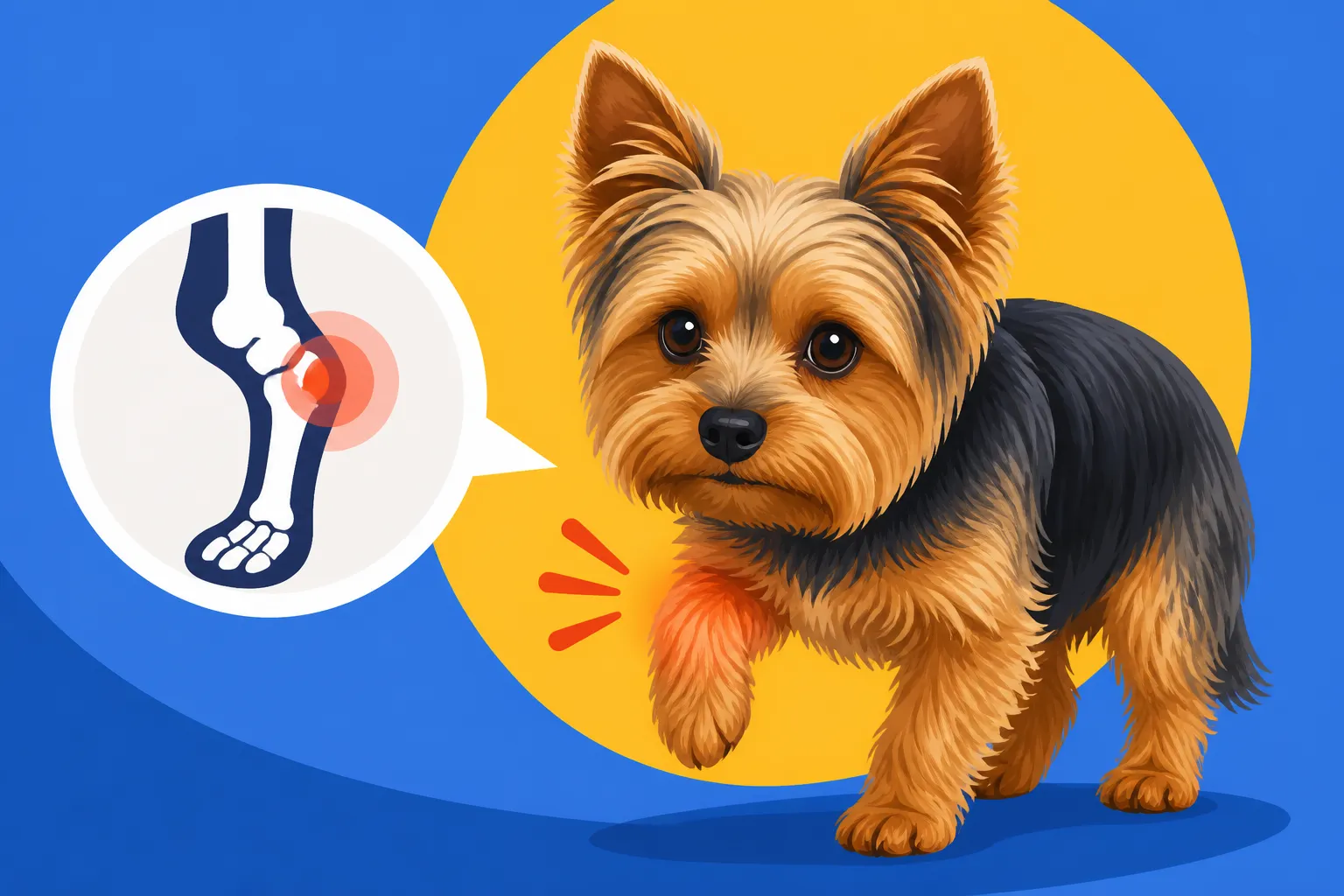
Why Is My Yorkie Limping
Seeing your beloved Yorkshire Terrier limp can be incredibly distressing. One moment they’re zipping around with their usual boundless energy, and the next, they’re favoring a paw, hesitant to put weight down, or even crying out. It’s a moment that can make any pet parent’s heart sink, immediately wondering what’s wrong and how serious it might be. This comprehensive guide will walk you through the various reasons your Yorkie might be limping, what signs to look for, and what steps you can take to help them.
Common Causes of Limping in Yorkshire Terriers
Yorkies, with their small, delicate stature, are unfortunately predisposed to several orthopedic and injury-related issues that can lead to limping. It's not always a dramatic broken bone; sometimes it's something subtle that builds over time. Understanding these common culprits can help you recognize the signs early.
Patellar Luxation
This is perhaps one of the most notorious orthopedic issues in Yorkshire Terriers, and small breeds in general. Patellar luxation simply means that your dog's kneecap (patella) slips out of its normal groove in the thigh bone (femur). It can slip to the inside (medial) or outside (lateral) of the leg, but medial luxation is far more common in Yorkies. Imagine your kneecap constantly popping out of place when you walk – it's painful and disruptive!
There are different grades of patellar luxation, from mild (Grade 1, where it pops out but easily goes back in) to severe (Grade 4, where it's permanently dislocated). A Yorkie with patellar luxation might skip, hop, or hold up a leg for a few steps before putting weight on it again. Sometimes, they might yelp if the kneecap gets caught out of place. This condition can affect one or both knees and often starts showing signs when they are still young. It’s a common reason why you might see a sudden, intermittent limp that seems to come and go. For a deeper dive into this condition, check out our guide on Yorkshire Terrier Patellar Luxation: Signs and Care.
Legg-Calve-Perthes Disease
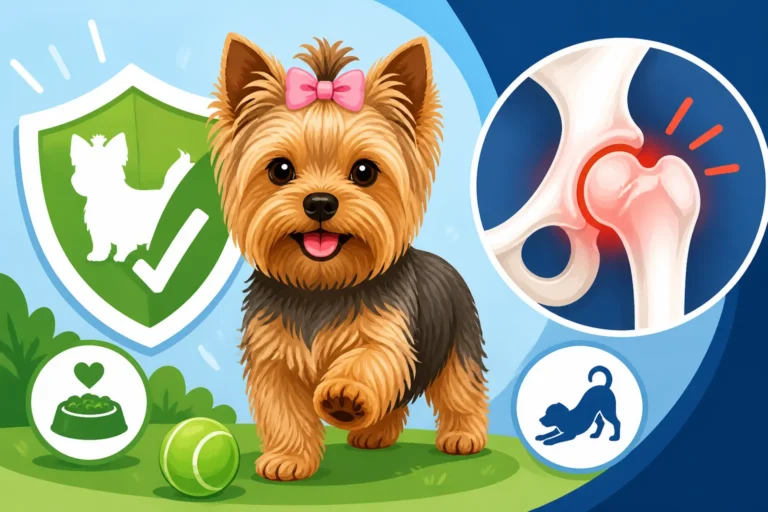
While less common than patellar luxation, Legg-Calve-Perthes disease is another inherited condition that specifically affects the hip joint in small breeds like Yorkies. This disease involves the degeneration of the head of the femur (the ball part of the ball-and-socket hip joint) due to an interruption of blood supply. Without proper blood supply, the bone starts to die, collapse, and deform, leading to significant pain and limping.
Symptoms typically appear between 5 to 8 months of age, usually starting with a gradual onset of lameness in one of the hind legs. Your Yorkie might show pain when you touch their hip, experience muscle wasting in the affected leg, or become reluctant to run or jump. The limp will usually get progressively worse over weeks or months. It’s a heartbreaking condition to witness, but early diagnosis and intervention, often surgical, can lead to a much better quality of life. Learn more about Yorkshire Terrier Legg-Calve-Perthes: Signs and Care to understand prevention and treatment options.
Fractures, Sprains, and Soft Tissue Injuries
Yorkies are tiny, and unfortunately, their small size makes them incredibly vulnerable to physical injuries. A fall off the couch, a misstep while playing, or even being accidentally stepped on can result in a serious injury for these delicate dogs. It doesn't take much for a tiny bone to fracture or for ligaments and tendons to get strained.
- Fractures: A broken bone is a very painful injury. Your Yorkie will likely be completely non-weight-bearing on the affected limb, perhaps crying or yelping if you try to touch it. Their legs, especially the long bones, are particularly susceptible to breaks from even seemingly minor traumas.
- Sprains and Strains: These involve damage to ligaments (sprains, connecting bones) or tendons (strains, connecting muscle to bone). A sprained wrist or ankle can cause limping that ranges from mild to severe, depending on the extent of the damage. They might put some weight on the limb but show clear discomfort or reluctance to move it normally.
- Contusions: Just like us, dogs can get bruises. A bump or bang can cause pain and swelling in the muscle or soft tissue, leading to a temporary limp. These usually resolve with rest, but it’s important to rule out more serious issues.
Even seemingly innocent roughhousing with a larger dog or a child can lead to these kinds of injuries. Always supervise your Yorkie, especially around bigger pets or active children, and ensure their play environment is safe to minimize these risks.
Arthritis and Joint Issues
While more common in older dogs, arthritis can affect Yorkies who have sustained previous joint injuries or have chronic conditions like severe patellar luxation that went unaddressed. Arthritis, or osteoarthritis, is the inflammation of a joint, leading to pain, stiffness, and reduced mobility. It's essentially the wear and tear of the cartilage that cushions the bones in a joint.
In a Yorkie, arthritis might manifest as a stiffness, particularly after resting or in cold weather. They might be slow to get up, reluctant to jump onto furniture, or show a decreased desire to play. The limp might be chronic and worsen over time. While arthritis can't be cured, it can be managed effectively with pain medication, joint supplements, physical therapy, and weight management. Our guide on Yorkshire Terrier Senior Care Guide has more information on managing age-related health issues, including arthritis, for your older companion.
Other Less Common, But Serious, Reasons for Limping
While orthopedic issues are often the first thing that comes to mind, a limping Yorkie could be signaling other, sometimes more serious, underlying health concerns that require immediate veterinary attention. It’s crucial not to dismiss a persistent or worsening limp, especially if other symptoms are present.
Neurological Issues
Sometimes, what looks like a limp stemming from a leg problem can actually be rooted in the spine or nervous system. Yorkies can be prone to certain neurological conditions that affect their ability to use their limbs properly.
- Intervertebral Disc Disease (IVDD): This condition occurs when the cushions (discs) between the vertebrae in the spine either bulge or rupture, pressing on the spinal cord. Depending on where this occurs, it can cause pain, weakness, or even paralysis in the legs. A dog with IVDD might show a wobbly gait, drag their paws, or exhibit extreme pain in their back or neck, which can manifest as a limping or uncoordinated walk. They might be reluctant to jump or go up and down stairs.
- Nerve Damage: Direct trauma, tumors, or even certain inflammatory conditions can affect the nerves that control leg movement. This can lead to weakness, loss of sensation, or a noticeable limp that isn't related to a bone or joint issue. Early diagnosis is key with neurological problems to prevent permanent damage.
If your Yorkie's limp is accompanied by general weakness, muscle twitching, loss of bladder or bowel control, or an unusually hunched posture, it's an emergency that needs immediate veterinary assessment.
Paw Pad or Nail Problems
Sometimes the simplest explanation is the correct one, and the problem literally lies at your Yorkie’s feet. Their tiny paws are constantly exposed to the ground, making them susceptible to various minor, yet painful, issues that can cause a limp.
- Foreign Objects: A sharp pebble, a thorn, a tiny piece of glass, or even a burr can get lodged in your Yorkie's paw pad or between their toes, causing acute pain and limping. It's often difficult to see without a close inspection, as their fur can hide it.
- Cuts, Abrasions, or Burns: Walking on rough surfaces, hot pavement in summer, or stepping on something sharp can cause cuts or burns to their delicate paw pads. These injuries are very painful and can easily become infected if not treated.
- Overgrown or Broken Nails: If your Yorkie's nails get too long, they can curl under and grow into the paw pad, causing immense pain with every step. Similarly, a nail that gets snagged and torn or broken can be excruciating, sometimes even leading to bleeding and infection. Regular nail trims are crucial for preventing this kind of discomfort.
- Infections: Bacterial or fungal infections can occur in the paw pads or between the toes, leading to inflammation, itching, and pain. You might notice redness, swelling, discharge, or excessive licking of the paw.
Always make it a habit to check your Yorkie’s paws regularly, especially after walks outside. It’s surprising what a tiny paw can pick up.
Autoimmune Diseases and Infections
Though less common, a persistent limp that doesn't seem to have a clear orthopedic cause might point to a systemic issue, such as an autoimmune disease or an infection. These conditions can affect multiple joints or cause generalized muscle weakness and pain.
- Autoimmune Arthritis: In some cases, a dog's immune system can mistakenly attack its own joints, leading to inflammation and pain. This is a rare but serious condition that can cause lameness in multiple limbs, often accompanied by fever and lethargy.
- Infections: Certain infections, such as those caused by tick-borne diseases like Lyme disease, can lead to shifting lameness, where the limp seems to move from one leg to another. Bacterial infections can also localize in a joint (septic arthritis) or in the bone (osteomyelitis), causing severe pain, swelling, and a pronounced limp. These are often accompanied by systemic signs of illness like fever, loss of appetite, and lethargy.
If your Yorkie is limping without an obvious injury and also seems generally unwell, it's imperative to consult your vet right away to investigate these more serious possibilities.
What to Do When Your Yorkie is Limping
Finding your Yorkie limping can be scary, and the immediate instinct is to panic. But a calm, systematic approach is always best for both you and your furry friend. Knowing when to observe and when to rush to the vet is crucial.
Initial Assessment and Home Care
When you first notice your Yorkie limping, your initial steps should be about gentle assessment and providing comfort, if the situation allows.
- Stay Calm: Your Yorkie will pick up on your stress, which can make them more anxious or unwilling to cooperate. Speak in a soothing voice.
- Gentle Visual Check: Try to see if there's any obvious injury. Is there blood? Is the paw swollen? Is a nail clearly broken? Do they seem to be favoring a specific leg?
- Cautious Palpation (If Safe): If your Yorkie isn't showing extreme pain, you can try to gently feel along the leg. Start at the hip and work your way down to the toes, observing their reaction. Look for swelling, heat, or any points where they yelp or pull away.
- Check their paw pads for cuts, splinters, or foreign objects.
- Examine between their toes.
- Check their nails to see if any are broken or overgrown.
- Feel the joints – hip, knee, ankle – for any swelling or unusual warmth.
- Restrict Movement: If your Yorkie is limping, the best immediate "home care" is rest. Prevent them from jumping, running, or going up and down stairs. Confine them to a small, safe area or their crate (if they are crate-trained) to prevent further injury. Carry them to go potty if necessary.
- Observe: Keep a close eye on them. Does the limp get better with rest? Does it worsen? Are there any other symptoms developing, like fever, loss of appetite, or swelling?
It's critical to remember that this initial home assessment is not a substitute for professional veterinary care. If you suspect anything beyond a very minor, momentary stumble, a vet visit is in order.
When to See the Veterinarian
Deciding when to call the vet versus when to just monitor your Yorkie can be a tough call. When in doubt, it’s always better to err on the side of caution and consult a professional. Here’s a general guideline:
- Immediate Vet Visit (Emergency):
- Your Yorkie is completely unable to put any weight on the leg.
- There is obvious swelling, deformity, or open wounds.
- Your Yorkie is crying out in severe pain, panting excessively, or shaking.
- The limp is accompanied by other concerning symptoms like lethargy, fever, loss of appetite, or vomiting.
- They’ve suffered a known trauma, like a fall from a height or being hit by something.
- The limp appeared suddenly and is severe.
- Vet Visit Within 24-48 Hours (Urgent):
- The limp is mild but persistent and doesn’t improve after a few hours of rest.
- Your Yorkie is putting some weight on the leg but is clearly uncomfortable.
- You suspect a sprain, strain, or mild patellar luxation.
- You can't find an obvious cause, but the limping continues.
Don't wait if your Yorkie is clearly in pain. Small breeds can hide discomfort, so if you're seeing signs, it's likely they're feeling it quite a bit. Having pet insurance, like a plan from Healthy Paws, can be incredibly helpful for these unexpected vet visits, making sure you don't have to delay care due to financial concerns. Understanding When to Take Your Yorkie to the Vet can help you make these decisions confidently.
Diagnostic Process and Treatment Options
When you take your limping Yorkie to the veterinarian, they will perform a thorough examination to pinpoint the cause. This often involves several steps:
- Physical Examination: The vet will carefully examine your Yorkie, observing their gait, palpating the affected leg, and performing range-of-motion tests on all joints. They'll also check for pain response, swelling, or instability.
- Imaging:
- X-rays (Radiographs): These are commonly used to check for fractures, dislocations, signs of arthritis, or other bone abnormalities like those seen in Legg-Calve-Perthes disease.
- Ultrasound: May be used to visualize soft tissue injuries (tendons, ligaments) or for abdominal issues that might be causing referred pain.
- MRI or CT Scan: For more complex cases, especially those involving the spine or subtle soft tissue injuries that X-rays can't reveal, these advanced imaging techniques might be recommended.
- Blood Work: In some cases, especially if an infection or systemic illness is suspected, blood tests might be performed to check for inflammation, infection markers, or other underlying health issues.
Once a diagnosis is made, your vet will discuss the appropriate treatment plan. This can vary widely depending on the cause:
- Rest and Pain Management: For minor sprains, strains, or contusions, strict rest (crate rest) for a few days to weeks, combined with anti-inflammatory medications (NSAIDs) prescribed by your vet, might be sufficient.
- Surgery: Many orthopedic conditions, like severe patellar luxation, Legg-Calve-Perthes disease, or significant fractures, often require surgical correction. Your vet will explain the procedure, recovery, and prognosis.
- Physical Therapy: After surgery or for managing chronic conditions like arthritis, physical therapy can be immensely beneficial. This might include hydrotherapy, massage, therapeutic exercises, or laser therapy to improve mobility, strengthen muscles, and reduce pain.
- Supplements: Joint supplements containing glucosamine, chondroitin, and MSM can support joint health, especially for Yorkies with arthritis or those recovering from orthopedic surgery. Our guide on Yorkie Joint Supplements Explained offers more details.
- Other Medications: For specific conditions like infections, antibiotics might be prescribed. Neurological issues might require a combination of medications and, in some cases, surgery.
Remember, vet costs can add up, especially for diagnostics and surgery. Having pet insurance from a provider like Healthy Paws can truly alleviate the financial burden, allowing you to focus on your Yorkie’s recovery without stress. It's smart to plan ahead for potential health expenses, and a guide like Yorkshire Terrier Vet Costs and Health Budget can help you prepare.
Preventing Limping and Promoting Joint Health
While some conditions like inherited luxating patella can't be entirely prevented, there's a lot you can do as a Yorkie parent to minimize the risk of injuries and support their overall joint health. Proactive care is always better than reactive treatment.
Safe Play and Environment
Because of their small size, Yorkies are prone to injuries from everyday activities that might seem harmless to larger dogs. Protecting them in their environment is paramount.
- Supervise Playtime: Always supervise your Yorkie, especially when they are playing with larger dogs or young children. Even well-meaning play can lead to accidental falls or injuries. Consider a dedicated playpen or fenced-off area when you can't actively supervise.
- Prevent Jumping: Yorkies love to jump on and off furniture, but these repeated impacts can put significant strain on their small joints, especially their knees and hips. Consider using dog ramps or steps for beds and couches to reduce stress on their joints.
- Secure Your Home: Puppy-proof your home. Remove obstacles, secure loose rugs (to prevent slipping), and ensure no heavy objects can fall on them. A fall from a seemingly low height for us can be a significant drop for a tiny Yorkie.
- Appropriate Exercise: While Yorkies need exercise, it should be appropriate for their size. Short, regular walks and gentle playtime are ideal. Avoid high-impact activities or long runs that can stress their joints. Always use a harness instead of a collar for walks, as collars can put pressure on their delicate tracheas.
By creating a safe environment and being mindful during playtime, you're significantly reducing the chances of sprains, strains, and fractures. Our article on How to Protect a Yorkie's Joints offers more practical tips.
Nutrition and Weight Management
What goes into your Yorkie's bowl plays a huge role in their overall health, including the health of their bones and joints.
- High-Quality Diet: Feed your Yorkie a high-quality, balanced diet appropriate for their age, size, and activity level. Look for dog foods that list real meat as the first ingredient and avoid excessive fillers. A good diet provides the necessary nutrients for strong bones and healthy cartilage. Our guide to the Best Dog Food for Yorkshire Terriers can help you choose wisely.
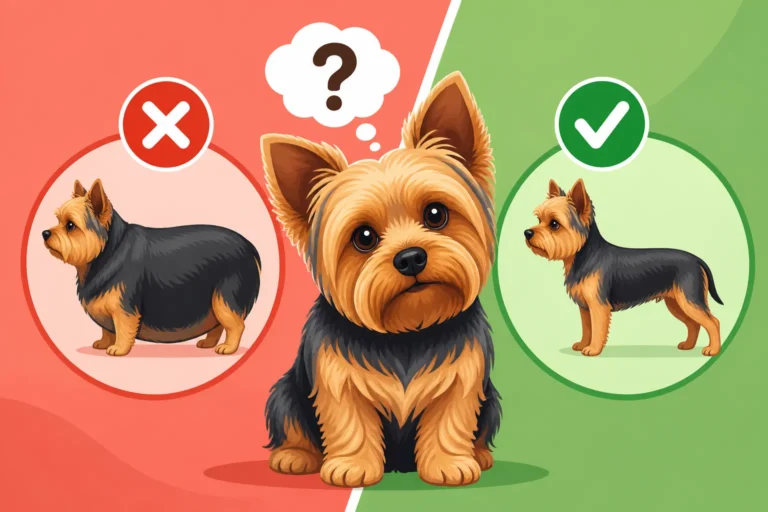
- Maintain a Healthy Weight: This is one of the most crucial aspects of preventing joint problems. Even a few extra pounds on a tiny Yorkie can put immense strain on their delicate joints, exacerbating conditions like patellar luxation or accelerating the onset of arthritis. Work with your vet to determine your Yorkie's ideal weight and adjust their food portions and exercise accordingly. If your Yorkie is already limping, managing their weight is even more important for recovery and comfort.
- Joint-Supporting Nutrients: Some quality dog foods are fortified with joint-supporting ingredients like glucosamine and chondroitin. You can also discuss adding supplements with your vet, especially as your Yorkie ages or if they have a predisposition to joint issues.
Regular Vet Check-ups and Proactive Care
Preventative veterinary care is your best ally in keeping your Yorkie healthy and identifying potential issues before they become major problems.
- Annual Wellness Exams: Regular check-ups allow your veterinarian to assess your Yorkie’s overall health, including their musculoskeletal system. They can detect early signs of conditions like patellar luxation or arthritis through physical examination, even before they cause noticeable limping. Early detection often means more effective and less invasive treatment options. These visits are a cornerstone of How to Keep a Yorkshire Terrier Healthy.
- Nail Trims: Keep your Yorkie's nails trimmed regularly. Overgrown nails can change their gait, causing discomfort, pain, and even leading to infections or broken nails which can cause significant limping. If you’re unsure how to do it yourself, your vet or a professional groomer can help.
- Dental Health: Believe it or not, dental issues can sometimes indirectly contribute to limping. Severe dental pain or infection can make a dog generally uncomfortable or alter their gait slightly. Maintaining good dental hygiene is important for overall health.
- Consider Pet Insurance: As mentioned, pet insurance from companies like Healthy Paws can provide peace of mind for unexpected medical costs, including diagnostics, surgeries, and long-term management of conditions that cause limping. It ensures you can always prioritize your Yorkie's health without financial stress. Planning for their health is essential, as detailed in Yorkshire Terrier Health Problems to Know.
By being proactive in these areas, you're not just reacting to problems; you're actively working to give your tiny companion the longest, happiest, and healthiest life possible, free from preventable limping.
Here's a quick overview of common limping causes:
| Cause | Typical Onset | Severity | Common Signs | Urgency for Vet Visit |
|---|---|---|---|---|
| Patellar Luxation | Puppy/Young | Mild to Moderate | Intermittent skipping, hopping, holding leg up, yelping. | Urgent (non-emergency) |
| Legg-Calve-Perthes Disease | Puppy (5-8 mos) | Moderate to Severe | Gradual onset of hind leg lameness, muscle wasting, hip pain. | Urgent (non-emergency) |
| Fracture | Any Age | Severe | Sudden non-weight-bearing, crying, swelling, deformity. | Emergency |
| Sprain/Strain | Any Age | Mild to Moderate | Sudden limping, mild swelling, reluctance to use limb fully. | Urgent |
| Arthritis | Senior/Adult | Mild to Chronic | Stiffness after rest, reluctance to jump/play, worsening in cold. | Non-emergency |
| Paw Pad/Nail Injury | Any Age | Mild to Severe | Licking paw, visible cut/thorn, broken nail, sensitivity. | Urgent |
| Neurological Issue (e.g., IVDD) | Any Age | Moderate to Severe | Weakness, dragging paws, back pain, uncoordinated gait. | Emergency |
| Infection (e.g., Lyme, Joint) | Any Age | Moderate to Severe | Shifting lameness, fever, lethargy, joint swelling. | Emergency |
Disclaimer
The information provided in this guide is for general informational purposes only and does not constitute veterinary advice. If your Yorkshire Terrier is limping or showing any signs of discomfort, please consult with a qualified veterinarian immediately for proper diagnosis and treatment. Do not attempt to self-diagnose or treat your pet based solely on this information.