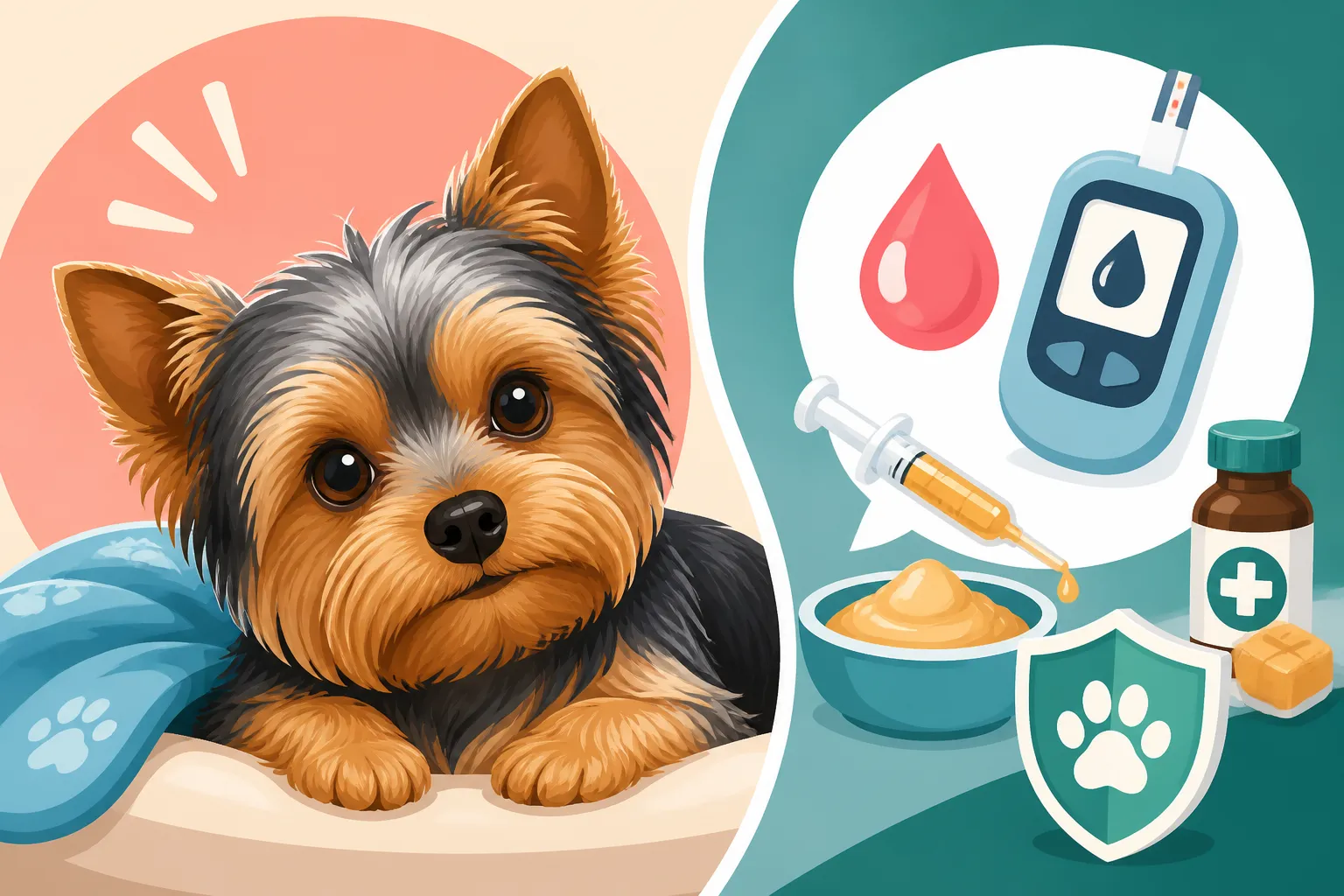
Yorkshire Terrier Hypoglycemia: Treatment Options
Few things are more terrifying for a Yorkshire Terrier parent than watching their tiny companion suddenly become weak, disoriented, or even collapse. This often happens because of hypoglycemia, a sudden and dangerous drop in blood sugar that Yorkies, especially puppies and smaller adults, are particularly susceptible to. It’s a truly frightening experience, and knowing exactly what to do can make all the difference. This comprehensive guide will walk you through understanding, identifying, and most importantly, treating hypoglycemia in your beloved Yorkshire Terrier.
Understanding Yorkshire Terrier Hypoglycemia
Hypoglycemia, in its simplest terms, means low blood sugar. For a breed as small and energetic as the Yorkshire Terrier, maintaining stable blood sugar levels is a critical component of their overall health. Their tiny bodies don't have the same large reserves of glycogen (stored glucose) that larger dogs do, making them vulnerable to rapid drops in blood sugar, particularly if they go too long without food or experience high levels of stress or exertion. It's not just a minor wobble; severe hypoglycemia can lead to seizures, coma, and even be fatal if not addressed quickly.
What is Hypoglycemia in Yorkies?
At its core, hypoglycemia is a metabolic emergency where the body's primary fuel source, glucose, falls below a healthy range. Think of it like a car running out of gas; without fuel, the engine sputters and eventually stops. For a Yorkie, glucose powers their brain and muscles. When blood sugar levels drop too low, typically below 60 mg/dL, their central nervous system starts to malfunction. This can happen for a variety of reasons, from simply missing a meal to more serious underlying health conditions.
It's particularly prevalent in Yorkie puppies under five months of age because their liver isn't fully developed to efficiently produce and store glucose. Even mature adults can be susceptible, especially if they are particularly small or have certain predispositions. The suddenness of onset is what often catches owners off guard, turning a playful afternoon into a frantic dash for help. Understanding that this is a real possibility for your Yorkie isn't about fear, but about being prepared. You can learn more about Yorkie Hypoglycemia: Emergency Signs to be better prepared.
Recognizing the Signs and Symptoms
Identifying hypoglycemia quickly is absolutely crucial. The signs can be subtle at first, easily mistaken for general tiredness or a quiet mood, but they can progress rapidly. In the early stages, you might notice your Yorkie seems a bit lethargic, perhaps not as enthusiastic about playtime or food as usual. They might seem unsteady on their feet, almost wobbly, or their movements could appear uncoordinated.
As their blood sugar continues to drop, the symptoms become more pronounced and alarming. Trembling or shaking, particularly when at rest, is a very common sign. They might seem disoriented, staring blankly, or walking into objects. In severe cases, your Yorkie could collapse, have seizures, or become unresponsive, slipping into a coma. Their gums might also appear pale. If you see these severe signs, don't delay – this is an emergency. Understanding these Signs Your Yorkshire Terrier Is Sick in general can help you distinguish between a minor ailment and a critical situation like hypoglycemia.
Causes and Risk Factors
Many factors can contribute to a Yorkie experiencing a hypoglycemic episode. The most common culprit is often simply going too long without food. Because of their fast metabolism and small size, even a few hours without a meal can deplete their limited glucose reserves. This is why consistent feeding schedules are so vital for Yorkies, especially puppies.
Other risk factors include excessive exercise or overstimulation, which can burn through glucose reserves quickly. Stress, even from something like a car ride or a visit to the groomer, can also play a role. Puppies are particularly vulnerable, especially after weaning, during periods of stress, or if they're experiencing digestive upset like diarrhea or vomiting that prevents nutrient absorption. Underlying health conditions, such as liver shunts (like a Yorkshire Terrier Portosystemic Shunt: Signs and Care or a Yorkshire Terrier Liver Shunt: Signs and Care), severe infections, or even some types of tumors, can also lead to chronic or recurrent hypoglycemia. It’s critical to rule out these more serious causes for any Yorkie experiencing repeated episodes.
Immediate First-Aid Treatment for Hypoglycemia
When you suspect your Yorkie is suffering from a hypoglycemic episode, time is of the essence. Your immediate actions can literally save their life. The goal is to raise their blood sugar levels quickly and safely before more severe symptoms set in. This isn't a replacement for veterinary care, but it's a critical first step to stabilize them.
Administering Quick Sugar Sources
The fastest way to get glucose into your Yorkie's system is through direct absorption via the mucous membranes in their mouth. You need a readily available sugar source that can be easily absorbed. Common household items like Karo syrup (light corn syrup), honey, or maple syrup are excellent choices. Many pet stores also sell glucose pastes, such as Nutri-Cal, specifically designed for this purpose.
For a small Yorkie, you only need a tiny amount. Aim for about a quarter to half a teaspoon, depending on their size. Don't try to force them to eat it like food; the goal is to get it onto their gums and under their tongue where it can be absorbed quickly. Have your chosen sugar source easily accessible in your home emergency kit. If your Yorkie is prone to these episodes, consider carrying a small tube of glucose paste with you, especially during travel or long outings.
How to Safely Administer Sugar
Administering sugar to a struggling Yorkie requires a gentle, careful approach. If your dog is conscious but weak, lift their lip and gently rub a small amount of the syrup or paste onto their gums and under their tongue. Do not try to squirt it down their throat, as they could aspirate it, especially if they are disoriented or struggling to swallow. Absorption through the mucous membranes is surprisingly effective.
If your Yorkie is unconscious or having a seizure, apply the sugar source to their gums using your finger or a cotton swab. Again, avoid forcing anything into their mouth or down their throat, as this could lead to choking or aspiration pneumonia. The sugar will be absorbed through the oral tissues even if they are unresponsive. After administering the sugar, observe them closely. Within 5-10 minutes, you should start to see signs of improvement: their eyes might become more alert, their trembling might subside, or they might try to stand. If there's no improvement, or if they worsen, it's time to head to the vet immediately.
When to Seek Emergency Veterinary Care
While first-aid is crucial, it's often just a temporary fix. You must understand When to Take Your Yorkie to the Vet during a hypoglycemic episode. If your Yorkie is unconscious, having a seizure, or doesn't show significant improvement within 10-15 minutes of administering sugar, you need to get them to an emergency veterinarian without delay. Don't wait to see if they'll "snap out of it." The longer their brain is deprived of glucose, the higher the risk of irreversible damage.
Even if your Yorkie seems to recover quickly after sugar administration, it's still highly recommended to contact your veterinarian. They can help determine why the episode occurred and if there are underlying issues that need to be addressed. They might want to perform tests to check for things like a liver shunt or other metabolic disorders. A single episode might be a fluke, but recurrent episodes absolutely warrant a thorough veterinary investigation. This is where having pet insurance, like a plan from Healthy Paws, can really alleviate the financial stress of emergency diagnostics and treatment.
Veterinary Treatment Options and Management
Once your Yorkie is at the veterinary clinic, the approach shifts from immediate stabilization to comprehensive diagnosis and long-term management. The vet’s goal will be to quickly raise blood sugar, assess the underlying cause, and create a plan to prevent future episodes.
In-Clinic Interventions
At the veterinary clinic, the first priority will be to stabilize your Yorkie's blood sugar levels if they are still low. This is typically done through intravenous (IV) dextrose, a sterile solution of glucose administered directly into their bloodstream. This is much faster and more effective than oral sugar if the dog is severely hypoglycemic. They may also receive IV fluids to help rehydrate them and support their overall system.
Once stable, the vet will likely perform a series of diagnostic tests. This could include blood work to check their complete blood count (CBC), biochemistry profile (including liver and kidney function), and a fasting insulin level if an insulinoma (a rare pancreatic tumor) is suspected. Urinalysis might also be done. If liver issues are a concern, further tests like bile acid stimulation tests or imaging (ultrasound) might be recommended to investigate conditions like Yorkshire Terrier Portosystemic Shunt: Treatment Options. The vet will meticulously work to understand the full picture, ensuring no stone is left unturned.
Long-Term Dietary Management
For many Yorkies, especially puppies or those without serious underlying conditions, careful dietary management is the cornerstone of preventing hypoglycemia. This often means breaking up their daily food intake into smaller, more frequent meals. Instead of two large meals a day, your vet might recommend three, four, or even five small meals. This keeps a steady stream of glucose entering their system, preventing those dangerous dips.
The type of food also matters. Your vet might recommend a high-quality, high-protein dog food designed for small breeds. Some veterinarians might suggest specialized diets for particular health issues. Brands like Royal Canin and Hill's Science Diet offer prescription diets that can be beneficial, depending on the specific cause of hypoglycemia. It's crucial to follow your vet's specific feeding instructions, including portion sizes. You can find more detailed guidance in our Yorkshire Terrier Feeding Guide by Age and How Much to Feed a Yorkshire Terrier. Regular discussions with your vet about diet are essential, and remember, having pet insurance like Healthy Paws can assist with the costs of specialized diets or ongoing nutritional consultations if needed.
| Age Group | Recommended Feeding Frequency | Key Considerations |
|---|---|---|
| 8-12 Weeks Old | 4-5 small meals daily | Crucial for blood sugar regulation; prone to puppy hypoglycemia. |
| 3-6 Months Old | 3-4 small meals daily | Still susceptible; maintain consistency. |
| 6-12 Months Old | 2-3 meals daily | Liver is maturing, but frequent meals still beneficial for tiny adults. |
| Adult Yorkie | 2-3 meals daily | Adjust based on activity level and individual needs. Monitor for signs. |
| Senior Yorkie | 2-3 meals daily | May need softer food; monitor for other health issues that impact appetite. |
Addressing Underlying Causes
If diagnostic tests reveal an underlying medical condition, treating that condition becomes the primary focus. For instance, if a liver shunt is diagnosed, surgical correction might be recommended. If a tumor is found, surgical removal or other oncological treatments may be necessary. In cases of severe infection, antibiotics or other supportive therapies will be administered.
Sometimes, the underlying cause isn't fully curable, but it can be managed. For example, a Yorkie with a predisposition to hypoglycemia might need lifelong dietary management and careful monitoring, possibly with prescribed glucose-regulating medications. This holistic approach ensures that you're not just treating the symptoms but tackling the root of the problem, offering your Yorkie the best chance at a healthy, stable life. It underscores why a thorough veterinary evaluation is always necessary after any hypoglycemic event.
Preventative Measures and Ongoing Care
Prevention is truly the best medicine when it comes to hypoglycemia in Yorkshire Terriers. By understanding the risks and implementing smart daily routines, you can significantly reduce the likelihood of your beloved companion experiencing these scary episodes. It’s all about consistency, vigilance, and proactive communication with your veterinary team.
Establishing a Consistent Feeding Schedule
One of the most powerful tools in your preventative arsenal is a consistent feeding schedule. As discussed, Yorkies have fast metabolisms and small glycogen stores, so long stretches without food are their enemy. Aim for at least two to three meals a day for adult Yorkies, and for puppies, it might be even more frequent, sometimes four to five small meals throughout the day, ensuring they don't go longer than 3-4 hours without food during waking hours. Even a tiny snack before bedtime can help carry them through the night.
Think about using a slow feeder bowl if your Yorkie eats too quickly, or puzzles to make mealtime last longer and engage them mentally. Consistency isn't just about when they eat, but what they eat. Stick to a high-quality, balanced diet as recommended by your vet. Avoid sudden changes in food, which can cause digestive upset and impact nutrient absorption. This proactive approach is a major step in How to Prevent Hypoglycemia in Yorkies.
Monitoring and Routine Checks
Ongoing vigilance is key, especially for Yorkies who have had a hypoglycemic episode before or who are particularly small or young. Daily observation of your Yorkie’s behavior is paramount. Are they eating normally? Are they energetic or unusually lethargic? Are there any signs of trembling, weakness, or disorientation? Even subtle changes should raise a flag.
Keep a mental (or even written) log of their appetite, energy levels, and any unusual behaviors. Knowing your dog's normal patterns will help you spot deviations quickly. Regularly check their gums; they should be a healthy pink, not pale or bluish. If your Yorkie is a puppy, be extra diligent, as How to Prevent Hypoglycemia in Yorkie Puppies is particularly important during their vulnerable early months. For comprehensive insights into maintaining their well-being, explore our full guide on How to Keep a Yorkshire Terrier Healthy.
Working with Your Vet for a Comprehensive Plan
Your veterinarian is your most important partner in managing and preventing hypoglycemia. Regular check-ups, even when your Yorkie seems perfectly healthy, allow your vet to monitor their overall health and catch potential issues early. Discuss any concerns you have, no matter how small they seem. Your vet can advise on the best diet, appropriate exercise levels, and whether any supplements or medications might be beneficial.
If your Yorkie has a history of hypoglycemia, work with your vet to create a detailed emergency plan. This should include what sugar sources to use, how much to administer, and when to rush to the emergency clinic. They might also recommend specific diagnostic tests to perform periodically to ensure no underlying condition is developing or worsening. Don't be afraid to ask questions about Yorkshire Terrier Vet Costs and Health Budget and discuss pet insurance options like Healthy Paws, which can provide a financial safety net for ongoing monitoring, specialized diets, or unexpected emergencies.
Living with a Yorkie Prone to Hypoglycemia
Having a Yorkie prone to hypoglycemia might sound daunting, but with the right knowledge and preparation, it's entirely manageable. It simply means being a bit more proactive and understanding of their unique needs. Many Yorkies live long, happy lives even with this predisposition.
Emergency Kit Essentials
Every Yorkie owner, especially those with a dog prone to hypoglycemia, should have a readily accessible emergency kit. This isn't just for hypoglycemia, but it's certainly a primary reason to have one. Your kit should include:
- Glucose Source: A tube of Nutri-Cal paste, or a small squeeze bottle of light Karo syrup or honey. Keep a few pre-loaded syringes (without needles) for easy, controlled administration.
- Small Treats: High-protein, easy-to-digest treats for after they've stabilized to keep blood sugar up.
- Vet Contact Info: Your regular vet and the nearest 24/7 emergency vet.
- Blanket: To keep them warm if they're in shock.
- Cotton Swabs: For applying syrup to gums if you prefer not to use your finger.
- Medical Records: A copy of their essential medical history, especially if they have underlying conditions, can save precious time at an emergency clinic.
Keep this kit in an easily accessible spot at home, and consider a smaller version for your purse or car when you're out and about.
Educating Family and Caregivers
It's not just you who needs to know what to do; anyone who regularly cares for your Yorkie should be fully briefed on hypoglycemia, its signs, and the emergency protocol. This includes family members, dog walkers, pet sitters, or even close friends who might watch your dog occasionally.
Explain to them the specific symptoms to watch for, how to administer the glucose source, and when to call the vet. Show them where the emergency kit is located and ensure they have all necessary contact information. A quick, clear explanation can empower them to act confidently and quickly if an episode occurs in your absence, potentially saving your dog's life. This knowledge is an extension of your own Yorkshire Terrier Health Problems to Know.
Stress Reduction and Controlled Exercise
Stress and excessive physical exertion can both contribute to a drop in blood sugar. While Yorkies are energetic little dogs, it's important to ensure their exercise is appropriate for their size and health status. Avoid extremely long walks or intense play sessions without adequate breaks and opportunities for small, high-quality snacks.
Similarly, minimize stressors whenever possible. If your Yorkie gets anxious during car rides, try to desensitize them gradually or use calming aids as recommended by your vet. If a trip to the groomer is stressful, discuss ways to make it more comfortable, perhaps through shorter sessions or positive reinforcement. A calm, consistent environment helps regulate their metabolism and can contribute to more stable blood sugar levels. Understanding how their body reacts to external factors is crucial for their Yorkshire Terrier Senior Care Guide as well, as older dogs can be more vulnerable.
Disclaimer
This article is intended for informational purposes only and does not constitute medical advice. Always consult with a qualified veterinarian for any health concerns or before making any decisions about your pet's health or treatment.