Yorkie Eye Problems Explained
It's incredibly distressing when you notice something is off with your beloved Yorkie's eyes. Those tiny, expressive windows to their soul are so vulnerable, and even a minor irritation can quickly escalate into a serious problem if left unchecked. Many of us Yorkie parents have experienced that knot of anxiety when we see redness, discharge, or squinting, wondering if it's just a stray hair or something much more significant. This comprehensive guide is here to walk you through the most common eye problems Yorkshire Terriers face, help you recognize the warning signs, and empower you with the knowledge to provide the best care for your furry family member.
Why Yorkies Are Prone to Eye Issues
Yorkshire Terriers are adorable, feisty little dogs, but like many purebreds, they come with certain predispositions, and eye problems are high on that list. Their captivating, often prominent eyes are unfortunately quite delicate and can be more susceptible to various conditions compared to other breeds. Understanding the unique aspects of their ocular anatomy and common genetic leanings can help us be more vigilant and proactive.
The Anatomy of a Yorkie Eye
To grasp why certain issues occur, it helps to know a little about their eye structure. A Yorkie's eyes are relatively large in proportion to their small skull, giving them that endearing, alert expression. This larger size can sometimes mean they are more exposed to environmental irritants like dust, debris, or even just strong winds during a walk. Their short muzzle, a characteristic of many brachycephalic (short-nosed) breeds, can also play a role, as it affects tear drainage and the natural protection usually offered by a longer snout.
The eyelids, while providing a primary defense, can sometimes be an issue themselves. Conditions like entropion (inward rolling eyelid) or ectropion (outward rolling eyelid) can cause constant irritation as eyelashes rub against the cornea or the eye becomes too exposed to dryness. Even the position of their tear ducts can contribute to issues like tear staining, which, while often cosmetic, can sometimes signal underlying blockages or excessive tear production from irritation.
Common Predispositions in the Breed
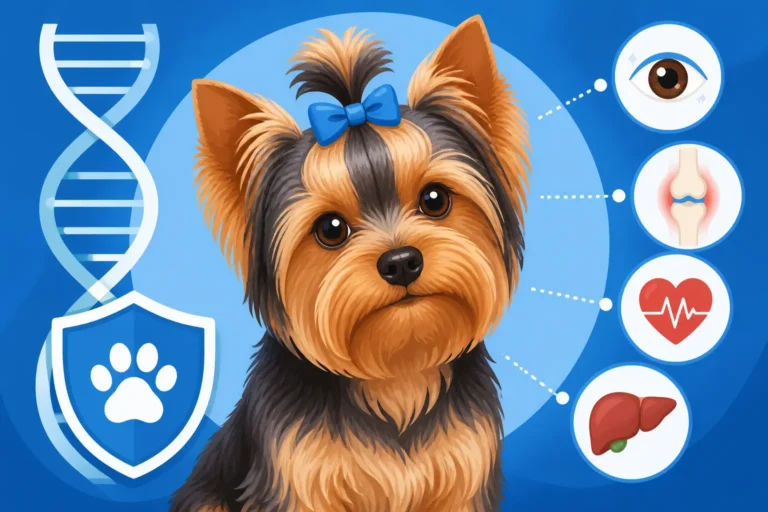
Beyond the general structure, Yorkshire Terriers have a genetic blueprint that makes them more prone to specific eye conditions. Breeders strive to produce healthy puppies, but certain traits can persist. For instance, some Yorkies might inherit a predisposition for conditions that affect the quality or quantity of their tears, leading to chronic dry eye. Others might carry genes for progressive eye diseases that develop later in life, slowly robbing them of their vision. It's not uncommon for these conditions to be bilateral, meaning they affect both eyes, though sometimes one eye might show symptoms before the other.
This genetic susceptibility is why choosing a reputable breeder is so important, as they often screen their breeding dogs for known inherited conditions. Even with the best breeding practices, some issues can still arise, making vigilant observation and regular veterinary check-ups crucial for all Yorkie owners. Knowing about these predispositions isn't about dreading them, but about being prepared and knowing what signs to look for so you can address problems swiftly and effectively. It's part of the journey of owning a Yorkshire Terrier Health Problems to Know!
Common Yorkie Eye Conditions and Their Symptoms
When it comes to your Yorkie's eyes, a keen observation is your best tool. Many eye conditions present with similar initial symptoms, so it’s important to recognize the subtle differences and seek veterinary advice. What might seem like a simple irritation can sometimes be a sign of a more serious underlying issue.
Dry Eye Keratoconjunctivitis Sicca KCS
One of the most prevalent eye conditions in Yorkshire Terriers is Keratoconjunctivitis Sicca, more commonly known as dry eye. This condition occurs when the tear glands don't produce enough tears, or the tears produced are of poor quality. Without a healthy tear film, the eye loses its lubrication, protection, and ability to wash away irritants.
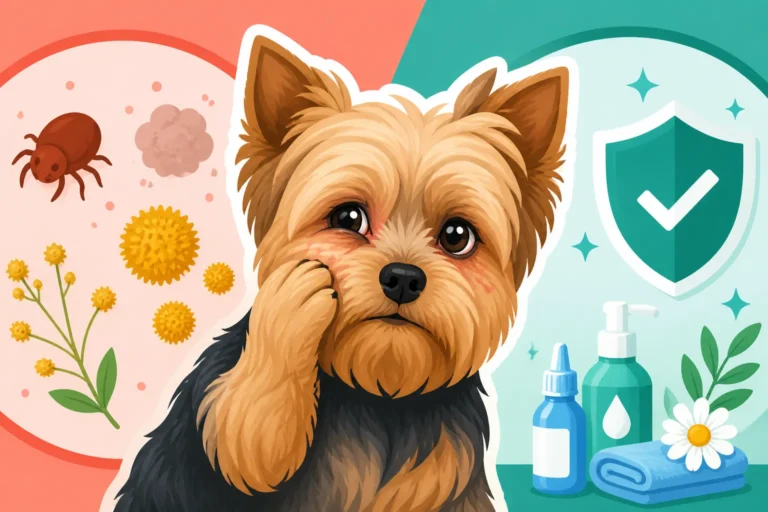
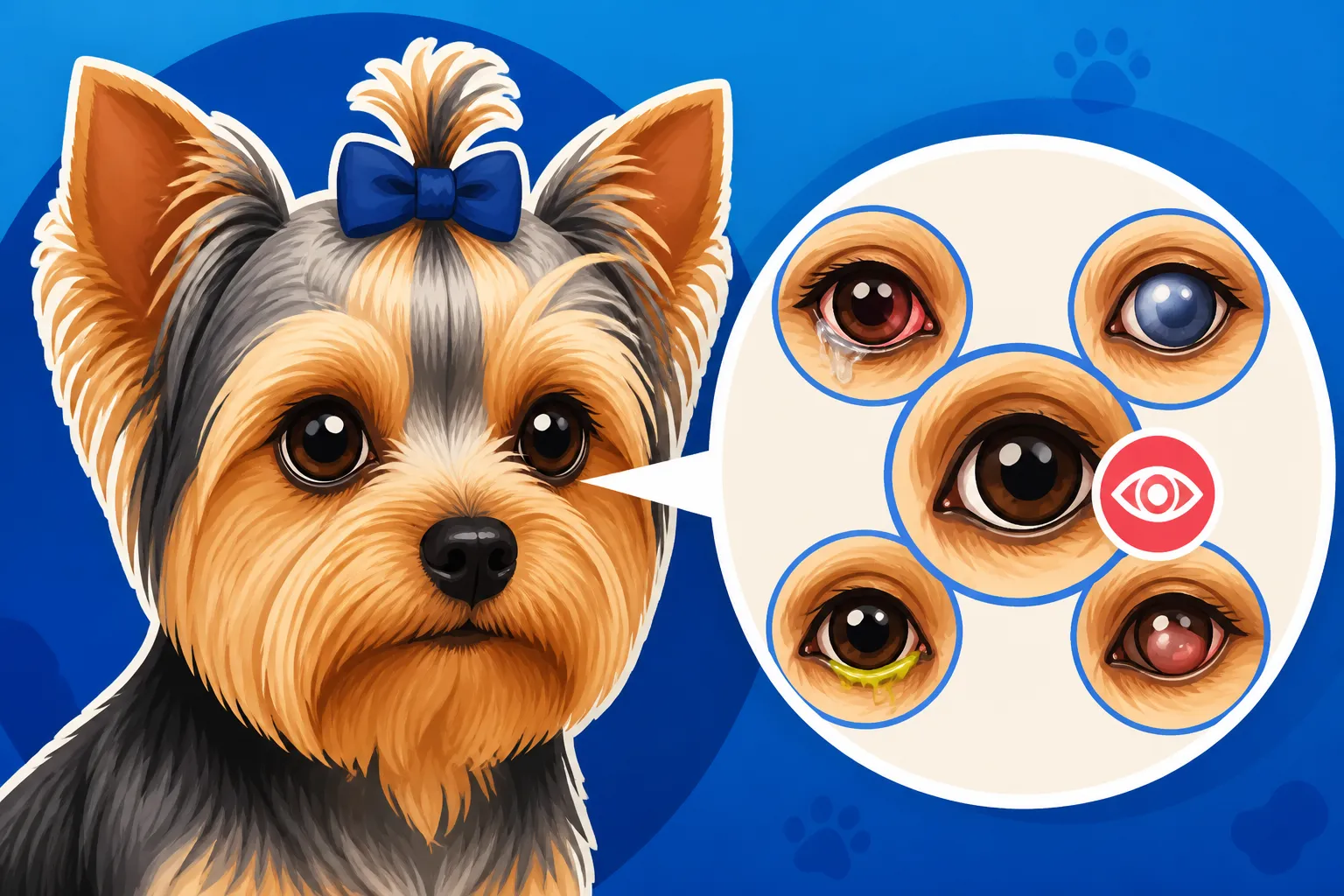
Symptoms of dry eye often include chronic redness, a thick, yellowish or whitish discharge that might look like mucus, and frequent blinking or squinting. You might also notice your Yorkie rubbing their face or eyes, trying to alleviate the discomfort. Over time, the cornea can become dull, hazy, or even develop pigment (dark spots) as a protective measure, which can impair vision. Imagine constantly feeling like you have sand in your eyes – that's likely how uncomfortable dry eye is for your furry friend. Early intervention for Yorkie Dry Eye Management is key to preventing permanent damage and preserving vision.
Cataracts
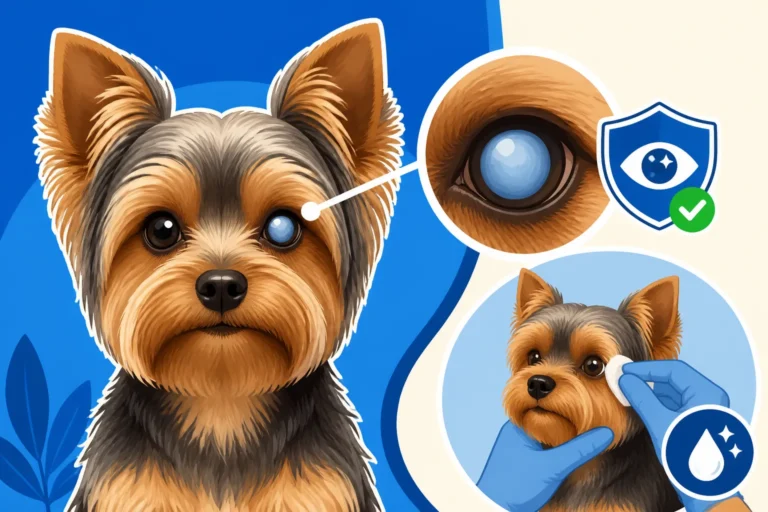
Cataracts are another common eye issue, particularly as Yorkies age, but they can also be inherited and appear in younger dogs. A cataract is essentially a clouding of the eye's lens, which obstructs light from reaching the retina, much like looking through a frosted window. They can range from small, barely noticeable opacities to complete clouding that results in blindness.
If your Yorkie has cataracts, you'll typically notice a milky, bluish, or whitish haze in the center of their eye, behind the pupil. It often progresses slowly, and your dog might initially adapt well, especially if only one eye is affected or the cataracts are small. However, as they grow, you might see them bumping into furniture, hesitating in unfamiliar environments, or becoming more clumsy, especially in dim lighting. A sudden change in your Yorkie's vision, coupled with visible cloudiness in the eye, warrants an immediate vet visit. You can learn more about Yorkie Cataracts: Signs and Treatment to be prepared.
Progressive Retinal Atrophy PRA
Progressive Retinal Atrophy (PRA) is a group of inherited degenerative diseases that affect the retina, leading to a gradual loss of vision and eventually blindness. Unlike cataracts, which affect the lens, PRA targets the light-sensitive cells at the back of the eye. It's often categorized into early-onset (seen in puppies) and late-onset forms.
The initial signs of PRA can be very subtle. Affected Yorkies often first develop "night blindness," meaning they have difficulty seeing in low light conditions. You might notice them being hesitant to go outside after dusk, bumping into things in dimly lit rooms, or becoming more reliant on their sense of smell and hearing. As the disease progresses, day vision also deteriorates, leading to complete blindness. Owners might also notice that their Yorkie's pupils appear more dilated, and sometimes the eyes have a reflective, greenish glow in certain lights. This condition is not painful, but the loss of sight can be disorienting for your dog.
Glaucoma
Glaucoma is a serious and often painful condition characterized by increased pressure within the eye. This elevated intraocular pressure (IOP) damages the optic nerve and retina, leading to irreversible vision loss if not treated promptly. There are two main types: primary glaucoma, which is inherited, and secondary glaucoma, which results from another eye condition like inflammation, injury, or a tumor.
Symptoms of glaucoma can appear suddenly and demand urgent veterinary attention. You might notice your Yorkie's eye appearing red, watery, and very painful – they might rub at it excessively, hold it shut, or act lethargic. The eye itself might look cloudy or hazy, and sometimes the pupil will be dilated and unresponsive to light. The eyeball can also appear enlarged or bulging compared to the other eye. Because glaucoma is an emergency, acting quickly is paramount to try and save your Yorkie's vision.
Cherry Eye and Eyelid Abnormalities
While not as common in Yorkies as in some other breeds, "cherry eye" can occur. This condition happens when the gland of the third eyelid prolapses, appearing as a red, swollen mass in the inner corner of the eye. It's typically a cosmetic issue but can lead to dry eye if the gland's function is compromised.
More common in Yorkies are other eyelid abnormalities like entropion (eyelid rolls inward) or ectropion (eyelid rolls outward). With entropion, the eyelashes rub against the cornea, causing irritation, tearing, redness, and potentially corneal ulcers. Ectropion exposes the inner eyelid and the eye itself, making it prone to dryness, foreign bodies, and infections. Both conditions can cause significant discomfort and, if severe, require surgical correction.
Corneal Ulcers and Injuries
The cornea, the clear outer layer of the eye, is quite vulnerable. Corneal ulcers are open sores on the surface of the cornea, often caused by trauma (like a scratch from a branch or another animal), foreign bodies (dust, grit), chemical irritants, or even severe dry eye. They are incredibly painful and can lead to serious complications, including perforation of the eye, if not treated aggressively.
Signs of a corneal ulcer include intense squinting, excessive tearing, redness, and often a visible cloudy or grayish spot on the cornea. Your Yorkie might be very sensitive to light and rub their eye frequently. Since Yorkies are small and often low to the ground, they are more susceptible to getting things in their eyes. Always check your dog's eyes thoroughly if they've been playing in tall grass or encountered anything that could cause injury. Remember, any noticeable Yorkie Eye Discharge: Causes should be investigated.
Recognizing the Signs: When to Act on Eye Problems
Knowing the common conditions is one thing, but actually noticing the subtle shifts in your Yorkie's behavior or appearance is another. They can be incredibly stoic little creatures, often hiding discomfort until it becomes unbearable. Being proactive means being highly attuned to their daily habits and physical cues.
Behavioral Cues and Physical Signs
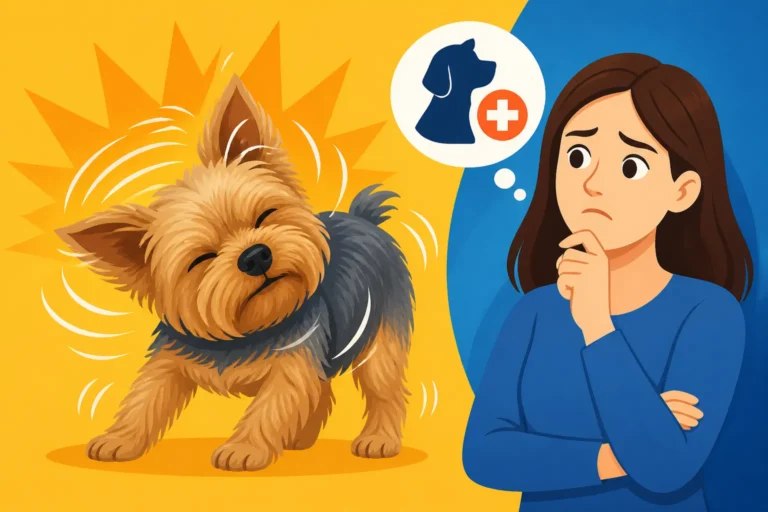
Your Yorkie can't tell you directly that their eye hurts, so you need to be a detective. Look for changes in their normal routine or posture. Are they rubbing their face more often on furniture or with their paws? Are they squinting, blinking excessively, or holding one eye partially or completely shut? This is a huge red flag that something is causing them pain or irritation. You might notice them avoiding light or seeming lethargic.
Physically, examine their eyes closely in good light. Look for any redness in the white part of the eye (sclera) or around the eyelids. Is there any discharge? Is it clear and watery, or thick, yellow, green, or white? Does one pupil look different from the other in size or how it reacts to light? Is the cornea cloudy, hazy, or does it have any visible spots or irregularities? Swelling around the eye or eyelids is also a clear sign of trouble. Even excessive tearing, beyond normal happy tears, can indicate an issue. Don't dismiss these signs, as even seemingly minor changes can point to a developing problem.
Emergency Situations Requiring Immediate Attention
Some eye problems are emergencies and cannot wait for a regular vet appointment. If you notice any of the following, consider it a critical situation and get your Yorkie to an emergency vet immediately:
- Sudden Blindness: Your Yorkie is bumping into everything, disoriented, or suddenly unable to navigate.
- Severe Pain: Intense squinting, constant pawing at the eye, yelping when the eye is touched, or the eye is held completely shut.
- Protruding Eyeball: The eye appears to be bulging out of its socket. This is more common in brachycephalic breeds but is an urgent matter.
- Visible Injury: A deep scratch, puncture, or a foreign object lodged in the eye.
- Rapid Swelling: Sudden, significant swelling around the eye or eyelid.
- Changes in Eye Shape or Size: One eye suddenly appears larger or smaller than the other.
- Green or Yellow Discharge with Redness: This often indicates a severe infection or ulcer.
In these scenarios, time is of the essence. Delaying treatment can lead to irreversible vision loss or even the loss of the eye itself. Knowing Yorkie Emergency Symptoms to Never Ignore is a lifesaver.
Veterinary Diagnosis and Treatment Options
Once you've noticed something amiss with your Yorkie's eyes, the next crucial step is getting professional help. A veterinarian can accurately diagnose the problem and recommend the most appropriate course of action. Don't try to self-diagnose or treat with over-the-counter remedies, as you could worsen the condition.
When to See the Vet
Any persistent or concerning eye symptom warrants a vet visit. If you see redness, discharge, squinting, rubbing, or any cloudiness that lasts for more than a day, or if it's accompanied by pain or behavioral changes, it's time to call your vet. For emergency situations, as mentioned above, seek immediate veterinary care.
It's always better to err on the side of caution. A quick phone call to your vet’s office can help you determine the urgency. Describe what you're seeing and how your Yorkie is acting. They might advise an immediate visit or a scheduled appointment, depending on the severity of the symptoms. Regular wellness checks, even when your Yorkie seems perfectly healthy, are also important for early detection of slow-progressing conditions, especially as part of your Yorkshire Terrier Senior Care Guide.
Diagnostic Procedures
When you take your Yorkie to the vet for an eye concern, they will perform a thorough ophthalmic examination. This usually includes:
- General Eye Exam: Visual inspection of the eyes, eyelids, and surrounding structures.
- Schirmer Tear Test: Measures tear production, crucial for diagnosing dry eye. A small paper strip is placed under the lower eyelid for 60 seconds.
- Fluorescein Stain Test: A special orange dye is applied to the eye. If there's a corneal ulcer or abrasion, the dye will stick to the damaged area, glowing green under a blue light.
- Tonometry: Measures the intraocular pressure (IOP) to check for glaucoma. A small probe gently touches the surface of the eye.
- Ophthalmoscopy: Examination of the internal structures of the eye, like the retina and optic nerve, often after dilating the pupils.
- Swabs and Cultures: If an infection is suspected, samples of discharge might be taken for analysis.
In some complex cases, your vet might recommend a referral to a veterinary ophthalmologist, a specialist who has advanced diagnostic tools and expertise in eye conditions.
Treatment Approaches: Medication, Surgery, Management
Treatment for Yorkie eye problems varies widely depending on the specific diagnosis:
- Medication:
- Antibiotic/Antiviral Eye Drops/Ointments: For bacterial or viral infections.
- Anti-inflammatory Eye Drops: To reduce swelling and discomfort, often combined with antibiotics.
- Lubricating Eye Drops/Artificial Tears: Essential for dry eye to supplement tear production and keep the eyes moist.
- Immunosuppressants: Medications like cyclosporine or tacrolimus are often prescribed for dry eye to stimulate natural tear production.
- Oral Medications: For systemic infections or to manage pain.
- Surgery:
- Cataract Surgery: Involves removing the clouded lens and, in some cases, replacing it with an artificial one, much like human cataract surgery. This is performed by a specialist.
- Cherry Eye Surgery: Repositions the prolapsed gland back into its normal position, rather than removing it, to preserve tear production.
- Eyelid Surgery (Entropion/Ectropion): Corrects the eyelid position to prevent irritation or exposure.
- Corneal Surgery: For severe or non-healing ulcers, a specialist might perform grafts or other procedures.
- Glaucoma Surgery: In some cases, surgery can create new drainage pathways or reduce fluid production to lower pressure, but it's often a last resort or used in conjunction with medication.
- Ongoing Management:
- For chronic conditions like dry eye or glaucoma, lifelong medication and regular monitoring are usually required. This might mean daily eye drops, warm compresses, and frequent vet rechecks.
- For conditions leading to blindness, management focuses on helping your Yorkie adapt to their vision loss and ensuring their quality of life. This can be a challenging but rewarding journey.
When it comes to costs, eye treatments can range from affordable eye drops to several thousand dollars for specialized surgeries. This is where pet insurance, like a plan from Healthy Paws, can be incredibly helpful in managing unexpected veterinary expenses, giving you peace of mind to choose the best care for your Yorkie without financial strain. Budgeting for potential Yorkshire Terrier Vet Costs and Health Budget is always a good idea.
Preventative Care and Ongoing Management
While some eye conditions in Yorkies are genetic and unavoidable, there's a lot you can do to minimize risks, catch problems early, and manage existing conditions effectively. Proactive care is truly the best defense for your Yorkie's precious eyes.
Daily Eye Care Routines
Incorporating a simple eye care routine into your daily schedule can make a world of difference.
- Gentle Cleaning: Gently wipe away any sleep or discharge from the corners of your Yorkie's eyes using a soft, damp cloth or a veterinarian-approved eye wipe. Always wipe away from the eye, towards the nose, and use a fresh part of the cloth for each eye to prevent cross-contamination. This helps prevent tear stains and keeps the area clean.
- Hair Management: Yorkies have long facial hair that can easily irritate their eyes if not properly trimmed or tied back. Consider a cute top knot or regular trims around the eyes to keep hair out of the way. Professional groomers are experts at this, or you can learn safe techniques at home.
- Environmental Awareness: Be mindful of your Yorkie's surroundings. Avoid exposing them to excessive dust, smoke, strong winds, or irritants like cleaning chemicals. If you live in a particularly dusty or windy area, doggy goggles, though they might look funny, can actually protect their eyes during outdoor adventures.
- Regular Inspection: Take a minute each day to look closely at your Yorkie's eyes. Are they bright and clear? Are the pupils equal? Is there any redness or discharge? Early detection is key!
Nutrition and Supplements for Eye Health
A balanced, high-quality diet is fundamental for overall health, including eye health. Good nutrition provides the essential vitamins and antioxidants that can support ocular tissues. Look for dog foods rich in:
- Vitamin A: Crucial for good vision, especially in low light.
- Omega-3 Fatty Acids: EPA and DHA, found in fish oil, have anti-inflammatory properties that can benefit eye health. Many high-quality dog foods, like those from Merrick or Blue Buffalo, include these.
- Antioxidants: Vitamins C and E, lutein, and zeaxanthin can help protect cells from damage caused by free radicals. Some commercial supplements formulated specifically for canine eye health contain these.
While a complete and balanced diet is usually sufficient, your vet might recommend specific supplements if your Yorkie has a diagnosed eye condition or is at high risk. Never give human supplements without veterinary guidance, as dosages can be dangerous for small dogs.
Regular Vet Check-ups
Even if your Yorkie seems perfectly fine, consistent veterinary care is non-negotiable for maintaining their eye health.
- Annual Wellness Exams: Your vet will typically perform a basic eye check during your Yorkie's yearly visit. This is a great opportunity to discuss any subtle changes you might have noticed or ask about preventative measures.
- Early Detection: Many eye conditions, particularly those that are hereditary or develop slowly, can be caught in their early stages during a routine exam, even before you notice obvious symptoms at home. For example, a vet might spot the beginnings of cataracts or assess tear production.
- Specialist Referrals: If your general vet identifies a complex or rapidly progressing issue, they can refer you to a veterinary ophthalmologist who has specialized equipment and expertise to provide advanced diagnostics and treatment.
Remember, keeping your Yorkie healthy is a team effort involving you, your groomer, and your veterinarian. Regular check-ups are how you ensure How to Keep a Yorkshire Terrier Healthy for a long, happy life.
Living with a Yorkie with Chronic Eye Issues
Discovering your Yorkie has a chronic eye condition, especially one that leads to vision impairment or requires lifelong care, can feel overwhelming. It's a challenging journey, but with patience and adaptation, your furry friend can still lead a full and joyful life.
Adapting Your Home
If your Yorkie is experiencing vision loss, making a few adjustments around the house can significantly improve their safety and confidence.
- Maintain Consistency: Keep furniture and their food/water bowls in the same place. Consistency helps them build a mental map of their environment.
- Clear Pathways: Remove clutter, tripping hazards, or anything they might bump into. Ensure stairs are safe, perhaps with baby gates at the top and bottom or non-slip treads.
- Scent Markers: You can use different scented essential oils (diluted and applied safely, away from their direct path) on furniture legs or doorways to help them identify locations.
- Sound Cues: Talk to your Yorkie frequently so they know where you are. Use bells on other pets or family members to help your Yorkie track their movement.
- Safe Spaces: Create a designated safe and cozy area where they can retreat and feel secure. This might be a comfortable bed or crate where they won't be startled.
- Outdoor Safety: If your yard isn't fenced, keep your vision-impaired Yorkie on a leash when outside. Even in a fenced yard, supervise them closely to prevent accidents.
These adaptations help them navigate their world with confidence, even without perfect sight.
Emotional Support and Patience
Living with a dog with a chronic health condition, especially one affecting vision, requires an extra dose of patience and empathy from you. Your Yorkie might seem more anxious, clingy, or even disoriented at times.
- Reassurance: Offer plenty of verbal praise, gentle touches, and reassurance. Let them know you're there.
- Routine: Stick to a predictable daily routine for feeding, walks, and playtime. This provides a sense of security and reduces anxiety.
- New Experiences: Introduce new toys or environments slowly and with lots of positive reinforcement. Engage their other senses with scent games, puzzle toys, and different textures.
- Be Their Eyes: When walking, be their guide. Use verbal cues like "step up," "step down," "stop," or "watch out" to alert them to obstacles. A harness can also provide better control and comfort than a collar for guiding a visually impaired dog. Consider reading about Why Harnesses Are Better Than Collars for Yorkies for more insights.
- Celebrate Small Victories: Every successful navigation, every wag of the tail, is a victory. Focus on their resilience and ability to adapt. Your unwavering love and support are the most crucial elements in helping your Yorkie thrive, regardless of their visual challenges.
It's a testament to the incredible bond we share with our pets that we adapt alongside them. Through all the ups and downs, the love for our little Yorkies shines brightest.
Summary of Yorkie Eye Conditions
To help you keep track of the most common eye problems your Yorkie might face, here's a handy overview:
| Condition | Primary Cause | Key Symptoms | Typical Treatment | Urgency |
|---|---|---|---|---|
| Dry Eye (KCS) | Insufficient tear production | Chronic redness, thick discharge, squinting, rubbing, corneal haziness | Lifelong lubricating drops, immunosuppressants (e.g., cyclosporine) | Moderate |
| Cataracts | Clouding of the lens (age, genetics, disease) | Milky/bluish haze in pupil, vision loss (especially in dim light), clumsiness | Surgical removal (by specialist) is often an option; vision aids if not surgical | Moderate |
| Progressive Retinal Atrophy | Genetic degeneration of retina cells | Night blindness, progressive day vision loss, dilated pupils | No cure; focus on adapting to blindness | Moderate/Slow |
| Glaucoma | Increased intraocular pressure (genetic, secondary) | Sudden pain, redness, squinting, cloudy eye, enlarged eyeball | Emergency vet visit; pressure-lowering drops, possible surgery, pain management | High (Emergency) |
| Cherry Eye | Prolapse of the third eyelid gland | Red, swollen mass in inner corner of eye | Surgical repositioning of the gland | Low/Moderate |
| Corneal Ulcers/Injuries | Trauma, foreign body, severe dry eye | Intense squinting, tearing, redness, visible spot on cornea, pain | Antibiotic/anti-inflammatory drops, pain meds, protective collar, possible surgery | High |
| Eyelid Abnormalities | Inward (entropion) or outward (ectropion) rolling | Constant irritation (entropion), exposure/dryness (ectropion) | Surgical correction | Moderate |
Remember, this table provides general information. Always consult your veterinarian for an accurate diagnosis and personalized treatment plan for your Yorkshire Terrier.
Disclaimer
The information provided in this guide is intended for educational purposes only and should not be taken as professional veterinary advice. Always consult with a qualified veterinarian for any health concerns or before making any decisions related to your Yorkshire Terrier's health and treatment.