Yorkshire Terrier vs Silky Terrier
Deciding between a Yorkshire Terrier and a Silky Terrier can feel like a delightful dilemma. Both breeds are undeniably charming, brimming with personality, and boast those iconic silky coats that just beg for a gentle stroke. However, beneath their similar appearances, you’ll find distinct differences in temperament, grooming needs, and overall lifestyle fit that can truly impact which one will thrive best in your home. This guide will meticulously break down the nuances between these two fantastic terrier breeds, helping you understand their unique qualities so you can make an informed decision for your family.
Understanding the Terriers: A Tale of Two Breeds
When you first glance at a Yorkshire Terrier and a Silky Terrier, it’s easy to think they’re cut from the same cloth. They both have that distinctive, flowing, luxurious coat and a small, confident stature. But delve a little deeper, and you’ll uncover fascinating distinctions in their history, geographic origins, and the specific traits that breeders aimed to cultivate in each. Understanding where they came from can really shed light on their inherent characteristics today.
Tracing Their Roots: Origins and Early Development
The Yorkshire Terrier, affectionately known as the "Yorkie," hails from the working-class regions of Yorkshire, England, specifically during the mid-19th century. Their lineage includes various small terriers like the Clydesdale Terrier and possibly some Paisley Terriers, bred primarily for a very practical, albeit feisty, purpose: ratting in clothing mills and mines. These little dogs were bred to be tenacious and brave, navigating tight spaces to hunt vermin. Their small size and courage were highly prized for their ability to keep factories and homes free of pests. Over time, their beautiful coats and spirited personalities led them from the working class into the laps of Victorian ladies, becoming fashionable companions, but that underlying terrier grit never truly left them. When you consider a Yorkshire Terrier Temperament and Personality, you're seeing a direct link back to these humble, hardworking beginnings.
The Silky Terrier, on the other hand, has a slightly different story, originating much later in the early 20th century in Australia. As its name suggests, it was developed with an emphasis on its "silky" coat, intended to be a beautiful companion dog. Breeders in Australia crossed Australian Terriers with Yorkshire Terriers, aiming to create a dog that retained the lively terrier personality but with a softer, more refined coat and a slightly larger build than the average Yorkie. While they share the terrier lineage, the Silky was never primarily a working dog in the same vein as the early Yorkies. Instead, their development focused more on creating an elegant yet robust companion for urban living, a true house pet that still embodied the energetic spirit of a terrier.
Distinguishing the Appearance: Size, Coat, and Build
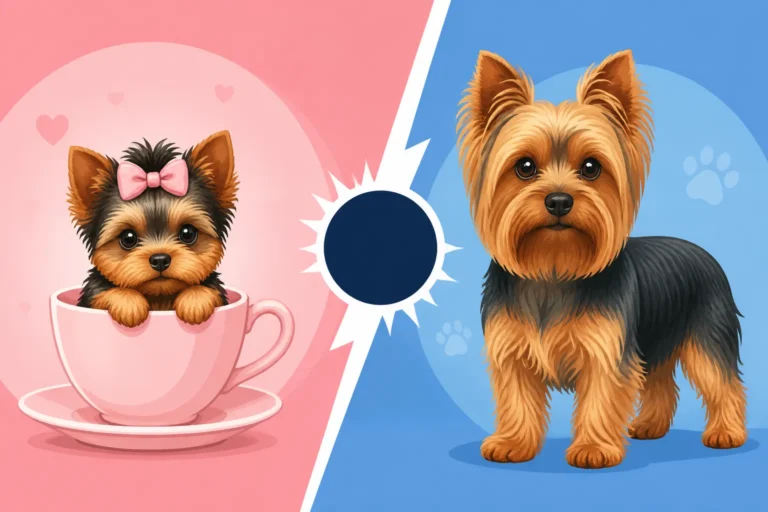
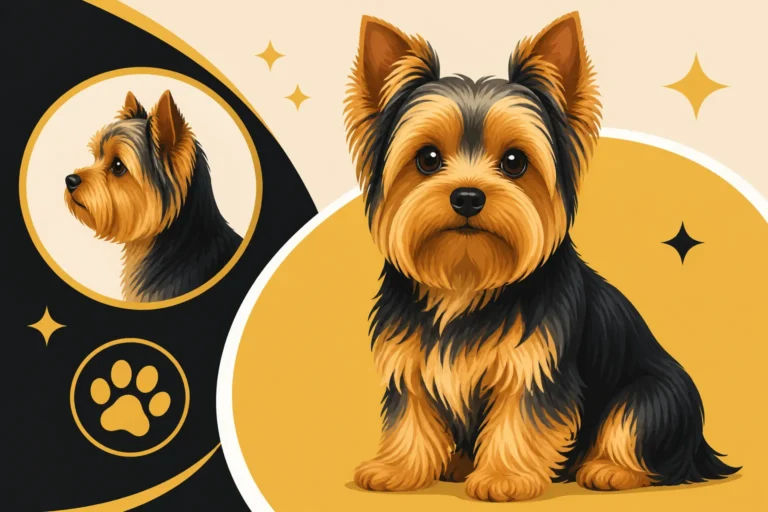
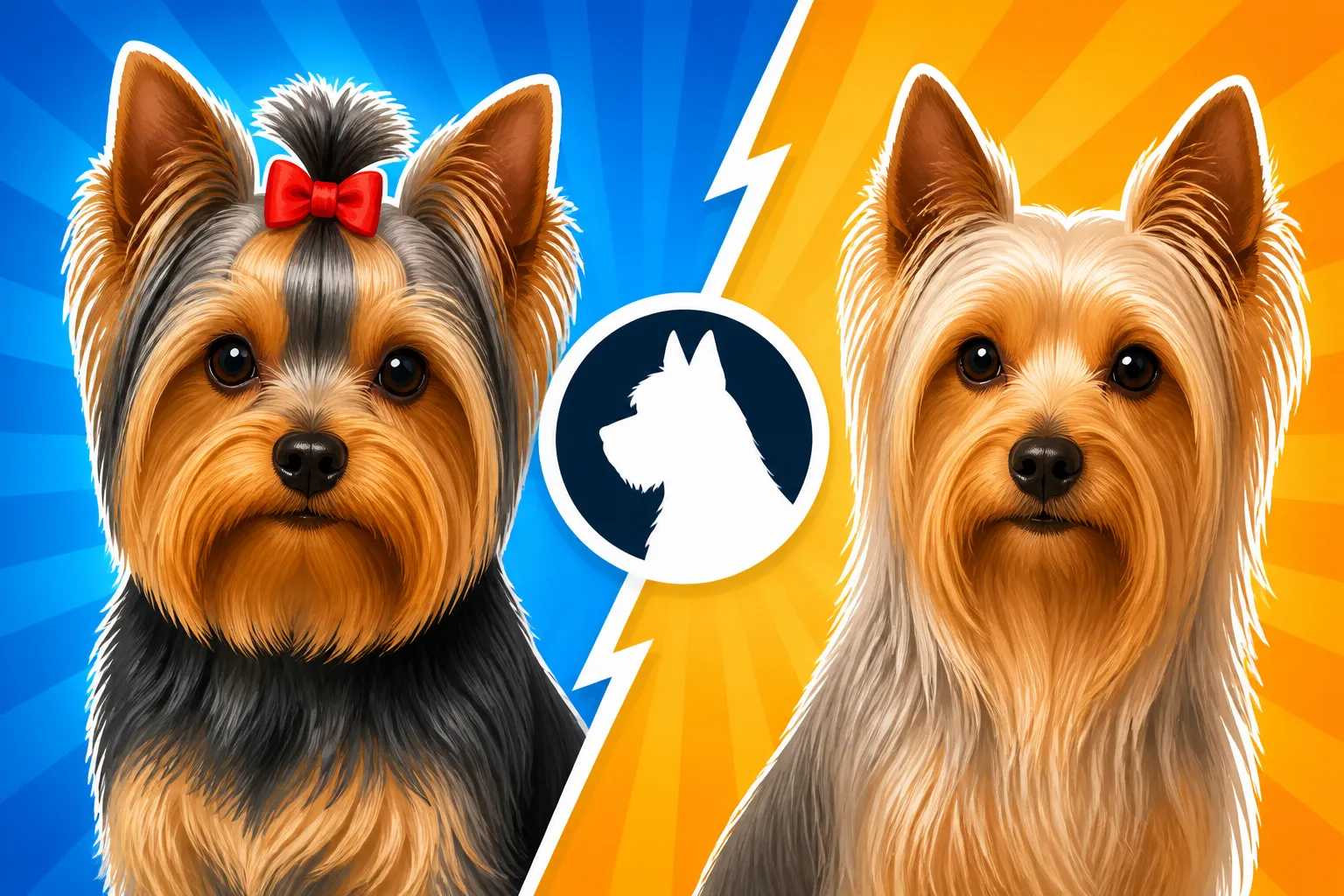
While both breeds are undeniably gorgeous, especially with their long, flowing coats, there are some noticeable physical differences. Yorkshire Terriers are generally smaller and daintier. The breed standard for a Yorkie typically states a maximum weight of 7 pounds (about 3.2 kg). Their coats are famously fine, straight, and glossy, often described as resembling human hair. The color is usually a dark steel blue on the body and tail, and a rich, bright tan on the head, chest, and legs. This striking color combination is part of their iconic look. Their structure is compact, with a relatively flat top of the head and v-shaped ears that stand erect. To get a clearer picture, you can learn more about Yorkshire Terrier Size, Weight, and Appearance.
Silky Terriers are a bit more substantial than their Yorkie cousins. They typically weigh between 8 to 10 pounds (3.6 to 4.5 kg) and stand slightly taller, often between 9 to 10 inches at the shoulder. This difference, while seemingly small, can be quite noticeable when you see them side-by-side. Their coat is also fine, glossy, and silky, but it is not quite as long as the Yorkie's and often has a slightly coarser texture. The Silky's coat color is usually blue and tan, similar to the Yorkie, but the blue is often a lighter, brighter shade. Their head is strong and wedge-shaped, and while their ears are also V-shaped and erect, their overall build tends to be a bit more robust and longer in body compared to the more compact Yorkie. They carry themselves with an air of confident elegance, a reflection of their purpose as refined companions.
Temperament and Personality: Spirited vs. Steady
When it comes to bringing a dog into your home, temperament is often the make-or-break factor. Both Yorkies and Silkies are terriers through and through, meaning you can expect intelligence, confidence, and a certain amount of spunk. However, their personalities, while similar in many aspects, do have distinct leanings that might sway your decision. It's not just about what they look like, but how they act and how they'll fit into your daily rhythm.
Yorkshire Terrier's Bold and Feisty Nature
Yorkshire Terriers are renowned for their big personalities packed into tiny bodies. They are often described as fearless, feisty, and full of self-importance. A Yorkie often doesn't realize just how small it is, cheerfully challenging dogs many times its size if not properly socialized and managed. This boldness stems from their ratting ancestry; they needed to be brave and persistent to do their job effectively. They are incredibly devoted to their families and thrive on companionship, often developing a strong bond with one particular person. This can sometimes lead to a bit of a "velcro dog" syndrome, where they want to be by your side constantly, often underfoot.
This intense loyalty and spirited nature also mean they can be prone to "small dog syndrome" if not managed with consistent training and boundaries. They can become quite vocal, barking at strangers, other dogs, or anything they perceive as a threat to their territory or their human. While intelligent, their stubborn streak, a common terrier trait, can make training a delightful challenge. They are playful and energetic, enjoying short bursts of activity, but are equally content snuggling on the couch. Their alertness makes them excellent, albeit sometimes noisy, watchdogs. If you're looking for a tiny dog with the heart of a lion and aren't afraid of a little sass, a Yorkie might be your perfect match.
Silky Terrier's Confident and Playful Demeanor
Silky Terriers share much of the Yorkie's terrier spirit but tend to express it with a touch more exuberance and perhaps a slightly less "bossy" attitude. They are confident, curious, and incredibly playful, often maintaining their puppy-like antics well into adulthood. While they are also very loyal and form strong bonds with their families, they often have a slightly more independent streak than Yorkies, though still very much desiring human company. They were developed more purely as companions, and this is reflected in their generally more outgoing and adaptable nature. They enjoy being the center of attention and will happily perform tricks or chase a ball in the yard.
Silkies are also alert and will bark to alert you to visitors, but they might not possess the same level of incessant barking that some Yorkies can develop. They are typically good-natured with children and other pets if raised with them, often enjoying a boisterous play session. Their energy levels are generally a bit higher than a Yorkie's, meaning they appreciate a good daily walk or some time to run and play in a secure yard. They are highly intelligent and eager to please, which can make them slightly easier to train than some of their more opinionated Yorkie counterparts. A Silky Terrier is a fantastic choice if you want an active, intelligent, and genuinely joyful companion who loves to engage with their family.
Grooming and Coat Care: Luxurious Locks Requiring Attention
Both Yorkshire Terriers and Silky Terriers are famous for their long, flowing, single-layer coats, which contribute significantly to their elegant appearance. This beautiful coat, however, comes with a commitment to regular grooming. Neither breed sheds excessively, which is a bonus for many, but their fine hair can easily tangle and mat if not cared for diligently. Neglecting their coats can lead to discomfort for the dog and costly trips to the professional groomer.
The Demands of the Yorkie's Silky Coat
The Yorkshire Terrier's coat is often compared to human hair due to its fine, silky texture and single layer (they have no undercoat). This means they are often considered more hypoallergenic than many other breeds, as they produce less dander. However, this beautiful coat requires significant dedication. Daily brushing is essential to prevent tangles and mats from forming, especially around the ears, legs, and belly. If left unchecked, these mats can quickly become painful and may require shaving. Regular baths, typically every 1-2 weeks, are also necessary to keep their coat clean and free of debris.
Beyond brushing and bathing, a Yorkie's grooming routine includes other specific needs. Their facial hair around the eyes can get quite long and easily stained from tears or food, so it often needs to be trimmed or tied back in a topknot. Their nails grow quickly and require frequent clipping, and their ears need regular cleaning to prevent infections. Many Yorkie owners opt for professional grooming every 4-6 weeks to maintain a shorter, more manageable "puppy cut," which can reduce the daily grooming burden. For more detailed insights, check out our Yorkshire Terrier Grooming Guide and tips on Yorkshire Terrier Coat Care and Haircuts. Even with a professional groomer, daily maintenance like brushing, wiping eyes, and checking for debris is still crucial.
Managing the Silky Terrier's Fine Texture
The Silky Terrier also boasts a beautiful, fine, single-layer coat that requires consistent care. While slightly coarser and not quite as long as a show-ring Yorkie's, it's still prone to tangling and matting if neglected. Daily or every-other-day brushing is a must to keep their coat in good condition. Like Yorkies, they don't have an undercoat, making them a good option for people with mild allergies, but this doesn't mean they're maintenance-free. Their coat is usually described as being in good condition if it hangs neatly along the body, free from tangles, and showcases its natural sheen.
Regular bathing, similar to Yorkies (every 1-3 weeks depending on activity level), is important to keep their coat clean and healthy. After a bath, it's crucial to thoroughly dry and brush their coat to prevent mats from setting in. Silky Terriers also need attention paid to their ears, nails, and the hair around their eyes. While a topknot is common, many owners simply keep the hair trimmed short around their face for practicality. Professional grooming can certainly help maintain their coat, especially if you prefer a neater appearance or find daily brushing a challenge. Brands like Chewy often carry a wide range of brushes, shampoos, and conditioners specifically designed for long-haired breeds, making it easier for owners to maintain these demanding coats at home.
Here's a quick comparison of their typical grooming needs:
| Grooming Aspect | Yorkshire Terrier | Silky Terrier |
|---|---|---|
| Coat Type | Very fine, straight, silky, single-layer | Fine, glossy, silky, single-layer, slightly coarser |
| Brushing Frequency | Daily, especially if kept long | Daily to every other day |
| Bathing Frequency | Every 1-2 weeks | Every 1-3 weeks |
| Special Care | Topknot/facial hair trimming, tear stain management | Facial hair trimming, nail care |
| Shedding Level | Minimal (hair-like) | Minimal (hair-like) |
| Allergy Friendliness | Often considered more hypoallergenic | Good for mild allergies |
| Professional Grooming | Recommended every 4-6 weeks for cuts | Recommended for coat maintenance |
Health Considerations and Lifespan: Common Concerns and Longevity
Every breed comes with its own set of potential health predispositions, and Yorkshire Terriers and Silky Terriers are no exception. While generally healthy dogs, understanding the common issues associated with each breed can help prospective owners be proactive about their pet's well-being and prepare for potential vet costs. Being informed about these conditions can contribute significantly to their overall health and how long they can truly thrive by your side. You can also explore Yorkshire Terrier Vet Costs and Health Budget to get a broader picture of financial preparedness.
Typical Health Challenges for Yorkshire Terriers
Yorkshire Terriers are generally a robust breed with an average lifespan of 12 to 15 years, but they are prone to several genetic and breed-specific health issues. One of the most common concerns is patellar luxation, where the kneecap slips out of place. This can range from mild to severe, sometimes requiring surgical correction. Another significant issue for Yorkies is tracheal collapse, a condition where the rings of the windpipe weaken and flatten, leading to a persistent, honking cough, especially when excited or pulling on a collar. This is why many owners prefer harnesses over collars for Yorkies.
Dental disease is also rampant in small breeds like Yorkies due to their tiny mouths and crowded teeth, making regular dental care crucial. Without proper preventative measures, they can develop severe periodontal disease. Portosystemic shunts (liver shunts), a congenital condition affecting blood flow to the liver, can also occur, though it's less common. Hypoglycemia (low blood sugar) is particularly a concern in Yorkie puppies and can be life-threatening if not addressed quickly. Responsible breeders will screen for many of these conditions, but it's essential for owners to be aware. For a full rundown, refer to Yorkshire Terrier Health Problems to Know and Yorkshire Terrier Dental Care Guide.
Silky Terrier's Predispositions and General Health
Silky Terriers typically enjoy a good lifespan, often living 12 to 15 years, much like their Yorkie relatives. They share some of the common small breed health concerns with Yorkies but also have their own specific predispositions. Patellar luxation is a concern for Silkies as well, and reputable breeders screen their dogs for this orthopedic issue. Another common issue is Legg-Calve-Perthes disease, a condition affecting the hip joint in small breeds, leading to degeneration of the femoral head.
Dental health is equally critical for Silky Terriers. Their small mouths are prone to plaque and tartar buildup, which can quickly escalate to painful dental disease if neglected. Regular brushing and professional dental cleanings are vital for maintaining good oral hygiene. Epilepsy, a neurological disorder causing seizures, can also be seen in Silky Terriers, though it's less common. They can also be susceptible to certain eye conditions like cataracts, similar to many other breeds. While both breeds are predisposed to some conditions, proactive veterinary care and a healthy lifestyle can help mitigate many risks. Regular check-ups are key to catching any issues early on, ensuring your Silky Terrier lives a long, happy life.
Training, Socialization, and Exercise: Shaping Well-Adjusted Companions
Bringing a new dog into your home means committing to their development, and for terriers, this commitment is particularly important. Both Yorkshire Terriers and Silky Terriers are intelligent, energetic, and can be quite opinionated. Proper training, consistent socialization, and appropriate exercise are not just recommendations; they are absolutely essential for ensuring these spirited little dogs grow into well-adjusted, happy, and polite members of your family. Without these, you might find yourself with a tiny tyrant.
Training Approaches for Both Intelligent Breeds
Both Yorkies and Silkies are smart cookies, which means they pick up commands quickly… when they want to! Their terrier stubbornness can sometimes make training a challenge, often leading owners to mistakenly believe they're "too difficult" to train. The key to success with both breeds is positive reinforcement, consistency, and starting early. Short, engaging training sessions with high-value treats and praise work best, as their attention spans can be short. Punishment-based training methods are ineffective and can lead to a fearful or resentful dog.
For Yorkshire Terriers, house training can often be a particular hurdle due to their small bladders and sometimes strong will. Consistency with potty breaks, crate training, and rewarding successes are paramount. Teaching a Yorkie basic obedience commands like sit, stay, and come is not just for tricks; it's crucial for their safety and your peace of mind. A well-trained Yorkie is a joy, whereas an untrained one can become yappy and unruly. To get a head start, learn more about How to Train a Yorkshire Terrier and embrace their cleverness.
Silky Terriers are also highly intelligent and generally eager to please, often making them slightly more amenable to training than some Yorkies. They excel in obedience and agility, enjoying the mental stimulation and physical challenge. Like Yorkies, they respond best to positive reinforcement. House training should also begin early and consistently. Their lively nature means they thrive on engaging activities, so incorporating training into playtime can be very effective. Because they love being the center of attention, using training as a way to bond and interact can be highly motivating for a Silky. Both breeds can benefit from puppy classes, not only for the training aspects but also for crucial early socialization.
Socialization Needs and Energy Levels Compared
Socialization is incredibly important for both Yorkshire Terriers and Silky Terriers, perhaps even more so because of their "big dog in a small body" mentality. Without proper exposure to various sights, sounds, people, and other dogs from a young age, they can easily become overly timid, fear-aggressive, or develop "small dog syndrome," where they believe they need to rule the roost. Early, positive experiences are key to shaping them into confident and friendly companions. Puppy classes, supervised playdates, and gradual introductions to new environments are invaluable.
In terms of energy, both are active little dogs, but their needs can differ slightly. Yorkshire Terriers, while energetic, generally have moderate exercise requirements. A couple of short walks a day, combined with indoor playtime, usually suffices. They love to chase toys and engage in spirited games within the home. However, it's crucial not to underestimate their need for mental stimulation, as boredom can lead to undesirable behaviors like excessive barking. You can delve into Yorkshire Terrier Exercise Needs for more specific guidance.
Silky Terriers typically have a slightly higher energy level and a greater need for activity than Yorkies. They thrive on longer, more vigorous walks and enjoy opportunities to run and play in a securely fenced area. Because of their Australian Terrier lineage, some Silkies may have a stronger prey drive, making leash training and secure outdoor spaces particularly important. They are often good candidates for dog sports like agility, earthdog trials, or flyball, where their intelligence and athleticism can shine. While they'll certainly enjoy cuddle time, a Silky will be happiest when their physical and mental energy is adequately channeled, preventing restlessness or destructive behaviors.
Which Terrier is Right for Your Home?
Choosing between a Yorkshire Terrier and a Silky Terrier ultimately comes down to your lifestyle, living situation, and what you're looking for in a canine companion. Both breeds offer immense love and personality, but their subtle differences in temperament, grooming, and activity levels can be the deciding factor in finding your perfect match. Take a moment to truly assess your daily routine and expectations before making this big decision.
Lifestyle Match: Apartment Living vs. Active Homes
Both Yorkies and Silkies are well-suited for apartment living due to their small size, but their exercise needs and vocal tendencies are worth considering. A Yorkshire Terrier, with its moderate exercise requirements, can thrive in an apartment, provided they get their daily walks and indoor play. They are excellent lap dogs and enjoy being close to their people. However, their tendency to be vocal can be a drawback in close quarters, especially if you have sensitive neighbors. A Yorkie often thrives in a home where someone is around most of the time, as they can be prone to Yorkshire Terrier Separation Anxiety Solutions. Their strong bond means they crave companionship.
The Silky Terrier, while also small enough for apartment life, has a slightly higher energy demand. They will appreciate more vigorous walks or access to a secure outdoor space to burn off energy. A Silky might be a better fit for a slightly more active household or for someone who enjoys engaging in dog sports or longer strolls. While they are equally affectionate, their zest for life means they might be less content as purely "lap dogs" and prefer to be involved in family activities. They are often more adaptable to different environments but still need consistent mental and physical stimulation to prevent boredom. Consider how much time you genuinely have for walks, playtime, and training when making your choice.
Family Dynamics: Kids, Other Pets, and Compatibility
Introducing a small terrier into a household with children or other pets requires careful consideration and, most importantly, proper supervision and socialization. Yorkshire Terriers can be wonderful family dogs, but their delicate size makes them vulnerable to accidental injury by very young or rambunctious children. They tend to do best with older, more considerate children who understand how to interact gently with a small dog. They can also be a bit possessive of their favorite person, which might not always sit well in a multi-person household without clear boundaries. With other pets, especially larger dogs, a Yorkie's fearless nature can sometimes lead them into trouble, so introductions must be managed carefully. However, many Yorkies coexist peacefully with cats and other small dogs if raised together. The question of Are Yorkshire Terriers Good Family Dogs really depends on the family's approach.
Silky Terriers generally tend to be a bit more robust and tolerant with children due to their slightly larger build and more outgoing, playful nature. They still require supervision with young children, but they might be better equipped to handle the playful antics of slightly older kids. Silkies often enjoy being part of family games and can be quite entertaining companions for children. When it comes to other pets, Silkies often do well with other dogs, especially if socialized from a young age. Their terrier instincts, however, mean that small prey animals like hamsters or pet birds might trigger their chase drive, so caution is advised. Ultimately, regardless of the breed, early socialization, consistent training, and understanding each dog's individual personality are the most important factors for ensuring a harmonious multi-pet or multi-child household.
No matter which breed you lean towards, remember that pet parenting is a journey. Providing high-quality nutrition, like the options available at Chewy, can help support their overall health and vitality throughout their lives. Regular vet check-ups are non-negotiable, and understanding potential health issues is key to proactive care.
Disclaimer
Please note that this guide provides general information about Yorkshire Terriers and Silky Terriers. Individual dogs may vary in temperament, health, and needs regardless of breed. Always consult with a veterinarian for specific health concerns and a certified professional dog trainer for behavior and training advice. This content is for informational purposes only and should not replace professional guidance.