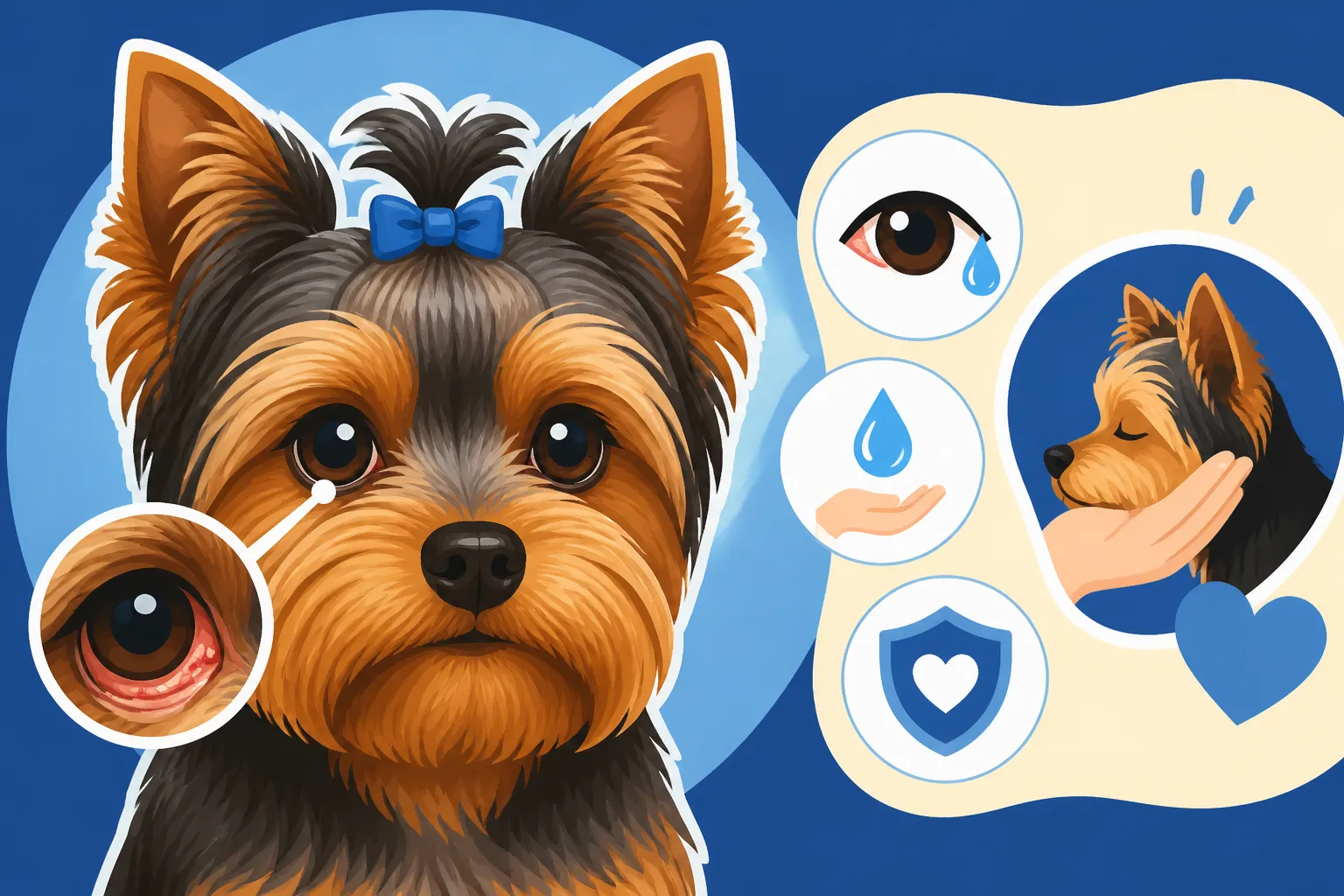
Yorkshire Terrier Dry Eye: Signs and Care
It’s truly heart-wrenching to see your beloved Yorkshire Terrier suffering from any discomfort, especially when it comes to their precious little eyes. Many Yorkie parents know the frustration of noticing their furry friend's eyes looking red, watery, or just plain irritated, but they might not realize these seemingly minor issues could be signs of a more serious condition: dry eye, medically known as keratoconjunctivitis sicca (KCS). This comprehensive guide is here to walk you through understanding this common Yorkie ailment, recognizing its signs, exploring the care and treatment options available, and helping you manage it effectively so your little companion can live their happiest, most comfortable life.
Understanding Yorkshire Terrier Dry Eye
Dry eye is more than just a minor inconvenience; it’s a chronic, often painful condition that can significantly impact your Yorkie's quality of life if left untreated. For us Yorkie lovers, understanding the nuances of this condition is the first step toward providing the best care.
What Exactly is Dry Eye in Yorkies?
At its core, dry eye, or KCS, means your Yorkie's eyes aren't producing enough tears, or the tears they do produce aren't of the right quality to adequately lubricate and protect the eye. Think about how uncomfortable your own eyes feel when they're dry and gritty – now imagine that feeling all the time. Tears do so much more than just keep the eyes moist; they also contain antibodies and enzymes that fight infection, and they carry away debris, keeping the cornea clear and healthy. When the tear film is compromised, the surface of the eye, particularly the cornea, becomes inflamed, irritated, and vulnerable. This can lead to a host of problems, from chronic discomfort to serious corneal damage and even vision impairment. It's a condition that sadly affects many breeds, and our little Yorkshire Terriers are, unfortunately, quite susceptible. For a broader look at canine eye issues, you might find our guide on Yorkie Eye Problems Explained helpful.
Why Yorkies are Prone to This Condition
Our adorable Yorkies, like many small breeds, have certain genetic predispositions that make them more likely to develop KCS. While it's not always a straightforward genetic link, it's often an immune-mediated disease. This means your Yorkie's own immune system mistakenly attacks and destroys the tear-producing glands, primarily the lacrimal glands. This autoimmune response reduces tear production over time, leading to the tell-tale signs of dry eye. Beyond genetics, other factors can contribute. Certain medications, especially sulfa drugs, can temporarily or permanently reduce tear production. General anesthesia can also sometimes cause a temporary decrease in tear production, though this usually resolves. Sometimes, chronic inflammation from allergies or other eye conditions can also lead to secondary KCS. It’s a complex issue, but knowing that it’s common in the breed helps you stay vigilant.
Recognizing the Signs and Symptoms
Catching dry eye early can make a huge difference in managing the condition and preventing long-term damage. It often starts subtly, mimicking other minor eye irritations, which can make it tricky to identify without a vet's expertise.
Early Indicators You Might Miss
Initially, your Yorkie might just seem a little bit "off" with their eyes. You might notice them squinting slightly more than usual, especially in bright light. There could be a subtle increase in blinking, as if they're trying to clear something out of their eye. Their eyes might appear a little redder than normal around the whites or on the inner eyelids. Another early sign is a thin, clear or slightly whitish discharge that you might mistake for normal "sleepy dust." Don't dismiss these as just allergies or a stray eyelash. These small cues are your Yorkie's way of telling you something isn't quite right. It’s crucial to pay close attention to these minor changes, as early intervention can prevent the condition from worsening. If you're generally concerned about your Yorkie's health, our article on Signs Your Yorkshire Terrier Is Sick offers a good overview of what to look out for.
Advanced Symptoms and What They Mean
As dry eye progresses, the symptoms become more pronounced and harder to ignore. The lack of proper tear lubrication allows irritation and inflammation to fester, leading to a host of noticeable problems. You'll likely see a thick, stringy, yellowish or greenish discharge accumulating in the corners of their eyes, sometimes even sticking their eyelids together. This discharge is often a mix of mucus and inflammatory cells, as the dry eye causes the body to produce these as a compensatory, but ultimately unhelpful, measure. The whites of their eyes will be noticeably red and inflamed, and their cornea, the clear outer layer of the eye, might start to look dull, hazy, or even bluish.
In severe cases, you might observe blood vessels growing across the cornea, known as corneal vascularization, as the body tries to heal the irritated surface. Pigment can also deposit on the cornea, leading to dark spots (pigmentary keratitis), which can eventually impair vision. Your Yorkie will be in more obvious pain, rubbing their eyes, keeping them closed, or shying away from light. In the most severe, untreated cases, chronic corneal damage can lead to corneal ulcers, infections, and potentially irreversible vision loss. This is why understanding Yorkie Emergency Symptoms to Never Ignore is so important for all pet parents.
Diagnosing Dry Eye in Your Yorkshire Terrier
When you suspect dry eye, a prompt visit to your veterinarian is non-negotiable. They have the tools and expertise to accurately diagnose KCS and differentiate it from other eye conditions.
The Importance of a Vet Visit
It's tempting to try and self-diagnose or use over-the-counter eye drops, but with a condition as serious as dry eye, that's really not the best path for your Yorkie. Many eye conditions share similar symptoms, and only a veterinarian can properly assess the situation. What looks like dry eye could be an infection, an allergy, or even a corneal ulcer – and the wrong treatment can make things much, much worse. For example, some common over-the-counter eye drops can actually exacerbate dry eye or mask symptoms of a more serious underlying issue. Your vet will conduct a thorough eye exam and specific tests to pinpoint the problem. Knowing When to Take Your Yorkie to the Vet is crucial for their overall health.
Common Diagnostic Tests
The gold standard for diagnosing KCS is the Schirmer Tear Test (STT). This simple, non-invasive test measures tear production. A small, specialized strip of filter paper is gently placed inside your Yorkie's lower eyelid for one minute. The amount of moisture absorbed by the paper is then measured. Normal tear production in dogs is typically 15 millimeters or more per minute. If your Yorkie's STT result is consistently below 10 mm/min, it strongly suggests KCS. A result below 5 mm/min indicates severe dry eye.
Another common test is fluorescein staining. This involves applying a special orange dye to the eye, which adheres to areas where the cornea has been damaged or ulcerated. When viewed under a blue light, these damaged areas will glow green, helping your vet identify any corneal ulcers or abrasions that might have developed due to the dry eye.
Your vet may also check the intraocular pressure (IOP) using a tonometer to rule out glaucoma, another serious eye condition. While not directly diagnostic for KCS, it's a routine part of a comprehensive eye exam, especially when dealing with eye pain or redness. These tests, along with a careful visual examination, give your vet a clear picture of your Yorkie’s eye health and guide the appropriate treatment plan.
Comprehensive Care and Treatment Options
Once diagnosed, the good news is that dry eye in Yorkies is a manageable condition with consistent treatment. The goal is to stimulate tear production, replace missing tears, reduce inflammation, and prevent secondary infections and corneal damage.
Medical Management: Eye Drops and Medications
The cornerstone of dry eye treatment for Yorkies is usually a combination of topical medications. These often need to be administered diligently, sometimes several times a day, for the rest of your Yorkie’s life.
-
Tear Stimulants: The most common medications are cyclosporine (Optimmune is a popular brand) and tacrolimus. These immunosuppressant drugs work by suppressing the immune system's attack on the tear glands, thereby stimulating the glands to produce more natural tears. They are highly effective for many dogs and typically need to be applied twice daily. It can take a few weeks to several months to see the full effect, so patience and consistency are key. Your vet will monitor tear production with repeat STTs.
-
Artificial Tears: While tear stimulants work to increase natural tear production, artificial tears provide immediate lubrication and comfort. These drops or gels (e.g., Genteal, Refresh Optive, or specific veterinary formulations) help to wash away debris, protect the cornea, and soothe irritation. They are often used in conjunction with tear stimulants, especially in the initial stages or during flare-ups, and can be applied as often as needed throughout the day to keep the eyes moist. Some Yorkie parents even use these as their primary approach while waiting for prescriptions or for milder cases.
-
Anti-inflammatory Medications: Sometimes, topical corticosteroids or non-steroidal anti-inflammatory drugs (NSAIDs) are prescribed to reduce the inflammation and discomfort associated with dry eye. These are used cautiously, especially if corneal ulcers are present, as steroids can hinder corneal healing.
-
Antibiotics: If a secondary bacterial infection has developed due to the compromised tear film, your vet might prescribe topical antibiotic eye drops or ointments to clear the infection. This is particularly important if there’s a thick, colored discharge or signs of a corneal ulcer.
Administering eye drops can be a challenge with a wiggly Yorkie, but consistency is critical. Finding a comfortable position for your dog, offering plenty of praise and treats, and making it a routine part of their day can help. For tips on managing various eye conditions, you might want to read our article on Yorkie Eye Discharge: Causes.
Surgical Interventions
For a small percentage of Yorkies whose dry eye is severe and unresponsive to medical management, surgical options might be considered. The most common procedure is called parotid duct transposition. In this surgery, the parotid salivary duct, which normally releases saliva into the mouth, is surgically redirected to release its secretions into the eye. Essentially, it uses saliva to lubricate the eye instead of tears. This is a complex surgery, usually performed by a veterinary ophthalmologist, and it's not without its potential complications, such as mineral deposits in the eye from the saliva. It is typically a last resort for chronic, unresponsive cases.
Holistic Approaches and Supportive Care
While not a substitute for veterinary medical treatment, some holistic approaches and supportive care measures can complement conventional therapies and improve your Yorkie's comfort.
- Omega-3 Fatty Acids: Supplements containing Omega-3 fatty acids (like fish oil) can have anti-inflammatory properties that may help improve tear quality and reduce ocular surface inflammation. Always discuss supplements with your vet to ensure appropriate dosage and suitability for your Yorkie.
- Humidifiers: In dry environments, especially during winter months when indoor heating is on, using a humidifier in the rooms where your Yorkie spends most of their time can add moisture to the air and help prevent tears from evaporating too quickly, offering some relief.
- Good Hygiene: Keeping the area around your Yorkie's eyes clean is vital. Gently wiping away discharge with a soft, damp cloth or a vet-approved eye cleaner (like those mentioned in Best Eye Cleaner for Yorkies) can prevent buildup and secondary skin irritation. Regular grooming, including trimming hair around the eyes, can also help keep irritants away.
Living with and Managing Your Yorkie's Dry Eye Long-Term
Managing dry eye is a lifelong commitment, but with dedication and consistency, your Yorkie can live a comfortable, happy life. It requires integrating a strict care routine into your daily schedule.
Creating a Daily Eye Care Routine
A consistent daily routine is paramount for managing KCS. This often involves administering eye drops two or more times a day, every single day. Missing doses can lead to flare-ups, increased discomfort, and potential corneal damage.
- Timing is Everything: Try to administer drops at the same times each day to establish a predictable routine for your Yorkie. For example, first thing in the morning and right before bed can work well. If multiple types of drops are prescribed, ask your vet about the correct order and spacing between them (typically 5-10 minutes between different drops to allow each to absorb).
- Technique Matters: Gently hold your Yorkie's head, lift their upper eyelid slightly, and squeeze the prescribed number of drops directly onto the eye's surface. Avoid touching the dropper to the eye to prevent contamination. Afterward, gently hold their eye closed for a moment to help distribute the medication. Rewarding them with a small treat and praise after each application can make the experience more positive for both of you.
Maintaining a clean environment and regularly trimming the hair around your Yorkie's eyes will also help prevent additional irritation and infection. For more detailed instructions on cleaning your Yorkie's eyes, refer to our article on How to Groom a Yorkie's Eyes.
Preventing Complications and Monitoring Progress
Regular follow-up appointments with your veterinarian are essential. Your vet will likely recommend repeat Schirmer Tear Tests to monitor the effectiveness of the treatment and adjust medication dosages as needed. Early detection and consistent treatment help to prevent the serious complications of dry eye, such as corneal ulcers, chronic pain, and permanent vision loss.
- Recognizing Flare-ups: Even with consistent treatment, your Yorkie might experience occasional flare-ups where symptoms worsen. This could be due to environmental factors (like very dry air), stress, or simply the chronic nature of the disease. Learn to recognize these signs – increased redness, thicker discharge, more squinting – and contact your vet promptly. They might recommend temporary adjustments to medication or additional supportive care.
- Long-term Health: Managing dry eye is part of a broader strategy for keeping your little one healthy. This involves a balanced diet, regular exercise, and preventative care. Our comprehensive guide on How to Keep a Yorkshire Terrier Healthy delves into many aspects of ensuring your Yorkie's well-being.
The Emotional Toll and Financial Considerations
Living with a pet who has a chronic condition like dry eye can take an emotional toll on pet parents. Seeing your Yorkie in discomfort is tough, and the daily commitment to medication can feel overwhelming at times. It’s okay to feel that way. Remember that your dedication makes a huge difference in their quality of life.
Financially, the cost of ongoing eye medications can add up over time. Topical cyclosporine or tacrolimus drops are specialized medications and can be pricey, especially when needed for a lifetime. This is where pet insurance can be an absolute lifesaver. Many pet insurance providers, such as Healthy Paws, offer coverage for chronic conditions like KCS, which can significantly alleviate the financial burden of lifelong medication and veterinary visits. When considering pet insurance, always read the fine print regarding chronic conditions and pre-existing conditions. Understanding your Yorkshire Terrier Vet Costs and Health Budget is a practical step every Yorkie owner should take.
Here's a quick comparison of common medical treatments for dry eye:
| Treatment Type | Mechanism of Action | Frequency (Typical) | Benefits | Considerations |
|---|---|---|---|---|
| Cyclosporine | Immunosuppressant, stimulates tear production | Twice daily | Increases natural tear production, reduces inflammation | Lifelong use, takes time to show full effect, prescription only |
| Tacrolimus | Stronger immunosuppressant, stimulates tear production | Twice daily | Effective for unresponsive cases, stimulates tears | Lifelong use, prescription only, can be more costly |
| Artificial Tears | Provides lubrication, washes debris | As needed (several times daily) | Immediate comfort, protects cornea | Does not stimulate natural tear production, temporary relief |
| Antibiotics (topical) | Treats secondary bacterial infections | As prescribed | Clears infection, prevents complications | Only used if infection present, vet prescribed |
| Anti-inflammatories (topical) | Reduces inflammation and pain | As prescribed | Provides comfort, reduces swelling | Cautious use with corneal ulcers, vet prescribed |
This information should help you discuss treatment options with your vet more effectively. Don't hesitate to ask questions and seek clarification on any aspect of your Yorkie's care. Your vet is your best partner in managing this condition, and pet insurance like Healthy Paws can be a valuable tool to support their care financially.
Ultimately, managing Yorkshire Terrier dry eye is about commitment, observation, and partnership with your veterinarian. By staying vigilant for the signs, understanding the diagnostic process, and diligently administering treatment, you can help your beloved Yorkie maintain their eye health and comfort for many years to come.
Disclaimer
This article provides general information and is not a substitute for professional veterinary advice. Always consult with a qualified veterinarian for any health concerns or before making any decisions about your pet's medical care.