How to Fix a Yorkie Chewing Shoes
Oh, the familiar horror of walking into your living room, only to find your favorite pair of sneakers looking like they've gone ten rounds with a miniature shredder. If you're a Yorkshire Terrier parent, you've likely experienced the unique frustration of discovering your beloved Yorkie has decided your expensive shoes make the perfect chew toy. It's not just about the ruined footwear; it's about understanding why your tiny terror is doing this and, more importantly, how to put a stop to it before your entire shoe collection becomes a casualty. This guide is here to walk you through the common reasons behind this shoe-munching habit and give you actionable, empathetic strategies to protect your belongings and guide your Yorkie toward more appropriate chewing.
Unpacking Why Your Yorkie Chews Your Shoes
Before you can fix the problem, you really have to understand the root cause. Yorkies aren't just being naughty for the sake of it; there's always a reason for their behavior, especially when it comes to something as instinctual as chewing. It’s easy to get frustrated, but once you pinpoint the "why," you can apply the "how" much more effectively.
Teething and Puppy Exploration
Puppyhood is a prime time for chewing. Just like human babies, Yorkie puppies experience discomfort when their adult teeth are coming in, typically between 3 and 7 months of age. Their gums hurt, and chewing provides a natural way to relieve that pressure and pain. At this stage, they don't know the difference between a designated chew toy and your brand new leather boots. All they know is that chewing feels good.
Beyond pain relief, puppies use their mouths to explore the world around them. Everything new is an opportunity to mouth, taste, and chew. Your shoes carry your unique scent, making them particularly enticing targets. They're often soft enough to gnaw on, yet sturdy enough to provide satisfying resistance, which is exactly what a teething puppy is looking for. Guiding them to appropriate chew items during this crucial stage is absolutely vital. For a broader perspective on their early health, you might find a good overview in a Yorkshire Terrier Puppy Health Guide.
It’s important not to misinterpret this natural puppy behavior as malicious. It's an instinctive drive. The goal isn't to punish the chewing but to redirect it effectively. If you catch them in the act, a firm but calm "no" followed immediately by offering a preferred chew toy is far more effective than scolding them later when they won't understand what they did wrong. Consistency and patience are your best friends here.
Boredom and Lack of Mental Stimulation
Yorkies might be small, but they are incredibly intelligent and surprisingly energetic little dogs. A bored Yorkie is, more often than not, a destructive Yorkie, plain and simple. If they're not getting enough physical exercise or mental enrichment, they'll inevitably find their own "entertainment," and often, that comes in the form of chewing on forbidden items. Your shoes, with their interesting textures and your comforting scent, become an easy, irresistible target.
Imagine being stuck in a small space with absolutely nothing to do. You’d probably get restless and start looking for something to occupy yourself, even if it’s just fiddling with a pen or tapping your foot. For a Yorkie, this often means turning to household items. They don't have access to your favorite streaming services, so your sneakers become their prime time show. A lack of daily walks, interactive playtime, or engaging puzzle toys can quickly lead to unwanted chewing habits. This is a common aspect of Yorkshire Terrier Behavior Problems and Solutions.
This isn't about blaming you, but sometimes life gets busy, and we might not realize how much mental and physical stimulation our little companions truly need. Understanding that chewing can often be a cry for more engagement is vital. Providing stimulating toys, short, fun training sessions, or even just 15-20 minutes of dedicated play can make a world of difference. Think about it – would you rather they chew on a durable Kong filled with peanut butter or your designer heels? The choice seems pretty clear!
Anxiety and Stress Behaviors
Just like people, Yorkies can experience anxiety, and chewing can be a powerful self-soothing mechanism, helping them cope with feelings of stress, fear, or loneliness. Separation anxiety is a particularly common culprit in toy breeds, where a dog becomes highly distressed when left alone. This can manifest in various destructive behaviors, including chewing on items that smell strongly of their owner – like shoes.
If your Yorkie only chews shoes when you're gone, or exhibits other signs of distress like excessive barking, pacing, destructive digging, or even house-soiling around the same time, anxiety is a strong possibility. The familiar scent on your shoes can be comforting in your absence, and the physical act of chewing can release endorphins, helping them to calm down, even if only temporarily. This is why understanding Yorkshire Terrier Separation Anxiety Solutions is so incredibly important for Yorkie parents.
Addressing anxiety requires a multi-faceted approach. It’s not just about stopping the chewing, but about addressing the underlying emotional distress. This might involve gradually increasing alone time through desensitization exercises, creating a safe and comfortable "den" area within their crate, or even consulting with a veterinarian or professional behaviorist for more severe cases. Simply punishing the chewing won't solve the anxiety; in fact, it could potentially make it much worse.
Attention Seeking
Yorkies are incredibly smart, and they quickly learn what gets your attention. If they chew on their own designated toys and you hardly notice, but the moment they pick up your shoe, you drop everything to chase or scold them, they've just learned a valuable (to them) lesson: chewing your shoes gets a reaction. Even negative attention is still attention, and for some dogs, that's far better than being ignored.
This behavior often starts subtly. Perhaps they nudged a shoe, you gently pushed them away, and it escalated from there. Soon, they're grabbing a shoe and parading it around, deliberately waiting for you to react. It’s a classic case of inadvertent reinforcement. We don't mean to encourage it, but our immediate, high-energy responses can inadvertently teach them that this is a brilliant way to get us to notice them.
The key here is to ignore the unwanted behavior (as long as they aren't destroying something irreplaceable or dangerous, and only if you're sure it's for attention) and heavily reward appropriate chewing. If they pick up their own toy, praise them enthusiastically and give them a high-value treat. When they go for a shoe, try a calm "leave it" command and immediately redirect their focus to an approved toy. Consistency is paramount, or you’ll quickly find yourself in a constant, frustrating battle for attention. Learning How to Teach a Yorkie to Leave It can be an incredibly helpful tool in your training arsenal.
Access and Opportunity
Let's be honest, sometimes the simplest explanation is the most accurate one: your Yorkie chews shoes because they can. If shoes are left strewn across the floor, near their bed, or in easily accessible areas like an open closet, they are simply too tempting for a curious canine. An open door to a closet filled with appealing scents, textures, and new discoveries is an irresistible invitation for a mischievous Yorkie to explore.
Unlike larger breeds, a Yorkie can easily sneak into small spaces, under furniture, or quickly grab an item before you even notice what they're up to. They don't understand the monetary value or sentimental attachment you have to your footwear. To them, it's just another interesting object. If it’s within reach, it's fair game. This often boils down to effective environmental management, which is a key part of preventing many undesirable behaviors.
This isn't about blaming you, but rather acknowledging that prevention is often much easier than correction. If your shoes aren't available, they simply cannot be chewed. This might seem obvious, but in the hustle and bustle of daily life, it's easy to forget to pick up that stray flip-flop. We’ll delve into environmental management more later, but simply putting shoes away is the absolute first step.
Immediate Interventions to Halt Shoe Chewing
Once you have a better idea of why your Yorkie might be targeting your footwear, it's time to put some immediate, actionable steps into practice. These are the strategies you can implement right away to stop the destruction in its tracks.
Master the Art of Redirection
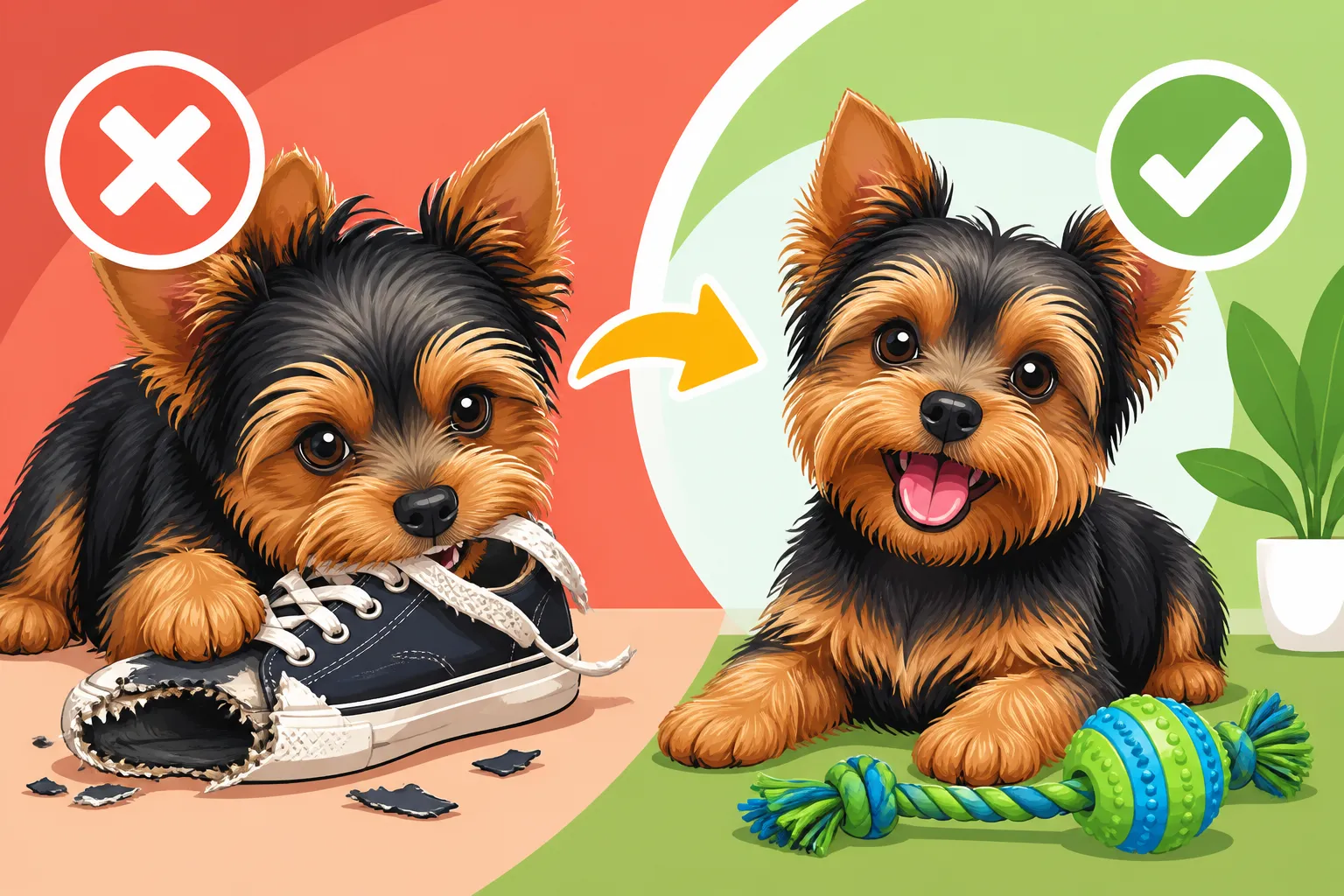
When you catch your Yorkie heading for a shoe or, even worse, already happily gnawing on one, avoid yelling, chasing them, or making a big scene. This can easily turn it into a fun game for them, or scare them, potentially leading to more secretive chewing in the future. Instead, calmly approach them, make a gentle noise like a clap or a soft "eh-eh" to interrupt their focus, and immediately offer an appropriate, highly appealing chew toy.
The goal here is to make the approved chew toy far more interesting and rewarding than the shoe. If they drop the shoe and take the toy you offer, immediately shower them with enthusiastic praise and a high-value treat. This teaches them that letting go of the forbidden item for the right item results in wonderful things for them. Repeat this consistently every single time you see them go for a shoe, even if it feels like you're doing it constantly.
Keep a variety of enticing chew toys readily available around the house, in every room your Yorkie has access to. If their favorite toy is always within reach, they’re far more likely to choose it over your footwear. Consider rotating their toys every few days to keep things fresh and exciting, preventing boredom with the same old rubber bone. You can find many excellent options for Best Toys for Yorkshire Terriers on platforms like Amazon, offering a huge selection to ensure you have plenty of attractive alternatives.
Employ Safe and Effective Deterrents
Sometimes, redirection isn't enough, especially when you can't supervise your Yorkie 24/7. This is where taste deterrents can come in handy. Products like bitter apple spray, Grannick's Bitter Apple, or other safe, unpleasant-tasting sprays can be applied directly to shoes you want to protect. The idea is to make the shoes taste so awful that your Yorkie quickly learns they aren't worth the effort of chewing.
Always, always do a patch test on an inconspicuous area of your shoe first to ensure the spray won't stain or damage the material. Once you've confirmed it's safe, lightly spray the areas your Yorkie tends to chew. The unpleasant taste, not punishment, teaches them to leave the shoes alone. Remember, this isn't a magical fix; it works best in conjunction with consistent redirection and providing plenty of appropriate chew alternatives.
While these sprays are generally safe for pets, always choose a reputable brand and follow the instructions carefully. Some Yorkies are more determined than others, and a particularly stubborn chewer might power through the bitter taste. If that’s the case, you'll need to double down on environmental management and redirection, as some dogs simply aren't deterred by taste alone.
Leverage Crate Training and Supervised Play
When you can't actively supervise your Yorkie, a crate or a designated, puppy-proofed area (like a playpen) can be an absolute lifesaver for your shoes and your sanity. A crate, when introduced properly and made into a positive, safe space, is not a punishment. It's a secure den where your Yorkie can relax with appropriate toys without having access to your precious shoes or other household items. This is a fundamental aspect of a comprehensive Yorkshire Terrier Crate Training Guide.
For short periods, especially if you're stepping out of the house, taking a shower, or busy with chores, placing your Yorkie in their crate with a mentally stimulating chew toy (like a Kong filled with frozen peanut butter or a puzzle toy) prevents unsupervised destruction. It effectively eliminates the opportunity for them to chew on forbidden items, thereby breaking the habit of shoe-chewing. This is particularly useful for preventing How to Stop a Yorkie from Chewing Furniture too.
The key to successful crate training is consistency and positive association. Never use the crate as punishment. Always make it a comfortable, inviting space with soft bedding, water, and appealing toys. When your Yorkie is out of the crate, ensure they are actively supervised. Use a leash indoors if necessary, or keep them in the same room as you so you can intervene the moment they show interest in a shoe. This proactive supervision, paired with appropriate containment, drastically reduces opportunities for unwanted chewing.
Long-Term Strategies for a Chew-Free Home
Once you’ve put immediate interventions in place, it’s time to think about sustainable, long-term solutions. These strategies address the underlying needs of your Yorkie and aim to prevent future incidents, creating a peaceful coexistence between your pet and your shoe collection.
Establishing a Robust "Chew Toy" Protocol
The cornerstone of preventing shoe-chewing long-term is providing a vast and varied arsenal of appropriate chew toys. Yorkies need to chew; it's a natural, healthy behavior that helps keep their teeth clean and provides mental and physical exercise. Your job is to ensure they always have something acceptable, safe, and exciting to gnaw on. Think about offering a variety of textures: durable rubber, rope toys (with supervision), dental chews, and hard nylon bones. Regularly rotate them to keep your Yorkie interested and prevent boredom.
Introduce new toys frequently, especially if you notice their interest waning in older ones. Some Yorkies prefer softer, plush toys for comfort, while others crave the challenge of a durable Nylabone or a puzzle toy. Consider interactive toys that dispense treats, which also provide excellent mental stimulation. Always make sure all toys are appropriately sized for your Yorkie to prevent choking hazards, as their small size can make certain toys risky.
The trick is making these authorized chew items infinitely more appealing than your shoes. Regularly stuff Kongs with delectable, healthy treats or frozen peanut butter. Engage in play sessions where you actively use the chew toys with your Yorkie, making them fun and interactive. The more positive experiences they associate with their own toys, the less appealing your shoes will become. This proactive approach can help with general How to Stop Yorkie Chewing of all kinds, not just shoes.
Prioritizing Exercise and Mental Engagement
As we discussed earlier, boredom is a massive trigger for destructive chewing. Yorkies, despite their small stature, have surprisingly high energy levels and keen minds. A simple stroll around the block might not be enough to satisfy them. They need consistent opportunities to burn off physical energy and engage their brains. Regular, brisk walks, supervised playdates with other small, friendly dogs, or even energetic indoor fetch sessions can do wonders for their overall behavior.
Beyond physical activity, mental stimulation is paramount. Incorporate short, fun training sessions into your daily routine. Teaching new tricks, practicing obedience commands like "sit," "stay," and "down," or even just working on simple puzzle toys can tire out a Yorkie’s mind just as effectively as a long walk tires their body. Apps and online courses, such as those offered by BAXTER & Bella, can provide structured training programs to keep things interesting and progressive.
A well-exercised and mentally satisfied Yorkie is far less likely to resort to chewing shoes out of sheer boredom or excess energy. Think of it as preventative medicine for their behavior. Establishing a consistent Yorkshire Terrier Daily Care Routine that includes plenty of playtime and mental challenges will be beneficial for their overall well-being and, of course, your pristine shoe collection.
Reinforcing Positive Behaviors Through Training
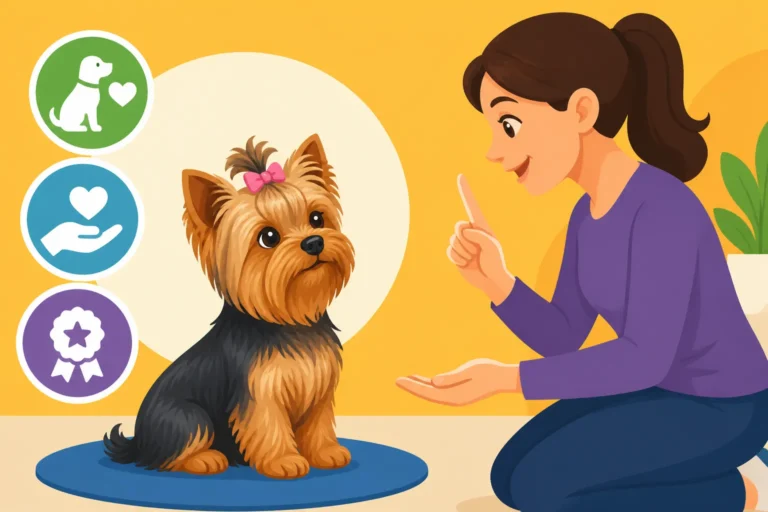
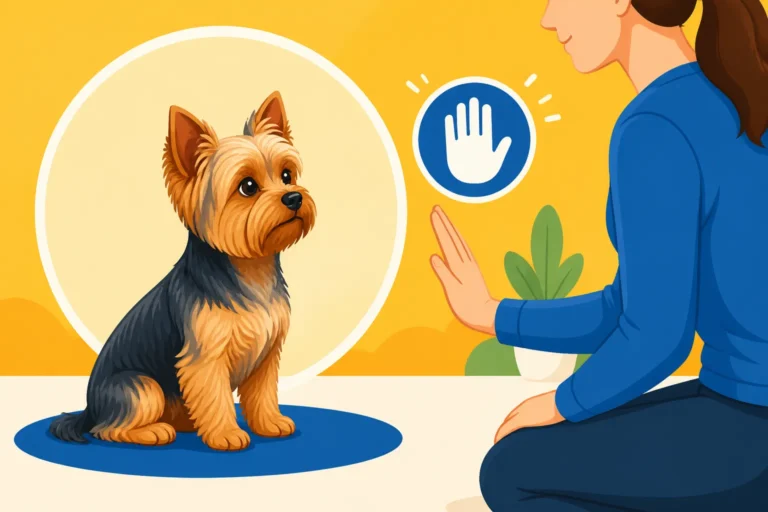
Training isn't just for puppies; it’s an ongoing process that builds a strong bond between you and your Yorkie and establishes clear communication. Teach your Yorkie basic commands like "leave it" and "drop it" using high-value rewards. These commands are invaluable when you spot them showing interest in an inappropriate item. When they obey, reward them generously with praise, a treat, or a favorite toy.
Always focus on positive reinforcement. When your Yorkie chews on an appropriate toy, praise them lavishly, give them a treat, or engage in a brief play session. The more you reward the behaviors you want to see, the more those behaviors will occur. Crucially, avoid punishment for finding a chewed shoe after the fact, as they won't connect the punishment to the act, only to your presence, which can erode trust and make them fearful.
If you're struggling, consider enrolling in a local obedience class or exploring reputable online training resources. A structured program can help you and your Yorkie learn effective communication techniques and tackle specific challenges. Remember, consistency across all family members is key. Everyone in the household needs to use the same commands and reward system to avoid confusing your Yorkie. Many people find success with comprehensive programs that guide them step-by-step, helping them avoid Yorkie Training Mistakes to Avoid.
Implementing Strict Environmental Management
The simplest and often most effective long-term strategy is to remove temptation. If your Yorkie can't access your shoes, they simply cannot chew them. This means developing a solid habit of putting all shoes away immediately after you take them off. Use shoe racks, closets with doors that latch, or lidded storage bins. It might feel like a chore at first, but it quickly becomes second nature and saves you a lot of heartache (and money) in the long run.
Extend this concept to other potentially tempting items around your home. Keep dirty laundry in hampers with secure lids, pick up magazines or books that might look interesting to chew, and secure any electrical cords. Think like a Yorkie: what could they get into? Proactively puppy-proof your home, even if you have an adult Yorkie, especially in areas where they spend unsupervised time. This is a vital component of any Yorkie Puppy Starter Kit Essentials and continues to be important throughout their lives.
Consistency in environmental management cannot be overstated. One lapse, one forgotten shoe left on the floor, can set back weeks of training. If your Yorkie successfully gets a shoe and chews it, even once, it reinforces the behavior and tells them that sometimes, it's still possible to get that forbidden treat. Make it a household rule: shoes go away. Period. This prevents the opportunity for bad habits to form or be reinforced, making your training efforts far more effective.
Common Yorkie Chewing Triggers and Solutions
| Chewing Trigger | Common Signs | Immediate Solution | Long-Term Solution |
|---|---|---|---|
| Teething | Puppy (2-6 months), sore gums, indiscriminately gnawing everything | Redirect to cold/frozen chew toys; offer soothing rubber chews | Provide a constant variety of appropriate dental chews and textures |
| Boredom | Chews when unsupervised, lack of daily activity, easily distracted | Interrupt and redirect to engaging puzzle toys or a vigorous play session | Increase daily exercise, mental games, structured playtime; toy rotation |
| Anxiety | Chews when alone, other separation behaviors (barking, pacing, house-soiling) | Calming chews, comforting scent (e.g., your worn t-shirt), gentle reassurance | Gradual desensitization to alone time, vet/behaviorist consult if severe |
| Attention Seeking | Chews in your presence, looks for a reaction, brings item to you | Calmly interrupt, ignore the unwanted behavior, immediately reward good chewing | Consistently reward appropriate toy use, ignore unwanted attention-seeking |
| Opportunity | Chews easily accessible items (shoes left on floor, open closet) | Remove shoes from reach immediately, use bitter spray on tempting items | Strict environmental management, consistent crate/playpen use when unsupervised |
Integrating Professional Help and Continuous Learning
Even with the best intentions and consistent effort, some Yorkie behaviors can be particularly challenging to manage on your own. Knowing when and how to seek additional support is not a sign of failure, but rather a sign of a responsible and loving pet parent dedicated to their dog's well-being.
When to Consult a Veterinarian or Behaviorist
If your Yorkie's shoe-chewing is severe, persistent despite your best efforts, or accompanied by other concerning behaviors like excessive vocalization, self-mutilation (licking or chewing themselves raw), or a sudden loss of appetite, it’s always wise to rule out underlying medical issues first. Sometimes, pain, dental problems (beyond normal teething), or gastrointestinal discomfort can manifest as destructive chewing as a way for your dog to cope. A thorough vet check-up is a crucial first step to ensure your little one is physically healthy. You can learn more about when to worry in articles like Yorkshire Terrier Health Problems to Know or When to Take Your Yorkie to the Vet.
If health issues are ruled out, a certified professional dog trainer or veterinary behaviorist can offer tailored strategies. They can observe your Yorkie's behavior in their natural environment, identify specific triggers you might be missing, and develop a customized behavior modification plan. This is especially beneficial for deep-rooted anxiety, fear-related chewing, or any form of aggression. Don't feel like a failure for seeking help; it's an investment in your Yorkie's well-being and your peace of mind.
These experienced professionals can introduce advanced techniques, help you better understand canine body language, and guide you through positive reinforcement strategies that you might not have considered on your own. They often bring a fresh perspective and can identify subtle cues you might be overlooking. Many reputable trainers and behaviorists now offer virtual consultations, making it easier to access expert advice from the comfort of your home.
Utilizing Online Resources and Training Programs
The internet is brimming with valuable resources for dog training, but it's essential to choose reputable sources that align with positive reinforcement principles. Look for trainers and programs that advocate humane, force-free methods. There are numerous online courses, webinars, and supportive communities dedicated to specific behavioral challenges, including destructive chewing.
Programs like BAXTER & Bella, for example, offer comprehensive online puppy and dog training programs that cover everything from basic obedience to managing problem behaviors. These platforms often provide structured lessons, video tutorials, and sometimes even access to trainers for personalized support and feedback. They can be a cost-effective and flexible way to learn at your own pace, providing guidance that many dog owners find invaluable.
Beyond formal programs, well-regarded YouTube channels from certified professional dog trainers, insightful dog training blogs, and breed-specific forums can provide a wealth of tips and tricks. Just be critical about the advice you receive, prioritizing methods that are humane, force-free, and focus on building a positive, trust-based relationship with your Yorkie. Continual learning about your Yorkie's needs and behaviors, such as their Yorkshire Terrier Temperament and Personality, will always empower you to be a more effective and understanding pet parent.
Disclaimer
The information provided in this guide is intended for general educational purposes only and should not replace professional veterinary advice. Always consult with a qualified veterinarian or certified professional dog trainer for any concerns regarding your Yorkshire Terrier's health or behavior.