Yorkshire Terrier Puppy Health Guide
Bringing a Yorkshire Terrier puppy home is an incredibly exciting time, full of tiny barks, playful nips, and endless cuddles. However, beneath all that adorable fluff lies a delicate system, and many new Yorkie parents worry constantly about their little one's well-being. It's completely normal to feel overwhelmed by the sheer responsibility of keeping such a tiny creature healthy and happy, especially with so many potential pitfalls for puppies. This comprehensive guide is here to walk you through everything you need to know about ensuring your Yorkshire Terrier puppy thrives, from their first vet visit to common health challenges, preventative care, and understanding when it's time to seek professional help.
Welcoming Your Yorkie Puppy Home: First Health Considerations
The moment your new Yorkshire Terrier puppy steps paw into your home, your journey as a responsible pet parent truly begins. This initial period is critical for establishing good health habits and getting a baseline understanding of your puppy's physical condition. Don't underestimate the importance of these first few days and weeks. It's not just about playtime; it's about setting them up for a long, vibrant life.
The Critical Importance of the Initial Vet Visit
Even if your puppy comes from a reputable breeder with all their initial shots and health clearances, scheduling a vet visit within the first 48-72 hours of bringing them home is non-negotiable. This isn't just a suggestion; it's often a requirement of health guarantees provided by responsible breeders. This initial check-up serves several crucial purposes: it allows an objective third-party professional to assess your puppy's overall health, confirm existing vaccinations and deworming, and establish a medical history before any potential issues escalate. Think of it as your puppy's first official "welcome to the world" health screening.
A good veterinarian will perform a thorough physical examination, checking everything from nose to tail. They'll listen to the heart and lungs, examine the eyes and ears, check the teeth and gums, palpate the abdomen, and assess joint health. This comprehensive overview helps catch any subtle signs of illness or congenital conditions that might not be immediately obvious to an untrained eye. For instance, a vet might detect a slight heart murmur or signs of an umbilical hernia that could require future attention. It also provides peace of mind for you, knowing that a professional has given your new family member a clean bill of health, or has identified areas that need monitoring. You can learn more about finding the right care for your new companion by reading our guide on How to Choose a Vet for a Yorkie.
What to Expect During the First Check-up
Your initial vet appointment will likely be a bit overwhelming for your tiny Yorkie puppy, so be prepared with a secure carrier and maybe a favorite blanket or toy for comfort. The veterinarian or vet technician will usually start by taking your puppy's weight and temperature. For a small breed like a Yorkshire Terrier, maintaining a healthy weight is absolutely crucial, especially in the early months. They'll also review all the health records you received from the breeder or rescue organization, including vaccination dates, deworming history, and any notes on the parents' health.
During the physical exam, the vet will be looking for signs of common puppy ailments. They'll check for parasites like fleas or mites, examine the skin and coat for any abnormalities, and assess your puppy’s gait for any limping or awkwardness, which could indicate developing orthopedic issues common in small breeds. This is also the perfect opportunity to discuss your puppy's diet, potty training progress, and any behavioral questions you might have. Your vet will guide you on the upcoming Yorkie Vaccination Schedule and future deworming protocols, ensuring your puppy receives all necessary protections against common diseases. Don't be shy about asking questions; this is your chance to build a relationship with your vet and feel confident about your puppy's care.
Understanding Breeder Health Guarantees and Records
A responsible and ethical Yorkshire Terrier breeder will always provide a health guarantee, often for a specific period after you take your puppy home (e.g., 48-72 hours for infectious diseases, or a longer period for genetic conditions). This guarantee is a vital safety net, assuring you that the puppy you’re receiving is healthy. It typically stipulates that you must have your puppy examined by a licensed veterinarian within that initial window to validate the guarantee. If the vet finds a serious, pre-existing health issue, the guarantee might cover a refund, a replacement puppy, or assistance with treatment costs.
Beyond the guarantee, comprehensive health records are another hallmark of a good breeder. These records should detail the puppy's birth date, parents' information, dates of any vaccinations administered (along with the vaccine type), deworming schedule, and any other medical treatments or observations. These documents are incredibly important for your new vet, as they provide a clear history and help prevent over-vaccination or incorrect treatment plans. Always keep these records in a safe place, alongside any pet insurance paperwork you might acquire. Reputable breeders are transparent and happy to discuss their health practices, genetic testing of parent dogs, and any potential health concerns within their lines.
Common Yorkshire Terrier Puppy Health Problems
Yorkshire Terrier puppies, despite their robust personalities, can be prone to certain health issues, some of which are more prevalent in their early months. Being aware of these potential problems isn't about fostering anxiety, but empowering you to recognize signs early and seek prompt veterinary care, which can make all the difference in a positive outcome.
Hypoglycemia Risk in Yorkie Puppies
Hypoglycemia, or dangerously low blood sugar, is one of the most serious and common health concerns for young Yorkshire Terrier puppies, especially those under five months of age or particularly tiny individuals. Their small bodies have less fat storage and can't regulate blood sugar as effectively as larger breeds or older dogs. This condition can come on quickly and be life-threatening if not addressed immediately. Symptoms can include lethargy, weakness, wobbling or disorientation, muscle tremors, seizures, and even unconsciousness. It’s truly terrifying to witness.
The primary cause is often insufficient food intake or prolonged periods without eating, coupled with high energy expenditure from playing or being stressed. A puppy might skip a meal due to stress from a new environment, a change in diet, or simply being too distracted. Over-handling or excessive exercise can also deplete their glucose reserves rapidly. If you suspect your Yorkie puppy is experiencing hypoglycemia, you need to act fast. Immediately rub a small amount of a high-sugar syrup (like Karo syrup, maple syrup, or even honey) onto their gums. This provides a quick sugar boost while you contact your vet or head to the nearest emergency clinic. Prevention is key: ensure your puppy eats frequent, small meals throughout the day and doesn't go too long without food, especially overnight. Our guide on Yorkshire Terrier Hypoglycemia: Signs and Care delves deeper into this critical issue.
Gastrointestinal Issues in Young Yorkies
Puppies are notorious for having sensitive stomachs, and Yorkies are no exception. Diarrhea, vomiting, and loss of appetite are common occurrences, but in a small puppy, they can quickly lead to dehydration and other complications. Stress from moving to a new home, dietary changes, parasites, or even simply eating something they shouldn't have, can all trigger GI upset. Intestinal parasites like giardia, coccidia, roundworms, and hookworms are particularly common in puppies and can cause severe symptoms. That's why regular deworming is so important.
Beyond parasites, a sudden change in diet can wreak havoc on a puppy's digestive system. If you're switching their food, do so gradually over several days. Food allergies or sensitivities can also manifest as GI problems, leading to chronic soft stools or recurrent vomiting. Ingesting foreign objects – given how curious puppies are and how small they are, almost anything can be a choking hazard or cause an intestinal blockage – is another serious concern. If your puppy has persistent vomiting, bloody diarrhea, or seems in significant pain, it's crucial to consult your vet immediately. Dehydration in tiny puppies can become severe very quickly, necessitating veterinary intervention.
Respiratory Concerns
While not exclusive to puppies, certain respiratory issues can become apparent or more serious in young Yorkshire Terriers. The most prominent one is tracheal collapse, a genetic predisposition in many toy breeds, including Yorkies. The trachea (windpipe) is made of cartilage rings, and in collapsed trachea, these rings weaken and flatten, making it difficult for air to pass through. While usually a condition that worsens with age, some puppies might show early signs, such as a dry, honking cough, especially when excited, pulling on their leash, or drinking water. A harness, rather than a collar, is highly recommended for Yorkies to prevent pressure on the delicate trachea. You can find more practical advice on How to Prevent Collapsing Trachea in Yorkies.
Another common, albeit less severe, respiratory concern is reverse sneezing. This often startling event involves the puppy rapidly and noisily inhaling, sounding like they're choking or having an asthma attack. While it looks alarming, it's usually harmless and short-lived, caused by irritants in the nasal passages or excitement. It's often compared to a human snorting. If your puppy experiences prolonged or frequent reverse sneezing, or if it's accompanied by other symptoms like lethargy or difficulty breathing, a vet visit is warranted to rule out more serious conditions. Always monitor your puppy's breathing, especially during play or excitement, and be aware of any persistent coughing or wheezing.
Congenital and Genetic Predispositions
Yorkshire Terriers, like many purebred dogs, have certain genetic predispositions that can manifest in puppyhood or later in life. Being aware of these allows for early screening and management. A reputable breeder will screen their breeding stock for these conditions, but it's still important for new owners to be informed.
Some common genetic conditions in Yorkies include:
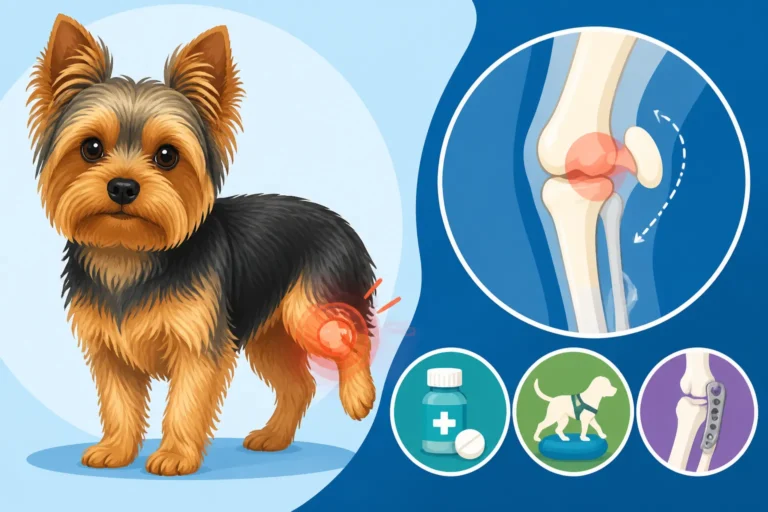
- Patellar Luxation: This is a condition where the kneecap (patella) slips out of its groove. You might notice your puppy skipping a step, holding a leg up, or having an intermittent lameness. While it can range from mild to severe, early detection can lead to management strategies to prevent worsening. Learn more about Yorkshire Terrier Patellar Luxation: Signs and Care.
- Portosystemic Shunt (Liver Shunt): A serious congenital condition where blood bypasses the liver, preventing toxins from being filtered. Symptoms can include poor growth, neurological issues (like head pressing or seizures), vomiting, and lethargy. This condition usually requires surgery.
- Legg-Calve-Perthes Disease: This affects the hip joint, causing the head of the femur to degenerate. It typically affects small breeds between 4 and 12 months of age, leading to pain and lameness.
- Dental Issues: While dental disease is more common in adult Yorkies, their small mouths can lead to overcrowding even as puppies, potentially causing problems early on.
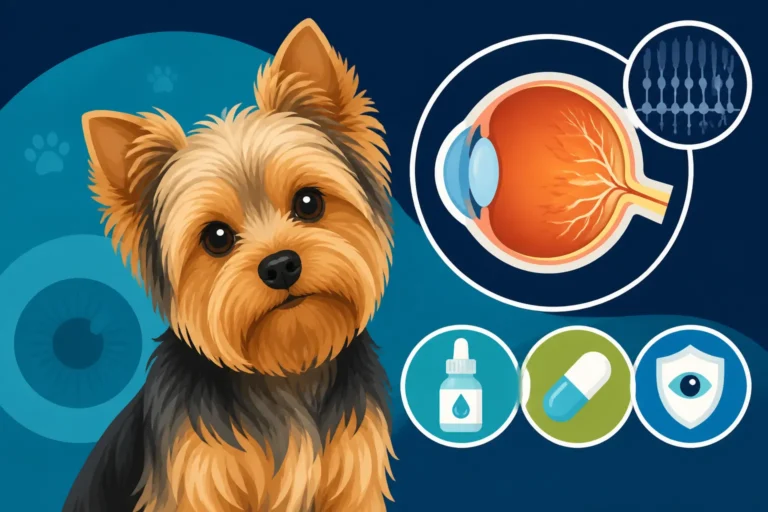
- Eye Problems: Conditions like cataracts or progressive retinal atrophy can also have a genetic component, though they may not show up until later.
It's crucial to have a vet thoroughly examine your puppy for these conditions during initial check-ups. Responsible breeders should be transparent about their dogs' genetic testing results for these and other inherited conditions. Knowing your puppy’s family history can also provide valuable insights into potential future health concerns.
Preventative Care: Building a Strong Foundation
Preventative care is the bedrock of your Yorkshire Terrier puppy's long-term health. It’s far easier, and often less costly, to prevent diseases and health problems than to treat them once they’ve taken hold. Establishing a strong preventative routine from day one is one of the best gifts you can give your furry companion.
Essential Vaccination Schedule
Vaccinations are absolutely critical for protecting your Yorkie puppy from a host of dangerous and potentially fatal infectious diseases. Puppies receive maternal antibodies from their mother's milk, but these wane over time, leaving them vulnerable. A series of vaccinations is needed to build their own immunity. Your vet will outline a specific vaccination schedule, but generally, puppies receive a series of shots starting around 6-8 weeks of age and continuing every 3-4 weeks until they are 16 weeks old.
The core vaccines for puppies typically include Distemper, Adenovirus (Hepatitis), Parvovirus, and Parainfluenza (often combined as DHPP or DAPP). Rabies vaccination is usually given as a single shot around 12-16 weeks of age, as it is legally required in most areas. Depending on your puppy's lifestyle and local risks, your vet might also recommend non-core vaccines like Leptospirosis, Bordetella (kennel cough), or Lyme disease. It’s important to complete the entire series, as incomplete vaccinations leave your puppy unprotected. Avoid taking your puppy to dog parks or heavily trafficked public areas until they are fully vaccinated, as their immune systems are still developing. For a detailed breakdown, check out our resource on Yorkie Vaccination Schedule.
Parasite Prevention: Deworming and Flea/Tick Control
Parasites, both internal and external, are a major threat to puppy health. Almost all puppies are born with or acquire intestinal worms from their mother. These worms can cause poor growth, vomiting, diarrhea, a pot-bellied appearance, and in severe cases, even death. Therefore, regular deworming is an essential part of puppy care. Most puppies begin a deworming regimen around 2-3 weeks of age and continue every 2-4 weeks until they are 12-16 weeks old. Your vet will recommend a suitable dewormer based on your puppy's age and local parasite prevalence. A stool sample will often be checked to ensure the deworming is effective.
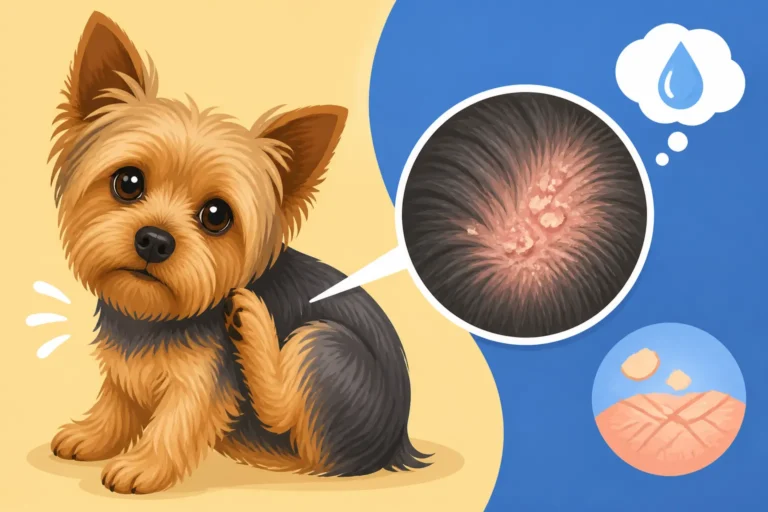
External parasites like fleas and ticks are not just itchy nuisances; they can transmit diseases and cause severe skin irritation or even anemia in tiny puppies. Flea allergy dermatitis is common, and ticks can transmit diseases like Lyme disease or Ehrlichiosis. Your vet can recommend safe and effective flea and tick prevention products suitable for young puppies, such as oral medications or topical treatments. Always consult your vet before using any over-the-counter products, as many are not safe for very young or small dogs. Regular preventative measures are crucial to keep your Yorkie puppy healthy and comfortable.
Early Dental Care Practices
You might think dental care is just for adult dogs, but starting early with your Yorkshire Terrier puppy sets the stage for a lifetime of good oral health. Yorkies are notoriously prone to dental disease due to their small mouths, which often lead to overcrowded teeth and faster plaque and tartar buildup. While puppies lose their baby teeth (deciduous teeth) and grow adult teeth between 3-6 months of age, this period is an excellent time to get them accustomed to having their mouths handled and their teeth brushed.
Begin by gently touching your puppy's mouth and gums, gradually introducing a finger toothbrush or a piece of gauze wrapped around your finger with pet-specific toothpaste (never use human toothpaste, as it contains ingredients toxic to dogs). Aim for short, positive sessions, making it a pleasant experience with praise and treats. Even just a minute or two a day can make a huge difference. As they get older, you can transition to a small, soft-bristled toothbrush. Early dental care helps prevent plaque accumulation, reduces the risk of painful dental disease later on, and familiarizes your puppy with a routine that will be essential throughout their life. Our guide on Yorkshire Terrier Dental Care Guide offers more detailed advice.
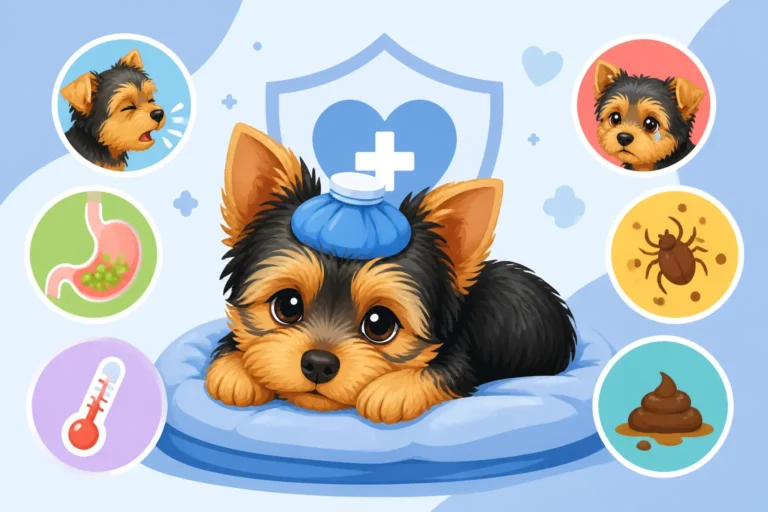
Recognizing Signs Your Yorkie Puppy Is Sick
One of the hardest parts of being a puppy parent, especially to a tiny Yorkie, is knowing when something is truly wrong. They can't tell you in words how they're feeling, so it's up to you to be observant. Trust your gut instinct; if something feels off, it probably is. Catching illness early can prevent it from becoming more severe and potentially life-threatening.
Behavioral Changes to Watch For
A sudden shift in your puppy's usual behavior is often the first and most subtle sign that something isn't right. Yorkie puppies are typically energetic, playful, and curious. If your normally bouncy puppy suddenly becomes withdrawn, unusually quiet, or reluctant to play, it’s a red flag. Pay attention to changes in their sleeping patterns; excessive sleeping or difficulty getting comfortable can indicate pain or illness. While a little tiredness after a big play session is normal, prolonged lethargy where they don't respond to their name or favorite toys is concerning.
Other behavioral cues include changes in their social interaction. A sick puppy might avoid being touched, become irritable, or even show signs of aggression, which is very out of character for a typically affectionate Yorkie. Loss of interest in food or water, or a sudden aversion to their favorite treats, is another significant sign. Similarly, a change in their potty habits – more frequent accidents, straining to urinate or defecate, or unusual squatting – can indicate a urinary tract infection or digestive upset. Don't dismiss these changes as just a "mood"; for a puppy, they often signal an underlying health problem. Our article Signs Your Yorkshire Terrier Is Sick offers further insights into these indicators.
Physical Symptoms Indicating Illness
Beyond behavioral changes, several physical symptoms can point to a sick Yorkie puppy. These are often more overt and require prompt attention.
Here's a list to keep in mind:
- Vomiting and Diarrhea: While an occasional vomit or soft stool might happen, persistent vomiting (especially multiple times in an hour or day) or watery/bloody diarrhea are serious. Small puppies dehydrate rapidly.
- Coughing or Sneezing: Frequent or severe coughing (especially a honking cough) could indicate kennel cough, allergies, or even tracheal issues. Persistent sneezing with discharge also warrants a vet visit.
- Eye or Nasal Discharge: Clear discharge might be normal, but thick, colored, or excessive discharge from the eyes or nose could signal an infection.
- Changes in Appetite or Thirst: A sudden refusal to eat or drink, or conversely, excessive thirst, should be investigated.
- Limping or Difficulty Moving: Any lameness, reluctance to bear weight, or obvious pain when moving could indicate an injury or orthopedic issue.
- Swelling or Lumps: New lumps, bumps, or generalized swelling (e.g., in the abdomen) should always be examined by a vet.
- Pale Gums: Healthy puppy gums are usually pink. Pale, white, or blue gums are an emergency and can indicate shock, anemia, or other severe conditions.
- Shaking or Trembling: While Yorkies can shiver when cold or excited, unexplained or continuous shaking can be a sign of pain, fear, or hypoglycemia.
- Difficulty Breathing: Labored breathing, gasping, or blue-tinged gums are a medical emergency.
Any combination of these physical symptoms, especially if accompanied by lethargy, means it's time to call your veterinarian immediately.
Understanding Normal vs. Abnormal Puppy Behavior
Distinguishing between normal puppy quirks and genuine signs of illness can be tricky, particularly for first-time Yorkie owners. Puppies are bundles of energy, but they also require a lot of sleep – often 18-20 hours a day! So, a puppy who crashes after a vigorous play session and sleeps deeply for a few hours is likely just being a normal puppy. Similarly, puppies explore the world with their mouths, so occasional chewing on inappropriate items is part of their learning, not necessarily a sign of sickness (though it can lead to problems if they ingest something toxic).
Occasional hiccups or a single reverse sneeze might be startling but are often normal physiological events that resolve quickly. A healthy Yorkie puppy should have bright, clear eyes, a moist nose (not overly wet or dry), a shiny coat, and pink gums. Their stool should be well-formed and consistent in color and texture. An active, engaged, and alert puppy with a good appetite is usually a healthy puppy. However, if any of the behaviors or symptoms mentioned above persist, worsen, or are accompanied by a general feeling that your puppy isn't quite right, err on the side of caution and consult your vet. It's always better to be safe than sorry when it comes to your tiny companion.
Emergency Situations and When to Call the Vet
Knowing when to act quickly and seek immediate veterinary attention is paramount for a Yorkshire Terrier puppy. Their small size means that conditions can deteriorate rapidly, turning a minor issue into a life-threatening emergency in a matter of hours. Being prepared and informed can literally save your puppy’s life.
Urgent Symptoms That Need Immediate Attention
There are certain symptoms that should never be ignored in a Yorkie puppy. These are signs of a critical medical emergency and require an immediate trip to an emergency veterinary clinic, even if it's the middle of the night. Do not wait to see if they improve.
Here's a list of red flags:
- Persistent or Profuse Vomiting/Diarrhea: Especially if it contains blood, is black and tarry, or is accompanied by severe lethargy. This can lead to rapid dehydration and electrolyte imbalance.
- Difficulty Breathing: Labored breathing, gasping, heavy panting without exertion, choking, or blue/purple gums.
- Seizures or Unconsciousness: Any seizure activity, uncontrolled tremors, or complete unresponsiveness. This is often a sign of severe hypoglycemia or neurological issues.
- Severe Pain: Yelping when touched, persistent crying, reluctance to move, or a hunched posture indicating abdominal pain.
- Known or Suspected Toxin Ingestion: If you know or suspect your puppy has eaten something poisonous (e.g., chocolate, medications, household cleaners, certain plants).
- Collapse or Extreme Weakness: Inability to stand or walk, extreme lethargy, or sudden loss of energy.
- Bloated or Distended Abdomen: Especially if accompanied by unproductive retching or pain, which could indicate bloat (though rare in Yorkies, it's an emergency for any dog).
- High or Low Body Temperature: A rectal temperature above 103.5°F (39.7°C) or below 99.5°F (37.5°C) is cause for concern.
- Trauma: If your puppy has been hit by a car, fallen from a height, or suffered any other significant injury.
In any of these situations, call your vet or the nearest emergency animal hospital while you are on your way. They can prepare for your arrival and provide immediate advice. For more detailed information, consult our guide on Yorkie Emergency Symptoms to Never Ignore.
Preparing for a Puppy Health Emergency
Being prepared for an emergency can reduce panic and improve outcomes. First and foremost, know the location and contact information for your regular veterinary clinic and, crucially, the nearest 24-hour emergency animal hospital. Keep these numbers prominently displayed and saved in your phone. Having a designated pet carrier ready at all times makes quick transport much easier.
Consider putting together a puppy first-aid kit. While not a substitute for veterinary care, it can be useful for minor issues or stabilizing your puppy on the way to the vet.
A basic kit might include:
- Antiseptic wipes (like chlorhexidine wipes, NOT alcohol)
- Sterile gauze pads and bandages
- Pet-safe adhesive tape
- Blunt-tipped scissors
- Digital rectal thermometer
- Karo syrup or honey (for hypoglycemia emergencies)
- A clean towel or blanket
- Gloves
- Tweezers (for splinter or tick removal)
Additionally, having pet insurance can significantly alleviate the financial stress of emergency veterinary care. Providers like Healthy Paws offer comprehensive plans that can cover accidents and illnesses, ensuring you can make decisions based on your puppy's health needs rather than your wallet.
Finding an Emergency Vet
The best time to find an emergency vet is before you actually need one. Do some research when you first bring your puppy home. Look for a reputable emergency animal hospital in your area, ideally one that is open 24/7. Read reviews, check their accreditation, and understand their typical services. Many regular vet clinics will have an answering service that directs you to their preferred emergency partner after hours.
It's also a good idea to discuss emergency procedures with your regular vet during your puppy's initial check-up. Ask them which emergency clinic they recommend and if there's anything specific you should know about emergency care for a small breed like a Yorkie. In an emergency, clear communication with the emergency vet staff is vital. Provide them with your puppy’s medical history, any known allergies, and a clear, concise description of the symptoms and timeline of events. Being calm and clear will help them assess your puppy quickly and accurately.
Nutrition for a Growing Yorkshire Terrier Puppy
Proper nutrition is foundational to your Yorkshire Terrier puppy's growth, development, and overall health. Given their small size and specific metabolic needs, choosing the right food and sticking to a consistent feeding schedule is absolutely paramount. It's not just about filling their belly; it's about fueling their tiny, rapidly developing bodies.
Choosing the Right Puppy Food
Selecting the best food for your Yorkie puppy can feel overwhelming with the sheer number of options available. The most important thing is to choose a high-quality puppy formula specifically designed for small breeds. These foods are typically formulated with higher calorie content and specific nutrient ratios to support rapid growth, along with smaller kibble sizes that are easier for tiny mouths to chew and digest. Look for formulas that list a high-quality animal protein (like chicken, turkey, lamb, or salmon) as the first ingredient. Avoid foods with excessive fillers, artificial colors, flavors, or preservatives.
Some excellent brands consistently receive high ratings for their small breed puppy formulas. Companies like Royal Canin, Hill's Science Diet, Purina Pro Plan, and Blue Buffalo offer specialized options. For instance, Royal Canin often has breed-specific formulas, including one for Yorkshire Terrier puppies, tailored to their unique needs. It’s also wise to consider wet food options or adding a little warm water to kibble, especially for picky eaters or to increase moisture intake. Always check the ingredient list for potential allergens if your puppy shows any sensitivities. Our guide on Best Puppy Food for Yorkies provides a detailed review of top choices.
Feeding Schedules and Portion Sizes
Yorkie puppies, especially very young ones, have fast metabolisms and small stomachs, making frequent, small meals crucial to prevent hypoglycemia. From 8 to 12 weeks of age, your puppy should be fed 3 to 4 times a day. As they grow older and their risk of hypoglycemia decreases, you can gradually transition to 2-3 meals a day by 6 months of age, and typically two meals a day by their first birthday. Consistency is key, so try to feed them at roughly the same times each day.
Portion sizes will depend on the specific food you choose, as calorie density varies between brands. Always refer to the feeding guidelines on the food packaging, adjusting as needed based on your puppy's activity level, metabolism, and body condition. A good rule of thumb is that you should be able to feel your puppy's ribs easily but not see them protruding. Overfeeding can lead to obesity, which puts undue stress on their developing joints and organs, while underfeeding can lead to hypoglycemia and poor growth. Your vet can help you determine the ideal portion size during your check-ups. Our article on Yorkshire Terrier Feeding Guide by Age provides comprehensive advice on this topic.
Hydration and Water Intake
Water is just as important as food for your Yorkie puppy's health, if not more so. Proper hydration supports every bodily function, from digestion and nutrient absorption to temperature regulation and waste elimination. Always ensure your puppy has constant access to fresh, clean water. This means multiple water bowls around the house, especially during warmer weather or after play.
Using stainless steel or ceramic bowls is preferable to plastic, as plastic can harbor bacteria and some dogs can develop allergies to plastic. Clean your puppy's water bowls daily to prevent bacterial growth. Monitor your puppy's water intake; excessive thirst could be a sign of a health issue like diabetes or kidney problems, while too little intake can lead to dehydration. If you're concerned about your puppy not drinking enough, try adding a splash of water to their kibble or offering a small amount of low-sodium broth (check ingredients carefully) mixed with water. Just like humans, a well-hydrated puppy is a happy, healthy puppy.
Maintaining a Healthy Environment for Your Yorkie Puppy
Creating a safe, clean, and stimulating environment is crucial for your Yorkshire Terrier puppy's physical and mental well-being. Their tiny size makes them vulnerable to hazards that might not even register as risks for larger dogs. Thoughtful preparation of your home and consistent daily care will foster a healthy and secure space for your little companion.
Puppy-Proofing Your Home
Puppy-proofing your home isn't just a suggestion; it's a necessity, especially for a curious and chew-prone Yorkie. Their small stature means they can squeeze into tight spaces and reach items on low shelves that you might not consider accessible. Start by getting down on your hands and knees to see your home from their perspective.
Remove or secure any toxic substances:
- Chemicals: Cleaning products, antifreeze, pesticides, and other household chemicals must be stored in high, locked cabinets.
- Medications: Human medications (prescription and over-the-counter) are extremely dangerous. Keep them out of reach.
- Plants: Many common houseplants are toxic to dogs, including lilies, sago palms, azaleas, and diffenbachia. Remove them or place them completely out of reach.
- Foods: Chocolate, grapes/raisins, onions, garlic, avocado, xylitol (a common sweetener), and macadamia nuts are toxic. Secure all food pantries and trash cans.
Beyond toxins, look for choking hazards or items that could cause internal blockages:
- Small objects: Coins, batteries, hair ties, rubber bands, children's toys (especially small Lego pieces or doll accessories) can be easily swallowed.
- Electrical cords: Cover or secure loose electrical cords to prevent chewing, which can cause burns or electrocution.
- Fragile items: Move breakable decorations or items off low tables where a wagging tail or curious nose could knock them over.
- Recliners/rockers: Be extremely cautious with these; tiny puppies can get trapped and injured.
- Open doors/windows: Always ensure secure screens and supervise your puppy carefully near open doors. Consider baby gates to restrict access to certain rooms.
A safe home environment protects your puppy from accidental injury or poisoning, allowing them to explore and play without constant risk.
Hygiene and Grooming Basics
Yorkshire Terriers are renowned for their beautiful, silky coats, but maintaining that beauty requires consistent grooming, starting in puppyhood. Early exposure to grooming helps your Yorkie puppy become comfortable with the process, making it less stressful for both of you as they grow. Regular grooming also contributes significantly to their overall health.
- Brushing: Begin brushing your puppy daily, even if their coat is still short. Use a soft slicker brush or a pin brush specifically designed for long-haired breeds. This prevents matting, distributes natural oils, and helps reduce shedding (though Yorkies are considered low-shedding, they still lose hair). It also gets them used to being handled. Our guide on How to Brush a Yorkie's Coat provides practical tips.
- Bathing: Yorkie puppies don't need frequent baths, perhaps once every 2-4 weeks or when visibly dirty. Use a high-quality, tearless puppy shampoo to avoid irritating their eyes. Make sure the water is lukewarm and dry them thoroughly to prevent chilling.
- Nail Trimming: Overgrown nails can be painful and lead to orthopedic problems. Start trimming their nails weekly with small clippers, taking off only the very tip. If you’re nervous, ask your vet or a professional groomer for a demonstration.
- Ear Cleaning: Check your puppy's ears weekly for redness, odor, or excessive wax. Clean them gently with a vet-approved ear cleaner and a cotton ball.
- Dental Hygiene: As mentioned earlier, daily teeth brushing is a must for Yorkies. Start early and make it a positive experience.
- Eye Care: Yorkies can be prone to tear stains. Gently wipe around their eyes daily with a damp cloth or vet-approved eye cleaner to keep the area clean and free of irritation.
Consistent grooming isn't just about aesthetics; it's an opportunity to bond with your puppy and regularly check their skin for rashes, lumps, or parasites, catching potential health issues early.
Safe Exercise and Play
Yorkie puppies are energetic little dynamos, but their small size means their exercise needs are different from larger breeds. Over-exercising a puppy can damage their developing joints and bones. The general rule of thumb is 5 minutes of exercise per month of age, twice a day. So, a 3-month-old puppy would need about 15 minutes of activity, twice a day.
- Controlled Play: Short, frequent play sessions in a safe, enclosed area are ideal. Fetch with soft toys, gentle tug-of-war, or exploring a secure backyard are great activities.
- Leash Training: Start leash training early, but keep walks short and on soft surfaces like grass to protect their joints. Always use a harness instead of a collar to avoid putting pressure on their delicate trachea. You can find out more by reading Why Harnesses Are Better Than Collars for Yorkies.
- Mental Stimulation: Mental exercise is just as important as physical. Puzzle toys, training sessions for basic commands, and interactive games keep their intelligent minds engaged and prevent boredom-induced destructive behaviors.
- Supervised Socialization: Controlled exposure to other vaccinated, gentle dogs and new people in safe environments is vital for their social development. However, avoid dog parks until they are fully vaccinated and old enough to handle rough play.
Always supervise your Yorkie puppy during play to prevent injuries, especially if they are playing with larger dogs or small children. Provide them with a variety of appropriate chew toys to satisfy their natural urge to chew, protecting your belongings and their teeth. A well-exercised and mentally stimulated puppy is a happier, healthier puppy.
Financial Planning for Your Yorkie Puppy's Health
Bringing a new puppy into your life is a significant financial commitment, and the health aspect often accounts for a large portion of those costs. For a small breed like a Yorkshire Terrier, whose predispositions to certain conditions can sometimes require specialized care, being financially prepared is just as important as knowing what symptoms to look for.
Estimating Initial and Ongoing Vet Costs
The cost of veterinary care for a Yorkie puppy can vary significantly depending on where you live (e.g., urban vs. rural areas), the specific services needed, and whether any unexpected issues arise.
Initial costs typically include:
- First Vet Exam: Usually ranges from $50-$150.
- Vaccination Series: Multiple rounds of shots (DHPP, Rabies) can cost $75-$150 per visit, with several visits over a few months.
- Deworming: Often included with vet visits or an additional $20-$50 per dose.
- Flea/Tick/Heartworm Prevention: Monthly preventatives can range from $15-$40 per month.
- Spay/Neuter Surgery: This can be one of the larger initial costs, ranging from $200-$600, depending on your vet and your location.
- Microchipping: Typically $40-$75.
Ongoing annual costs for a healthy adult Yorkie will include annual wellness exams, booster vaccinations, parasite preventatives, and potentially a routine dental cleaning (which can be $300-$800, or more, given Yorkies' dental needs). However, these estimates don't account for emergencies or chronic conditions, which can quickly run into thousands of dollars. Having a clear understanding of these potential expenses allows you to budget effectively. Our guide on Yorkshire Terrier Vet Costs and Health Budget provides a more comprehensive breakdown.
The Role of Pet Insurance
This is where pet insurance becomes an incredibly valuable tool for Yorkie owners. Given their susceptibility to certain genetic conditions and the general unpredictability of puppyhood (they will eat something they shouldn't!), pet insurance can be a financial lifesaver. Instead of facing a surprise $3,000 bill for a sudden illness or emergency surgery, a good pet insurance policy can cover a significant portion of those costs, allowing you to focus on your puppy's recovery rather than financial strain.
There are various types of pet insurance, but for puppies, comprehensive accident and illness plans are usually the most beneficial. These cover unexpected events like broken bones, ingestion of foreign objects, sudden illnesses, and diagnostic tests. Some plans also offer wellness add-ons for routine care. When researching, pay attention to deductibles, reimbursement percentages (e.g., 70%, 80%, or 90% of covered costs), and annual limits. It's crucial to enroll your puppy as young as possible, as pre-existing conditions are typically not covered. Companies like Healthy Paws are well-regarded for their comprehensive coverage and excellent customer service, offering peace of mind to many pet parents. They can make a substantial difference when unexpected health challenges arise.
Budgeting for Preventative Care
Even with pet insurance, which typically focuses on unexpected illness and accidents, budgeting for routine preventative care is essential. This includes annual check-ups, vaccinations, parasite control, and dental cleanings. Some pet insurance providers, like Healthy Paws, offer optional wellness plans or riders that can help offset some of these routine costs, but it's important to understand what is covered.
A good strategy is to set aside a small amount of money each month into a dedicated "pet health" savings account. This can act as an emergency fund for any costs not covered by insurance (like deductibles or certain treatments) or for routine care if you opt out of a wellness plan. Knowing that your puppy will need annual vet visits, regular grooming (either professional or DIY supplies), and high-quality food, you can create a realistic monthly budget. This proactive financial planning ensures that your adorable Yorkie puppy receives all the necessary care to live a long, healthy, and happy life, minimizing stress for both of you down the line.
| Age of Yorkie Puppy | Typical Vet Visits | Key Vaccinations | Common Health Focus |
|---|---|---|---|
| 8 Weeks | 1st/2nd Vet Visit | DHPP (1st) | General health check, deworming, hypoglycemia risk, socialization advice |
| 12 Weeks | 2nd/3rd Vet Visit | DHPP (2nd), Rabies | Continued deworming, parasite prevention, orthopedic check, dental check (retained deciduous teeth) |
| 16 Weeks | 3rd/4th Vet Visit | DHPP (3rd) | Full vaccine series completion, continued parasite prevention, general growth & development |
| 6 Months | Spay/Neuter Consult/Surgery | N/A | Puberty, dental health, patellar luxation screening |
| 1 Year | Annual Check-up | Rabies booster, DHPP booster | Transition to adult food, ongoing dental care, full physical |
Disclaimer
The information provided in this guide is intended for general informational purposes only and does not constitute veterinary advice. Always consult with a qualified veterinarian for any health concerns or before making any decisions related to your Yorkshire Terrier puppy's medical care. Individual needs may vary, and only a professional can provide an accurate diagnosis and treatment plan.