How to Train a Yorkie to Use a Doggy Door
Dealing with potty accidents can be one of the most frustrating parts of owning a Yorkshire Terrier, especially when you’re trying your best to establish a consistent routine. It’s a common struggle, whether you have a tiny pup still learning the ropes or an older Yorkie who just can’t seem to hold it long enough. This comprehensive guide is designed to walk you through the process of successfully training your beloved Yorkie to use a doggy door, granting them more independence and you a lot less stress.
Why a Doggy Door Can Be a Game Changer for Your Yorkie
Many Yorkie parents initially shy away from the idea of a doggy door, picturing large, unsightly flaps or worrying about security. But for our pint-sized companions, a properly chosen and installed doggy door can be an absolute revelation. These little dogs have tiny bladders and incredibly fast metabolisms, which means they often need to relieve themselves much more frequently than larger breeds. Waiting for you to open the door every single time can lead to accidents, frustration for both of you, and even contribute to a breakdown in their potty training efforts.
The Freedom Factor for Small Dogs
Imagine your Yorkie, full of energy or suddenly needing to go, having the ability to simply trot outside without having to bark at the door or pace anxiously. This isn't just about convenience; it’s about empowering them. Giving your Yorkie the freedom to access the yard on their own terms can significantly boost their confidence and reduce anxiety. It allows them to follow their natural instincts, whether it's for a quick bathroom break, a moment to sniff around the garden, or just to soak up some sun. This autonomy is especially beneficial for breeds like Yorkies, who despite their small stature, possess a surprisingly independent and curious spirit. It can also be a wonderful way to provide them with more Yorkshire Terrier Exercise Needs throughout the day, even when you're busy.
Avoiding Accidents and Building Confidence
Let’s be honest, cleaning up indoor accidents is no fun for anyone, and it certainly doesn't help your Yorkie feel good about themselves. When a dog has to "hold it" for too long, they might develop an aversion to going outside, associating the discomfort with the outdoor experience, or simply give up and go wherever they can. A doggy door removes this barrier. By giving them instant access, you're setting them up for success. This consistent positive reinforcement – going outside, doing their business, and returning – solidifies their understanding of where they’re supposed to potty. This can be a huge step forward, particularly if you’ve been struggling with Yorkie Potty Training Regression or find yourself wondering Why Is My Yorkie So Hard to Potty Train. Their success will build their confidence, making them a happier, more well-adjusted companion.
Choosing the Right Doggy Door for Your Pint-Sized Pal
Selecting the perfect doggy door isn't as simple as picking the first one you see. For a Yorkshire Terrier, size, safety, and insulation are paramount. You want a door that's easy for them to use, secure for your home, and appropriate for their tiny frame.
Size Matters Ensuring Safety and Accessibility
This is probably the most critical factor. A doggy door that's too large can be intimidating for a small Yorkie, making the flap too heavy or the opening too high. Conversely, one that's too small could be uncomfortable or even cause injury. You need to measure your Yorkie accurately.
Here’s how to get the right measurements:
- Height: Measure from the floor to the top of your Yorkie’s shoulders (their "wither"). Add at least 1-2 inches to this measurement. This ensures the top of the opening won't hit their back as they go through. The lowest point of the flap should be just above the top of their legs to avoid tripping.
- Width: Measure the widest part of your Yorkie, usually across their chest or hips. Add at least 1-2 inches to this measurement as well, to give them comfortable clearance.
Remember, a Yorkie might be small, but they don't want to squeeze! The goal is a comfortable, safe passage. If you're unsure, it's often better to go slightly larger within the "small dog" category than too small. For instance, a door designed for a 10-pound dog is usually perfect for most standard Yorkies, who typically weigh between 4 to 7 pounds.
Types of Doggy Doors and Their Features
Once you have your measurements, you can explore the various types of doggy doors available. You'll find a wide range of options on retailers like Amazon, each with different installation methods and features.
| Doggy Door Type | Best For | Pros | Cons |
|---|---|---|---|
| Standard Flap Door | Budget-conscious, common wall/door mounts | Affordable, simple installation, readily available | Less insulation, can be drafty, manual locking only |
| Electronic/Smart Door | Security-focused, multi-pet households | Only opens for your pet (via microchip or collar tag), high security, good insulation | More expensive, requires power, pets need a chip/tag |
| Sliding Glass Door Insert | Renters, temporary solutions, quick install | No permanent modification, easy to remove, often insulated | Can reduce walk-through space, may not be as secure as permanent options |
| Wall-Mounted Tunnel | Specific locations, thick walls | Allows installation in any wall, good insulation, very secure | More complex installation, higher cost |
When looking for a good door, consider these features:
- Insulation: Living in an area with extreme temperatures? Look for double-flap doors or those with magnetic seals to keep drafts out. Brands like PetSafe or Ideal Pet Products offer well-insulated options.
- Security: Most doggy doors come with a cover or locking mechanism. For smaller dogs, ensuring the door is secure against intruders (animal or human) is crucial. Some advanced doors, like those by SureFlap, even read your dog's microchip, only opening for them and keeping out other critters. This offers peace of mind, especially if you have other pets or live near wildlife.
- Durability: Yorkies might be small, but they can be mighty. Choose a door with a sturdy frame and a flexible, durable flap material that can withstand frequent use and potential "attacks" from curious paws.
Step-by-Step Training Your Yorkie to Use a Doggy Door
Now that you've got the perfect doggy door installed, the real fun begins: teaching your Yorkie how to use it! Patience and positive reinforcement are key here. Remember, your Yorkie isn't trying to be difficult; they're just learning something new and potentially a little scary.
Getting Started Creating a Positive Association
The first few steps are all about making the doggy door a positive, non-threatening experience.
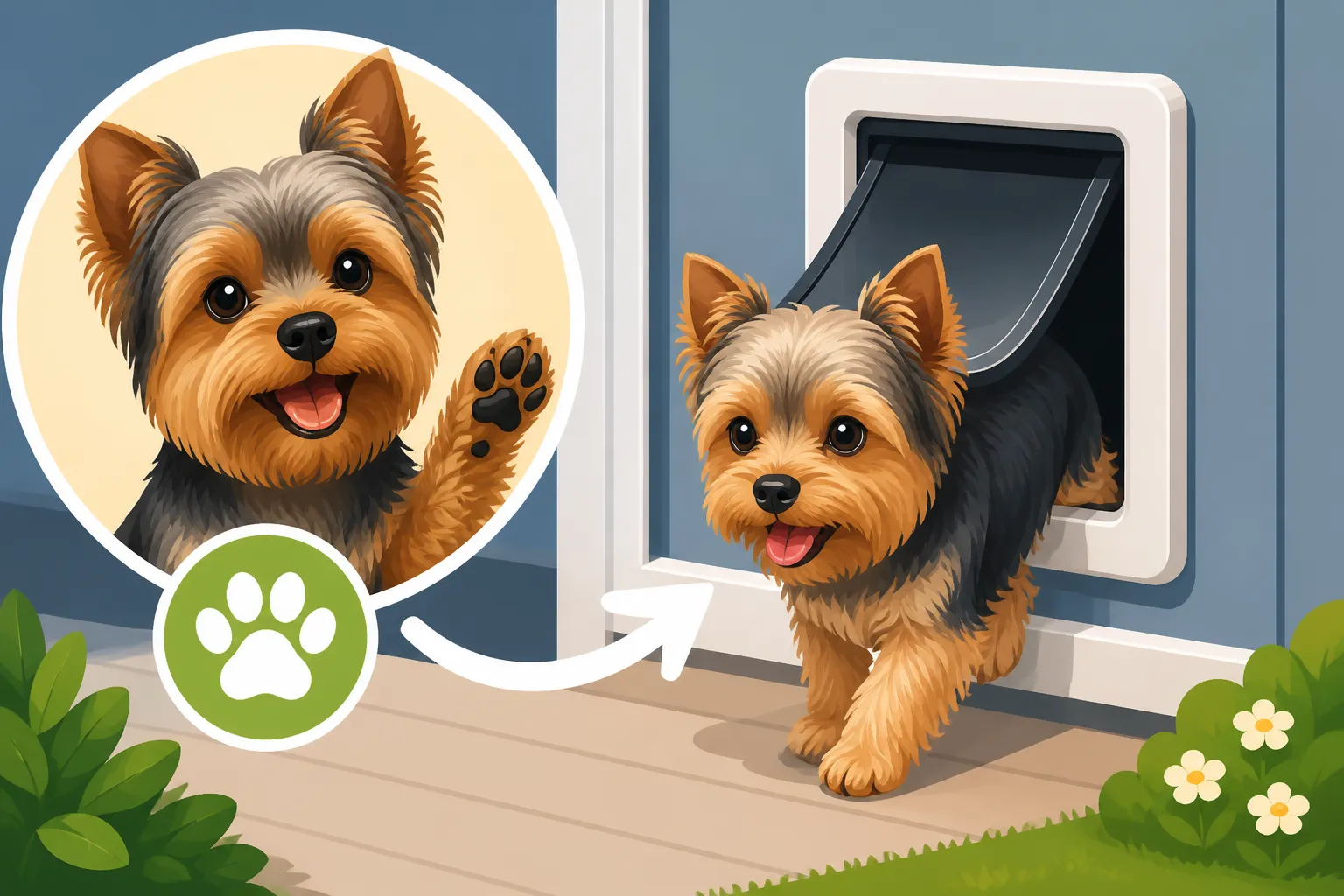
- Introduce the Door, Unflapped: To start, tape the flap of the doggy door completely open. You want your Yorkie to see a clear, unobstructed path to the outside. This removes any fear of the flap itself. Let them sniff around the door, both inside and out. Don’t force them through.
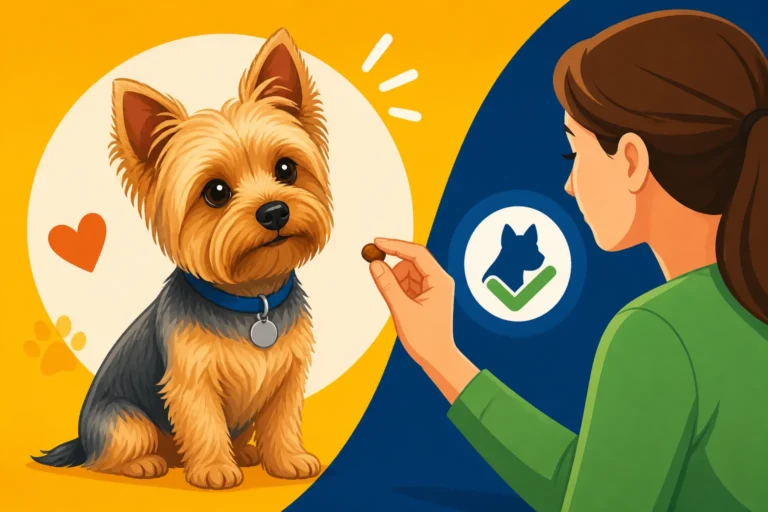
- Lure with High-Value Treats: Get some incredibly delicious treats – think tiny pieces of cooked chicken, cheese, or their favorite soft treats. Stand on one side of the open doggy door, while your Yorkie is on the other. Show them the treat and use an excited, encouraging voice to call them through. You can also use a training platform like BAXTER & Bella for their excellent positive reinforcement methods, which can be adapted for doggy door training.
- Celebrate Success: The moment they step through, even just their head, give them the treat and lavish them with praise. Make it a huge party! This helps them associate the doggy door with good things. Repeat this several times a day, keeping sessions short and fun.
- Repeat, Repeat, Repeat: Continue practicing with the flap taped open until your Yorkie is confidently walking through the opening without hesitation. This might take a day or two, or even longer for more timid Yorkies. Don't rush this step.
Guiding Them Through Luring and Encouragement
Once your Yorkie is comfortable with the open doorway, it's time to introduce the flap.
- Partially Close the Flap: Gently lower the flap so it's just barely touching the opening, still allowing a slight gap or very easy push-through. Again, stand on the other side with a treat and encourage your Yorkie to come through. They'll feel a slight pressure, but it shouldn't be a struggle.
- Apply Gentle Pressure: If they hesitate, gently push the flap open a tiny bit for them as you encourage them. Don't pull them through or force them, just offer a little assistance. As soon as they push through, even with help, reward them generously.
- Gradually Lower the Flap: Over several sessions, slowly lower the flap more and more, increasing the amount of pressure your Yorkie needs to apply. Always be on the other side with an enticing treat and plenty of praise. Some Yorkies might be sensitive to the sound or feel of the flap. If they show fear, go back a step and work at their pace. You might find that a familiar toy or another family member playing outside can also provide motivation.
- Practice from Both Sides: It’s vital to practice going both ways. You want them to be just as comfortable going out as they are coming in. Take turns luring them from inside to out, and then from outside to in.
Phasing Out the Lure and Reinforcing Independence
The goal is for your Yorkie to use the door on their own, driven by their need to go potty or explore, not just for a treat.
- Reduce Treats Gradually: Once they are confidently pushing through the fully closed flap, start to reduce the frequency of treats. Give them a treat every other time, then every third time, and so on. Continue with verbal praise every single time.
- Connect Door Use to Potty Breaks: Pay close attention to your Yorkie's potty signals – sniffing, circling, heading towards the door. The moment you see these, direct them to the doggy door. Say "go potty" or another consistent cue, and encourage them to use the door. Reward them after they come back inside if they successfully went potty. This reinforces the purpose of the door. This consistent approach is part of a good Yorkshire Terrier Puppy Training Schedule and helps solidify desired behaviors.
- Practice When You're Not Luring: Let them discover the door on their own. Leave it unlocked and accessible during the day, especially after naps, meals, or playtime when they are most likely to need a bathroom break. Observe them from a distance. When you see them use it independently, even if you don't reward with a treat, offer enthusiastic verbal praise and a happy greeting when they return.
- Maintain a Consistent Routine: Even with a doggy door, maintain a somewhat predictable schedule for meals and potty breaks. This helps reinforce the habit and can prevent them from holding it too long or relying solely on the door without internalizing the routine. Remember, a doggy door is a tool to help with How to Potty Train a Yorkie Puppy, not a complete replacement for your guidance.
Troubleshooting Common Doggy Door Training Challenges
Even with the best intentions, you might hit a few bumps in the road. It’s totally normal! Yorkies, like all dogs, learn at their own pace, and sometimes they need a little extra help with specific hurdles. These little dogs are known for their strong Yorkshire Terrier Temperament and Personality, which can sometimes translate into a stubborn streak when learning new things.
Fear of the Flap or New Object
Some Yorkies are naturally more timid or cautious, and the flap itself can be a scary monster. The sound, the feel, or the sudden movement can put them off.
- Revisit Step One: If your Yorkie suddenly becomes scared, go back to basics. Tape the flap completely open again. Rebuild their confidence with treats and praise for simply walking through the opening.
- Muffle the Sound: If the sound of the flap is an issue, you can temporarily tape a soft cloth or a piece of thin fabric over the flap to muffle the sound as they push through. Gradually remove it once they are more comfortable.
- Use a Buddy System: If you have another dog that already uses a doggy door, let your Yorkie watch them. Sometimes seeing another dog confidently use it can be excellent motivation. You can even try having them go through together initially.
- Patience is Paramount: Don’t ever push or drag your Yorkie through. This will only create a negative association. Keep sessions short, positive, and end on a good note. It might take longer, but it's worth the effort for their long-term comfort and confidence. Addressing underlying anxieties can also be helpful, as fear can manifest in various Yorkshire Terrier Behavior Problems and Solutions.
Inconsistent Use and Accidents
You've trained them, they've used it, but now they're having accidents inside again, even with the door accessible. What gives?
- Re-evaluate Potty Training: Sometimes the issue isn't the doggy door itself, but a regression in their overall potty training. Make sure you're still taking them out frequently, especially after waking up, eating, and playing. Observe their indoor potty signals closely.
- Clean Accidents Thoroughly: Use an enzymatic cleaner specifically designed for pet urine. If any scent lingers, your Yorkie might return to that spot, thinking it's an acceptable potty area.
- Check the Door's Condition: Is the flap stuck? Is there something blocking the path outside? Is it too hot or too cold outside for them? Small Yorkies are particularly sensitive to weather. Consider if a Yorkshire Terrier Daily Care Routine that includes checking the weather and their door access might be beneficial.
- Supervise and Correct Gently: For a while, try to supervise them more closely. If you see them about to have an accident inside, interrupt them with a quick clap or "No!" and immediately take them to the doggy door. If they go out and potty, reward them.
- Consider a Vet Visit: If accidents are sudden and frequent after a period of good behavior, especially if accompanied by other changes like increased thirst or lethargy, it's always wise to rule out any underlying health issues. Yorkshire Terrier Health Problems to Know can sometimes manifest as changes in potty habits.
Safety and Security Concerns
While convenience is great, safety should never be compromised, especially with a small dog.
- Predator Concerns: If you live in an area with small predators like raccoons, coyotes, or even larger birds of prey, consider how safe it is for your tiny Yorkie to be outside unsupervised, even with a fence. For unsupervised access, a fully enclosed and secure dog run that the doggy door leads into might be a safer option.
- Weather Extremes: Yorkies have fine coats and are prone to getting chilled or overheated easily. On extremely hot or cold days, you might need to temporarily close the doggy door and provide supervised potty breaks. Consider a well-insulated doggy door to minimize heat loss or gain.
- Human Intruder Risk: While a small doggy door won't allow a human to enter, it's good practice to always lock your doggy door with its security panel at night or when you're away from home. This is especially true for sliding glass door inserts, which can sometimes be less secure overall. Make sure the doggy door you chose has a sturdy, easy-to-use locking mechanism.
Training your Yorkie to use a doggy door can truly enhance their quality of life, giving them freedom and you peace of mind. It takes patience, consistency, and a lot of positive reinforcement, but the payoff of a confident, accident-free pup is immeasurable.
Disclaimer
Please note that the information provided in this article is for general informational purposes only and does not constitute professional veterinary advice. Always consult with a qualified veterinarian for any health concerns or before making any decisions about your pet's health or training regimen.