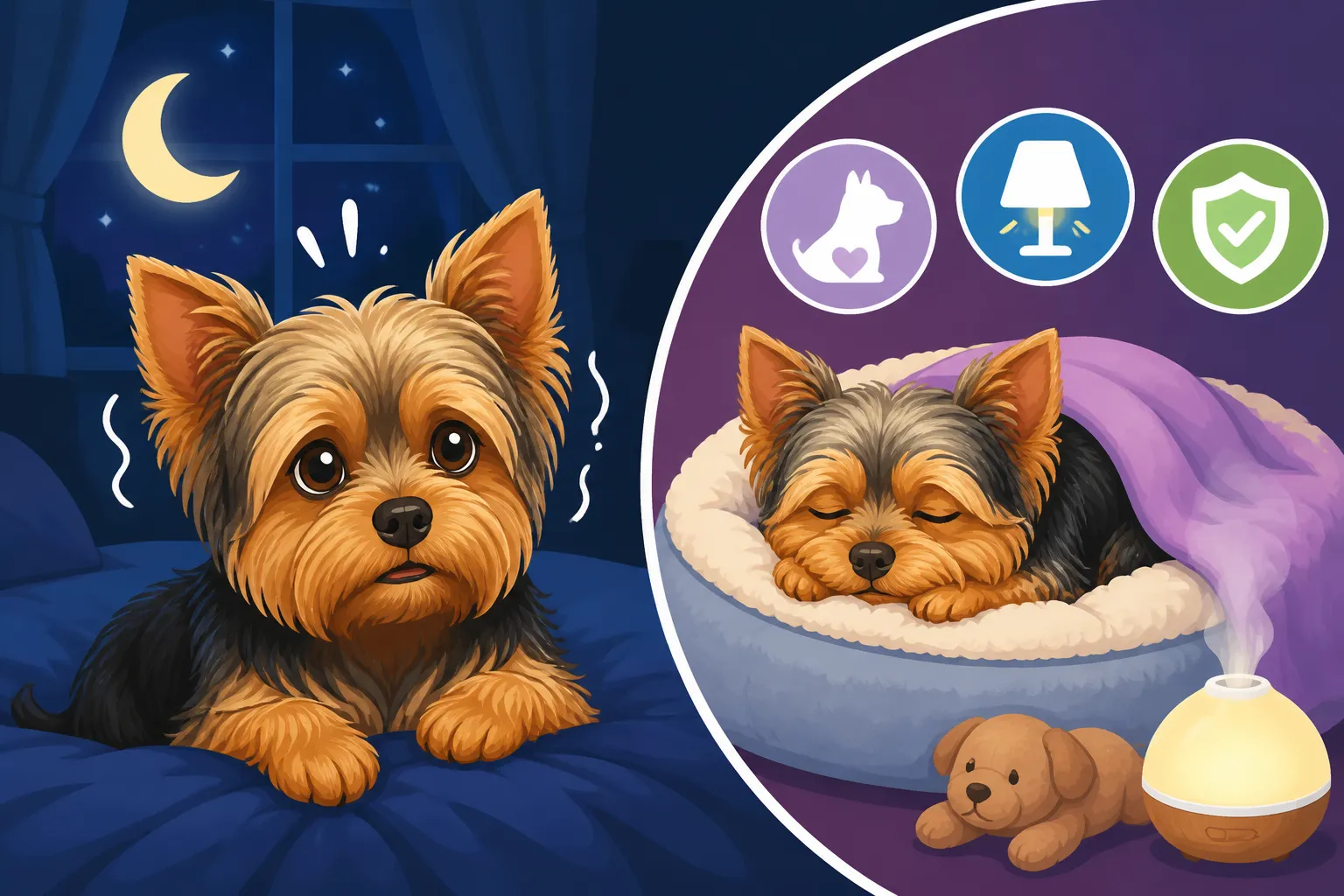
How to Handle Yorkie Separation Anxiety at Night
That heartbreaking sound – the whimpering, the scratching, the distressed barking from your beloved Yorkshire Terrier's crate in the dead of night. It's a scenario many Yorkie parents know all too well, and it can leave you feeling helpless, exhausted, and worried sick about your furry friend. Nighttime separation anxiety isn't just a nuisance; it's a genuine struggle for both dog and owner. This comprehensive guide will delve deep into understanding why your Yorkie experiences this nighttime distress and provide actionable strategies, tools, and long-term solutions to help bring peace back to your home, ensuring everyone gets the restful sleep they deserve.
Understanding Yorkie Nighttime Separation Anxiety
It's easy to dismiss a barking dog at night as merely "naughty" or "attention-seeking," but with a Yorkshire Terrier, especially when it comes to nighttime distress, it's rarely that simple. Their deep attachment to their humans makes them particularly prone to feelings of loneliness and fear when left alone, particularly in the quiet, dark hours. Understanding the roots of this anxiety is the first step toward effective management.
Recognizing the Signs
Your Yorkie might not be able to tell you in words that they're anxious, but their behavior speaks volumes. The most obvious sign of nighttime separation anxiety is vocalization: persistent barking, whining, or howling that starts shortly after you settle down for the night, or when they realize they're alone. It's not just a few barks; it's often sustained and seemingly inconsolable.
Beyond vocalizations, you might observe other distress signals. Your Yorkie might frantically scratch at their crate or bedroom door, attempting to get closer to you. Some may even try to escape their confinement, potentially injuring themselves in the process. You might notice excessive panting, drooling, or destructive chewing within their designated sleeping area, far beyond what a normal puppy might do. In severe cases, some Yorkies might have "accidents" (urination or defecation) in their sleeping space, even if they are otherwise perfectly house-trained during the day. This isn't out of spite but rather a physiological response to extreme stress. It’s crucial to distinguish these signs from general puppy fussiness or a need to go potty; true separation anxiety behaviors are usually intense, consistent, and don't resolve with a quick potty break. If you're seeing broader signs of distress throughout the day, it might be worth reviewing other indicators of stress and worry in our guide on Yorkie Separation Anxiety: Signs and Fixes.
Why Nighttime is Different
You might wonder why your Yorkie seems fine when you leave them alone during the day, but nighttime is a whole different ballgame. There are several factors at play that make the night uniquely challenging for a Yorkie experiencing separation anxiety. First, the darkness itself can heighten a dog's sense of vulnerability. Just like some children, dogs can be more aware of strange sounds or shadows in the dark, leading to increased anxiety. The quiet of the night also means every rustle, every creak, and every distant siren is amplified, making your Yorkie more reactive.
Furthermore, during the day, there's often more ambient noise, natural light, and the general hustle and bustle of life that can provide distraction. When you're gone during the day, your Yorkie might sleep, play with toys, or simply observe the world outside a window. At night, with the house silent and everyone asleep, the absence of human companionship becomes far more pronounced. Your Yorkie isn't just alone; they're in an environment that offers fewer diversions and highlights their isolation. The abrupt transition from being constantly near you to being completely solitary, especially for a breed as devoted as the Yorkshire Terrier, can be incredibly jarring and terrifying. It’s not about manipulating you; it’s a genuine fear of being abandoned, and that primal fear is often strongest when the world around them goes dark and silent.
Creating a Calming Nighttime Routine
A consistent, predictable routine is a cornerstone for managing any form of anxiety in dogs, and it’s especially powerful when tackling nighttime separation issues. Dogs thrive on routine; it provides a sense of security and helps them anticipate what's coming next. For a Yorkie prone to nighttime anxiety, a well-structured evening can make all the difference between a night of restless distress and one of peaceful slumber.
Establishing Predictability
The goal here is to create a sequence of events leading up to bedtime that signals to your Yorkie that everything is okay and that they are safe. This means doing things in roughly the same order every evening. Perhaps it's a final potty break, followed by a specific quiet play session, then a short grooming session, and finally, a calming treat before settling into their bed. The exact order isn't as important as the consistency. When your Yorkie learns that the toothbrush coming out means a calm treat is next, and then it's time for bed, they associate these steps with security and eventual rest, not abandonment.
Avoid sudden, erratic changes to this schedule. If you typically put them to bed at 9 PM, suddenly shifting to midnight without any transition can be unsettling. If your schedule varies slightly, try to keep the sequence of events the same, even if the timing shifts a little. This predictability builds trust and reduces the element of surprise, which can be a huge trigger for an anxious Yorkie. This consistent structure is also vital for general Yorkshire Terrier Puppy Training Schedule, helping to embed good habits early on.
Pre-Bedtime Exercise and Play
A tired Yorkie is often a calmer Yorkie. Many owners underestimate the exercise needs of small breeds, assuming their tiny legs mean tiny energy. While Yorkies don't need miles of running, they do need mental and physical stimulation to burn off excess energy and provide a healthy outlet for their minds. About an hour or two before their final wind-down, engage your Yorkie in some focused play. This could be a spirited game of fetch in the living room, a structured walk around the block (weather permitting), or even some engaging puzzle toys that challenge their minds.
The key is to tire them out without overstimulating them right before bed. A vigorous play session that leaves them panting and then immediately crating them might actually increase their anxiety. Instead, aim for activities that lead to a sense of contentment and fatigue. A brisk 20-minute walk where they can sniff and explore can be incredibly enriching and tiring. If outdoor walks aren't feasible, indoor games like hide-and-seek with their favorite toy can work wonders. Remember to consider their overall Yorkshire Terrier Exercise Needs to ensure they're getting enough activity throughout the day, which contributes significantly to better sleep at night.
The Power of a Peaceful Wind-Down
Once the exercise and play are done, it's time for the true wind-down. This phase should be all about calm and quiet. Dim the lights, speak in soft tones, and avoid any boisterous activity. This is the perfect time for a gentle grooming session – a light brush through their silky coat or a quick clean of their eyes. Physical touch, when calm and reassuring, can be incredibly comforting to an anxious Yorkie.
You might offer a special, long-lasting chew toy or a small, calming treat during this period. Brands like Zesty Paws or PetHonesty offer calming chews containing ingredients like L-Tryptophan or chamomile, which can help promote relaxation. Many of these can be easily found on Amazon or at local pet stores. The idea is to create an atmosphere of tranquility, allowing their body and mind to transition from activity to rest. Avoid any high-energy interactions, loud noises, or anything that might amp up their excitement. The goal is to slowly guide them into a state of sleepy calm before they even enter their sleeping space.
Tools and Techniques for Overnight Comfort
Even with a perfect routine, some Yorkies need a little extra help to feel truly safe and secure overnight. Thankfully, there's a wide array of tools and techniques available that can provide that much-needed comfort and reduce anxiety levels. It’s often a matter of trial and error to find what resonates best with your individual Yorkie.
Comfortable Sleeping Arrangements
Where your Yorkie sleeps can have a profound impact on their sense of security. While some owners prefer their Yorkie to sleep in their bed, for those struggling with separation anxiety, it's often best for them to have their own designated, comfortable space. A crate, when introduced and used correctly, can become a safe den rather than a jail. Ensure the crate is the right size – large enough for them to stand up, turn around, and lie down comfortably, but not so large that they feel exposed or can use one end as a potty area. Line it with a plush, comfortable bed, like those from K&H Pet Products, which are available on Amazon and designed for small breeds.
Some Yorkies do better with a soft, igloo-style bed that provides a sense of enclosure and warmth, mimicking a burrow. Placing a worn t-shirt or blanket that smells like you in their sleeping area can offer immense comfort, as your scent acts as a familiar and reassuring presence. For more severe cases, consider a calming dog bed, which often features raised edges that create a secure, nest-like environment, helping to reduce anxiety by providing head and neck support and a feeling of being snuggled. This can really contribute to a better night's sleep, making a huge difference in their overall well-being. For a deeper dive into making their space optimal, explore our guide on finding the Best Bed for a Yorkshire Terrier.
Anxiety-Reducing Aids
Beyond physical comfort, various aids can help soothe an anxious Yorkie. Pheromone diffusers, such as Adaptil, release synthetic dog appeasing pheromones (DAP) that mimic those produced by a mother dog to calm her puppies. These can create a more tranquil environment, especially in the room where your Yorkie sleeps. You simply plug them into an outlet, and they continuously release the calming scent.
Weighted blankets or anxiety vests, often referred to as "ThunderShirts," can provide gentle, constant pressure, similar to swaddling a baby. This pressure can have a calming effect on the nervous system, reducing symptoms of anxiety. You can find many reputable brands for these products on Amazon. Some owners also find success with white noise machines or calm classical music played softly throughout the night. This can help mask sudden outdoor noises that might startle an anxious Yorkie, while also providing a consistent, soothing background sound. In terms of nutrition, some supplements, like the aforementioned calming chews, or even a specific diet, can play a role in calming. It's always wise to consult your vet before introducing new supplements or making significant dietary changes, especially if you're looking into something like Best Calming Chews for Yorkshire Terriers.
| Aid Type | How It Works | Pros | Cons |
|---|---|---|---|
| Pheromone Diffusers | Releases calming synthetic pheromones | Non-invasive, continuous effect | May not work for all dogs, needs outlet |
| Anxiety Vests | Applies gentle, constant pressure | Drug-free, immediate calming for some | Some dogs dislike wearing clothes, needs proper fit |
| Calming Beds | Raised edges, plush materials, a sense of security | Provides physical comfort, nest-like feel | Can be expensive, may not be enough for severe anxiety |
| White Noise/Music | Masks external sounds, provides distraction | Easy to implement, customizable sounds | Requires device, might not drown out all noises |
| Calming Chews | Contains natural ingredients (e.g., L-Tryptophan) | Easy to administer, tasty | Effects vary, consult vet, takes time to work |
Professional Training Support
If you’ve tried these methods and your Yorkie’s nighttime anxiety persists or worsens, it might be time to enlist professional help. A certified professional dog trainer or a veterinary behaviorist has specialized knowledge and can offer tailored strategies. They can observe your Yorkie's behavior, identify specific triggers, and develop a customized training plan.
Many trainers now offer virtual consultations, making it easier to access expertise from anywhere. Programs like those offered by BAXTER & Bella provide comprehensive online dog training that can include modules on anxiety management and building confidence. They often emphasize positive reinforcement techniques, which are crucial for anxious dogs. A professional can guide you through desensitization and counter-conditioning exercises, helping your Yorkie form positive associations with being alone at night. Sometimes, what seems like pure separation anxiety can have other behavioral components, and an expert can help you unravel these complexities. For more general guidance on training, consider looking into resources like How to Train a Yorkshire Terrier.
Addressing Underlying Causes and Long-Term Strategies
While immediate relief for nighttime anxiety is important, the most effective approach involves addressing the underlying reasons for your Yorkie's distress and implementing long-term strategies. This holistic perspective ensures that you're not just patching symptoms but truly fostering a more secure, confident dog.
Desensitization and Counter-Conditioning
These are powerful training techniques used to change your Yorkie's emotional response to being alone. Desensitization involves gradually exposing your Yorkie to the situation that causes anxiety, starting with very low-intensity versions and slowly increasing the duration. For nighttime anxiety, this could mean starting with short periods of separation during the day, in a bright room, while you're still in the house. You might put them in their crate with a high-value chew for just 5-10 minutes while you're in the next room, then return before they become anxious. Over time, you slowly increase the duration and decrease your proximity.
Counter-conditioning pairs the previously frightening situation (being alone) with something highly positive. Every time your Yorkie is left alone, they get a special treat or a favorite toy they only get during separation. This helps them associate being alone with good things, rather than fear. For instance, before you tuck them in for the night, give them a Kong toy stuffed with frozen peanut butter or a tasty dental chew. This distracts them and creates a positive association with their alone time. These techniques require patience and consistency but can dramatically reshape your Yorkie's perception of solitude. Building independence is a vital part of helping your Yorkie feel safe and secure, as discussed in How to Leave a Yorkie Home Alone.
Diet, Health, and Environment
Believe it or not, a Yorkie's overall health and daily environment play a significant role in their anxiety levels. A balanced, high-quality diet provides the necessary nutrients for a healthy nervous system. Some dogs with food sensitivities or allergies might experience digestive upset or general discomfort that contributes to heightened anxiety. Discussing your Yorkie's diet with your vet can help ensure they are on the best possible food for their needs. Our guide on Yorkshire Terrier Feeding Guide by Age can offer insights into optimal nutrition.
Furthermore, certain health conditions can manifest as anxiety or exacerbate existing behavioral issues. For example, pain from an orthopedic issue or discomfort from dental problems can make a Yorkie more irritable and less tolerant of being alone. A visit to the vet for a full check-up can rule out any underlying medical causes for their distress. If you notice other concerning symptoms, it's wise to consult resources on Yorkshire Terrier Health Problems to Know. Ensure their overall environment is enriching and stimulating during the day. A bored or under-exercised Yorkie is more likely to develop behavioral issues, including anxiety. Regular playtime, short training sessions, and interactive toys can keep their minds engaged and prevent excess energy from turning into nervous energy at night. Sometimes, even the presence of new people or pets can temporarily increase a Yorkie's anxiety, so managing these transitions carefully is important.
Considering Professional Help
For persistent, severe cases of nighttime separation anxiety that don't respond to home-based interventions, professional intervention is often the most compassionate and effective route. A veterinary behaviorist is a veterinarian with specialized training in animal behavior. They can prescribe medication, if appropriate, to help manage severe anxiety while behavioral modification techniques are being implemented. These medications are not a "cure" but can significantly lower anxiety levels enough for your Yorkie to learn and respond to training.
Behaviorists and certified professional dog trainers can also help you identify complex behavioral patterns or co-occurring conditions that might be contributing to the anxiety. They can provide structured plans, ongoing support, and help you troubleshoot challenges. Remember, seeking professional help is a sign of a responsible and caring pet owner, not a failure. It means you're committed to providing your Yorkie with the best possible chance at a happy, anxiety-free life. They can also help with other common issues like Yorkshire Terrier Behavior Problems and Solutions.
Final Thoughts on Nighttime Anxiety
Dealing with a Yorkie who suffers from nighttime separation anxiety is undoubtedly challenging, both emotionally and physically. It tests your patience, impacts your sleep, and can leave you feeling utterly drained. However, it's crucial to remember that your Yorkie isn't acting out of malice; they are genuinely distressed. With a consistent routine, appropriate calming tools, and patience, you can significantly reduce their anxiety and help them feel secure and comfortable when you're not right beside them. It's a journey, not a quick fix, but the reward of a peaceful night for both you and your beloved Yorkie is immeasurable. Keep experimenting, keep observing, and don't hesitate to seek professional guidance when needed.
Disclaimer
This guide offers general information and recommendations for managing Yorkshire Terrier nighttime separation anxiety. Every dog is an individual, and what works for one may not work for another. Always consult with a qualified veterinarian or a certified professional dog trainer/behaviorist before making significant changes to your dog's diet, routine, or if you suspect an underlying medical condition is contributing to their anxiety.