Best Calming Chews for Yorkshire Terriers
It's heartbreaking to see your tiny Yorkshire Terrier trembling during a thunderstorm, barking incessantly at every shadow, or pacing anxiously when left alone. Many Yorkie parents know this struggle intimately – these little dogs, for all their bravado, can be prone to significant stress and anxiety. Finding a gentle, effective way to help them cope is a top priority, and that's where calming chews can often come into play, offering a bit of peace for both you and your furry friend.
Understanding Yorkie Anxiety: More Than Just Nerves
Yorkshire Terriers, despite their small stature, often possess big personalities and a surprisingly nervous disposition. Their keen senses and alert nature, a remnant of their ratting dog ancestry, can make them hyper-aware of their surroundings, leading to heightened anxiety. It's not just "nerves"; it's a genuine physiological and psychological response that can significantly impact their quality of life. As a dedicated Yorkie parent, recognizing and addressing this is key to their overall well-being. Sometimes, their behavior might even lead you to wonder, "Why Do Yorkies Shake and Tremble?" which is often a direct indicator of stress or fear.
Common Triggers for Yorkshire Terrier Stress
Yorkies can be sensitive souls, and a myriad of situations can trigger their anxiety. It's crucial to understand these common stress points so you can better prepare and support your little companion. What might seem minor to us can feel like a monumental threat to a dog weighing just a few pounds.
One of the most frequent culprits is loud noises. Thunderstorms, fireworks, construction sounds, or even the loud bangs of a dropped pot can send a sensitive Yorkie into a panic. Their hearing is far more acute than ours, amplifying these sounds to an almost unbearable level. Imagine every crackle and boom vibrating through their tiny body; it’s no wonder they might seek refuge under the bed or try to climb into your lap, shaking uncontrollably.
Separation anxiety is another huge one, particularly prevalent in breeds that form strong bonds with their owners, like Yorkies. When you leave for work, even for a short trip to the grocery store, some Yorkies experience immense distress. This isn't just a dog being "naughty"; it's a deep-seated fear of abandonment. They might bark incessantly, chew on furniture, or even have accidents indoors, which are all distress signals. For more insights on managing this, you might find our guide on Yorkshire Terrier Separation Anxiety Solutions incredibly helpful.
Car rides and vet visits are also high on the list. For many Yorkies, a car ride signals an unpleasant destination, like the vet or groomer, or perhaps they simply don't enjoy the motion. The unfamiliar sights, sounds, and smells of a veterinary clinic can be overwhelming. Even something as routine as a visit to the groomer, with all its strange tools and sensations, can be incredibly stressful for a Yorkie who isn't accustomed to it or has had a negative experience.
Signs Your Yorkie Is Stressed or Anxious
Recognizing the subtle (and sometimes not-so-subtle) signs of anxiety in your Yorkie is the first step toward helping them. Since they can't tell us what's wrong, we have to become experts at reading their body language and behavioral cues. Missing these signs can lead to prolonged stress for your pup.
One of the most common indicators is excessive barking or whining. While Yorkies are known for being vocal, a sudden increase in barking, especially when there's no clear trigger, or persistent whining could signal distress. They might bark at passersby, at inanimate objects, or seemingly nothing at all, a common manifestation of anxiety, which we delve into more in How to Stop a Yorkie from Barking. This isn't them being deliberately annoying; it's often a cry for help or a way to try and control their environment when they feel insecure.
Destructive chewing, inappropriate urination or defecation, and other behavioral changes are also red flags. An anxious Yorkie might start chewing on shoes, furniture, or even their own paws, far beyond typical puppy chewing. They might also have accidents inside the house, even if they're perfectly potty trained, especially when you're away. This isn't spite; it's often a panic response. These behaviors are thoroughly discussed in our guide on Yorkshire Terrier Behavior Problems and Solutions.
Beyond these, look for physical signs like panting, drooling, yawning repeatedly, lip licking, tucked tail, flattened ears, or repetitive behaviors like pacing or spinning. If your Yorkie suddenly starts hiding more, becomes unusually clingy, or seems withdrawn, these are all potential indicators of underlying anxiety. Sometimes, even subtle changes in appetite or sleep patterns can be a clue. It's about paying close attention to your dog's normal behavior and noticing deviations.
What Are Calming Chews and How Do They Work?
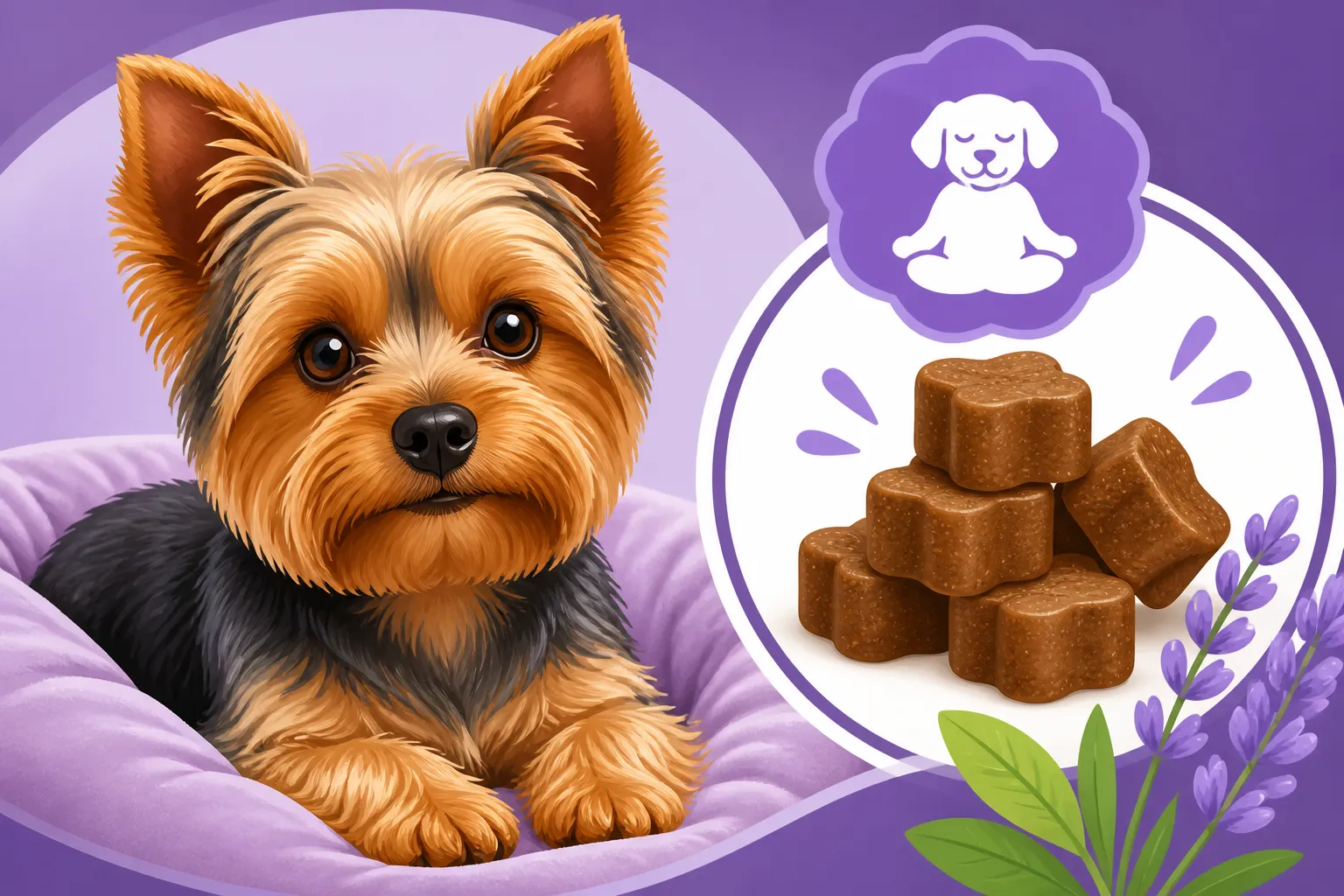
Calming chews are a popular supplement designed to help alleviate anxiety and stress in dogs. They're not a magic bullet, nor are they sedatives, but rather a gentle aid, formulated with natural ingredients that can help promote a sense of calm without making your Yorkie drowsy or "doped up." Think of them more like a natural supplement that supports a calmer state of mind, much like how some people take herbal remedies for mild stress. They can be a wonderful tool in your arsenal, especially when facing predictable stressors like holiday fireworks or a visit from noisy relatives.
The appeal of calming chews lies in their ease of administration and their generally natural composition. They come in palatable forms, often flavored with chicken or peanut butter, making them easy to disguise as a treat. This is particularly beneficial for Yorkies, who can sometimes be picky eaters or wary of anything that smells like "medicine." They offer a convenient, non-invasive option for owners seeking to ease their dog's anxiety without resorting to prescription medications, which often come with more significant side effects.
Key Ingredients and Their Benefits
The effectiveness of calming chews largely depends on their active ingredients, which work synergistically to help modulate brain chemistry and promote relaxation. It’s like a carefully selected blend of natural helpers, each playing a role in calming your Yorkie’s nervous system. Knowing what these ingredients do can help you choose the best option for your specific pup.
Many calming chews feature L-Theanine, an amino acid found naturally in green tea. L-Theanine is known for its ability to promote relaxation without causing drowsiness. It helps increase alpha brain waves, which are associated with a state of relaxed alertness, and can also increase levels of neurotransmitters like dopamine and serotonin, which contribute to feelings of well-being. For a small Yorkie, even a small dose can make a noticeable difference in reducing hyperactivity and nervousness.
Another common ingredient is Chamomile, an herb long used in human medicine for its mild sedative and anti-inflammatory properties. In dogs, it can help soothe an upset stomach (often a byproduct of anxiety) and calm the nervous system. Similarly, Valerian Root is a natural sedative herb that can help with sleep and reduce excitability. When combined, these botanicals can provide a gentle, all-around calming effect, helping your Yorkie feel more at ease during stressful events like the vet, which can also incur significant Yorkshire Terrier Vet Costs and Health Budget.
L-Tryptophan is an essential amino acid and a precursor to serotonin, the "feel-good" hormone. By increasing serotonin levels in the brain, L-Tryptophan can help improve mood and reduce anxiety and aggression. You might recognize it as the ingredient often associated with post-Thanksgiving dinner drowsiness, though the dosages in pet calming chews are carefully measured for therapeutic effect without heavy sedation.
Some advanced calming chews also incorporate Hemp extract or CBD. While the legal landscape around CBD for pets varies, many brands offer hemp-derived products that are THC-free. Hemp extract is believed to interact with the endocannabinoid system, which plays a role in regulating mood, sleep, appetite, and pain sensation. It can help reduce anxiety, promote relaxation, and even alleviate discomfort. When considering these, always choose products specifically formulated for pets, with clear lab testing results to ensure purity and potency.
Types of Calming Chews Available
Calming chews aren't a one-size-fits-all product; they come in various forms to suit different preferences and needs of both the Yorkie and their human. This variety ensures that even the pickiest eaters or those with specific dietary restrictions can find a suitable option.
The most popular form is soft chews. These are typically soft, pliable, and easy to chew, often shaped like small bites or cubes. They usually come in appealing flavors like chicken, beef, or peanut butter, making them highly palatable for most dogs, including discerning Yorkies. Soft chews are excellent for quick administration and often contain a balanced blend of active ingredients. They are convenient for daily use or for administering before a known stressful event, like a car ride to the groomer or a trip to the local pet park.
Biscuits or crunchy treats are another option, though perhaps less common for dedicated calming products. These can be good for dogs who prefer a harder chew or who might be suspicious of the softer, more "medicinal"-looking chews. They offer the satisfaction of a crunchy treat while delivering the calming ingredients. However, due to their harder texture, it's essential to ensure your Yorkie's dental health is good enough to handle them, especially if they have any existing Yorkshire Terrier Dental Disease: Signs and Care.
For Yorkies who are particularly fussy or have very sensitive stomachs, powders or liquid supplements mixed into food might be a better choice. These allow you to control the dosage very precisely and can be easily hidden in a favorite wet food or a dollop of plain yogurt. This method avoids the issue of your Yorkie rejecting a chew entirely and ensures they receive the intended calming benefits. While not strictly "chews," they serve the same purpose and often contain the same active ingredients. Many good brands, including some found on Chewy or Amazon, offer these flexible options.
Choosing the Best Calming Chews for Your Yorkie
Selecting the right calming chew for your tiny Yorkshire Terrier isn't quite as straightforward as grabbing the first bag you see. Their small size, unique sensitivities, and individual reactions mean you need to be a little more discerning. The goal is to find something that's effective without being overpowering, tailored to their specific needs. It's about finding that sweet spot of comfort and safety.
It's easy to get overwhelmed by the sheer number of options out there, all promising to be the "best." But remember, your Yorkie is an individual. What works wonders for a Great Dane won't necessarily be appropriate for a dog that can fit in a teacup. Taking the time to research and understand the nuances will pay off in a calmer, happier pup.
Factors to Consider: Size, Ingredients, and Dosage
When you're shopping for calming chews, especially for a diminutive breed like a Yorkie, a few critical factors should always be at the forefront of your mind. Overlooking these can lead to ineffective results or, worse, potential issues.
Firstly, size and palatability are huge. Yorkies have tiny mouths and can be notoriously picky. A chew that's too large or too hard for them to comfortably eat won't do any good, no matter how effective the ingredients. Look for soft chews that are specifically marketed for small breeds or that are easily breakable into smaller pieces. A strong, artificial smell might also deter a sensitive Yorkie, so consider those with natural, mild flavors that dogs typically enjoy, like chicken or peanut butter.
Secondly, ingredients and quality are paramount. Always scrutinize the ingredient list. Look for natural, well-researched calming agents like L-Theanine, L-Tryptophan, chamomile, and valerian root. Be wary of products with excessive fillers, artificial colors, or unpronounceable chemicals. High-quality brands often list their ingredients clearly, sometimes even providing a certificate of analysis, especially for hemp-based products. Brands like Ollie, known for their fresh dog food, also emphasize high-quality ingredients if they were to venture into supplements, suggesting a standard of purity you should look for. Ensure the product doesn't contain anything that might trigger your Yorkie's specific allergies if they have them.
Finally, dosage is absolutely critical for Yorkies. Because they are so small, even a slight overdose can lead to lethargy or an upset stomach. Most calming chews will provide a dosage chart based on weight. Always start with the lowest recommended dose, or even half of that, especially if your Yorkie is on the smaller end of the spectrum or particularly sensitive. Observe their reaction before gradually increasing to the full recommended dose if needed. It's better to under-dose slightly and see no effect than to over-dose and cause discomfort. If you're unsure about the right dosage, particularly if your Yorkie has any existing health conditions like Yorkshire Terrier Health Problems to Know, always consult with your veterinarian.
Reputable Brands and Where to Find Them
Navigating the vast market of pet products can be daunting, but sticking to reputable brands and reliable retailers can significantly ease the process of finding safe and effective calming chews for your Yorkie. These brands often invest in research and quality control, giving you greater peace of mind.
When it comes to purchasing, large online retailers like Chewy and Amazon are excellent starting points. Chewy, in particular, often provides detailed product descriptions, customer reviews, and filters that allow you to search specifically for small breed supplements. You can easily compare different brands side-by-side, read what other Yorkie parents have to say, and even set up auto-shipments so you never run out. Many of my go-to brands for supplements can be found there.
For those who prioritize human-grade or fresh ingredients, some specialized brands, like Ollie, while primarily known for food, often set a high standard that other supplement companies strive to meet. While Ollie might not directly offer calming chews, seeking out brands that share their commitment to ingredient quality can guide your choices. Look for transparency in sourcing and manufacturing, and brands that conduct third-party testing of their products.
When evaluating brands, consider factors like:
- Customer reviews: While not the only factor, consistent positive feedback from other small dog owners is a good sign.
- Certifications: Look for certifications like the National Animal Supplement Council (NASC) seal, which indicates adherence to quality standards.
- Veterinarian recommendations: Ask your vet for their preferred brands, especially if your Yorkie has specific health concerns. Your vet can also advise on when to take your Yorkie to the vet for anxiety that calming chews might not fully address.
- Ingredient transparency: A brand that clearly lists all active and inactive ingredients is generally more trustworthy.
Here's a quick reference table for common calming chew ingredients and their primary benefits:
| Ingredient | Primary Benefit | Common Use Cases | Notes |
|---|---|---|---|
| L-Theanine | Promotes relaxation without drowsiness | General anxiety, car rides, vet visits | Found in green tea |
| L-Tryptophan | Precursor to serotonin, mood enhancer | Separation anxiety, stress-related aggression | Essential amino acid |
| Chamomile | Mild sedative, anti-inflammatory, stomach soother | General nervousness, mild digestive upset from stress | Herbal, can be found in teas and supplements |
| Valerian Root | Natural sedative, helps with sleep and excitability | Noise phobias, sleep disturbances, hyperactivity | Herbal, strong smell might deter some dogs |
| Hemp Extract/CBD | Interacts with endocannabinoid system for calm, pain relief | Moderate to severe anxiety, chronic stress, pain | Ensure THC-free, third-party tested, vet consulted |
| Melatonin | Regulates sleep cycles, mild calming | Sleep issues, nighttime anxiety, travel | Use with caution, can cause drowsiness |
| Passion Flower | Herbal calming, muscle relaxant | Hyperactivity, nervousness, mild restlessness | Often combined with other calming herbs |
| Thiamine (Vitamin B1) | Supports nervous system health, stress reduction | Mild anxiety, stress from environmental changes | Water-soluble, generally safe |
This table provides a snapshot, but always remember to read the specific product label carefully for a full ingredient list and exact dosages.
How to Introduce Calming Chews Safely and Effectively
Introducing any new supplement to your Yorkie, especially a calming chew, requires a thoughtful and cautious approach. You wouldn't just chug a whole bottle of calming tea the first time you tried it, right? The same goes for your furry friend. The goal is to provide relief without causing any unnecessary side effects or discomfort. Patience and observation are your best friends in this process.
It’s about creating a positive experience around the chew, not associating it with something scary or unpleasant. Remember, you're trying to reduce anxiety, not add to it! A calm and consistent approach from your end will also contribute to your Yorkie feeling more secure during the introduction phase.
Gradual Introduction and Observation
The absolute golden rule when starting your Yorkie on calming chews is to begin with a small dose and introduce it gradually. Even if the packaging says one chew for their weight, start with half a chew, or even a quarter, especially for smaller Yorkies or those prone to sensitivities. This allows your Yorkie's system to adjust and helps you gauge their individual reaction.
Administer the initial small dose when your Yorkie is in a relaxed, familiar environment, not right before a major stressor. This way, if they have any mild adverse reactions (like slight lethargy or an upset stomach), you can observe them safely at home. Wait at least 24 hours, or ideally 2-3 days, before giving another dose, unless the product instructions specify otherwise for acute situations. This allows enough time for the ingredients to metabolize and for you to notice any delayed effects.
Observe your Yorkie closely after administering the chew. Look for the desired calming effects: are they less agitated? Is their panting reduced? Are they able to relax more easily? Equally important, watch for any unwanted side effects:
- Excessive lethargy: Are they too sleepy or unresponsive?
- Digestive upset: Diarrhea, vomiting, or loss of appetite?
- Allergic reactions: Itching, swelling, or hives? (Though rare with natural ingredients, it's possible).
If you notice any concerning side effects, discontinue use immediately and contact your veterinarian. If the initial small dose doesn't provide enough relief after a few days, you can gradually increase the dosage, working your way up to the full recommended amount, always watching for their response. Consistency is often key; many calming chews work best when given regularly, as directed, rather than just as a one-off. For issues like a Yorkie suffering from Yorkie Coughing: When to Worry, it's crucial to distinguish anxiety from underlying health problems.
When Calming Chews Aren't Enough: Professional Help
While calming chews can be a wonderful aid, they are not a substitute for professional veterinary or behavioral intervention, particularly for severe or persistent anxiety. If you've tried different calming chews consistently and aren't seeing a significant improvement, or if your Yorkie's anxiety is worsening, it's a clear signal that it's time to seek expert help. It's important to remember that anxiety can be rooted in various issues, and sometimes, a supplement alone isn't sufficient.
Your first stop should always be your veterinarian. They can rule out any underlying medical conditions that might be contributing to your Yorkie's anxiety. Pain, discomfort, or hormonal imbalances can manifest as behavioral changes, including nervousness. Your vet can conduct a thorough examination and recommend blood tests or other diagnostics. They can also offer prescription medications for anxiety if appropriate, which might be a necessary step for severe cases that put your Yorkie at risk (e.g., self-harm through excessive licking/chewing, extreme destructive behavior). Don't ignore Yorkie Emergency Symptoms to Never Ignore, as some anxiety symptoms can mask more serious issues. Learning How to Choose a Vet for a Yorkie is an important first step.
Beyond medical evaluation, a certified professional dog trainer or a veterinary behaviorist can provide invaluable guidance. These specialists are trained to understand canine behavior and can help identify the root cause of your Yorkie's anxiety. They can then develop a tailored behavior modification plan, which might include:
- Desensitization and counter-conditioning techniques: Gradually exposing your Yorkie to their triggers in a controlled, positive way.
- Environmental management: Making changes to your home or routine to reduce stressors.
- Enrichment activities: Providing mental and physical stimulation to reduce boredom and anxiety.
- Training and consistency: Establishing clear rules and routines to help your Yorkie feel more secure.
Calming chews can often be used effectively in conjunction with these professional strategies, providing a baseline of calm that makes training and behavior modification more successful. Think of them as part of a multi-faceted approach, not the sole solution. Your Yorkie deserves all the support you can give them to live a happy, stress-free life.
Disclaimer
Please note that the information provided in this article is for educational purposes only and is not intended as a substitute for professional veterinary advice. Always consult with a qualified veterinarian before making any decisions about your pet's health, diet, or treatment, especially when introducing new supplements or if your pet has existing health conditions.