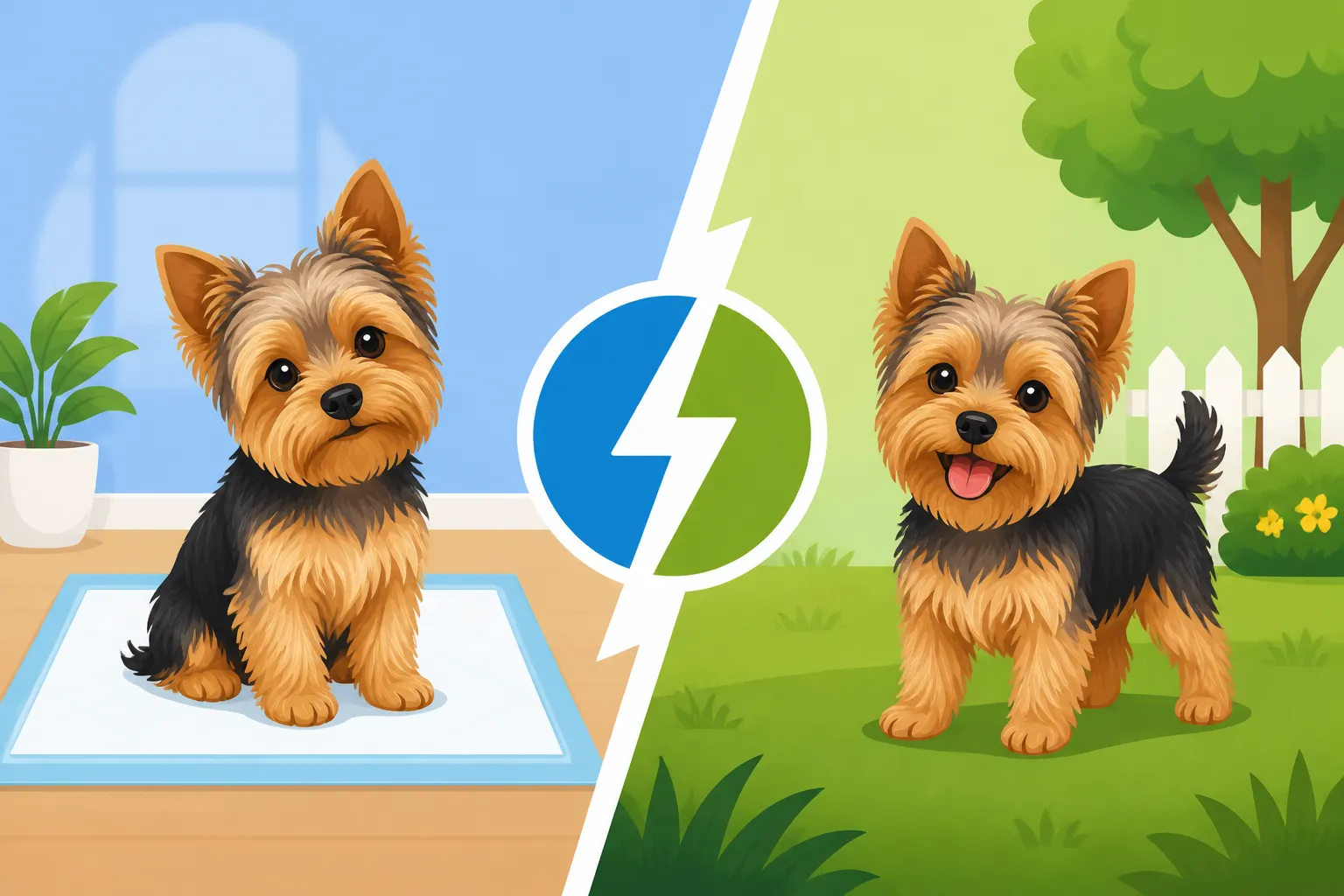
Pee Pad vs Outdoor Training for Yorkies
Bringing a tiny Yorkshire Terrier into your home is an absolute joy, but it also comes with its fair share of unique challenges. One of the biggest hurdles many Yorkie parents face is the age-old question: "Do I train my little fluffball to use pee pads indoors, or do I commit to outdoor potty breaks?" This isn't just a matter of preference; it's a critical decision that impacts your daily routine, your dog's habits, and the overall cleanliness of your home. This comprehensive guide will walk you through the distinct pros and cons of both pee pad and outdoor training, explore a hybrid approach, and offer practical tips to help you make the best choice for your Yorkie and your lifestyle, ensuring a smoother, happier potty-training journey.
Understanding the Yorkie's Unique Potty Training Challenges
Before we dive into the specifics of pee pad versus outdoor training, it's crucial to understand why potty training a Yorkshire Terrier can feel like a marathon, not a sprint. Their tiny stature and terrier temperament present some distinct considerations that owners often overlook.
Small Bladders and High Metabolism
Let's be real: Yorkies are small dogs, and small dogs have small bladders. It’s not a reflection of their intelligence or willingness to learn; it's pure physiology. A tiny bladder simply can't hold as much urine for as long as a larger dog's bladder. This means your Yorkie will need to relieve themselves much more frequently than, say, a Labrador. Combine this with their typically high metabolism, which processes food and water relatively quickly, and you have a recipe for frequent potty urges.
Imagine yourself needing to go to the bathroom every hour or two, even overnight! That's often the reality for a Yorkie puppy. Expecting them to hold it for an entire eight-hour workday or through the night without accidents is simply unrealistic. This physiological reality is a huge reason why many Yorkie owners find themselves constantly monitoring their pup, and why a well-thought-out potty schedule is non-negotiable, whether you're aiming for indoors or outdoors.
Weather Sensitivity and Size Vulnerability
Yorkies were originally bred as working dogs in harsh conditions, but modern Yorkies, with their delicate builds and thin coats, aren't exactly built for braving the elements. A chilly breeze, a light drizzle, or certainly a full-blown downpour can send a Yorkie scrambling back inside before they’ve even had a chance to squat. Many Yorkie parents joke that their dogs have a built-in weather aversion, and it’s true! Extreme heat can also be a problem, as their tiny paws can burn easily on hot pavement.
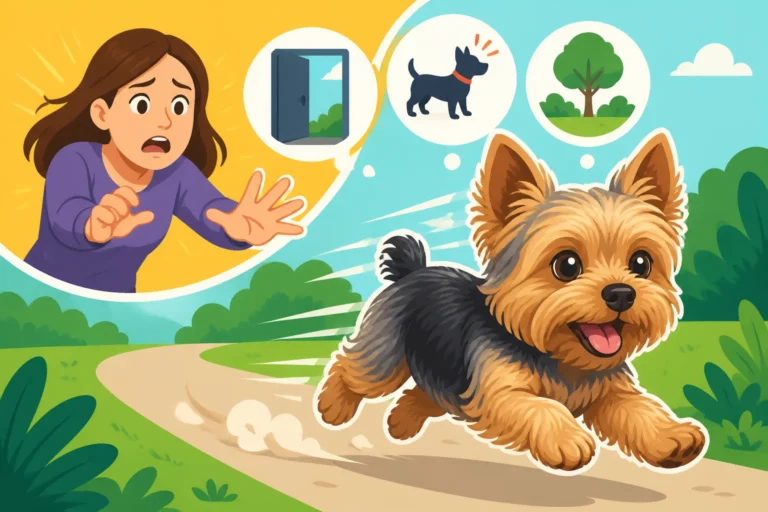
Beyond comfort, there's the issue of safety. A Yorkie's small size makes them incredibly vulnerable. When you take them outside, especially in an unfenced yard or a public park, they can feel intimidated by larger dogs, startled by loud noises, or even viewed as prey by birds of prey in some areas. This feeling of vulnerability can cause a Yorkie to "hold it" rather than relax and do their business, leading to accidents once they are back inside in a perceived safe space. This fear factor significantly influences how easily they adapt to outdoor potty routines and underscores the importance of a secure, calm potty spot.
The Ins and Outs of Pee Pad Training for Yorkies
For many Yorkie owners, especially those living in apartments or facing busy schedules, pee pad training seems like the logical choice. It offers a level of convenience and control that outdoor training sometimes can't.
Advantages of Indoor Potty Solutions
The benefits of pee pad training are quite clear, making it an attractive option for many Yorkie parents.
Firstly, there's the unparalleled convenience. Imagine a torrential downpour, a blizzard, or even just a busy morning when you’re running late for work. With a pee pad strategically placed indoors, your Yorkie can relieve themselves without you having to don rain boots or interrupt your urgent schedule. This is particularly appealing for city dwellers in high-rise apartments, where a quick dash outside isn't always an option. It grants both you and your pup a lot of flexibility when your schedule is unpredictable or when mother nature isn't cooperating.
Secondly, indoor potty solutions offer a significant boost in safety. As we touched upon earlier, a small Yorkie can be vulnerable outdoors. Pee pads eliminate concerns about traffic, larger aggressive dogs, wild animals, or even parasites and diseases that can be picked up from contaminated ground. For very young puppies or senior Yorkies with compromised immune systems or mobility issues, this controlled indoor environment can be a lifesaver, providing a sterile and secure place to do their business without any external threats.
Finally, pee pads provide consistency. They are always there, always available, regardless of the time of day or night. This consistency is excellent for establishing a routine, especially for puppies who need to go every couple of hours. There's no risk of a missed opportunity because you're away from home or simply slept through an alarm. This constant availability can reduce anxiety for the dog and makes the learning process more predictable. If you're looking for guidance on setting up a schedule, our guide on Yorkshire Terrier Puppy Health Guide touches on routine, and you can also check out tips for Nighttime Potty Training for Yorkie Puppies.
Disadvantages and Potential Pitfalls
While convenient, pee pad training isn't without its downsides. Many owners who start with pads eventually find themselves struggling with some common issues.
One of the biggest hurdles is the confused messaging it can send to your Yorkie. The underlying message is, "It's okay to pee inside, but only here." This can be a subtle distinction for a dog, especially a clever terrier. It’s not uncommon for pee pad trained Yorkies to have accidents on bathmats, rugs, discarded clothing, or even a pile of laundry, mistaking them for their designated potty spot due to similar textures or absorbency. This can be incredibly frustrating, leading to a constant battle of protecting all soft surfaces.
Then there's the issue of smell and hygiene. Even the best, most absorbent pee pads, when used consistently, will inevitably create some residual odor in your home. Urine, even in small amounts, can seep into the floor beneath or get tracked around by tiny paws. Regular cleaning, including enzymatic cleaners, becomes essential to truly eliminate odors and prevent your Yorkie from being drawn back to "accident spots" by lingering scents.
Lastly, and perhaps most importantly, transition difficulties are very real. If your Yorkie is exclusively pee pad trained from a young age, they may develop a strong preference for indoor elimination. Trying to transition them to outdoor potty breaks later can be a significant challenge, as they might be reluctant to go on grass or concrete, or they may simply not understand why the rules have suddenly changed. This can prolong the overall potty training process if outdoor elimination is your long-term goal.
Best Practices for Effective Pee Pad Training
If you decide pee pad training is the right path for your Yorkie, employing these best practices will significantly increase your chances of success.
Firstly, strategic placement is key. Choose a spot that is accessible to your Yorkie but out of the main traffic flow of your home. Avoid placing it right next to their food and water bowls or their bed, as dogs naturally prefer to keep their eating, sleeping, and elimination areas separate. A corner of a room, or within a designated playpen area, often works well. Ensure the pad is easily reachable, especially for a puppy who needs to go often.
Next, rewards, rewards, rewards! Whenever your Yorkie successfully uses the pee pad, offer immediate, high-value treats and enthusiastic praise. The timing is critical – the reward needs to happen within seconds of them finishing their business so they can clearly associate the positive reinforcement with the act of using the pad. This positive association builds confidence and reinforces the desired behavior.
Containment is another vital tool. When you can't actively supervise your puppy, confine them to a smaller, safe area like a crate or a playpen. This limits their opportunities to have accidents in other areas of your home. Inside the playpen, ensure the pee pad is readily available. Gradually expand their access to your home as they consistently use the pad. For more on this, our guide on Yorkshire Terrier Crate Training Guide offers valuable insights.
Finally, consider the types of pads. There’s a vast array out there. Some come with attractants to draw your dog to them, while others are infused with charcoal to help absorb odors. You can find super-absorbent pads for overnight use, or even reusable, washable pads that are more environmentally friendly. Brands like AmazonBasics offer various options, and exploring what works best for your Yorkie and your home environment might involve a bit of trial and error. Some owners even use artificial grass patches over a collection tray, which mimics an outdoor surface while still being indoors.
Embracing Outdoor Potty Training for Your Yorkie
For many dog owners, outdoor potty training is the gold standard. It aligns with a dog's natural instincts and often leads to a cleaner home environment.
Benefits of Outdoor Potty Routines
Training your Yorkie to do their business outside comes with several distinct advantages that contribute to a harmonious home life.
The most significant benefit is the clear distinction it creates: inside the house is for living, playing, and cuddling, while outside is the designated potty zone. This clear boundary helps your Yorkie understand where it is appropriate to eliminate, drastically reducing the likelihood of indoor accidents on rugs, furniture, or hidden corners. There’s no ambiguity for your dog to misinterpret a bathmat for a pee pad.
This leads directly to better hygiene in your home. By taking all elimination outside, you prevent the accumulation of urine odors indoors. Even with the best pee pads and diligent cleaning, there can be a faint smell. Outdoor elimination means a fresher-smelling home and fewer instances of needing to scrub floors or replace carpets. It also encourages a naturally cleaner environment for both you and your pet.
Beyond cleanliness, outdoor trips provide essential mental stimulation and exercise. Each trip outside isn't just about relieving themselves; it's an opportunity for your Yorkie to sniff new smells, hear different sounds, and engage with the world beyond your four walls. This sensory enrichment is vital for a dog's mental well-being and helps burn off some of that lively terrier energy. Even a short walk to a designated potty spot can contribute to their daily exercise needs. Plus, it reinforces a natural behavior for dogs, who instinctively prefer to eliminate away from their den or living area.
Challenges and Overcoming Them
While ideal, outdoor potty training can present its own set of unique challenges, especially with a breed like the Yorkie.
Weather aversion is a big one. As mentioned, Yorkies aren't fond of cold, rain, or snow. To overcome this, invest in appropriate gear. A small raincoat or a warm sweater (like those from brands easily found on Amazon) can make a huge difference in encouraging your Yorkie to go outside when the weather is less than perfect. Don't just open the door and expect them to brave the elements; walk them out, stay with them, and praise them for enduring the discomfort.
Scheduling commitment is paramount. Especially with a puppy, you’ll need to commit to frequent trips outside – sometimes every hour or two. This requires consistency and patience, even when you're tired or busy. It's a significant time investment initially, but it pays off with a reliably house-trained dog. Our guide on How to Potty Train a Yorkie Puppy elaborates on creating a robust schedule.
Distractions in the outdoor environment can also be problematic. A busy street, other dogs barking, or even a leaf blowing by can be far more interesting than focusing on going potty. Keep outdoor potty breaks focused: take your Yorkie to their designated spot, stay calm, and limit play until after they’ve done their business. Once they've successfully eliminated, then you can offer a short walk or playtime as a reward.
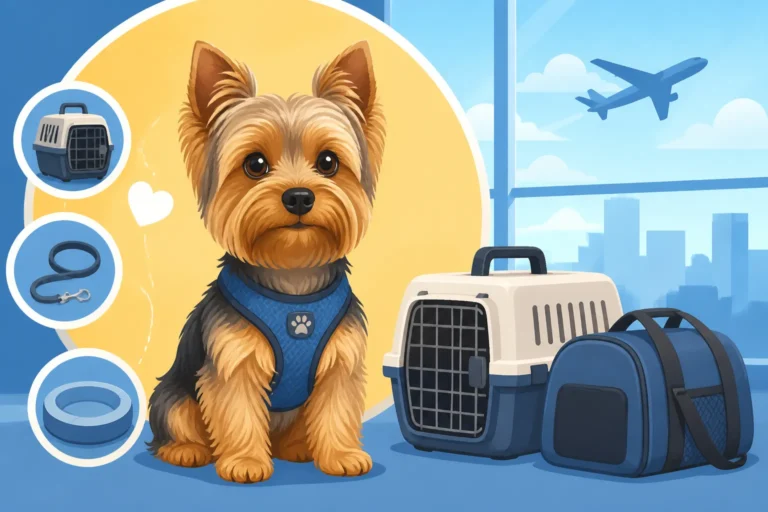
Lastly, some Yorkies can develop "small dog syndrome", becoming overly anxious or reactive to new environments or larger dogs. Early and positive socialization is key here. Introduce them to different sights and sounds gently, ensuring every outdoor experience is as positive and safe as possible. Always use a secure harness, not a collar, to protect their delicate trachea, especially when out walking. You might find our article on Why Harnesses Are Better Than Collars for Yorkies particularly useful.
Step-by-Step Guide to Outdoor Success
To truly master outdoor potty training with your Yorkie, a structured and consistent approach is essential.
First and foremost, establish a consistent schedule. This is the bedrock of all successful potty training. Take your Yorkie out first thing in the morning, immediately after waking up, after every meal and drink, after playtime, before bedtime, and at least once or twice during the night for young puppies. Consistency helps them learn when to expect to go outside and helps their body regulate.
Next, focus on leash training and a designated potty spot. Always take your Yorkie out on a leash to their chosen potty spot. This small area, perhaps a patch of grass in your yard or a specific tree on your walking route, helps them associate that location with elimination. Using a consistent command like "Go Potty" or "Do Your Business" every time you go out can also help cue the behavior. Allow them a few minutes to sniff around and find their spot.
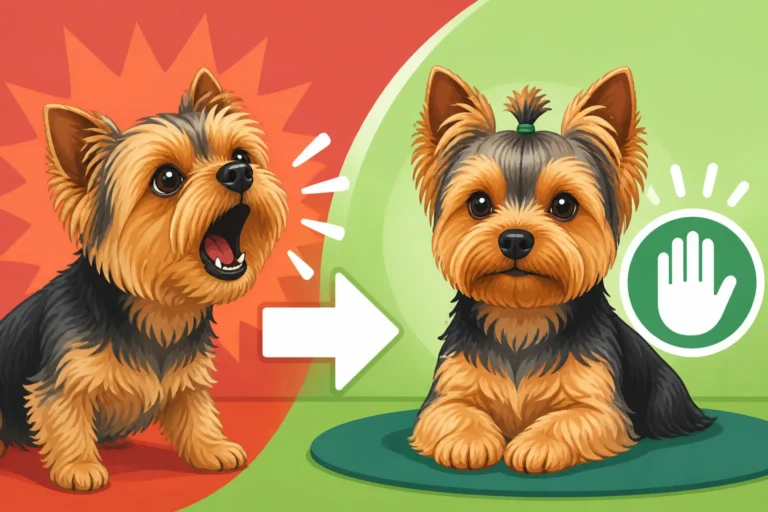
Positive reinforcement is your best friend. The moment your Yorkie finishes eliminating outside, shower them with enthusiastic praise and immediately offer a high-value treat. Again, timing is everything. You want them to connect the act of going potty outside with something wonderful happening. Avoid scolding them for accidents inside; simply clean them up thoroughly and resolve to take them out more frequently.
Finally, remember that patience and consistency are non-negotiable. Potty training isn't always linear, and there will be setbacks. Don’t get discouraged. Stick to your schedule, keep reinforcing good behavior, and trust the process. Our general guide on Yorkshire Terrier Potty Training Guide offers more universal advice that applies here. If you encounter significant difficulties, consult with a professional dog trainer who specializes in small breeds.
The Hybrid Approach: Combining Pads and Outdoor Training
Sometimes, life calls for flexibility, and a hybrid approach to potty training can offer the best of both worlds for a Yorkie owner. This method involves teaching your dog to use both pee pads indoors and to go potty outside.
Why a Hybrid Model Might Be Ideal
A hybrid training model isn't just a compromise; for many Yorkie owners, it's the most practical and compassionate solution.
The primary appeal of this approach is flexibility. If you have an unpredictable work schedule, live in a climate with harsh winters or sweltering summers, or simply want to sleep in occasionally without worrying about a distressed pup, a hybrid system can be a lifesaver. It allows for outdoor potty breaks when feasible and desirable, but provides a reliable indoor alternative for those times when going outside isn't possible or safe. This also makes it excellent for senior Yorkies who might have less bladder control or find it difficult to navigate stairs or extreme weather.
Furthermore, a hybrid approach can serve as an excellent transition tool for puppies. Young puppies have very little bladder control and need to go constantly. Starting with readily available pee pads indoors can prevent countless accidents while simultaneously working on outdoor training. As they mature and gain better bladder control, you can gradually reduce reliance on the pads, making the transition to primarily outdoor elimination smoother and less stressful for both of you.
Lastly, it offers a crucial backup plan. There will be days when you’re sick, a family emergency arises, or you simply can’t get your dog out as often as you’d like. Knowing your Yorkie has a secondary, indoor option for potty breaks provides immense peace of mind. This reduces anxiety for both the dog and the owner, fostering a more relaxed relationship around potty needs.
Implementing a Dual Training System
Successfully implementing a dual training system requires clear boundaries and consistent communication to avoid confusing your intelligent Yorkie.
The key is to start with outdoor priority, using pads as a secondary, conditional option. This means that whenever you can take your Yorkie outside for a potty break, you absolutely should. Use the same consistent schedule and positive reinforcement methods outlined for outdoor training. The pee pad should be available indoors, but not as the primary go-to. Think of it as an emergency exit, not the main door.
Gradually reduce pad availability as your Yorkie becomes more reliable with outdoor elimination. For instance, you might start by having a pad out overnight and during your work hours. As your Yorkie shows more control and consistency outside, you can reduce the hours the pad is available, eventually removing it during the day and only leaving it out overnight or during extended absences. This slow fade helps them adjust without feeling deprived of an option.
It's also incredibly helpful to ensure distinct cues for each method. Use specific phrases like "outside potty" when you take them out, and "pad potty" when you direct them to their indoor spot. This verbal distinction can help your Yorkie understand the different contexts for eliminating. When you’re training, resources like BAXTER & Bella often provide comprehensive modules on combining different training methods effectively, which can be super helpful for such nuanced approaches.
Avoiding Confusion in a Hybrid Setup
The biggest challenge with a hybrid system is preventing your Yorkie from getting confused about where they are allowed to go. Careful management is key.
One critical aspect is clear communication and consistent training. Every time you take them outside and they go, it's a huge celebration. The rewards for outdoor elimination should often be higher-value than for pad use, reinforcing that outdoor is the preferred method. For indoor pad use, a quiet "good potty" and perhaps a smaller treat is sufficient. You want to make outdoor success the most rewarding option.
Spatial separation of potty zones is another vital element. If you have an outdoor potty spot, make sure it’s distinct from their play area. Indoors, ensure the pee pad is in a consistent location, ideally in a low-traffic area that is easily accessible but not where they eat or sleep. Avoid having pads scattered throughout the house, as this can reinforce the idea that peeing anywhere indoors is acceptable.
Lastly, reinforce outdoor elimination more strongly. When you're actively present and supervising, always try to take your Yorkie outside first. Only resort to the pad if they show undeniable signs of needing to go and you cannot get them outside in time. By making outdoor trips the default and most celebrated option, you guide your Yorkie toward understanding your preferences, while still offering them a practical alternative for those unavoidable circumstances.
Essential Tools and Training Aids
Regardless of whether you choose pee pads, outdoor training, or a hybrid approach, having the right tools and aids can make the entire potty training process smoother and more successful.
Potty Pads and Alternatives
If you're using pee pads, you'll find a wide variety available. Look for pads with good absorbency and leak-proof backing. Some popular brands offer extra-thick pads or those with odor-neutralizing charcoal layers. The size of the pad also matters; make sure it's large enough for your Yorkie to comfortably turn around on. For puppies, you might start with larger pads and gradually reduce the size as they get more consistent.
Beyond traditional disposable pads, there are several alternatives. Reusable pee pads are an eco-friendly option that can save money in the long run. They are typically made of multiple absorbent layers and can be machine washed. Artificial grass patches are another popular choice, offering a more natural texture for dogs who prefer grass over a flat pad. These often come with a tray underneath to collect urine, making cleanup easier. Some even offer puppy litter boxes, which are essentially small trays filled with absorbent pellets or shredded paper, giving your Yorkie a designated indoor space that feels more contained than a simple pad. These can all be found readily on sites like Amazon.
Crates, Playpens, and Gates
These containment tools are invaluable for house training, regardless of your chosen method.
Crate training is often cited as one of the most effective methods for housebreaking. Dogs naturally do not want to soil their sleeping area, so a properly sized crate (one just large enough for your Yorkie to stand up, turn around, and lie down comfortably) can be a powerful tool. It teaches them to hold their bladder and bowels for short periods, and when they are released from the crate, they are usually eager to go potty immediately. Always remember to take them directly to their designated potty spot (pad or outdoor) the moment they exit the crate. Our article on Yorkshire Terrier Crate Training Guide has more in-depth information.
Playpens are fantastic for providing a safe, confined area when you can't actively supervise your Yorkie. They allow more space than a crate, often enough for a bed, water bowl, and a pee pad if you're using one. This setup prevents accidents from happening all over your house while still giving your puppy some freedom.
Baby gates are simple yet effective tools for restricting access to certain areas of your home. This can be useful during the initial stages of training, allowing you to manage your Yorkie's environment and prevent accidents in off-limit rooms. They ensure your Yorkie stays in the same room as you, making it easier to monitor for potty signals.
Cleaning Supplies and Odor Eliminators
Accidents will happen, especially with puppies, and how you clean them up is crucial. Using the right products not only removes the stain but also eliminates the odor, which prevents your Yorkie from returning to the same spot to eliminate again.
Enzymatic cleaners are a must-have. Unlike regular household cleaners, enzymatic formulas break down the uric acid crystals in urine, completely neutralizing the odor. If even a faint scent remains, your Yorkie's keen nose will detect it, reinforcing the idea that this spot is a potty area. Popular brands include Nature's Miracle, Rocco & Roxie Supply Co., and Simple Solution. Always saturate the soiled area with the cleaner and let it air dry as per the product instructions for best results. These specialized cleaners are readily available through online retailers like Amazon.
Beyond immediate cleanup, consider investing in a good odor eliminator spray for general maintenance, especially if you're using pee pads indoors. Regular use can help keep your home smelling fresh and clean, even with a tiny Yorkie making frequent trips to their indoor potty.
Training Aids and Resources
A successful potty training journey often involves more than just pads or outdoor trips.
High-value treats are non-negotiable for positive reinforcement. These are small, soft, incredibly delicious treats that your Yorkie doesn't get at any other time. Think tiny pieces of cooked chicken, cheese, or specialized training treats. The higher the value, the stronger the motivation to repeat the desired behavior. A clicker can also be a powerful training tool, marking the exact moment your Yorkie performs the correct action, followed by a treat.
Don't be afraid to seek professional help if you're struggling. Online courses or local certified dog trainers can provide personalized guidance and support. Services like BAXTER & Bella offer comprehensive online puppy training programs that cover everything from potty training to socialization, providing a structured curriculum you can follow from the comfort of your home. Sometimes, an outside perspective and expert advice can make all the difference, especially if you're experiencing challenges like Yorkie Potty Training Regression or dealing with a particularly stubborn pup.
Troubleshooting Common Potty Training Issues
Even with the best intentions and consistent effort, potty training a Yorkie can hit some bumps in the road. It’s important to understand why these issues occur and how to effectively address them without getting frustrated.
Accidents Inside When Fully Trained
It’s incredibly disheartening when your seemingly fully potty-trained Yorkie starts having accidents indoors again. Before jumping to behavioral conclusions, the first and most critical step is always to rule out medical issues. A sudden change in potty habits is often the first indicator of a health problem.
Urinary tract infections (UTIs) are common in dogs, especially small breeds, and can cause frequent urination, urgency, or inability to hold it. Other conditions like bladder stones, kidney issues, or even diabetes (which increases thirst and urination) could also be culprits. If your Yorkie is having accidents, an immediate trip to the vet is warranted to get a clean bill of health. Our guides on Signs Your Yorkshire Terrier Is Sick and Yorkshire Terrier Health Problems to Know can help you identify other symptoms to look out for.
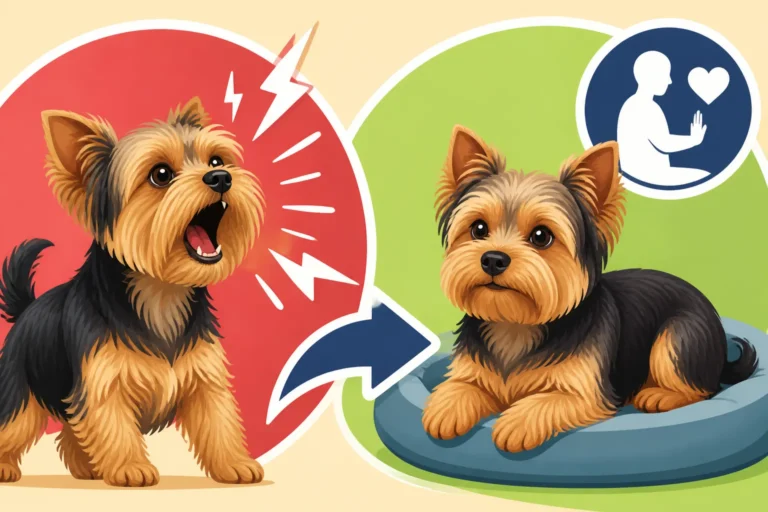
Once medical causes are ruled out, consider stress or changes in routine. Yorkies are sensitive little souls. A new baby, a move to a new home, a change in your work schedule, or even new furniture can cause anxiety, leading to accidents. Any significant disruption to their familiar environment or schedule can prompt a temporary setback. Re-establish their routine, provide plenty of comfort, and consider enrichment activities to reduce stress.
Finally, incomplete cleaning of past accidents is a common, often overlooked reason for repeat offenses. As discussed, if you don't use an enzymatic cleaner that fully neutralizes the odor, your Yorkie will still smell the residual urine, reinforcing that spot as an acceptable potty area. Be diligent about cleaning every single accident thoroughly.
Refusal to Go Outside
If your Yorkie is stubbornly refusing to do their business outside, despite your best efforts, there are several factors at play.
Fear is a big one. Loud noises (traffic, construction, thunderstorms), the presence of other larger dogs, or even unfamiliar people can make a small Yorkie feel exposed and unsafe. In such situations, they may "hold it" until they are back in the perceived safety of your home. Try to find a quiet, low-stress potty spot. If fear is severe, consider working with a professional trainer to build their confidence through positive experiences and desensitization.
Weather aversion is also incredibly common with Yorkies. They simply do not like getting wet or cold. Dress them in a waterproof coat or a sweater when the weather is inclement. Stay out with them and offer encouragement. Sometimes, a covered area like an overhang or a large umbrella can make them feel more comfortable.
If your Yorkie has been primarily pee pad trained, they might have developed a strong preference for pads. The sensation of grass or concrete might feel alien to their paws, or they simply haven't learned to associate the outdoor environment with elimination. In this case, patience and gradual transition are key. Bring a used pee pad outside to their designated potty spot to help them make the connection, or try an artificial grass patch indoors first.
Lastly, sometimes owners don’t give their Yorkie sufficient time outside. Small dogs can take a few minutes to find the perfect spot and feel comfortable enough to go. Don't rush them. Stand still, let them sniff around, and wait. Bring a book or your phone, but remain attentive. A quick two-minute dash won't always cut it.
Potty Training Regression
Potty training regression, where a previously trained Yorkie suddenly starts having accidents again, can be one of the most frustrating experiences for owners. It often feels like you're starting from scratch, but understanding the root causes can help you get back on track.
As with any sudden change in behavior, underlying health problems should always be the first thing you rule out. A UTI, kidney issues, or even pain from an orthopedic condition like Yorkshire Terrier Patellar Luxation: Signs and Care could cause a dog to lose control or simply be too uncomfortable to get to their designated potty spot in time. A vet visit is crucial to ensure there isn't a medical reason for the regression.
Beyond health, new environments can trigger regression. Moving to a new house, even if it's just across town, can be disorienting for a Yorkie. They've lost their familiar scent markers and routines. Treat them like a puppy again, with frequent trips outside or to the pad, and heap on the praise for successes.
A change in schedule can also throw them off. If your work hours change, or if there's a new family member (human or pet) that alters the routine, your Yorkie might struggle. They thrive on predictability. Try to re-establish a consistent potty schedule as quickly as possible.
Finally, the arrival of a new pet or family member can create stress and jealousy, sometimes manifesting as regression. A new puppy might make your older Yorkie feel like they need to "re-mark" their territory. Or, a new baby could mean less attention for your Yorkie, leading to anxiety and accidents. Address these underlying emotional factors with patience, reassurance, and consistent positive reinforcement. Remember to reinforce training steps from the beginning, as if you have a young pup, to help them regain confidence and consistency. Our article on How to House Train an Adult Yorkie can be a great reference if your Yorkie is older but suddenly facing these issues.
| Feature / Method | Pee Pad Training | Outdoor Training | Hybrid Training |
|---|---|---|---|
| Convenience | High (always available) | Moderate (weather dependent) | High (flexible) |
| Hygiene | Requires diligent cleaning; potential for odor | Excellent (no indoor odors) | Good (managed indoor option) |
| Safety | Very high (indoor, controlled environment) | Variable (depends on environment, supervision) | High (indoor backup provides safety) |
| Consistency | High (pad always in same spot) | Requires strict owner schedule | High (combines consistent options) |
| Time Commitment | Low daily effort, more cleanup | High daily effort (frequent trips) | Moderate (balances both) |
| Transition to Outdoor | Difficult if solely pad-trained | Natural progression | Smooth transition potential |
| Cost | Ongoing cost of pads (or reusable pads) | Minimal (bags, occasional gear) | Ongoing pad cost + gear |
| Best For | Apartments, busy owners, harsh climates, senior/sick dogs | Owners with yards, active lifestyle, desire for no indoor accidents | All situations, offers ultimate flexibility |
Disclaimer
The information provided in this guide is for general educational purposes only and should not be considered a substitute for professional veterinary advice. Always consult with your veterinarian regarding your Yorkshire Terrier's specific health, diet, and training needs. Every dog is an individual, and what works for one may not work for another.