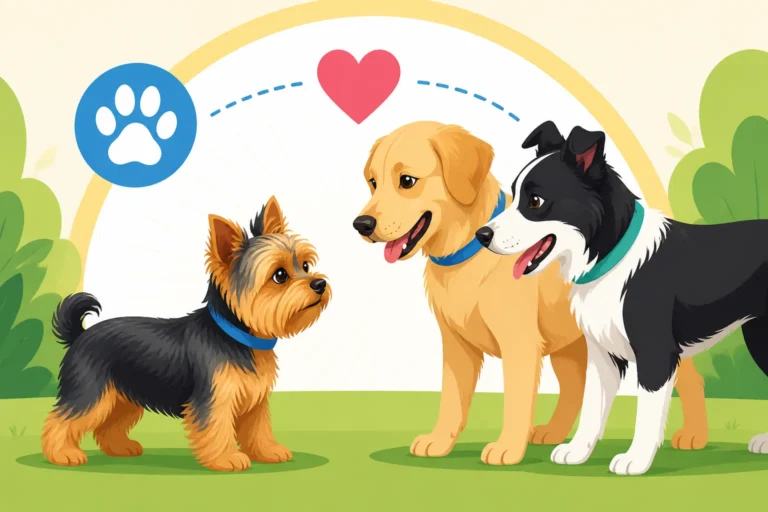
Are Yorkshire Terriers Easy to Train
It's a common question that pops up in every Yorkie parent group and forum: "Are Yorkshire Terriers easy to train?" You’ve heard they’re smart, but you've also heard whispers of stubbornness and tiny bladders. It can be incredibly frustrating to feel like you're doing everything right, only for your little furball to ignore your commands or have another accident. This comprehensive guide is here to cut through the myths and give you a realistic, empathetic look at what it really takes to train a Yorkshire Terrier, offering practical advice and strategies to help you and your beloved companion succeed.
The Common Perception Versus Reality of Yorkie Trainability
When you first bring home a tiny, fluffy Yorkshire Terrier puppy, it’s easy to get swept up in their undeniable cuteness. Many people imagine a perfectly obedient companion, perhaps performing charming tricks. However, the reality of training a Yorkie often differs from this idyllic picture, leading to confusion and sometimes, despair, for new owners. It's not that Yorkies are untrainable; it's that they come with their own unique set of traits that require a specific approach.
Why Yorkies Get a Reputation for Being Stubborn
Let’s be honest, Yorkies can be perceived as stubborn, and there's a kernel of truth to that. But it's not pure defiance. Their "stubbornness" is often rooted in their terrier heritage – they were originally bred to be tenacious ratters, independent and fearless. This means they have a strong will and a mind of their own. They're intelligent enough to understand what you want, but they'll often weigh whether doing it is worth their while, or if there's something more interesting to pursue, like chasing a dust bunny or barking at the mailman. This independent streak requires patience and consistent, clear communication from their human companions. If your Yorkie doesn’t see the immediate benefit or isn't adequately motivated, they might just decide to do their own thing.
The Small Dog Syndrome Factor
Another significant factor contributing to perceived training difficulties is what's often referred to as "small dog syndrome." This isn't a medical condition, but rather a set of behavioral issues seen in smaller breeds, often exacerbated by owners unconsciously treating them differently than larger dogs. Because they're so tiny and adorable, we tend to coddle them more, pick them up instead of letting them walk, or allow behaviors (like jumping or barking) that we wouldn't tolerate in a Golden Retriever. This inadvertently teaches the Yorkie that they are in charge, or that rules don't apply to them, leading to challenges with obedience. Owners might also be less diligent with formal training, thinking, "Oh, they're so small, it doesn't really matter." But a small dog with big behavioral issues is still a big problem for the owner, and for the dog's overall well-being. Recognizing and avoiding this trap is crucial for effective training.
Key Areas of Yorkshire Terrier Training
Training a Yorkshire Terrier isn't a one-size-fits-all endeavor. There are several distinct areas where you'll need to focus your efforts, each presenting its own set of common challenges and opportunities for success. Understanding these key areas will help you create a well-rounded training plan for your feisty little friend.
Potty Training Challenges and Successes
Ah, potty training – the bane of many a Yorkie owner's existence! It’s widely acknowledged that Yorkies can be particularly challenging in this department, and if you’ve been struggling, you are definitely not alone. Their tiny bladders mean they need to relieve themselves much more frequently than larger breeds. Combine this with their tendency to be sensitive to weather (who wants to pee in the rain or cold when there’s a perfectly good rug inside?) and sometimes a subtle communication style (a quick sniff here or there might be all the warning you get), and you have a recipe for accidents.
Success in Yorkie potty training hinges on extreme consistency, frequent outdoor trips, and thorough cleaning of accidents to eliminate odors that can attract them back to the same spot. Many owners find a hybrid approach, using potty pads indoors while still working on outdoor elimination, can be helpful, especially in apartments or during inclement weather. For a deep dive into specific strategies, our article on Yorkshire Terrier Potty Training Guide offers detailed, actionable steps. Remember, it's not a reflection of your Yorkie's intelligence, but rather a combination of their physiology and your management strategy.
Leash Training and Walking Manners
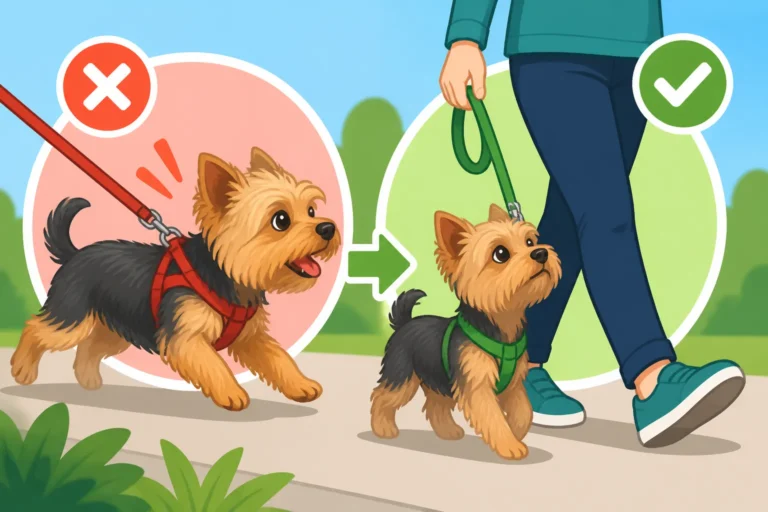
Despite their small size, Yorkies have a surprising amount of energy and curiosity. Leash training is vital for their safety and for enjoyable outings. The challenge often lies in their small stature; they can easily get underfoot or pull surprisingly hard, feeling like a little cannonball on a string. Many Yorkies also suffer from "small dog syndrome" on walks, barking at every passing dog or person. Starting early with positive associations to the harness and leash is essential. Using a comfortable, well-fitting harness (rather than a collar, which can put pressure on their delicate tracheas) is highly recommended.
Focus on making walks a positive experience. Keep treats handy for rewarding good behavior, like walking calmly by your side or ignoring distractions. If your Yorkie is prone to excessive barking on walks, a specific strategy for How to Stop a Yorkie from Barking might be helpful. Consistency in your routine and patience as they learn to navigate the big, wide world will eventually lead to more pleasant strolls around the neighborhood.
Basic Obedience Commands
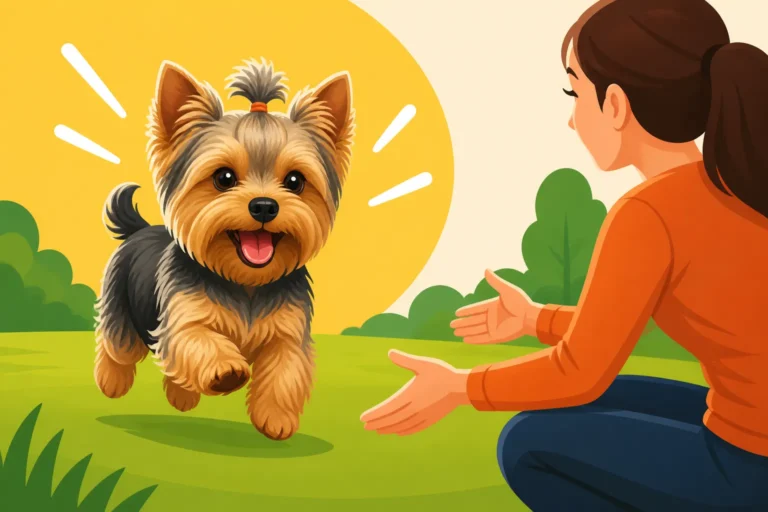
Teaching basic obedience commands such as "sit," "stay," "come," and "down" is fundamental for any dog, and Yorkies are no exception. These commands not only provide structure and safety but also strengthen the bond between you and your dog. While Yorkies are smart and can pick up commands quickly, their independent nature means you might need to find extra high-value motivators. A bland kibble might not cut it; think small pieces of cooked chicken or cheese.
The key is short, frequent training sessions, keeping them fun and positive. Yorkies have a relatively short attention span, so a few minutes several times a day will be more effective than one long, tedious session. Celebrate every success, even tiny ones, with enthusiastic praise and treats. If you’re looking for a structured approach to foundational commands, check out our guide on How to Teach a Yorkie Basic Commands. Consistent practice in various environments will help generalize these behaviors, making your Yorkie a well-mannered companion.
Socialization and Behavioral Training
Beyond basic commands, behavioral training encompasses a wide range of issues from barking, chewing, and digging to more complex problems like separation anxiety or aggression. Yorkies, despite their size, can develop significant behavioral problems if not properly socialized and trained. Their protective instincts can lead to excessive barking at strangers or other dogs, and their intelligence can lead to destructive behaviors when bored or anxious. Early and ongoing socialization is paramount for a well-adjusted Yorkie. Exposing them positively to various sights, sounds, people, and other friendly, vaccinated dogs from a young age can prevent many issues down the line.
Addressing behaviors like Yorkshire Terrier Separation Anxiety Solutions or general Yorkshire Terrier Behavior Problems and Solutions requires understanding the root cause, whether it's fear, boredom, or an unmet need. For instance, a Yorkie who barks constantly might be bored and seeking attention, or anxious due to lack of confidence. Providing mental stimulation through puzzle toys, consistent training, and ensuring they feel secure within their pack (you!) are crucial components of behavioral training. Remember, behavior isn't always about defiance; often, it's a form of communication.
Understanding the Yorkshire Terrier Mindset
To truly understand how easy or challenging it might be to train a Yorkshire Terrier, you need to step into their tiny paws for a moment and grasp what makes them tick. These aren't just pretty faces; they're complex creatures with a rich history and distinct personality traits that influence their learning.
Terrier Tenacity and Intelligence
First and foremost, Yorkies are terriers. And if you know anything about terriers, you know they are smart, resourceful, and incredibly tenacious. They were bred to hunt vermin, a job that required quick thinking, bravery, and a healthy dose of stubbornness to see a task through. This means your Yorkie is likely very intelligent, capable of learning a wide array of commands and tricks. However, their intelligence also means they're not easily fooled or coerced. They will test boundaries, and they will remember what works for them (like that one time barking got them a treat, even if it wasn't for the desired behavior).
Their tenacity, while a valuable trait in a hunter, can translate to perceived stubbornness in training. If your Yorkie decides they don't want to do something, they can dig in their heels, quite literally. This isn't defiance for the sake of it, but rather a strong sense of self-preservation and an independent spirit. You need to be equally tenacious in your positive reinforcement and consistent in your expectations. It’s a battle of wills, but one where consistency and positive motivation always win in the long run.
Sensitivity and Motivation
Yorkies, despite their bold terrier spirit, can also be surprisingly sensitive. They do not respond well to harsh corrections, yelling, or punishment-based training methods. In fact, such approaches can cause them to shut down, become fearful, or even develop aggressive behaviors as a defense mechanism. They thrive on praise, affection, and positive reinforcement. They want to please you, but they also need to feel safe and understood.
Finding the right motivation is key. What does your Yorkie absolutely adore? Is it a particular squeaky toy, a tiny piece of cheese, a belly rub, or your enthusiastic voice? Different Yorkies will have different motivators, and what works one day might not be as exciting the next. Experiment with a variety of high-value treats and forms of praise. Think of it as negotiating with a tiny, fluffy CEO – you need to offer them a deal they can't refuse. Understanding their sensitivity means building trust and making training a fun, rewarding experience, not a source of stress.
Effective Training Strategies for Yorkshire Terriers
Training a Yorkshire Terrier doesn't have to be a battle; in fact, it should be an enriching experience that strengthens your bond. The key lies in adopting strategies that align with their unique personality and learning style. Forget outdated, dominance-based methods; positive, patient, and consistent approaches are your best friends.
Positive Reinforcement is Key
This cannot be stressed enough: positive reinforcement is the cornerstone of successful Yorkie training. Imagine your Yorkie doing exactly what you asked – a perfect "sit," a brisk "come," or a quiet moment when the doorbell rings. When they perform a desired behavior, immediately reward them with something they love: a high-value treat (like a tiny piece of cooked chicken or cheese), enthusiastic verbal praise ("Good dog!"), or a quick pat or scratch if they enjoy it. This helps them connect the action with the positive outcome, making them more likely to repeat it.
Avoid punishment or scolding, as it can confuse and frighten your sensitive Yorkie, potentially damaging your relationship and making them less likely to engage in future training. Instead of punishing an unwanted behavior, focus on redirecting it. If they're chewing on something inappropriate, gently remove it and offer an approved chew toy instead, then praise them when they chew the right thing. This approach not only teaches them what to do but also builds their confidence and trust in you. For more on this, our guide on Positive Reinforcement Training for Yorkies offers comprehensive insights.
Consistency and Patience
If you've ever felt like you're talking to a brick wall when training your Yorkie, you've probably experienced a moment where consistency waned. Yorkies thrive on routine and clear expectations. If one day "sit" means sitting, and the next day it's okay to just stand there, your Yorkie will quickly get confused and decide the command isn't worth their attention. Everyone in the household needs to use the same commands, hand signals, and rules. If jumping on guests is sometimes allowed and sometimes not, your Yorkie won't understand what's expected.
Patience is equally vital. Your Yorkie isn't trying to frustrate you; they're learning a new language in a big, confusing world. Some concepts might take longer than others, especially with their small bladders for potty training or their independent minds for recall. There will be setbacks, especially during puppyhood or when introducing new challenges. A deep breath, a step back, and a return to basics with renewed commitment will get you much further than frustration. Remember, Rome wasn't built in a day, and neither is a perfectly trained Yorkie.
Short, Engaging Sessions
Yorkies are intelligent, but their attention spans are typically quite short, especially when they're puppies. Long, drawn-out training sessions will quickly lead to boredom, frustration, and a less receptive learner. Aim for short, frequent training bursts – 5 to 10 minutes, two to three times a day, is often much more effective than one 30-minute session. These short sessions keep your Yorkie engaged, prevent mental fatigue, and ensure training remains a fun and positive activity.
Keep the sessions dynamic and varied to hold their interest. Mix up the commands, practice in different locations (once they've mastered a command in a quiet room), and always end on a high note, even if it's just with a command they know perfectly. This leaves them wanting more and looking forward to the next session. Integrating play into your training sessions can also be incredibly effective, turning learning into a game.
Common Training Pitfalls to Avoid
Even with the best intentions, it's easy to fall into common traps when training a Yorkshire Terrier. These pitfalls can derail your progress, lead to frustration, and sometimes even reinforce the very behaviors you're trying to extinguish. Being aware of them is the first step toward avoiding them.
Inconsistent Training Methods
This is perhaps the biggest culprit behind training difficulties with Yorkies. Picture this: one family member allows the Yorkie to jump on the couch, while another strictly enforces a "no couch" rule. Or, during potty training, sometimes the puppy is rushed outside, and other times an accident inside is met with a shrug. Your Yorkie, being smart and adaptable, will quickly learn that rules are flexible and selectively applied. This leads to confusion and often, defiance. They don't understand why the rules change, only that they do.
Inconsistency extends beyond different people; it can also be about your mood. If you only train when you're feeling patient, but snap at your Yorkie when you're stressed, they'll pick up on that. Establishing clear, consistent rules and methods from day one, and ensuring everyone in the household is on the same page, is critical. This includes using the same verbal cues, hand signals, and reward systems. Without consistency, your Yorkie will struggle to understand what's expected of them, leading to slow progress and endless frustration for everyone involved. For specific pointers on what to avoid, our article on Yorkie Training Mistakes to Avoid provides valuable guidance.
Lack of Early Socialization
Many Yorkie owners, especially those with tiny puppies, tend to protect their little furballs intensely. While noble, an excessive lack of exposure to the outside world during their critical socialization period (roughly 3-16 weeks of age) can have long-lasting negative consequences. A Yorkie who hasn't met a variety of people, seen different types of dogs, heard common household noises, or experienced various environments might grow up fearful, anxious, or even aggressive. They might bark incessantly at anything new because they haven't learned how to process novel stimuli calmly.
Early and positive socialization is crucial for developing a confident, well-adjusted adult dog. This means carefully and safely exposing your puppy to new experiences in a positive way – think puppy classes, supervised playdates with vaccinated dogs, gentle introductions to different people, and positive experiences with car rides or vet visits. The goal isn't just exposure but positive exposure. If you missed the critical puppy window, it's never too late to begin socialization, though it might take more time and effort. Our resource on How to Socialize a Yorkie Puppy offers detailed advice on this important topic.
Giving Up Too Soon
Training a Yorkie is a marathon, not a sprint. It's incredibly easy to feel defeated when your Yorkie seems to regress in potty training, or stubbornly refuses a command they knew perfectly yesterday. Many owners throw in the towel, concluding their Yorkie is simply "untrainable" or "too stubborn." This mindset is a significant pitfall because it guarantees failure. Training is an ongoing process that continues throughout a dog's life, requiring continuous reinforcement and adaptation as they age.
Every dog, and indeed every Yorkie, learns at their own pace. Some will pick up tricks in minutes, while others might take weeks to grasp basic concepts like reliable recall. Don't compare your Yorkie to others, and don't get discouraged by temporary setbacks. Reframe "failure" as a learning opportunity – perhaps your method needs tweaking, or your motivation isn't strong enough. Persist with positive reinforcement, consistency, and patience, and you will see progress. Remember why you started and the amazing companion you're shaping.
Essential Training Tools and Resources
Having the right tools and knowing where to turn for help can make a world of difference in your Yorkie training journey. These aren't just gadgets; they're aids that support your efforts and ensure both you and your Yorkie are set up for success.
Harnesses, Leashes, and Crates
For such a tiny breed, the right equipment is paramount for safety and comfort.
- Harnesses: Due to their delicate tracheas, Yorkies are particularly susceptible to tracheal collapse, a common issue for toy breeds. A collar can put dangerous pressure on their throat, especially if they pull on the leash. A well-fitting, comfortable harness that distributes pressure across their chest and shoulders is a non-negotiable item. Brands like [Ruffwear] or [Puppia] offer popular, well-regarded options that can be found on platforms like Amazon. Our article on Yorkie Leash and Harness Training delves deeper into choosing the best options.
- Leashes: A lightweight, 4-6 foot leash is ideal. Avoid retractable leashes, as they offer less control and can be dangerous, especially for a small dog like a Yorkie who can get tangled or bolt into danger quickly.
- Crates: Crate training, when done correctly, provides a safe haven for your Yorkie and is an invaluable tool for potty training and managing separation anxiety. Choose a crate that's just big enough for them to stand up, turn around, and lie down comfortably. Too large, and they might use one end as a potty area. For detailed instructions on how to introduce your Yorkie to their cozy den, refer to our Yorkshire Terrier Crate Training Guide. A soft bed and a favorite toy inside the crate can make it a welcoming space.
Treats and Training Aids
Motivation is key for Yorkies, and high-value treats are your secret weapon.
- High-Value Treats: These are small, soft, and incredibly enticing morsels your Yorkie rarely gets otherwise. Think tiny pieces of cooked chicken, lean beef, cheese, or specialized training treats from reputable brands like Zuke's Mini Naturals or Wellness Soft Puppy Bites, available widely on Amazon. Keep them pea-sized or smaller to avoid overfeeding and allow for rapid consumption during training.
- Clicker: A clicker is a small device that makes a distinct sound. It's a fantastic tool for marking the exact moment your Yorkie performs the desired behavior. The click is always followed immediately by a treat, helping your Yorkie understand precisely what action earned the reward. This precision speeds up learning.
- Puzzle Toys: Beyond formal training, mental stimulation is crucial for intelligent breeds like Yorkies. Puzzle toys (such as KONG Wobblers or snuffle mats) challenge their minds and can help prevent boredom-related destructive behaviors.
Professional Help and Online Programs
Sometimes, despite your best efforts, you might encounter a training hurdle that feels insurmountable. That’s perfectly normal, and there’s no shame in seeking professional help.
- Certified Professional Dog Trainers (CPDT-KA): These trainers can provide personalized guidance for specific behavioral issues or simply help you master basic obedience. Look for trainers who use positive reinforcement methods. Many offer puppy classes, group obedience courses, or one-on-one consultations.
- Online Training Programs: For those with busy schedules or limited access to local trainers, online resources can be a fantastic option. Programs like BAXTER & Bella offer comprehensive, step-by-step online courses that guide you through everything from puppy basics to advanced commands, all from the comfort of your home. They often include live Q&A sessions, video tutorials, and a supportive community, making professional guidance accessible. This can be especially helpful for addressing common Yorkie issues like Why Yorkies Are So Hard to Potty Train or how to manage their energy levels effectively.
- Veterinarians: If your Yorkie suddenly develops a new behavioral issue, always consult your veterinarian first. Sometimes, changes in behavior can be a sign of an underlying medical problem.
Making Training Enjoyable for Both of You
Training isn't just about teaching commands; it's about building a strong, trusting relationship with your Yorkshire Terrier. When training becomes a chore, it loses its effectiveness and can strain your bond. The goal is to make it a positive, bonding experience that you both look forward to.
Incorporating Play into Training
Yorkies are playful little sprites, and leveraging their love for games can transform training from a task into a joyful interaction. Instead of strictly drill-based sessions, weave commands into their favorite activities. For example, during a game of fetch, ask for a "sit" before you throw the toy. Have them "stay" for a few seconds before releasing them to chase a squeaky toy. Practice "come" by having them run to you for a game of tug.
Play acts as a natural reward and keeps your Yorkie's mind engaged. It taps into their natural instincts and high energy levels, making them more enthusiastic participants. Ending a training session with a short play session is also a great way to leave them on a high note, associating training with fun. This approach not only makes the learning process more enjoyable for your Yorkie but also makes you, the trainer, more engaging and less like a stern taskmaster. Remember, a happy Yorkie learns better!
Celebrating Small Victories
In the grand scheme of training, it's easy to focus on the big goals: perfect recall, no accidents, silence when the doorbell rings. But the journey to these goals is paved with countless small successes, and it's vital to acknowledge and celebrate every single one. Did your Yorkie hold a "sit" for an extra second today? Did they offer a quick glance at you instead of barking at that squirrel? Did they go potty outside three times in a row without prompting? These are all huge wins!
Celebrating these small victories with enthusiastic praise, a favorite treat, or a quick game not only reinforces the desired behavior but also boosts your confidence and your Yorkie's morale. It builds momentum and reminds both of you that progress is happening, even if it feels slow sometimes. It's about recognizing the effort and improvement, not just the perfection. Over time, these small, celebrated steps add up to big achievements and a well-trained, happy Yorkshire Terrier.
Here's a quick overview of common Yorkie training challenges and effective strategies:
| Training Area | Common Yorkie Challenges | Effective Strategies | Key Tools/Resources |
|---|---|---|---|
| Potty Training | Small bladder, weather sensitivity, subtle cues, marking | Extreme consistency, frequent potty breaks, praise for outdoor success, manage indoor access | Crate, potty pads, enzymatic cleaner, high-value treats |
| Leash Manners | Pulling, barking at distractions, easily distracted | Early harness introduction, positive association with walks, reward loose-leash walking | Comfortable harness, 4-6 ft leash, small soft treats |
| Basic Obedience | "Terrier stubbornness," short attention span, selective hearing | Short & fun sessions, high-value motivators, clear commands, positive reinforcement | Clicker, variety of treats, quiet training space |
| Socialization | Fearfulness, excessive barking/anxiety towards new things | Early positive exposure to people, places, sounds; puppy classes, controlled interactions | Training classes, safe environments, praise/treats |
| Behavioral Issues | Barking, chewing, separation anxiety, resource guarding | Identify root cause, consistent management, redirection, mental enrichment, specific training | Puzzle toys, chew toys, professional trainer, vet consult |
Disclaimer
The information provided in this guide is for general informational purposes only and does not constitute professional veterinary or dog training advice. Always consult with a qualified veterinarian or certified professional dog trainer for any health concerns or before implementing any new training techniques, especially if your Yorkshire Terrier is exhibiting severe behavioral issues or signs of illness. Individual results may vary based on your dog's unique personality, history, and your consistency.