Signs of an Ethical Yorkie Breeder
Bringing a new Yorkshire Terrier into your life is an incredibly exciting time, but the journey to finding your furry companion can be riddled with anxiety and uncertainty, especially with so many questionable sources out there. It's truly heartbreaking to hear stories of families unknowingly supporting unethical operations, and ending up with sick puppies or facing immense emotional and financial strain. This guide is here to empower you with the knowledge to identify and choose a truly ethical Yorkie breeder, ensuring you find a healthy, well-adjusted puppy and support responsible breeding practices.
Understanding the Importance of Ethical Breeding
When you're searching for that adorable little Yorkie puppy, it's easy to get swept up in the excitement. But beneath the surface of cute photos and appealing prices, there's a world of difference between a responsible, ethical breeder and those who prioritize profit over animal welfare. Choosing wisely isn't just about getting a healthy puppy; it's about supporting a system that truly cares for the breed.
The Dangers of Unethical Breeders
Unethical breeders, often operating as "puppy mills" or casual backyard breeders, cut corners at every turn. They might breed dogs too frequently, house them in unsanitary conditions, or neglect their health and socialization. The results can be devastating for both the dogs and their new families. Puppies from these environments often suffer from chronic health issues, severe behavioral problems, and a shortened lifespan. Imagine bringing home a tiny, vulnerable Yorkie, only to spend thousands on vet bills for preventable conditions like Yorkshire Terrier Patellar Luxation: Signs and Care or Yorkshire Terrier Hypoglycemia: Signs and Care, or struggling with intense Yorkshire Terrier Separation Anxiety Solutions because they weren't properly socialized. It’s a tragedy that can be avoided. These breeders contribute to the tragic cycle of pet overpopulation and suffering, and by choosing an ethical breeder, you directly combat these practices.
The Benefits of a Reputable Breeder
An ethical breeder, on the other hand, is dedicated to the health, temperament, and longevity of the Yorkshire Terrier breed. They invest significant time, effort, and resources into ensuring their puppies are well-bred, well-cared for, and well-socialized. This means healthier puppies with predictable temperaments, proper early training, and a strong foundation for a happy life. They become a lifelong resource for you, offering advice and support long after you've taken your puppy home. You're not just buying a dog; you're gaining a mentor and a partner in your Yorkie's well-being. This commitment often translates to a higher initial cost, but it's an investment in your puppy's future health and your peace of mind, ultimately saving you stress and potential expenses down the line.
Key Hallmarks of a Responsible Yorkie Breeder
So, how do you sift through the ads and websites to find that gem of a breeder? It comes down to looking for a consistent pattern of transparency, dedication, and genuine care. These signs are unmistakable once you know what to look for, guiding you to a breeder who truly embodies ethical practices.
Health Screening and Transparency
This is perhaps the most critical sign. Reputable breeders are obsessed with the health of their breeding dogs and their puppies. They don't just hope for the best; they proactively test.
- Extensive Health Testing: Ethical Yorkie breeders will conduct comprehensive health screenings on both parent dogs before breeding. This isn't just a quick vet check; it includes specific genetic tests for Common Yorkshire Terrier Genetic Conditions like patellar luxation, Legg-Calve-Perthes disease, and eye conditions. They should be able to provide documentation, often from organizations like the Orthopedic Foundation for Animals (OFA) or the Canine Eye Registration Foundation (CERF), for generations of their breeding line. If a breeder can't or won't provide these records, it’s a massive red flag.
- Health Guarantees: A responsible breeder stands behind their puppies. They will offer a written health guarantee, typically for the first year or two of the puppy's life, covering inherited health conditions. This shows confidence in their breeding program and a commitment to their puppies' long-term well-being. Make sure to understand the terms of any Yorkie Health Guarantee Explained before committing.
- Veterinary Care and Records: Expect to see comprehensive veterinary records for the puppies, including their Yorkie Vaccination Schedule and deworming. They should have had their first vet check-up and possibly their first vaccinations before going to their new homes.
Proper Socialization and Environment
A well-adjusted Yorkie puppy doesn't just happen; it's the result of intentional, early socialization in a nurturing environment.
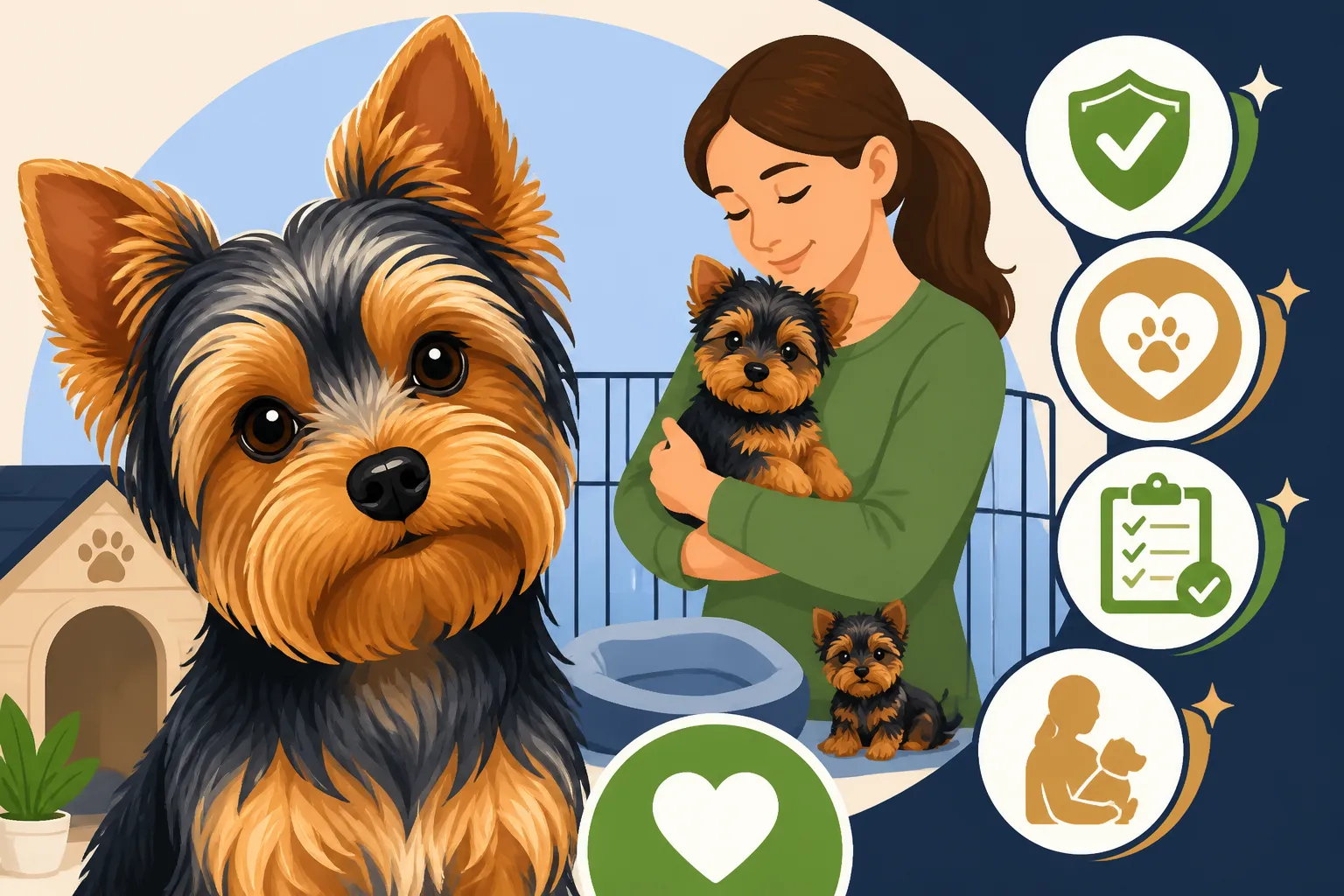
- Home-Based Rearing: Ethical breeders raise their puppies in a clean, stimulating home environment, not in outdoor kennels or isolated runs. This ensures the puppies are exposed to typical household sights, sounds, and smells, making the transition to your home much smoother. They'll be comfortable around people, not timid or fearful.
- Early Socialization: Puppies should interact regularly with humans (including children, if applicable) and be exposed to various stimuli. This crucial period shapes their temperament and confidence. A good breeder actively handles the puppies, introduces them to different textures and sounds, and begins early potty training and crate exposure. You can tell a lot about a puppy's early experiences by their confidence and curiosity when you meet them.
- Parent Dog Temperament: You should be able to meet at least the mother dog (the sire might live off-site). Observe her temperament. Is she friendly, calm, and well-behaved? This provides a good indication of the temperament the puppies may inherit. A shy, aggressive, or fearful mother dog is a warning sign.
Breeder Knowledge and Support
An ethical breeder is a true expert in the Yorkshire Terrier breed and passionate about sharing their knowledge.
- Breed Specific Knowledge: They should be highly knowledgeable about the breed's history, temperament, health issues, and grooming needs. They'll be able to answer all your questions thoroughly, from Yorkshire Terrier Grooming Guide to Yorkshire Terrier Exercise Needs, and even delve into specific concerns like Yorkshire Terrier Tracheal Collapse: Signs and Care.
- Lifetime Support: A good breeder doesn't disappear once you take your puppy home. They want to stay in touch, offering ongoing advice and support for the lifetime of your Yorkie. They'll be genuinely interested in how your puppy is doing and might even offer a rehoming clause in their contract, stating they will take the dog back if you can no longer care for it, rather than letting it end up in a shelter.
- Thorough Vetting Process: Expect the breeder to ask you many questions. They want to ensure their puppies go to loving, responsible homes that are a good fit for the breed. Don't be offended; this shows they truly care about their puppies' futures. This is a sign of a truly dedicated breeder who prioritizes placement over profit.
Distinguishing Between Ethical and Unethical Practices
Sometimes, it’s not just about what a breeder does, but what they don’t do or what they actively try to hide. Knowing the difference between red flags and green lights is paramount when choosing your future family member.
Red Flags to Never Ignore
Being aware of these warning signs can save you immense heartache and financial strain. If you encounter any of these, walk away immediately.
- No Health Clearances or Records: If a breeder claims their dogs are healthy "because they look healthy" or refuses to provide OFA/CERF certificates for the parent dogs, this is a major red flag. Similarly, a lack of vaccination records or vet checks for the puppies is unacceptable. Don't fall for excuses; responsible breeding requires documentation.
- Multiple Breeds or Constantly Available Puppies: Ethical breeders typically focus on one or two breeds to maintain expertise and quality. If a breeder has many different breeds or seems to always have puppies available, it’s a strong indicator of a commercial breeding operation or a puppy mill, where profit, not welfare, is the driving force. You might also want to research How to Spot a Yorkie Puppy Mill.
- Inability to Meet Parent Dogs or See the Environment: If a breeder insists on meeting you in a neutral location (like a parking lot or gas station), or prevents you from seeing where the puppies and parent dogs live, this is a huge warning sign. They are likely hiding unsanitary conditions or poorly socialized animals. A reputable breeder will be proud to show you their home and facilities.
- Pushy Sales Tactics or No Questions Asked: Be wary of breeders who pressure you into making a quick decision, don't ask you any questions about your home or experience, or offer puppies on a "first-come, first-served" basis without a proper screening process. They care more about making a sale than finding the right home.
- Unusual Payment Demands: Be cautious of breeders who demand cash-only payments, or ask for payment through unusual methods that offer no buyer protection. While a deposit is standard, the transaction should feel secure and professional. For example, if they mention you can get everything from dog beds to food like Chewy or even fresh food options like Ollie with a debit card, but demand the puppy payment in an untraceable way, reconsider.
- "Teacup" or "Miniature" Claims Without Genetic Basis: While there are smaller Yorkies, ethical breeders don't specifically breed for "teacup" sizes, as this often comes with significant health risks. If a breeder advertises "teacup Yorkies" and highlights their tiny size over health and temperament, be very cautious. These puppies often face higher risks of hypoglycemia and fragile bones. You might want to understand more about How Long Do Teacup Yorkies Live to grasp the potential health implications.
What to Expect from an Ethical Breeder
Engaging with a responsible breeder is a partnership. They want you to be as informed and committed as they are.
| Feature | Ethical Breeder | Unethical Breeder (Puppy Mill/Backyard) |
|---|---|---|
| Health Testing | Comprehensive genetic screening, OFA/CERF documents. | Minimal to no testing, relies on visual health. |
| Health Guarantee | Written guarantee for inherited conditions (1-2 years). | None, or vague "healthy at time of sale" statement. |
| Environment | Clean, stimulating home environment with family. | Dirty kennels, outdoor runs, limited human interaction. |
| Parent Access | Encourages meeting mother (and often father). | Restricts access to parents, meets in neutral location. |
| Knowledge | Deep understanding of breed, health, temperament. | Limited breed knowledge, focused on selling. |
| Support | Lifelong support, takes dog back if needed. | No follow-up, disappears after sale. |
| Vetting You | Asks many questions about your lifestyle and home. | Few or no questions, quick sale. |
| Puppy Availability | Limited litters, waitlists are common. | Constant supply of puppies, multiple breeds. |
| Pricing | Reflects investment in health, care, and quality. | Often lower price, but higher long-term health costs. |
This table offers a quick comparison to help you recognize the differences. Remember, the initial price of a puppy from an ethical breeder, which averages between $1,500 and $3,500 for a well-bred Yorkie (though this can vary by region and lineage), reflects the significant investment they make in health testing, quality food, vet care, and proper socialization. While it might seem like a lot, it’s often a far better deal than saving a few hundred dollars upfront only to face thousands in vet bills for a sick puppy, or dealing with behavioral issues that require expensive training. Investing in Pet Insurance for Yorkshire Terriers like Healthy Paws from the start can also help manage unforeseen health costs, even with a responsibly bred puppy.
The Process of Engaging with an Ethical Breeder
Finding an ethical breeder isn't always a quick transaction. It often involves a process of communication, patience, and mutual assessment.
Initial Contact and Interview
Once you've identified a potential breeder, the first step is usually an email or phone call. Be prepared to introduce yourself, explain why you're interested in a Yorkie, and what kind of home you can provide.
- Ask Thoughtful Questions: This is your chance to really vet the breeder. Ask about their breeding philosophy, health testing protocols, how they socialize their puppies, and what kind of support they offer. Don’t be afraid to delve into specifics like Yorkie Eye Problems Explained or how they manage Yorkie Dental Disease Prevention. A good breeder will welcome your questions and provide detailed, honest answers.
- Expect Questions in Return: A truly ethical breeder will interview you as much as you interview them. They’ll ask about your living situation, family members (including children and other pets), your experience with dogs, and your expectations for a Yorkie. This isn't intrusive; it's a sign they're diligently seeking the best possible homes for their puppies. This mutual vetting process is a hallmark of responsible breeding and is a topic often discussed when considering How to Find a Reputable Yorkie Breeder.
Visiting the Breeder and Puppies
If the initial contact goes well, the next step is usually a visit to the breeder's home or facility. This is a critical opportunity to observe everything firsthand.
- Observe the Environment: Pay close attention to the cleanliness of the facilities. Are the puppies and adult dogs housed in a clean, safe, and stimulating environment? Do they have access to fresh water and appropriate food? Does the area smell clean?
- Interact with the Dogs: Observe the parent dogs (especially the mother) and the puppies. Are they friendly, outgoing, and comfortable around people? Do the puppies seem healthy, playful, and curious? Look for clear eyes, clean ears, healthy coats, and active behavior. This is also a good time to get a general Yorkshire Terrier Puppy Health Guide from the breeder.
- Review Documents: This is where you'll see the proof of all the breeder's claims. Review health certifications for the parents, vaccination records for the puppies, and the proposed contract and health guarantee. Make sure you understand all the clauses in the Yorkie Puppy Deposit and Contract.
The Waiting Period and Going Home
Ethical breeders often have waitlists because they don't overbreed their dogs. Patience is key.
- Be Prepared for a Wait: You might have to wait several months for the right puppy to become available. This is a good sign, indicating careful planning and limited, high-quality litters. Use this time to prepare your home, research Yorkie Puppy Starter Kit Essentials, and read up on How to Train a Yorkshire Terrier.
- Ongoing Communication: A good breeder will keep you updated with photos and progress reports on the litter. They’ll be a resource for you as you prepare for your new puppy’s arrival, offering advice on everything from food (like choosing a high-quality kibble or considering options like Ollie for fresh dog food) to initial training tips.
- Support After Adoption: Even after you bring your Yorkie home, the relationship with an ethical breeder continues. They'll be there to answer questions, offer guidance, and provide support. This lifelong connection is invaluable as you navigate the joys and challenges of Yorkie ownership.
By following these guidelines and being diligent in your search, you'll significantly increase your chances of finding a healthy, happy Yorkshire Terrier from a breeder who truly cares. It’s an effort that pays off immensely in the long run for both you and your beloved new family member.
Disclaimer
Please remember that this information is for educational purposes only and should not replace professional veterinary advice. Always consult with a qualified veterinarian for any health concerns regarding your Yorkshire Terrier.