How to Spot a Yorkie Puppy Mill
The dream of bringing home a tiny, adorable Yorkshire Terrier puppy is often filled with excitement and anticipation. But for many hopeful pet parents, this journey can quickly turn into a nightmare if they unknowingly encounter a puppy mill. These places, unfortunately, prioritize profit over the welfare of their animals, leaving behind a trail of sick, unsocialized, and traumatized puppies, and heartbroken families. This comprehensive guide will equip you with the knowledge and red flags to confidently identify and steer clear of puppy mills, ensuring your future Yorkie comes from a loving, ethical source.
Understanding What a Puppy Mill Really Is
When you hear the term “puppy mill,” it often conjures up images that are truly heartbreaking. And sadly, those images are usually accurate. These are not just bad breeders; they are large-scale commercial dog breeding operations where the welfare of the animals takes a backseat to maximizing profit. The breeding dogs and their puppies live in conditions that are far from ideal, setting them up for a lifetime of potential issues.
Defining the Puppy Mill Environment
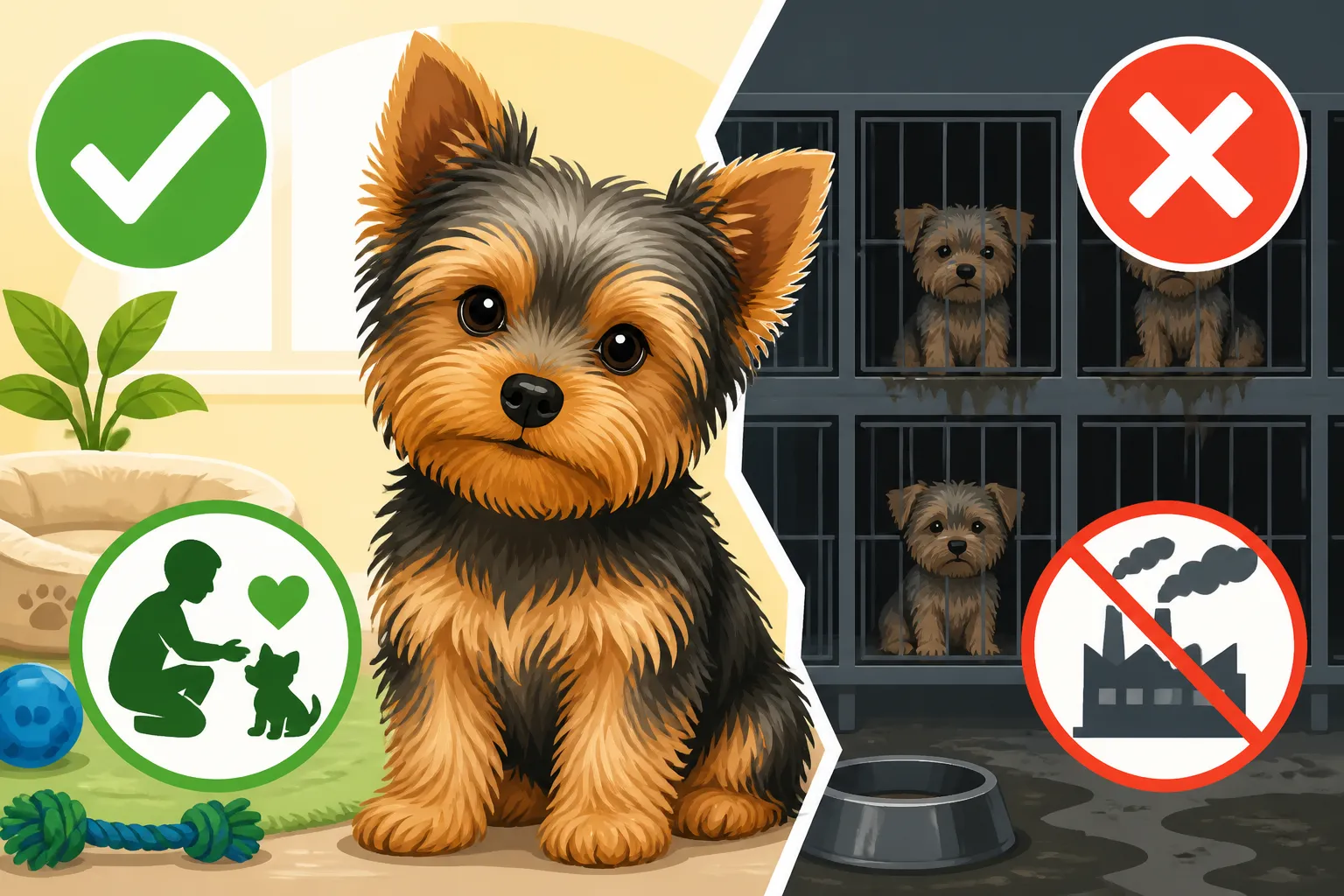
Imagine a small kennel or even a converted barn, crammed with dozens, sometimes hundreds, of dogs. That’s often the reality of a puppy mill. These facilities are characterized by incredibly cramped, unsanitary living conditions where dogs might be housed in small wire cages, often stacked, with little to no protection from the elements. There’s usually inadequate ventilation, poor lighting, and a pervasive stench of urine and feces, which are rarely cleaned effectively. The sheer number of animals makes individualized care impossible, leading to widespread neglect.
Beyond the physical squalor, there's a profound lack of basic veterinary care. Vaccinations are often neglected or improperly administered, deworming is inconsistent, and serious illnesses or injuries might go untreated because it costs money that impacts the bottom line. Nutrition is typically subpar, with low-quality food that barely sustains the dogs, leading to chronic health problems. These dogs live a life devoid of comfort, stimulation, or affection, viewed simply as breeding machines.
The Impact on Yorkie Puppies and Parents
For tiny Yorkshire Terriers, the impact of a puppy mill environment is particularly devastating. Puppies born in these conditions are highly susceptible to a range of health issues, many of which can be life-threatening or chronic. We’re talking about things like parasites, respiratory infections, severe diarrhea, and even genetic conditions that could have been screened for by an ethical breeder. These issues often surface only after the puppy has been taken home, leaving new owners with massive vet bills and emotional distress. If you want to dive deeper into these common ailments, you can read our guide on Yorkshire Terrier Health Problems to Know and Common Yorkshire Terrier Genetic Conditions.
The parent dogs, especially the mothers, endure a relentless cycle of breeding. They are bred repeatedly, often from a very young age until they can no longer produce litters, at which point they might be discarded or killed. They never get a break from pregnancy, birth, and nursing. This takes an immense toll on their physical and mental health, often resulting in severe malnutrition, dental disease, and chronic pain. The puppies, in turn, miss out on critical early socialization that is essential for developing a stable temperament. They grow up fearful, anxious, and often exhibit significant behavioral problems such as aggression, extreme shyness, or difficulty house-training, because they haven't learned how to interact with humans or the world around them in a healthy way.
Red Flags to Look for in a Yorkie Breeder
Identifying a puppy mill requires a keen eye and a willingness to ask tough questions. Puppy mill operators are often very good at hiding their true operations, but there are always subtle, and sometimes not-so-subtle, clues that give them away. Your intuition will be a powerful tool here.
Facility and Environment Concerns
The most significant red flag is often an unwillingness to let you see where the puppies are raised and where the parent dogs live. An ethical breeder will proudly show you their home or facility, inviting you to meet the puppy’s mother (and sometimes father). If a “breeder” insists on meeting you in a public place like a parking lot or demands that you pick up the puppy at an off-site location, this should immediately trigger alarm bells. They are trying to hide the squalid conditions of their actual breeding operation.
Another sign of a potential puppy mill is if the breeder has multiple breeds available at any given time, or if they constantly have puppies ready for sale. Ethical breeders typically focus on one or two breeds, and litters are planned carefully, not churned out continuously. Look for signs of neglect in the overall appearance of the premises: untidy, dirty living spaces, overwhelming odors, or a lack of proper play areas for the puppies. If the puppies seem confined to small, sterile spaces without toys or environmental enrichment, that's a huge warning sign. A responsible breeder invests in creating a stimulating and clean environment.
Breeder Behavior and Communication Warning Signs
Pay very close attention to how the breeder communicates with you. Are they evasive when you ask specific questions about the parents’ health history, their breeding practices, or the daily routine of the puppies? Do they seem more interested in getting your money than in ensuring their puppies go to good homes? A pushy sales approach, trying to get you to commit quickly without allowing you time to think or meet the puppy, is a classic puppy mill tactic. They want to offload puppies before potential problems become apparent.
An ethical breeder, on the other hand, will be genuinely curious about your living situation, your experience with dogs, and your ability to provide a loving home. They’ll ask you questions! They’ll be knowledgeable about the Yorkshire Terrier breed standard, its common health concerns, and its temperament. If the breeder seems to lack specific knowledge about Yorkies, can't answer questions about their socialization process, or doesn't inquire about your home environment, these are all major red flags. They might not even offer a health guarantee, or if they do, it might be vague and difficult to enforce.
Puppy Appearance and Demeanor
The puppies themselves will tell you a lot. A puppy mill Yorkie might appear dirty, have matted fur (especially around the eyes or rear), or have dull, unhealthy-looking coats. Look for visible signs of illness, such as runny eyes or noses, coughing, sneezing, lethargy, distended bellies (a sign of worms), or rashes. Check their gums; they should be pink and healthy, not pale. These little pups should be bright, curious, and playful, not fearful or timid when approached.
Puppies from puppy mills are often poorly socialized, which can manifest as extreme shyness, cowering, or even aggression due to fear. They might not make eye contact or respond positively to human touch. They could also be sold at an incredibly young age, often before 8 weeks old, which is far too early for them to be separated from their mother and littermates. This early separation deprives them of crucial developmental learning and can lead to significant behavioral issues down the line. A responsible breeder understands the importance of this early stage and will never let a puppy leave before 8 weeks, usually closer to 10-12 weeks for a tiny breed like a Yorkie, to ensure they are robust enough.
Scrutinizing Health and Paperwork
Any reputable breeder will have comprehensive health information and proper documentation for their Yorkie puppies and their parents. This isn’t just a formality; it’s a testament to their commitment to the breed’s health and integrity.
Essential Health Clearances and Guarantees
For Yorkshire Terriers, there are specific health concerns that ethical breeders diligently screen for. These include things like patellar luxation (slipping kneecaps), Legg-Calve-Perthes disease, liver shunts, and certain eye conditions. A responsible breeder will be transparent about the health screenings performed on both parent dogs and will provide documentation from a veterinarian or through organizations like the Orthopedic Foundation for Animals (OFA) or the Canine Eye Registration Foundation (CERF). If a breeder dismisses your questions about health testing or claims “my dogs are healthy, they don’t need tests,” it’s a huge red flag.
Furthermore, a written health guarantee is non-negotiable. This guarantee should outline what happens if a puppy develops a serious inheritable health condition within a certain timeframe after purchase. Be wary of guarantees that are overly short (e.g., only 48 hours) or riddled with impossible conditions. This guarantee should cover potential issues and offer solutions, whether it's a partial refund, a replacement puppy, or assistance with vet costs. It’s also wise to consider pet insurance from providers like Healthy Paws as soon as you bring your new Yorkie home, to help cover unexpected health issues that might arise, even with the best breeders. It provides peace of mind when dealing with the tiny and sometimes delicate nature of Yorkies.
Understanding Registration Papers and Pedigrees
Genuine breeders will provide American Kennel Club (AKC) registration papers for their puppies. This doesn’t just mean a piece of paper; it means the puppy’s lineage can be traced, confirming it’s a purebred Yorkshire Terrier. Be suspicious if a breeder offers “papers” from obscure or unrecognized registries, or if they charge extra for AKC papers, which is often a sign they are trying to maximize profit while cutting corners.
You should be able to see the pedigree of both parent dogs, which details their ancestors. This helps ensure there's no excessive inbreeding, which can lead to a higher incidence of genetic health problems. An ethical breeder will also typically sell puppies with "limited registration," meaning the puppy is a beloved pet and cannot be bred for profit. Full registration, which allows breeding, is usually reserved for show-quality dogs sold to other reputable breeders with strict contracts. If a breeder pushes full registration on you without discussing your intentions to show or breed, it’s a sign they might just be interested in expanding their puppy mill network. For more information on understanding what legitimate registration entails, check out our guide on AKC vs Non-AKC Yorkie Price.
Veterinary Records and Vaccination History
Every Yorkie puppy should come with a complete set of veterinary records. This includes dates of examinations, deworming schedules, and vaccination records. You should see a clear history of initial vaccinations, typically for distemper, parvovirus, and adenovirus. A reputable breeder will have followed a proper Yorkie Vaccination Schedule as advised by a licensed veterinarian.
Never accept a puppy without these records, or with records that seem incomplete, handwritten without a vet's stamp, or show inconsistencies. This lack of proper documentation suggests that the puppies haven't received adequate veterinary care, leaving them vulnerable to serious illnesses. You should also be given a record of when the puppy was last dewormed, as puppies are highly susceptible to internal parasites. A thorough breeder will have taken care of these critical health milestones.
Navigating Online and Remote Puppy Sales
In our digital age, many people start their search for a Yorkie online. While the internet offers incredible convenience, it also unfortunately provides a fertile ground for puppy mills and scammers to operate, often disguised as legitimate breeders.
Dangers of “Too Good to Be True” Online Ads
The internet is rife with ads for puppies, and it’s here that you need to be especially vigilant. Beware of ads that feature prices significantly lower than the average cost for a Yorkshire Terrier in your area. While everyone loves a bargain, an unbelievably low price is almost always a sign of a scam or a puppy mill. Reputable Yorkies, given the care and expense involved in ethical breeding, typically command a higher price. Our article on Yorkshire Terrier Price Guide: Puppy to Lifetime can give you a good benchmark.
Generic or stock photos, or photos that appear to be taken from other websites, are also major red flags. If a "breeder" can't provide multiple, recent, unique photos or videos of the specific puppy you're interested in, taken in their actual home environment, walk away. Be extremely cautious of breeders who pressure you for an immediate deposit via untraceable methods like wire transfers or gift cards. Scammers often create a sense of urgency, claiming high demand or offering "limited time" deals to rush you into a decision before you can investigate. They'll disappear as soon as they get your money, leaving you empty-handed and heartbroken.
Verifying Legitimacy Remotely
When looking for a Yorkie online, particularly if the breeder is not local, due diligence is paramount. Always request a video call to see the puppies and their environment in real-time. This allows you to observe the conditions, interact with the puppies and potentially the mother, and assess the breeder’s demeanor. If they refuse a video call or make excuses, it’s a strong indicator they have something to hide.
Ask for references – not just friends or family, but past puppy buyers or even their veterinarian. A good breeder will be happy to provide these. Contact the vet directly (with the breeder's permission) to verify their relationship and the health history of the breeding dogs. If the breeder is willing to coordinate with a local vet of your choice for a health check before purchase, that's a positive sign. Be very wary of breeders who insist on shipping puppies without you ever having met them or seen their facility. While some legitimate breeders do ship, it should always be accompanied by extensive transparency and a thorough screening process of you, the buyer. You want to make sure your Yorkie is getting proper nutrition and care from the start, and brands like Chewy and Ollie offer convenient ways to ensure your pup has high-quality food and supplies, but they don't screen breeders.
What to Expect from an Ethical Yorkie Breeder
An ethical breeder is more than just someone who breeds dogs; they are a passionate advocate for the Yorkshire Terrier breed, dedicated to its health, temperament, and long-term well-being. Knowing what to expect from a good breeder will help you recognize the right choice.
Transparency and Openness
A reputable Yorkie breeder operates with complete transparency. They will openly invite you to visit their home or kennel, allowing you to see the living conditions of the puppies and their parents. This isn’t just a quick peek; they’ll typically spend time with you, discussing their breeding program, their dogs’ pedigrees, and answering all your questions honestly. They understand that you’re making a significant, long-term commitment and want you to feel completely comfortable with your decision.
They should be enthusiastic about introducing you to the mother of the litter (the dam), and often the father (the sire) if he lives on the premises. Observing the parent dogs can give you a fantastic insight into the potential temperament and physical characteristics of your future puppy. Seeing how they interact with the breeder and each other speaks volumes about their socialization and care. A clean, well-maintained environment, even if modest, shows dedication.
Dedication to Breed Health and Temperament
Ethical breeders are deeply committed to producing healthy, well-adjusted puppies. This means they conduct appropriate health screenings on their breeding dogs for genetic conditions common to Yorkshire Terriers, such as those related to eyes, knees, and liver. They don’t just breed any two Yorkies; they carefully select pairs based on health, temperament, and conformity to the breed standard. They are acutely aware of Yorkshire Terrier Temperament and Personality and aim to breed dogs with stable, loving dispositions.
Furthermore, they prioritize early socialization for their puppies. This involves exposing the puppies to various sights, sounds, textures, and positive human interactions from a young age. This crucial period helps build confidence and ensures the puppies are outgoing and adaptable when they go to their new homes. They will also keep puppies until they are at least 8 to 12 weeks old, ensuring they receive vital lessons from their mother and littermates, which is essential for their development. This isn’t just a nice-to-have; it's fundamental for creating a well-rounded companion.
Ongoing Support and Contractual Safeguards
The relationship with an ethical breeder doesn’t end when you take your puppy home. A truly responsible breeder will offer lifelong support, ready to answer questions and provide guidance throughout your Yorkie’s life. They genuinely care about the well-being of their puppies long after they’ve left their care. This might include advice on training, grooming, nutrition, or even just being a sounding board for common puppy challenges.
Their contracts will be detailed and protective of both the puppy and you. This often includes a health guarantee, a spay/neuter agreement (if applicable, typically for limited registration), and a "take-back" clause. The take-back clause states that if for any reason you can no longer care for the Yorkie, the breeder will take the dog back, no questions asked, ensuring the dog never ends up in a shelter. This reflects their ultimate responsibility and commitment. Before you commit, make sure you understand every aspect of the Yorkshire Terrier Puppy Buying Checklist to ensure all bases are covered.
Here’s a quick comparison to help you distinguish between a good breeder and a puppy mill:
| Feature | Ethical Yorkie Breeder | Puppy Mill Operator |
|---|---|---|
| Facility Access | Welcomes visits to see puppies, parents, and living areas | Refuses visits, meets in public, or only shows limited areas |
| Number of Breeds | Specializes in 1-2 breeds, few litters at a time | Multiple breeds, always has puppies available, high volume |
| Parent Dogs | Present, healthy, friendly; able to meet mother | Rarely shows parents, unhealthy/scared parents, no information |
| Health Screenings | Provides documentation for genetic health tests (OFA/CERF) | Claims dogs are healthy, no documentation, dismisses concerns |
| Health Guarantee | Comprehensive, written guarantee for inheritable diseases | Short, vague, or no guarantee; difficult to enforce |
| Veterinary Records | Detailed, verifiable vet visits, vaccinations, deworming | Incomplete, homemade, or no records; inconsistent care |
| Puppy Age | Puppies stay with mother until 8-12 weeks old | Puppies sold very young (under 8 weeks) |
| Puppy Demeanor | Confident, playful, curious, well-socialized | Fearful, shy, lethargic, signs of illness, poor coat |
| Communication | Asks questions about your home, offers ongoing support | Pushy, evasive, only interested in money, no follow-up |
| Registration Papers | Provides AKC papers (usually limited), shows pedigrees | Offers papers from unknown registries, charges extra for AKC |
| Contract | Detailed, includes take-back clause, spay/neuter agreement | Minimal or no contract, protects seller not buyer |
Alternatives to Buying from a Breeder
If the search for an ethical breeder feels overwhelming, or if you’re open to providing a loving home to a dog in need, there are wonderful alternatives to consider. You don’t always have to buy a puppy to find your perfect Yorkie companion.
Rescuing a Yorkie
Yorkie-specific rescue organizations are incredible resources for finding a purebred Yorkshire Terrier that needs a new home. These organizations are dedicated to the breed and often take in Yorkies from various situations – surrendered by owners, found as strays, or even rescued from puppy mills. The dogs are typically fostered in loving homes, allowing the rescue to assess their temperament, provide necessary veterinary care, and begin any rehabilitation or training they might need.
When you adopt from a rescue, you're not only giving a second chance to a deserving dog, but you're also often getting a dog whose personality is already known, making it easier to find a good match for your lifestyle. The adoption fees are generally much lower than purchasing from a breeder and typically cover spaying/neutering, vaccinations, microchipping, and any other medical care the dog has received. This is a truly rewarding path to pet ownership. For more on this, check out our guide on Yorkie Rescue: How to Adopt.
Adopting from Shelters
Don’t overlook your local animal shelters! While it might seem less likely to find a purebred Yorkshire Terrier in a general shelter, it’s certainly not impossible. Yorkies, like all breeds, can unfortunately end up in shelters due to owner surrenders, strays, or unforeseen circumstances. Sometimes, you’ll find a purebred Yorkie, and other times you might find an adorable Yorkie mix that steals your heart.
Shelters provide a safe haven for countless dogs awaiting their forever homes. Like rescues, shelter dogs receive veterinary care, vaccinations, and are spayed or neutered before adoption. The staff often has a good understanding of the dogs' temperaments and can help you find a suitable companion. Adopting from a shelter is often the most cost-effective way to bring a dog into your home, and it’s a direct way to save a life and reduce the burden on overcrowded facilities.
Disclaimer
This article provides general information and guidance regarding identifying puppy mills and ethical breeding practices for Yorkshire Terriers. It is not a substitute for professional veterinary or legal advice. Always consult with a qualified veterinarian for any health concerns regarding your pet and consider consulting a legal professional for contractual matters.