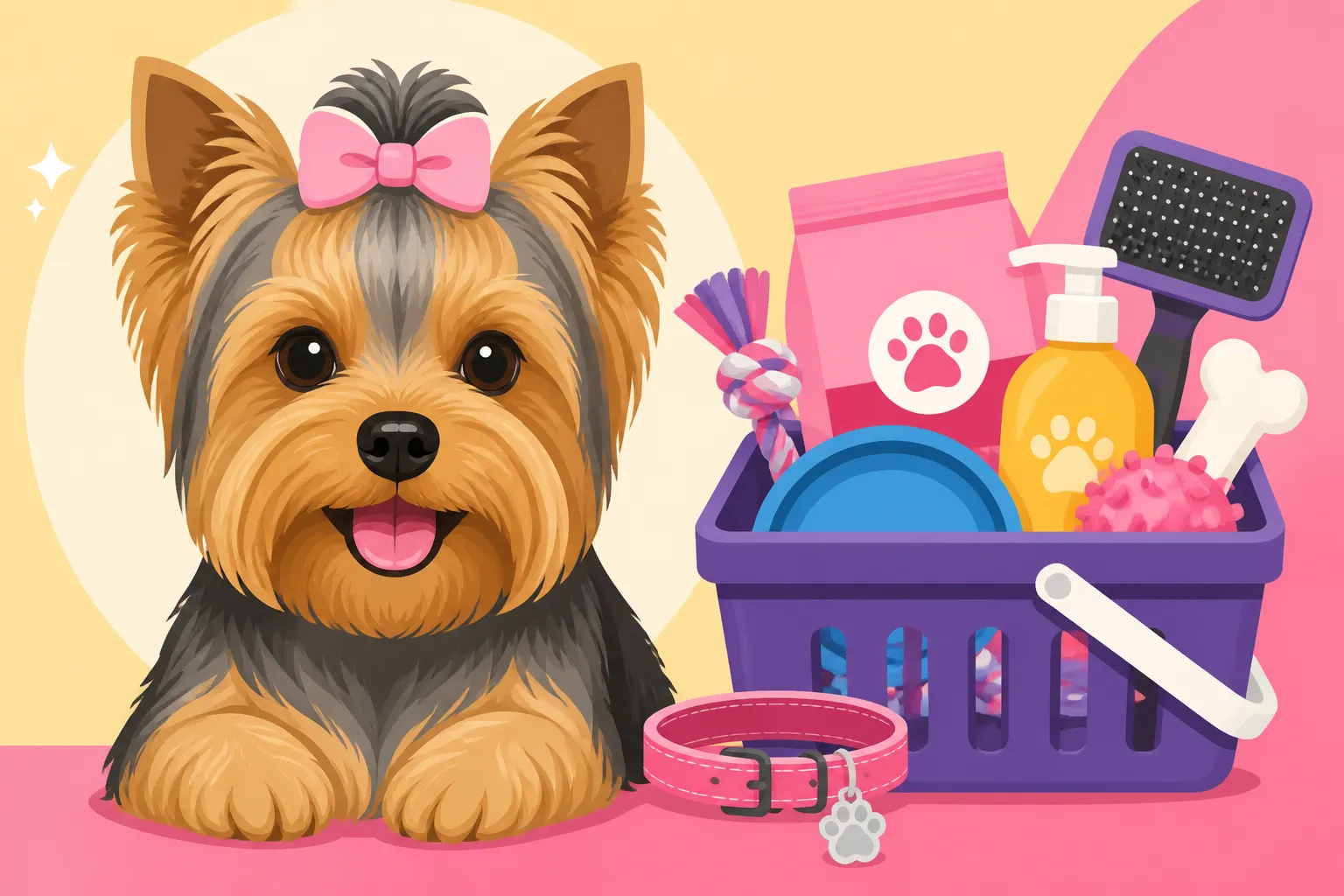
Yorkie Supplies Shopping List
Bringing a new Yorkshire Terrier into your life, whether they’re a tiny puppy or a distinguished rescue, is an incredibly exciting time! But let’s be real, it can also feel a little overwhelming when you start thinking about everything your new furry family member will need. From making sure they have a comfy place to sleep to figuring out what food is best, the sheer volume of choices can make you wonder if you’re forgetting something crucial. This comprehensive guide is here to cut through the confusion, offering a realistic, detailed shopping list to ensure your Yorkie’s first days—and years—are filled with comfort, safety, and joy, without missing any essential items.
Creating a Cozy Canine Haven: Housing and Comfort Essentials
When you welcome a Yorkie, their world shrinks to the size of your home, and it’s up to us to make that world safe, comfortable, and stimulating. These small but mighty dogs need their own dedicated spaces, just like any other family member, to feel secure and loved. Thinking about their environment from their perspective is key to setting them up for success.
Choosing the Right Crate and Playpen
One of the first things you’ll want to consider is containment. While the idea of a crate might initially seem restrictive, for many Yorkies, it becomes a safe, den-like space where they can retreat and feel secure. It's also an invaluable tool for Yorkshire Terrier Crate Training Guide and potty training, especially for puppies. For an adult Yorkie, look for a crate that’s roughly 24 inches long; it should be just big enough for them to stand up, turn around, and lie down comfortably, but not so large that they can designate a potty corner. Wire crates offer good ventilation and visibility, while soft-sided crates are lighter and more portable for travel.
Beyond the crate, a playpen is a fantastic addition, especially if you have a puppy or need to create a safe zone when you can't actively supervise your Yorkie. Think of it as a small, enclosed yard inside your home. It provides more space than a crate for toys, a water bowl, and a pee pad, allowing your Yorkie to stretch their legs and play without getting into mischief. This is particularly useful in those early months when Yorkie Puppy Training Schedule is in full swing and constant vigilance is required. You can often find excellent options for both crates and playpens on online retailers like Chewy, which often have sales and a wide selection to choose from.
Selecting the Perfect Bed
A comfortable bed is non-negotiable for a Yorkie. They might be small, but they appreciate a plush, supportive place to rest their heads just as much as a larger dog. Given their delicate joints, especially as they age, orthopedic beds can be a wonderful investment. Look for beds with bolstered edges; many Yorkies love to curl up against a bolster, mimicking the security of den living. Remember, Yorkies can get chilly easily due to their single coat, so a soft, warm bed is essential.
Consider having a couple of beds: one for their crate or main sleeping area, and another for a common family area, like the living room. This gives them options and lets them stay close to you while still having their own designated spot. Beds come in various materials, from memory foam to shredded foam fillings, and many now feature removable, washable covers, which is a lifesaver for keeping things clean and fresh. A quick search for "Best Bed for a Yorkshire Terrier" will reveal many excellent choices, but always prioritize washability and support for your little companion.
Ensuring Safety and Containment at Home
Yorkies are curious and agile, which means your home needs to be adequately dog-proofed. Baby gates are a must-have for blocking off stairs, rooms where you can't supervise, or areas with potential hazards. Remember, Yorkies can often squeeze through smaller gaps than you'd expect, so look for gates designed for small pets or with tighter vertical bars. Beyond physical barriers, consider potential hazards like toxic plants, unsecured electrical cords, small items that could be choked on, and easy-to-access human foods.
For outdoor safety, especially if you have a yard, ensure your fencing is secure. A small Yorkie can slip through surprising gaps or even dig under fences if motivated. Always supervise them outside, even in a fenced yard, to protect them from larger animals, potential escape routes, or ingesting something harmful. Identification is also crucial – a sturdy collar with an ID tag (even if they primarily wear a harness) and microchipping are paramount. Knowing that you can trace your pet if they ever get lost provides immense peace of mind.
Fueling Your Yorkie: Feeding and Hydration Necessities
Proper nutrition is the bedrock of a healthy, happy Yorkie. These little dogs have specific dietary needs, and choosing the right food and ensuring they have access to fresh water is vital for their overall well-being and longevity.
Understanding Food and Water Bowl Options
When it comes to food and water bowls, material and size matter. Stainless steel bowls are often recommended by vets because they are durable, easy to clean, and less likely to harbor bacteria than plastic. Ceramic bowls are also a good option, provided they are heavy enough not to tip over and don't have lead-based glazes. Plastic bowls can scratch easily, creating crevices where bacteria can grow, and some Yorkies might even develop a plastic allergy, leading to chin acne.
For food bowls, a shallow dish is perfect for a Yorkie's small snout. For water, ensure they have constant access to fresh, clean water. Some owners opt for elevated bowls, which can be beneficial for dogs with neck or back issues, or those prone to gulping air. However, for most Yorkies, ground-level bowls are perfectly fine. Consider a non-skid base to prevent spills, especially if your Yorkie gets enthusiastic about mealtime! You might also look into a gravity feeder or water dispenser if you're away for longer periods, but regular monitoring and cleaning are still essential.
Deciphering Dog Food Choices and Storage
Selecting the best dog food for your Yorkshire Terrier can feel like a labyrinth of choices. Given their propensity for certain health issues like hypoglycemia as puppies and dental disease later in life, their diet plays a huge role. Look for high-quality kibble formulated for small breeds, with real meat as the first ingredient. Brands like Royal Canin, Hill's Science Diet, and Purina Pro Plan often have breed-specific or small-breed formulas that cater to their unique metabolic needs and kibble size. If your Yorkie has a sensitive stomach, you might explore specialized formulas. For a more tailored approach, fresh food delivery services like Ollie are gaining popularity, offering human-grade ingredients and customized meal plans that can be particularly beneficial for picky eaters or those with specific dietary needs. Always consult your vet when making significant dietary changes, especially when considering a raw or homemade diet.
Proper food storage is also critical to maintain freshness and prevent contamination. Store kibble in an airtight container in a cool, dry place. This prevents it from going stale, keeps out pests, and retains vital nutrients. If you're using wet food or fresh food, refrigerate opened portions promptly and discard any uneaten food after a short period, typically an hour or two, to prevent bacterial growth. For more in-depth guidance on portion sizes and meal frequency, check out our guide on Yorkshire Terrier Feeding Guide by Age.
Treats and Supplements for Health and Training
Treats are an essential part of bonding, training, and sometimes just spoiling your Yorkie a little. However, moderation is key, especially for small breeds prone to weight gain. Choose small, low-calorie treats, and opt for healthy options without excessive fillers, artificial colors, or by-products. Dental treats can also be a good addition to help with oral hygiene, but they should never replace regular brushing. When looking for "Best Treats for Yorkshire Terriers", prioritize quality and appropriate size.
Supplements, such as joint supplements, fish oil for a healthy coat, or probiotics for digestion, might be recommended by your vet depending on your Yorkie’s individual needs. For instance, if your Yorkie is prone to dry skin or coat issues, a fish oil supplement might be beneficial. Similarly, a Yorkie showing early signs of joint discomfort could benefit from a glucosamine and chondroitin supplement. Always discuss any potential supplements with your veterinarian before introducing them to your Yorkie's diet, as they can interact with medications or not be suitable for all dogs.
Keeping Your Yorkie Pristine: Grooming and Hygiene Must-Haves
The Yorkshire Terrier is renowned for its beautiful, silky coat, which, while stunning, is also high maintenance. Regular grooming isn’t just about aesthetics; it's crucial for their skin health, comfort, and overall well-being. Getting into a routine early will make life easier for both you and your Yorkie.
Brushing, Bathing, and Haircare Tools
A comprehensive grooming kit is a non-negotiable part of your Yorkie supplies. Their long, fine hair is prone to matting and tangling, so daily brushing is essential. You'll need a good quality slicker brush and a metal comb to work through knots gently. A detangling spray can also be a huge help. When it comes to bathing, your Yorkie will need a bath every 2-3 weeks, or more if they get particularly dirty. Always use a shampoo and conditioner specifically formulated for dogs, preferably one that is tearless and moisturizing for their delicate skin and coat.
After bathing, a soft towel and a low-heat blow dryer are necessary. Never let a Yorkie air dry completely, especially in cooler weather, as they can get chilled. For longer coats, a leave-in conditioner or conditioning spray can help maintain that signature silky texture and prevent breakage. Many owners opt for professional grooming every 4-6 weeks for haircuts like the popular Yorkie Puppy Cut: What to Know or the teddy bear cut, but having the right tools for at-home maintenance between visits is crucial.
Dental Care for Tiny Teeth
One of the most overlooked, yet critical, aspects of Yorkie care is dental hygiene. These small dogs are notoriously prone to dental disease, which can lead to pain, tooth loss, and even systemic health issues. Investing in a good Yorkshire Terrier Dental Care Guide early on is vital. Your shopping list should include a small, soft-bristled dog toothbrush and dog-specific toothpaste (never human toothpaste, as it contains ingredients toxic to dogs). Aim to brush your Yorkie’s teeth daily, or at least several times a week.
In addition to brushing, dental chews can help reduce plaque and tartar buildup, but they are not a substitute for brushing. Water additives designed to improve oral health are another option. Regular professional dental cleanings by a veterinarian are often necessary and should be factored into your budget. Discuss with your vet how often your Yorkie might need these procedures, as prevention at home is always the best first line of defense against costly and painful dental issues.
Nail, Ear, and Eye Maintenance
Beyond the coat and teeth, your Yorkie’s nails, ears, and eyes also require regular attention. For nails, you’ll need a good pair of small dog nail clippers or a dremel tool. Keeping nails trimmed prevents them from becoming overgrown, which can be painful, affect their gait, and even lead to infections. If you're nervous about clipping, ask your vet or groomer to show you how or handle it for you.
Yorkies can sometimes have issues with ear infections or excessive ear wax, so a gentle ear cleaning solution and cotton balls (never cotton swabs) should be on your list. Check their ears weekly for redness, odor, or excessive debris, and clean them as needed. Eye care is also important; Yorkies can be prone to tear staining, especially lighter-colored individuals. A gentle, dog-specific eye wash and soft wipes can help keep the area clean and reduce staining. For any persistent redness, discharge, or discomfort, consult your vet immediately, as these could be signs of Yorkie Eye Problems Explained.
Prioritizing Well-being: Health and Safety Preparedness
Being a responsible Yorkie parent means being prepared for health challenges and emergencies. While we all hope our pups stay healthy, having the right supplies and knowing what to do in a pinch can make all the difference.
First Aid Kit and Emergency Supplies
Just like with human family members, a well-stocked first aid kit for your Yorkie is invaluable. This isn't just for major emergencies, but also for minor scrapes, cuts, or upset stomachs. Your kit should include: antiseptic wipes (like chlorhexidine or povidone-iodine solution), gauze pads, self-adhering vet wrap, blunt-tip scissors, tweezers, a digital pet thermometer, an oral syringe for administering liquid medication, and a pet-safe probiotic or anti-diarrhea medication like FortiFlora or Pepto-Bismol (only with vet guidance).
Additionally, keep emergency contact information readily available: your regular vet, the nearest 24-hour emergency veterinary clinic, and poison control hotlines (like the ASPCA Animal Poison Control Center). Knowing When to Take Your Yorkie to the Vet for serious symptoms can save precious time. Consider a pet carrier that is easy to access and large enough for your Yorkie to travel comfortably to the vet in an emergency. Being prepared lessens stress for both you and your pet during a crisis.
Identification and Security Measures
Even the most well-behaved Yorkie can get spooked and slip away, or an unforeseen event could separate you. This is why proper identification is paramount. Your Yorkie should always wear a collar with an ID tag that includes their name, your phone number, and potentially your address. Engraved tags that attach flat to the collar are often more comfortable for tiny dogs.
Beyond external tags, microchipping is a non-negotiable layer of security. A microchip, about the size of a grain of rice, is implanted under the skin and registered with your contact information. Most vets and shelters have scanners that can read these chips, significantly increasing the chances of reunification if your Yorkie gets lost. Remember to keep your microchip registration information updated if you move or change phone numbers. It's a small, one-time investment that offers priceless peace of mind.
Veterinary Care Essentials
Establishing a relationship with a trusted veterinarian is one of the most important things you’ll do for your Yorkie. Beyond the routine check-ups and vaccinations, your vet will guide you through preventative care, nutrition, and address any health concerns. Having a secure and comfortable carrier is essential for stress-free vet visits. Look for a carrier that is well-ventilated, easy to clean, and provides a cozy space for your Yorkie during transport.
Financially, vet care can add up, especially with a breed like the Yorkie that has specific predispositions to certain conditions (e.g., Yorkshire Terrier Patellar Luxation: Signs and Care or Yorkshire Terrier Collapsing Trachea: Signs and Care). Building an emergency fund or considering pet insurance can help mitigate unexpected costs. Companies like Healthy Paws offer various plans that can cover accidents, illnesses, and even some preventative care, helping you provide the best possible care without financial strain. Understanding Yorkshire Terrier Vet Costs and Health Budget is crucial for responsible ownership.
Engaging Your Yorkie's Mind and Body: Training and Entertainment Gear
Yorkies might be small, but they are intelligent, energetic, and thrive on interaction and mental stimulation. Providing them with the right tools for training and play is crucial for their development and preventing boredom-induced behavioral issues.
Harnesses, Leashes, and Training Aids
For a Yorkie, a harness is almost always preferable to a collar for walks. Due to their delicate tracheas, a collar can put undue pressure on their windpipe, especially if they pull. A well-fitting harness distributes pressure across their chest and shoulders, making walks safer and more comfortable. Look for a harness that fits snugly but doesn't chafe, with soft, breathable materials. There are many styles available, from step-in to vest harnesses, so you might need to try a few to find the perfect one for your Yorkie. Our guide on "Best Harness for a Yorkshire Terrier" can help you navigate the options.
Pair the harness with a lightweight, 4-6 foot leash. Avoid heavy, bulky leashes that can overwhelm a tiny Yorkie. For training, treats are invaluable, as are a clicker and a treat pouch for easy access during sessions. A long line (15-30 feet) can also be useful for practicing recall in a safe, open area, giving your Yorkie a sense of freedom while still being securely attached. Remember, consistency is key in How to Train a Yorkshire Terrier, so having your tools ready makes the process smoother.
Toys for Play and Mental Stimulation
Yorkies love to play! Providing a variety of toys is essential for physical exercise and mental engagement. Chew toys are vital for puppies to redirect their chewing instincts away from your furniture, and for adult Yorkies to maintain dental health and relieve stress. Look for durable, appropriately sized chew toys that won't splinter or break off into small pieces. Kong toys, for instance, are great for stuffing with treats to provide a mentally stimulating challenge.
Puzzle toys, where your Yorkie has to figure out how to get a treat, are excellent for mental enrichment and can keep them occupied when you're busy. Soft, squeaky toys or plush toys are also often a hit for carrying around or cuddling. Rotate toys regularly to keep things interesting and prevent boredom. Just remember to always supervise playtime, especially with new toys, to ensure they are safe and won't be ingested. For more ideas, check out our recommendations for "Best Toys for Yorkshire Terriers".
Potty Training and Cleanup Solutions
Potty training a Yorkie can sometimes be a challenge, but with the right tools and consistent effort, it's entirely achievable. Puppy pads are a popular option, especially for apartment dwellers or during inclement weather. Choose highly absorbent pads, and consider a holder to keep them in place. A dedicated potty area outside is also important, and you'll need plenty of training treats to reward successful outdoor eliminations. For a deep dive, our Yorkshire Terrier Potty Training Guide has all the details.
Accidents will happen, especially during the puppy phase, so having enzymatic cleaner on hand is crucial. These cleaners break down odors and stains at a molecular level, preventing your Yorkie from being drawn back to the same spot. Keep paper towels or dedicated cleaning cloths easily accessible. Don't forget poop bags for outdoor walks – responsible pet ownership means always cleaning up after your Yorkie.
Adventures Await: Travel and Outdoor Accessories
Yorkies are often fantastic travel companions, loving nothing more than to be by your side. But whether it's a short car ride to the vet or a longer road trip, having the right gear ensures their safety and comfort on the go.
Carriers and Car Safety Gear
For car travel, a secure dog car seat or a crash-tested travel carrier is essential. Letting a Yorkie roam freely in a moving vehicle is incredibly dangerous for them and a distraction for the driver. A car seat often elevates them so they can see out the window, which many small dogs enjoy, and typically secures them with a harness attachment. If you opt for a carrier, make sure it's well-ventilated, secured by a seatbelt, and large enough for your Yorkie to stand, turn, and lie down comfortably.
For air travel, an airline-approved soft-sided carrier that fits under the seat in front of you will be necessary if your Yorkie is traveling in the cabin. Always check airline regulations well in advance, as rules regarding pet travel can vary significantly. Even for short walks, having a comfortable and secure carrier can be useful for places where your Yorkie might get tired or where you prefer to carry them, such as crowded areas.
Outdoor Apparel and Protection
Given their small size and single coat, Yorkies are particularly susceptible to extreme temperatures. In colder climates, a warm dog coat or sweater is not just a fashion statement—it’s a necessity to protect them from the elements during walks. Look for options that cover their chest and belly for maximum warmth. In hot weather, avoid walking during peak heat, and consider cooling vests or bandanas if your Yorkie tends to overheat easily.
For walks in grassy areas or woods, especially where ticks are prevalent, consider paw booties to protect their delicate paws from rough terrain, hot pavement, or potential parasites. Paw balm can also be helpful to keep their paw pads moisturized and prevent cracking. Always be mindful of their small stature and protect them from environmental hazards that larger dogs might easily navigate.
Waste Management On the Go
Last but certainly not least, responsible outdoor adventures require proper waste management. Poop bags are a given for every walk, hike, or park visit. Invest in a sturdy leash dispenser that attaches to your leash, making bags easily accessible. Biodegradable options are a thoughtful choice for the environment.
For longer outings or trips, especially in unfamiliar areas, having a portable water bottle and collapsible bowl is essential to keep your Yorkie hydrated. Remember, Yorkies can dehydrate quickly, and readily available water is crucial. These small conveniences make a big difference in ensuring both you and your Yorkie can enjoy your time outside to the fullest.
Comprehensive Yorkie Supply Checklist
To help you visualize your shopping mission, here’s a handy table summarizing the essential items for your Yorkshire Terrier.
| Category | Essential Items | Considerations |
|---|---|---|
| Housing & Comfort | Crate (24-inch) | Wire or soft-sided, appropriate for training |
| Playpen | Safe containment for unsupervised play | |
| Dog Bed (2+) | Orthopedic, bolstered, washable covers | |
| Baby Gates | Small-gap, secure, for blocking off hazardous areas | |
| Feeding & Hydration | Stainless Steel Food & Water Bowls | Easy to clean, durable, non-skid base |
| Small Breed Dog Food | High-quality, real meat first ingredient; consider specialized diets (e.g., Ollie) | |
| Airtight Food Storage Container | Keeps kibble fresh and prevents pests | |
| Training Treats | Small, low-calorie, healthy options | |
| Vet-Approved Supplements (if needed) | Joint support, fish oil, probiotics – always consult vet | |
| Grooming & Hygiene | Slicker Brush & Metal Comb | Essential for daily coat maintenance |
| Dog Shampoo & Conditioner | Tearless, moisturizing, dog-specific | |
| Small Dog Toothbrush & Dog Toothpaste | Critical for daily dental health | |
| Nail Clippers/Dremel | Keep nails trimmed to prevent discomfort | |
| Ear Cleaning Solution & Cotton Balls | Weekly ear checks and cleaning | |
| Eye Wash & Wipes | For tear stains and general eye cleanliness | |
| Health & Safety | Pet First Aid Kit | Antiseptic, gauze, vet wrap, thermometer, oral syringe |
| Collar with ID Tag | Name, phone number, address | |
| Microchip & Registration | Essential for reunification if lost | |
| Pet Carrier (vet visits) | Secure, comfortable, well-ventilated | |
| Pet Insurance (e.g., Healthy Paws) | Helps manage unexpected vet costs | |
| Training & Play | Harness (Vest or Step-in) | Distributes pressure, protects trachea |
| Lightweight Leash (4-6 ft) | Appropriate size for small dogs | |
| Clicker & Treat Pouch | Aids in positive reinforcement training | |
| Chew Toys & Puzzle Toys | Mental stimulation, dental health, prevents destructive chewing | |
| Soft/Squeaky Toys | For play and comfort | |
| Puppy Pads & Holder | For indoor potty training | |
| Enzymatic Cleaner | Essential for cleaning accidents and neutralizing odors | |
| Poop Bags & Dispenser | For responsible outdoor cleanup | |
| Travel & Outdoor | Car Seat or Crash-Tested Travel Carrier | Safety during car travel |
| Airline-Approved Carrier (if flying) | Check airline regulations | |
| Dog Coat/Sweater | For warmth in cold weather | |
| Cooling Vest/Bandana | For hot weather protection | |
| Paw Booties/Balm | Protects paws from extreme temperatures or rough terrain | |
| Portable Water Bottle & Collapsible Bowl | Essential for hydration on the go |
Disclaimer
The information provided in this article is for general informational purposes only and does not constitute professional veterinary advice. Always consult with a qualified veterinarian for any health concerns or before making any decisions related to your Yorkshire Terrier's care, diet, or training.