Where to Find Yorkie Breeders in Ohio
Finding a reputable Yorkshire Terrier breeder in Ohio can feel like a daunting task. With so many online listings, varying prices, and conflicting advice, it's easy to get overwhelmed and worry about making the wrong choice. This comprehensive guide is designed to cut through the noise, providing you with clear, actionable steps and essential information to locate an ethical, responsible Yorkie breeder in the Buckeye State, ensuring you bring home a happy, healthy, and well-adjusted puppy.
Navigating the Landscape of Yorkie Breeders in Ohio
When you're eager to welcome a tiny, spirited Yorkshire Terrier into your family, the excitement can sometimes overshadow the critical importance of where that puppy comes from. Ohio, like any other state, has a mix of fantastic, responsible breeders and those who are less so. Understanding this landscape is your first step toward making an informed decision.
The Importance of a Reputable Breeder
It's not just about getting a cute puppy; it's about investing in a family member's long-term health, temperament, and well-being. A reputable breeder is much more than just someone who breeds dogs. They are dedicated stewards of the breed, prioritizing genetic health, proper socialization, and matching puppies with suitable homes. This dedication means less heartbreak and fewer unexpected veterinary bills down the road.
Imagine bringing home a puppy only to discover it has severe, untreated genetic health issues like patellar luxation or a liver shunt, common problems in the breed. Or perhaps a puppy with extreme anxiety because it wasn't properly socialized. These scenarios are not only heartbreaking but can be incredibly costly, emotionally and financially. A good breeder actively works to prevent these issues, performing health screenings on parent dogs, providing excellent early care and socialization, and offering continuous support. They see themselves as responsible for every puppy they bring into the world, for its entire life. This stands in stark contrast to backyard breeders or puppy mills, who often prioritize profit over the welfare of their animals.
Why Ohio? Understanding the Local Context
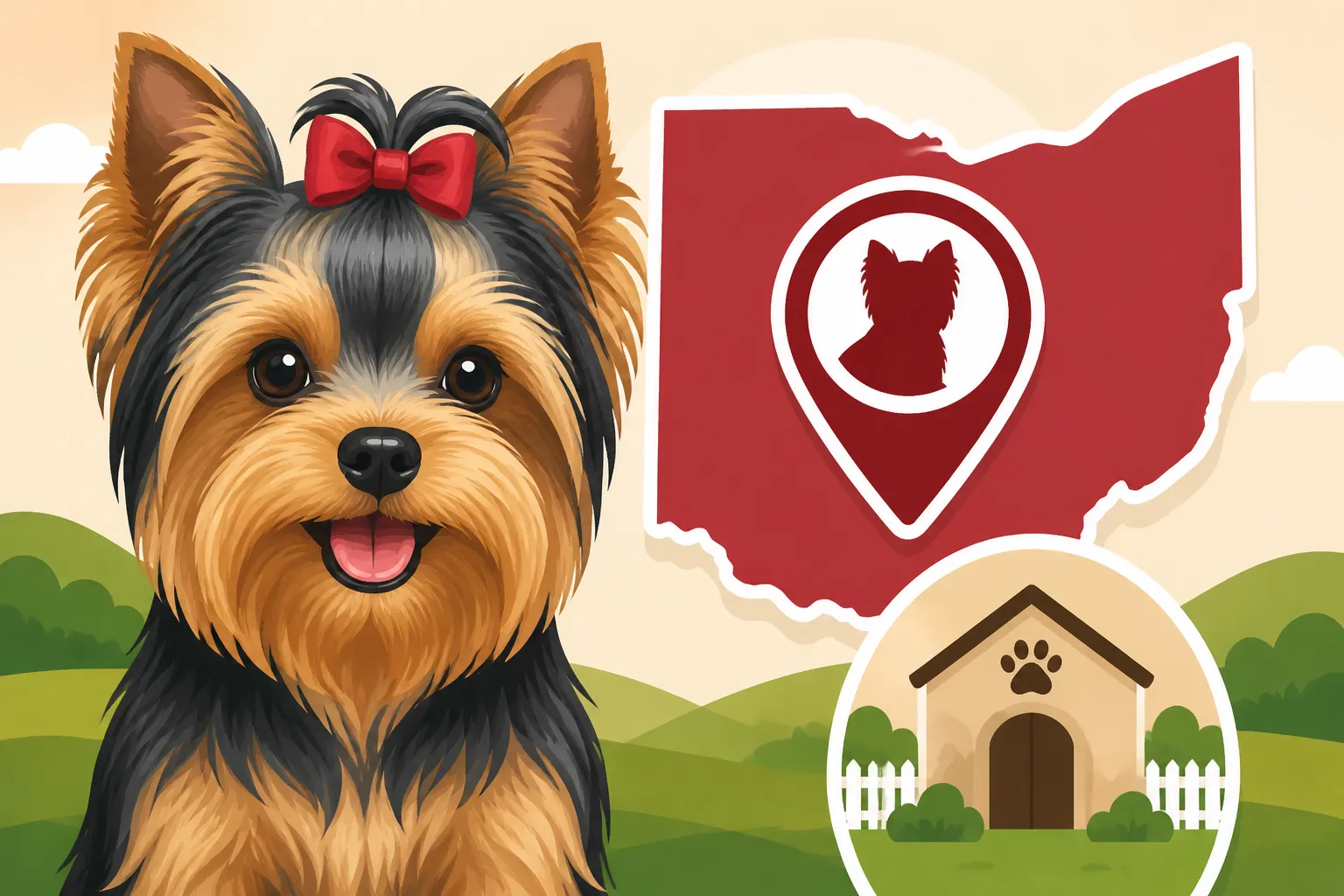
Ohio is a vast state, from bustling cities like Cleveland and Columbus to rural areas. This diversity means you'll find a wide range of breeding operations. While Ohio does have some animal welfare regulations, it's still crucial for prospective owners to do their due diligence. Local laws for kennels and breeders can vary, and what might be considered acceptable in one county might be frowned upon in another, or simply not up to the standards of an ethical breeder.
It's wise to start locally, as it allows for in-person visits, which are non-negotiable when evaluating a breeder. Look for breeders who are part of local breed clubs or who are highly recommended by local veterinary clinics. These local connections often provide a stronger sense of community and accountability among breeders. Plus, meeting a breeder face-to-face and seeing their facilities offers invaluable insight into their practices and the environment where your future puppy is raised.
What Defines a Reputable Yorkshire Terrier Breeder
A truly reputable Yorkshire Terrier breeder adheres to a set of practices that prioritize the health, temperament, and welfare of their dogs above all else. Knowing what these practices are will empower you to discern a good breeder from one who is simply looking to make a quick sale.
Health Clearances and Genetic Testing
This is, without a doubt, one of the most critical aspects of responsible breeding. Yorkshire Terriers, like all purebred dogs, are prone to certain genetic conditions. A responsible breeder will be intimately familiar with these predispositions and actively work to minimize their occurrence in their lines. This means both parent dogs will have undergone comprehensive health screenings before being bred.
For Yorkies, you should expect to see certifications for patellar luxation (knee issues), basic eye exams by a board-certified veterinary ophthalmologist, and sometimes even liver shunt screenings. Organizations like the Orthopedic Foundation for Animals (OFA) and the Canine Eye Registry Foundation (CERF, now part of OFA) provide public databases where you can verify these health clearances. Don't just take a breeder's word for it; ask to see the documentation. A truly transparent breeder will be happy to share these results and explain what they mean. For a deeper dive into these issues, you might want to read about Common Yorkshire Terrier Genetic Conditions. Ensuring these checks are done reduces the risk of your puppy inheriting painful and expensive conditions.
Socialization and Puppy Rearing Practices
A puppy's early weeks are formative, shaping its temperament and how it interacts with the world. A reputable breeder understands this and provides an enriching environment where puppies are exposed to various sights, sounds, and people. They won't just keep puppies in kennels; they'll raise them in a clean, safe, and stimulating home environment, ideally alongside the family.
This early exposure includes gentle handling, introduction to household noises (vacuum cleaners, doorbells), and interaction with different family members, including children if applicable. Many responsible breeders also incorporate early neurological stimulation (ENS) techniques, which are believed to improve a dog's stress response, heart rate, and immune system. When you visit a breeder, observe the puppies' environment. Are they clean? Do they seem confident and curious, or shy and fearful? Do they interact well with their littermates and the breeder? These observations are key indicators of proper socialization.
Transparency and Ongoing Support
A relationship with a reputable breeder doesn't end when you take your puppy home; it begins. They will be transparent about their breeding practices, their dogs' lineage, and any health concerns in their lines. They will openly share the puppy's medical records, vaccination schedule, and deworming history. You should also expect a comprehensive health guarantee, outlining their responsibilities if a genetic health issue arises shortly after purchase. To understand what this entails, refer to Yorkie Health Guarantee Explained.
Furthermore, a good breeder will offer lifetime support. They want to know how their puppies are doing and will be available to answer questions, offer advice, and even take a dog back if circumstances change and you can no longer care for it. This commitment demonstrates their profound responsibility for the lives they've brought into the world. They will also provide detailed guidance on Yorkshire Terrier Puppy Health Guide including things like initial feeding, grooming, and training tips.
Where to Begin Your Search for Ohio Yorkie Breeders
Now that you know what to look for, let's talk about where to actually start your search for an ethical Yorkshire Terrier breeder within Ohio. It's about looking in the right places, where responsible breeders tend to congregate.
Official Breed Clubs and Organizations
This is often the safest and most reliable starting point. The Yorkshire Terrier Club of America (YTCA) is the national parent club and a fantastic resource. Their website usually has a "Breeder Directory" or a list of regional clubs. For Ohio specifically, look for regional clubs affiliated with the YTCA, such as the Yorkshire Terrier Club of Greater Cincinnati or the Central Ohio Yorkshire Terrier Club. These clubs typically uphold strict ethical guidelines for their members, including health testing and responsible breeding practices. Contacting the club's breeder referral person can connect you with reputable breeders who have puppies available or upcoming litters.
Another excellent resource is the American Kennel Club (AKC) Marketplace. While simply being AKC registered doesn't automatically mean a breeder is reputable, the AKC does provide resources for finding breeders who adhere to their standards. You can search by breed and state, and many responsible breeders choose to list their litters here. However, always remember that an AKC listing is just a starting point; you still need to perform all your due diligence.
Veterinary Referrals and Word of Mouth
Your local veterinary clinics in Ohio can be an invaluable source of information. Vets often interact with many breeders in their area and know which ones consistently bring in healthy, well-cared-for puppies. Don't hesitate to call a few reputable vet offices in your region and ask if they can recommend any Yorkshire Terrier breeders. They're on the front lines of canine health and have a unique perspective on which breeders prioritize their dogs' well-being.
Additionally, networking with other Yorkshire Terrier owners in your community can yield excellent leads. Dog parks, local dog training classes, or even online community groups can connect you with people who have firsthand experience with local breeders. Personal recommendations, especially from satisfied owners whose dogs exhibit good health and temperament, are often golden.
Ethical Online Resources and Databases
Beyond the official clubs, some ethical online platforms strive to connect responsible breeders with prospective owners. Websites that require breeders to adhere to a code of ethics, list health testing results, and allow for reviews can be helpful. However, be incredibly wary of sites that list puppies for sale without any vetting process or detailed information about the parents or breeder. These are often havens for puppy mills and unscrupulous sellers.
Always remember that pictures can be deceiving. Any online listing, no matter how appealing, should always be followed up with direct communication, detailed questions, and an in-person visit before committing to anything. Be especially cautious of breeders who seem to have multiple breeds constantly available or offer to ship puppies without allowing a visit.
Essential Questions and Red Flags to Avoid
Embarking on the journey to find a Yorkie puppy involves a good amount of detective work and asking tough questions. You're not just buying a product; you're adopting a living being, and you have every right to ensure its welfare.
Interviewing Potential Breeders
When you've found a potential breeder, be prepared with a list of thoughtful questions. A good breeder will welcome your questions and have plenty of their own for you, as they are looking for the best possible homes for their puppies. Here are some critical inquiries:
- About the Parents: Ask to meet both parent dogs if available. Inquire about their health history, temperament, and age. Responsible breeders don't breed dogs too young or too old, and they allow sufficient recovery time between litters.
- Health Clearances: Ask for documentation of all health screenings relevant to Yorkies, such as OFA certifications for patellas and CERF eye exams. Ask about any health issues in their lineage. This links directly back to Common Yorkshire Terrier Genetic Conditions.
- Puppy Care: How are the puppies raised? What kind of socialization do they receive? What are their feeding schedules? Do they recommend specific brands like Ollie for puppy nutrition, or have they started the puppies on a high-quality kibble like those found on Chewy? Are they dewormed and vaccinated? You should also ask about the puppy's current diet so you can either continue it or transition gradually to your chosen food, perhaps from our guide on the Best Food for Yorkshire Terriers.
- Experience: How long have they been breeding Yorkies? What is their philosophy on breeding?
- Contract and Guarantee: Ask to see a copy of their sales contract and health guarantee. Understand what it covers and for how long.
- Support: What kind of ongoing support do they offer after you take the puppy home? Do they require you to spay/neuter your puppy?
For a more exhaustive list of questions, consider our guide on Questions to Ask a Yorkie Breeder.
Recognizing Puppy Mills and Backyard Breeders
Unfortunately, not all breeders operate with integrity. Puppy mills and irresponsible backyard breeders often prioritize profit over animal welfare, leading to sickly puppies with poor temperaments. Being able to recognize the red flags is crucial for avoiding these unethical operations.
Here are common warning signs:
- No Home Visits: A breeder who refuses to let you visit their home and meet the puppy's parents is a huge red flag. They might insist on meeting in a public place.
- Multiple Breeds: Breeders who constantly have multiple breeds and litters available are often commercial operations or puppy mills.
- Always Available Puppies: Reputable breeders typically have waiting lists and don't always have puppies readily available.
- Lack of Health Records/Guarantees: If a breeder cannot provide verifiable health clearances for the parents or a written health guarantee for the puppy, walk away.
- Unsanitary Conditions: If you do visit and the facility is dirty, overcrowded, or the dogs appear neglected or shy, leave immediately.
- Pushy Sales Tactics: Be wary of breeders who pressure you into making a quick decision or demand cash payments without proper documentation.
- Incomplete Information: They can't answer your questions about the breed, the parents, or the puppy's care.
To learn more about what to avoid, consult How to Spot a Yorkie Puppy Mill and Yorkie Breeder Red Flags to Avoid.
Understanding Puppy Contracts and Guarantees
A reputable breeder will always provide a written contract. This document protects both you and the breeder and outlines expectations for the puppy's care, health, and sometimes even future breeding restrictions (e.g., spay/neuter clauses for pet-quality puppies).
Key elements to look for in a contract include:
- Health Guarantee: Details what happens if the puppy develops a serious genetic health issue within a specified timeframe. This might involve a refund, a replacement puppy, or assistance with vet costs.
- Return Policy: A responsible breeder will always have a clause stating they will take the puppy back at any point in its life if you can no longer care for it, no questions asked. This ensures their dogs never end up in shelters.
- Vaccination and Deworming History: A complete record of the puppy's initial vet care.
- Spay/Neuter Clause: For pet-quality puppies, this clause typically requires you to spay or neuter the puppy by a certain age and provides no breeding rights.
- Registration Papers: Details about how and when you will receive the puppy's AKC (or other registry) registration papers, usually after proof of spay/neuter if applicable.
Ensure you read and understand every part of the contract before signing. Don't hesitate to ask for clarification on any point.
Preparing for Your New Yorkshire Terrier Puppy
Bringing a new puppy home is an exciting time, but it also requires thoughtful preparation, both financially and practically. Understanding the full scope of ownership costs and health considerations will help you embark on this journey with confidence.
Initial Costs and Budgeting Beyond the Purchase Price
While the purchase price of a well-bred Yorkshire Terrier in Ohio can range significantly (typically from $1,500 to $4,000, depending on lineage, location, and breeder reputation), that's just the beginning. The first year of puppy ownership is often the most expensive.
You'll need to budget for:
- Initial Vet Visit: A check-up within a few days of bringing your puppy home.
- Vaccinations and Parasite Control: A series of puppy shots and deworming. See Yorkie Initial Vaccination Cost for more details.
- Spay/Neuter: If your puppy is pet-quality, this will be a significant cost, usually around 6-12 months of age.
- Food: High-quality puppy food is essential for growth. Consider setting up an initial supply order from Chewy for essentials like food, bowls, and a crate.
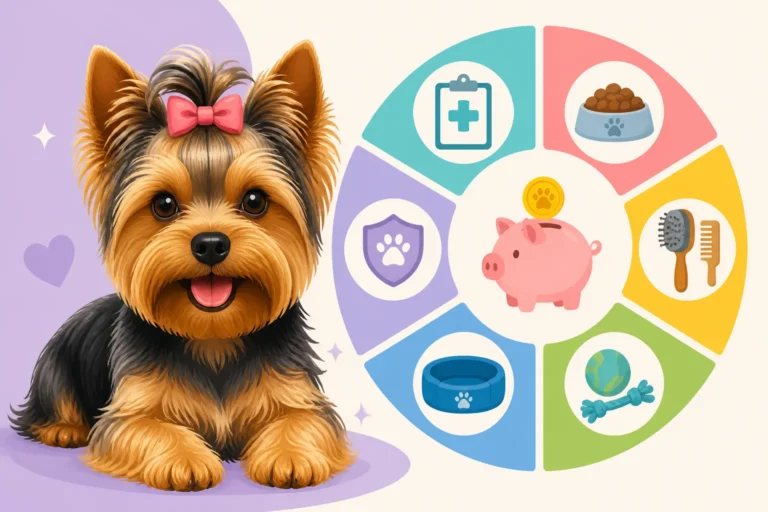
- Supplies: Crate, bed, leash, harness (which are often better than collars for Yorkies), toys, grooming tools, food bowls, and training treats.
- Training: Puppy classes or private training.
- Pet Insurance: Highly recommended for small breeds prone to certain conditions.
For a comprehensive breakdown, check out How Much Does a Yorkshire Terrier Cost and our Yorkshire Terrier Puppy Buying Checklist. Creating a realistic budget for these initial and ongoing expenses is crucial for responsible pet ownership.
Ongoing Health and Wellness Considerations
Once your Yorkie puppy is home, their health and well-being become your primary responsibility. This means establishing a relationship with a trusted veterinarian, maintaining preventative care, and being proactive about potential health issues.
Regular veterinary visits are essential for annual check-ups, boosters, and early detection of any health concerns. Discuss with your vet about parasite prevention, dental care (Yorkies are prone to dental disease), and nutrition specific to your dog's age and activity level. Many Yorkie owners find that pet insurance, such as plans from Healthy Paws, can be a lifesaver, helping to manage unexpected veterinary costs for accidents or illnesses, especially with the breed's predispositions. While we hope for the best, being prepared for the unexpected is part of being a responsible pet parent. Understanding the financial implications of owning a Yorkie is covered in more detail in Yorkshire Terrier Vet Costs and Health Budget.
Your puppy's overall health also depends on a balanced diet, appropriate exercise, regular grooming (especially for their long, silky coats), and plenty of love and mental stimulation. By choosing a reputable breeder in Ohio, you've already laid a strong foundation for a healthy life for your Yorkshire Terrier.
Reputable Breeder vs. Questionable Breeder Checklist
To help you make an informed decision, here's a quick comparison of what to expect from a reputable breeder versus what might indicate a less ethical operation.
| Feature | Reputable Breeder | Questionable Breeder (Puppy Mill/Backyard) |
|---|---|---|
| Health Testing | Provides verifiable OFA/CERF certifications for parents | No health clearances, vague answers, or "vet checked" only |
| Transparency | Welcomes home visits, introduces parent dogs | Refuses home visits, meets in public, hides parent dogs |
| Puppy Environment | Clean, enriching home environment, well-socialized | Unsanitary, kenneled, shy/fearful puppies, multiple breeds |
| Support | Offers lifetime support, takes dog back if needed | No follow-up, disappears after sale, no rehoming option |
| Contract/Guarantee | Provides detailed written health guarantee & contract | No written contract, vague verbal promises, no guarantee |
| Knowledge | Deep knowledge of breed, health, temperament | Limited knowledge, focused on quick sale |
| Questions Asked | Asks you many questions about your home/lifestyle | Asks few questions, seems indifferent to your suitability |
| Availability | May have waiting list, breeds selectively | Always has puppies available, often multiple litters/breeds |
| Price | Reflects investment in health/care ($1,500-$4,000+) | Often lower to entice buyers, but hidden costs later ($500-$1,500) |
Disclaimer
Please remember that this guide provides general information and recommendations. While every effort has been made to provide accurate and helpful advice, the landscape of pet ownership and breeding can change. Always consult with a qualified veterinarian or animal professional for specific guidance tailored to your individual situation and your pet's needs. The decision to adopt a pet is a significant one, and thorough research and responsible choices are paramount.