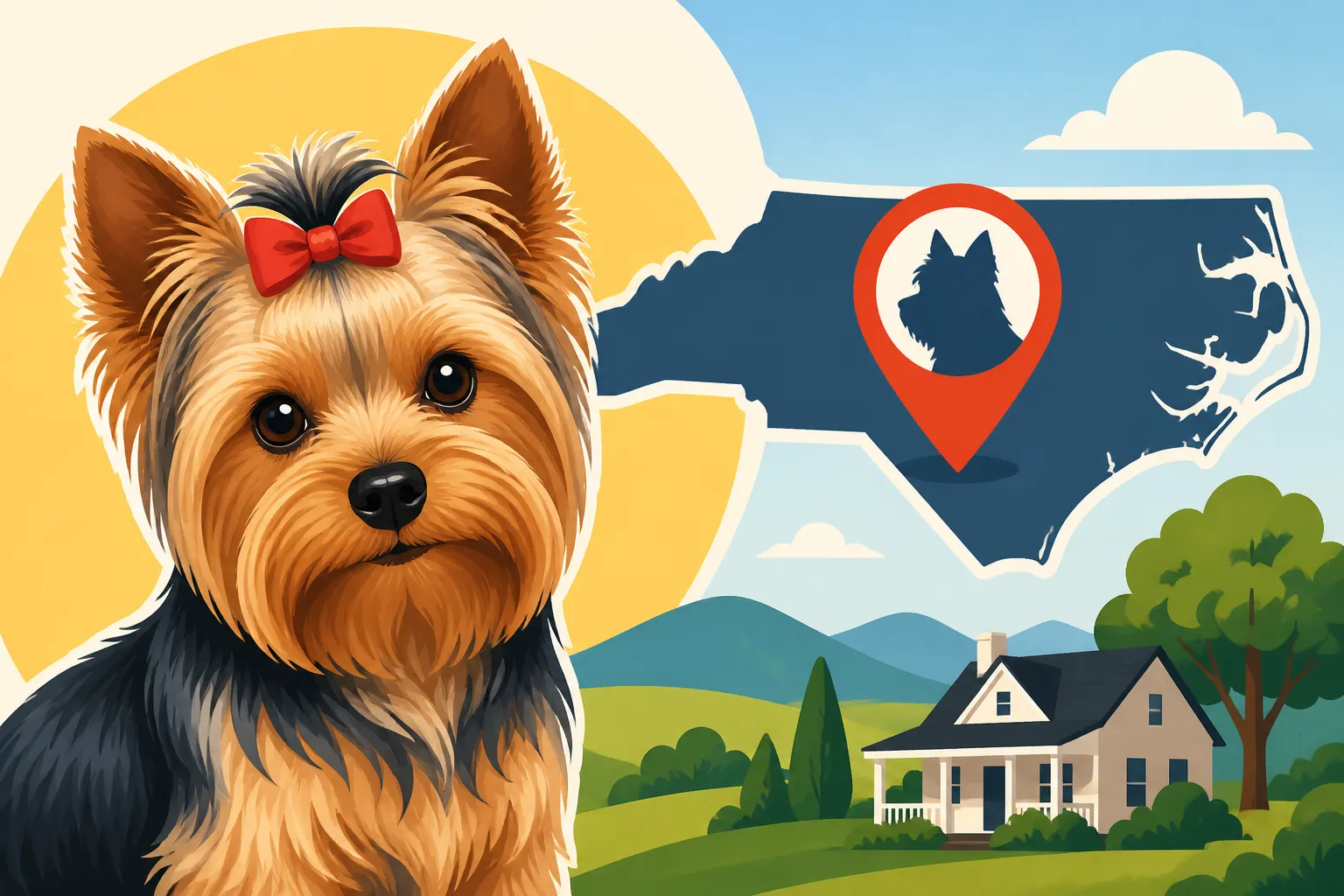
Where to Find Yorkie Breeders in North Carolina
Finding a reputable Yorkshire Terrier breeder can sometimes feel like searching for a needle in a haystack, especially when you're committed to a specific geographic area like North Carolina. It's easy to get overwhelmed by online listings or encounter less-than-ideal situations, leaving you frustrated and wondering if you'll ever find that perfect, healthy Yorkie puppy. This guide is here to cut through the confusion, offering a step-by-step approach to identifying ethical and responsible Yorkie breeders right here in the Tar Heel State.
The Importance of an Ethical Yorkshire Terrier Breeder
When you're bringing a new puppy into your family, you’re not just picking out a cute face; you’re making a decade-plus commitment to a living creature. That’s why where your puppy comes from is incredibly important. An ethical breeder isn’t just in it for the profit; they genuinely care about the breed’s health, temperament, and ensuring their puppies go to loving, responsible homes. Skipping this crucial step can lead to heartbreaking health issues and behavioral challenges down the road.
Why Ethical Breeding Matters for Your Yorkie
Ethical breeders prioritize the well-being of their dogs above all else. This means they meticulously screen their breeding pairs for genetic conditions that are unfortunately common in Yorkshire Terriers. We're talking about things like Yorkshire Terrier Patellar Luxation: Signs and Care, Yorkshire Terrier Collapsing Trachea: Signs and Care, and liver shunts, which can cause significant health problems and hefty vet bills if not addressed. A responsible breeder will be transparent about their dogs’ health history, provide verifiable health clearances from organizations like the Orthopedic Foundation for Animals (OFA) and the Canine Eye Registry Foundation (CERF), and even offer a health guarantee.
Beyond health, a good breeder plays a vital role in a puppy's early socialization. Pups from ethical breeders are typically raised in a home environment, exposed to various sights, sounds, and gentle handling from an early age. This positive start significantly contributes to a well-adjusted, confident, and friendly adult Yorkie, making the transition to your home much smoother. In contrast, puppies from puppy mills or irresponsible backyard breeders often lack this crucial early development, leading to potential behavioral problems like fear, aggression, or difficulty with house-training. Understanding Common Yorkshire Terrier Genetic Conditions and Yorkshire Terrier Health Problems to Know can help you formulate specific questions for breeders.
Red Flags to Watch Out For When Searching for a Yorkie
It’s just as important to know what not to look for. Unfortunately, the desire for a cute puppy can sometimes lead people down paths that support unethical practices. Here are some major red flags to be incredibly wary of when you're looking for a Yorkshire Terrier breeder in North Carolina or anywhere else:
- No Health Testing: If a breeder can't or won't provide proof of health clearances for the parent dogs, walk away. They should have documentation for conditions relevant to Yorkies.
- Multiple Breeds for Sale: Breeders who are constantly selling a variety of different dog breeds, often "designer" mixes, are typically in it for quantity over quality and are often associated with commercial breeding operations or puppy mills.
- No Home Visits: A reputable breeder will insist on you visiting their home or facility to meet the parent dogs and see where the puppies are raised. If they offer to meet you in a public place, like a gas station or a parking lot, that's a huge warning sign.
- No Questions Asked: A good breeder will interview you as much as you interview them. They want to ensure their puppies are going to the best possible homes. If they don’t seem interested in your living situation or experience with dogs, that’s a concern.
- Puppies Available Year-Round: Breeding takes time and resources. Responsible breeders have limited litters and often a waiting list. If puppies are always readily available, it suggests a high-volume operation.
- Doesn't Allow You to See Parent Dogs: You should always be able to meet the mother dog, and ideally the father too, to assess their temperament and living conditions.
- Unsolicited Shipping Offers: While some ethical breeders might ship a puppy if absolutely necessary and with strict protocols, be very cautious of anyone offering to ship a puppy without prior interaction or asking any questions about your ability to care for it. This is a common tactic used by puppy mill brokers.
Being aware of these warning signs, often detailed in articles like Yorkie Breeder Red Flags to Avoid, will help you avoid heartache and support responsible breeding practices.
Where to Begin Your Search for North Carolina Yorkie Breeders
Now that you know what to avoid, let's talk about where to find those wonderful, responsible breeders right here in North Carolina. It requires a bit of detective work and patience, but the effort is absolutely worth it for a healthy, happy companion.
Reputable Breeder Directories and Clubs
The first place to start your search is usually through established breed clubs and organizations. These groups are dedicated to the preservation and improvement of specific breeds, and they often maintain lists of active, ethical breeders who adhere to their standards.
- The American Kennel Club (AKC) Marketplace: As the primary registry for purebred dogs in the United States, the AKC offers a fantastic resource. Visit their website and use their "Marketplace" feature to search for Yorkshire Terrier puppies by state. You'll likely find several breeders listed in North Carolina. While AKC registration is a good start, it’s not the only criterion for a good breeder, so always do your due diligence. Look for breeders who also participate in AKC events, such as conformation shows or obedience trials, as this often indicates a deeper commitment to the breed standard and continuous improvement.
- Yorkshire Terrier Club of America (YTCA): This is the national parent club for the breed. Their website often has a breeder directory or can point you to regional clubs. Searching for "Yorkshire Terrier Club of North Carolina" or similar phrases might lead you to local clubs that have their own referral lists. These smaller, regional clubs are an excellent resource because their members are often deeply involved in the local dog community and can provide personal recommendations. They often hold meet-ups and shows, which are great opportunities to meet breeders and their dogs in person.
Veterinary Referrals and Local Networks
Sometimes the best resources are right in your local community. Don’t underestimate the power of word-of-mouth and professional recommendations.
- Ask Local Veterinarians: Your trusted local veterinarian, or even vets in nearby cities like Charlotte, Raleigh, Greensboro, or Wilmington, can be an invaluable resource. Vets often know which local breeders consistently bring in healthy, well-cared-for puppies, and which ones to avoid. They see the results of good and bad breeding every day. When you call, simply explain you're looking for a reputable Yorkie breeder and if they have any recommendations based on their professional experience.
- Connect with Other Yorkie Owners: Engage with local dog communities, whether it’s at dog parks (though be careful with puppies here until fully vaccinated!), local pet supply stores like Petco or PetSmart, or online forums and social media groups dedicated to Yorkshire Terriers in North Carolina. Many proud Yorkie parents are more than happy to share their experiences and recommend the breeder they used. This personal insight can be incredibly helpful and provide a perspective you won't find in a directory. For instance, if you happen to live in or near Charlotte, try looking for a "Charlotte Yorkie Owners" Facebook group. You’ll be surprised how supportive and informative these communities can be.
Key Questions to Ask Prospective Yorkie Breeders in North Carolina
Once you've identified a few potential breeders in North Carolina, it's time to start asking questions. This is your opportunity to understand their breeding philosophy, the health of their lines, and how they raise their puppies. Don't be shy; a good breeder will appreciate your thoroughness.
Health Screening and Guarantees
This is arguably the most critical area of inquiry. Yorkshire Terriers, like many purebreds, are prone to certain genetic health issues. A responsible breeder will be proactive in screening for these.
- What health screenings do you perform on your breeding dogs? Specifically ask about patellar luxation (knee issues), liver shunts, eye diseases (like progressive retinal atrophy), and dental health, which can lead to Yorkie Dental Disease Prevention. Good breeders will have certifications from organizations like OFA (Orthopedic Foundation for Animals) for hips, elbows, and patellas, and CERF/CAER (Canine Eye Registry Foundation/Companion Animal Eye Registry) for eyes. They should be able to provide these documents readily. Don't just take their word for it – ask to see the official certificates.
- What is your health guarantee? A reputable breeder will typically offer a health guarantee, often for the first year or two, against serious genetic defects. Understand what this guarantee covers (e.g., replacement puppy, partial refund) and what it requires from you (e.g., vet examination within a certain timeframe). Be wary of breeders who offer no guarantee or one that seems overly complicated and difficult to claim.
- Can I see the health records of the parent dogs and previous litters? This demonstrates transparency and a commitment to breeding healthy dogs over generations. Seeing vet records for the parents can give you peace of mind.
- What is the puppy’s vaccination and deworming schedule? They should be up-to-date on age-appropriate vaccinations and deworming. Your Yorkie Vaccination Schedule will likely start with the breeder.
Puppy Rearing and Socialization Practices
How a puppy is raised in its first few weeks and months profoundly impacts its future behavior and temperament. You want a puppy that has had a positive, enriching start to life.
- Where are the puppies raised? Ideally, puppies should be raised inside the breeder’s home, exposed to normal household sounds and activity. This helps them become well-adjusted to a home environment. Be suspicious if they are kept in outdoor kennels or separate facilities.
- What kind of socialization do the puppies receive? Ask about their daily routine. Do they interact with different people, children, or other friendly adult dogs? Are they exposed to various sounds and textures? Early socialization is vital for a confident, friendly Yorkie.
- How old are the puppies when they go to their new homes? Puppies should ideally stay with their mother and littermates until at least 8 to 12 weeks of age. This crucial period allows them to learn important social cues and bite inhibition. Taking a puppy home too early can lead to behavioral problems.
- What food are the puppies currently eating? This is important for a smooth transition. You’ll want to continue feeding the same food initially to avoid stomach upset. Brands like Ollie, known for their fresh dog food, or high-quality kibble brands often recommended by vets, might be mentioned. Knowing the current diet will help you purchase the right food for your new arrival.
- What is the breeder's philosophy on house training and crate training? While they won't be fully trained, a good breeder will have started basic house training concepts, such as pee pad training or taking them outside frequently. They may have also introduced them to a crate. This can give you a head start with your own Yorkshire Terrier Potty Training Guide.
Breeder Support and Ongoing Communication
A truly dedicated breeder won't disappear once you take your puppy home. They see themselves as a lifelong resource for their puppies' families.
- Are you available for questions and support after I take the puppy home? A responsible breeder will offer ongoing advice and support for the lifetime of your dog. This is a huge benefit, especially for first-time Yorkie owners.
- What is your policy if for any reason I cannot keep the dog? Ethical breeders will always ask that the dog be returned to them if you are ever unable to care for it, rather than allowing it to end up in a shelter or rescue. This shows a deep commitment to their dogs.
- Do you require a spay/neuter contract? Many reputable breeders will require pet-quality puppies to be spayed or neutered by a certain age to prevent irresponsible breeding.
- Can you provide references from previous puppy buyers? Speaking with other families who have purchased puppies from the breeder can offer invaluable insights into their practices and the health/temperament of their dogs.
Navigating the Puppy Process and What to Expect
Once you've done your research, asked your questions, and found a North Carolina Yorkie breeder you feel confident about, it's time to prepare for the exciting arrival of your new family member. This final stage involves confirming details, understanding contracts, and setting up your home for success.
Visiting the Breeder's Facility
This is an absolutely non-negotiable step in the process, whether the breeder is in Asheville, Raleigh, or a smaller town in North Carolina. If an in-person visit is truly impossible due to distance, a comprehensive video call where you can see the puppies, their parents, and their living environment is the bare minimum.
- What to Look For During Your Visit: Pay close attention to the overall cleanliness of the environment. Are the dogs' living quarters clean and well-maintained? Do the puppies appear healthy, active, and well-socialized? Are their eyes bright and clear, coats shiny, and do they seem comfortable with human interaction?
- Observe the Parent Dogs: Meeting the mother (dam) is crucial. She should be friendly, well-tempered, and in good health. If the father (sire) is on-site, observe him too. The parents' temperaments are often a good indicator of what you can expect from their offspring. If the parent dogs are fearful, aggressive, or overly anxious, it's a red flag.
- Trust Your Gut: Beyond all the objective checks, how do you feel about the breeder and their facility? Do they seem genuinely passionate about their dogs? Are they open and honest in their answers? A good breeder will be transparent and welcome your questions and observations.
Understanding Contracts and Deposits
Once you decide on a puppy, the breeder will typically require a deposit and present you with a contract. It's essential to read and understand every detail before signing anything.
- Deposit Agreement: Most reputable breeders will require a non-refundable deposit to hold a puppy. Make sure you understand the terms regarding this deposit – what happens if the litter isn't as expected, or if you change your mind?
- Puppy Purchase Contract: This document outlines the terms of the sale. It should include the puppy's details (breed, date of birth, microchip number), the purchase price, and the health guarantee mentioned earlier. It may also include clauses regarding spay/neuter, vaccinations, and what to do if the dog needs to be rehomed. Don’t hesitate to ask for clarification on any part of the contract that isn’t clear. A good contract protects both you and the breeder, ensuring the puppy's welfare.
- Payment Schedules: Clarify when the full payment is due. Some breeders require payment in full before pick-up, while others accept it at the time of pick-up.
Preparing for Your New Yorkie Puppy
Bringing a new puppy home is an incredibly exciting time! But it also requires preparation to ensure a smooth transition for your new little companion.
- Gather Essential Supplies: Before your puppy arrives, make sure you have all the necessary items. This includes high-quality puppy food (ideally the same brand the breeder uses), food and water bowls, a comfortable bed, a crate (Yorkies benefit greatly from Yorkshire Terrier Crate Training Guide), age-appropriate toys, a harness and leash (Why Harnesses Are Better Than Collars for Yorkies), grooming tools, and puppy pads if you plan to use them. Companies like Chewy offer a fantastic selection of all these essentials, often with convenient delivery right to your door in North Carolina. Don't forget to childproof your home and secure any potential hazards, as Yorkies are curious little explorers. Check out our Yorkie Puppy Starter Kit Essentials guide for a comprehensive list.
- Schedule a Vet Visit: Even if the breeder provides excellent health records, it’s crucial to schedule a vet appointment for your puppy within the first few days of bringing them home. This initial visit allows your own veterinarian to perform a full check-up, confirm the vaccination schedule, and establish a baseline for your puppy's health. It’s also a great time to discuss things like flea and tick prevention, heartworm medication, and microchipping.
- Consider Pet Insurance: Yorkies, while generally healthy when well-bred, can be prone to certain conditions. Pet insurance, from providers like Healthy Paws, can offer peace of mind and help manage unexpected veterinary costs throughout your Yorkie’s life. It's worth researching and enrolling early.
- Start Training and Socialization Early: Your new Yorkie puppy will be a sponge for learning! Start basic training and continue positive socialization immediately. Enroll in puppy classes in your local North Carolina community – many pet stores and training facilities offer them. This is key for a well-behaved and confident dog.
Reputable vs. Unreliable Yorkie Breeder Comparison
To make your search clearer, here's a quick comparison of what you can typically expect from a reputable breeder versus one you should avoid.
| Feature | Reputable Breeder | Unreliable Breeder (Backyard/Puppy Mill) |
|---|---|---|
| Health Testing | Provides verifiable health clearances for parents | No health tests or vague answers |
| Health Guarantee | Offers clear, written guarantee against genetic issues | No guarantee or complicated, unhelpful terms |
| Puppy Environment | Raised in a clean, stimulating home environment | Kept in kennels, dirty, or isolated conditions |
| Parent Access | Allows meeting the mother (and sire, if on-site) | No access to parents or only shows one |
| Breeder Questions | Asks many questions about your home and experience | Asks few to no questions; prioritizes sale |
| Available Puppies | Limited litters, often waiting lists | Puppies always available, multiple breeds |
| Support After Sale | Offers lifelong support and advice | Disappears after the sale is complete |
| Contract & Deposit | Clear, written contract outlining terms | Vague agreements, pushy for cash payments |
| Price Transparency | Price reflects quality breeding & care | Often lower prices, but hidden future costs |
Remember, the goal isn't just to find a Yorkie, but to find a healthy, well-adjusted Yorkie from someone who truly cares about the breed and the well-being of their dogs. The extra effort in finding a responsible breeder in North Carolina will pay dividends in the years of joy and companionship you'll share with your furry friend.
Disclaimer
The information provided in this guide is for general educational purposes only and should not be considered a substitute for professional veterinary advice. Always consult with a qualified veterinarian regarding your Yorkshire Terrier's health and specific care needs. The mention of specific brands is for informational context and does not constitute an endorsement.