Where to Find Yorkie Breeders in New York
Bringing a new Yorkshire Terrier into your life is an incredibly exciting prospect, but the journey to finding the right puppy in New York can often feel like navigating a dense fog. Many hopeful owners worry about inadvertently supporting unethical operations or ending up with a puppy facing unseen health issues. It's a significant commitment, and you deserve peace of mind. This comprehensive guide will illuminate the path to locating reputable Yorkshire Terrier breeders throughout New York State, detailing how to thoroughly vet them and what to expect, ensuring a joyful and healthy start for your new furry companion.
Understanding the Importance of a Reputable Yorkie Breeder
When you embark on the search for a Yorkshire Terrier puppy, the first and most critical step is to understand why choosing a reputable breeder is paramount. It's not just about getting a cute puppy; it's about ensuring that your future family member has the best possible start in life, both physically and emotionally. A responsible breeder invests immense time, effort, and resources into their dogs, which directly translates to healthier, happier, and well-adjusted puppies.
The appeal of a lower price tag or immediate availability from less scrupulous sources can be tempting, especially when you're eager to welcome a new dog. However, these seemingly attractive options often come with hidden costs and heartaches down the line. A puppy's early environment and genetic background profoundly impact its entire life, making the breeder's role foundational to its well-being. By prioritizing a reputable breeder, you're making a responsible choice that benefits not only your family but also the breed as a whole.
The Dangers of Puppy Mills and Backyard Breeders
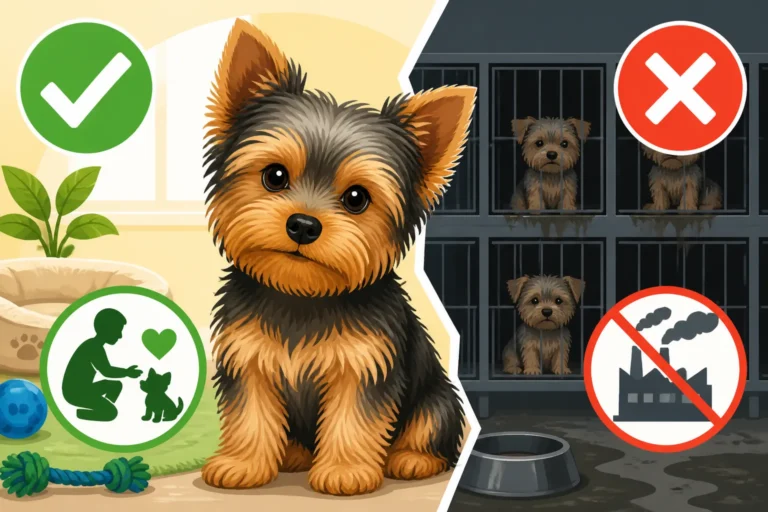
Unfortunately, the demand for popular breeds like Yorkshire Terriers has led to the proliferation of puppy mills and irresponsible backyard breeders. These operations often prioritize profit over the welfare of the animals, resulting in devastating consequences for the puppies and their future owners. Puppy mills, notorious for their inhumane conditions, house breeding dogs in overcrowded, unsanitary environments, denying them proper nutrition, veterinary care, and socialization. The breeding dogs themselves are often kept in cages for their entire lives, treated as mere production machines rather than living, feeling beings.
Puppies from these environments are frequently taken from their mothers too early, missing crucial developmental stages. They are prone to a myriad of health problems, from preventable parasitic infections like giardia and coccidia to serious genetic conditions, often due to indiscriminate breeding practices. Owners often find themselves facing astronomical vet bills, emotional distress, and the heartbreaking reality of a sick puppy. Beyond physical ailments, these puppies often suffer from severe behavioral issues such as extreme shyness, aggression, or difficulty with housetraining, stemming from a lack of early socialization and a traumatic start to life. It's truly a heartbreaking situation for everyone involved. For a deeper dive into common health challenges, you might find our guide on Yorkshire Terrier Health Problems to Know incredibly helpful. Understanding the red flags can also empower you to spot problematic breeders, so be sure to check out Yorkie Breeder Red Flags to Avoid.
What an Ethical Breeder Provides
In stark contrast, an ethical Yorkshire Terrier breeder is a dedicated steward of the breed, prioritizing health, temperament, and genetic soundness above all else. They are passionate about improving the breed standard and ensuring that each puppy finds a loving, suitable home. This commitment starts long before a litter is even conceived, with extensive health testing of both parent dogs. This includes screening for conditions common to Yorkies, such as patellar luxation, liver shunts, and eye diseases, helping to minimize the risk of passing on genetic predispositions. For more on these concerns, our article on Common Yorkshire Terrier Genetic Conditions offers valuable insights.
A reputable breeder provides an impeccably clean and nurturing environment where puppies are raised within the home, not in kennels. This allows for constant human interaction and early socialization, exposing puppies to various sights, sounds, and experiences that build confidence and resilience. They typically adhere to a strict vaccination schedule and regular deworming, providing detailed health records. Furthermore, ethical breeders are transparent, eager to answer your questions, and welcome visits to meet the parent dogs and see the puppies' living conditions. They offer a health guarantee, a spay/neuter contract, and lifetime support, remaining a resource for you throughout your dog's life. Finding such a breeder is truly a partnership in responsible pet ownership, and our guide on How to Find a Reputable Yorkie Breeder provides an excellent framework for your search.
Key Regions for Finding Yorkie Breeders in New York
New York is a large and diverse state, and reputable Yorkshire Terrier breeders can be found in various regions, from the bustling suburbs of Long Island to the serene landscapes of Upstate New York. While there isn't one "hotspot," understanding where to focus your search can help streamline the process. The key is to be thorough and prepared to travel a bit if necessary to find the perfect match.
Many ethical breeders operate from their homes and may not have a large commercial presence, relying more on word-of-mouth, breed club affiliations, and quality reputation. Therefore, your search will involve a mix of online research, networking, and direct communication. Don't be discouraged if you don't find a local breeder right away; a short drive for a well-bred puppy is always a worthwhile investment in the long run.
Long Island and Upstate New York Options
Long Island, with its dense population and suburban sprawl, often has a number of breeders due to the sheer concentration of pet owners. Towns across Nassau and Suffolk counties might be home to reputable individuals dedicated to the breed. Similarly, parts of Upstate New York, including areas near Albany, Rochester, and Buffalo, as well as the more rural Hudson Valley and Catskills regions, can also be home to excellent breeders. These breeders might have more space for their dogs, offering a quieter, more natural environment, which can be a plus for the dogs' well-being.
When searching in these regions, it's beneficial to specify your location in your initial inquiries. For instance, rather than just "Yorkie breeders New York," try "Yorkie breeders Long Island" or "Yorkie breeders Hudson Valley." Remember, a reputable breeder's location is less important than their practices, but knowing the geographic spread helps you plan potential visits. Be prepared for a waitlist for puppies from highly sought-after breeders, as quality often comes with demand.
Navigating Breeder Listings and Online Resources
The first stop for many prospective puppy parents is the American Kennel Club (AKC) Marketplace. This is an invaluable resource where AKC-registered breeders can list their litters. The AKC maintains standards for its registered breeds, and while an AKC listing isn't an absolute guarantee of ethical practices, it's generally a good starting point and indicates a breeder's commitment to breed standards. You can search specifically for Yorkshire Terrier breeders in New York on their site.
Beyond the AKC, consider joining breed-specific clubs and forums, even if they are national. The Yorkshire Terrier Club of America (YTCA) often has regional affiliate clubs or can provide a directory of reputable breeders who are members. These clubs are usually comprised of experienced enthusiasts who adhere to strict codes of ethics. Online communities and social media groups dedicated to Yorkshire Terriers can also be a good place to ask for recommendations, but always exercise caution and verify any leads independently. When you find potential breeders, a quick internet search for their name and kennel name can sometimes reveal reviews or feedback from previous buyers. Asking for veterinary references is also an excellent strategy to gauge their dedication to their dogs' health.
Essential Steps to Vetting Potential Yorkie Breeders
Once you've identified a few potential breeders, the real work of vetting them begins. This is not the time to be shy; asking detailed questions and observing carefully are crucial steps to ensuring you're making a responsible choice. Remember, an ethical breeder will appreciate your thoroughness, as it demonstrates your commitment to providing a good home for one of their puppies.
The vetting process is designed to protect you, the puppy, and the breed. It allows you to gain a clear understanding of the breeder's practices, the health and temperament of the parent dogs, and the environment in which the puppies are raised. Don't feel rushed or pressured; take your time, gather all the information you need, and trust your instincts. This diligence will pay off significantly when you welcome a happy, healthy Yorkie into your life.
Questions to Ask a Yorkie Breeder
Preparing a list of questions before you contact a breeder is incredibly helpful. Start with inquiries about the parents: "What are the health clearances for the sire and dam (e.g., OFA for knees, CERF for eyes, liver shunt testing)?" Ask about their temperaments and whether they can be met. Inquire about the puppy's early life: "Where are the puppies raised? What kind of socialization do they receive?" A good breeder will talk about exposure to household sounds, children, and other pets.
Other vital questions include: "What is your health guarantee, and what does it cover?" "What food are the puppies currently eating?" (This is good to know, especially if considering a brand like Ollie for high-quality, fresh dog food). "At what age do you send puppies to their new homes?" (Reputable breeders usually keep puppies until at least 10-12 weeks old). Also, ask about their vaccination schedule and deworming protocols. Don't forget to inquire about references from past puppy buyers and their veterinarian. These questions form the backbone of your Yorkshire Terrier Puppy Buying Checklist and will help you navigate potential breeders. The answers you receive will be critical to your decision, and you'll also want to understand the specifics of a Yorkie Health Guarantee Explained to ensure you're fully covered.
What to Look for During a Visit or Virtual Tour
If a breeder invites you for a visit, seize the opportunity. This is your chance to observe firsthand the environment and the dogs. The premises should be clean, odor-free, and well-maintained. The parent dogs should appear healthy, well-groomed, and have good temperaments – not overly shy, aggressive, or fearful. Pay attention to how the puppies interact with each other and with people. They should be playful, curious, and comfortable with human touch. Look for clear eyes, clean ears, healthy coats, and no signs of illness like coughing or discharge.
If an in-person visit isn't possible, a reputable breeder should be willing to provide a virtual tour via video call. They should show you the puppies in their living space, the mother (and ideally the father if he lives on-site), and be happy to answer questions while you're on the call. Be wary of breeders who insist on meeting you in a neutral location like a parking lot or who refuse to let you see where the puppies are raised; these are major How to Spot a Yorkie Puppy Mill red flags. A transparent breeder will want you to feel comfortable and confident in your choice.
| Characteristic | Reputable Breeder (Green Flag) | Puppy Mill/Backyard Breeder (Red Flag) |
|---|---|---|
| Health Clearances | Provides records for health testing of parents (e.g., patellar, eyes, liver). | No health testing, vague answers, or claims "vet checked." |
| Environment | Puppies raised in a clean, stimulating home environment with family. | Puppies kept in outdoor kennels, cages, or dirty/crowded conditions. |
| Parent Access | Allows you to meet the puppy's mother (and often father). | Refuses access to parents or claims they are "elsewhere." |
| Transparency | Openly answers questions, provides vet references, encourages visits. | Avoids questions, rushes interactions, insists on public meeting places. |
| Support | Offers lifetime support, takes dogs back if needed, comprehensive contract. | No follow-up, disinterested once sale is made, minimal contract. |
| Age of Placement | Puppies go home typically at 10-12 weeks, after vaccinations. | Puppies available very young (e.g., 6-8 weeks) and often unvaccinated. |
| Knowledge | Deep knowledge of breed standard, genetics, health issues, temperament. | Lacks breed-specific knowledge, focuses only on cuteness or price. |
Preparing for Your New Yorkie Puppy's Arrival
Once you've found your reputable breeder and chosen your future companion, the excitement truly builds! But before your little Yorkie comes home, there's important preparation to be done. Creating a safe, welcoming, and stimulating environment will help your puppy transition smoothly and feel secure in its new surroundings. This period of preparation is not just about buying supplies; it's about mentally preparing yourself for the responsibilities and joys of puppy parenthood.
Remember that bringing a puppy home is like welcoming a new family member, and careful planning can prevent common stressors for both you and your new furry friend. From puppy-proofing your living space to scheduling the first vet visit, every step contributes to a positive start. Your breeder will likely offer guidance, but proactive preparation on your part demonstrates your commitment to your Yorkie's well-being.
Puppy-Proofing Your Home and Essential Supplies
Yorkshire Terriers are small but incredibly curious, so puppy-proofing your home is paramount. Get down on their level and look for anything they might chew, swallow, or get tangled in. This means securing electrical cords, removing toxic houseplants, putting away small objects, and blocking off areas that are off-limits. Stairgates can be invaluable for containing your puppy to safe zones. Investing in a good quality crate (appropriate for their adult size, but with a divider for puppyhood) is also essential for potty training and providing a safe den.
Beyond safety, you'll need a starter kit of supplies. A comfortable dog bed, food and water bowls (stainless steel is best for hygiene), a soft, escape-proof harness (better than a collar for a Yorkie's delicate trachea), and a leash are must-haves. Don't forget an array of appropriate chew toys and interactive puzzles to keep their minds engaged and redirect chewing behaviors. For all your puppy supply needs, online retailers like Chewy offer an incredible selection and convenient delivery right to your door, making it easy to stock up on everything from training pads to grooming tools. Our Yorkie Puppy Starter Kit Essentials guide provides a comprehensive list to ensure you don't miss anything, and for detailed advice on preparing your home, see our article on How to Prepare Your Home for a Yorkie.
Initial Health Checks and Ongoing Care
Your new Yorkie puppy will need a veterinary check-up within a few days of coming home. This initial visit allows your vet to assess your puppy's overall health, verify vaccination records, and establish a baseline for their growth and development. It's also a great opportunity to discuss a long-term wellness plan, including a Yorkie Vaccination Schedule and parasite prevention. Finding a vet you trust and feel comfortable with is crucial, so consider asking your breeder for recommendations or seeking out vets experienced with small breeds. Our article How to Choose a Vet for a Yorkie can help you with this important decision.
Nutrition is another cornerstone of your Yorkie's health. Your breeder will tell you what food your puppy has been eating, and it's generally best to stick with that for a while to avoid stomach upset during the transition. If you plan to switch foods, do so gradually over several days. Brands like Ollie, which offer fresh, human-grade dog food, can be an excellent option for providing optimal nutrition, especially for a small breed like a Yorkie that can sometimes be particular eaters. Discuss food choices with your vet to ensure it meets your puppy's specific dietary needs. Investing in pet insurance, such as through Healthy Paws, early on can also provide peace of mind for unexpected vet costs down the road. For comprehensive advice on feeding, refer to our guide on the Best Dog Food for Yorkshire Terriers, and for understanding vet expenses, check out Yorkie Vet Costs and Health Budget. Prioritizing your Yorkshire Terrier Puppy Health Guide and ongoing care will set your new companion up for a long and joyful life.
Disclaimer
Please remember that the information provided in this guide is for general informational purposes only and does not constitute professional veterinary advice. Always consult with a qualified veterinarian or animal health professional for any health concerns or before making any decisions about your pet's care.