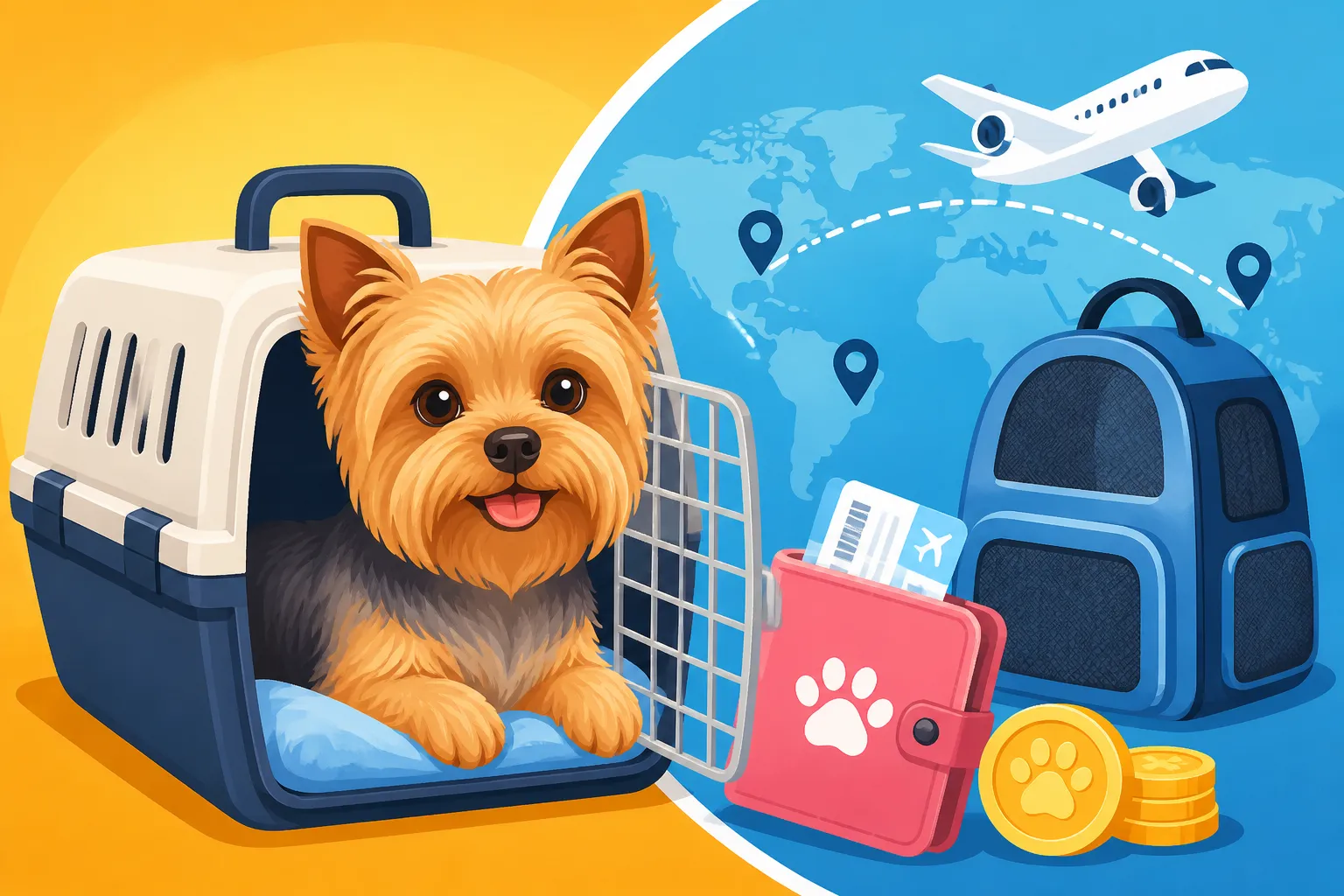
Yorkie Travel Costs and Carriers
Bringing your beloved Yorkshire Terrier along on your adventures can truly enhance the experience, but the thought of planning travel can sometimes feel overwhelming. Many Yorkie parents grapple with figuring out the safest carriers, understanding complicated airline rules, and anticipating all the hidden costs involved. This comprehensive guide aims to clear up all those worries, walking you through everything you need to know about Yorkie travel costs and carrier options so you can both enjoy stress-free journeys together.
Decoding Travel Requirements for Your Yorkshire Terrier
Traveling with a Yorkshire Terrier isn't as simple as just grabbing their leash and going. Whether you're flying across the country or just driving to a neighboring state, there are specific regulations and safety measures you need to consider. Ignoring these can lead to unwelcome surprises, delays, or even the heartbreaking scenario of being denied boarding. It's all about planning ahead and understanding the nuances of pet travel for small breeds like ours.
Domestic Air Travel Regulations
When it comes to flying within the United States with your Yorkie, the rules can vary quite a bit from one airline to another. Generally, most airlines allow small dogs like Yorkshire Terriers to travel in the cabin with you, provided they fit comfortably in an approved carrier under the seat in front of you. This is usually the preferred method for Yorkie owners, as it keeps your little companion close and reduces stress. However, each airline will have specific dimensions for these carriers, and they can be surprisingly strict about it. For example, a carrier that fits perfectly under a seat on Southwest Airlines might be too tall for an American Airlines flight. Always double-check the exact dimensions on your chosen airline's website well in advance.
Beyond the carrier size, airlines also have weight limits (usually combined weight of pet and carrier), and a limit on the number of pets allowed in the cabin per flight. It's crucial to book your Yorkie's spot as soon as you book your own ticket, as these spots fill up quickly. You'll typically pay a pet fee, which can range from $95 to $125 each way for domestic travel. Some airlines might also require a health certificate from your veterinarian, issued within a certain timeframe (usually 10 days) before your flight. This certificate simply states that your Yorkie is healthy enough to travel and free of communicable diseases. Knowing these details upfront can save a lot of last-minute panic at the airport.
International Travel Considerations
Taking your Yorkshire Terrier across international borders is an entirely different ball game, often requiring months of meticulous planning. The regulations are significantly stricter and vary drastically by destination country. You're no longer just dealing with airline rules; you're navigating national import laws, which are designed to protect local animal populations from diseases. Many countries, particularly those with strict rabies-free statuses like the UK, Australia, and Japan, have stringent requirements that can include microchipping, specific rabies vaccination protocols (sometimes requiring a waiting period after vaccination), blood tests to confirm antibody levels, and various other vaccinations.
The timeline for international travel documents can be extensive. For instance, some countries require a rabies antibody test to be performed several months before entry, followed by a waiting period before your Yorkie can enter. You'll need a comprehensive health certificate, often endorsed by a government veterinarian (like the USDA in the United States). Some countries even require an import permit or have quarantine periods upon arrival, though this is becoming less common for pets traveling from rabies-controlled countries with proper documentation. It’s absolutely essential to start researching your destination country's specific pet import requirements at least six months to a year before your planned travel date. Consulting with a vet experienced in international pet travel is highly recommended; they can help you create a timeline and ensure all necessary steps are followed.
Road Trip Essentials and Safety
For many Yorkie owners, road trips are a more manageable and less stressful way to travel. However, even car travel requires careful planning to ensure your little one’s safety and comfort. A loose Yorkie in a car can be a serious distraction to the driver and poses a significant risk in the event of a sudden stop or accident. Imagine your tiny friend becoming a projectile; it's a terrifying thought. Therefore, securing your Yorkie properly in the car is paramount.
There are several options for car safety. A dedicated dog car seat or a crash-tested travel crate can provide excellent protection. These options keep your Yorkie contained and secure, minimizing injury risk. Brands like Sleepypod offer crash-tested carriers that prioritize safety. If using a standard harness, it should be connected to a seatbelt attachment that prevents your Yorkie from roaming freely. Beyond safety, consider your Yorkie’s comfort. Make sure the carrier or seat is well-ventilated and provides a view of the outside world, which can help some dogs with motion sickness. Remember to take frequent breaks for potty, water, and stretching – roughly every 2-3 hours for a Yorkie. Having plenty of water, a collapsible bowl, and maybe some special travel chews can make the journey much more pleasant. You can learn more about minimizing stress by reading about How to Reduce Yorkie Anxiety in the Car.
Choosing the Right Carrier for Your Yorkie's Adventures
Selecting the perfect carrier for your Yorkshire Terrier is more than just picking out a cute bag. It's about ensuring their safety, comfort, and compliance with travel regulations, depending on your mode of transport. The right carrier can make a world of difference in your Yorkie's travel experience, reducing anxiety and preventing potential issues.
Soft-Sided Carriers for In-Cabin Flights and Comfort
Soft-sided carriers are the champions for in-cabin air travel and everyday outings where flexibility and lightweight design are key. Their malleable nature allows them to often conform to the under-seat dimensions required by airlines, making them a popular choice for Yorkie parents who want their furry family member right there with them. These carriers are typically made from durable fabric, often with mesh windows for ventilation and visibility. The best ones will also feature a waterproof or easily cleanable bottom, a cozy fleece pad for comfort, and secure, self-locking zippers to prevent accidental escapes.
While soft-sided carriers offer comfort and convenience, it's vital to choose one that is well-constructed. Look for robust stitching, reliable zippers, and ample ventilation on multiple sides. Your Yorkie should be able to stand up, turn around, and lie down comfortably within the carrier without touching the top or sides. Though they provide less rigid protection than hard-sided crates, their flexibility makes them ideal for navigating busy airports or tucking into tight spaces. Many owners find that introducing the carrier to their Yorkie as a safe, comfy den at home, long before travel, can significantly reduce stress when it's time to embark on a journey. For specific recommendations, check out our guide on the Best Carrier for a Yorkshire Terrier.
Hard-Sided Crates for Car Safety and Cargo Travel
Hard-sided crates, often made of sturdy plastic or wire, offer superior protection and are generally recommended for larger breeds or for pets traveling in an airplane's cargo hold. For a small Yorkie, a hard-sided crate might seem excessive, but they are indispensable for certain situations, particularly car travel if you prioritize crash safety or if your Yorkie is prone to chewing. Many crash-tested models exist that absorb impact, protecting your pet in the event of an accident. When used in a car, they prevent your Yorkie from distracting the driver and provide a secure, contained space.
These crates are also the standard requirement for pets traveling as cargo on an airplane, although generally, we strongly advise against cargo travel for small, brachycephalic (short-nosed) breeds and toy breeds like Yorkies due to increased health risks. If cargo travel is unavoidable for any reason, the crate must meet specific IATA (International Air Transport Association) standards for size, ventilation, and construction. It must be large enough for your Yorkie to stand naturally, turn around, and lie down. Key features include proper labeling, "LIVE ANIMAL" stickers, and dishes for food and water attached to the inside of the door. While bulky, a good hard-sided crate serves as a safe haven and an essential safety device for car journeys, especially if you're looking into options like the Best Car Seat for a Yorkshire Terrier.
Backpacks and Slings for On-the-Go Adventures
For those shorter excursions, city strolls, or hiking trails where you want to keep your Yorkie close while keeping your hands free, pet backpacks and slings are incredibly convenient. A pet sling allows your Yorkie to rest snugly against your chest, mimicking the comfort of being held, which can be particularly reassuring for anxious or shy Yorkies. Pet backpacks, on the other hand, distribute your Yorkie’s weight more evenly across your back, making them suitable for longer walks or hikes. They often have mesh panels for ventilation and a tether inside to secure your Yorkie's harness, preventing them from jumping out.
It's crucial to understand that while these options are great for day trips and local adventures, they are generally not suitable for air travel (they won't fit under airline seats or provide adequate security) or unsupervised car travel. Their primary purpose is to provide a portable, hands-free way to carry your Yorkie while you're actively moving. When choosing a backpack or sling, ensure it’s appropriately sized for your Yorkie's weight and provides proper support for their back. Look for adjustable straps for your comfort and sturdy construction. Always monitor your Yorkie for signs of discomfort or overheating, especially in warm weather, as these carriers can retain heat.
| Carrier Type | Primary Use Case | Pros | Cons | Airline Approved (In-Cabin) | Car Safety |
|---|---|---|---|---|---|
| Soft-Sided Carrier | In-cabin air travel, vet visits, short trips | Lightweight, flexible, comfortable, fits under seats | Less protective in accidents, can be chewed | Yes (check dimensions) | Moderate (must be secured) |
| Hard-Sided Crate | Car travel, cargo air travel, home den | Very protective, durable, secure | Bulky, heavier, not for in-cabin | No | High (crash-tested options available) |
| Backpack Carrier | Hiking, city walks, hands-free carrying | Hands-free, keeps Yorkie close, good ventilation | Not for long confinement, limited protection | No | Low (not designed for car crashes) |
| Sling Carrier | Short walks, keeping Yorkie close, comforting | Hands-free, secure, comforting, keeps Yorkie warm | No structured protection, not for long periods | No | Low (not designed for car crashes) |
A Realistic Look at Yorkie Travel Expenses
Beyond the initial purchase of a cute carrier or a sturdy crate, the financial implications of traveling with your Yorkshire Terrier can add up quickly. Many first-time pet travelers are surprised by the various fees and costs involved, from airline pet tickets to unexpected vet bills. Being prepared for these expenses is just as important as packing your own suitcase.
Airline Fees and Associated Charges
The most immediate cost you'll encounter when flying with your Yorkie is the airline pet fee. As mentioned earlier, this typically ranges from $95 to $125 for a one-way domestic flight if your Yorkie travels in the cabin with you. While this might seem straightforward, these fees are per segment, meaning if you have a layover and change planes, you might be charged twice by some airlines. Always clarify this when booking. For international flights, these fees can escalate dramatically, sometimes reaching hundreds of dollars, not including any customs or import fees levied by the destination country.
Should you need to fly your Yorkie in cargo (again, generally not recommended for toy breeds), the costs are significantly higher, often starting from $200 and easily going upwards of $500, depending on the route, airline, and size of the crate. There are also potential hidden costs. What if your flight is delayed or canceled? You might incur additional fees for overnight stays in pet-friendly hotels or even unexpected charges if you need to rebook your pet on a different flight. Being aware of these potential pitfalls and budgeting for them can help alleviate financial stress during your journey.
Veterinary Health Certificates and Examinations
A vital, yet often underestimated, travel expense is the veterinary care required. Before any air travel, and sometimes for interstate road trips, your Yorkie will need a visit to the vet for a health check-up and a health certificate. A standard veterinary examination can cost anywhere from $50 to $100 or more, depending on your location and your vet's fees. The health certificate itself is a separate charge, usually ranging from $50 to $200 for domestic travel, varying by the complexity of the forms and the time sensitivity.
For international travel, these costs can skyrocket. The health certificate will be much more detailed, potentially requiring specific blood tests (like rabies titer tests, which can cost $100-$300 each), parasite treatments, and vaccinations. After your vet completes the international health certificate, it often needs to be endorsed by a government agency, such as the USDA in the United States. This endorsement incurs its own fee (currently around $38 for a simple endorsement, but can be more for complex cases or expedited service) and often requires courier services to send and retrieve documents, adding another $50-$150. It’s absolutely critical that your Yorkie's Yorkie Vaccination Schedule is up-to-date, especially for rabies, which is often a prerequisite for any travel certificate. This is one area where cutting corners can lead to significant problems, so always factor in these expenses when considering Yorkshire Terrier Vet Costs and Health Budget.
Pet-Friendly Accommodation and Travel Gear
Finding pet-friendly accommodation can also add to your travel budget. While many hotels and rental properties now welcome pets, they often charge non-refundable pet fees or deposits. These can range from a modest $25 per night to a flat $100-$200 per stay. Some high-end establishments might charge even more or have weight restrictions that could exclude a larger Yorkie. Always confirm pet policies and fees before booking your stay, and look for places that genuinely cater to pets, rather than just tolerating them. Websites like BringFido or Airbnb's pet-friendly filter are invaluable resources.
Beyond accommodation, you'll need essential travel gear. This includes a suitable carrier (as discussed above), portable food and water bowls, a travel bed or blanket that smells familiar to your Yorkie, extra pee pads (especially important for hotel stays or long car rides), and perhaps some calming treats or toys. Brands like Chewy are excellent resources for stocking up on travel essentials. If your Yorkie has a sensitive stomach, consider packing pre-portioned fresh food from a brand like Ollie to maintain their diet consistently. Don't forget leashes, waste bags, and possibly a tiny dog first-aid kit. While these individual items might not seem like much, they collectively add to the overall travel cost.
Ensuring Your Yorkie's Comfort and Well-being on the Go
Traveling can be stressful for anyone, and our Yorkies are no exception. New sights, sounds, and smells, combined with changes in routine, can easily overwhelm a small dog. Prioritizing your Yorkie's comfort and well-being throughout the journey is key to a successful and enjoyable trip for both of you. This means not only planning for the logistics but also preparing your furry friend emotionally and physically.
Pre-Travel Preparation and Acclimation
The journey to stress-free travel begins long before you leave home. Acclimating your Yorkie to their travel carrier is perhaps the most crucial step. Start by making the carrier a comfortable and positive space in your home. Leave it open with a soft blanket and some favorite toys inside. Feed meals near or even inside the carrier. Gradually, introduce short periods of confinement, rewarding your Yorkie with treats and praise. This positive association helps your Yorkie view the carrier as a safe den, not a scary prison.
For car travel, gradually introduce your Yorkie to short car rides, slowly increasing the duration. Start with just a few minutes around the block, then expand to longer trips. This helps them get used to the motion and the sounds of the car. If your Yorkie shows signs of motion sickness (lip licking, excessive drooling, vomiting) or anxiety (panting, trembling, whining), consult your vet. They might recommend specific medications for motion sickness or anxiety-reducing supplements. Practicing How to Train a Yorkie for Travel can make a huge difference in their overall comfort and confidence.
Packing a Comprehensive Travel Kit
Just like you pack your own essentials, your Yorkie needs a dedicated travel kit. Forgetting a crucial item can lead to unnecessary stress or expense while on the road. Start with their regular food; a sudden change in diet can cause stomach upset. If you're traveling for an extended period, consider packing pre-portioned meals, perhaps even from a fresh food service like Ollie, to ensure consistency. Don't forget treats for rewards and comfort. Plenty of fresh water is non-negotiable; bring bottled water from home or a filter if you're unsure about the local water quality.
Medications, if any, should be packed clearly labeled and easily accessible. Include any prescribed anxiety medications, anti-nausea meds, and their regular flea/tick or heartworm preventatives. A favorite toy or blanket from home can provide immense comfort and a sense of familiarity in new surroundings. Pack plenty of pee pads, waste bags, and a small grooming kit (brush, wipes for quick clean-ups). Finally, and perhaps most importantly, carry copies of all essential documents: vaccination records, health certificates, and any international import permits. Keep a clear photo of your Yorkie on your phone and in print, along with your contact information, just in case of an unforeseen separation.
Managing Stress and Unexpected Situations
Even with the best preparation, travel can throw curveballs. Your Yorkie might still experience stress, which can manifest as excessive panting, trembling, whining, or even uncharacteristic clinginess. Pay close attention to their body language. Offer frequent opportunities for potty breaks and stretches. If possible, stick to their regular feeding and potty schedule as much as you can. Provide quiet time for rest in their carrier, which should be covered with a light blanket to create a den-like feel.
Always have a plan for emergencies. Before you leave, research veterinary clinics at your destination. Knowing where the nearest emergency vet is located can provide invaluable peace of mind. Keeping your Yorkie's medical history handy and having pet insurance, such as Healthy Paws, can make a huge difference if an unexpected illness or injury occurs while you're away from your usual vet. Understand the signs of serious health issues by familiarizing yourself with Yorkie Emergency Symptoms to Never Ignore and knowing when to seek immediate veterinary attention. Remember, your calm demeanor will go a long way in reassuring your Yorkie that everything is okay. Prioritizing How to Keep a Yorkshire Terrier Healthy during travel is paramount.
Disclaimer
The information provided in this guide is for general informational purposes only and does not constitute veterinary advice. Always consult with a qualified veterinarian for any health concerns or before making any decisions related to your Yorkshire Terrier's care, especially concerning travel health requirements or specific Yorkshire Terrier Health Problems to Know. Travel regulations, costs, and airline policies are subject to change, so always verify the latest information with relevant authorities and service providers.