Is a Torkie Right for You: Pros and Cons
Bringing a new furry friend into your home is a huge decision, and if you've been captivated by the adorable charm of a Torkie, you're likely wondering if this unique mix is the right fit for your lifestyle. Many prospective owners feel overwhelmed trying to sort through conflicting information about hybrid breeds, unsure if they're signing up for a delightful companion or a handful of unexpected challenges. This guide is here to cut through the confusion, offering a realistic, empathetic look at the pros and cons of welcoming a Torkie into your family, helping you make an informed choice.
Understanding the Torkie Breed: A Unique Mix
The Torkie, a charismatic mix of the spirited Yorkshire Terrier and the distinctive Dachshund, is one of those "designer dogs" that has gained popularity for its charming looks and often lively personality. But what does it truly mean to bring home a dog that inherits traits from two such different, yet equally beloved, breeds? It's exciting, yes, but it also comes with a healthy dose of unpredictability.
What Exactly is a Torkie?
A Torkie is simply a hybrid dog, a cross between a purebred Yorkshire Terrier and a purebred Dachshund. Unlike purebred dogs, which adhere to strict breed standards, Torkies can inherit a wide array of characteristics from either parent. This means that two Torkie puppies from the same litter can look and act quite differently from one another, depending on which parent's genetics are more dominant. You might end up with a pup that strongly resembles a Yorkie, with its fine, silky hair and feisty demeanor, or one that leans more towards the Dachshund side, sporting a longer body, shorter legs, and an independent, sometimes stubborn, streak. The beauty of a Torkie lies in this genetic lottery; you're truly getting a one-of-a-kind canine companion.
Physical Characteristics: What to Expect
When it comes to the physical appearance of a Torkie, prepare for variety! There's no single "Torkie look" because of the genetic blend. Generally, Torkies are small dogs, typically weighing between 6 to 12 pounds and standing about 6 to 9 inches tall, but this can fluctuate depending on the size of the parent Dachshund (standard or miniature).
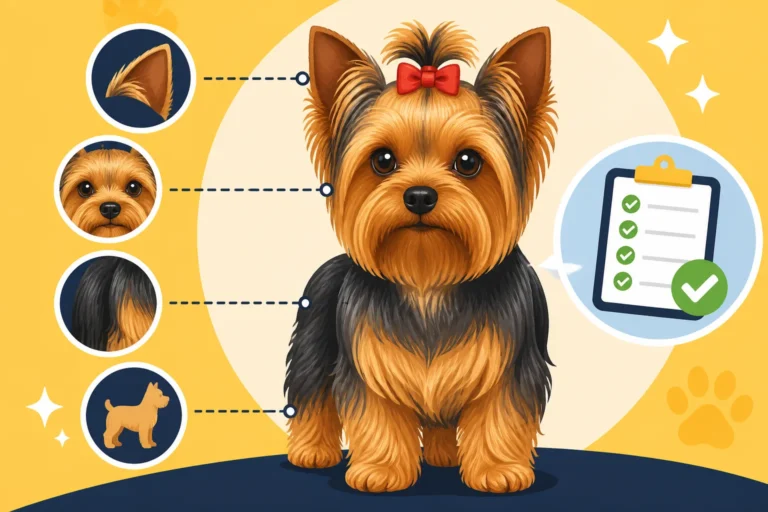
Their coat is one of the most variable traits. Some Torkies will inherit the long, silky, hypoallergenic-ish hair of the Yorkshire Terrier, often in traditional black and tan or blue and gold colors. Others might have the shorter, smoother coat of a smooth Dachshund, or even the wiry texture of a wire-haired Dachshund. The ears can be erect like a Yorkie's or floppy like a Doxie's. Their body shape also varies; some might have the elongated back synonymous with the Dachshund, while others might have a more compact, terrier-like build. This delightful mix means that while you can anticipate a small, sturdy dog, the exact details of your Torkie's appearance will be a charming surprise.
The Torkie Temperament: Personality Pros and Cons
One of the most appealing aspects of any dog is its personality, and Torkies often combine the best (and sometimes the more challenging) traits of their parent breeds. Understanding these potential influences is key to setting realistic expectations and ensuring a harmonious home.
The Good: Affectionate, Playful, and Loyal
Torkies are often described as big dogs in small bodies, brimming with personality. They tend to inherit the Yorkshire Terrier's confident, sometimes sassy, and endlessly playful spirit, coupled with the Dachshund's deep loyalty and affectionate nature. Many Torkie owners report their dogs being incredibly devoted to their families, thriving on companionship and snuggles on the couch. They're often enthusiastic participants in playtime, whether it's chasing a ball in the yard or engaging in a vigorous tug-of-war with their favorite toy. Their lively disposition can bring immense joy and entertainment to a household.
They can be quite intelligent and eager to please when the mood strikes, making training a rewarding experience for patient owners. Their blend of terrier tenacity and hound devotion means they form strong bonds, often becoming little shadows that follow you from room to room, just wanting to be near. If you're looking for a dog that will truly become a member of the family, sharing in your daily life with an abundance of love and playful antics, a Torkie could definitely be a strong contender. For more insights into how these traits manifest, you might find our guide on Yorkshire Terrier Temperament particularly helpful.
The Challenges: Stubbornness, Barking, and Prey Drive
While their personalities are often charming, Torkies can also inherit some traits that require a bit more understanding and consistent handling. Both parent breeds have a reputation for being vocal, so it's not uncommon for a Torkie to be quite the alert barker. They might bark at strangers passing by, squirrels in the yard, or even just to announce their presence. This can be a challenge in apartments or close-knit neighborhoods. If you're struggling with a vocal pup, learning How to Stop a Yorkie from Barking could provide some valuable techniques.
The Dachshund influence can bring a strong sense of independence and, at times, stubbornness. This can make potty training or obedience training a bit more drawn-out. They have a mind of their own and aren't always quick to comply, especially if they don't see the immediate benefit. Consistent, positive reinforcement is crucial. Furthermore, both breeds have a distinct prey drive—the terrier for vermin, the hound for small game—which means a Torkie might be inclined to chase smaller animals, making off-leash walks in unsecured areas risky. Early socialization and consistent training are paramount to manage these instincts effectively.
Health and Care Needs: Are You Prepared?
Taking on any pet means committing to their health and well-being, and a Torkie, like all breeds, comes with its own set of care requirements and potential health considerations. Being prepared for these aspects is crucial for a happy, healthy life together.
Grooming Requirements: A Mixed Bag
The grooming needs of a Torkie are entirely dependent on the type of coat they inherit. If your Torkie leans more towards the Yorkshire Terrier side with its long, silky hair, expect regular grooming. This means daily brushing to prevent mats and tangles, especially around the ears, legs, and belly. These pups will also need regular baths, often every 2-4 weeks, and professional grooming every 6-8 weeks for trims to keep their coat manageable and healthy. Products from trusted retailers like Chewy can be incredibly useful for maintaining a Yorkie-like coat.
On the other hand, if your Torkie inherits the Dachshund's smooth, short coat, their grooming needs will be much lower—perhaps just a weekly brush to remove loose hair and occasional baths. Wire-haired Torkies will need regular brushing and possibly hand-stripping or professional grooming a few times a year. Regardless of coat type, all Torkies will need regular nail trims and ear cleaning. Our comprehensive Yorkshire Terrier Grooming Guide offers many tips that can be adapted for your Torkie's specific coat.
Exercise and Training: Keeping Them Happy and Healthy
Torkies, despite their small size, are energetic little dogs that require a moderate amount of daily exercise to stay happy and prevent boredom-related destructive behaviors. Think two short walks a day, plus some indoor playtime. A quick romp in a securely fenced yard or a game of fetch in the living room can satisfy their needs. They love interactive toys and puzzle feeders, which also provide important mental stimulation.
When it comes to training, consistency is your best friend. As mentioned, the Dachshund side can introduce a stubborn streak, and the terrier side can be quite determined. Early socialization and puppy classes are highly recommended to help them learn appropriate behaviors around other dogs and people. Positive reinforcement, using treats and praise, works wonders. Harsh corrections can make them shut down or become more resistant. Potty training can be a particular challenge for small breeds, so be prepared for dedication. For tips on managing this, take a look at our guide on Yorkshire Terrier Potty Training Guide. If you're facing a truly headstrong pup, our article on How to Train a Stubborn Yorkie might offer some additional strategies. You can find a wide range of training treats and engaging toys for your Torkie on Chewy.
Common Health Concerns to Be Aware Of
Hybrid vigor is often cited as a benefit of designer dogs, suggesting they might be healthier than their purebred parents. While Torkies can be robust, they are still susceptible to health issues common in both Yorkshire Terriers and Dachshunds. Being aware of these helps you provide the best preventative care.
From the Yorkshire Terrier side, concerns include:
- Patellar Luxation: A condition where the kneecap slips out of place, common in small breeds. This can lead to limping or a "skipping" gait. For more in-depth information, check out Yorkie Knee Problems Explained.
- Collapsing Trachea: A weakening of the windpipe that can cause a chronic cough, especially when excited or pulling on a collar.
- Portosystemic Shunt (Liver Shunt): A congenital condition where blood bypasses the liver.
- Hypoglycemia: Low blood sugar, especially in puppies, requiring careful feeding schedules.
From the Dachshund side, the most significant concern is:
- Intervertebral Disc Disease (IVDD): Due to their elongated spines, Dachshunds (and Doxie mixes) are prone to disc problems, which can range from pain to paralysis. Protecting their back by avoiding jumping from heights and using ramps is crucial.
Other general small dog issues like dental disease are also common. Regular veterinary check-ups are essential to catch any potential problems early. Understanding Yorkshire Terrier Health Problems to Know and budgeting for potential care through guides like Yorkshire Terrier Vet Costs and Health Budget are vital steps for any prospective Torkie owner.
The Torkie Lifestyle: Is It a Match for Your Home?
Before bringing any dog home, it's essential to consider how their needs will integrate into your daily life. Torkies, with their unique blend of traits, have specific considerations regarding family dynamics, living spaces, and the time commitment required.
Living with Children and Other Pets
Torkies can make wonderful family pets, but their suitability often depends on the individual dog's temperament and the children's age and demeanor. Their small size makes them delicate, so they are generally better suited for homes with older, more considerate children who understand how to interact gently with a small dog. Toddlers, who might not yet understand boundaries, could accidentally injure a Torkie. Early socialization is key, teaching both the dog and the children how to respect each other's space. Our article on Are Yorkshire Terriers Good with Kids offers further advice that can be applied to Torkies.
When it comes to other pets, a Torkie's terrier and hound instincts can mean a strong prey drive towards smaller animals like hamsters or birds. With proper, gradual introductions, many Torkies can coexist peacefully with cats and other dogs, especially if they are raised together. However, their sometimes feisty terrier nature means they might not back down from a larger dog, which can lead to dangerous situations if not managed carefully. Supervision during initial introductions and ongoing interactions is always recommended.
Apartment Living and Adaptability
One of the big pros of a Torkie is their adaptability to apartment living. Their small size doesn't demand a massive house with a huge yard. As long as their exercise needs are met with daily walks and indoor play, they can thrive in smaller spaces. However, their potential for being vocal (barking) must be considered if you have close neighbors. Consistent training to manage barking is crucial for apartment dwellers.
Torkies, like both parent breeds, thrive on human companionship. They generally do not do well being left alone for long periods and can be prone to developing separation anxiety. If you work long hours or travel frequently, a Torkie might not be the best choice unless you have arrangements for pet sitters, dog walkers, or doggy daycare. Signs of distress when left alone, such as excessive barking, destructive chewing, or inappropriate urination, are red flags. Our guide on Yorkshire Terrier Separation Anxiety Solutions provides valuable strategies if you find yourself facing this challenge.
Time Commitment and Financial Considerations
Bringing a Torkie into your life is a significant time commitment. Beyond the daily feeding and potty breaks, they require dedicated time for walks, play, training sessions, and cuddles. Their grooming needs, if they have a more Yorkie-like coat, will also take up a substantial amount of time, either by you or a professional groomer. Socialization is an ongoing process, not a one-time event, requiring exposure to new people, places, and sounds throughout their lives.
Financially, while Torkies are small, their costs can add up. Initial puppy costs, vaccinations, and spay/neuter are just the beginning. Recurring expenses include high-quality dog food (you can find great options on Chewy), treats, toys, grooming supplies or professional grooming, and regular vet check-ups. Emergency vet visits for potential health issues like IVDD or patellar luxation can be costly. Considering pet insurance might be a wise investment. To get a clearer picture, it's worth reviewing a resource like Cost of Owning a Yorkshire Terrier Per Month to help you budget effectively for your new companion.
Deciding if a Torkie is Your Perfect Companion
Making the final decision about whether a Torkie is the right dog for you means carefully weighing their delightful qualities against their potential challenges. There's no single "perfect" dog for everyone, and it's all about finding a match that truly suits your lifestyle and expectations.
Torkie Pros: Why They Might Be Right For You
- Affectionate and Loyal: If you're looking for a devoted companion who loves to snuggle and be near you, a Torkie often fits the bill perfectly.
- Compact Size: They are excellent for apartment living or homes with limited space, as long as their exercise needs are met.
- Lively and Playful: Torkies bring a spark of energy and endless entertainment to a home, keeping things fun and interesting.
- Unique Appearance: Their mixed heritage means each Torkie has a unique look, often combining the best features of both parent breeds.
- Intelligent: They are smart and capable of learning many commands and tricks with consistent, positive training.
Torkie Cons: What to Consider Carefully
- Potential for Stubbornness: Training may require patience, consistency, and a good sense of humor, especially with housebreaking.
- Vocal Nature: They can be prone to excessive barking, which might be an issue in apartments or if you prefer a quieter home.
- Delicate Build/Health Concerns: Their small size makes them vulnerable to accidental injury, and they can inherit spinal issues from the Dachshund side and patellar luxation or tracheal issues from the Yorkie side.
- Grooming Needs: Depending on their coat type, grooming can be a significant time commitment and recurring expense.
- Separation Anxiety Risk: They thrive on companionship and may struggle with being left alone for extended periods.
- Prey Drive: A strong instinct to chase small animals means vigilance is needed, especially during walks.
Finding a Reputable Torkie Breeder or Rescue
If you've weighed the pros and cons and decided a Torkie is for you, the next crucial step is finding your new companion responsibly. Be extremely cautious of breeders who market "designer dogs" purely for profit without proper health testing or care for the parent animals. A reputable breeder, whether for purebreds or hybrids, will be transparent about the health of the parent dogs, conduct necessary genetic screenings, and allow you to meet the puppy's parents. They should be able to discuss the specific health concerns of both Yorkies and Dachshunds and explain how they are mitigating these risks. Our guide on How to Find a Reputable Yorkie Breeder offers excellent advice that can be applied to finding a ethical Torkie breeder.
Alternatively, consider looking into rescue organizations. Many breed-specific rescues for Yorkshire Terriers and Dachshunds often take in mixes, including Torkies, who are in need of loving homes. Adopting from a rescue gives a deserving dog a second chance and often means they come spayed/neutered, vaccinated, and microchipped, with foster parents who can give you valuable insights into their personality and needs.
Torkie Pros and Cons Summary
To help you visualize the key points, here's a quick summary of the main pros and cons of owning a Torkie:
| Aspect | Pros (Reasons a Torkie might be right for you) | Cons (What to consider carefully) |
|---|---|---|
| Temperament | Affectionate, loyal, playful, confident, good companion | Can be stubborn, prone to barking, potential for strong prey drive |
| Size/Living | Compact, adaptable to apartment living | Delicate build, prone to injury from rough handling |
| Grooming | Varies from low to high maintenance, depending on coat type | Can be high maintenance (if Yorkie coat), requires regular care |
| Health | Generally robust, but susceptible to parent breed specific issues | Risk of patellar luxation, collapsing trachea, IVDD, dental disease |
| Training | Intelligent, can learn commands with consistent positive reinforcement | Can be stubborn and challenging to housebreak, requires patience |
| Social | Forms strong bonds, can get along with older children and other pets with care | May not be ideal for homes with very young children, can be vocal |
| Time/Cost | Moderate exercise needs, thrives on companionship | Needs consistent attention, potential for separation anxiety, grooming & vet costs |
Disclaimer
The information provided in this guide is for general educational purposes only and should not be considered a substitute for professional veterinary advice. Always consult with a qualified veterinarian for any health concerns or before making any decisions about your pet's health or care. Breed characteristics can vary greatly, and individual dogs may differ from general breed descriptions.