Golden Yorkshire Terrier: Facts and Care
Many prospective dog parents are captivated by the idea of a "Golden Yorkshire Terrier," picturing a shimmering, unique companion. However, the reality of what constitutes a "Golden Yorkie" can be a little confusing, often leading to misunderstandings about their true breed status and care needs. This guide aims to clear up that confusion, offering a deep dive into the facts, appearance, temperament, and specific care considerations for dogs presenting with this beautiful golden hue.
What Exactly is a "Golden Yorkshire Terrier"?
The term "Golden Yorkshire Terrier" can be a bit of a misnomer, and it’s a source of frequent confusion for those new to the breed. Unlike the standard blue and tan Yorkshire Terrier recognized by major kennel clubs like the American Kennel Club (AKC), a "Golden Yorkie" isn't a separate, officially recognized breed. Instead, when people refer to a Golden Yorkshire Terrier, they are typically talking about a Yorkshire Terrier with an unusually light tan or gold coloration that extends beyond the typical tan markings, sometimes covering much of their body where the blue (or black, in puppies) would usually be.
This striking golden hue usually stems from one of a few possibilities, none of which denote a separate breed. It might be a result of specific recessive genes within a purebred Yorkshire Terrier lineage, leading to a lighter expression of their tan points. More commonly, however, it could be a descriptive term for a Yorkshire Terrier that has faded significantly with age, or a Yorkshire Terrier mix (like a Yorkie-Chihuahua or a Yorkie-Poodle) where the other breed contributes a golden coat color. Another possibility is a Biewer Terrier, which is a separate breed that originated from a recessive piebald gene in Yorkshire Terriers, and often features a white, black, and gold/tan coat. True Golden Yorkshire Terriers, meaning purebred Yorkies with a dominant golden all-over coat, are not recognized by breed standards, which strictly define the coat color as blue and tan.
The Genetics Behind the Golden Hue
Understanding the color genetics of Yorkshire Terriers helps clarify why a "golden" coat can appear. Standard Yorkshire Terriers are born black and tan. As they mature, the black on their body typically "blues out" to a steel blue or dark grey, while the tan markings on their head, chest, and legs remain vibrant. This is a progressive greying gene at play. The intensity and shade of the tan can vary, from a deep, rich tan to a lighter, almost cream color.
When a Yorkie is described as "golden," it often means these tan areas are unusually expansive or exceptionally light. This might be due to a specific combination of recessive genes that dilute the tan pigment or suppress the full expression of the blue-ing gene. In some cases, unscrupulous breeders might market Yorkies with faded coats or certain mixed breeds as "rare Golden Yorkies" to command higher prices. Reputable breeders will always adhere to the breed standard, and if they produce a dog with an atypical color, they will honestly disclose its genetic background and not misrepresent it as a separate, rarer type. For more insight into typical Yorkie genetic traits, you might find our guide on Yorkshire Terrier Colors Explained a useful read.
Why They Aren't a Separate Breed
The key takeaway here is that official breed recognition is tied to specific, consistent breed standards established by kennel clubs. The AKC, for example, has very clear guidelines for the Yorkshire Terrier's coat color, which is "dark steel blue (not silver-blue) extended from the back of the head to the root of the tail, never mingling with fawn, bronze, or black hairs." The tan must be "rich tan, darker at the roots than at the ends," not excessively light.
Because "golden" falls outside these established parameters, a Golden Yorkshire Terrier simply doesn't exist as a distinct breed. Any dog marketed as such is either a purebred Yorkie with a non-standard color variation, a Yorkie mix, or potentially even another breed entirely being mislabeled. It's crucial for prospective owners to understand this distinction to avoid being misled by breeders making unsubstantiated claims about rarity or unique breed characteristics.
Unique Characteristics and Appearance
Despite not being a distinct breed, dogs with a "golden" coloration share many physical and personality traits with their standard Yorkshire Terrier counterparts. The most significant difference, of course, is the striking coat color itself. However, it's worth exploring how this coloration typically presents and what other aspects of their appearance and physical care might be highlighted.
Coat Color and Texture Variations
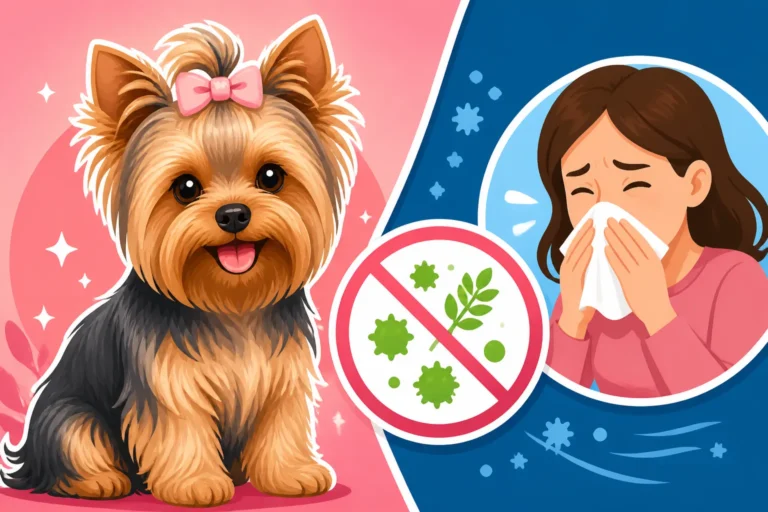
A true Golden Yorkshire Terrier, as colloquially understood, will have a coat that is predominantly golden or very light tan, with minimal to no "blue" steel grey on their body. This golden can range from a pale, creamy blonde to a deeper, richer honey color. Sometimes, puppies might be born a very light black and tan, and the black eventually lightens to a very pale silver or even disappears, leaving an all-tan or golden appearance. Their fur texture remains consistent with that of a standard Yorkie: fine, silky, and similar to human hair rather than typical dog fur. This texture is why Yorkies are often considered hypoallergenic, as they shed minimally.
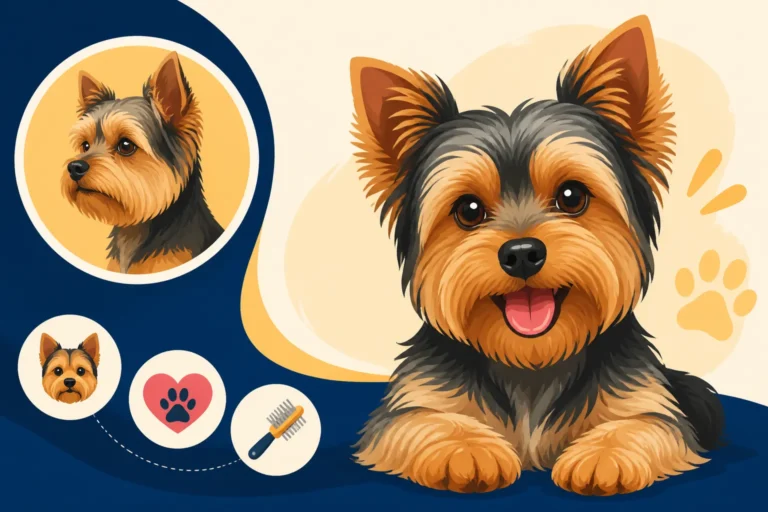
Caring for this beautiful coat, whether it's gold or standard blue and tan, requires dedication. Regular brushing is essential to prevent matting, especially if the coat is kept long. Many owners opt for a shorter puppy cut to make maintenance easier. You'll find a wide array of brushes and combs suitable for their fine hair on sites like Chewy. A slicker brush followed by a metal comb can help keep tangles at bay, preserving that lovely golden sheen.
Size and Build
In terms of size and build, a "Golden Yorkshire Terrier" will fall within the standard Yorkshire Terrier parameters. They are a toy breed, typically weighing between 4 to 7 pounds (1.8 to 3.2 kg) and standing about 7 to 8 inches (18 to 20 cm) tall at the shoulder. Their body should be compact and well-proportioned. If a dog marketed as a "Golden Yorkie" is significantly larger or smaller, it's another indicator that they might not be purebred or might be a "Teacup Yorkie" which also comes with its own set of health considerations. For those wondering about the typical size, our guide on Yorkshire Terrier Size, Weight, and Appearance covers this extensively.
Their delicate size means they are prone to certain injuries, so careful handling is always necessary. This is especially true with young children or larger pets. They are not built for rough play and thrive in environments where their small stature is respected and protected.
Common Physical Traits
Beyond their coat, Golden Yorkshire Terriers share the typical charming features of the breed:
- Head: Small and rather flat on top, not too round.
- Eyes: Medium-sized, dark, sparkling, and intelligent, set to look straight forward.
- Ears: Small, V-shaped, carried erect, not too far apart, and covered with short, darker hair.
- Tail: Customarily docked to a medium length, carried slightly higher than the level of the back. Some regions and countries prohibit tail docking, so you may see them with natural tails.
These traits contribute to the overall alert and confident expression that is so characteristic of Yorkshire Terriers, regardless of their specific coat shade. It's important to remember that any deviation from these physical characteristics, especially significant ones, could indicate a mixed lineage.
Temperament and Personality Traits
Whether a Yorkie sports the standard blue and tan coat or a rarer golden hue, their fundamental temperament and personality remain consistent with the breed's well-known characteristics. These are not dependent on coat color, but rather on genetics, socialization, and training.
Bold and Feisty Spirit
Yorkshire Terriers are renowned for their big personalities packed into small bodies. They are often described as feisty, spirited, and tenacious, carrying themselves with an air of self-importance that belies their toy size. This "terrier-ness" means they can be brave, bossy, and incredibly determined. A Golden Yorkshire Terrier will likely display the same confident demeanor, ready to take on the world (or at least, the local squirrel population) with unwavering courage.
This bold nature means they need consistent training and socialization from a young age. Without it, they can easily develop "small dog syndrome," believing they are the pack leader and exhibiting undesirable behaviors like excessive barking or aggression towards strangers. For more on their typical behavior, check out our article on Yorkshire Terrier Temperament and Personality.
Affectionate and Loyal Companions
Despite their feisty exterior, Yorkies are deeply affectionate and loyal to their families. They thrive on companionship and love being close to their humans, often becoming little shadows that follow you from room to room. A Golden Yorkshire Terrier will be no different, craving cuddles on the couch and happily occupying your lap whenever possible. They form strong bonds and can be incredibly devoted.
However, this strong attachment can sometimes lead to Yorkshire Terrier Separation Anxiety if they are left alone for extended periods. It's important to gradually acclimate them to alone time and provide plenty of mental stimulation and comfort items when you're away. Interactive toys from Chewy, like puzzle feeders or treat-dispensing gadgets, can be great for keeping them occupied.
Intelligence and Trainability
Yorkies are intelligent dogs, which makes them quite trainable, though their stubborn streak can sometimes make things challenging. They respond best to positive reinforcement methods, where good behavior is rewarded with treats, praise, or toys. Consistency is key when training a Yorkie, especially when it comes to potty training, which can notoriously be a marathon for this breed.
A Golden Yorkshire Terrier will exhibit the same level of intelligence and the same need for mental engagement. Basic obedience commands like "sit," "stay," and "come" should be taught early. Beyond that, many Yorkies enjoy learning tricks or participating in dog sports like agility. Keeping their minds active helps prevent boredom and destructive behaviors. You can find excellent resources and training treats on Chewy to assist with their learning journey.
Caring for Your Golden Yorkshire Terrier
Caring for a "Golden Yorkshire Terrier" is fundamentally the same as caring for any other Yorkshire Terrier. Their needs revolve around proper nutrition, consistent grooming, regular exercise, and attentive health monitoring.
Essential Grooming Routines
The signature long, silky coat of a Yorkshire Terrier requires diligent grooming, and a golden variant is no exception. Regular brushing, ideally daily, is crucial to prevent mats and tangles, which can quickly become painful and difficult to remove. Many owners opt for professional grooming every 4-6 weeks, especially if they prefer a shorter, more manageable cut like a puppy cut.
Beyond brushing, baths are typically needed every 2-3 weeks, using a gentle, dog-specific shampoo and conditioner. Pay special attention to drying their coat thoroughly to prevent skin issues. Their ears should be checked weekly for cleanliness and any signs of infection, and their nails trimmed regularly, usually every 2-4 weeks. Dental care is also paramount for Yorkies, as they are prone to dental disease. Daily tooth brushing with dog-specific toothpaste is highly recommended. For a more comprehensive guide on maintaining their beautiful coats, refer to our article on How to Groom a Yorkshire Terrier at Home.
Nutritional Needs and Feeding Guidelines
Like all small breeds, Golden Yorkshire Terriers have fast metabolisms and can be prone to hypoglycemia, especially as puppies. They require a high-quality diet specifically formulated for small breed dogs. Look for foods with real meat as the first ingredient and avoid excessive fillers or artificial additives. Brands like Royal Canin, Hill's Science Diet, or Blue Buffalo offer excellent small-breed formulas that you can find easily on Chewy.
Feeding schedules are critical. Puppies need to eat more frequently, typically 3-4 times a day, to maintain stable blood sugar levels. Adult Yorkies usually do well with two meals a day. Always measure their food portions to prevent overfeeding, which can lead to obesity and associated health problems. The amount will depend on their age, weight, and activity level. For detailed feeding instructions based on age, our Yorkshire Terrier Feeding Guide by Age provides great insights.
Exercise Requirements and Mental Stimulation
Despite their small size, Yorkshire Terriers have a surprising amount of energy and require daily exercise. This doesn't mean long, strenuous hikes; rather, a couple of short walks a day (15-20 minutes each) combined with indoor playtime is usually sufficient. Fetch in the living room, chasing toys, or exploring a secure backyard are all great ways to help them burn off energy.
Mental stimulation is just as important as physical exercise. Yorkies are intelligent and can get bored easily. Puzzle toys, interactive games, and training sessions help keep their minds engaged. Enroll them in an obedience class or teach them new tricks to challenge them. This can significantly reduce the likelihood of behavioral issues like excessive barking or destructive chewing.
Health Considerations for Golden Yorkies
When considering a "Golden Yorkshire Terrier," it’s crucial to understand that their unique coloration doesn't inherently make them healthier or sicker than standard Yorkies. However, it’s vital to be aware of the common health problems that affect the breed as a whole. Being informed allows you to provide the best preventative care and respond promptly to any health concerns.
Common Yorkshire Terrier Health Problems
Yorkshire Terriers, regardless of coat color, are predisposed to several genetic and breed-specific health issues due to their small size and specific genetic lineage. These include:
- Patellar Luxation: A condition where the kneecap slips out of place, common in small breeds. Signs include limping or skipping steps. For more on this, consult our article on Yorkshire Terrier Patellar Luxation: Signs and Care.
- Tracheal Collapse: The cartilage rings of the trachea weaken and collapse, leading to a characteristic honking cough, especially when excited or pulling on a collar. Using a harness instead of a collar can help prevent this. Our guide on Why Harnesses Are Better Than Collars for Yorkies offers valuable information.
- Portosystemic Shunt (Liver Shunt): A congenital condition where blood bypasses the liver, preventing toxins from being filtered. This can cause various neurological and digestive symptoms.
- Hypoglycemia (Low Blood Sugar): Especially common in puppies and very small adults, characterized by lethargy, weakness, and tremors. Regular, small meals are crucial for prevention. Our article on Yorkie Hypoglycemia: Emergency Signs is a must-read for new owners.
- Dental Disease: Yorkies are prone to tartar buildup and periodontal disease. Daily brushing and regular veterinary dental cleanings are essential.
- Legg-Calve-Perthes Disease: A condition affecting the hip joint, leading to degeneration of the femoral head.
When acquiring a puppy, ask the breeder about the health history of the parents and any genetic testing they've conducted. A reputable breeder will be transparent and provide health clearances.
The Importance of Regular Veterinary Care
Establishing a relationship with a good veterinarian from the moment you bring your Golden Yorkshire Terrier home is paramount. Regular check-ups, typically once a year for adults and more frequently for puppies and seniors, are essential for preventative care and early detection of potential health issues.
Your vet will guide you through vaccination schedules, parasite prevention, and dietary recommendations. They can also advise on pet insurance, which can be a lifesaver for unexpected medical costs. Given the breed's predisposition to certain conditions, investing in pet insurance for Yorkshire Terriers is often a wise decision. Don't hesitate to take your Yorkie to the vet if you notice any changes in behavior, appetite, or energy levels. Our guide on When to Take Your Yorkie to the Vet details common warning signs.
| Feature | Standard Yorkshire Terrier (AKC) | "Golden Yorkshire Terrier" (Colloquial) |
|---|---|---|
| Coat Color | Dark steel blue body, rich tan head/legs | Predominantly golden/light tan body |
| Breed Status | Officially recognized by AKC, FCI, etc. | Not an officially recognized breed |
| Genetic Origin | Specific blue-ing and tan genes | Recessive genes, fading, or mix; not standardized |
| Temperament | Feisty, intelligent, affectionate | Same as standard Yorkie (not color-dependent) |
| Size/Weight | 4-7 lbs (standard for the breed) | Same as standard Yorkie |
| Grooming Needs | High, daily brushing, professional trims | High, daily brushing, professional trims |
| Health Concerns | Prone to luxating patella, tracheal collapse, liver shunt, dental disease | Same as standard Yorkie (not color-dependent) |
| Availability | Widely available from reputable breeders | Less common, often mislabeled, require careful sourcing |
| Price | Varies by lineage, breeder, location | Often higher due to "rarity" claims (beware) |
Finding a Golden Yorkshire Terrier
If you're drawn to the unique appearance of a "Golden Yorkshire Terrier," the process of finding one requires careful consideration and a commitment to responsible pet ownership. Since they aren't an official breed, you need to be extra vigilant.
Identifying Reputable Sources
The most crucial step is to seek out ethical and transparent breeders. Be wary of anyone advertising "rare Golden Yorkies" for exorbitant prices without clear explanations of their lineage. A responsible breeder will:
- Be knowledgeable about Yorkshire Terrier genetics and openly discuss why a particular dog has a golden hue (e.g., specific recessive genes, a known percentage of another breed).
- Provide health clearances for the parents of the puppies, covering common Yorkie ailments.
- Allow you to visit their facility, meet the parents, and see the living conditions.
- Have a clean, well-maintained environment for their dogs.
- Not separate puppies from their mother before 8-12 weeks of age.
- Offer a health guarantee and a contract.
- Prioritize the health and temperament of their dogs over coat color.
Avoid puppy mills or pet stores that source from commercial breeders, as these places often prioritize profit over animal welfare, leading to unhealthy or poorly socialized puppies. Always do your homework when looking for a breeder; our guide on How to Find a Reputable Yorkie Breeder provides an excellent checklist.
What to Ask and What to Look For
When you inquire about a "Golden Yorkshire Terrier," ask very specific questions:
- What is the lineage of the parents? Can you see their pedigrees?
- What is the exact genetic reason for the golden color? Is it a purebred Yorkie with specific recessive genes, or is there another breed in the mix?
- What health screenings have been done on the parents (e.g., for patellar luxation, liver shunt)?
- What is the puppy's vaccination and deworming schedule?
- What is their socialization process for puppies?
Look for a puppy that is bright, alert, and curious. They should have clear eyes, clean ears, and a healthy coat. Observe their interaction with their littermates and humans. A well-socialized puppy will be outgoing and comfortable with gentle handling.
Considering Adoption or Rescue
While finding a "Golden Yorkshire Terrier" specifically through rescue might be challenging due to their non-standard coloration, it's always worth considering adoption. Many Yorkshire Terrier rescue organizations exist, and you might find a beautiful Yorkie or Yorkie mix with a golden coat in need of a loving home. Adopting an adult dog often comes with the benefit of knowing their established personality and potentially their health history. It's a wonderful way to provide a second chance to a deserving dog.
Ultimately, whether you choose a puppy from a breeder or adopt a rescue, the most important thing is to prioritize the health, temperament, and well-being of the dog. A loving, healthy companion is far more valuable than a specific coat color.
Disclaimer
This article is for general informational purposes only and does not constitute professional advice. Laws, prices and regulations vary by location and change over time. Consult a qualified professional for guidance on your specific situation.