Why Does My Yorkie Keep Begging
It’s incredibly frustrating when your adorable Yorkshire Terrier, with those big, soulful eyes, starts staring intently at your plate or nudging your hand for a bite of whatever you’re eating. Many Yorkie parents feel guilty or annoyed by this persistent begging, wondering if their beloved pup is perpetually hungry or just exceptionally pushy. This guide is here to shed light on why your Yorkie has mastered the art of begging and, more importantly, how you can gently and effectively curb this behavior.
Understanding the Roots of Your Yorkie's Begging Behavior
Begging isn't just a random act; it's often a complex mix of learned behaviors, natural instincts, and even a cry for connection. Unpacking these reasons is the first step toward addressing the habit in a way that truly helps your little companion.
Learned Behavior and Positive Reinforcement
Let's be honest, we've all been there. That tiny face, those expressive eyes, the little paw reaching out… it's hard to resist. The moment we cave, even just once, by offering a scrap from our plate or a piece of our snack, we've inadvertently taught our Yorkie a powerful lesson: begging works. This is classic positive reinforcement. Your Yorkie learns that if they persist in their charming (or sometimes annoying) efforts, they might just get a reward. This can escalate quickly, turning an occasional plea into a full-blown performance every time food appears. They don’t differentiate between a small piece of chicken and a whole steak; the act of receiving something from your hand, especially when you're eating, reinforces the behavior.
Think about it: maybe Aunt Carol slipped them a piece of turkey at Thanksgiving, or you once dropped a morsel of cheese and they quickly snatched it up. These isolated incidents, in a Yorkie’s intelligent mind, become data points: "Human food is good, and persistence pays off." Before you know it, you're battling a habit that you, however unintentionally, helped create.
Hardwired Instincts and Food Motivation
Yorkies, despite their pampered appearance, carry the genetic blueprint of their terrier ancestors. Terriers were bred for hunting and independent work, which included scavenging for food when necessary. This means they often have a strong drive to find and secure food. Their small size also plays a role; they have tiny stomachs, which might make them feel hungry more frequently than larger dogs. While a proper diet should keep them satiated, that primal instinct to seek out extra calories can kick in, especially when tantalizing human smells fill the air.
Moreover, dogs are naturally opportunistic eaters. If there's food available, their instinct is often to try and get it. Your Yorkie isn't trying to annoy you; they're simply acting on these deep-seated urges. The aroma of your dinner, the sound of crinkling food wrappers, or even just the sight of you eating can trigger this ancient programming. They don't understand the concept of "dinner time" in the same way we do; they just know there's potential food, and they want in on it.
Seeking Attention, Not Just Food
It’s easy to assume begging is always about food, but often, it's a clever way for your Yorkie to get your attention. Yorkies are incredibly social and thrive on interaction with their human companions. If they're feeling ignored, under-exercised, or simply bored, they might resort to behaviors that they know will get a reaction – and begging is a highly effective one. A gentle nudge, a soft whine, or even a persistent bark while you're focused on a task might not be a plea for a treat, but rather a request for a belly rub, a play session, or just some eye contact.
Consider if the begging ramps up when you're on the phone, working on your computer, or engrossed in a TV show. Your Yorkie might have learned that when you ignore them for direct affection, they can pivot to food-related antics to get you to respond. Even a stern "No!" or pushing them away can be interpreted as a form of attention, reinforcing the behavior further. Understanding Yorkshire Terrier Temperament and Personality can offer deeper insights into their social needs.
Common Scenarios Where Yorkies Beg and Why
Begging isn't a monolithic behavior; it manifests differently depending on the context. Recognizing these common scenarios can help you pinpoint the triggers and apply targeted solutions.
Begging During Meal Times
This is perhaps the most classic begging scenario. You sit down with your plate of delicious food, and almost immediately, your Yorkie appears. They might sit patiently (at first), offering you the "puppy dog eyes" treatment. Then comes the subtle paw on your leg, the soft whine, or perhaps they begin to bark if you ignore their initial attempts. The sheer proximity to your meal, combined with the powerful aromas, creates an irresistible temptation for them. They're convinced that if they just try hard enough, a piece of that glorious chicken or a bite of your mashed potatoes will magically fall into their eager mouth.
This behavior is particularly hard to break because it's so ingrained. Every meal becomes a battle of wills, and for many owners, it's easier to just give in occasionally to stop the whining or barking. However, each time you do, you reinforce the idea that their persistence will eventually be rewarded. It teaches them that the longer and louder they beg, the higher their chances of success.
Begging for Treats and Snacks
Beyond actual meals, Yorkies are masters at identifying the precursor signals for treats and snacks. Do you reach for a specific cupboard? Do you open the refrigerator door? Does a certain crinkling sound emanate from a bag? Your Yorkie quickly learns these cues. The moment they hear or see these actions, they go into full-on begging mode. This can be even more intense than mealtime begging because treats are often higher value and given out more sporadically, making them feel like an even bigger "win."
This type of begging is often fueled by routine. If you regularly give them a treat after your morning coffee or when you come home from work, they'll anticipate it. If you deviate from the schedule or they feel you're "late," their begging can become more vocal and insistent. They're not just asking; they're demanding what they perceive as their due. Finding the Best Treats for Yorkshire Terriers that are healthy and can be used for training can be a great way to manage this.
Begging for Attention or Play
As mentioned earlier, not all begging is food-related. Your Yorkie might be nudging your hand with their nose, gently pawing at your leg, bringing you a toy, or even barking at you from across the room, all in an effort to initiate interaction. If you respond by scolding them, picking them up, or even just looking at them, you've given them the attention they craved. They quickly learn that these "begging" behaviors are effective communication tools.
This type of begging often occurs when you're distracted or busy. They want to be part of what you're doing, and if they can't physically join, they'll find a way to make their presence known. They might be asking for a game of fetch, a walk, or simply to curl up on your lap. Their small size often means they're easily overlooked or stepped over, so they develop strategies to ensure they remain a central part of your world. If you find your Yorkie has developed other behavioral challenges, exploring Yorkshire Terrier Behavior Problems and Solutions might offer additional insights.
Practical Strategies to Curb Begging Behavior
Stopping a deeply ingrained begging habit takes consistency, patience, and a united front from everyone in the household. But it's absolutely doable!
Establishing Clear Boundaries and Consistency
The absolute most crucial step in stopping begging is to establish and enforce a strict "no human food" rule for your Yorkie. This means absolutely no scraps from the table, no bites from your plate, and no sharing your snacks, ever. This isn't just about preventing begging; many human foods can be harmful or toxic to dogs, so it's a health issue too.
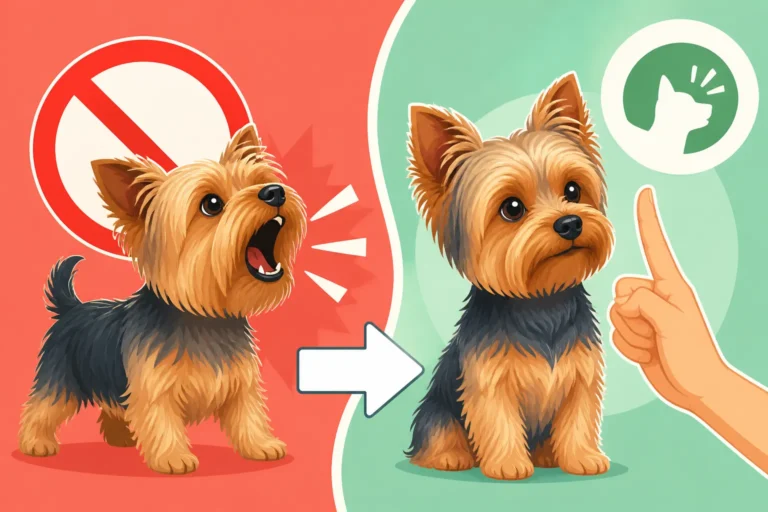
Every single person who interacts with your Yorkie needs to be on board with this rule – family members, guests, even the kids. A single slip-up can set you back significantly, as it reinforces the hope that begging will eventually work. When your Yorkie begs, the response from everyone should be the same: ignore them completely. Turn your back, avoid eye contact, and do not speak to them. It will be tough at first, and the begging might even escalate (this is called an "extinction burst"), but if you remain consistent, they will eventually learn that begging yields no rewards. This unwavering consistency is the cornerstone of success.
Redirection and Positive Reinforcement for Good Behavior
While ignoring unwanted behavior is vital, it's equally important to teach your Yorkie what is acceptable. Instead of giving in when they beg, redirect their energy toward appropriate activities. Before you sit down to eat, give your Yorkie a puzzle toy filled with their own kibble or a long-lasting chew. This occupies their mind and mouth, teaching them that calm, independent behavior during meal times is rewarding. Products available on Amazon like Kong Wobblers or Snuffle Mats are fantastic for this purpose, keeping their small but mighty brains engaged.
You can also use positive reinforcement to reward calm behavior. If your Yorkie is lying quietly in their bed while you eat, even if they're watching you, praise them softly or give them a designated dog treat after you've finished your meal and put your plate away. This teaches them that calm waiting, not begging, is what gets them rewards. A "place" command, where they learn to go to a specific mat or bed, can be incredibly useful. Resources from reputable trainers, such as BAXTER & Bella, often provide structured programs that can guide you through teaching commands like "place" and other obedience basics to help manage these situations. This approach is fundamental to How to Train a Yorkshire Terrier effectively.
Managing Meal Times and Diet
Ensuring your Yorkie is properly fed a high-quality, balanced diet on a consistent schedule can significantly reduce their perceived hunger and, by extension, their begging. Review your Yorkie's feeding schedule and portion sizes. Are they getting enough food for their age and activity level? You can find detailed guidance in our Yorkshire Terrier Feeding Guide by Age and learn about the Best Dog Food for Yorkshire Terriers. Sometimes, a genuinely hungry dog will beg more persistently.
Feed your Yorkie before you eat your own meals. This helps them feel satiated and less inclined to eye your plate. Make sure their mealtime is a positive experience. If you free-feed, consider switching to scheduled meals to regulate their intake and create a clearer distinction between their food and yours. Avoid leaving food out where your Yorkie can easily access it, which can also contribute to begging habits.
Utilizing Training Tools and Aids
Sometimes, a little help from appropriate tools can make a big difference. Crate training can be a valuable asset in managing begging. If your Yorkie is prone to persistent begging during family meals, having them in their crate or a designated playpen in another room (or at least out of direct line of sight) can remove the immediate temptation and allow everyone to eat in peace. This isn't a punishment; it's creating a safe, calm space for them during a high-trigger event. You can read more about Yorkshire Terrier Crate Training Guide and how to select the Best Playpen for a Yorkshire Terrier.
For some Yorkies, particularly those that bark excessively during begging, a gentle, vibration-only no-bark collar (used with extreme caution and professional guidance) might be considered as a temporary aid to interrupt the barking behavior. However, behavioral training and environmental management are always the primary and most humane approaches. Remember, the goal is to teach, not to punish.
When Begging Might Indicate Something More
While most begging is behavioral, occasionally, an increase in food-seeking behavior can signal an underlying issue that warrants attention.
Underlying Medical Conditions
If your Yorkie suddenly starts begging incessantly, or their appetite seems insatiable, it’s worth considering if there’s a medical reason behind it. Conditions like intestinal worms, malabsorption issues (where they aren't properly absorbing nutrients from their food), or even certain metabolic diseases can lead to increased hunger. Hyperthyroidism, while less common in small dogs, can also manifest with an increased appetite.
If you notice other symptoms alongside increased begging, such as weight loss despite eating more, changes in stool, increased thirst, or lethargy, it's crucial to consult your veterinarian. They can perform diagnostic tests to rule out any health problems. Don't hesitate to take action if you suspect something is off; understanding Yorkshire Terrier Health Problems to Know is vital for any owner, and if you're unsure, it's always best to err on the side of caution. If symptoms are severe or sudden, know When to Take Your Yorkie to the Vet.
Anxiety or Stress-Related Begging
Just like humans, dogs can use food as a coping mechanism for stress or anxiety. If your Yorkie is experiencing changes in their environment (a new baby, a move, a new pet), or if they suffer from separation anxiety when you leave, they might exhibit obsessive food-seeking or begging behaviors as a way to self-soothe. They may also beg more if they are simply under-stimulated and bored.
Observe your Yorkie’s overall demeanor. Are they restless, destructive, or exhibiting other signs of anxiety? Addressing the root cause of the anxiety, perhaps with increased exercise, mental stimulation, or even behavior modification with a professional trainer, can often reduce the begging. Sometimes, just ensuring they have enough engaging toys and activities throughout the day can make a big difference.
Addressing the "Small Dog Syndrome" Myth
It’s a common misconception that small dogs, like Yorkies, are inherently more "needy" or "demanding" and therefore more prone to begging. This is often attributed to "Small Dog Syndrome," a term used to describe behavioral issues in small dogs that are often enabled or reinforced by their owners. The truth is, small dogs are just as capable of being well-behaved and politely trained as their larger counterparts. The difference often lies in how we treat them.
Because they're so tiny and cute, owners are sometimes more lenient with behaviors they wouldn't tolerate in a larger dog. A jumping Chihuahua might seem endearing, while a jumping German Shepherd would be unacceptable. This inconsistency, combined with the ease of picking up or carrying a small dog, can inadvertently teach them that they can get away with certain behaviors, including persistent begging. The solution isn't to be harsher with your Yorkie, but rather to apply the same consistent training and boundary-setting principles you would with any dog, regardless of size. They are intelligent and capable of learning, so treat them with the respect of a capable learner, not just a cute accessory.
Here's a quick reference table to help you navigate your Yorkie's begging behavior:
| Behavior Scenario | Why It Happens | Do's | Don'ts |
|---|---|---|---|
| During Human Meals | Learned behavior, food motivation | Feed Yorkie before your meal. Ignore completely. Use "place" command. | Give table scraps. Make eye contact or talk to them while eating. |
| For Treats/Snacks | Anticipation, routine association | Give treats for calm behavior, not begging. Use puzzle toys. | Give treats when they are pawing or whining. |
| For Attention/Play | Boredom, need for interaction | Initiate play/cuddle when they are calm. Provide mental stimulation. | Respond to nudging/barking for attention. |
| Sudden, Incessant | Possible medical issue or anxiety | Consult vet immediately if other symptoms present. Address anxiety. | Ignore changes in behavior. Assume it's "just begging." |
| "Small Dog Syndrome" | Owner-enabled leniency, inconsistent training | Apply consistent training rules. Treat as capable learner. | Excuse bad behavior due to size. |
Remember, breaking a begging habit takes time and patience, but with a consistent approach and understanding of your Yorkie's motivations, you can teach them better manners and enjoy your meals in peace.
Disclaimer
The information provided in this article is for general informational purposes only and is not a substitute for professional veterinary advice. Always consult with a qualified veterinarian for any health concerns or before making any decisions about your pet's health or treatment.