Why Does My Yorkie Keep Nipping
It’s a scenario many Yorkshire Terrier parents know all too well: your adorable, pint-sized companion suddenly gets a little too mouthy, nipping at your fingers, toes, or even your clothes. While it might seem cute when they’re tiny puppies, an adult Yorkie who consistently nips can be frustrating, confusing, and even a bit painful. This comprehensive guide will delve into the various reasons why your Yorkie might be exhibiting this behavior and, more importantly, equip you with actionable strategies to address and prevent it, ensuring a happier, nip-free relationship for both of you.
Understanding Yorkie Nipping: More Than Just "Bad Behavior"
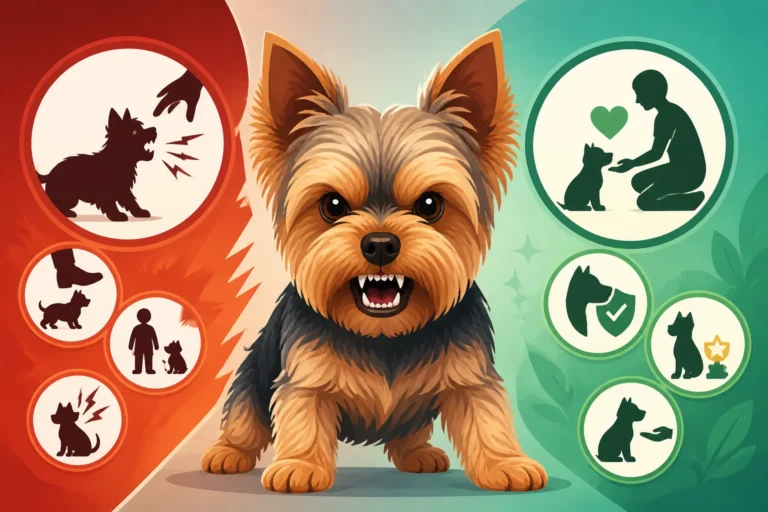
When your tiny Yorkie's teeth make contact, it's easy to jump to conclusions, often labeling it as simply "bad behavior." However, nipping is a complex communication tool for dogs, especially small breeds, and understanding the root cause is the first step towards finding a solution. It's rarely malicious, but rather a symptom of something deeper.
Puppy Nipping versus Adult Nipping
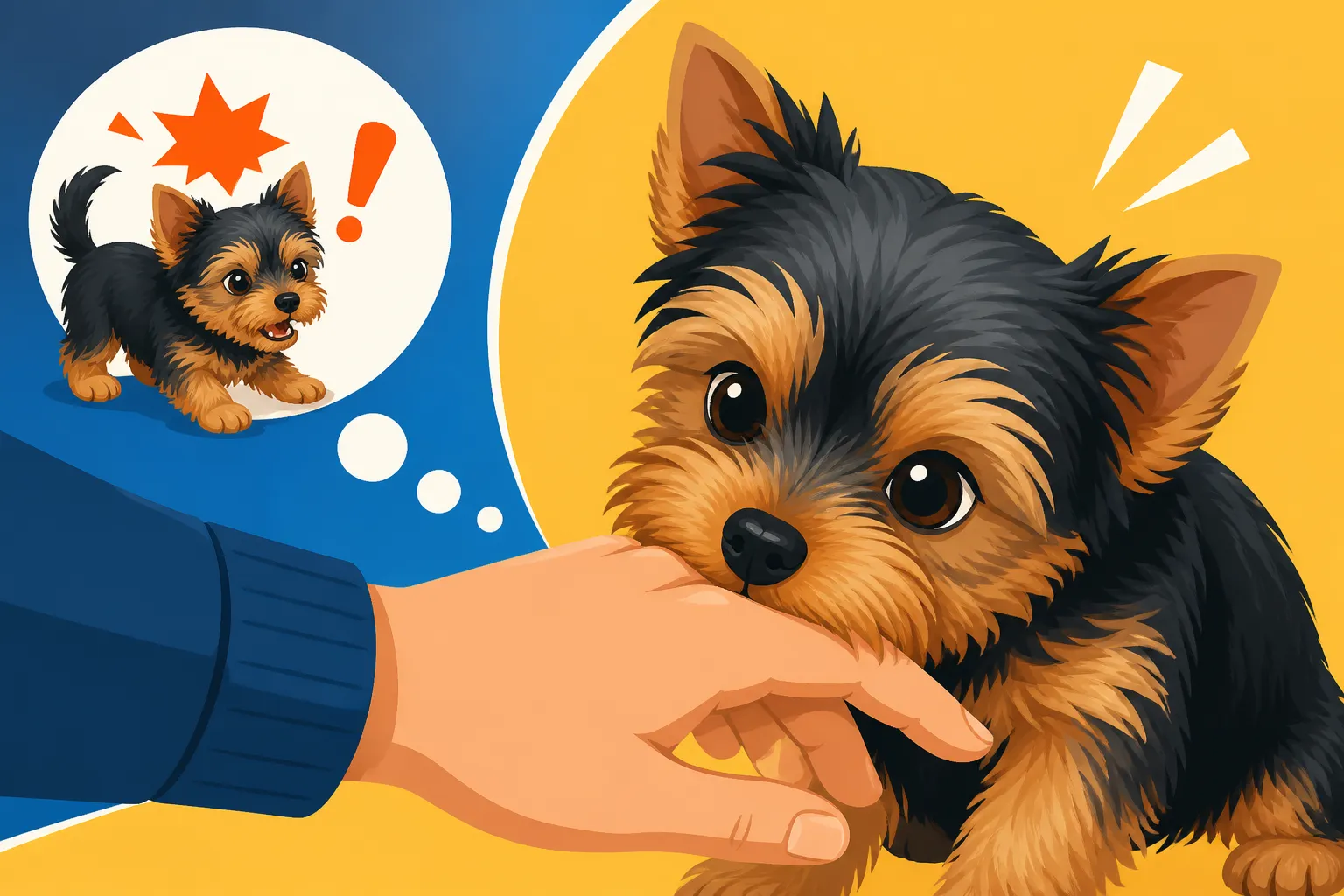
It’s crucial to differentiate between a puppy’s natural exploratory mouthing and an adult Yorkie's persistent nipping. When you first bring home a little Yorkie puppy, it’s entirely normal for them to use their mouths to explore the world around them. This is often referred to as "play biting" or "mouthiness." They’re like human toddlers, constantly putting things in their mouths to learn about texture, pressure, and their environment. Their littermates and mother would have taught them "bite inhibition" – how much pressure they can apply without causing pain – through their own interactions. If a puppy bites too hard, another puppy might yelp and stop playing, teaching the little one about consequence.
This stage, often explored in depth in resources like Yorkie Puppy Biting Phase Explained, is a critical learning period. However, if this puppy nipping isn't properly managed and redirected, it can easily carry over into adulthood, evolving into a more ingrained habit that's much harder to break. An adult Yorkie nipping, on the other hand, is generally not about exploration. It often signals underlying issues like discomfort, fear, stress, or a lack of proper socialization and training. It’s a communication signal, and our job as pet parents is to interpret what they're trying to tell us.
The Terrier Instinct
Let's not forget the "Terrier" in Yorkshire Terrier. These dogs were originally bred in the 19th century in Yorkshire, England, to be ratters in clothing mills and mines. This history means they come from a lineage of dogs with a strong prey drive, high energy, and a feisty, tenacious personality. While today's Yorkies are beloved companions, those ingrained instincts don't just disappear.
This terrier instinct can manifest as quick, sharp movements, an eagerness to chase, and yes, sometimes nipping. During highly stimulating play, like a vigorous game of chase or tug-of-war, that ancestral drive to "catch" or "hold" can kick in. This isn't aggression in the predatory sense towards humans, but rather an over-enthusiastic expression of their natural instincts that can unfortunately result in accidental nips. Understanding the Yorkshire Terrier Temperament and Personality helps us appreciate that while they are small, they are not fragile in spirit and possess a big personality with equally big needs for appropriate outlets for their instincts.
Common Reasons Your Yorkie Might Be Nipping
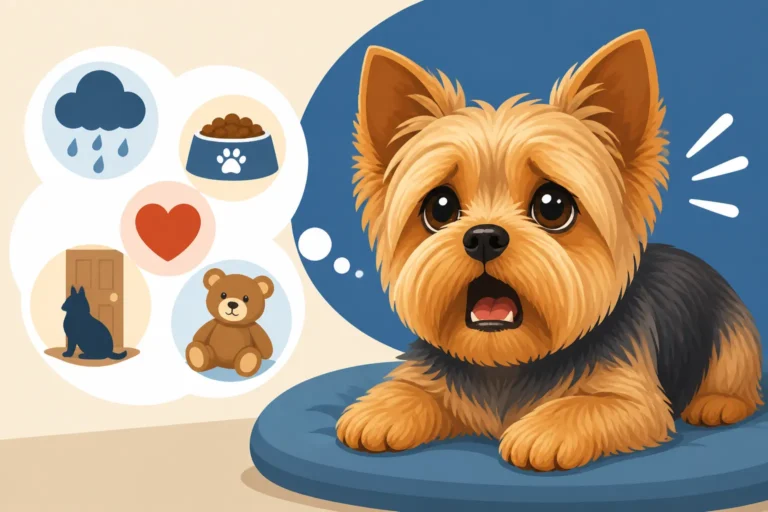
Unraveling why your Yorkie keeps nipping involves looking at their immediate environment, their past experiences, and their current emotional and physical state. It's often a puzzle with multiple pieces.
Play and Excitement
For many Yorkies, nipping starts as an innocent part of play. They get overstimulated, excited, and their play can become a little too intense. Imagine a game of fetch where you’re trying to grab the toy, and your Yorkie, full of adrenaline, playfully nips your hand in the process. Or perhaps during "zoomies" – those bursts of frantic energy – they might mouth at anything in their path, including your ankles.
This type of nipping is usually not intended to cause harm but is a form of playful interaction. The problem arises when this behavior isn't taught appropriate boundaries. If a Yorkie learns that nipping gets a reaction (even if it's a "no!" or a pull-away), they might continue the behavior because it's a form of attention or a way to engage with you. It's important to differentiate between this and true aggression, but even playful nipping needs to be managed to prevent it from becoming a problem.
Fear, Anxiety, or Stress
Yorkies are small dogs, and while they often have big personalities, their diminutive size can make them feel vulnerable. When a Yorkie feels threatened, scared, or anxious, nipping can be a defensive mechanism. They might nip if they’re startled awake, if a child (or even an adult) approaches them too quickly, or if they're picked up in a way that makes them feel insecure.
Think about situations where they might feel trapped or overwhelmed. A visit to the vet, a loud party, or even an unfamiliar person reaching out to pet them can trigger a fear response. This isn't a Yorkie being "mean"; it's a dog saying, "I'm uncomfortable, please stop." Signs of anxiety might include trembling, tail tucked, ears back, lip licking, or trying to hide. If your Yorkie is showing signs of stress, particularly in specific situations, it's a good idea to consider what might be triggering this behavior. For instance, if you suspect separation anxiety, you might find valuable insights in Yorkie Separation Anxiety: Signs and Fixes.
Pain or Discomfort
One of the most overlooked reasons for sudden nipping in dogs, regardless of breed, is underlying pain or discomfort. If your otherwise sweet-natured Yorkie suddenly starts nipping, especially when touched in certain areas, it's an immediate red flag that something might be physically wrong. They can't tell us in words that their back hurts, or their teeth ache, so nipping becomes their way of saying, "Leave me alone, I'm in pain."
Common sources of pain could be dental issues, arthritis (especially in older Yorkies), an injury you might not be aware of, or even an internal illness. Conditions like a sensitive stomach, ear infections, or joint problems (which are sadly common in small breeds) can all make a dog irritable and prone to snapping or nipping when approached or handled. If you notice a sudden change in behavior, this is always the first thing to rule out with a veterinary check-up. Understanding How to Tell If a Yorkie Is in Pain can help you recognize subtle signs beyond just nipping. Yorkies are prone to various health issues, and a sudden nip could indicate one of the Yorkshire Terrier Health Problems to Know.
Lack of Socialization or Training
Early and proper socialization is absolutely critical for any puppy, and Yorkies are no exception. Without adequate exposure to a variety of people, environments, sounds, and other friendly dogs during their crucial developmental period, a Yorkie might not learn appropriate social cues and bite inhibition. A puppy that wasn't taught how to interact gently might grow into an adult that nips out of fear, excitement, or simply because they don't know any other way to engage.
Similarly, a lack of consistent training can contribute to nipping. If a Yorkie hasn't learned basic commands like "leave it" or "no," or hasn't been taught clear boundaries, they won't understand what behavior is expected of them. Training isn't just about obedience; it's about building communication and trust between you and your dog. A well-trained Yorkie is a confident Yorkie, less likely to resort to nipping out of confusion or frustration. For new Yorkie parents, resources like How to Socialize a Yorkie Puppy are invaluable.
Resource Guarding
Resource guarding is a natural, instinctual behavior where a dog becomes possessive over items they value, such as food, toys, a favorite sleeping spot, or even their human, and will use aggressive displays (including nipping or growling) to protect them. While it's more commonly associated with larger breeds, Yorkies can absolutely exhibit resource guarding.
If your Yorkie nips when you approach their food bowl, try to take a toy away, or even when you get too close to them while they're resting on your lap or bed, they might be resource guarding. They are essentially communicating, "This is mine, stay away." This behavior often stems from a lack of trust that their resources will remain available or from previous negative experiences. Addressing this requires careful, patient training to teach them that your presence around their resources is a positive, not a threat.
Practical Strategies to Stop Yorkie Nipping
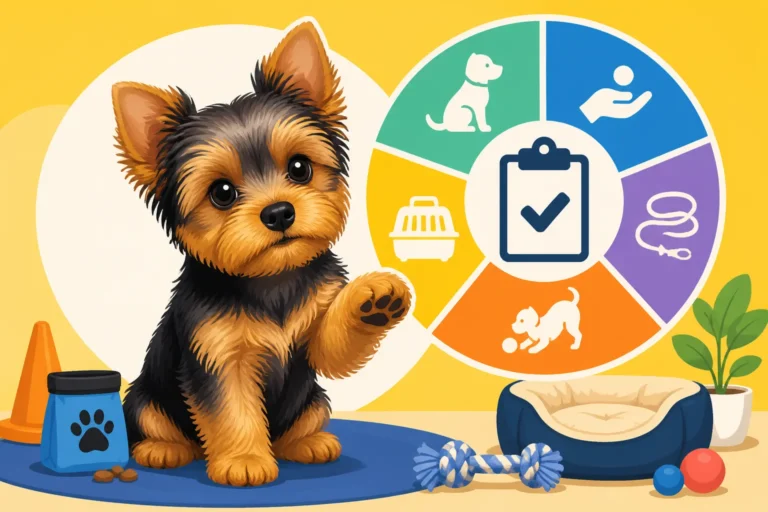
Once you have a better understanding of why your Yorkie is nipping, you can start implementing effective strategies to modify their behavior. Consistency, patience, and positive reinforcement are key.
Redirection and Positive Reinforcement
The most effective way to manage nipping is through redirection. The moment your Yorkie tries to nip at you, immediately redirect their mouth to an appropriate chew toy. Keep a variety of enticing toys handy, especially during playtime. If they nip your hand, instantly offer a sturdy chew toy. When they take the toy in their mouth instead of you, lavish them with praise and perhaps a high-value treat. This teaches them, "Nipping this gets a reward, nipping me doesn't."
You can also incorporate a "yelp" or "ouch" sound when they nip too hard, just as their littermates would have done. This often startles them and communicates that they’ve caused pain. Follow it by withdrawing attention for a few seconds – stopping play, turning your back. Once they're calm, re-engage with a toy. This method is effective for playful nipping, helping them learn appropriate bite inhibition. Invest in a good selection of durable chew toys from places like Amazon, ensuring they are size-appropriate for your Yorkie and can withstand their tiny, but sharp, teeth.
Consistent Training and Boundaries
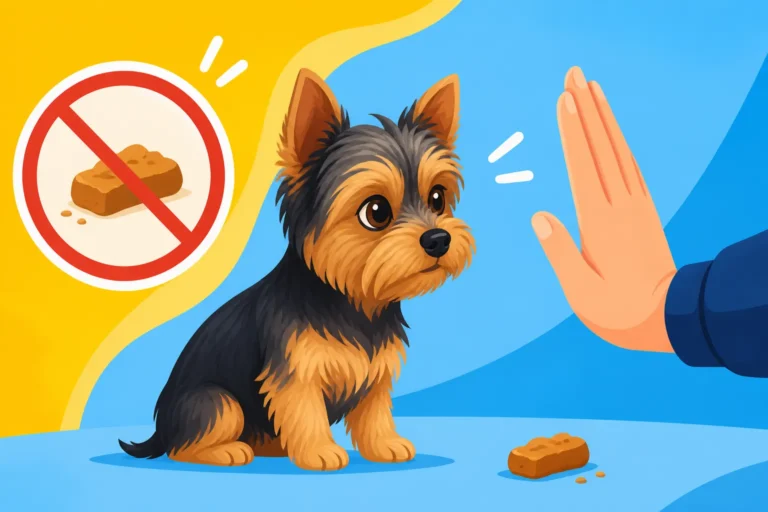
Establishing clear, consistent boundaries is non-negotiable. Every family member needs to be on the same page regarding what is and isn't acceptable behavior. If one person allows nipping and another doesn't, your Yorkie will become confused and the behavior will likely continue. Commands like "leave it" or "no" are vital. Teach "leave it" by holding a treat in your closed fist. When your Yorkie sniffs or licks your hand, say "leave it." The moment they back away, even for a second, open your hand and reward them with the treat. Repeat this, gradually extending the time they have to "leave it" before getting the reward.
Consider enrolling your Yorkie in an obedience class or using an online training program. Reputable programs like BAXTER & Bella offer structured guidance that can be incredibly helpful for addressing specific behavioral challenges. Consistency is paramount. If you've been working on How to Train a Yorkshire Terrier, remember that nipping is just another behavior that can be shaped with diligent effort.
Managing the Environment
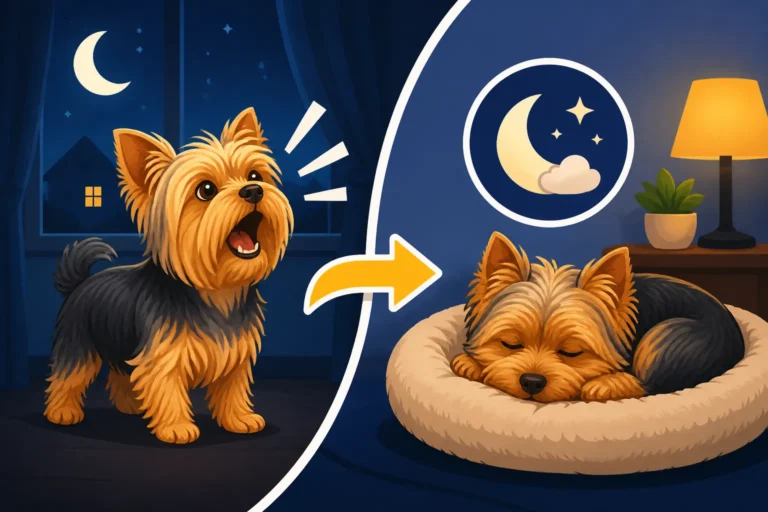
Sometimes, prevention is the best cure. If you know certain situations trigger your Yorkie's nipping, manage their environment to minimize those triggers. For example, if they nip when they're over-tired or over-stimulated, provide them with a quiet, safe space to rest. If they nip when new guests arrive, put them in their crate with a chew toy until they calm down, or keep them on a leash by your side for controlled interactions.
This is especially important with children. Always supervise interactions between your Yorkie and children, teaching both the dog and the child appropriate ways to interact. Children should be taught to approach dogs gently, avoid sudden movements, and respect the dog's space. For new puppies, this management also includes understanding How to Introduce a New Yorkie Puppy to a Resident Dog or even introducing them to cats if you have other pets, to ensure harmonious relationships and prevent nipping out of fear or aggression.
Addressing Underlying Issues
If you suspect your Yorkie's nipping is due to pain, a trip to the veterinarian is non-negotiable. They can perform a thorough examination to rule out any medical conditions. Remember, a sudden change in behavior, including increased nipping, is often one of the first Signs Your Yorkshire Terrier Is Sick. Don't delay seeking professional veterinary advice.
For persistent nipping that doesn't respond to training or seems rooted in deep-seated fear or aggression, consulting a certified professional dog trainer or a veterinary behaviorist is highly recommended. These experts can assess your Yorkie's behavior in person, identify specific triggers, and develop a tailored training plan. They might also suggest specific techniques, such as counter-conditioning or desensitization, to help your Yorkie overcome their fears or anxieties. When dealing with complex issues like Yorkie Aggression: Causes and Solutions, professional guidance can make all the difference.
Reasons for Yorkie Nipping and Solutions
Here's a quick overview of common reasons for nipping and practical solutions you can start implementing today.
| Reason for Nipping | Common Manifestations | Actionable Solutions |
|---|---|---|
| Play & Excitement | Nipping during games, zoomies, or when overstimulated. | Redirection: Offer a toy the moment nipping starts. |
| "Ouch" & Withdraw: Say "ouch," stop play, turn away for 10-15 seconds. | ||
| Encourage Soft Mouth: Reward gentle play with toys. | ||
| Fear, Anxiety, Stress | Nipping when startled, cornered, or in new situations. | Identify Triggers: Note what situations cause anxiety. |
| Create Safe Space: Provide a quiet retreat. | ||
| Positive Associations: Pair feared situations with treats/praise. | ||
| Seek Professional Help: Consult a vet or behaviorist if severe. | ||
| Pain or Discomfort | Sudden onset of nipping, sensitive to touch, limping. | Vet Check-up: Rule out medical issues immediately. |
| Gentle Handling: Avoid touching painful areas if known. | ||
| Lack of Socialization / Training | Nipping due to unknown social cues or boundaries. | Early Socialization: Expose puppies to varied sights, sounds, people, and dogs. |
| Consistent Training: Teach "no," "leave it," and other basic commands. | ||
| Positive Reinforcement: Reward desired behaviors consistently. | ||
| Resource Guarding | Nipping when protecting food, toys, bed, or owner. | Exchange Training: Teach "drop it" by offering a higher-value treat for a relinquished item. |
| Hand-feeding: Build positive associations with your hands near food. | ||
| Professional Guidance: Work with a behaviorist for severe cases to ensure safety. |
When to Worry and Seek Professional Help
While many nipping behaviors can be managed with consistent training and redirection at home, there are definitely times when it's crucial to seek professional help. Ignoring these red flags could lead to more serious behavioral problems down the road.
Escalation of Aggression
A nip is different from an outright bite. A nip might be quick, often without breaking the skin, and usually happens during play or as a warning. A bite, however, is a more deliberate act, often resulting in puncture wounds or lacerations, and indicates a higher level of aggression. If your Yorkie's nipping escalates from minor nips to harder, more damaging bites, it's a serious concern. This is especially true if the bites are accompanied by growling, snarling, or a stiff body posture.
Any instance where your Yorkie breaks skin, even slightly, warrants immediate attention. This escalation means their warning signals are not being understood, or their underlying issues are intensifying. Don't wait for a pattern of serious bites to develop. This type of behavior falls under urgent concerns like those described in Yorkie Emergency Symptoms to Never Ignore. Contact a veterinary behaviorist or a certified professional dog trainer who specializes in aggression as soon as possible. They can conduct a thorough assessment and develop a safety plan and behavior modification protocol tailored to your Yorkie's specific needs.
Sudden Behavioral Changes
If your Yorkie has always been a gentle, non-nipping dog and suddenly starts nipping without any clear provocation, this is a significant red flag. As discussed earlier, sudden behavioral changes, including increased or new nipping, are often indicators of underlying pain or illness. It's their primary way of communicating that something is wrong with their body. They might be experiencing discomfort from an injury, dental disease, a hidden illness, or even age-related pain like arthritis.
Always schedule a prompt veterinary appointment if nipping behavior appears out of the blue. Your vet can perform a comprehensive physical examination, conduct diagnostic tests if necessary, and rule out any medical causes. Once any health issues are addressed, if the nipping persists, you can then focus on behavioral interventions with the guidance of a professional trainer. This integrated approach ensures all potential causes are explored and your Yorkie gets the most appropriate care.
Disclaimer
This article is intended for informational purposes only and does not constitute medical advice. Always consult with a qualified veterinarian or professional dog trainer for any health concerns or behavioral issues your Yorkshire Terrier may be experiencing.