How to Prepare Your Home for a Yorkie
Bringing a new Yorkshire Terrier into your home is an incredibly exciting time, but it can also feel overwhelming. You're probably buzzing with anticipation, yet a little voice might be asking, "Am I truly ready? Have I thought of everything?" It’s easy to feel a bit lost amidst all the adorable puppy pictures and the sheer volume of advice out there. This guide is here to walk you through exactly how to prepare your home and your household for the safe, happy, and smooth arrival of your new Yorkie, addressing those "what ifs" and making sure you’re truly set up for success.
Safety First: Yorkie-Proofing Your Living Space
Yorkies are tiny, curious, and notoriously mischievous. What might be a harmless household item for a larger dog or a human could be a serious hazard for a small Yorkshire Terrier. This isn't just about convenience; it's about protecting your new furry family member from potential dangers lurking in plain sight. Think about it from their perspective, low to the ground, sniffing everything.
Identifying Common Household Hazards
When you’re preparing your home for a new Yorkie, it’s not enough to just declutter. You need to get down on your hands and knees and look at your house from a Yorkie's eye level. What seems innocuous to you could be a grave danger to a curious pup. Common household plants like lilies, sago palms, and even aloe vera can be toxic if ingested. Certain foods, readily available in our kitchens, like chocolate, grapes, raisins, onions, garlic, and xylitol (a common sweetener), are extremely dangerous for dogs. It’s also important to consider things like medication bottles left on nightstands, small decorative items that could be choked on, or even reachable cleaning supplies under the sink. Every corner of your home, from the bathroom to the garage, needs a thorough assessment. Remember, their small size means even a tiny amount of something toxic can have a much more severe effect.
Securing Chemicals, Cords, and Small Objects
Once you’ve identified potential dangers, the next step is to secure them. All cleaning products, medications, and any other chemicals should be stored in high, locked cabinets. Child-proof latches can be a lifesaver here. Electrical cords are another major concern. Yorkies, especially puppies, love to chew, and a live electrical cord can lead to severe burns or electrocution. Bundle cords, use cord covers, or tuck them away behind furniture where your Yorkie can't reach them. For small objects – coins, paperclips, hair ties, rubber bands, children's small toys – these are all potential choking hazards or can cause internal blockages if swallowed. Make a habit of keeping floors and low surfaces clear. If it can fit in a Yorkie's mouth, it's a potential danger. Being diligent now will save you countless worries and potential emergency vet visits later, which, as any Yorkie owner knows, can be costly. To understand more about potential dangers, read up on Yorkshire Terrier Health Problems to Know.
Addressing Furniture and Fall Risks
Because of their delicate frames and small stature, Yorkies are particularly susceptible to injuries from falls. A jump off a sofa, bed, or even a chair that wouldn't faze a larger dog could result in a broken leg or a serious concussion for a Yorkie. Consider investing in pet stairs or ramps for furniture your Yorkie might want to access. This gives them a safe way up and down without risking injury. Be mindful of gaps between furniture or behind heavy appliances where a small Yorkie could squeeze into and get stuck. Also, consider any open stairwells or balconies; baby gates are an excellent solution for blocking off dangerous areas, keeping your curious companion confined to safe zones, especially when unsupervised. It’s better to be overly cautious than face the heartbreak of an preventable accident.
Creating a Cozy and Secure Haven
Your Yorkie needs their own special places within your home – areas where they can feel safe, comfortable, and truly at ease. Establishing these specific zones from day one helps them understand boundaries, settle into their new environment, and thrive.
Setting Up Their Sleep and Relaxation Area
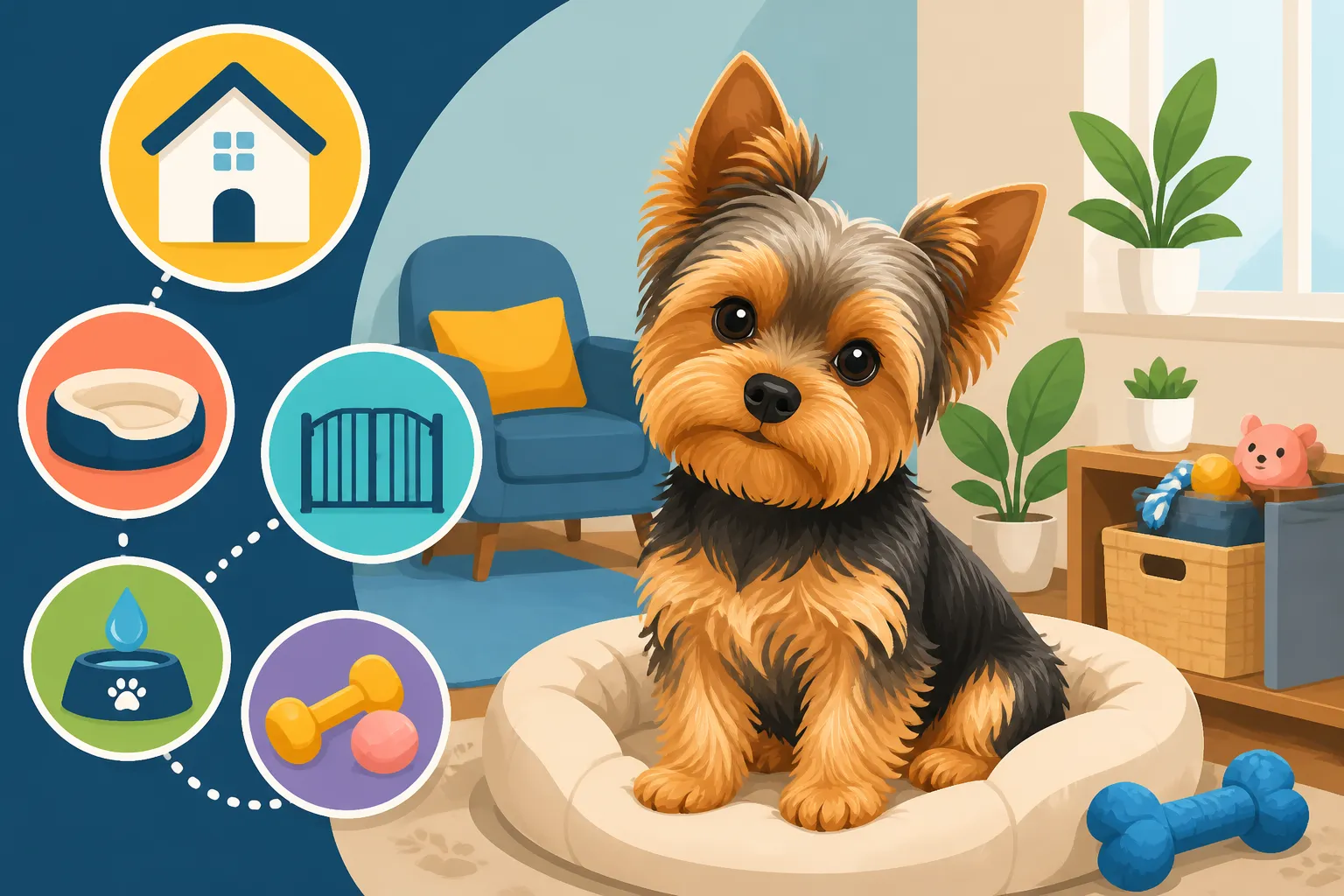
Every Yorkie needs a dedicated space where they can retreat, feel secure, and get some undisturbed rest. This isn't just a luxury; it's a fundamental need for their well-being. A crate can be an excellent choice, providing a den-like feel that many dogs naturally gravitate towards. Make sure you choose an appropriate Yorkie Crate Size Guide to ensure they have enough space to stand, turn around, and lie down comfortably, but not so much space that they might be tempted to use one end as a bathroom. Place a soft, comfortable bed, like a plush orthopedic bed designed for small breeds, inside. Some owners opt for a cozy dog bed in a quiet corner of a family room instead of a crate, which can also work well, especially if your Yorkie won't be crated at night. The key is consistency: this spot is theirs. It should be in a low-traffic area, away from drafts, but still close enough to the family so they don't feel isolated.
Establishing Designated Feeding and Potty Zones
Just like their sleeping area, having specific spots for eating and eliminating waste helps establish a routine and prevents confusion. Your Yorkie’s feeding station should be a quiet, accessible area, ideally with non-slip mats underneath to catch any spills and keep bowls from sliding. Stainless steel bowls are often recommended for their durability and hygiene. As for potty zones, this is where planning really comes into play, especially if you live in an apartment or in an area with unpredictable weather. You'll need to decide whether you're going for outdoor-only potty training, or if you'll incorporate pee pads indoors, at least initially. If using pee pads, choose a consistent, easily accessible spot, away from their food and bed. For outdoor potty breaks, identify a safe, clean area in your yard or a nearby park. Consistency in location, especially during the early stages of Yorkshire Terrier Potty Training Guide, is paramount for success.
Creating a Safe Play Area
Yorkies, despite their small size, have surprising bursts of energy and a playful spirit. They need a safe space where they can zoom around, wrestle with toys, and burn off some steam without getting into trouble or hurting themselves. A playpen can be an ideal solution, especially for puppies or when you can't supervise them 100%. Fill this area with appropriate toys – durable chew toys to satisfy their natural urge to gnaw, soft plush toys for comfort, and interactive puzzle toys to stimulate their bright minds. Brands like Chewy offer a fantastic selection of enrichment toys perfect for small breeds, ensuring they are safe and engaging. Regularly rotate their toys to keep things fresh and exciting. Ensure the play area is free from hazards and that the flooring provides good traction to prevent slips and falls during their energetic antics.
Essential Supplies Checklist
Before your Yorkie even sets a paw in your home, having all the necessary supplies ready will significantly reduce stress and allow you to focus on bonding with your new companion. This isn't just about buying stuff; it's about preparing for their every need, from basic sustenance to comfort and care.
Food, Water, and Feeding Essentials
One of the most immediate needs for your new Yorkie will be food and fresh water. It's often best to continue feeding them the food they were eating at their previous home or breeder for the first few days or even a week. This minimizes tummy upset during an already stressful transition. If you plan to switch foods, do so gradually over several days. When it comes to choosing the Best Dog Food for Yorkshire Terriers, look for high-quality small-breed specific formulas. Brands like Ollie offer fresh, human-grade food tailored to your dog's specific needs, which can be an excellent option for sensitive Yorkie stomachs. You'll also need two durable bowls – one for water and one for food. Stainless steel or ceramic are great options, as plastic can harbor bacteria.
Grooming and Dental Care Tools
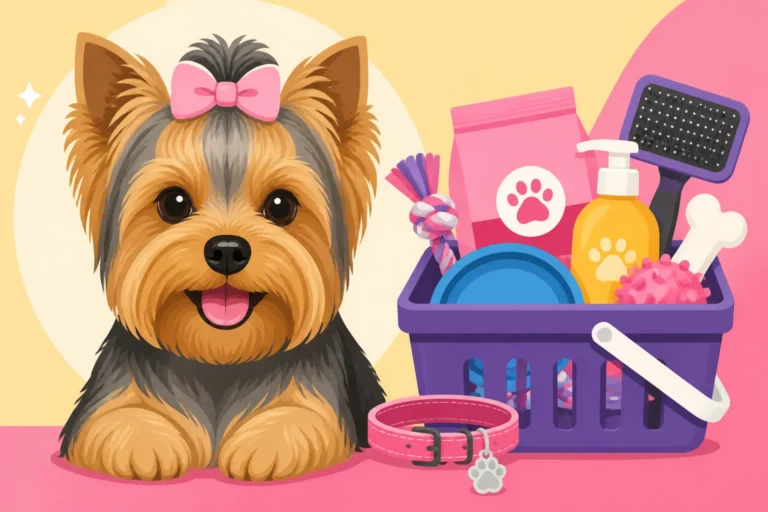
Yorkies are known for their beautiful, silky coats, but this coat requires regular attention. You'll need a soft slicker brush and a metal comb to prevent matting, especially if you plan to keep their hair long. A good quality puppy shampoo and conditioner are essential for bath time, which should be done every few weeks. Don’t forget nail clippers or a grinder for their tiny nails, and ear cleaner to keep those perky ears healthy. Dental hygiene is particularly crucial for Yorkies, as they are prone to dental disease. Invest in a small dog toothbrush and dog-specific toothpaste. Getting your Yorkie comfortable with you handling their mouth and brushing their teeth from a young age will make their lifelong Yorkshire Terrier Dental Care Guide much easier.
Comfort, Containment, and Travel Gear
Beyond the basics, think about items that contribute to their comfort, safety, and your ability to manage them both at home and on the go. A soft, washable bed is a must for their designated sleep spot. For containment, especially during potty training or when you need a safe space for them, a crate or a playpen is indispensable. When it's time for walks, a harness is much safer than a collar for a Yorkie, given their delicate necks and propensity for tracheal issues. Look for a Best Harness for a Yorkshire Terrier that fits snugly without chafing. A sturdy leash, a supply of potty bags, and a comfortable carrier for vet visits or travel are also vital. Don't forget some engaging toys to keep them entertained and mentally stimulated, helping to prevent destructive behaviors like How to Stop a Yorkie from Chewing.
Here's a handy checklist to get you started:
| Category | Essential Items | Notes |
|---|---|---|
| Feeding | High-quality small breed puppy/adult food | Consult your vet or breeder. Consider brands like Ollie for fresh options. |
| Food & Water bowls (stainless steel/ceramic) | Non-slip mats are a good idea. | |
| Small training treats | For positive reinforcement. | |
| Grooming | Slicker brush & metal comb | Essential for preventing mats in their fine coat. |
| Dog-specific shampoo & conditioner | Gentle formula for sensitive skin. | |
| Nail clippers/grinder | Start early to get them used to it. | |
| Dog toothbrush & toothpaste | Crucial for preventing dental disease. | |
| Ear cleaner & cotton balls | To keep ears healthy and prevent infections. | |
| Comfort & Rest | Soft dog bed (washable) | Choose a size appropriate for a Yorkie. |
| Crate or playpen | For safe containment and sleep. Ensure correct size. | |
| Cozy blanket | For added comfort and security. | |
| Potty Training | Pee pads (if training indoors) | Place in a consistent, easily accessible spot. |
| Enzymatic cleaner | For accidents; essential to eliminate odors that attract them back to the same spot. | |
| Poop bags | For walks and yard clean-up. | |
| Walking & Travel | Harness (not a collar for walks) | A small-breed specific, no-pull harness is ideal. |
| Leash (lightweight) | 4-6 feet is usually sufficient. | |
| Pet carrier (airline approved if applicable) | For vet visits, car travel, or flights. | |
| Toys | Chew toys (durable, size-appropriate) | To redirect chewing away from furniture. |
| Puzzle toys (interactive) | For mental stimulation. | |
| Plush toys (small, no loose parts) | For comfort and play. | |
| Safety | Baby gates | To block off stairs or unsafe areas. |
| Cord protectors | To prevent chewing on electrical wires. | |
| Pet first-aid kit | For minor injuries (gauze, antiseptic wipes, pet-safe pain relief options, vet contact info). | |
| Documents | Vet records (vaccinations, deworming) | Essential for your first vet visit. |
| Breeder/rescue contract | Important paperwork. |
Routine and Schedule Preparation
Yorkies thrive on routine. A predictable schedule helps them feel secure, understand expectations, and reduces anxiety. Preparing a schedule before your Yorkie arrives can make the transition much smoother for everyone involved.
Pre-Planning Potty Breaks and Exercise
One of the biggest challenges for new Yorkie owners, particularly with puppies, is establishing a consistent potty schedule. Yorkies have tiny bladders, meaning frequent trips outside are a must, especially in the beginning. Plan to take your Yorkie out first thing in the morning, every 1-2 hours during the day (more often for puppies), after waking from naps, after playing, and right before bedtime. Even if they don't seem like they need to go, take them out! This proactive approach is key to successful house-training. Beyond potty breaks, Yorkies, despite their small size, need regular exercise. Short, daily walks (around 15-30 minutes, split into two or three sessions) are usually sufficient for an adult Yorkie. For puppies, several shorter play sessions throughout the day are better than one long walk. This also provides vital mental stimulation and helps prevent boredom, which can lead to unwanted behaviors.
Establishing Feeding and Sleep Schedules
Consistency with feeding times is crucial, not just for digestion but also for predicting potty breaks. Most adult Yorkies do well with two meals a day, morning and evening. Puppies may need three to four smaller meals to prevent hypoglycemia. Stick to these times as closely as possible. For sleep, a consistent bedtime routine helps signal to your Yorkie that it’s time to wind down. Whether they sleep in a crate next to your bed or in their own designated spot, the routine—a final potty break, a calming cuddle, then into their bed—will help them settle. Expect some sleepless nights with a new puppy, but maintaining a consistent schedule will help them adjust faster. For more detailed insights, consider consulting a Yorkshire Terrier Puppy Health Guide.
Scheduling Vet Visits and Grooming Appointments
Before your Yorkie even arrives, you should have a veterinarian chosen and an initial appointment scheduled. This first visit is crucial for a general health check-up, discussing vaccination schedules, deworming, and setting up a preventative care plan. It’s also a good opportunity to discuss pet insurance options. Providers like Healthy Paws can offer peace of mind by covering unexpected vet costs. Beyond the vet, think about grooming. While you can certainly learn How to Groom a Yorkshire Terrier at Home, many Yorkie owners opt for professional grooming every 4-6 weeks to keep their coats in top condition. If you plan to use a professional groomer, research local options and consider booking their first appointment a few weeks after they settle in.
Family and Pet Introductions
Bringing a new Yorkie into a household with existing family members – especially children or other pets – requires careful planning and slow, positive introductions to ensure a harmonious household. Rushing this process can lead to stress, fear, and behavioral issues down the line.
Preparing Children for a New Yorkie
Children, especially young ones, can be incredibly excited about a new puppy, but their enthusiasm can sometimes be overwhelming for a tiny Yorkie. Before your Yorkie arrives, have a calm, age-appropriate discussion with your children about how to interact safely and gently. Teach them that Yorkies are small and delicate, not toys. They need quiet time, shouldn't be picked up without supervision, and should always be approached gently. Emphasize that the Yorkie needs its own space (like its bed or crate) and should not be disturbed when eating or sleeping. Involve them in age-appropriate care tasks, like helping with feeding or gentle playtime, under strict supervision. Setting clear rules from the start will not only protect your Yorkie but also teach your children valuable lessons in empathy and responsibility.
Introducing Your Yorkie to Other Pets
If you already have other pets, particularly other dogs or cats, the introduction process needs to be handled with extreme care. This is a critical step in preventing conflict and fostering a positive relationship. For dogs, plan a neutral territory introduction on leashes, allowing them to sniff and observe each other without direct, intense interaction at first. Keep initial meetings short and positive, rewarding calm behavior. Slowly increase their time together, always supervised, before allowing off-leash interaction in a secure space. For cats, a slower, scent-based introduction is usually best, allowing them to get used to each other's smells through a closed door, then through a baby gate before supervised direct contact. Always ensure your existing pets have safe, escape routes or high places to retreat to if they feel overwhelmed. For more specific guidance, explore How to Introduce a Yorkie to Other Dogs.
Setting House Rules and Boundaries
Consistency is key to a well-adjusted Yorkie. Before your new family member arrives, the entire household needs to be on the same page regarding rules and boundaries. Decide where the Yorkie will be allowed (e.g., no furniture, specific rooms only), who will be responsible for feeding, walking, and training duties, and what commands and cues will be used. Will they be allowed on the sofa? Will they sleep in your bed? Will they be free-roaming or confined to certain areas when unsupervised? Discuss these points and ensure everyone in the family understands and agrees to enforce them consistently. Inconsistent rules can confuse your Yorkie and make training significantly harder. This unified front helps your Yorkie quickly understand what is expected of them, creating a more stable and predictable environment.
Mental and Emotional Preparation
Bringing a new dog into your home isn't just about physical preparations; it's also a significant emotional adjustment for everyone involved. Understanding what to expect and preparing yourself mentally can prevent frustration and strengthen your bond.
Understanding Yorkie Temperament and Needs
Yorkshire Terriers are known for their spirited, confident, and sometimes feisty personalities, often described as having a "big dog in a small body" attitude. They are intelligent, affectionate, and can be quite vocal. While they are undeniably adorable, they are still terriers, meaning they can be stubborn and sometimes prone to "small dog syndrome" if not properly socialized and trained. They thrive on companionship and can be prone to Yorkshire Terrier Separation Anxiety Solutions if left alone for long periods. Researching Yorkshire Terrier Temperament and Personality beforehand will give you a realistic picture of what life with a Yorkie entails, allowing you to appreciate their unique quirks and anticipate their needs. They are not lap dogs content to sit all day; they need mental engagement and consistent interaction.
Preparing for the Adjustment Period
No matter how well you prepare, there will always be an adjustment period for both your Yorkie and your family. For your Yorkie, this involves adapting to a new environment, new people, new smells, and new routines. They might be anxious, confused, or even a little shy at first. Accidents are common, and there might be some whining or barking, especially during the first few nights. For you and your family, it means adapting to new responsibilities, disruptions to your schedule, and potentially some sleepless nights or chewed items. Patience, consistency, and a sense of humor are your best friends during this time. Remember that your Yorkie is learning a whole new world, and every positive interaction helps build trust and security. Expect bumps in the road, but know that with love and consistency, your Yorkie will eventually settle in and become a cherished member of your family.
Building a Support System and Resources
You don't have to navigate new pet ownership alone. Before your Yorkie arrives, identify a support system. This could be friends or family members who have experience with small dogs, a trusted dog walker, or a reputable pet sitter for when you need to be away. Knowing who you can rely on for advice or help will significantly reduce stress. Compile a list of important contact numbers: your vet's office, the emergency vet clinic, local pet stores, and trusted trainers or behaviorists. Online communities and local Yorkie clubs can also be invaluable resources for sharing experiences and getting advice from seasoned owners. The more prepared you are with a network of support, the more confident and relaxed you'll feel, which in turn will help your Yorkie feel more secure.
Disclaimer
This article provides general information and recommendations. Always consult with a qualified veterinarian for specific advice regarding your Yorkshire Terrier's health, diet, and care.