Adopting vs Buying a Yorkshire Terrier
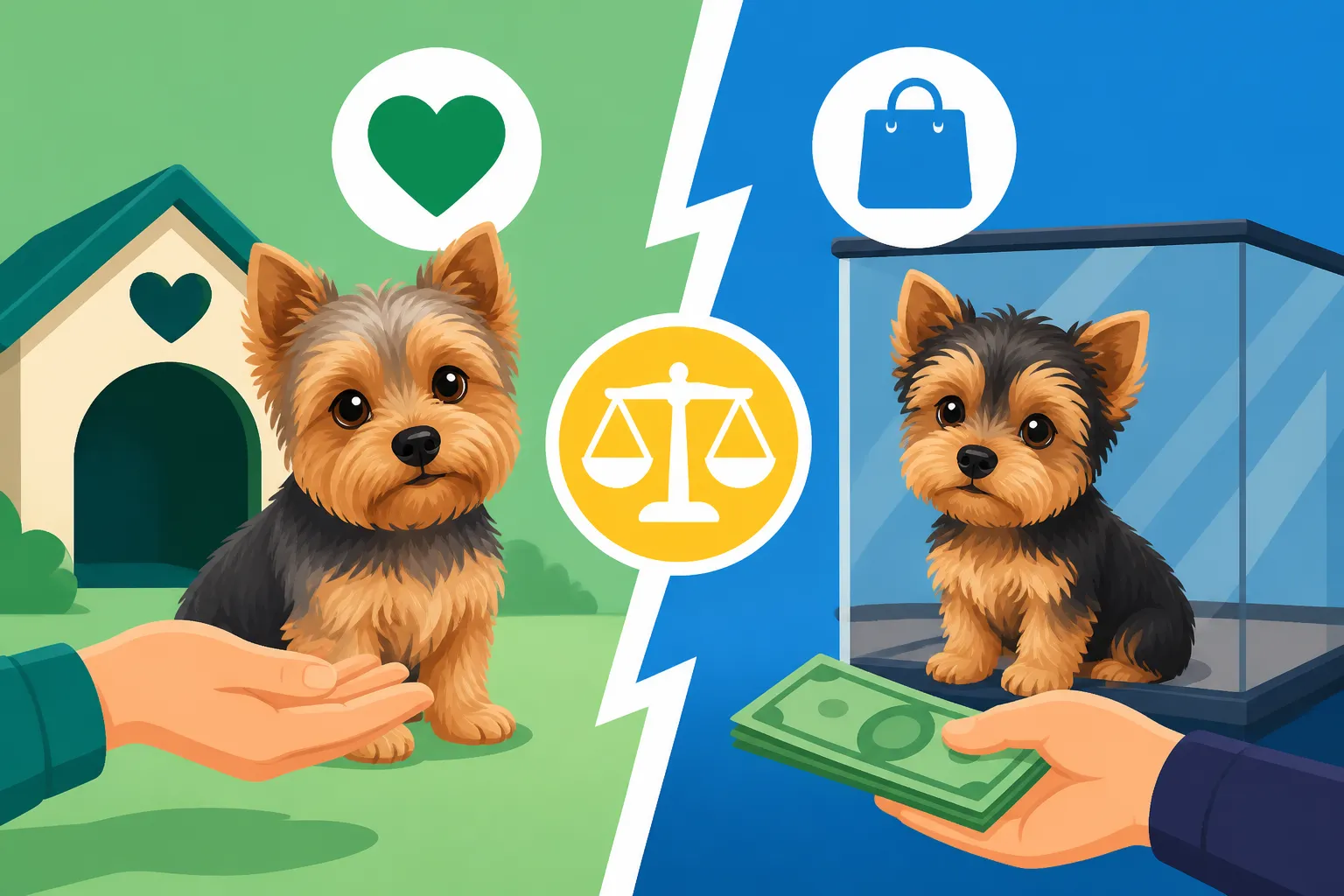
Deciding to bring a Yorkshire Terrier into your life is an exciting journey, but it often starts with a fundamental question: Should you adopt a Yorkie from a rescue or buy a puppy from a breeder? This dilemma isn't just about where your furry friend comes from; it impacts everything from initial costs and potential health concerns to their temperament and how quickly they settle into your home. This comprehensive guide will meticulously explore the nuances of both paths, helping you make the most informed and confident choice for your future companion.
The Initial Lure: Why Buying a Yorkie Puppy Seems Obvious
For many aspiring Yorkie parents, the dream often begins with the image of a tiny, fluffy puppy, full of boundless energy and ready to be molded into the perfect companion. There's an undeniable appeal to being the first and only family a dog knows, and breeders often seem like the most straightforward route to achieve this vision.
The Appeal of a Young Puppy and Known Origins
The sheer cuteness of a Yorkie puppy is hard to resist. Those tiny paws, the little wagging tail, and the soft, silky fur practically scream "take me home!" Many people desire a puppy so they can experience all the firsts – the first bark, the first playful nip, the first time they learn to sit. It’s about creating an unbreakable bond from the earliest possible moment, watching them grow and develop under your loving care. You get to raise them exactly as you envision, instilling your values and habits from the get-go.
Beyond the adorable factor, buying from a breeder often comes with the perceived advantage of "known origins." This means having a clear understanding of the puppy's lineage, knowing who the parents are, and often seeing them in person. For some, this provides a sense of security, believing they are getting a dog with a predictable temperament and health history. A family might specifically want a purebred Yorkie with certain characteristics, perhaps hoping for the classic blue and tan coat or a particular size, and they believe a reputable breeder is the only way to guarantee these traits. This desire for predictability and the ability to choose a puppy from a litter can be a strong draw for many.
This desire for a clean slate, a puppy whose entire life history is known and controlled by you, is a powerful motivator. It allows prospective owners to meticulously plan everything, from their first vet visit to their initial training classes, feeling fully prepared to integrate a new, unspoiled member into their household. The idea of starting fresh, without any unknown baggage, provides a sense of comfort and control over their new pet's future development.
The Breeder Experience: What to Expect When Buying
Embarking on the journey to buy a Yorkie from a breeder typically involves a structured process that can take time and effort. First, you'll likely spend a significant amount of time researching and vetting potential breeders. This isn't just a quick online search; it involves looking for breeders who are part of breed clubs, adhere to ethical guidelines, and have a solid reputation. You'll want to ask plenty of questions, visit their facility if possible, and ideally meet the puppy's parents to assess their temperament and living conditions. Many reputable breeders will also have their own set of questions for you, as they want to ensure their puppies are going to good, loving homes.
Once you’ve found a breeder you trust, you might encounter a waiting list, especially for highly sought-after lineages or specific characteristics. It's not uncommon to place a non-refundable deposit to reserve a puppy from an upcoming litter. This waiting period can be agonizingly long, but it’s often a good sign that the breeder is responsible and doesn’t over-breed. When the puppies are born, you'll usually get updates and photos, building anticipation. The breeder will often provide a contract outlining the terms of sale, health guarantees, and sometimes even spay/neuter agreements. This entire process, while thorough, can be quite an investment of time and money before you even bring your puppy home. It's crucial to understand Signs of an Ethical Yorkie Breeder to avoid pitfalls.
The actual exchange involves more than just handing over payment and taking your puppy. Ethical breeders will provide you with extensive information on your puppy's diet, vaccination schedule, deworming history, and microchip details. They often offer lifetime support, happy to answer questions as your puppy grows. This ongoing relationship can be invaluable, providing peace of mind knowing you have an experienced resource. However, it’s also important to be aware of Yorkie Breeder Red Flags to Avoid, such as breeders who won't let you see the parents, have multiple litters available simultaneously, or push for cash payments without proper documentation. A truly responsible breeder will prioritize the health and well-being of their dogs over profit, and their professionalism and transparency will reflect this.
The Financial Landscape: Costs of Buying vs. Adopting
Money is often a significant factor when considering adding a new pet to the family. The upfront costs of acquiring a Yorkshire Terrier can vary wildly depending on whether you choose to buy from a breeder or adopt from a rescue. Understanding these financial differences is crucial for responsible pet ownership, as initial costs are just the beginning of your Yorkshire Terrier Price Guide: Puppy to Lifetime.
Breaking Down Breeder Costs
Buying a purebred Yorkshire Terrier puppy from a reputable breeder is generally the most expensive option upfront. You can expect to pay anywhere from $1,500 to $3,500 or even more, depending on various factors. These factors include the breeder's reputation, the puppy's lineage (e.g., champion bloodlines), whether it's show-quality or pet-quality, and your geographical location. For instance, a breeder in a high-demand area like Southern California might charge more than one in a less populous state. Puppies with rare colors, though not officially recognized by the AKC, can also sometimes command higher prices. These prices reflect the breeder's investment in health testing the parent dogs, providing proper veterinary care for the mother and puppies, high-quality nutrition, and early socialization.
It's important to remember that this sticker price often doesn't include everything. While some breeders might include initial vaccinations or microchipping, others may not. You'll also need to factor in the cost of a deposit, which can be several hundred dollars, paid well in advance of bringing your puppy home. This deposit secures your spot on a waiting list or reserves a specific puppy for you. When you consider the genetic health screening for conditions like patellar luxation or liver shunts that a responsible breeder undertakes for their breeding stock, the higher cost starts to make sense as an investment in a potentially healthier dog. However, be wary of unusually low prices, as they can be a red flag for a backyard breeder or puppy mill that cuts corners on critical care and genetic screening.
Here's a quick look at how costs can stack up:
| Factor | Typical Breeder Cost Range | Typical Adoption Fee Range | What It Covers (Adoption) |
|---|---|---|---|
| Purchase/Adoption | $1,500 – $3,500+ | $150 – $600 | Adoption paperwork, initial vetting |
| Spay/Neuter | Often separate ($200-$500) | Usually included | Surgical procedure |
| Vaccinations | Often separate ($100-$300) | Usually included | Core vaccinations (Distemper, Parvo, Rabies) |
| Microchipping | Often separate ($30-$70) | Often included | Microchip implant & registration |
| Initial Vet Check | Often separate ($50-$150) | Usually included | General health examination |
| Deworming/Flea Tx | May or may not be included | Often included | Parasite treatment |
| Health Guarantee | Standard with reputable breeders | Varies, often for a limited period | Coverage for certain genetic issues (often 1-2 years) |
Understanding Adoption Fees
Adopting a Yorkshire Terrier from a rescue organization or shelter presents a starkly different financial picture. Adoption fees typically range from $150 to $600, which is significantly lower than buying from a breeder. What’s even better is that these fees often cover a multitude of services that you would otherwise pay for separately. Most rescues ensure that all their dogs are spayed or neutered before adoption, which alone can cost hundreds of dollars at a private veterinary clinic. They also usually provide up-to-date vaccinations, deworming, and microchipping – essential services that quickly add up when you purchase a puppy.
This means that for a single, relatively modest fee, you’re not just getting a dog; you’re receiving a pet that has already received crucial veterinary care, setting you up for a healthier start. Imagine the relief of knowing your new companion is already spayed, microchipped, and has their initial shots without you having to book multiple vet appointments and pay for each service individually. This can be a huge financial advantage, especially if you’re trying to manage your Yorkie Vet Costs and Health Budget carefully. It also allows you to allocate more of your initial budget towards other essentials like a quality harness, a comfortable bed, and nutritious food. For a detailed breakdown, check out Yorkie Adoption Fees Explained.
While the adoption fee covers these basic medical needs, it's still wise to budget for a first vet visit after adoption to establish care and ensure everything is in order. You might also want to invest in pet insurance like Healthy Paws to cover unforeseen medical expenses, which can be particularly beneficial if you adopt an older Yorkie who might have developed some age-related conditions. Many rescue organizations operate as non-profits, and your adoption fee directly contributes to their ability to continue rescuing, rehabilitating, and rehoming dogs in need, making it a purchase with a direct positive impact on animal welfare.
The Health Perspective: What Each Route Offers
The long-term health of your Yorkshire Terrier is paramount, and both buying from a breeder and adopting from a rescue come with different implications regarding health screenings, guarantees, and potential pre-existing conditions. Understanding these differences can help manage expectations and prepare for your Yorkie's well-being.
Health Guarantees from Breeders
Reputable Yorkshire Terrier breeders take the health of their puppies very seriously. They typically offer a health guarantee, which is a written contract stating that the puppy is free from certain genetic health conditions or will replace the puppy if it develops a severe, life-threatening genetic defect within a specified timeframe. This guarantee often covers conditions common in Yorkies, such as Yorkshire Terrier Patellar Luxation: Signs and Care, Yorkshire Terrier Collapsing Trachea: Signs and Care, or portosystemic shunts. The duration of these guarantees varies, but commonly they last for one to two years, covering the most critical developmental period of the puppy's life.
However, it's crucial to understand that a health guarantee isn't a magical shield against all future ailments. It typically only covers genetic conditions that manifest within the guaranteed period and are confirmed by a veterinarian. It usually doesn't cover common puppy illnesses like kennel cough or parasites, which are considered treatable and often fall under the buyer's responsibility shortly after purchase. Moreover, the effectiveness of a health guarantee heavily relies on the breeder's integrity and adherence to their contract. Always read the guarantee carefully and ask for clarification on any ambiguous clauses. The best breeders will also provide proof of health screenings for the parent dogs, such as OFA (Orthopedic Foundation for Animals) certifications for knees or CERF (Canine Eye Registry Foundation) clearances for eyes, demonstrating their commitment to reducing the risk of inheritable conditions. Understanding your Yorkie Health Guarantee Explained is vital.
The importance of parent health testing cannot be overstated. A responsible breeder invests in thoroughly screening their breeding stock for genetic predispositions. For Yorkshire Terriers, this includes screening for things like juvenile cataracts, Legg-Calve-Perthes disease, and certain liver conditions. By carefully selecting healthy parents, they significantly reduce the likelihood of these issues appearing in their offspring. While no breeder can guarantee a dog will never have a health problem, thorough testing provides a strong foundation. This proactive approach by ethical breeders is a key reason why their puppies come with a higher price tag and a more robust health promise.
The Health Status of Rescued Yorkies
When you adopt a Yorkshire Terrier from a rescue organization, they arrive with a different kind of health history, but often with comprehensive pre-adoption care. Rescue groups are committed to ensuring their dogs are as healthy as possible before going to new homes. This means that a rescued Yorkie will almost always be spayed or neutered, up-to-date on all vaccinations, dewormed, microchipped, and will have received a thorough veterinary check-up. Many rescues go a step further, providing dental care if needed or addressing minor skin issues. This comprehensive initial care saves new owners significant time, effort, and money right off the bat, as these are typically the first things you'd do for a new puppy.
While rescues provide excellent initial care, they might not always have a complete genetic history for the dog, especially if the dog's background is unknown. However, they are transparent about any known health issues the dog may have. If a Yorkie has a pre-existing condition, such as a heart murmur, diabetes, or even a managed case of Yorkshire Terrier Pancreatitis: Signs and Care, the rescue will disclose this to prospective adopters. They often cover the initial treatment for these conditions and will provide all available medical records, allowing you to make an informed decision and prepare for potential ongoing care. Many rescues also partner with veterinarians, so they might offer discounted follow-up care or advice, easing the transition for both you and your new companion.
Adopting an adult Yorkie often means that some of the more common "puppyhood" health concerns, such as severe hypoglycemia or certain congenital defects, would have already manifested and been addressed or ruled out. You’re often getting a dog whose current health status is clearly documented. Furthermore, many rescues take in senior Yorkies who, while potentially having age-related issues like arthritis or dental disease, still have plenty of love to give and are often overlooked. The rescue will provide realistic expectations and support for managing these conditions. For a broader understanding of breed-specific ailments, you might want to review Yorkshire Terrier Health Problems to Know. Adopting is about providing a loving home to a dog who truly needs one, and their health is a top priority for the rescue throughout that process.
Temperament and Training: Different Starting Points
Bringing a new dog into your home means integrating a new personality into your daily life. Whether you choose a puppy from a breeder or an adult from a rescue, their temperament and training needs will present different challenges and rewards, requiring patience, consistency, and understanding.
Nurturing a Puppy from a Breeder
One of the most compelling reasons to bring home a Yorkie puppy from a breeder is the unparalleled opportunity to shape their temperament and training from the very beginning. From the moment they arrive, you have the chance to introduce them to your home environment, routines, and family members, setting the foundation for their behavior. This includes critical early socialization – exposing them to various sights, sounds, people, and other friendly dogs in a controlled and positive manner. A well-socialized puppy is more likely to grow into a confident, adaptable adult dog, less prone to fear or aggression.
However, this opportunity also comes with a significant time commitment. Raising a puppy is a full-time job, involving countless hours devoted to basic obedience training, house-training, and addressing typical puppy behaviors like nipping or chewing. You’ll need to consistently work on commands like sit, stay, and come, as well as crucial skills like walking politely on a leash. For specific guidance, you'll find resources like Yorkshire Terrier Puppy Training Schedule and Yorkshire Terrier Potty Training Guide invaluable. The puppy phase requires immense patience and consistency, as you’ll be teaching them everything from scratch, navigating through accidents and minor behavioral hiccups as they learn to navigate the world.
While puppies from reputable breeders may come from parents with good temperaments, individual personalities can still vary. Even with the best breeding, early experiences and proper training play a monumental role in shaping a dog's character. Investing in puppy classes or working with a professional dog trainer can be incredibly beneficial during this period. The satisfaction of watching your Yorkie puppy grow into a well-behaved, confident companion, knowing you laid the groundwork, is a deeply rewarding experience for many owners. It’s a journey of discovery for both you and your furry friend, full of learning and bonding.
Embracing the Personality of an Adopted Yorkie
Adopting an adult Yorkshire Terrier often means you're bringing home a dog with an established personality and, potentially, some pre-existing training or habits – for better or worse. This "what you see is what you get" aspect can be both an advantage and a challenge. On the positive side, rescues often have a foster system, meaning the dog has lived in a home environment and their foster parents can provide detailed insights into their temperament, quirks, energy levels, and how they interact with children, other pets, or strangers. This transparency helps you choose a dog whose known personality traits are a good match for your lifestyle, reducing the guesswork often associated with puppies.
However, some adopted Yorkies may come with baggage, such as a history of neglect, inadequate socialization, or even prior trauma. This can manifest as shyness, fear, or specific behavioral challenges like Yorkshire Terrier Separation Anxiety Solutions or resource guarding. While rescues work hard to address these issues and provide initial behavioral rehabilitation, ongoing patience and specialized training might be necessary in their new home. It’s important to be prepared for the possibility that your adopted Yorkie might need extra support, love, and consistent positive reinforcement to help them overcome past negative experiences and fully blossom in a stable, loving environment. This journey of healing and growth can be incredibly rewarding.
Despite potential challenges, the experience of helping an adopted Yorkie adjust and thrive is profoundly satisfying. Many adult rescue dogs are incredibly resilient and grateful for a second chance. They often settle into new homes quicker than puppies in some respects, already understanding basic house rules or having some potty training. The process of watching a shy or fearful Yorkie gradually come out of their shell, gain confidence, and shower you with affection is a unique and deeply moving bond. While it might require a different kind of patience and dedication than raising a puppy, the love and loyalty you receive in return are immeasurable.
Availability and Process: The Search Experience
The journey to find your perfect Yorkshire Terrier will look quite different depending on whether you're searching for a puppy from a breeder or an adult from a rescue. Each path has its own set of procedures, wait times, and considerations that can influence your decision.
Navigating the Breeder Landscape
Finding a reputable Yorkshire Terrier breeder requires diligent research and a willingness to be patient. You'll typically start by looking at national breed club websites, such as the Yorkshire Terrier Club of America (part of the AKC), or reputable online platforms that list registered breeders. These resources can help you identify breeders who adhere to breed standards and ethical practices. Expect to engage in a thorough interview process, where the breeder will ask you detailed questions about your living situation, experience with dogs, and what you’re looking for in a pet. This isn't meant to be intrusive but rather to ensure their puppies go to suitable, loving homes.
Once you’ve identified a potential breeder, you might find yourself on a waiting list, especially for highly sought-after litters. Good breeders typically have limited litters per year, prioritizing the health of their breeding dogs and the quality of their puppies, which often means a wait of several months, or even a year. During this time, you might place a deposit to secure your spot. It's also critical to visit the breeder's facility if possible, or at least have extensive video calls, to observe the living conditions of the dogs, interact with the parent dogs, and gauge the breeder's overall commitment to animal welfare. Unfortunately, the allure of purebred puppies has also led to a rise in unethical operations. Be incredibly cautious and educated about Yorkie Breeder Red Flags to Avoid and how to avoid falling victim to How to Spot a Yorkie Puppy Mill. Look for transparency, health clearances, and a genuine passion for the breed, not just a quick sale.
This investigative process, while demanding, is essential for ensuring you're supporting ethical breeding practices and acquiring a healthy, well-socialized puppy. A good breeder is an open book, happy to share information, answer questions, and provide references from previous puppy buyers. They will often have a wealth of knowledge about the breed and can be a valuable resource for you throughout your Yorkie's life. This long-term relationship, built on trust and mutual respect for the breed, is a significant part of the breeder experience.
Exploring Rescue and Shelter Options
The path to adopting a Yorkshire Terrier often involves a different kind of search, focused on rescue organizations and shelters. There are many dedicated Yorkshire Terrier rescue groups across the country, as well as general small breed rescues that frequently have Yorkies in their care. Websites like Petfinder and Adoptapet are excellent resources for finding available dogs in your area. Unlike breeders, who often have upcoming litters, rescue availability can be less predictable, depending on the dogs currently in need of homes.
The adoption process typically begins with an application form, which gathers information about your lifestyle, living situation, and previous pet experience. This helps the rescue match you with a suitable dog. Expect a screening process that might include phone interviews, veterinary reference checks, and sometimes even a home visit to ensure your environment is safe and appropriate for a Yorkie. This thorough vetting is designed to protect the dogs and ensure they are placed in permanent, loving homes. It’s not uncommon to find that you can meet several Yorkies before making a decision, allowing you to find a dog whose personality truly resonates with you and your family. For example, if you live in New York, searching for "Yorkie rescue New York" will likely bring up local organizations such as Long Island Yorkshire Terrier Rescue, or similar state-specific groups.
The most rewarding aspect of adopting is the profound satisfaction of giving a dog a second chance at a happy life. Many rescue Yorkies come from challenging circumstances, whether they were surrendered due to owner health issues, financial hardship, or, sadly, neglect. When you adopt, you're not just getting a pet; you're often saving a life and providing a loving forever home to a deserving animal. The transformation you witness in a rescue dog as they decompress, learn to trust, and finally feel safe and loved is truly unparalleled. While the availability might be unpredictable, the emotional rewards are immeasurable, and you'll find that these dogs often form incredibly deep bonds with their new families. When preparing for your new family member, whether adopted or bought, Chewy offers an extensive range of supplies, from food bowls to cozy beds, to help them settle in comfortably.
Ethical Considerations and Impact
The choice between adopting and buying a Yorkshire Terrier extends beyond personal preference; it carries significant ethical weight and impacts the broader world of animal welfare. Understanding these implications can help you make a decision that aligns with your values.
Supporting Responsible Breeding
When you choose to buy a Yorkshire Terrier from a reputable breeder, you are directly supporting responsible breeding practices. Ethical breeders are not simply in the business of producing puppies; they are dedicated custodians of the breed. Their mission includes preserving the breed standard, which encompasses physical characteristics, health, and temperament. This involves extensive genetic health testing of their breeding dogs to screen for common breed-specific ailments like luxating patellas or liver shunts, thereby reducing the prevalence of these issues in future generations. They invest significant time, money, and expertise into ensuring the health and well-being of their adult dogs and every single puppy.
Supporting responsible breeders also means contributing to the overall health and integrity of the Yorkshire Terrier breed. These breeders prioritize quality over quantity, often having only a few carefully planned litters per year. They provide excellent prenatal and postnatal care for the mother and her puppies, including proper nutrition, early socialization, and veterinary oversight. By choosing such a breeder, you are discouraging the practices of backyard breeders and puppy mills, who often prioritize profit over animal welfare, leading to dogs with significant health and behavioral problems. An ethical breeder will provide a healthy, well-adjusted puppy, often with a robust health guarantee, and offer ongoing support and advice throughout the dog's life.
Ultimately, opting for a responsible breeder is a conscious decision to value ethical animal husbandry. It means recognizing the immense effort, dedication, and knowledge required to responsibly bring new lives into the world. You become part of a community that seeks to elevate the standard of dog breeding, ensuring that each puppy has the best possible start in life and contributes positively to the future of the breed. This investment in a well-bred Yorkie helps ensure that the traits and health characteristics that make the breed so beloved continue for generations to come.
The Power of Adoption
Choosing to adopt a Yorkshire Terrier, whether from a dedicated breed rescue or a general animal shelter, embodies a powerful act of compassion and has a profound societal impact. Every dog adopted opens up a space for another animal in need, directly contributing to reducing the number of homeless pets. Many Yorkies end up in rescues through no fault of their own—perhaps their owners could no longer care for them, or they were rescued from neglectful situations, including puppy mills. By adopting, you give these deserving dogs a second chance at a loving, stable home, often literally saving a life.
The benefits of adoption extend beyond the individual dog. Rescue organizations often dedicate immense resources to rehabilitating dogs, providing medical care, behavioral training, and socialization to prepare them for their forever homes. When you adopt, you're supporting these vital efforts and helping to sustain the infrastructure that cares for countless animals. This means your adoption fee isn’t just buying you a pet; it’s contributing to a larger cause that fights against animal homelessness and cruelty. It's a direct way to make a tangible difference in the lives of animals who have faced difficult circumstances.
The emotional rewards of adoption are often deeply moving. Many adopters report a unique bond with their rescue pets, a sense of profound gratitude from the animal, and the joy of witnessing a dog's transformation as they learn to trust and thrive in a new environment. While some rescue dogs may come with past traumas or behavioral quirks, the dedication to helping them overcome these challenges can create an incredibly strong and meaningful connection. Adopting isn’t just about getting a pet; it’s about becoming a hero in an animal's story, offering unconditional love and a safe haven to a dog who truly needs it. If you're considering adopting, reading about Adopting vs Buying a Yorkshire Terrier could provide further clarity on how your choice contributes to animal welfare.
Making the Right Choice for Your Family and Lifestyle
Ultimately, the decision to adopt or buy a Yorkshire Terrier is a deeply personal one that should align with your specific circumstances, expectations, and long-term commitment. There isn't a universally "better" option; rather, it's about finding the path that best suits your family and what you can realistically offer a new furry companion.
Assessing Your Readiness and Resources
Before you commit to either adoption or purchase, take a moment for honest self-reflection about your readiness and resources. Do you have the time and energy to dedicate to a new pet? Raising a puppy from a breeder, for instance, demands significant time for training, socialization, and constant supervision during their formative months. This means being home often, scheduling potty breaks every few hours, and actively engaging in obedience lessons. An adopted adult Yorkie, while potentially having some established habits, will still require an adjustment period, consistent routine, and possibly dedicated training to address any behavioral quirks they may have.
Financial stability is another key consideration. While adoption fees are generally lower upfront, ongoing costs for food, grooming, vet care, and supplies like those from Ollie (if you opt for fresh dog food delivery) are constants regardless of how you acquire your Yorkie. Buying from a breeder might mean a higher initial cost for the puppy, while adopting could potentially mean taking on an older dog with pre-existing health conditions that require ongoing medical management. It's wise to budget for potential emergencies and consider pet insurance options like Healthy Paws from the outset. Your lifestyle also plays a role: Are you frequently away from home? Do you travel often? Do you have young children or other pets? All these factors influence which type of Yorkie—a puppy or an adult, from a breeder or a rescue—would best integrate into your life. To help with this critical assessment, consider asking yourself Is a Yorkshire Terrier Right for You.
Furthermore, think about your personality and expectations. Are you seeking the challenge and reward of shaping a puppy from scratch, or are you drawn to the idea of giving an adult dog a second chance? Are you comfortable with a dog whose history might be unknown, or do you prefer the predictability that a responsible breeder aims to provide? There are no right or wrong answers here, only what is right for you. Being realistic about your lifestyle, your capacity for patience, and your financial ability to provide for all a Yorkie's needs will lead you to the most successful and joyful outcome for both you and your future companion.
Long-Term Commitment: A Yorkie's Lifespan
Regardless of whether you choose to adopt or buy, bringing a Yorkshire Terrier into your home is a significant long-term commitment. These spirited little dogs can live for a surprisingly long time, often between 12 to 15 years, and sometimes even longer. This means that your decision isn't just for today or tomorrow, but for over a decade of your life. This lengthy lifespan means dedicating yourself to their care through all stages of life, from energetic puppyhood or the adjustment period of an adult rescue, through their vibrant middle years, and into their senior golden years. Understanding How Long Do Yorkshire Terriers Live is crucial for planning this extensive commitment.
This commitment includes providing consistent veterinary care throughout their life, adapting their diet and exercise as they age, and providing endless love and companionship. A puppy will need consistent training and socialization to develop into a well-adjusted adult, while an adopted adult might need patience to adjust to a new home and routine, and potentially ongoing management for any past trauma or existing conditions. As they enter their senior years, Yorkies might require more specialized care, such as joint supplements or more frequent vet check-ups to manage age-related issues. The bond you form with your Yorkie will deepen over these years, making them an irreplaceable member of your family.
Ultimately, both paths—adoption and buying from a breeder—can lead to the same wonderful destination: a loving, loyal, and cherished Yorkshire Terrier companion. The key is to approach either option with thorough research, an open mind, and a deep understanding of the responsibilities involved. By making an informed choice that aligns with your lifestyle and values, you ensure a fulfilling and happy life for both you and your new four-legged friend.
Disclaimer
This article is intended for informational purposes only and does not constitute veterinary advice. Always consult with a qualified veterinarian for any health concerns or before making decisions about your pet's medical care.